REVIEW · PHU QUOC
From HoChiMinh: 2 Day Mekong Delta Tour exit Phu Quoc Island
Book on GetYourGuide →Operated by Dragon Sea Travel & Du Lịch Rồng Biển · Bookable on GetYourGuide
A trip like this feels like a current. This Mekong cruise plus the direct ferry onward to Phu Quoc keeps things moving in a way many one-size-fits-all tours don’t. You’ll see temple life in the delta, row through coconut-lined canals, then finish your Mekong day at a floating market before boarding a ferry to the island.
What I like most is that the tour is built around how people actually live here—floating houses, fish cages, and river trading from the water. The second big win for me is the temple-and-market combo: Vinh Trang Pagoda on Day 1 and Cai Rang Floating Market on Day 2 give you both the spiritual landmark and the daily hustle.
One thing to consider: the pace is tight, and the land stops can feel more “tour organized” than free-form. A few past guests also flagged basic rooms (including some without windows) and an occasional sense of pressure to buy at some stops—so set expectations and plan to keep optional purchases to a minimum.
In This Review
- Key things to know before you go
- A Two-Day Route That’s Built Around the Water—and Then the Ferry
- Day 1: Ho Chi Minh to My Tho, With Vinh Trang Pagoda and Real River Life
- Vinh Trang Pagoda: the Mekong Delta’s most recognizable landmark
- Mekong River cruise: floating houses and fish cages
- Ben Tre by hand-rowed boat: coconut canals and village quiet
- Ben Tre Village Stops: Coconut Candy, Folk Music (Đờn ca tài tử), and Honey Tea
- Lunch in a garden setting
- Can Tho Overnight: Why This Stop Helps (and What Can Go Wrong)
- Hotel reality check
- Day 2: Cai Rang Floating Market by Boat, Noodle-Making, and Fruit Stops
- Rice noodle workshop and pineapple tasting
- Timing: how this day leads to Phu Quoc
- The Phu Quoc Ferry Jump: Finishing the Mekong Without Going Back to HCMC
- Price and Value: What $184 Buys You (and Where It Can Feel Thin)
- Who This Tour Suits Best
- Practical Tips Before You Go
- Should You Book This Mekong-to-Phu Quoc Tour?
- FAQ
- How long is the Mekong Delta tour and Phu Quoc transfer?
- What’s the starting location and pickup setup in Ho Chi Minh City?
- What are the main Day 1 stops?
- What happens on Day 2?
- Does the tour include transportation to Phu Quoc Island?
- What’s included in the price?
- What’s not included?
- What should I bring for the tour?
Key things to know before you go
- Mekong to Phu Quoc without backtracking to Ho Chi Minh keeps your time efficient.
- Rowboat canals in Ben Tre are the quiet, slow contrast to the bus-and-boat schedule.
- Vinh Trang Pagoda is the delta’s most iconic temple stop, with a formal guided visit.
- Cai Rang Floating Market by boat gets you into the action from the water, not only from shore.
- Can Tho overnight buys you a real second morning for the market (instead of rushing straight through).
- Some hotel and pacing complaints show up in feedback, so think value over luxury.
A Two-Day Route That’s Built Around the Water—and Then the Ferry
This is a short, high-intensity Mekong Delta itinerary that ends on Phu Quoc Island the same day you visit the floating market. If you like river views and don’t want to spend a day back in Ho Chi Minh arranging separate transport, this route makes a lot of sense.
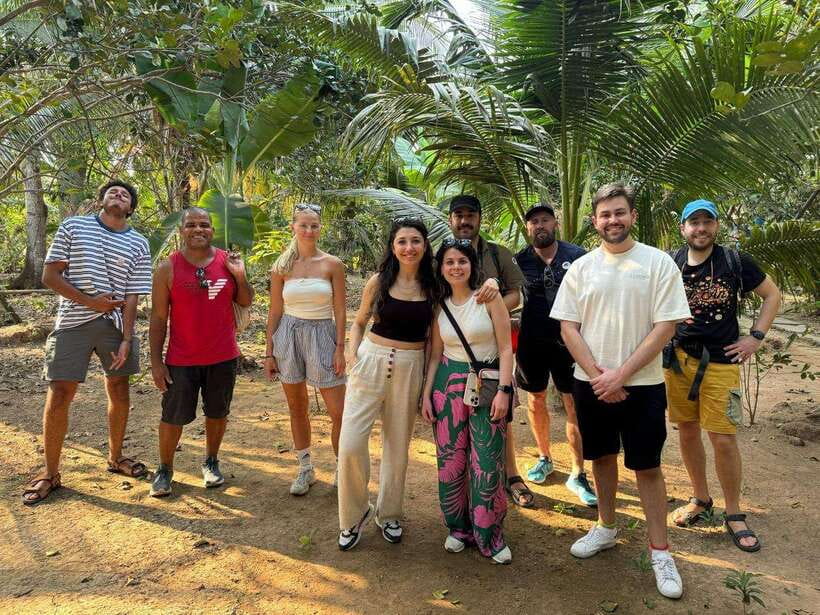
The tour is also designed for small groups (up to 14). That matters because the day includes several “moving parts” (boats, short transfers, and quick guided stops). In practice, a smaller group tends to keep the guide’s attention focused when timing gets tight.
Still, the “two days” timeline means you should expect schedule compression. One of the recurring themes in feedback is that the trip can feel rushed, and at certain stops the guide’s push to see everything can start to feel like a shopping funnel.
You can also read our reviews of more tours and experiences in Phu Quoc.


Day 1: Ho Chi Minh to My Tho, With Vinh Trang Pagoda and Real River Life
You start with a morning pickup in central District 1 (243 De Tham Street). You can also ask for pickup from a hotel in District 1. From there, you travel by air-conditioned tourist bus toward My Tho, typically with countryside scenery along the way.
Vinh Trang Pagoda: the Mekong Delta’s most recognizable landmark
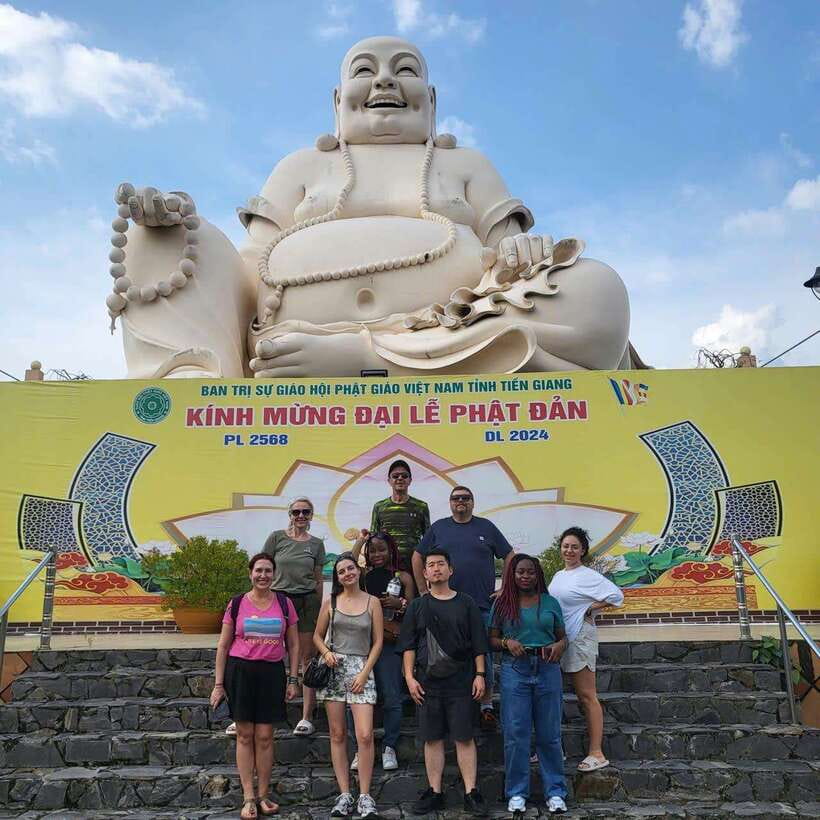
Your first major stop is Vinh Trang Pagoda, described as the largest and most iconic Buddhist temple in the delta. This is not a quick “snap a photo and leave” visit—there’s a guided tour and photo stop time built in (about 30 minutes).
Why it’s worth it: Vinh Trang helps you understand that the Mekong isn’t only about boats and fruit. It’s also about community and ceremony. It sets a calmer tone right at the start, before the schedule shifts back into transport mode.
Mekong River cruise: floating houses and fish cages
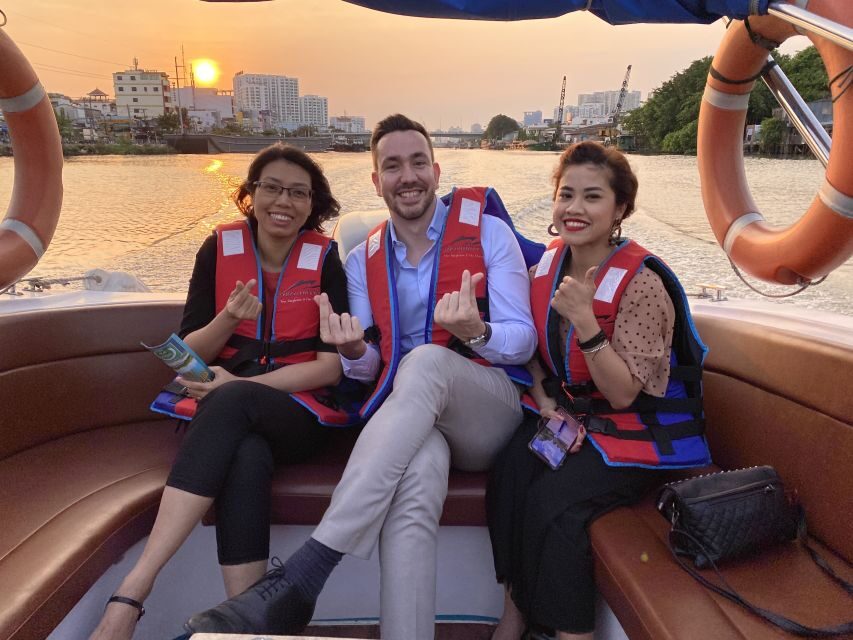
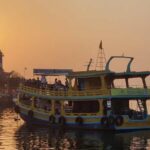
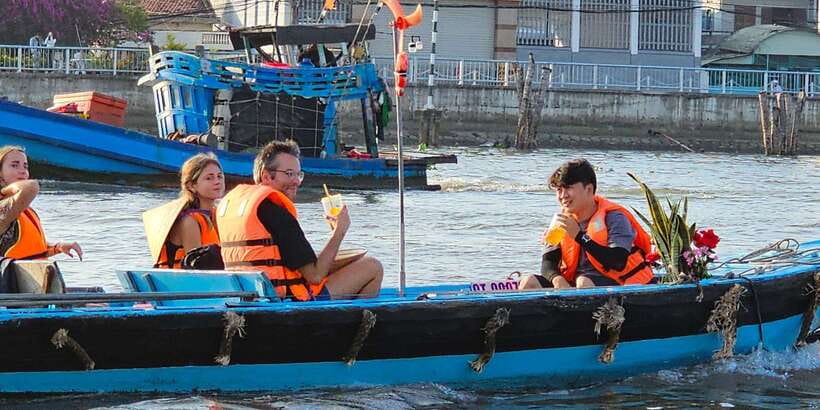
After the temple, you move to the river for a boat cruise. The route passes floating houses and fish cages, the kind of details that make the delta feel lived-in rather than staged.
One practical note: boat time is where you’ll want sunglasses, sunscreen, and a plan for shade. The sun can hit hard even when you’re moving slowly on the water.
Ben Tre by hand-rowed boat: coconut canals and village quiet
The tour then shifts to a smaller hand-rowing boat for the canal section near Ben Tre. This is one of the most charming parts of the itinerary: you glide through narrow canals lined with coconut trees, with village life visible from up close.
This is where pacing works in your favor. After a bigger motorized cruise, the rowboat slows everything down and lets you enjoy details—water texture, shaded edges of the canal, and everyday activity along the banks.

Ben Tre Village Stops: Coconut Candy, Folk Music (Đờn ca tài tử), and Honey Tea
Once you’re off the boat, you’ll visit a coconut candy workshop on a coconut island in Ben Tre. You’ll see the handmade process and get samples. This is a classic delta experience, but it’s also a useful stop because it shows how local agriculture becomes packaged sweetness for visitors and local markets.
Next is Unicorn Island by motor cart. Here the program includes Đờn ca tài tử, a traditional Southern Vietnamese folk music experience, plus seasonal tropical fruit tasting. If you’re someone who likes culture you can hear, not only culture you can photograph, this part is a nice change from river scenery.
Then comes a bee-keeping farm, where you get natural honey tea. It’s also a practical stop: it breaks up the day with something warm and slow after time in boats and sun.
Finally, you’ll explore a typical Mekong Delta house and take part in a Vietnamese cooking class, guided by local hosts. Cooking classes work best when you treat them as a learning tool rather than a performance. You’ll pick up techniques and flavor ideas you can actually reuse later.
Lunch in a garden setting
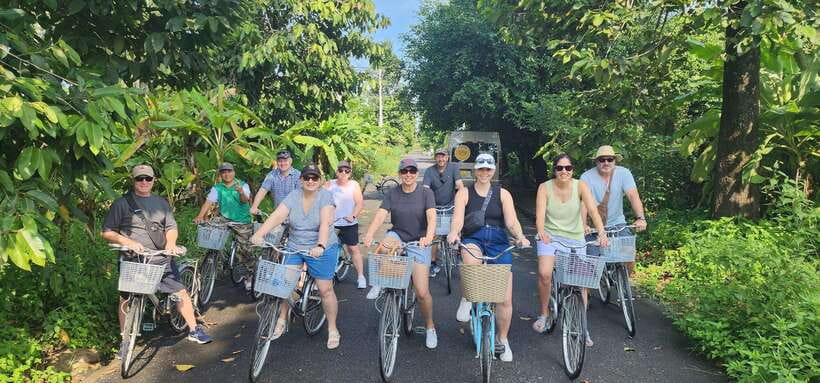
You’ll have lunch around midday (in a garden setting) and then you’ll have free time to stroll around the village or take a short bicycle ride through quiet countryside paths.
The “free time” matters. It’s your buffer if you’re tired of the full schedule. It also lets you control how much time you want near the workshop-and-house cluster.
Can Tho Overnight: Why This Stop Helps (and What Can Go Wrong)
You cross by ferry later in the day and continue to Can Tho, which is often described as the heart of the Mekong Delta. You’ll have dinner on your own, and you’ll get free time to explore the city or relax at the hotel.
That overnight is more than a convenience. It gives you a second morning at a proper hour for the floating market, instead of chasing everything at the end of Day 1.
Hotel reality check
The hotel is included for one night in Can Tho, with an A/C double or twin room. Feedback is mixed on comfort and quality. Some people reported rooms that felt basic, including a room without a window, while others suggested upgrades were possible for better stays.
If you value a better room, it’s worth asking in advance what room categories are available and what “upgrade” options might exist.
Day 2: Cai Rang Floating Market by Boat, Noodle-Making, and Fruit Stops
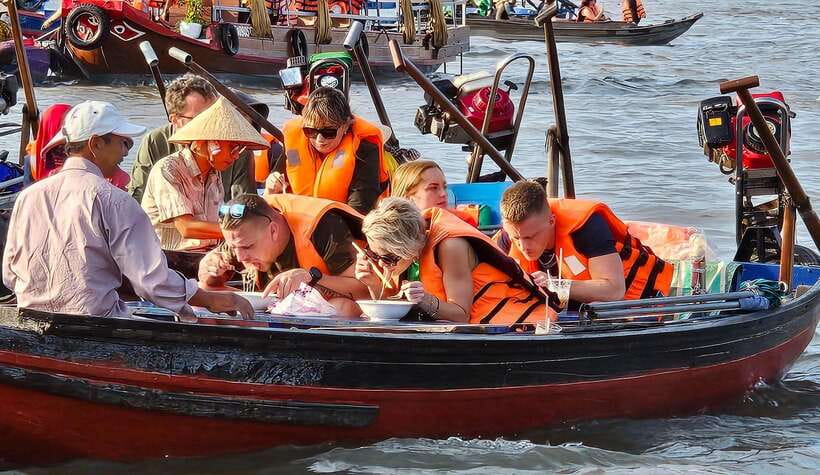
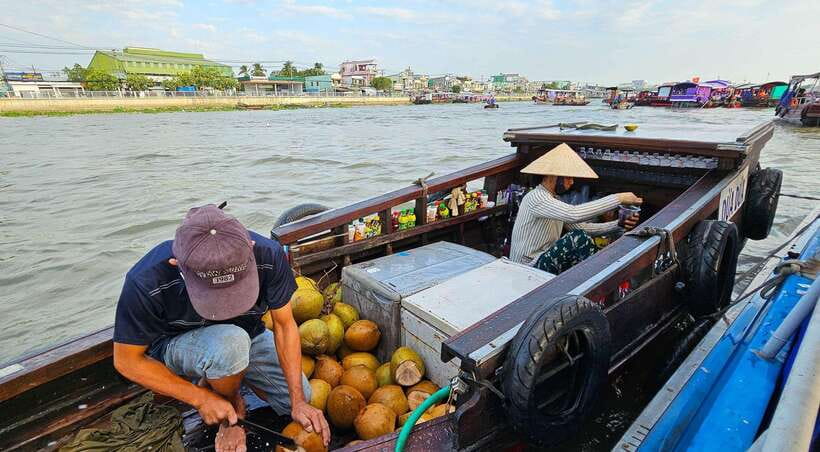
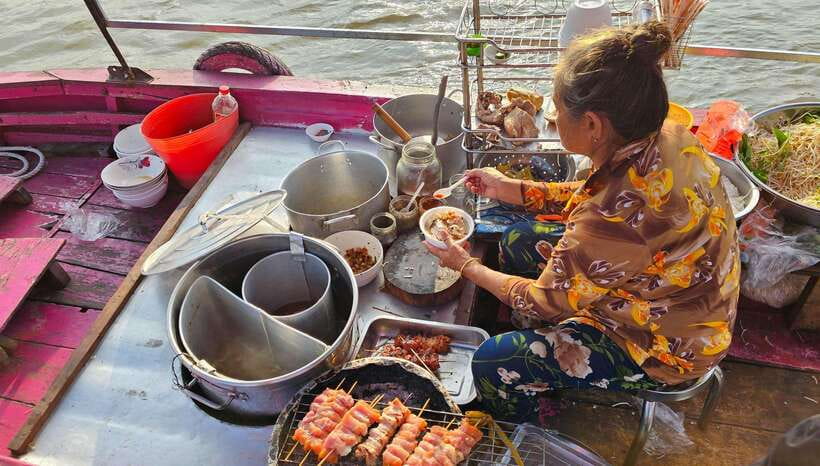
You start Day 2 with breakfast at the hotel. Then you head out by boat to Cai Rang Floating Market, one of the most famous traditional floating markets in the Mekong Delta.
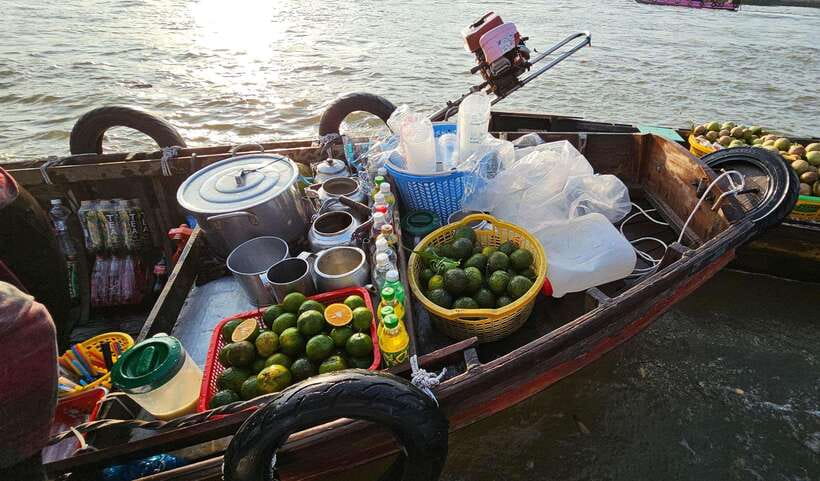
This is the main show. You’ll experience the lively trading from the water, watching traders sell fruits and products directly from their boats. The difference between seeing a market from shore versus from your own boat is huge. From the water, you feel part of the flow.
Rice noodle workshop and pineapple tasting
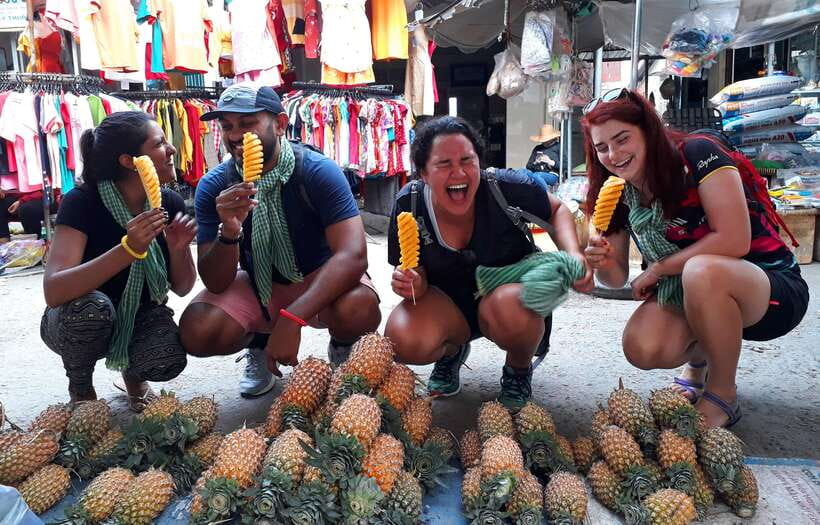
After Cai Rang, you’ll visit a traditional rice noodle-making workshop. The tour also includes a boat ride with fresh pineapple tasting and time at a local market in the city center.
Why these stops are smart for a short itinerary: even if you don’t buy anything, you get a sense of the delta’s food economy—grain, fruit, and processing. It connects what you see in the river life to what ends up on plates.
Timing: how this day leads to Phu Quoc
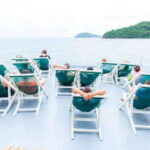
Once the market portion is done, you transfer by private car (no guide) to Rach Gia Harbor, then take the ferry to Phu Quoc. In the schedule provided, departure is around 1:00 PM and arrival is around 5:00 PM.
This is where logistics matter: you’re moving from a river market into island arrival on the same day. If you’re prone to motion sickness, plan for it. If you hate being rushed, make sure you’re ready for a “finish the Mekong, start the island” energy shift.
The Phu Quoc Ferry Jump: Finishing the Mekong Without Going Back to HCMC
One of this tour’s clever values is that you don’t return to Ho Chi Minh. You head straight from the Mekong circuit to Phu Quoc by ferry.
You’ll likely appreciate this if you already know you want beach time after river time. It’s also a practical win: fewer long-distance days means more time enjoying one region at a time.
Still, it’s not a full-day on the island. You arrive around late afternoon, so your first evening on Phu Quoc is more “settle in” than “big sightseeing spree.”
Price and Value: What $184 Buys You (and Where It Can Feel Thin)
At $184 per person for two days, the value is in what’s packed into the route: transportation from Ho Chi Minh to the delta, a full-day Mekong program with multiple boat segments, a cooking class, an overnight in Can Tho with breakfast, the floating market morning, and the ferry transfer to Phu Quoc.
So what might make it feel expensive? Two things show up in feedback:
- Hotel quality and room specifics can vary, and some stays felt low for the price.
- The schedule can feel tight, with less “free wandering” than you’d get on slower self-guided travel.
The other value point is the small group size (max 14) and the English-speaking guide on the main tour segments. A good guide can smooth out timing and explanations, and one guide name that shows up in feedback is Khoa, described as friendly and attentive.
One more important note: if you have dietary needs, say something early. One passenger with celiac disease reported being accommodated with separate food handled carefully by their guide. That doesn’t guarantee every situation will be perfect, but it’s a strong signal to communicate your needs upfront.
Who This Tour Suits Best
I’d book this kind of route if you want:
- A fast but structured Mekong experience with boat time and key stops
- A direct Phu Quoc transition without the hassle of re-planning transport
- Cultural add-ons like Đờn ca tài tử and a hands-on cooking class
You might pick something else if you:
- Hate feeling rushed and prefer long, flexible stops
- Have strong needs around hotel comfort or window/room layout
- Want the trip to be purely scenic with minimal “buying prompts”
Practical Tips Before You Go
- Bring comfortable shoes with grip for landings and market areas.
- Pack sunscreen, a hat, and water. You’ll be out in the sun during multiple segments.
- Have a backup plan for shade during boat rides—watch the sky and timing.
- If you care about room quality, ask about room category options before you pay (especially if you’re sensitive to basic accommodations).
Should You Book This Mekong-to-Phu Quoc Tour?
If your goal is to connect the Mekong Delta to Phu Quoc in only two days, this is a strong option. The boat-heavy schedule, the Vinh Trang Pagoda anchor, and the Cai Rang floating market by boat make the core experience feel complete without extra transfers back to Ho Chi Minh.
I’d still go in with eyes open. Check your comfort expectations for the Can Tho hotel, assume the day runs on a tight clock, and keep control over any optional purchases during the workshop and village stops. If that fits your travel style, you’ll likely end your Mekong days with the right kind of momentum.
FAQ
How long is the Mekong Delta tour and Phu Quoc transfer?
It lasts 2 days.
What’s the starting location and pickup setup in Ho Chi Minh City?
Pickup is available from 243 De Tham Street in District 1, or you can request hotel pickup in District 1.
What are the main Day 1 stops?
You travel from Ho Chi Minh City to My Tho, visit Vinh Trang Pagoda, take a Mekong River boat cruise, then do a hand-rowing boat through coconut canals in Ben Tre. You also visit a coconut candy workshop, enjoy Đờn ca tài tử with fruit tasting, visit a bee-keeping farm with honey tea, explore a typical Mekong Delta house, and take part in a cooking class.
What happens on Day 2?
You have breakfast, then visit Cai Rang Floating Market by boat. You also visit a rice noodle-making workshop, have pineapple tasting, and explore a local city market before transferring to Rach Gia Harbor and taking the ferry to Phu Quoc.
Does the tour include transportation to Phu Quoc Island?
Yes. You transfer by private car to Rach Gia Harbor and then take a ferry to Phu Quoc Island, with the provided arrival time around 5:00 PM.
What’s included in the price?
Included are an air-conditioned bus, entrance fees, 1 lunch on Day 1, 1 breakfast at the hotel, boat trip(s) plus activities like biking, fruit tasting, honey tea, and coconut candy sampling, a 1-night A/C hotel in Can Tho, an English-speaking guide, mineral water, and the boat transfer to Phu Quoc.
What’s not included?
Additional meals not listed in the itinerary, personal expenses like drinks and phone fees, and any single room supplement (if applicable).
What should I bring for the tour?
Bring comfortable shoes, a hat, a camera, sunscreen, and water.