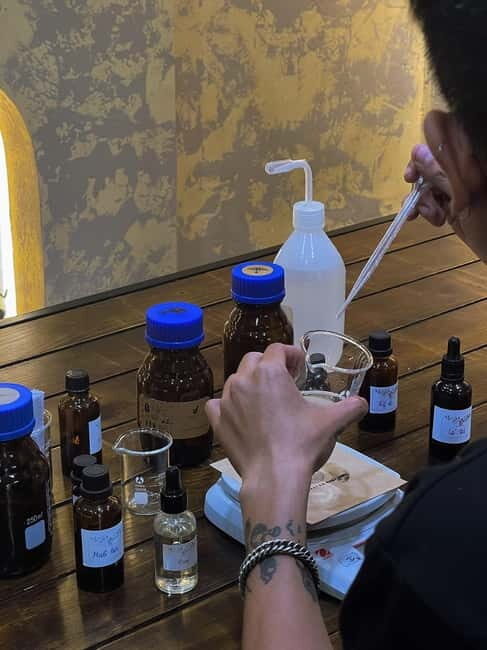
Ho Chi Minh City can be loud and fast. This cooking course slows you down and teaches you how to build Vietnamese flavor with more vegetables using real market ingredients. I like that you start at Ben Thanh Market and actually see what to look for before you cook, and I like that the class is hands-on from start to finish so you can recreate the steps at home.
You should note one possible drawback: the market visit only happens in the morning session. If you book later in the day, fresh food stalls close at 12:00pm after Covid-19, so you won’t get that ingredient hunt portion.
In This Review
- The quick decision you’re making
- Key highlights worth planning around
- Why this Vietnamese Healthy Vegetarian Course is more useful than you think
- A note on “menus” and choosing dishes
- Ben Thanh Market: the morning ingredient hunt that changes how you shop
- If you book afternoon or evening
- Meeting the chef and the Kitchen Gods story (yes, really)
- Hands-on cooking: build technique with Vietnamese veg-forward methods
- What you’ll actually cover
- Vegetarian doesn’t mean one-note
- Course choices keep it flexible
- The feast, the recipes, and the souvenir you’ll actually keep
- What you leave with
- Price and value: is $48.21 for 3 hours a fair deal?
- When it might feel overpriced
- Who should book this class (and who should skip it)
- Practical tips so you get the most from your 3 hours
- Should you book this cooking course?
- FAQ
- Where does the cooking class start and end?
- How long is the Healthy Vegetarian Course?
- Is this a private tour or a group class?
- Is lunch included, or do you get dinner instead?
- Do you always visit Ben Thanh Market?
- Why is there no market visit in the afternoon or evening?
- What do I receive besides the meal?
- Are cooking utensils provided?
- Is transportation included?
- Is there free cancellation?
The quick decision you’re making
For $48.21 per person, you’re paying for chef-led technique plus lunch (or dinner) and the recipe handouts—not just tasting food. If you want a veg-forward class that feels practical (not gimmicky meat-substitute theater), this is a strong fit.
Key highlights worth planning around
- Ben Thanh Market morning ingredient shopping with an eye for what’s worth buying (including fruit selection)
- Chef-led vegan and vegetarian cooking where you do the work step-by-step
- Basic cooking methods covered, so you learn technique, not just a list of dishes
- Hands-on “feast” meal at the end, in a social, convivial setup
- You leave with manual recipes, a certificate, and a souvenir gift tied to the class
Why this Vietnamese Healthy Vegetarian Course is more useful than you think
I like cooking classes that give me something I can use before my next grocery run. This one does that because it’s built around Vietnamese market ingredients and everyday cooking methods, not just vegetarian plates.
You’ll focus on vegan and vegetarian meals with Asian flavors and cooking techniques. That matters because a lot of veg-focused cooking goes straight to odd meat substitutes. Here, the emphasis is on vegetables and on making them taste like they belong in Vietnamese home cooking.
And you don’t just watch. The course is designed so you participate in each step, which is where the real value is. When you understand the order of operations—prep first, heat next, seasoning timing—you’re much more likely to cook confidently at home.
A note on “menus” and choosing dishes
The class uses daily menus and offers different course types to participants to choose from. That means your exact dishes can vary by day, so it’s best to treat the session like a skill-building workshop with a menu that fits what’s available.
Ben Thanh Market: the morning ingredient hunt that changes how you shop
Ben Thanh Market is where you get your bearings fast. Meeting at Ben Thanh Market starts you off in the right place: you’re not trying to cook Vietnamese food from a blank page. You’re looking at real produce and learning how to pick it.
In the morning session, you’ll go with the chef to see the market’s working reality and to understand local ingredients. One guest specifically highlighted learning how to spot good fruit—what to look for and what the vendor sections can mean for your choices. Another guest pointed out that the market introduction helped them understand where vendors supply their food and which parts of the market to pay attention to.
Even if you’re not a heavy cook, this ingredient education sticks. Next time you’re at a grocery store far from Saigon, you’ll remember the logic: choose quality first, then build flavor.
If you book afternoon or evening
Here’s the important planning detail. Market visit is only in the morning. After 12:00pm, fresh food stalls close, so later sessions skip the ingredient-shopping portion. The class still runs, but you’ll be cooking without the market walk.
So when you’re choosing your time slot, ask yourself: do you want the full market-to-table experience? If yes, book morning.
Meeting the chef and the Kitchen Gods story (yes, really)
Before hands-on cooking begins, you’ll get a welcome drink and hear the Kitchen God’s story. That part might sound like a quirky warm-up, but it fits the overall theme of the class: Vietnamese food connects to culture, beliefs, and daily life, not just recipes.
You’ll also learn from a professional chef, and in at least one recent session the teacher was named Quy. That guest described the experience as meeting at the market, learning how different Vietnamese foods are used in cooking, then heading to the kitchen to make a selection of dishes and share the meal together.
The practical takeaway for you: don’t treat this as a lecture. Use the story time to ask questions about ingredients and technique while everything is still fresh in your mind.
Hands-on cooking: build technique with Vietnamese veg-forward methods
This class is built around participation. You’ll be guided through each step so you can master the techniques at home. That’s the difference between cooking as entertainment and cooking as learning.
What you’ll actually cover
The course aims to cover basic cooking methods. While the exact dishes change daily, you can expect to practice core Vietnamese cooking skills as you cook together. The goal is that you’re not memorizing a single recipe—you’re learning how to execute techniques you can reuse.
You’ll also be working with basic cooking methods in a veg-focused format. Think about it like learning the grammar of Vietnamese cooking:
- how ingredients are prepped,
- how flavor is built as you cook,
- how timing affects taste and texture,
- and how to season so vegetables don’t end up bland or soggy.
Vegetarian doesn’t mean one-note
Because this is a vegan/vegetarian course centered on vegetables (not weird meat replacements), you’ll get a better sense of how Vietnamese cooking treats vegetables as main characters. The class leans on Asian flavors and techniques, so you’re learning a style of seasoning and cooking that should translate to home kitchens using ingredients you can find.
Course choices keep it flexible
You’ll be able to choose from various daily menus and different course types. That’s helpful if you have dietary preferences within the vegetarian or vegan umbrella, or if you’re traveling with someone who wants a certain type of dish.
The feast, the recipes, and the souvenir you’ll actually keep
After the cooking, you sit down to feast on the fruits of your labor. The atmosphere is described as convivial, and it’s one of those moments where you stop thinking like a student and start thinking like a diner.
This is also when the “learning” clicks. You taste your own food in the context it was designed for—how it’s meant to be eaten, how the flavors hang together, and what the vegetables are supposed to do in the overall plate.
What you leave with
You won’t walk away empty-handed. The class includes:
- manual recipes you can use later,
- a certificate,
- and a souvenir gift to mark the experience,
- plus cooking utensils as part of what’s provided.
That set of take-home items matters because it turns the experience into something functional. A memory fades. A recipe sheet plus a small souvenir reminder tends to stick longer.
Price and value: is $48.21 for 3 hours a fair deal?
At $48.21 per person for about 3 hours, you’re not paying for a long cooking vacation. You’re paying for a focused workshop.
Here’s what you get in the included price:
- chef-led cooking with your participation,
- lunch or dinner depending on booking time,
- a market visit (for the morning session),
- cooking utensils,
- a souvenir gift,
- and a certificate,
- plus a mobile ticket.
So the value calculation is pretty clear. You’re essentially buying:
1) instruction and technique practice, and
2) a meal, and
3) take-home materials.
Also, this is a private tour/activity, meaning it’s only your group. That often helps in a cooking class because you can ask more questions and get more tailored attention.
When it might feel overpriced
If you’re looking for a very deep, multi-day food immersion or you just want to eat and not cook, this might feel too short. But if you want a reliable recipe-and-technique outcome in a single sitting, the pricing starts to make sense.
Who should book this class (and who should skip it)
I think this course fits best if you:
- want healthy vegetarian or vegan Vietnamese cooking without relying on substitute-based gimmicks,
- like learning in a hands-on way,
- are planning to cook after the trip (because you’ll have manual recipes),
- enjoy markets and ingredient selection, especially in the morning.
It might not fit you as well if:
- you only want an evening plan and you don’t want to miss the market portion,
- you’re expecting extensive instructions on one single signature dish (the course is structured around basic methods and daily menus),
- or you prefer a class that includes transport, because private transportation is not included.
Practical tips so you get the most from your 3 hours
A cooking class only works if you show up ready to learn and eat. Here are my practical moves:
- Go hungry, not starving. You’ll cook, then feast.
- Be ready to take notes. Even with manual recipes, jot down any “why” questions you ask during the steps.
- If you book the morning slot, arrive with the intention to shop smart. Ask what to look for when selecting ingredients, especially fruit.
- Wear comfortable clothes you can move in. You’ll be doing the prep and cooking steps.
- If you have dietary boundaries, be clear about them when you’re choosing from the daily menu options.
Should you book this cooking course?
Yes, I’d book it if your goal is to come away with real Vietnamese vegetable-forward cooking technique you can repeat at home. The combination of Ben Thanh Market (morning), chef-led step-by-step cooking, and a shared meal makes it more than a ticket for lunch.
I’d choose morning too, if your schedule allows, because the market visit is a major part of the educational value. If you’re stuck with afternoon or evening, you can still do the cooking and get the recipes—but you’ll miss that ingredient-shopping moment at the start.
If you want a short, effective cooking workshop in Ho Chi Minh City that leads to actual home cooking, this is a solid pick.
FAQ
Where does the cooking class start and end?
It starts at Ben Thanh Market in District 1, Ho Chi Minh City, and ends back at the meeting point.
How long is the Healthy Vegetarian Course?
The session is about 3 hours.
Is this a private tour or a group class?
It’s a private tour/activity, and only your group participates.
Is lunch included, or do you get dinner instead?
Lunch is included for some bookings and dinner is included depending on your booking time.
Do you always visit Ben Thanh Market?
No. The market visit is only included in the morning session.
Why is there no market visit in the afternoon or evening?
After Covid-19, fresh food stalls are closed at 12:00pm, so there is no market visit for later sessions.
What do I receive besides the meal?
You receive manual recipes, a certificate, and a souvenir gift.
Are cooking utensils provided?
Yes, cooking utensils are included.
Is transportation included?
No, private transportation is not included.
Is there free cancellation?
Yes. You can cancel up to 24 hours in advance for a full refund.