This Saigon tour moves fast, but it still feels personal. I like the way the Vintage Vespa format lets you cover a lot of ground without losing that street-level feeling, and I really like that the price includes key costs like entrance fees and lunch. One thing to consider: most of your time is on the scooter in busy traffic, so plan for some time on the seat and bring comfortable clothing.
Guides are a big part of the experience. Feedback highlights English-speaking guides by name, including My, Tu, Ivan, TD, Tuan Tan, Vi, and Myra, and the consistent theme is clear storytelling and practical guidance. You’ll also get hotel pickup and a mobile ticket, which makes the whole start-and-go part easy.
In This Review
- Key highlights worth aiming for
- Entering Saigon the fast-and-fun way: vintage Vespa logic
- Pickup, timing, and what to wear for a 4.5-hour scooter day
- From Opera House to Notre Dame and Central Post Office: old-world architecture in District 1
- Independence Palace: history outside first, secrets after
- Thich Quang Duc Monument: a stop with weight, not just photos
- Nguyen Thien Thuat apartment buildings: where love of place becomes visible
- Flower Market Ho Thi Ky: colors, scents, and quick sensory breaks
- Binh Tay Market and Chinatown: markets, temples, and an included lunch
- Price and value: what $74.36 really buys
- The guide factor: how different names point to a consistent style
- Who this tour suits best (and who should consider alternatives)
- Should you book the Ho Chi Minh Vespa City Tour?
- FAQ
- What is the duration of the Ho Chi Minh Vespa City Tour?
- How much does the tour cost?
- Are hotel pickup and a mobile ticket included?
- What time does the tour start?
- What stops are included on the route?
- Are entrance fees included?
- Is lunch included?
- Does the tour provide water and rain protection?
- How many travelers can join per booking?
- What if the weather is poor or I need to cancel?
Key highlights worth aiming for
- Vintage Vespa + pro riders: Safe, comfortable scooters with trained riders so you can focus on the city.
- Entrance fees are included: You don’t have to figure out separate tickets for major stops.
- Historic landmarks plus quieter streets: You’ll hit big names like Notre Dame Cathedral and also go into less-frequented areas.
- Thich Quang Duc Monument stop: A meaningful moment built into the route, not just a photo break.
- Markets and local daily life: Flower Market Ho Thi Ky and Binh Tay Market in District 5 bring real shopping energy.
- Included local lunch: You’re fed during the tour, with at least some groups mentioning vegan-style options.
Entering Saigon the fast-and-fun way: vintage Vespa logic
Ho Chi Minh City is huge, and it’s spread out in a way that can make a normal sightseeing day feel slow. The value of a Vespa tour is that you get speed plus context: you can see District 1 sights, then transition into backstreets where the city feels less staged.
This route is built around that contrast. You start in the center area, then keep moving outward toward places like District 5 and residential streets where daily life is the main show. The result is a tour that doesn’t just point at monuments; it shows how Saigon actually works between them.
You also get a guide who handles the flow. That matters because traffic isn’t just loud here—it’s constant. When the driver team knows the route and timing, you can relax and enjoy the ride instead of wrestling your way through intersections yourself.
Pickup, timing, and what to wear for a 4.5-hour scooter day
The tour runs about 4 hours 30 minutes, and you can choose either a morning start at 8:00am or an afternoon start at 12:30pm. Hotel or similar pickup is offered, and the tour uses a mobile ticket, so there’s less last-minute scrambling at check-in.
Dress for the ride and the weather. You’ll likely get some sun, and rain can happen, so it helps to wear something you can handle while seated. The tour includes rain ponchos if needed, which is a practical touch since you’re out there either way.
Bring a mindset for street-level travel. Expect a lot of motion, frequent turns, and quick photo stops—especially at the landmarks. This is not a slow museum day, and that’s why it works. If you want long, quiet time inside buildings, you may need to add extra independent time after the tour.
From Opera House to Notre Dame and Central Post Office: old-world architecture in District 1
The tour kicks off at the Saigon Opera House area, also known as the Ho Chi Minh Municipal Theater. You get around 30 minutes at this stop, plus admission is included. Even if you don’t linger long, seeing this building helps you understand the city’s colonial-era imprint—then you’re off again while the city is still waking up.
Next comes a classic photo-and-meaning duo: Notre Dame Cathedral and the Central Post Office area. You’ll get about 30 minutes here, and admission is included. The time split is useful: you’re not only snapping photos at the cathedral exterior. You also get a stop at the post office to enjoy the view and learn some history.
Why that combination works: the cathedral gives you the religion/architecture story, while the post office gives you the communications-and-civic story. Together, they help explain how Saigon’s French-influenced buildings shaped the city’s early identity. And from the scooter, you’re seeing the area from street level, not just from a sidewalk across the way.
The drawback is simple: this is a top tourist area, so don’t expect silence. If you’re sensitive to crowds or noise, plan on shorter visits and rely on the guide to point out what to focus on.
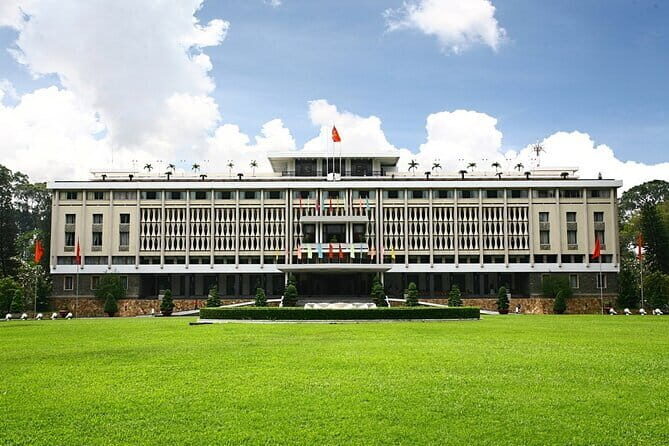
Independence Palace: history outside first, secrets after
The Independence Palace stop is about 20 minutes, and you’ll stop outside to learn history and take pictures. That’s a short window, but it’s a smart one because it pairs quick orientation with the rest of the route.
Then you’ll continue on to quieter, less-known spots. The tour description emphasizes secret places that many typical itineraries don’t cover, and that’s the real reason this stop fits. You’re not just ticking off a famous site; you’re using it as context before moving into streets where the city feels more lived-in.
If you’re the kind of person who likes to connect historical dots, this pacing helps. You get one major reference point, then you keep driving so the lesson stays fresh. It’s also a nice way to prevent the day from feeling like a checklist.
Thich Quang Duc Monument: a stop with weight, not just photos
Thich Quang Duc Monument is next, with around 30 minutes on site. You’ll drive through many streets first, which is part of the experience: you get a sense of how traffic and street rhythm work, then you slow down for something more reflective.
This stop matters because it’s not just another landmark. It’s a memorial, and that changes how you should experience it. Instead of racing through for photos, give yourself time to read what you can and listen to the guide’s explanation. Even if you only catch the key ideas, it helps you see Saigon beyond architecture and commerce.
Consider this if you’re traveling with kids. Many families still enjoy this stop because it’s clear and grounded, but you may need to remind younger riders that this part is for listening and respect, not nonstop pictures.
Nguyen Thien Thuat apartment buildings: where love of place becomes visible
The route then heads through alleys to the Nguyen Thien Thuat Apartment Buildings area. You get about 45 minutes here, which is longer than many other stops. The focus is on older apartment buildings and the people who live in the area, including stories about culture and everyday life.
This is one of the most interesting shifts in the itinerary because it moves you from major monuments into the city’s housing reality. You’re seeing how people shape place over time—how buildings become home, not just background.
What to expect: narrower streets and a stronger sense of local atmosphere. It’s also the kind of stop where your guide’s storytelling can make a big difference. This is the moment where you might start thinking, so that’s what this neighborhood feels like, not just what it looks like on a map.
Flower Market Ho Thi Ky: colors, scents, and quick sensory breaks
Next up is Ho Thi Ky Flower Market, about 30 minutes. You’ll see many different flowers, and the stop is designed as a short sensory break between heavier history and the market culture of District 5.
A flower market tour stop is always about timing. Too long and it starts to drag. Too short and you miss the variety. Here, 30 minutes feels right for wandering, taking a few photos, and grabbing a small sense of how sellers arrange daily life around flowers.
If you like photographing details, this stop gives you plenty: color combinations, different flower types, and vendor layouts. Keep your pace casual. Let the guide handle the flow, and you can still move your eyes freely.
Binh Tay Market and Chinatown: markets, temples, and an included lunch
Then the tour heads to Binh Tay Market in District 5, near Chinatown. You get about an hour here, and the tour includes a visit to a temple or market in the area. After that, lunch is included at a local restaurant in District 1, and then you’re driven back to your hotel.
This part is where the tour pays off for people who like food and street life. Markets aren’t just shopping here; they’re social systems. You’ll see how shoppers move, what people buy, and how the neighborhood organizes itself around daily needs.
About lunch: the tour includes lunch at a local restaurant, and some groups have specifically mentioned a vegan restaurant option. So if you’re avoiding meat, bring that up when you join the day’s plan, since the tour setup seems flexible at least in some cases.
Practical note: markets can be a sensory overload. Wear closed-toe shoes if you have them. Keep your phone secure, and don’t let shopping steal your time, because the ride back and later stops matter too.
Price and value: what $74.36 really buys
At $74.36 per person, this tour looks like a straightforward city sightseeing price—until you look at what’s included. You’re getting:
- Pickup offered
- Professional English-speaking guide
- All entrance fees
- Professional riders and safe, comfortable Vespa transport
- Bottle water during the tour
- Rain ponchos if needed
- Lunch at a local restaurant
That’s the key value. Many city tours charge for transportation and then nickel-and-dime entrance fees. Here, the big-ticket items are folded into one price, which makes it easier to budget and less likely you’ll hit surprise costs mid-day.
Is it always the best deal? If you only want one or two major sights, maybe not. But if you want a fast overview plus meaningful stops plus markets, it’s a very efficient use of your time. In a city like Saigon, saving a day’s worth of travel stress has real value.
The guide factor: how different names point to a consistent style
One reason this tour earns strong marks is the way guides show up repeatedly in feedback. I’ve seen names like My, Tu, Ivan, TD, Tuan Tan, Vi, and Myra, and the common thread is friendliness and clear explanation.
What you should take from that: choose the tour because you want context, not just motion. When a guide can explain why a building matters or what a monument represents, the stops feel connected instead of separate.
If you’re picky about language, this one helps because the tour states it’s run with English-speaking guides. You’ll still get the most out of it if you stay curious and ask quick questions when you stop.
Who this tour suits best (and who should consider alternatives)
This tour fits well if you:
- Want to cover major Saigon highlights in a single day without planning each transfer
- Like history that includes street-level details
- Enjoy markets and neighborhoods, not just famous monuments
- Prefer guided structure over figuring out transport in heavy traffic
- Travel as a solo rider, since the experience lists a maximum of 1 traveler
I’d think twice if you:
- Have trouble sitting for long periods while moving through traffic
- Hate busy streets or crowds, since you’ll be in high-activity areas
- Are expecting a slow pace with lots of indoor time (the stops are short and timed)
Also, good weather matters. The experience is designed for good conditions, and if it’s canceled due to poor weather, you’ll be offered another date or a full refund. Keep that in mind if you’re visiting during a rainy stretch.
Should you book the Ho Chi Minh Vespa City Tour?
Book this tour if you want a practical way to see Saigon fast, with real guidance and the comfort of having entrances and lunch handled. The route also gives you variety: major landmarks like Notre Dame Cathedral and the Central Post Office area, a major historical reference point at Independence Palace, a memorial stop at Thich Quang Duc, and market time at Ho Thi Ky and Binh Tay.
Skip it or plan something else if you want long, quiet, museum-style pacing. This is a scooter city tour, meaning your time is spent in motion and at timed stops.
If you’re on the fence, my simple advice is this: pick the time of day that matches your energy. Morning can feel fresh and bright, and afternoon can be easier if you want a slower start before the ride. Either way, you’ll come away with a clearer picture of how Saigon connects grand architecture, memory, and everyday life.
FAQ
What is the duration of the Ho Chi Minh Vespa City Tour?
It runs about 4 hours 30 minutes.
How much does the tour cost?
The price is $74.36 per person.
Are hotel pickup and a mobile ticket included?
Yes. Pickup is offered, and the tour includes a mobile ticket.
What time does the tour start?
There are two start times: 8:00am for the morning tour and 12:30pm for the afternoon tour.
What stops are included on the route?
Key stops include Saigon Opera House, Notre Dame Cathedral and the Central Post Office area, Independence Palace (outside), Thich Quang Duc Monument, Nguyen Thien Thuat Apartment Buildings, Ho Thi Ky Flower Market, and Binh Tay Market.
Are entrance fees included?
Yes. All entrance fees are included.
Is lunch included?
Yes. Lunch is included at a local restaurant.
Does the tour provide water and rain protection?
Yes. Bottle water is provided, and rain ponchos are included if needed.
How many travelers can join per booking?
This experience lists a maximum of 1 traveler.
What if the weather is poor or I need to cancel?
Good weather is required for the experience. If it’s canceled due to poor weather, you’ll be offered a different date or a full refund. You can cancel up to 24 hours in advance for a full refund.