REVIEW · HO CHI MINH CITY
12 Tasting Street Food & Sightseeing By Scooter with Student
Book on Viator →Operated by Saigon Student Tour · Bookable on Viator
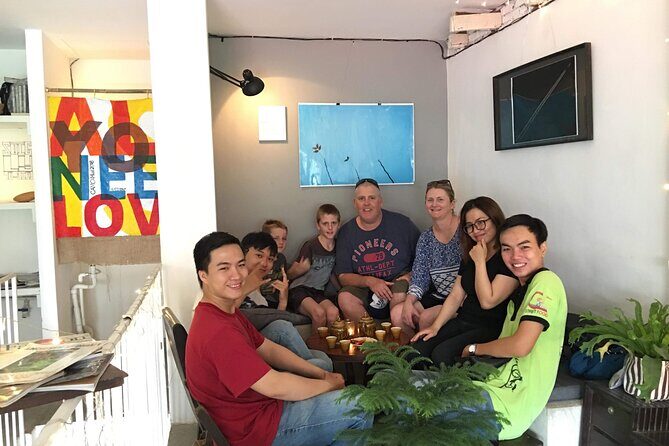
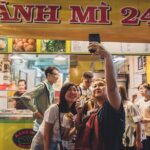
Ho Chi Minh City tastes better from a scooter seat. This 4-hour experience strings together street food and sightseeing across several districts, with an English-speaking guide keeping the route moving and the stops meaningful.
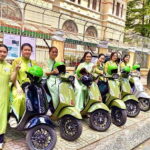
I like how the plan mixes quick bites with real context. You ride through Districts 1, 3, 4, 5, and 10, and the stops include standout places like the Thich Quang Duc Monument and Ho Thi Ky Flower Market, plus time in local markets in District 4. Guides you might meet include Alvin, Denny, Kai, Kevin, Tony, Pan, and Long, and many are praised for clear English and story-first explanations.
One possible drawback: food can be adjusted for different tastes. There’s at least one report of a dish being altered for a non-local palate, so if you want maximum authenticity every single bite, go in with that expectation.
In This Review
- Key things to know before you go
- A 4-hour scooter loop that mixes eats with real streets
- Price check: why $30 can feel like good value
- Pickup zones, max group size, and how the scooter ride feels
- Stop 1 at 86 Mạc Đĩnh Chi: pho to get the night going
- Thich Quang Duc Monument: one stop that hits harder
- Ho Thi Ky Flower Market: colors, prices, and street-food spillover
- Nguyen Thien Thuat Apartment Buildings: architecture with a staircase view
- District 4 and Xom Chieu (Market 200): snack culture at street level
- Food reality check: how to get the best bites without stress
- Who should book this scooter food tour in Saigon?
- Should you book it?
- FAQ
- How long is the scooter food tour?
- How much does the tour cost?
- Where do you get picked up?
- Does the tour include a scooter and guide?
- Is a mobile ticket used?
- How many people are in a group?
- Are admission tickets included?
- What food and drinks are included?
- Are helmets provided for the scooter ride?
- Can I cancel for a full refund?
Key things to know before you go
- Scooter hopping across multiple districts saves time and keeps you away from the “one-street, one-view” routine.
- Market stops are the point: Ho Thi Ky Flower Market and Xom Chieu (Market 200) are where you actually get to see daily life.
- History is built into the route with a visit to the Thich Quang Duc Monument.
- Small group size (max 20) helps you move smoothly through crowded spots without feeling like cattle.
- English-speaking guides and a student host can make the city feel easier to understand, fast.
- Helmets are provided, and reviews also highlight safety-focused driving habits.
A 4-hour scooter loop that mixes eats with real streets
This tour is designed like a night-out—part food run, part city orientation. You’ll cover several districts on a motorbike/scooter, which matters in Ho Chi Minh City where traffic can turn a slow walking day into a long, tiring one. The payoff is that you get to see more neighborhoods without spending hours planning routes or waiting for transit.
The pacing is also the hidden value. Instead of one big museum stop, you get a sequence of shorter experiences: one food stop to get your stomach awake, a monument that adds context, a market that shows the city’s trading life, and then a couple of local neighborhoods where street food culture is front and center.
If you like learning by moving—watching what people actually do—you’ll probably enjoy this structure. And if you’re trying to figure out where things are in Saigon, doing it early in your trip can help you connect later sights faster.
You can also read our reviews of more food & drink experiences in Ho Chi Minh City

Price check: why $30 can feel like good value
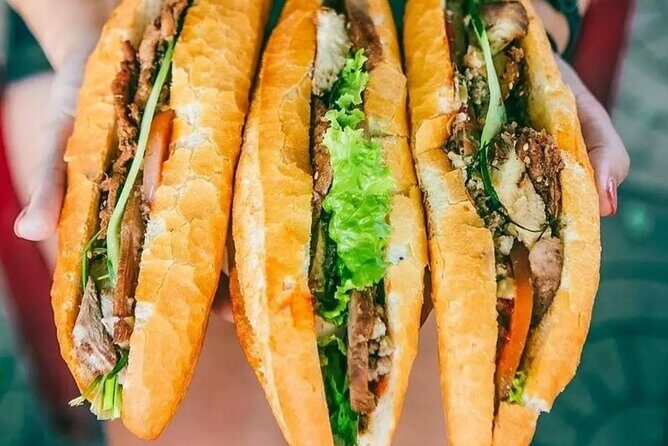
At $30 per person, the pricing makes sense mainly because so much is bundled. You’re not just paying for a guide; you’re also paying for the scooter ride, pickup and drop-off in certain areas, and the food/drink portion that’s part of the itinerary.
What’s included (based on the tour details) is:
- Pick-up and drop-off at your hotel in Districts 1 and 3 (free pick-up there)
- A motorbike/scooter
- A friendly, English-speaking guide
- Food and drinks tied to the stops
- Admission tickets for some of the stops (others are free)
Then factor in the practical stuff: you’d normally spend time and money getting between markets, monuments, and neighborhoods on your own. This tour wraps it up into a single plan, which is exactly what you want when you only have a few hours.
Could you eat street food without a tour? Sure. But the guide role is the difference-maker here—helping you order confidently, explaining what you’re looking at, and steering you toward the right kinds of places in each district.
Pickup zones, max group size, and how the scooter ride feels
You’ll meet up with pickup offered in Districts 1 and 3, or you can start at the Saigon Opera House. That matters because the tour is time-efficient; it’s built around moving between multiple stops, so starting close to the action keeps the schedule tighter.
The group size cap is 20 travelers. In real terms, that means you’re unlikely to feel lost in a crowd at each stop. It also helps the guide manage traffic transitions and check that everyone is ready to move on.
On the scooter side, you should expect helmets to be provided, and reviews specifically mention safety and feeling secure. You’ll still be sharing the road with motorbikes and cars, so it’s not a calm Sunday ride. But you’re not doing this solo—you’re doing it with a driver/guide team handling the flow.
For comfort, wear something you can sit in comfortably for four hours, and keep your phone secured. Market stops often mean walking a bit inside busy areas, and you don’t want to juggle bags.
Stop 1 at 86 Mạc Đĩnh Chi: pho to get the night going

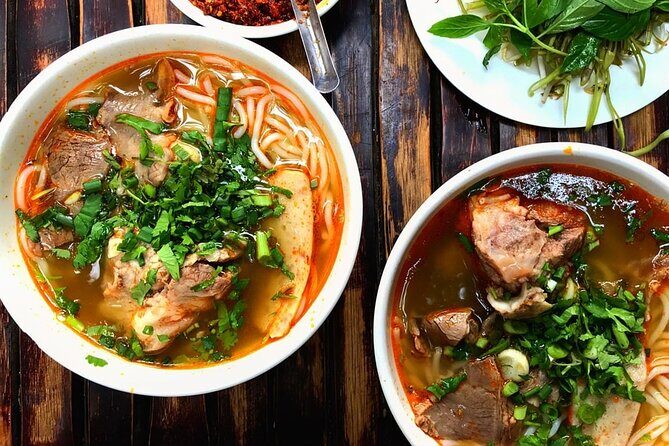
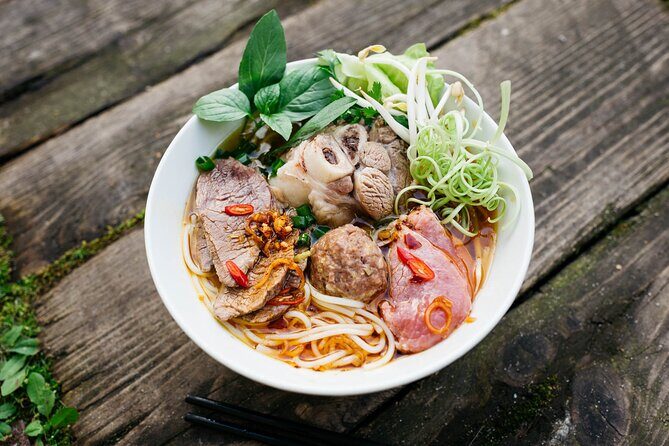
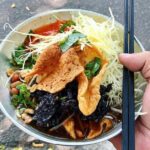
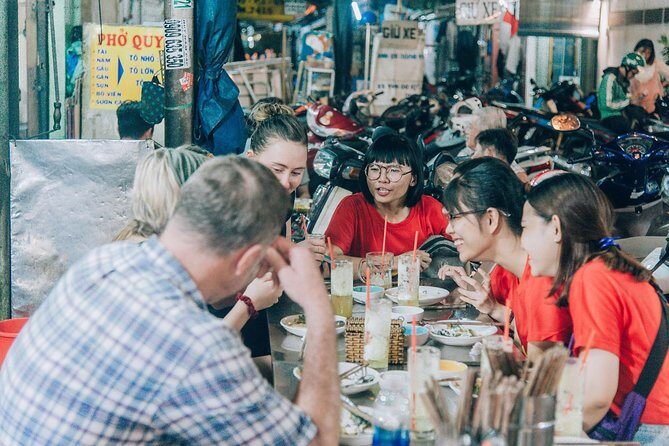
Your first stop is at 86 Mạc Đĩnh Chi, a spot that sets the tone for going out in Saigon. The meal starter here is pho (beef noodle soup), which is a smart opening because it’s familiar enough to ease you in, but still distinctly Saigon in the way street stalls serve it.
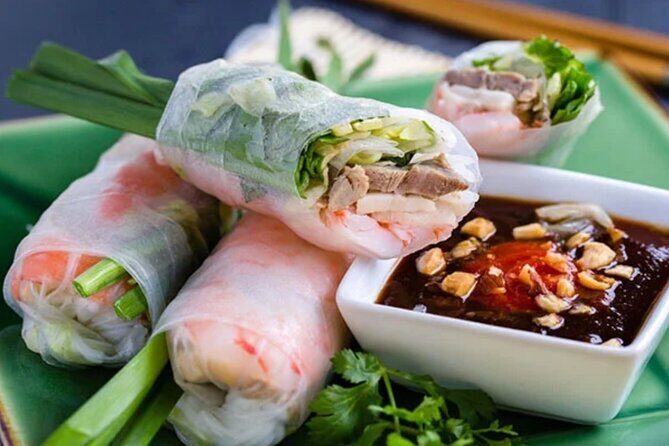
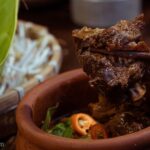
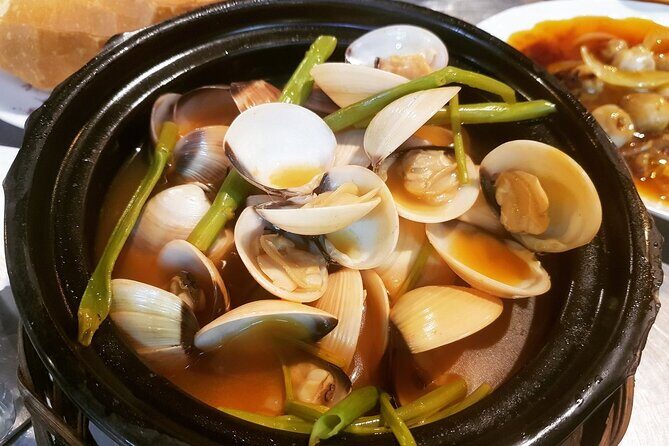
This isn’t a one-bowl-and-done situation. The overall route includes over seven tastings across the tour, plus drinks and dessert. Examples mentioned for what you’ll sample include sugarcane juice and steamed rice rolls. Expect a mix of warm, handheld, and spoon-friendly foods so you’re not stuck with only one texture type.
Why this first stop works: pho gives you energy for the next legs of the day. It also gives you something to compare later—once you’ve had one bowl, you start noticing what makes each stall’s version different.
Possible drawback here: if you have strict ideas about what’s authentic, keep an open mind. One report mentioned a dish being altered for a non-native palate. That doesn’t mean it happens every time, but it’s a real possibility you should factor in.
Thich Quang Duc Monument: one stop that hits harder
Next up is the Venerable Thich Quang Duc Monument, a memorial tied to Thich Quang Duc, the monk who set himself on fire as a protest against persecution of Buddhists in Vietnam. This is an emotionally heavy stop, so even though it’s short (about 20 minutes), it’s the kind of moment that can change how you see the city afterward.
The guide part is important here. You’re not just looking at a monument—you’re getting the story behind it, and that makes the site make sense instead of feeling like a random photo stop.
Practical tip: dress with a bit of respect (shoulders covered is a safe bet). Even if the tour is casual, monuments often still expect a calmer attitude than food stalls do.
You can also read our reviews of more tours and experiences in Ho Chi Minh City



Ho Thi Ky Flower Market: colors, prices, and street-food spillover
Then comes Ho Thi Ky Flower Market (about 40 minutes). This is the place for fresh flowers at prices that can be surprisingly low, and the best part is that it’s not just tourist browsing. You’re walking through a working market where people buy, sell, and move fast.
What I like about this stop is the way it connects beauty and commerce. Flowers here are part of daily life, not just decoration for visitors. You’ll also get a chance to link the market atmosphere with food because you stop near a street food market area during the visit.
If you’re the kind of traveler who likes seeing how a city supplies itself, this is a strong stop. And if you’re a photographer, the color palette is practically built in—you’ll see it immediately, even if you keep your phone camera in your pocket until you’re ready.
Nguyen Thien Thuat Apartment Buildings: architecture with a staircase view
After the flower market, you drive to Nguyen Thien Thuat Apartment Buildings, described as the oldest apartment in Saigon. This stop is about 40 minutes, including time to climb up and compare the layers of architecture.
Here’s what makes it interesting: you get a contrast between modern and traditional styles, and then you add a pagoda visit to round out the story. It’s not a lecture from the curb; you actually go into the space and experience the layout.
Consideration: there’s climbing involved. If stairs are an issue for you, think twice. The stop isn’t huge, but you should expect a little effort.
Worth doing anyway? If you like architecture stories and how cities change, this stop gives a different angle than the usual temples-and-towers route.
District 4 and Xom Chieu (Market 200): snack culture at street level
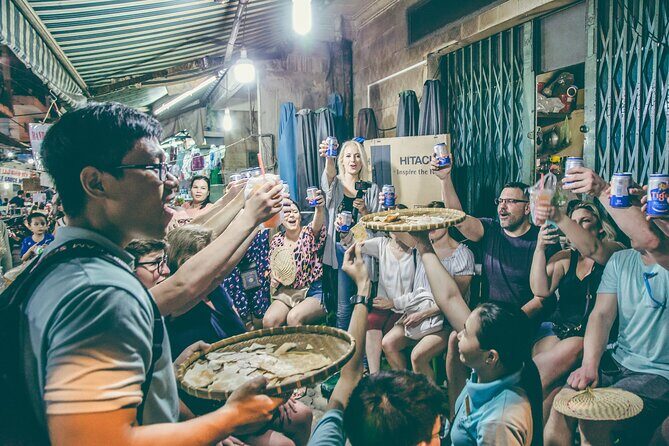
Your final stretch moves into District 4, with a key stop at Xom Chieu Market, also known as Market 200. This is where the tour really leans into street food culture.
What’s special here is the focus on snacks as daily life, not just as a tourist activity. The market is described as a place to learn about Saigon’s snack culture, and the theme is that the dishes’ taste stays consistent through the year.
Admission is free for this portion, which also makes the stop feel efficient—you’re paying mainly for access, guidance, and the tastings rather than ticket costs.
One thing to watch: popular food markets can feel crowded, and routes may intersect with other groups. That’s not a dealbreaker, but it does change the vibe if you’re hoping for totally private immersion.
Food reality check: how to get the best bites without stress
Street food tours work best when you treat them like guided sampling, not a food battle where every bite must be perfect.
Based on the tour details and the feedback style shared in the provided info, here’s the realistic expectation:
- You’ll try a lot across the four hours, not just one or two items.
- You’ll likely get a mix of familiar Vietnamese classics and local favorites.
- One dish might be adjusted to suit non-local preferences, including possible changes to ingredients like texture.
So how do you keep this from being annoying? Decide ahead of time what you care about most:
- If you care most about learning and variety, lean into the tour structure and focus on the comparison between stops.
- If you care most about strict ingredient authenticity, ask the guide what’s in each dish before you take a big bite. You’ll feel more in control, and you’ll learn more as you go.
Also: don’t skip dessert. The tour is built to end with the sweet side of Saigon, and those final bites often make the whole experience feel complete.
Who should book this scooter food tour in Saigon?
This is a strong pick if you:
- want a first-night plan or an early-trip orientation
- like learning through food + neighborhoods, not museum checklists
- enjoy street-level city life and market wandering
- feel comfortable on a scooter with traffic (and want a driver/guide handling the route)
You might want a different style of tour if you:
- have mobility limits that make stairs difficult (there’s climbing at Nguyen Thien Thuat Apartment Buildings)
- want a fully hands-off, slow pace (the scooter route is efficient by design)
- dislike any possibility that food gets adjusted for different diets or ingredient preferences
Should you book it?
Yes, if you want a smart, time-efficient way to see multiple districts and get street food plus history in one evening-sized plan. At $30, the bundled scooter ride, guide, pickup/drop-off in Districts 1 and 3, and multiple tastings add up quickly—especially when you’re short on time.
My advice: book it for your first full night or early in your trip, when you’ll benefit most from the “where is what” context. And go in ready to taste, compare, and ask questions—because the guide explanations are part of what makes the stops click.
FAQ
How long is the scooter food tour?
The experience runs for about 4 hours.
How much does the tour cost?
It costs $30.00 per person.
Where do you get picked up?
Pick-up is offered at hotels in Districts 1 and 3. If you’re not in those areas, you can arrange pick-up or start at the Saigon Opera House.
Does the tour include a scooter and guide?
Yes. You get a motorbike/scooter and a friendly English-speaking tour guide.
Is a mobile ticket used?
Yes, the tour uses a mobile ticket.
How many people are in a group?
The maximum group size is 20 travelers.
Are admission tickets included?
Admission tickets are included for some stops. Other stops (like the Thich Quang Duc Monument and Xom Chieu Market) are listed as free.
What food and drinks are included?
Dinner food and drink are included as mentioned in the itinerary, and the tour includes multiple street foods, drinks, and dessert. Examples include sugarcane juice and steamed rice rolls.
Are helmets provided for the scooter ride?
Helmets are provided, according to the information shared in the provided reviews.
Can I cancel for a full refund?
Yes. You can cancel up to 24 hours in advance for a full refund.