REVIEW · MEKONG DELTA
Can Tho Bike Tour in Mekong Delta
Book on Viator →Operated by Mekong Smile Tour · Bookable on Viator
That bike ride feels like a local detour.
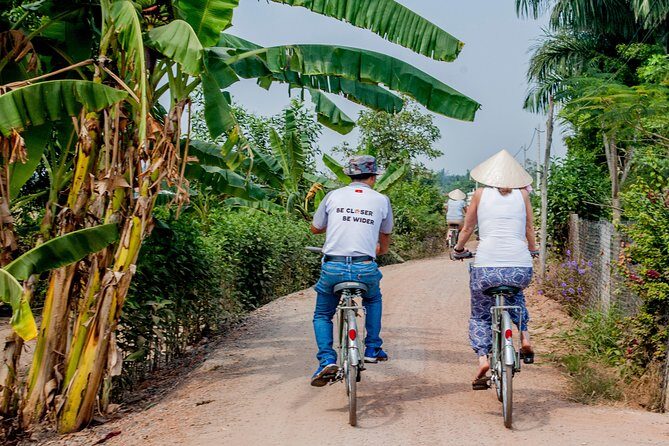
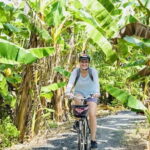
This Can Tho bike tour is built around quiet rural roads, small waterways, and real-life farming moments, not a checklist of big sights. You pedal roughly 7–10 km while your English-speaking local guide talks through village life, traditional planting, and what you’re seeing along the way. The stop at the heritage tree Giàn Gừa (and a nearby temple) gives the trip a sense of place that’s hard to get from just sitting in a car.
What I like most is how the route mixes simple scenery with hands-on culture stops. You’ll learn traditional tree planting at a seeding nursery village, sip a coconut drink, and end in a fruit garden where you can try traditional bites. Another big win is the people: guides highlighted in past tours include Ngan, Jimmy, Jane, and Tom, and the common thread is strong English and a friendly, patient pace.
One consideration: the day is short (about 4 hours), so it’s not a long, sporty endurance ride. It’s also rural, with narrow country roads and village lanes, so expect a slower rhythm than a city cycling tour and dress accordingly.
In This Review
- Key points to know before you go
- Why this Can Tho bike tour is more than a ride on paper
- The 4-hour flow: what happens from pickup to fruit garden
- The 7–10 km rural cycling section: pace, roads, and what to watch for
- Seeding nursery village: traditional planting methods you can actually picture
- Coconut drink break: simple refresh that fits the heat and rhythm
- Giàn Gừa heritage tree and the temple pass: context that makes the photos better
- Ending at the fruit garden: tastings that keep the day grounded
- Guides and small-group energy: why English matters on rural routes
- Price and what you’re really paying for ($64.51)
- Who should book this bike tour in Can Tho (and who might not)
- Practical tips to make the most of your 4-hour ride
- Should you book Can Tho Bike Tour in the Mekong Delta?
- FAQ
- How long is the Can Tho bike tour?
- How many kilometers do you cycle?
- Is pickup included in the tour?
- Do you get a tour guide, and do they speak English?
- Are bike and entrance fees included?
- What refreshments are included?
- Is travel insurance included?
- What is the maximum group size?
- Do you need a mobile ticket?
- Can I cancel for free if my plans change?
Key points to know before you go
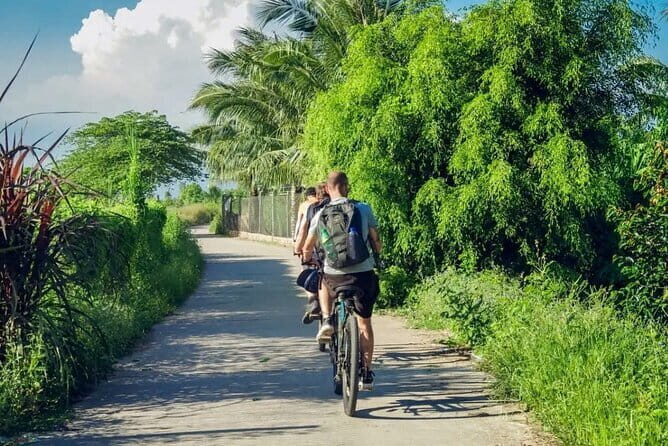
- 7–10 km cycling through rural Can Tho, with frequent chances to pause and look.
- Small group size (maximum 8), which makes questions feel easy.
- Giàn Gừa heritage tree plus a temple stop for cultural context beyond farming talk.
- Seeding nursery village where you can see traditional planting methods up close.
- Coconut drink and fruit garden bites, so the tour isn’t only photos and pedaling.
- Transportation + high-end bike and an English guide included in the price.
Why this Can Tho bike tour is more than a ride on paper
A lot of Mekong tours promise culture, then spend most of their time moving between major stops. This one keeps you on a bike long enough to actually notice how people live around the canals and village roads. The small-scale route matters because it changes what you can observe: gardens, daily routines, and how land and water shape everything.
The other thing I appreciate is that the structure is practical. You start with a pickup to get your bike situation handled quickly, then you’re cycling while a local guide explains what you’re seeing. That means you’re not just guessing at what a nursery is for or why a certain tree is celebrated.
The stops are also chosen for variety. You get a nursery lesson, a heritage-tree moment, a temple pass, and then an end at a fruit garden with traditional bites. That mix is why this tour works well even if you’re not the type who wants a museum day.
You can also read our reviews of more cycling tours in Mekong Delta
The 4-hour flow: what happens from pickup to fruit garden
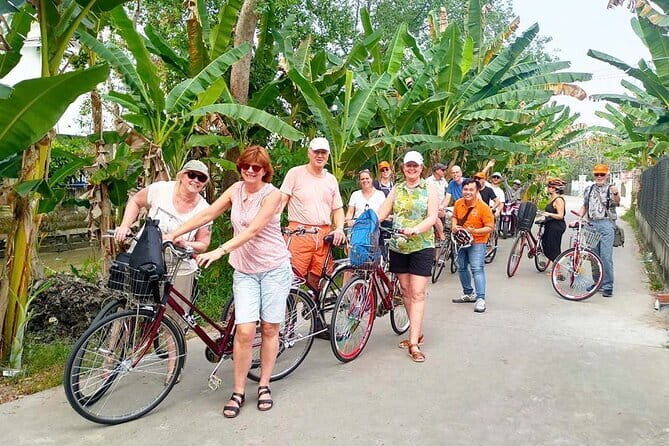
The tour starts with a pickup at the meeting point, so you don’t waste time figuring out how to get to the bikes. From there, the ride focuses on a rural loop style: cycling through local villages and small country roads, with enough stops for conversation and photos.
You’ll cover about 7–10 km during the cycling portion. That’s a manageable distance for most people, and it also keeps the energy steady. Instead of pushing hard for a long ride, the pacing is built around what you’re learning at each stop.
One of the nicest details is how the itinerary keeps pulling you into different senses. First it’s the road and village activity. Then you shift to learning about tree planting. After that comes a simple refresh (coconut drink), followed by the heritage tree and temple context. The final segment in a fruit garden wraps things up with food and tasting.
If you’re the kind of traveler who likes your days to have a beginning, middle, and satisfying end, this one fits that style.
The 7–10 km rural cycling section: pace, roads, and what to watch for
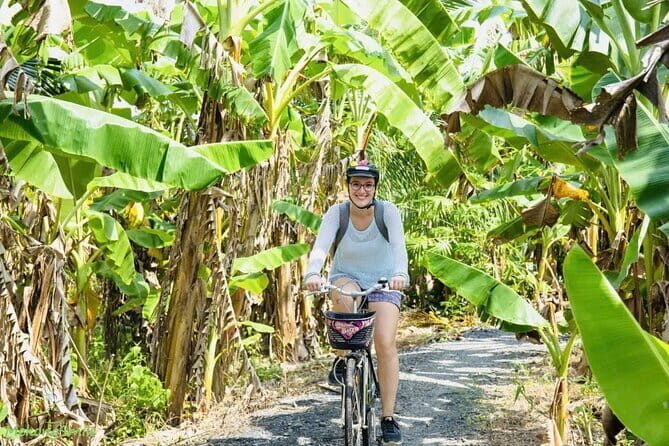
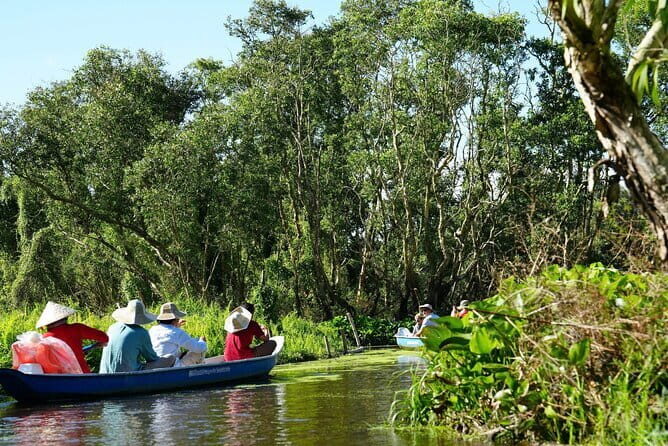
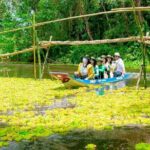
This is where you feel the Mekong Delta on your skin. The overview describes cycling through a maze of small canals and natural waterways, plus rustic roads connecting village life. Even if you’re not actively “exploring canals” in a boat, you’ll be in the rhythm of waterways and vegetation that define the region.
You’ll pedal through countryside lanes where locals do everyday things. That can mean you see planting areas, household activity, and roadside setups tied to farming. The value here is that it doesn’t feel staged. The guide’s role is key: they help you connect what you’re seeing to how people actually make a living.
Pace-wise, plan for stop-and-go. With village visits and cultural explanation, you’re not trying to beat a stopwatch. Most people do well with this format because it’s not a long physical slog, but it still gives you a real sense of place.
Seeding nursery village: traditional planting methods you can actually picture
One of the standout stops is the seeding nursery village. This is where you learn the traditional method of planting trees, then connect it to local life. The point isn’t just hearing facts; it’s seeing how planting works and why it matters in a water-affected landscape.
The tour also builds in time to interact with local people. You’re not treated like an observer in the corner. Instead, you get a guided way to listen to stories and understand the logic behind the nursery work.
A small but meaningful detail: this stop is often where you get the most “this is how it’s done” feeling. When you understand the nursery process, the rest of the day clicks. The heritage tree stop isn’t just a name on a sign—it becomes a continuation of why these places matter.
Coconut drink break: simple refresh that fits the heat and rhythm
After the nursery visit, you get a refreshment, including a coconut drink. It’s a small inclusion, but it’s the kind that makes the pacing feel comfortable. A short break also helps you stay present for the next cultural stops without feeling rushed or wiped out.
Even if you don’t think you’ll be thirsty, cycling in the Mekong Delta environment can make you feel it later. This is one reason I like that refreshments are included rather than left up to you.
Giàn Gừa heritage tree and the temple pass: context that makes the photos better
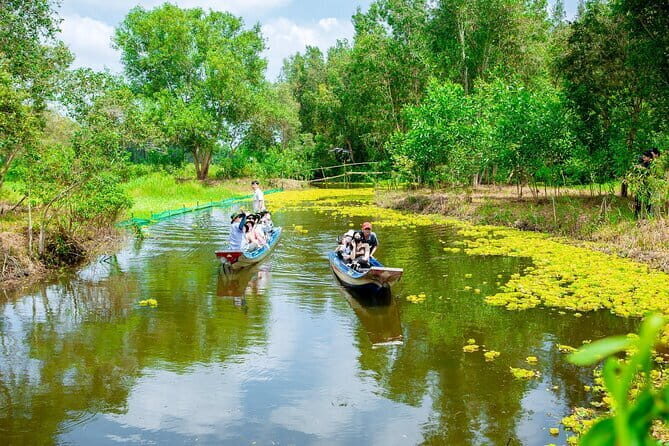
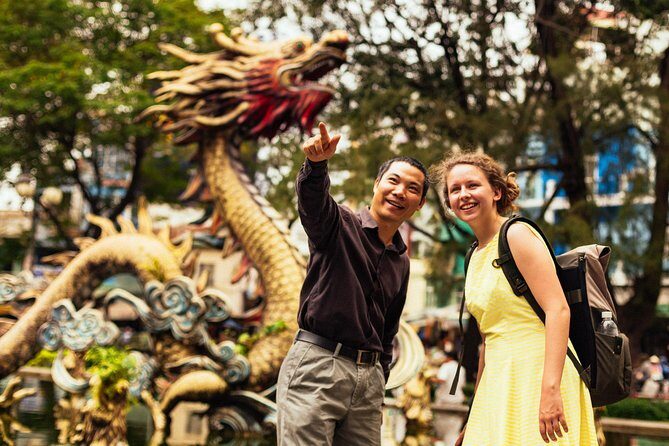
The cultural centerpiece is the ancient heritage tree Giàn Gừa. The tour describes it as a recognized heritage tree in the Can Tho area, placed among the region’s quiet rural scenes. When you visit, you’re not just looking at a single landmark tree. You’re seeing how heritage connects to long-term care and local respect for living things.
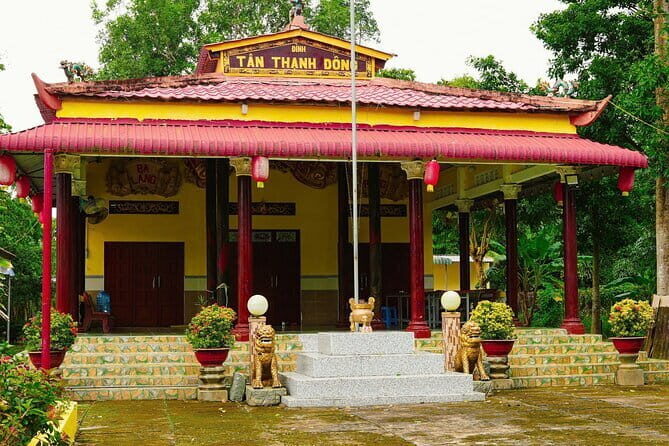
Right around this area, you also pass a local temple and learn about a historical site. This part works because it widens your view from daily farming to older cultural layers. You start to understand why certain places stay important over time, not just because they’re scenic.
From a travel-value angle, these stops help you avoid the common problem of bike tours that turn into pure transport with a few photo stops. Here, the guide frames what you’re seeing so your memory has meaning.
Ending at the fruit garden: tastings that keep the day grounded
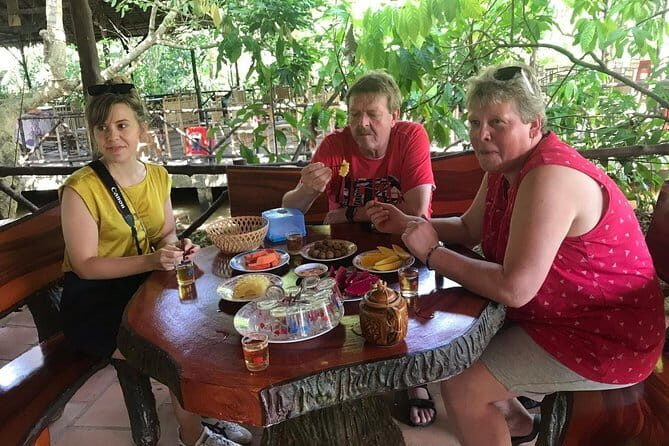
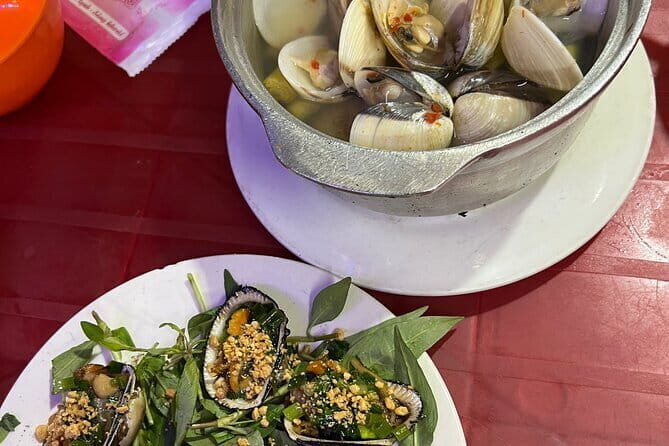
The ride ends at a local fruit garden, where you can have traditional bites. This is a good wrap-up because it turns your learning into something you can taste. After cycling and cultural stops, food feels like a natural conclusion rather than a random add-on.
Some past tours have also included hands-on local food making, which can add extra fun to the day. Even if you don’t get that exact activity, the fruit garden stop still keeps the tour from feeling like only sightseeing.
If you’re someone who cares about real local flavors, this ending is one of the best parts of the itinerary. It gives you something to bring home mentally, not just photos on your phone.
Guides and small-group energy: why English matters on rural routes

The reviews you’ll read about this style of tour often circle back to the guide. In this case, the name highlights include Ngan, Jimmy, Jane, and Tom, and they’re praised for being upbeat and helpful, with strong English skills.
That’s not a small detail. In rural villages, a bike route can look simple, but it takes a good guide to connect the dots. A capable English-speaking local guide helps you ask better questions, understand farming and daily routines, and feel at ease with the pace.
The group size also matters: it caps at 8. That keeps things from turning into a bottleneck at each stop. You can actually listen to the guide, not just follow the crowd.
Price and what you’re really paying for ($64.51)
At $64.51 per person, this tour sits in a mid-range zone for Mekong Delta activities. The value comes from what’s included, not just the bike.
You get:
- Local English expert tour guide
- Transportation
- High-end bike
- Entrance fee
- Refreshment/water
- Travel insurance
Then there are the human touches that don’t show up cleanly in a price list: learning from a local nursery setting, a heritage-tree stop, a temple pass with explanation, and the fruit garden tasting. These are exactly the kinds of stops that feel worth it because they replace generic sightseeing.
What’s not included is tips and any self-expenses, so plan a little extra for that. But you won’t be surprised by entrance costs or basic gear.
Who should book this bike tour in Can Tho (and who might not)
This tour is a strong fit if you want:
- A short, structured half-day in Can Tho
- A bike-based look at village life rather than big-city landmarks
- Good English guidance and a small group feel
- Food moments, including coconut drink and fruit garden bites
It may not be ideal if you’re looking for a long, workout-style cycling day. The ride is only 7–10 km, and the schedule includes multiple stops. Also, because this is on rural roads, if you’re very sensitive to uneven surfaces or prefer fully paved routes, you might want to think carefully.
For many people, though, it hits the sweet spot: active enough to feel like you’re doing something real, relaxed enough to stay enjoyable.
Practical tips to make the most of your 4-hour ride
Since this is a bike tour on countryside lanes, wear comfortable clothes and shoes you trust on pedals and uneven ground. Bring a hat or something for sun protection if you’re easy to burn, and keep your water habits in mind even though refreshments are provided.
If you care about learning, arrive ready with questions. A good guide can explain farming, tree planting, and temple context in a way that makes the sights click. With a small group, your questions get room to breathe.
Finally, keep expectations realistic: this is a 4-hour experience. You’ll come away with a strong sense of Can Tho’s rhythms, but it’s not meant to cover the whole Mekong Delta in one go.
Should you book Can Tho Bike Tour in the Mekong Delta?
I’d book it if you want a genuine Mekong Delta feel without spending the day trapped in a vehicle. The route gives you a real mix: village cycling, a nursery lesson, Giàn Gừa as a cultural anchor, and an ending at a fruit garden with tastings. Add in the English-speaking local guide and the fact that it’s limited to 8 people, and it’s a smart way to spend a half day in Can Tho.
Skip it if you’re chasing a long, athletic bike challenge or you dislike rural roads. Otherwise, this is one of those tours where the included guide time and culturally meaningful stops do most of the heavy lifting for you.
FAQ
How long is the Can Tho bike tour?
The tour lasts about 4 hours.
How many kilometers do you cycle?
You cycle approximately 7–10 km.
Is pickup included in the tour?
Yes. Pickup is offered and transportation is included.
Do you get a tour guide, and do they speak English?
Yes. The tour includes a local English expert tour guide.
Are bike and entrance fees included?
Yes. The price includes a high-end bike and entrance fees.
What refreshments are included?
The tour includes refreshment/water, including a coconut drink.
Is travel insurance included?
Yes. Travel insurance is included.
What is the maximum group size?
The tour has a maximum of 8 travelers.
Do you need a mobile ticket?
Yes. The tour includes a mobile ticket.
Can I cancel for free if my plans change?
Yes. You can cancel for free up to 24 hours in advance for a full refund.