Tunnel time feels different.
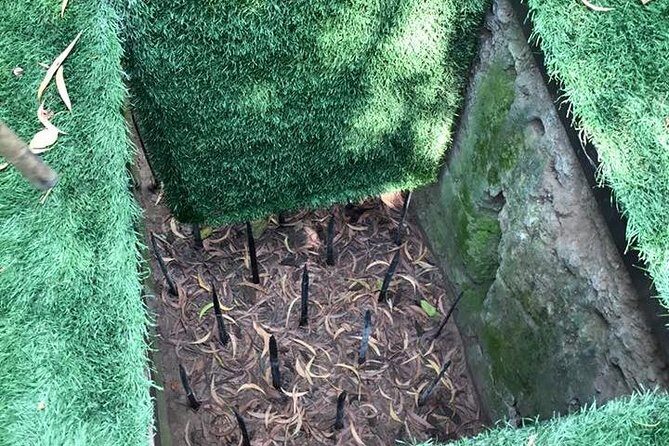
This Cu Chi trip turns Vietnam War history into something you can watch and touch. You’ll start with a documentary on people making their own weapons, including bamboo traps, then move into the tunnels to understand how rebels lived and fought underground. I like that you also learn how locals make rice paper and rice wine, not just war facts. One thing to keep in mind: the ride may feel tight, and some buses aren’t fully air-conditioned unless you score a window seat.
For me, the highlight is the sense of scale—how the tunnels worked as real living space, not just a set piece. I also like the small group setup (up to 25) and the English–Vietnamese speaking guide, which helps you follow the story without guesswork.
In This Review
- Key points to know before you go
- Cu Chi tunnels in a 7-hour, VIP-style half day
- Pickup near Ben Thanh: timing and what you’ll actually do
- Transport comfort is your biggest wildcard
- The documentary and self-made weapons demo: why it sets the tone
- Entering guerrilla tunnel life: survival systems, not just hiding spots
- Crawling inside: choose what feels right for you
- Rice paper, rice wine, and steamed cassava: culture and comfort
- Optional AK-47 shooting: what to expect and what costs extra
- On the return trip: War Remnants Museum drop-off option
- Price and value: what $16.50 covers (and what doesn’t)
- Who should book this Cu Chi Tunnel tour?
- Should you book the Cu Chi Tunnel VIP Morning or Afternoon Tour?
- FAQ
- How long is the Cu Chi Tunnel VIP Morning or Afternoon tour?
- Do I get hotel pickup and drop-off?
- Where does the tour start?
- Is admission to Cu Chi Tunnels included?
- What happens during the visit at Cu Chi?
- Can I crawl into the tunnels?
- Is AK-47 shooting included?
- Is there a drop-off at the War Remnants Museum?
- Can I cancel for a full refund?
Key points to know before you go
- Documentary first, then tunnels: You’ll watch a film on self-made weapons and guerrilla life before you step into the area.
- Real-world details like bamboo traps: You’ll see how traps were made and why they mattered.
- Tunnel crawling is optional: You can go inside if you want, but it’s not forced.
- Hands-on culture stop: You’ll learn about how rice paper and rice wine are made.
- AK-47 shooting is an optional add-on: You can try it, but bullets are not included.
- Group size stays small: Maximum 25 people keeps things moving with less chaos.
Cu Chi tunnels in a 7-hour, VIP-style half day
Even though it’s labeled half day, the total time is about 7 hours. That includes hotel pickup, the time at Cu Chi, and the return drive back to Ho Chi Minh City.
This format works well if you want one focused day that covers the war story and a bit of local food/craft learning, without having to plan transportation. It’s also a good way to hit Cu Chi in one shot if you’re short on days and don’t want to piece together tickets, guides, and buses yourself.
You can also read our reviews of more tours and experiences in Ho Chi Minh City


Pickup near Ben Thanh: timing and what you’ll actually do
Pickup starts in the 7:45–8:30 AM window for the morning departure. If you book an afternoon slot, your exact pickup time is confirmed at booking.
You’ll get picked up at a centrally selected hotel area near Ben Thanh market, or you’ll start from the listed meeting point at 165 Phạm Ngũ Lão (Quận 1). That matters because Cu Chi is far enough out that you don’t want to burn time figuring out transit from the wrong side of the city.
Plan for a long seated ride back and forth. Bring a small layer even if it’s hot—bus temperatures can swing, and you’ll be glad later.
Transport comfort is your biggest wildcard
Here’s the most practical drawback to consider: the bus comfort can vary. One common issue is that air-conditioning may not feel strong unless you sit near the window.
That’s not a deal-breaker, but it changes how you should choose your seat. If you can, aim for a spot that gets the best airflow. Also, keep your expectations realistic: you’re in an air-conditioned vehicle for the trip, but comfort isn’t guaranteed across every row.
There can also be an extra stop on the way that people don’t always love—think a brief tourist shop visit instead of a straight shot between the main points. If you prefer zero detours, mentally budget for at least a short roadside interruption.
The documentary and self-made weapons demo: why it sets the tone
You don’t start in “look at tunnels” mode. You start with a documentary-style presentation about people who made their own weapons and survival tools—especially things like traps made from bamboo.
That’s valuable because it gives you a framework before you see the underground spaces. When you later look at tunnels, you’ll understand the logic: hiding, moving, tricking the enemy, and surviving with limited resources. Without that setup, the site can feel like just a maze. With it, the tunnels make more sense.
You’ll also see examples of self-made weapons connected to daily survival. This makes the experience more grounded and less like a museum display.
Entering guerrilla tunnel life: survival systems, not just hiding spots
The heart of the tour is learning how rebels dug, lived, and fought inside the tunnels. You’ll get explanations about why the underground design mattered—where people could shelter, how they moved, and how ingenuity helped them compete against more advanced technology.
If you care about Vietnam War history beyond headlines, this part is the point. It turns abstract facts into a practical view of how people adapted using what they had. You’ll come away with a clearer sense of the day-to-day reality, not only the dramatic moments.
And if you want more than watching, there’s a chance to crawl inside the tunnels. It’s your call, and that’s important. This tour gives you options, so you can match the experience to your comfort level.
You can also read our reviews of more tours and experiences in Ho Chi Minh City





Crawling inside: choose what feels right for you
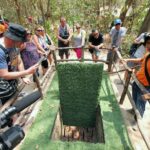
The crawl is described as optional, so you can decide based on your body comfort and your tolerance for tight spaces. If you go in, expect the tunnels to feel narrow and low.
My practical advice: wear clothing you don’t mind getting dusty, and use closed-toe shoes you can grip in tight areas. If you’re claustrophobic or have mobility limits, you may be better off staying with the main viewing areas and focusing on what you can observe.
This is also where the tour’s “VIP” promise matters more than the marketing. A small group helps keep the flow manageable, so you’re not stuck waiting too long to decide or rejoin your guide.
Rice paper, rice wine, and steamed cassava: culture and comfort
Not everything here is war-related. You’ll learn how locals make rice paper and rice wine as part of the experience.
That’s a smart balance. It reminds you that the region wasn’t only shaped by conflict—it also shaped food, crafts, and everyday traditions. It also gives you a break from heavy content while still keeping the tour grounded in local life.
Food-wise, you’ll get steamed cassava as a snack, plus water and additional bus snacks. It’s simple, but it’s useful on a day that runs long. If you skip meals easily when traveling, the cassava stop helps you stay steady.
Optional AK-47 shooting: what to expect and what costs extra
You can try firing an AK-47 during the tour, but it’s clearly marked as optional. The key detail: bullets for shooting are not included in the tour price.
So think of it like this: the tour gives you the opportunity, but the shooting has an add-on cost. If you want the experience, budget for it. If you don’t, you won’t lose the main story—Cu Chi still delivers plenty without the shooting.
On the return trip: War Remnants Museum drop-off option
On the way back to Ho Chi Minh City, the bus can drop you off at the War Remnant museum. That’s a convenient add-on if you’re planning to visit that museum anyway.
It also helps you avoid backtracking later. The day already has a lot of movement, so chaining sites while you’re already in transport saves time and energy.
Price and value: what $16.50 covers (and what doesn’t)
At $16.50 per person, this tour is priced low for a guided, structured Cu Chi day. The value comes from what’s included:
- Hotel-area pickup and drop-off
- An English–Vietnamese speaking guide
- Admission to Cu Chi Tunnels
- Bottled water and snacks on the bus
- Steamed cassava
- Entry time built around documentary viewing plus tunnel access
What’s not included is mainly the optional extras. The big one is bullets for the AK-47. Tips are also optional but recommended.
In plain terms: you’re paying for transportation + guide + admission + basic refreshments. If you were to do Cu Chi on your own with a guide and timed access, the total often climbs quickly—so this price is a strong reason to consider booking.
Who should book this Cu Chi Tunnel tour?
This tour is a great fit if you want:
- A one-day Cu Chi plan without organizing transport from scratch
- War history explained with a documentary-style start
- Some cultural context through rice paper and rice wine learning
- The option to crawl inside tunnels if you feel comfortable
It’s not the best match if:
- You’re very sensitive to long bus rides or uneven air-conditioning
- You hate any detours or shop stops, even brief ones
- You want a fully self-guided experience with total freedom
If you’re traveling with kids, the content is serious and physical spaces can be tight. In that case, you’ll want to think carefully about whether the crawl and tunnel areas are a good match.
Should you book the Cu Chi Tunnel VIP Morning or Afternoon Tour?
I’d book it if you want a guided, low-cost way to understand Cu Chi beyond postcard photos. The documentary start, the bamboo trap focus, and the optional tunnel crawl give you multiple ways to grasp what happened underground. The extra culture lesson (rice paper and rice wine) plus cassava snacks also makes the day feel more complete than a straight war-site visit.
I’d hesitate if bus comfort is a big deal for you, or if you’re the type who gets annoyed by extra stops on the return drive. If that sounds like you, pack for heat, aim for the best seat you can, and plan your day so a quick detour won’t throw off your schedule.
If you’re flexible and want value, this one is easy to recommend.
FAQ
How long is the Cu Chi Tunnel VIP Morning or Afternoon tour?
It runs for about 7 hours.
Do I get hotel pickup and drop-off?
Yes. Pickup and drop-off are included at centrally located hotels.
Where does the tour start?
The listed meeting point is 165 Phạm Ngũ Lão, Phường Phạm Ngũ Lão, Quận 1, Thành phố Hồ Chí Minh.
Is admission to Cu Chi Tunnels included?
Yes. Entry/admission to Cu Chi Tunnels is included.
What happens during the visit at Cu Chi?
You’ll watch a documentary about self-made weapons and guerrilla tunnel life, see bamboo traps and related items, learn how rebels lived and fought underground, and visit the rice paper and rice wine making part of the experience.
Can I crawl into the tunnels?
Yes, you can crawl in the tunnels if you wish.
Is AK-47 shooting included?
AK-47 shooting is optional. Bullets for shooting are not included.
Is there a drop-off at the War Remnants Museum?
On the way back, you can request a drop-off at the War Remnants Museum.
Can I cancel for a full refund?
Yes. You can cancel up to 24 hours in advance for a full refund.