REVIEW · HO CHI MINH CITY
Cu Chi Tunnels Half Day Of Adventure
Book on Viator →Operated by Viet Kolors Tour · Bookable on Viator
Underground Vietnam has a way of sticking with you.
This half-day trip starts early and aims to show Cu Chi before the day heats up and crowds pile in, with a calm, story-led approach that makes the place feel real. I like the early start and the small-group feel, because it keeps the pacing human and the guide’s narrative easier to follow.
What I really like is the people behind the telling. Guides such as Ken and Mr. Chien are repeatedly described as friendly and clear, and you also get an English-speaking guide plus an air-conditioned vehicle for the ride out. That combo matters because Cu Chi can be emotionally heavy, and it helps when the guide can steer you through it with care.
One drawback to weigh: you do not get lunch, so plan for food timing on your own. Also, there is an optional bullets add-on if you want it, but it costs extra, so keep your budget in mind. No lunch means you’ll want to eat before or after while the timing works for you.
In This Review
- Key Highlights You’ll Actually Feel
- Getting From Ho Chi Minh City to Cu Chi: the 60 km ride-out
- Your First Look at Cu Chi: history, traps, command posts, and cannons
- Going Underground: how the optional walking tunnel changes the experience
- Hoang Cam kitchen and handmade traps: learning what the stories are really about
- The guide makes or breaks it: Ken and Mr. Chien as your storyline drivers
- Timing, comfort, and what the van does for your day
- Price and value: what $18 includes, and what costs extra
- What you should pack (and what you can skip)
- Who this Cu Chi half-day tour is best for
- Should You Book Cu Chi Tunnels Half Day Of Adventure?
- FAQ
- How long is the Cu Chi Tunnels half-day tour?
- Where does the tour start and end?
- Does the price include admission and a guide?
- Is pickup available from hotels?
- Is lunch included?
- Are there optional add-ons at Cu Chi?
- What happens if the weather is bad or I need to cancel?
Key Highlights You’ll Actually Feel
- Early timing helps you experience Cu Chi before the busiest rush.
- Hotel pickup covers District 1, 3, and 4, making the day smoother.
- English-speaking guidance turns tunnel facts into a story you can follow.
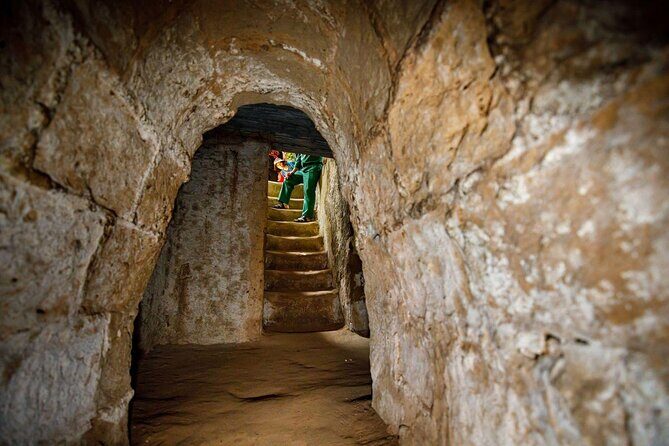
- Underground walk option gives you a hands-on sense of how the base functioned.
- Command post and cannons add context beyond the tunnels themselves.
- Optional bullets are available, but they are not included in the price.
Getting From Ho Chi Minh City to Cu Chi: the 60 km ride-out

The day runs about six hours total, with roughly 90 minutes of driving each way from Ho Chi Minh City to the Cu Chi area. That matters because Cu Chi is far enough that you want a plan, not a haphazard grab-and-go day. This tour keeps it simple with convenient pick-up and drop-off at hotels in Districts 1, 3, and 4, plus an air-conditioned van.
You’ll usually board the vehicle with your guide and get your first quick setup for what you’ll see. The guide talks about the Vietnam War in a way that connects to Cu Chi’s tunnel layout, rather than just listing battles. If you like structure, this “road intro” style is a good start.
Practical tip: dress for travel and for being outside. Even though the van is comfortable, the visit itself includes time on site, and the overall experience depends on weather. The tour notes that it requires good weather, which is one of those small details that can genuinely change your day.
You can also read our reviews of more tours and experiences in Ho Chi Minh City.



Your First Look at Cu Chi: history, traps, command posts, and cannons
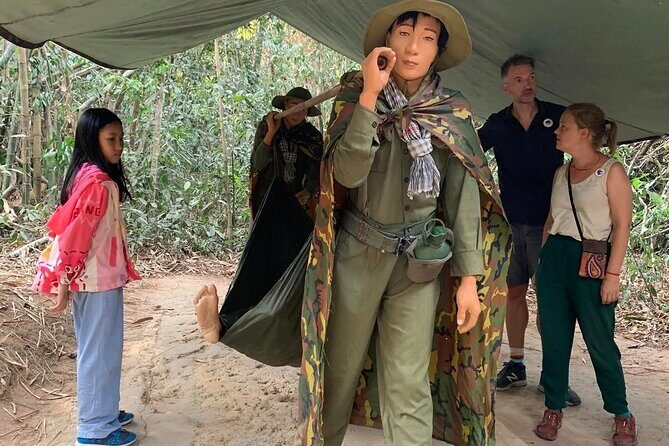
When you arrive, the tour begins with a brief historical overview of how the tunnel system formed and how it was used. The pacing here is important: you get enough context to understand why the tunnels were built the way they were, what they enabled, and how the underground base worked as a system, not just a hole in the ground.
Then the tour adds specifics, including structures you’ll recognize from the area’s educational displays and documentaries. You also learn about wartime traps hidden within the tunnels, which helps explain why the maze-like layout wasn’t just defensive, it was tactical.
A strong part of this stop is that it does not focus only on underground crawling. You’ll also visit the command post and view remaining cannons. Those pieces give you a sense of the wider operation, so your brain can switch from “tunnel maze” to “complete battlefield network.”
One consideration: the subject is intense. Even if you’re there for history and not drama, you’ll be looking at how people lived and fought in extreme conditions. If you know that heavy war content is tough for you, go in with realistic expectations and give yourself a little mental slack.
Going Underground: how the optional walking tunnel changes the experience
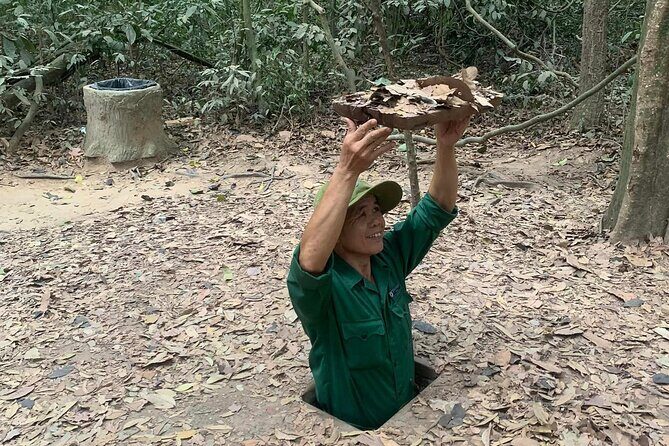
A major feature of this Cu Chi visit is exploring the underground guerrilla resistance base. There’s also an optional walking tunnel experience, which is where many people’s brains make the shift from reading about a system to understanding the scale of it.
I like the way this tour frames underground exploration. It is not presented as a thrill ride, and the emphasis stays on purpose and function: how people moved, hid, and sustained operations. The guide helps you “read” the space by explaining details like the wartime traps and how the tunnels supported day-to-day resistance.
The tour also highlights areas such as the Hoang Cam kitchen. That’s a smart inclusion because a kitchen is not just a prop. It points to the reality that underground life required planning, tools, and routines, not only tactics.
What should you expect physically? The description emphasizes tunnels and a walking option, so plan for low-visibility and close quarters. Even without getting technical about sizes or angles, it’s fair to say you’ll want comfortable shoes and a mindset for restricted movement.
Hoang Cam kitchen and handmade traps: learning what the stories are really about
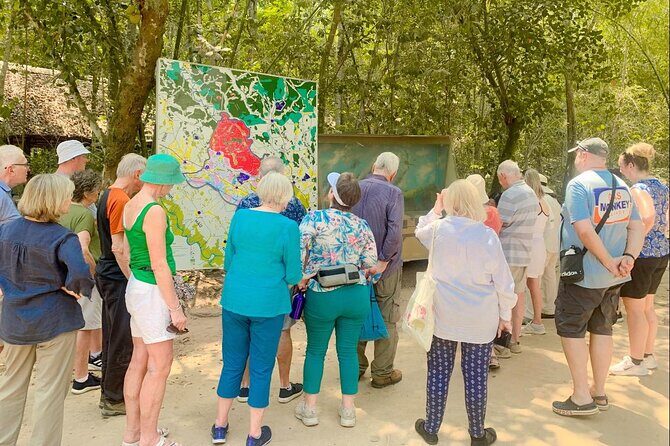
One reason this tour earns such strong ratings is that it focuses on details that connect emotion to explanation. The tour doesn’t just tell you that traps existed. It explains how wartime traps were hidden within the tunnel environment, which adds layers to the idea of a living, interactive maze.
The handmade elements also matter. When you hear that certain features were made for survival and defense, the story becomes less abstract. You start to see the tunnels as an engineered response to threat, built by people with limited resources and a clear goal.
Then there is the Hoang Cam kitchen, which helps the story land on resilience. The point isn’t to turn suffering into spectacle. It’s to show that underground life still included essential tasks, and those tasks were part of maintaining resistance.
If you tend to learn best through imagery and specific examples, this part of the visit is where the tour gets traction. And because your guide ties it together with the bigger war narrative, you’re not left with disconnected facts.
The guide makes or breaks it: Ken and Mr. Chien as your storyline drivers
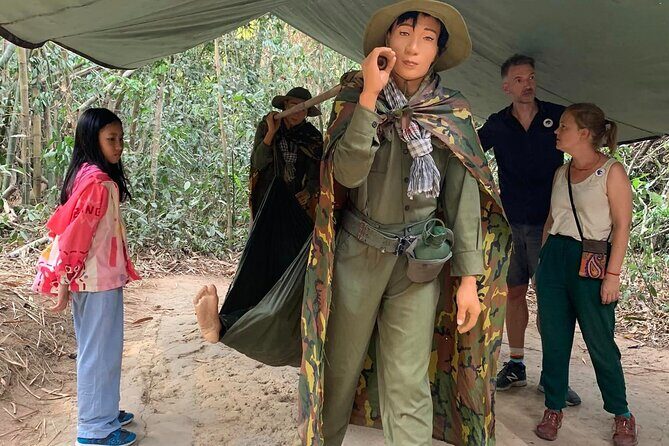
This is one of those tours where the human factor is front and center. In the feedback, guides like Ken and Mr. Chien show up again and again as strong communicators. People describe them as enthusiastic and friendly, and also as able to explain the material clearly.
You can feel the difference when a guide uses plain language and stays organized. Your time at Cu Chi is limited, so you need the story to land quickly. When the guide connects tunnels, traps, and command operations into a coherent narrative, the visit becomes much more than a checklist of stops.
It also helps that the tour emphasizes an emotionally careful telling. The overall tone is not cold or purely factual. The goal is to make the experience moving and meaningful, while still keeping it understandable.
A small bonus: because the guide is English-speaking, you’re not relying on translations or guesswork while you walk through the tunnels and displays. That keeps you focused on the experience instead of trying to figure things out yourself.




Timing, comfort, and what the van does for your day
The ride is long enough that comfort helps. You get an air-conditioned vehicle, and the day includes a bottled water stop as part of the included items. Those aren’t glamorous details, but they make a difference when you’re traveling in Vietnam’s heat and humidity.
Pick-up and drop-off are also a big deal for time. If you’re staying in District 1, 3, or 4, you won’t need to spend your morning bargaining for transport or worrying about meeting points. You board the van, you get guided instruction, and you’re brought back to the start area afterward.
One practical note: the tour ends back at the meeting point. If you’re not getting hotel pickup, you’ll want to be sure you can return easily after the day. If you are getting pickup, you’ll still want to plan your next meal and rest stop for afterward.
Price and value: what $18 includes, and what costs extra
At $18 per person, this tour is priced to be approachable, especially because admission is included. You also get a list of items that protect the basics: air-conditioned transport, all fees and taxes, bottled water, and an English-speaking guide.
For value, hotel pickup matters more than it sounds. Buying a cheap ticket and then losing an hour to transport logistics is how days go sideways. Here, the tour builds convenience into the price, and that’s a big reason the experience earns high satisfaction scores.
What’s not included:
- Lunch (you’ll need to handle your own timing)
- Tips (optional, which is common)
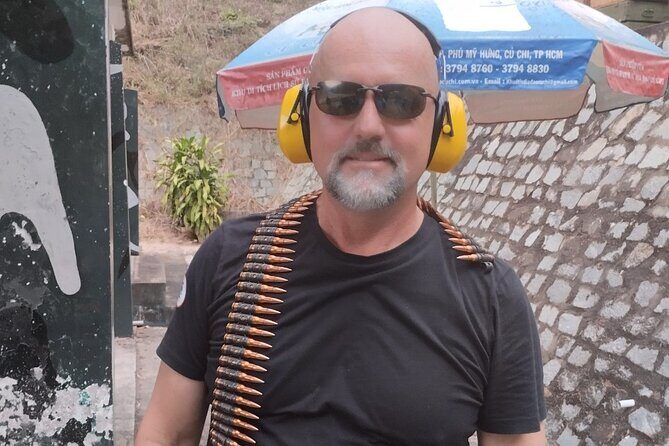
- Bullets as an optional activity: 600,000 VND (about $25) for 10 bullets
If you care about budgeting, treat the bullets add-on like a true optional splurge. Decide beforehand whether you want it, because once you’re there, it’s easy to lose track of how add-ons pile up.
Group discounts are offered, and the tour notes a private group structure for your party. That often means you avoid the chaotic feeling of too many people trying to hear the same guide at the same time.
What you should pack (and what you can skip)

You don’t need to travel light for this, but you also don’t want to bring a heavy bag you don’t feel like managing. The tour provides bottled water and uses an air-conditioned vehicle for the ride, so you can keep the focus on comfort.
Here’s what I’d pack based on how this tour runs:
- Comfortable closed-toe shoes for uneven ground and tight movement
- A hat or cap and sun protection, since you’ll spend time outdoors before and after underground areas
- A light layer if you get chilled in air-conditioned transport
- Some cash for optional items, if you plan to consider add-ons
What you can skip: big booklets or extra history prep. The guide provides the structure, including overview points about formation and uses of the tunnels, plus explanations tied to what you see.
And one more thing: leave room in your day for emotional processing. This isn’t a casual photo walk. It’s an education experience tied to war and survival.
Who this Cu Chi half-day tour is best for
This tour fits you if you want a strong dose of Cu Chi history without spending the entire day on transport and logistics. The half-day structure works for first-timers in Ho Chi Minh City who have limited time.
It’s also a good fit if you want storytelling in English and a guide who can keep the narrative clear. When the guide is strong, you’ll leave with a better sense of how the system worked, not just what it looked like.
Choose something else if:
- You strongly dislike intense war topics
- You need lunch provided as part of the package
- You want a very academic, textbook-style approach (this tour leans toward story-led explanation)
Should You Book Cu Chi Tunnels Half Day Of Adventure?
If you’re aiming for a meaningful, well-organized Cu Chi visit with hotel pickup, an English-speaking guide, and a clear six-hour rhythm, I think this is a solid booking. The price is low enough to feel doable, while the included items cover the practical stuff that usually ruins half-day tours: transport, guide language support, and admission.
My final advice is simple: if you’re okay with heavy subject matter and you can handle not having lunch included, book it. If you’re sensitive to the topic or you hate tight, underground spaces, consider whether the optional walking tunnel is the right choice for you before you go.
You’ll be glad you did when the story clicks and you realize you’re not just touring tunnels. You’re seeing how people adapted, hid, and survived in a place built for resistance.
FAQ
How long is the Cu Chi Tunnels half-day tour?
It runs for about 6 hours (approximately).
Where does the tour start and end?
The tour starts at 156 Lê Thánh Tôn, Phường Bến Thành, Quận 1, Thành phố Hồ Chí Minh 70000, Vietnam. It ends back at the same meeting point.
Does the price include admission and a guide?
Yes. Admission ticket, an English-speaking guide, air-conditioned vehicle, bottled water, and all fees and taxes are included.
Is pickup available from hotels?
Yes, pickup and drop-off are available at hotels in Districts 1, 3, and 4.
Is lunch included?
No. Lunch is not included.
Are there optional add-ons at Cu Chi?
Yes. There is an optional bullets activity. The cost is 600,000 VND (about $25 USD) for 10 bullets.
What happens if the weather is bad or I need to cancel?
The tour requires good weather. If it is canceled due to poor weather, you’ll be offered a different date or a full refund. Free cancellation is available up to 24 hours in advance for a full refund.