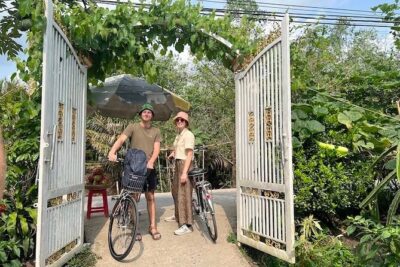
REVIEW · CYCLING TOURS
Cycling Through Phu Quoc Rural Village
Book on GetYourGuide →Bookable on GetYourGuide
Good things happen when you slow down.
This half-day ride through Kien Giang province is built for people who want more than a beach photo. You pedal past everyday life, then step into small family-run food and craft stops—SIM wine, black pepper, fish sauce, and charcoal—where you see how island flavors and trades are made. I like that it’s practical too: you get a proper bike setup, helmet, and water so you can focus on the route.
Two things I especially like: first, the itinerary mixes moving time with hands-on viewing, so you’re never stuck in a showroom. Second, the pace leaves space for your questions and quick photo stops, and the guides plan for hot weather with drink breaks. One thing to consider: it’s hot and you’ll be cycling, so pack for sun, bugs, and motion sickness—this isn’t a gentle stroll.
In This Review
- Key highlights worth your attention
- Hornbill Adventures start: bike setup and easy-to-find meeting point
- Riding through a Phu Quoc fishing village without the crowds
- SIM wine at a local home: how wild rose myrtle turns sweet-tangy
- Pepper farm visit: Phu Quoc black pepper from growth to harvest
- Fish sauce factory: seeing traditional methods in wooden vats
- Charcoal production: a traditional craft still very much alive
- The ride feel: pace, heat management, and your comfort checklist
- Price and value: why $50 works for this rural mix
- Who should book this cycling tour (and who shouldn’t)
- Should you book Cycling Through Phu Quoc Rural Village?
- FAQ
- How long is the tour?
- Where does the tour start?
- Does the tour include a bike and helmet?
- What is the cost?
- Is pickup available?
- What food and drink stops are included?
- What should I bring?
- Is the tour suitable for children?
- What languages are spoken?
- Is payment flexible and is there a cancellation window?
- Is it wheelchair accessible?
Key highlights worth your attention
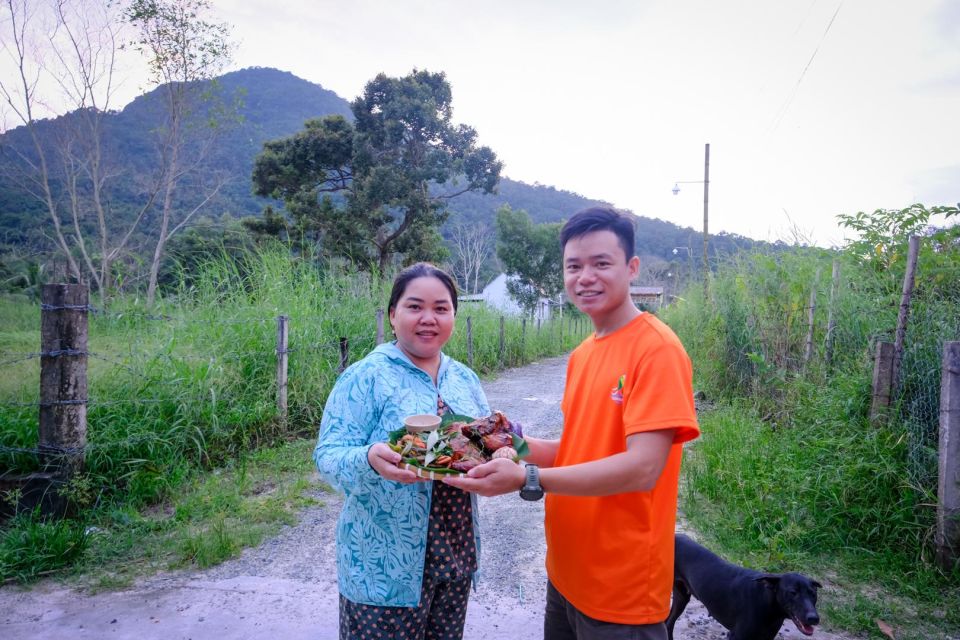
- Quality mountain bikes (Trek) plus helmets included, so you can ride confidently
- Small, low-crowd feel, with time to enjoy the scenery and the people you meet
- Family-run SIM wine tasting, with a real look at fermentation from wild rose myrtle berries
- Pepper farm access, where you can buy fresh black pepper straight from the source
- Fish sauce in wooden vats, using traditional methods and a strong, unforgettable smell
- Charcoal production craft, a traditional technique you can watch and understand
Hornbill Adventures start: bike setup and easy-to-find meeting point
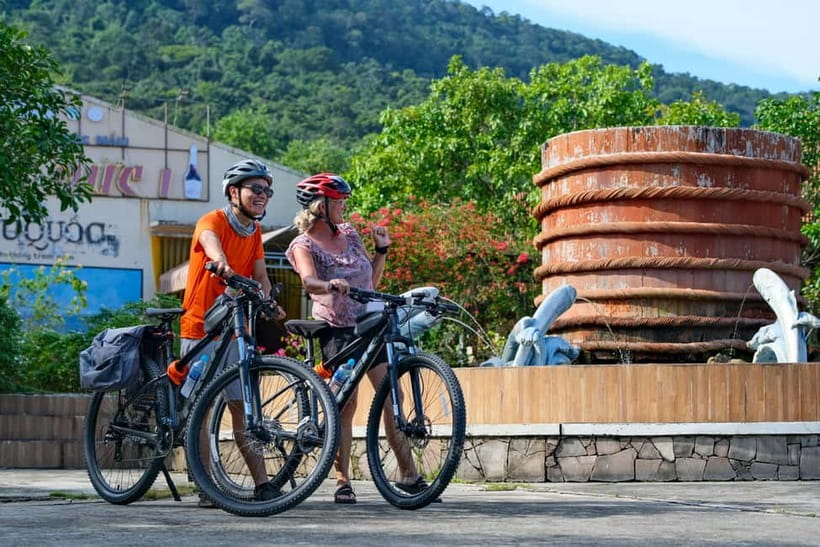
Your tour begins at Hornbill Adventures at 117 Tran Hung Dao in an alley to the right of Oc Bamboo. Don’t overthink it, but do arrive a few minutes early so you can get fitted and settle in before the first pedal.
At the start, you’ll be equipped with a Trek mountain bike and a helmet. That matters more than it sounds: Phu Quoc roads and rural lanes can be uneven, and a mountain bike helps you stay in control rather than fighting the bike. You’ll also get a brief run-through of what’s next, so each stop feels connected instead of random.
If you want pickup, you can request it in advance for an extra cost. Otherwise, plan to meet at the office—this keeps the schedule simple for everyone.
Riding through a Phu Quoc fishing village without the crowds

One of the best parts of this experience is how much you see before the food stops even start. You’ll ride through a peaceful fishing village setting, which is exactly where the island’s daily rhythm shows up: boats, work areas, and the kind of quiet activity that doesn’t show on typical fast tour circuits.
I like that this segment is long enough to matter. You’re not just stopping at a viewpoint and moving on. You’re actually traveling through the area at bicycle speed, where you can notice details—front gates, small roadside routines, and the general pace of life—without feeling rushed.
Practical tip: keep your phone and camera ready, but also take a second to look with your own eyes. The ride makes it easy to catch moments that never show up in posed photos.
SIM wine at a local home: how wild rose myrtle turns sweet-tangy
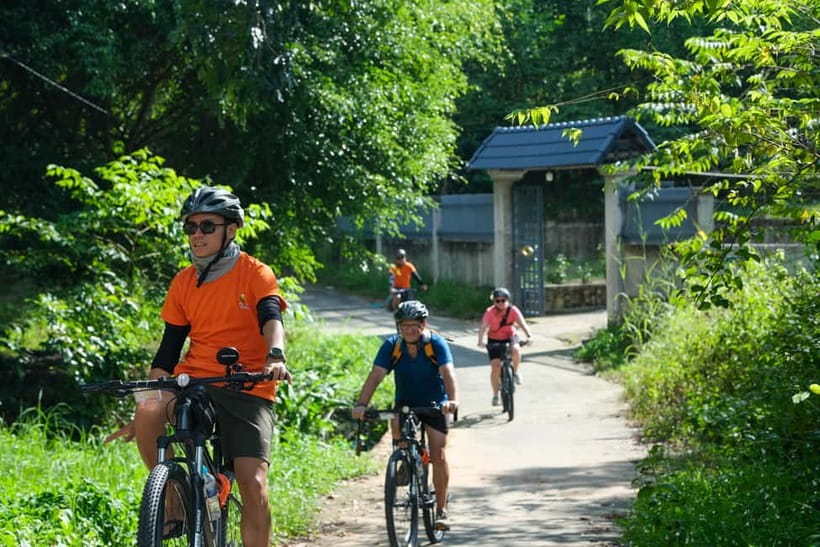
Next comes one of the tour’s signature stops: a Local Sim Wine Home, a family-run operation that produces traditional SIM wine. This is not just tasting. You learn how the fermentation process works and what’s going on behind the scenes.
The key ingredient is the island’s wild rose myrtle berries (SIM). That single detail helps you understand why this drink tastes different from typical fruit wines you might be used to. You’re sampling something sweet and tangy, made from local raw material and local method.
What makes this stop valuable is the scale of it. You’re in a real home-based operation, so you get a sense of how these small businesses function and how tradition gets kept alive through repetition and knowledge passed down.
If you’re sensitive to strong smells or flavors, it’s still worth going. The tasting is part of the experience, and your guide can help you understand what to expect before you sip.
Pepper farm visit: Phu Quoc black pepper from growth to harvest
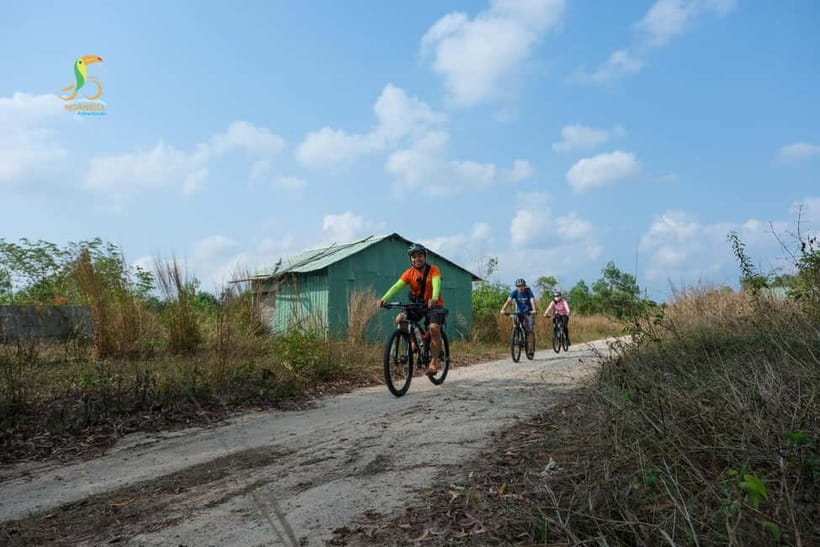
Phu Quoc’s pepper has a reputation for a reason, and the pepper farm visit is where it stops being a spice on a shelf and becomes a plant you can see.
You’ll walk through the working farm, and your guide explains the different stages of growth and the harvest process. This is the kind of explanation that helps you buy better pepper later because you know what you’re looking for and when it was collected.
You also get a chance to purchase some of the freshest pepper directly from the source. That matters for value. Buying from the farm usually means fewer middle steps and a product that feels more connected to its origin.
A small consideration: farms can be dusty and sunny. Wear cycling clothes you don’t mind getting a little dirty, and keep sunscreen high on your priority list.
Fish sauce factory: seeing traditional methods in wooden vats
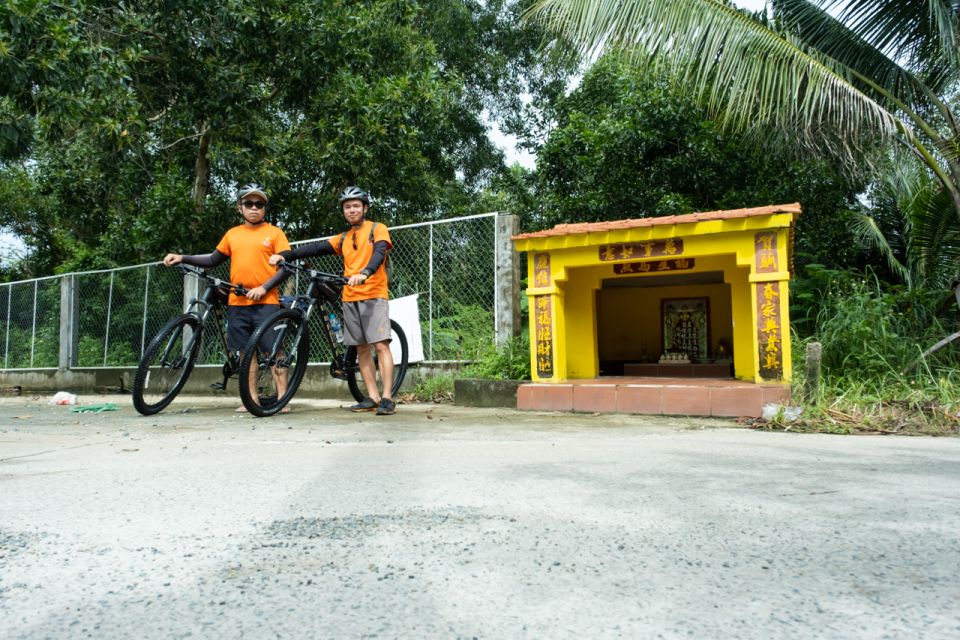
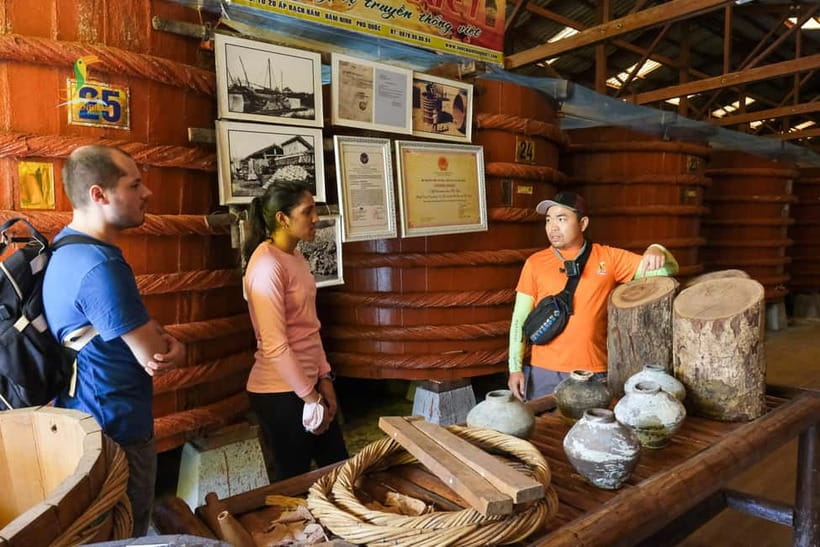
No trip to Phu Quoc is complete without fish sauce, and this tour doesn’t treat it like a quick photo stop. At the fish sauce factory, you get an exclusive look at traditional methods used to create the island’s famous fish sauce.
The standout detail here is sensory. You’ll see large wooden vats and experience the rich aroma in the same room. It’s intense, and it’s supposed to be. This is one of those foods where the smell tells you you’re getting the real process, not a modern shortcut.
What I appreciate is that the visit helps you understand fish sauce as a craft: fermentation, time, and careful handling turn basic ingredients into a staple flavor. Once you’ve seen the vats and learned the approach, you’ll taste fish sauce differently afterward—more like a product of method than a background condiment.
Practical tip: if you’re worried about the smell, keep a light mindset. This is a factory-style experience, so plan for it rather than trying to fight it.
Charcoal production: a traditional craft still very much alive
Then you move from food into another island craft: traditional charcoal production. You’ll observe the process and learn about a method passed down through generations.
This stop gives you a useful perspective on rural life. Charcoal might not be on your vacation checklist, but it’s a real part of how people support daily cooking and business needs. Watching the process also makes you think about sustainability and how practical trades survive when tourism is changing the economy around them.
It’s also a good reset after the heavier sensory parts. You’re learning something visual and process-based, not just tasting.
The ride feel: pace, heat management, and your comfort checklist
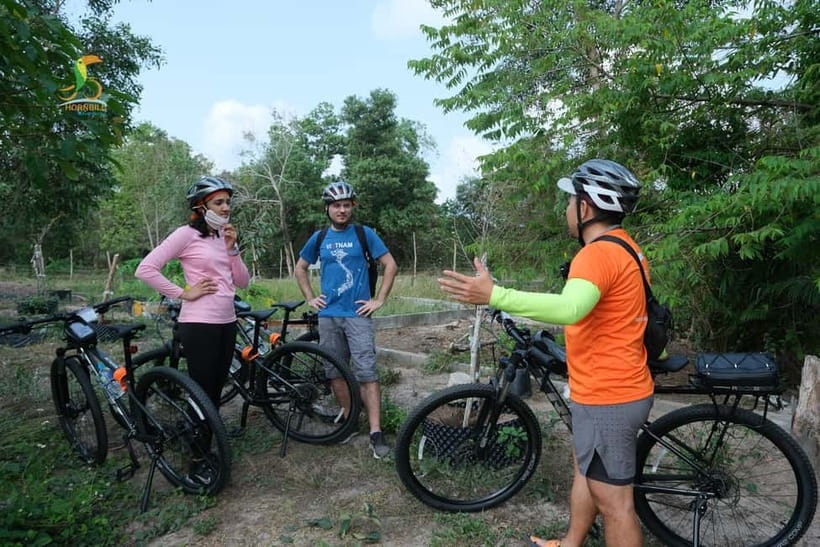
Because it’s a half-day tour, the schedule is naturally packed—but it’s not frantic. The guides plan a route that includes time to enjoy what you’re seeing, and they’re considerate about breaks. If the heat is hitting hard, you’ll get chances to drink water.
Included with the tour is La Vie Natural Alkaline Water, plus the helmet and bike. Still, I always recommend you treat water as part of your own plan, not just a perk. Bring your own pace: slow down when you need to, especially on any rougher sections.
Before you go, pack:
- cycling clothing and comfortable shoes
- sunscreen and insect repellent
- camera
- motion sickness prevention, and yes, bring your own medicine
That last point is not overkill. If you’re even a little prone to nausea, the mix of riding and moving between sites can be enough to bother you. You’ll enjoy the tour more if your stomach feels steady.
Also follow traffic rules and your guide’s instructions. The rural lanes may feel calm, but bikes still need predictable behavior.
Price and value: why $50 works for this rural mix
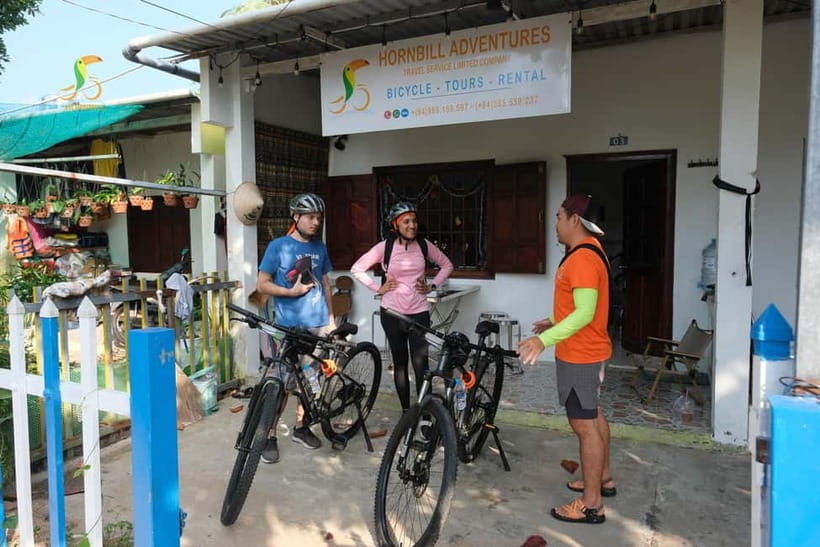
At $50 per person, this tour is priced for a real experience, not a basic bike rental. You’re getting:
- a local guide
- a Trek mountain bike
- helmet
- water
- multiple paid-style cultural stops (SIM wine tasting, pepper farm time and buying opportunity, fish sauce factory viewing, charcoal production observation)
- a comfortable return by car to the start point
So the real question is whether the value matches your travel style. For me, the sweet spot is a person who wants to understand food and crafts through observation and conversation. If you’re the kind of traveler who likes short, focused experiences with clear variety, $50 can feel fair.
If you’re only chasing ocean views, you might find this tour doesn’t match your priorities. But if you want the island’s working life, the pricing starts to make sense quickly.
Who should book this cycling tour (and who shouldn’t)
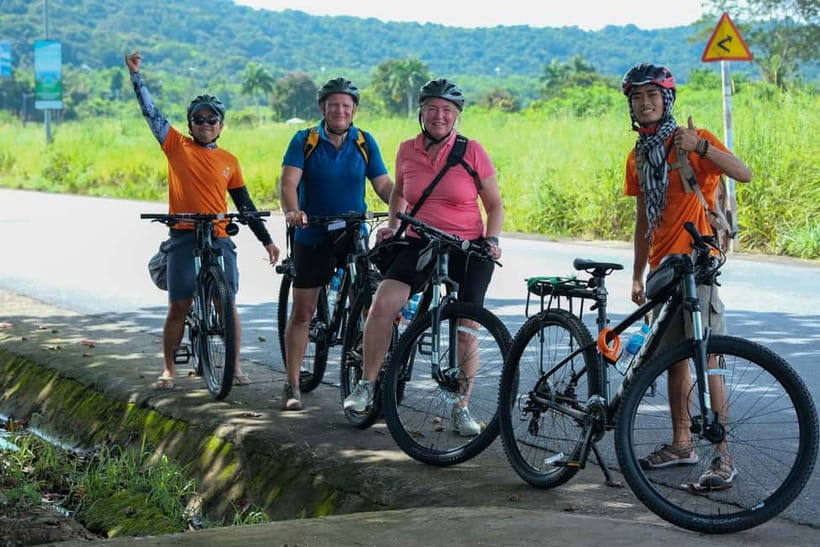
This is a strong match for:
- couples or solo travelers who like a guided plan but still want flexibility for photos
- people who enjoy rural settings and small food/craft businesses
- travelers who are comfortable cycling for a half-day in warm weather
A few limits from the tour info are worth respecting. It’s not suitable for wheelchair users. It’s also not suitable for children under 10. For children aged 8 to 12, participation is only allowed under conditions: minimum height 120 cm and they must be capable of riding a bicycle.
I’d also say this isn’t ideal if you hate surprises in smell and flavor. Fish sauce and fermented wine are part of the deal here.
Should you book Cycling Through Phu Quoc Rural Village?
If you want Phu Quoc beyond beaches, I’d book it. The combination of cycling through a fishing village plus maker-style stops—SIM wine, pepper, fish sauce, charcoal—gives you variety without feeling scattered. And because the ride includes room for breaks and photo moments, the experience stays human-sized.
Skip it only if cycling heat is a dealbreaker for you, or if you need a fully gentle, low-effort outing. Otherwise, this tour is one of the better ways to spend a half-day while seeing how island life keeps going.
FAQ
How long is the tour?
This is a half-day cycling experience.
Where does the tour start?
You meet at Hornbill Adventures, 117 Tran Hung Dao, in an alley to the right of Oc Bamboo.
Does the tour include a bike and helmet?
Yes. You’ll get use of Trek mountain bikes and helmets.
What is the cost?
The price is $50 per person.
Is pickup available?
Pickup is not included. If you need pickup, you can request it in advance for an extra cost.
What food and drink stops are included?
You’ll visit a local SIM wine home for fermentation learning and tasting, see a pepper farm, visit a fish sauce factory, and learn about traditional charcoal production.
What should I bring?
Bring a camera, cycling clothing, sunscreen, motion sickness prevention, insect repellent, and comfortable clothes and shoes.
Is the tour suitable for children?
It is not suitable for children under 10 years. Children aged 8 to 12 can participate only if they are at least 120 cm tall and capable of riding a bicycle.
What languages are spoken?
The tour languages are Vietnamese and English.
Is payment flexible and is there a cancellation window?
It offers Reserve & Pay Later (you can book and pay nothing today). Cancellation is allowed up to 24 hours in advance for a full refund.
Is it wheelchair accessible?
No. It is not suitable for wheelchair users.