REVIEW · HO CHI MINH CITY
3 DAYS MEKONG DELTA
Book on GetYourGuide →Operated by An Travel · Bookable on GetYourGuide
River life in the Mekong Delta, without the rush. I love how this trip strings together Mỹ Tho’s Vinh Trang Pagoda and Cái Răng floating market into one smooth route, so you get both sacred sights and real working rivers. I also like the farm-side culture on Unicorn Island, where you see pomelo and bee activities and taste what comes from them. The main drawback to plan for is that the group language balance can be uneven, and the food is very local, which may not match every diet or taste.
You’ll be picked up from central hotel areas and handled by an English-speaking guide, with most major entrance fees covered. The big “choose your vibe” factor is whether your route includes Châu Đốc and Trà Sư (program 1) or pushes farther toward Ca Mau and Bạc Liêu (program 2), since that changes the vibe of the last half of the journey.
In This Review
- Key highlights worth your attention
- Why this 3-day Mekong Delta route feels practical
- Day 1: Vinh Trang Pagoda, Unicorn Island, then either Ben Tre or Cần Thơ
- Day 2: Sam Mountain and Trà Sư mangroves, or Cái Răng then the push to Ca Mau
- Program 1 on day 2: Châu Đốc temples and Trà Sư Mangrove Forest
- Program 2 on day 2: Cái Răng floating market then down toward Sóc Trăng, Bạc Liêu, and Ca Mau
- The Cái Răng floating market morning: what you should pay attention to
- Day 3 in program 1: Trúc Lâm Zen Monastery, Mỹ Khánh, and the Purple House café
- Day 3 in program 2: Ca Mau and Bạc Liêu heritage before heading back to Ho Chi Minh City
- Price and value: what $181 actually buys you
- Meals and food comfort: local taste is part of the package
- Hotel and pacing: you’ll spend time in transit, but it’s structured
- Language expectations and how to get the most from your guide
- What to pack for Mekong Delta boats and temple stops
- Should you book this Mekong Delta tour?
- FAQ
- How long is the Mekong Delta tour?
- What’s the starting time?
- How much does the tour cost?
- Is hotel included?
- Are meals included?
- Does the tour include transportation?
- Do you pick up from the hotel?
- Is an English-speaking guide included?
- Is there a single supplement fee?
- What’s the cancellation policy?
Key highlights worth your attention
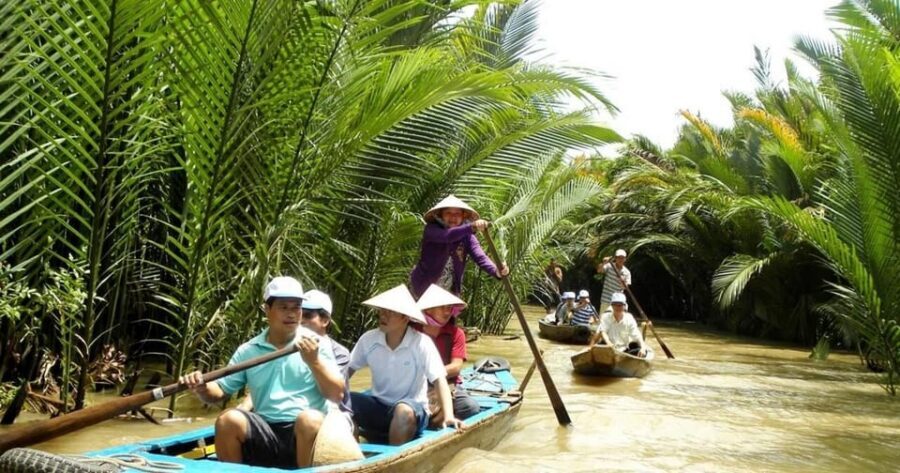
- Vinh Trang Pagoda in Mỹ Tho: a major Southern Vietnam pagoda visit before you head out on the water.
- Unicorn Island farm time: pomelo and bee farm stops, plus farm tastes like honey tea and royal jelly.
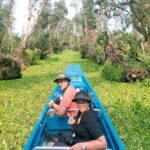
- Ben Tre rowing boat + coconut candy: a classic Mekong detour with village views and hands-on river travel.
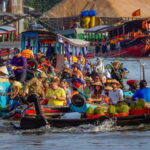
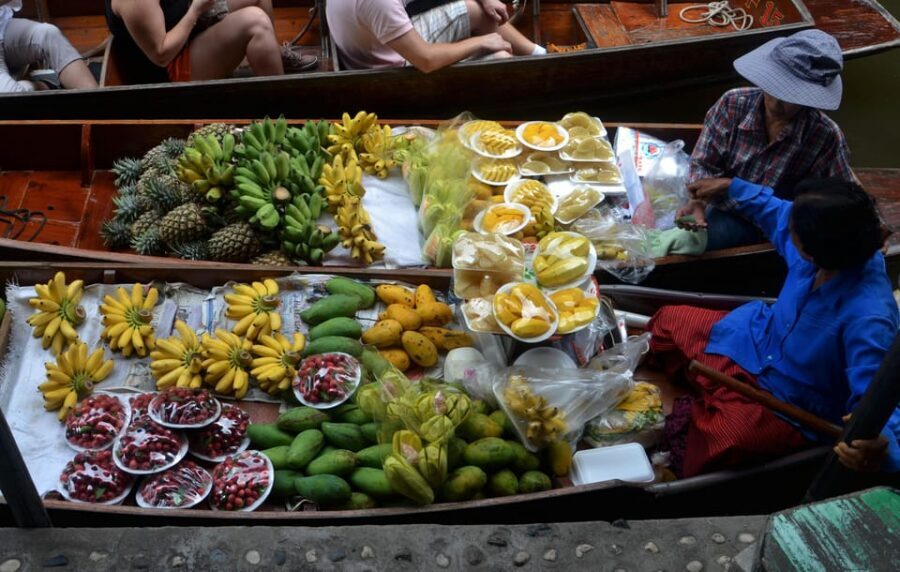
- Cái Răng floating market: see how people live and trade on the river, then try river delicacies.
- Châu Đốc or Ca Mau option: Trà Sư mangroves and mountain temples on one route, or Somrong Pagoda and Mũi Cà Mau ecosystem on the other.
Why this 3-day Mekong Delta route feels practical
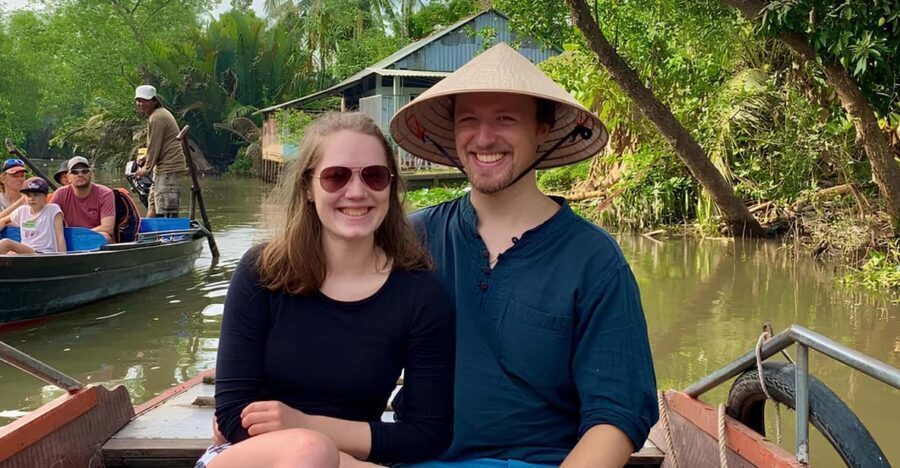
Three days in the Mekong Delta can turn into chaos fast. This tour keeps the motion organized: bus rides between key towns, then boat time where it matters, then a proper second city stop for the next morning.
What makes it work for many people is the mix. You don’t just do one style of sightseeing. You get temple culture (Vinh Trang, plus mountain and zen temple stops), farm life (pomelo and bees), and river commerce (Cái Răng), all in a sequence that makes sense geographically in Southern Vietnam.
The value also comes from the bundle. You’re not piecing together transport, tickets, and meals all by yourself. With 2 nights in a 3-star hotel, 3 breakfasts, 3 lunches, and 2 dinners included, plus entrance fees, the $181 price starts to look less like “just a tour” and more like a managed multi-day experience.
You can also read our reviews of more tours and experiences in Ho Chi Minh City
Day 1: Vinh Trang Pagoda, Unicorn Island, then either Ben Tre or Cần Thơ
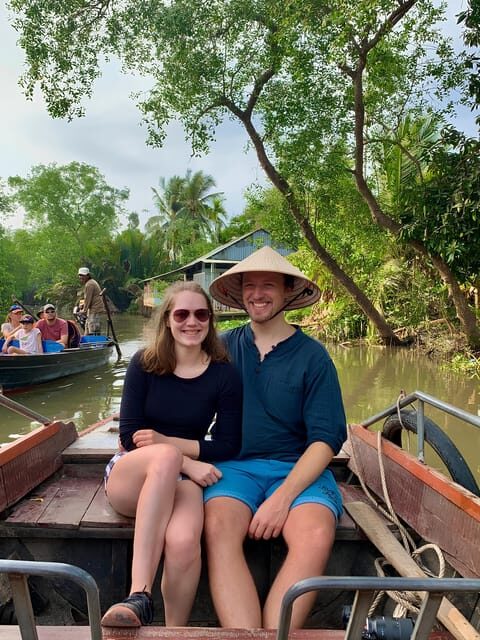
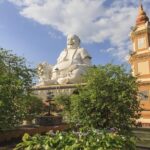
Your first morning starts with Mỹ Tho and the Vinh Trang Pagoda visit. This is one of those Mekong Delta cultural anchors: it’s described as one of the oldest ancient pagodas in Southern Vietnam, and it’s known for being a large pagoda with special architecture. Even if you’re not a big temple person, it gives you a grounding before the trip turns more hands-on and watery.
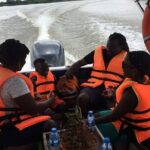
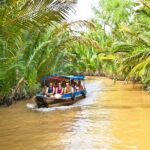
Next comes the water. You’ll take a boat from the Tien River area to Unicorn Island, where the farm side gets real. On the island, you’ll visit a pomelo farm and a bee farm. The tour also builds in tasting: you can try honey tea and royal jelly from the farm. That’s a nice shift from typical sightseeing, because you’re learning a working-product story, not just walking through a scenic spot.
Then your day splits based on which program you land on.
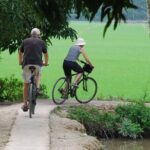
- If your trip follows program 1: you continue to Ben Tre for a Coconut Candy Factory visit, then do a rowing boat excursion and a village exploration with lunch. The Ben Tre portion is the “slow and local” part of the day, where you tend to see more everyday river routines.
- If your trip follows program 2: after the Unicorn Island time, you go on to Cần Thơ, arriving around 6 p.m. Dinner is on a 5-star cruise, followed by free time to explore at night—walking around places like Ninh Kiều night market is specifically mentioned as an option.
Either way, your day ends with an overnight stay. In program 1 that’s Châu Đốc City for dinner and the night. In program 2 it’s in the Cần Thơ area after your evening cruise dinner setup.
Day 2: Sam Mountain and Trà Sư mangroves, or Cái Răng then the push to Ca Mau
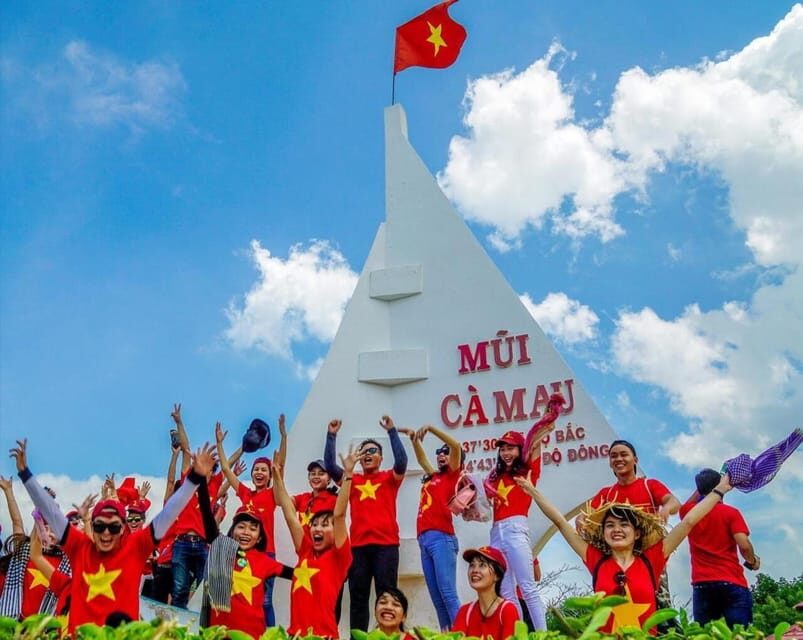
Day 2 is where you feel the Mekong Delta’s range. You either get more religious and landscape-focused time (program 1), or you swing toward floating-market river culture plus farther-south ecosystems (program 2).
Program 1 on day 2: Châu Đốc temples and Trà Sư Mangrove Forest
You start with Châu Đốc mountain area stops: the Lady Temple of Sam Mountain, Thọại Ngọc Hầu’s Tomb, and Tây An Temple. This is a different flavor than the flat-river feeling of Mỹ Tho and the market towns. Mountain temple settings can also make the pacing feel more “activity with viewpoints,” even if you’re mainly there for cultural sites.
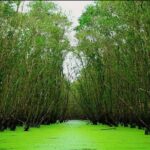
In the afternoon, the tour moves to Trà Sư Mangrove Forest. The purpose here is the ecosystem: mangroves are not just pretty scenery, they’re a whole living system. You’ll have lunch and then head to Cần Thơ for your next night.
Program 2 on day 2: Cái Răng floating market then down toward Sóc Trăng, Bạc Liêu, and Ca Mau
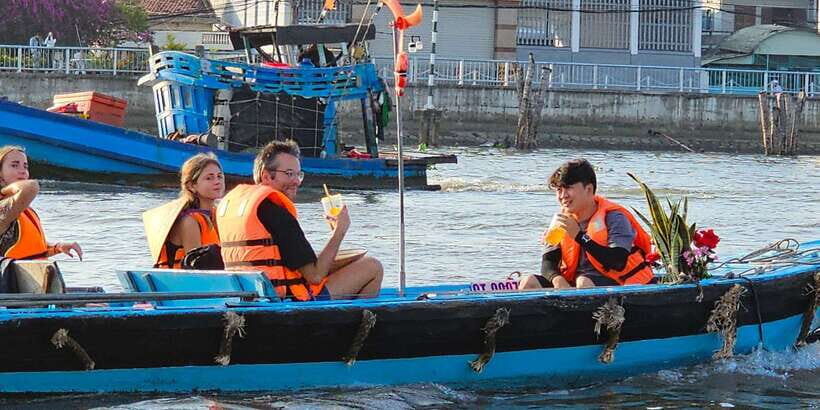
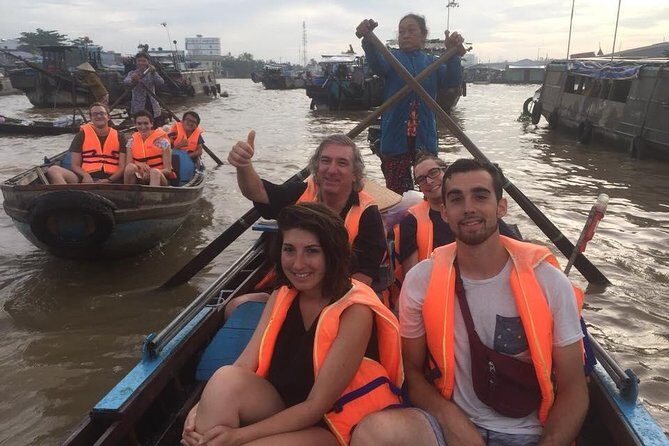
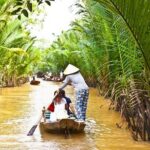
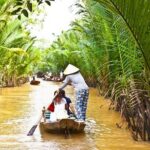
In program 2, the day begins with Cái Răng floating market. The boat trip is part of the point: you see how Vietnamese people live on the river and what normal daily activity looks like. You also learn how selling on boats differs from selling on land.
After Cái Răng, you travel through provinces further south with temple and heritage stops:
- Sóc Trăng Province: Somrong Pagoda, noted for having the longest Sleeping Buddha statue in Vietnam, plus Khmer-style architecture.
- Bạc Liêu Province: Tắc Sậy Church and the tomb of Bishop Trương Bửu Diệp.
Then there’s lunch at Ánh Nguyệt restaurant, followed by a shift into nature at Mũi Cà Mau. You’ll go through a mangrove forest ecosystem, then return for dinner at a local restaurant. It’s a long day, but the structure is clear: market culture, then heritage stops, then a nature payoff.
The Cái Răng floating market morning: what you should pay attention to
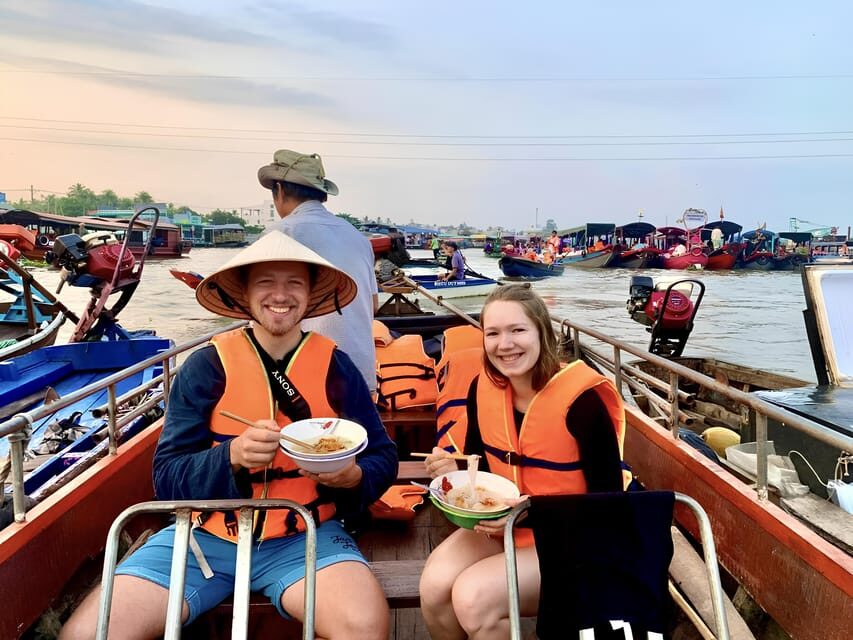
If you only want one “signature” Mekong moment, Cái Răng is usually it. This tour places it in the schedule on day 3 for program 1, and on day 2 for program 2, so no matter which version you choose, you’re likely to hit the floating market in a morning slot.
Here’s what makes the experience feel more authentic than a typical tourist boat:
- You get to see local river life and normal activities, not just posed photo stops.
- You can try river delicacies, which turns the market from a visual event into a taste-and-observation experience.
- The boat-based trading contrasts with land markets, so you’ll understand the market’s logic instead of just walking through.
Practical tip: keep your attention on movement and routine. When people sell, they’re working around currents, timing, and their own schedules. If you’re only watching the boats glide by, you’ll miss the real story.
Day 3 in program 1: Trúc Lâm Zen Monastery, Mỹ Khánh, and the Purple House café
In program 1, day 3 starts with Cái Răng floating market and river-food tasting. After that, the tour slows down into culture-and-craft style stops in Cần Thơ:
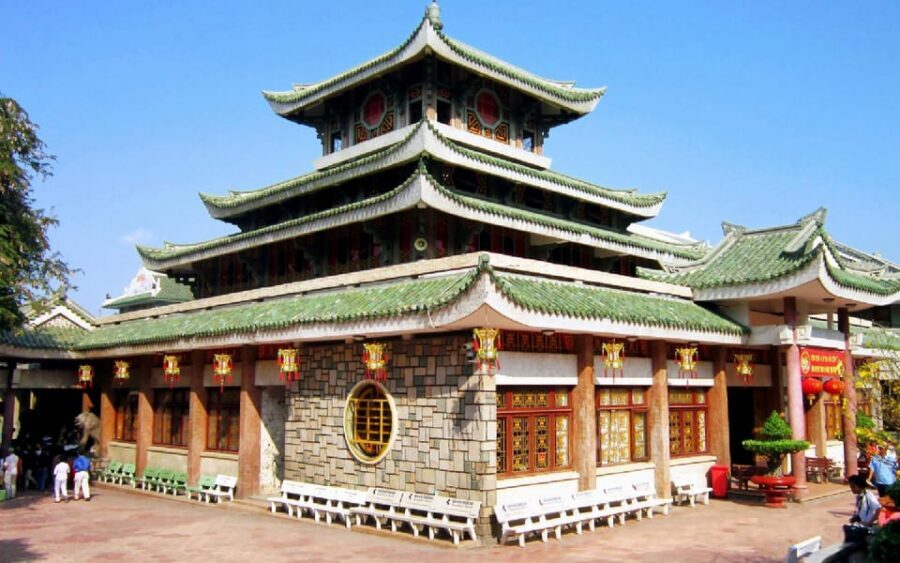
- Trúc Lâm Zen Monastery
- Mỹ Khánh Tourist Village
- Purple House café
This last stretch is more relaxed than the boat-and-market parts. It’s a chance to reset before the final return to Ho Chi Minh City in the evening.
What I like about this structure is that it avoids the classic trap of ending a river trip with another marathon of temples. You get a meaningful cultural morning, then a lighter finish.
Day 3 in program 2: Ca Mau and Bạc Liêu heritage before heading back to Ho Chi Minh City
Program 2’s day 3 keeps the farther-south theme. You start with breakfast at your hotel, then head back toward Bạc Liêu for a stop focused on regional wealth and history: the richest man’s house in the Mekong Delta in the 20th century.
Then it’s lunch at a local restaurant and back to Ho Chi Minh City.
Even if architecture or history tours aren’t your top interest, this is a useful contrast after the market and mangrove day. You leave with a broader view of how Southern Vietnam developed beyond just the river trade.
Price and value: what $181 actually buys you
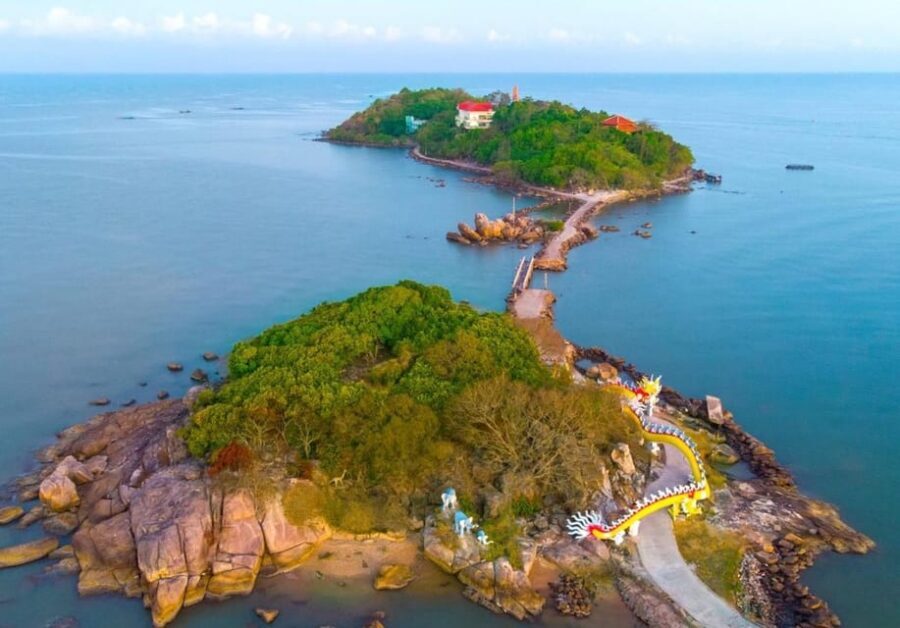
At $181 per person for 3 days / 2 nights, this tour works out as a bundle deal. You’re getting:
- Bus transportation
- English-speaking tour guide
- 3 breakfasts
- 3 lunches
- 2 dinners
- 2 nights at a 3-star hotel
- Entrance fees
- Pickup and drop-off at central hotel areas
- Skip the ticket line
The value is especially strong if you’d otherwise have trouble timing transport between multiple Mekong towns. You’re also getting multiple meal inclusions, which is a real budget saver in Vietnam’s tourist corridors.
The tradeoff is that meal inclusions mean your schedule is set. You might not always get the food style you personally crave, and that can hit people differently depending on preferences.
One real-world caution: there’s a review-style concern around language balance and translation. In one case, the group was mostly Vietnamese with only a couple of Danes, so the guide used Vietnamese and English came as translation, and it was most noticeable on the first day. It improved later with a different guide. The bigger lesson: if English clarity is essential for you, you’ll want to keep expectations flexible and be ready for some day-to-day variation.
Meals and food comfort: local taste is part of the package
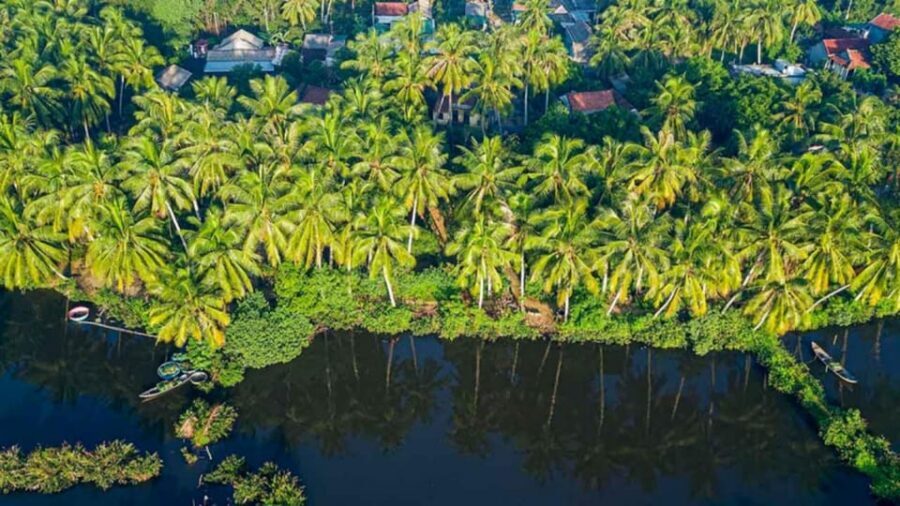
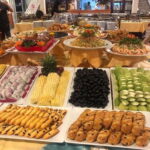
Meals are included (3 lunches, 3 breakfasts, 2 dinners), and the plan includes tasting moments like river delicacies at Cái Răng. That’s a good sign for authenticity.
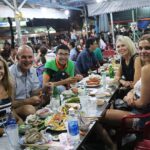
But it’s also where some people feel the mismatch. The meal style is described as very local in at least one negative review. If you’re picky, have dietary restrictions, or expect Western-style food, you should plan ahead mentally: this tour is more about experiencing the local table than catering to it.
If you know you can’t handle strong flavors, you may want to have a personal backup strategy (small snacks you can buy on your own, or just a willingness to keep it simple). The tour doesn’t list special meals tailored to dietary needs.
Hotel and pacing: you’ll spend time in transit, but it’s structured
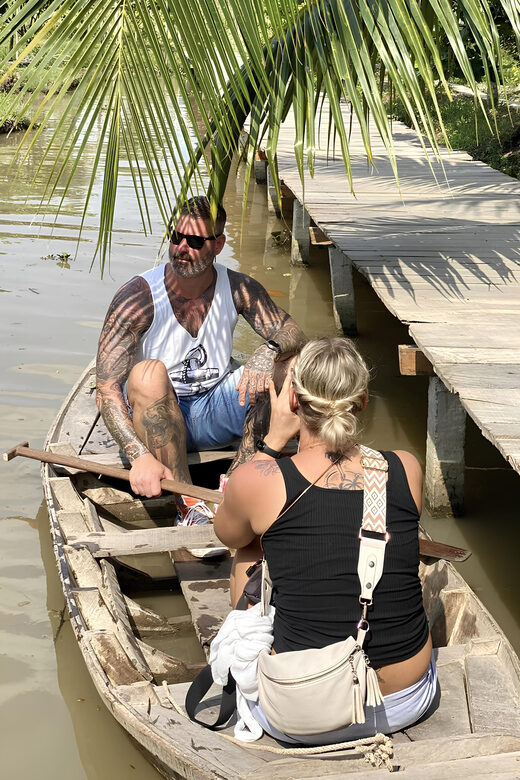
You’ll sleep 2 nights at a 3-star hotel and spend time moving by bus between the major zones. The program is built around geography, but yes, there’s travel time.
The pacing feels best if you treat long bus segments as the time to recharge. Then you go out for a short burst of high-interest experiences: pagoda, boat, farm, market, temple, mangrove.
You’ll also have some built-in free time in program 2, after the Cần Thơ evening cruise dinner. That night setup at Ninh Kiều night market is a chance to add your own flavor to the experience.
Language expectations and how to get the most from your guide
The tour listing includes an English-speaking tour guide, which is the right baseline. Still, your on-the-ground experience can depend on group makeup.
In one reported situation, the group’s language mix meant the guide’s default language was Vietnamese, with English translation at times, and the translation support was limited on the first day. It got better later with a different guide. That’s not something you can fully control, but it’s useful to know.
My advice: ask questions when you’re on the boat or at the farm. Those are the moments where answers help you understand what you’re seeing. And keep your expectations realistic: this is a day-by-day program with scheduled stops, not a private lesson.
What to pack for Mekong Delta boats and temple stops
This tour includes boat rides, a floating market, mangrove forest time, and multiple temple visits. Practical packing helps your comfort more than anything.
Bring:
- Comfortable shoes (you’ll walk at markets and pagodas)
- Sun protection (daytime outdoors is part of the plan)
- A light layer for early mornings and long rides
- A small bag that keeps water and snacks from getting messy
If you plan to try river foods at Cái Răng, it also helps to have a simple plan for staying hydrated.
Should you book this Mekong Delta tour?
I’d book it if you want a structured, multi-stop introduction to the Mekong Delta without building a route yourself. The mix of pagodas, farm tours (pomelo and bees), Ben Tre river-side culture, and Cái Răng floating market is exactly the kind of variety that makes a short trip feel complete.
I’d pause or ask more questions first if:
- You need very consistent English support all day, every day
- You don’t handle local food well
- You strongly dislike long transit segments between towns
One smart way to decide is to think about your priority. Choose program 1 if you like the idea of Châu Đốc temples + Trà Sư mangroves and a day 3 closer to Cần Thơ culture. Choose program 2 if you’re excited by Cái Răng plus a farther push to Ca Mau and Bạc Liêu heritage, including the Somrong Pagoda and the mangrove ecosystem at Mũi Cà Mau.
If that sounds like your kind of trip, this one is a solid way to experience the Mekong Delta’s working life and culture in just a few days.
FAQ
How long is the Mekong Delta tour?
It runs for 3 days and 2 nights.
What’s the starting time?
Starting times depend on availability for your chosen date.
How much does the tour cost?
The listed price is $181 per person (single travelers may have an extra single supplement).
Is hotel included?
Yes. The tour includes 2 nights at a 3-star hotel.
Are meals included?
Yes. You get 3 breakfasts, 3 lunches, and 2 dinners.
Does the tour include transportation?
Yes. Bus transportation is included.
Do you pick up from the hotel?
Yes. Pickup and drop-off are included for hotels in central areas.
Is an English-speaking guide included?
Yes. An English-speaking tour guide is included, and entrance fees are also covered.
Is there a single supplement fee?
Yes. A single supplement surcharge of +$55 is listed.
What’s the cancellation policy?
You can cancel up to 24 hours in advance for a full refund.