REVIEW · TAY NINH
From Ho Chi Minh: Black Virgin Mount And Cao Dai Holy Mass
Book on GetYourGuide →Operated by Trip in Vietnam · Bookable on GetYourGuide
Clouds feel close at Ba Den.
This day trip mixes Buddhist temple architecture with myth-driven mountain spirituality, then adds the contrast of a Cao Dai Holy Mass later in the day. Two things I like a lot are the built-in “go up high fast” convenience of the cable car, and the way your guide ties the scenery to local stories about Black Virgin Mountain and its sacred sites. The main thing to think about is timing: if the Cao Dai Mass is your top priority, you’ll want to be flexible and accept that you may spend more or less time at each stop depending on the day’s flow.
Key reasons to consider this tour:
- Cable car access to Ba Den’s summit area without spending your whole day hiking.
- Bà Đen deity pagoda visit, with legends explained by a real guide.
- Temple and cave complexes along the way that show how Buddhist devotion is built into the mountain.
- Big-sky panoramic viewpoints from 986 m, where clouds can sit nearly at eye level.
- Cao Dai Holy Mass as a cultural-religious change of pace from Buddhist sites.
- Practical guidance noted by past visitors: pacing, translation help, and smooth pickup/drop-off.
In This Review
- Why Ba Den Mountain and the Cao Dai Mass are a killer combo
- Getting from Ho Chi Minh City: AC comfort plus a guide who doesn’t rush
- Up the cable car to the Bà Đen pagoda: first legends, first views
- Black Virgin Mountain temples and caves: what to watch on the way up
- Miroku Bosatsu and the giant Maitreya Buddha: the scale lesson
- Bronze Buddha, Tay Ninh clouds, and the 986 m view you’ll remember
- Cao Dai Holy Mass: a different rhythm, and a practical way to enjoy it
- Lunch and Tay Ninh food: keep it simple and local
- Price and value: what $67 really buys (and what to budget extra)
- Who this tour fits best (and who should think twice)
- Should you book this tour?
- FAQ
- What is the main height and view point on the mountain?
- Is the cable car included in the tour price?
- What does the tour include for meals?
- Where do you get picked up in Ho Chi Minh City?
- What language is the guide available in?
- Do temples accept card payments?
- Can Cu Chi Tunnels be added to this day?
Why Ba Den Mountain and the Cao Dai Mass are a killer combo
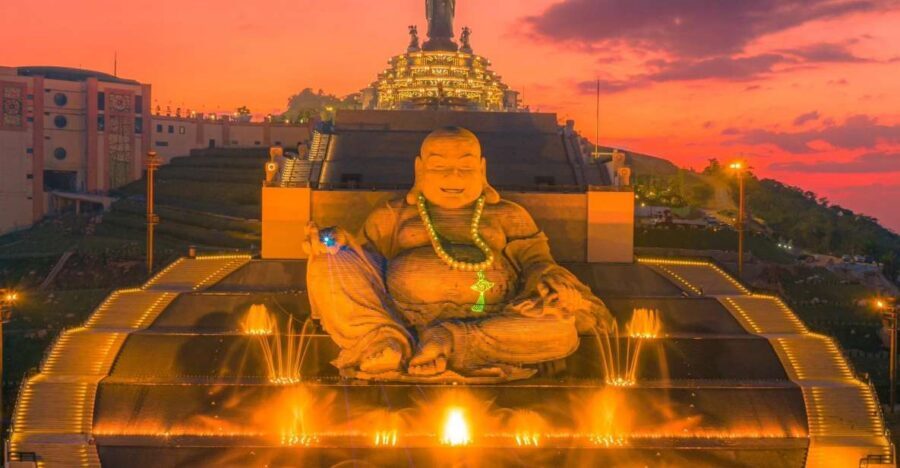
Ba Den Mountain (also known as the “Roof of the South”) rises to 986 meters, and the whole experience feels like switching from city pace to something slower and higher up. You start in Ho Chi Minh City, then you’re transported into a very different world—fruit orchards, layered temple grounds, and the soft drama of clouds near the top.
What makes this pairing work is contrast. The mountain side gives you Buddhist temples, caves used by monks, and long views over Tay Ninh. Then the day pivots to the Cao Dai Holy Mass, which is a different spiritual universe in style, sound, and symbolism. If you like seeing how Vietnam can hold multiple religious traditions in the same region, this route makes sense.
One more plus: the day is guided, so you’re not just walking from sign to sign. Your guide connects the sites to the legends of Black Virgin Mountain and points out what to pay attention to.
Getting from Ho Chi Minh City: AC comfort plus a guide who doesn’t rush
You’re picked up at the center of Ho Chi Minh City and taken around in an AC car. That matters more than you might think. Southern Vietnam traffic can eat daylight, and comfort helps when you’re heading for a full spiritual day that includes a ride up to the top.
Your group has a professional English-speaking tour guide, and if you need another language, there’s a surcharge. Past visitors have praised the guides for being on time and genuinely helpful. One guide named Jacky Hieu was highlighted for punctual service and careful attention to the whole day.
I also like the way pacing seems to work here. One person noted that the guide didn’t make them feel rushed and helped with translation. That’s exactly what you want on a temple day: time to look, time to ask questions, time to move at a human pace.
Up the cable car to the Bà Đen pagoda: first legends, first views
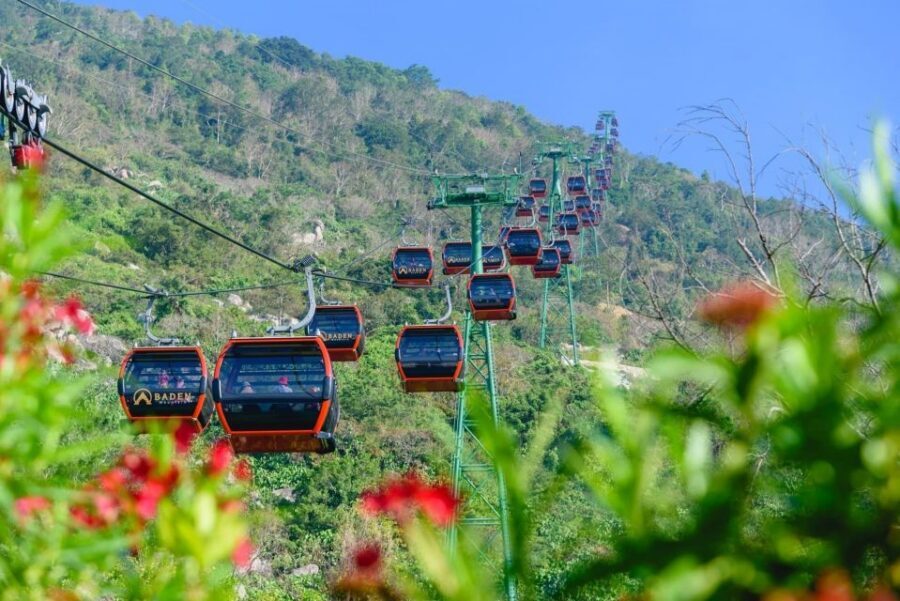
The heart of the day starts with the cable car to the mountain area and the pagoda temple dedicated to the local Khmer deity Bà Đen. Even before you start climbing on foot, this gives you two wins:
1) you save a lot of time and energy, and
2) you get scenic layers faster.
As you ride up, you’re treated to views over fruit orchards, including mango trees and surrounding woodland flowers. Then your guide brings in the myths and legends tied to the mountain—stories that make the place feel alive instead of purely architectural.
At this first stage you’ll be moving between devotion and sightseeing. The pagoda area is also a good place to understand the mountain’s religious “logic”: how worship spaces are placed to face certain vistas, and how the path unfolds for pilgrims and visitors alike.
Quick consideration: cable car tickets are not included in the base price. So factor that into your budget when you plan.
Black Virgin Mountain temples and caves: what to watch on the way up
Black Lady Mountain is described as three large mountains covering 24 km. That detail matters because it helps you understand why there are so many stops and why the site feels spread out. You’re not just visiting one temple—you’re moving through a whole sacred complex built across the mountain routes.
Along the way, you’ll see:
- multiple temples and pagodas
- Buddhist-style architecture
- caves that have been used as residences for Buddhist monks
- opportunities to admire the approach and the grounds, not only the summit
One thing I recommend you do is pay attention to how the architecture shifts as you go. The religious design isn’t random. It’s part of the journey—think of each pagoda or shrine as a “chapter” in the bigger mountain story.
You also have an optional hike element. After reaching the pagoda temple area, the plan may include an optional walk higher up to discover two more temples, if you want to spend extra time. If you prefer a lighter day, you can skip that extra hiking and focus on the views and main complexes.
Miroku Bosatsu and the giant Maitreya Buddha: the scale lesson
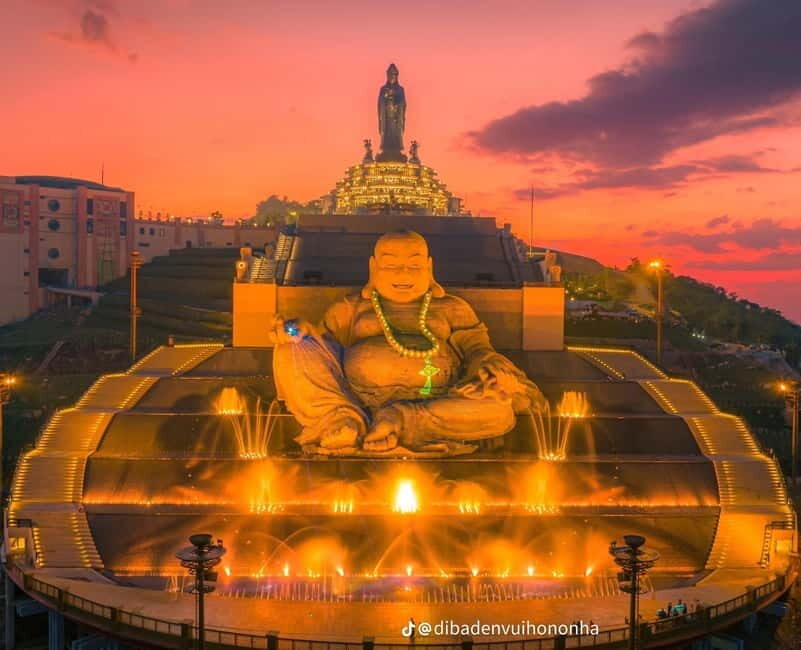
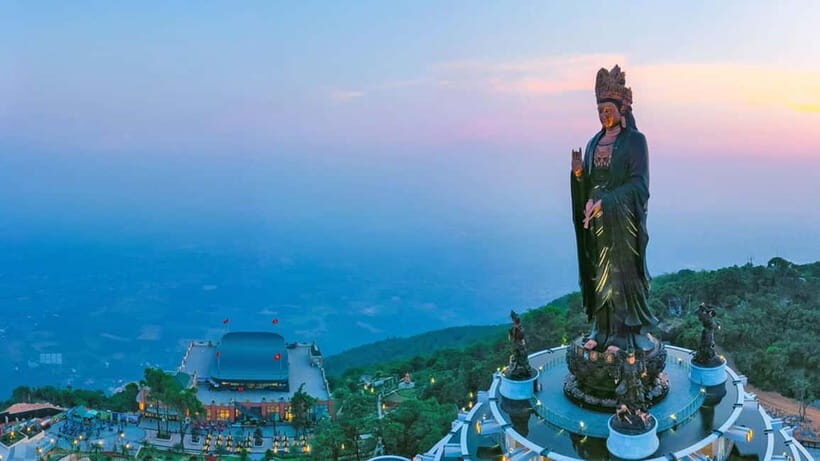
One of the standout stops is the giant Maitreya Buddha statue (also tied to the name Miroku Bosatsu in Japanese). This statue is made from 6,688 sandstone stones, rises to 36 m, and is reported to measure up to 45 m wide. The surface area is listed as 4,651 m², and the weight as 5,112 tons.
Even if you’re not a statue person, you’ll feel the impact here. Scale changes how you interpret a site. At that size, it’s less about a single image and more about the whole atmosphere around it—the way people gather, photograph, and slow down without being told.
This stop also pairs well with the other temple areas. You go from human-scale devotional spaces (temples and caves) to a massive symbol intended to dominate the mountain’s spiritual skyline.
Bronze Buddha, Tay Ninh clouds, and the 986 m view you’ll remember
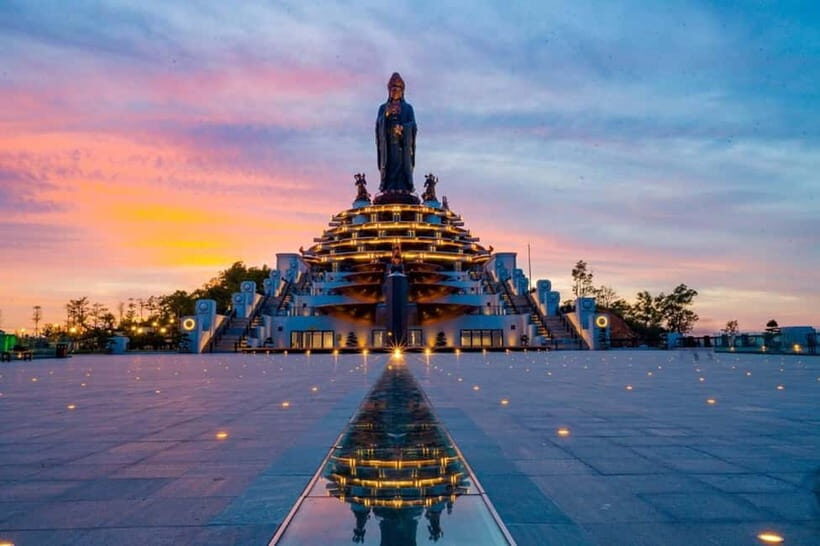
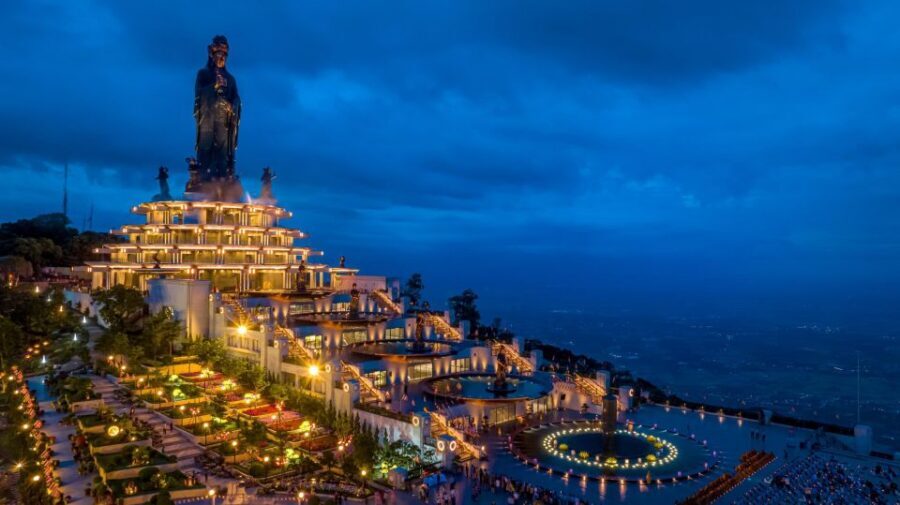
From 986 meters, the goal is simple: panoramic views over Tay Ninh, with clouds sometimes near eye level. That’s a big deal on this route because it turns “temple visiting” into actual sky-and-distance viewing.
The day’s spiritual stops include the tallest sacred bronze Buddha statue in Asia, cast with 170 tons of red bronze and listed at 72 meters long. That’s the kind of fact that can sound like trivia until you see it in place. On the mountain, you get a sense for why the Buddha is positioned here—because the sight lines are built for long looking.
Past visitors also mentioned mist effects and the fact that the top complex can feel dramatic when weather shifts. I’d treat that as a bonus, not a guarantee. Still, the mountain height makes “weather drama” part of the experience even when conditions are mild.
If you like photo moments, plan to spend a few minutes just standing still. The view is what this day trip sells, and the best shots usually happen when you pause long enough for your eyes to adjust.
Cao Dai Holy Mass: a different rhythm, and a practical way to enjoy it
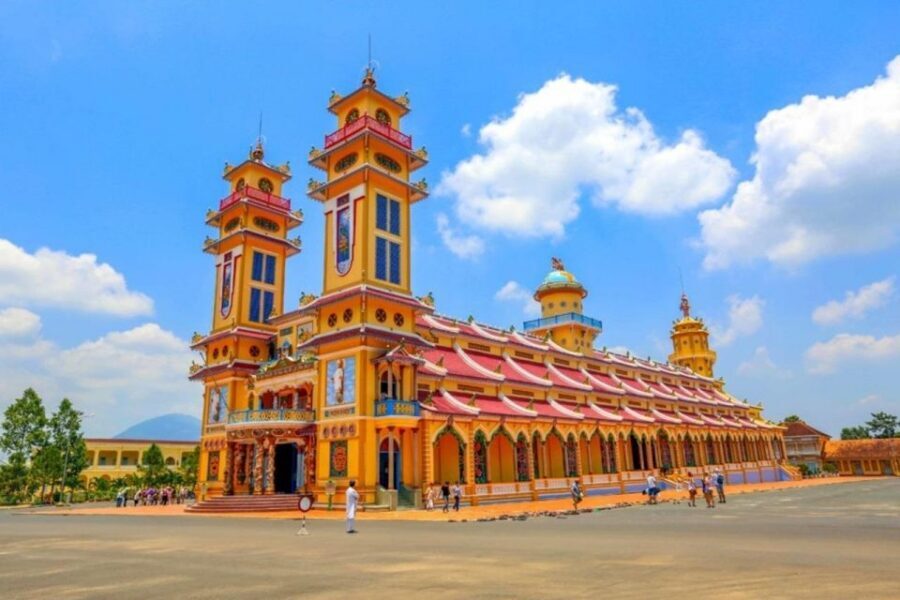
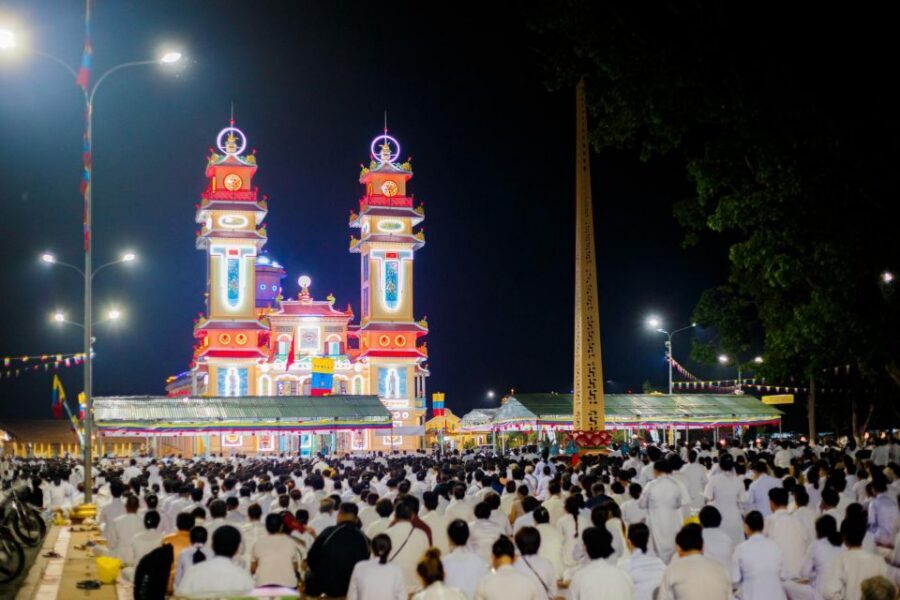
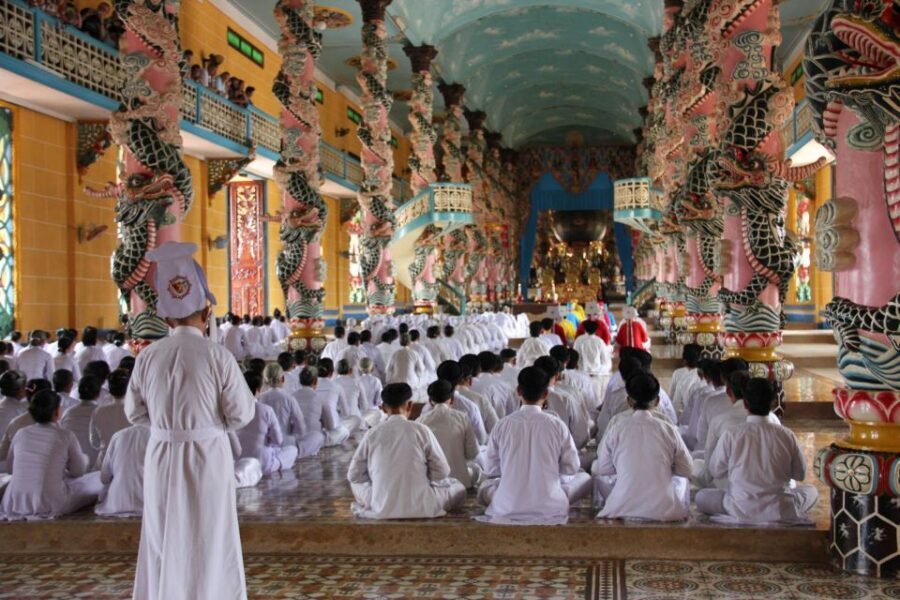
Near the end of the day, you’ll join the Cao Dai Holy Mass. Cao Dai is distinctive in style and ceremony, so this isn’t just another church visit—it’s a different structure of worship and a different visual language than the Buddhist sites you visited earlier.
Here’s how I’d approach it practically:
- Go in expecting ceremony and symbolism, not quiet museum rules.
- Bring curiosity rather than strict expectations.
- If you’re the type who learns best by watching and reading, give yourself enough time beforehand and afterward to absorb what you see.
A key consideration from real-world experience: if the Mass timing doesn’t line up with your ideal pacing, you might prefer to spend more time exploring the grounds and exhibits at the main complex. One person who missed the Mass still loved the rest of the visit, especially the exhibits/gardens and the misty, view-driven moments. So if you’re on the fence, treat the Mass as important—but not the only reason to go.
Lunch and Tay Ninh food: keep it simple and local
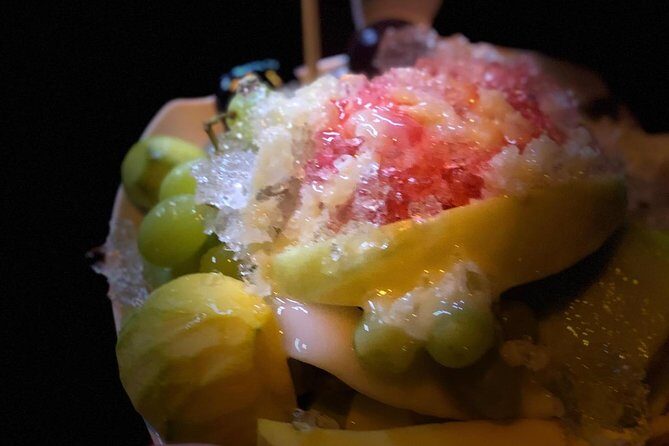
Lunch is included at a local restaurant, and the plan is designed so you’re not scrambling for food during a high-value day. Tay Ninh food is part of the experience, and lunch is typically your easiest chance to try something regional without hunting for it yourself.
I’d suggest you eat like you’re fueling for walking and viewpoints: start with what feels filling, then save room for smaller snacks if you’re still hungry. Also, keep an eye on cash needs after lunch, since temples may require it for purchases.
Price and value: what $67 really buys (and what to budget extra)
The price is listed at about $67 per person, and it includes a lot of the “hard to self-plan” pieces:
- AC transfer and pickup/drop-off from central Ho Chi Minh City
- Professional English-speaking guide
- All entrance tickets
- Lunch and bottled water
That’s strong value if you don’t want to coordinate transport and ticketing yourself, especially for a mountain day with multiple religious sites.
Two cost points to remember:
1) Cable car tickets are not included, so plan extra money for that ride.
2) There may be holiday surcharges in Vietnam (not included).
One more practical budgeting tip: bring cash. A helpful detail from the field is that one temple stop does not accept card, so purchases require cash. A past visitor specifically recommended bringing at least 1 million VND to be safe.
Who this tour fits best (and who should think twice)
This experience is a great fit if you want:
- a guided day trip with minimal stress from Ho Chi Minh City
- a temple route that includes both Buddhist sites and a Cao Dai ceremony
- the best chance at high views thanks to the cable car
- a guide who explains myths/legends and what you’re seeing, not just showing up
It may be less ideal if:
- you want total control over pacing at the top and hate fixed timing
- the Cao Dai Holy Mass is the only part you care about (since day flow can affect how much time you get elsewhere)
- you’re hoping to rely on card payments at temple shops (bring cash)
Should you book this tour?
I’d book it if you like religious architecture, mountain views, and you want the day stitched together for you. The strongest reasons are the cable-car convenience, the mountain’s 986 m panoramic payoff, and the unusual combo of Bà Đen pagoda + Buddhist complexes + Cao Dai Holy Mass.
If you’re going, do two things to make it smoother:
1) budget separately for the cable car, and
2) carry cash, because some temple areas don’t take card.
If that sounds like your kind of day, this is a solid choice.
FAQ
What is the main height and view point on the mountain?
Ba Den Mountain reaches 986 meters, and the viewpoint is meant for panoramic views of Tay Ninh, with clouds sometimes near eye level.
Is the cable car included in the tour price?
No. The tour includes entrance tickets, but cable car tickets are not included.
What does the tour include for meals?
Lunch at a local restaurant is included, and you also get bottled water on the car.
Where do you get picked up in Ho Chi Minh City?
Pickup and drop-off are provided at the center of Ho Chi Minh City.
What language is the guide available in?
The tour includes a professional English-speaking guide. Other languages are available with a surcharge.
Do temples accept card payments?
Some temple areas may require cash. One key detail provided is that the temple does not accept card, so bring cash for any purchases.
Can Cu Chi Tunnels be added to this day?
A free Cu Chi Tunnels visit can be included if there are available seats on the vehicle that day.