REVIEW · HO CHI MINH CITY
Discover vietnamese Agriculture,culture ,Cuisine and Cu chi Tunnels in Saigon
Book on Viator →Operated by HCM Cooking Class · Bookable on Viator
Underground history starts with a farm hat. This full-day Saigon trip strings together organic farming, a real Cu Chi Tunnels visit, and a hands-on cooking class so you see how daily life and wartime survival shaped Southern Vietnam.
I love the hands-on picking at the farm, because you’re not just looking at vegetables, you’re learning how they’re grown and how they fit into meals. I also like that 4-course cooking is truly practical, with an actual chef and guide support so you can take skills and recipes home.
One watch-out: it’s a long day with a early start, and the tunnel experience is tied to war-time life underground, so it can feel heavy even when it’s explained clearly.
In This Review
- Key highlights to know before you go
- First stop: morning pickup, jasmine tea, and a farm-style welcome
- Organic farm time: picking vegetables and learning nutrition from the plants
- Cooking class: four dishes you make yourself, with certificates and recipes
- Cu Chi Tunnels: understanding construction and surviving underground for 20 years
- The in-between lessons: traps, rice paper, and war-time food
- Timing, group size, and why $81 can make sense
- Who should book this Saigon agriculture and tunnels combo?
- Should you book it? My practical take
- FAQ
- What time does the tour start?
- How long is the experience?
- Is hotel pickup and drop-off included?
- What’s included in the price?
- Are drinks included?
- Is there a vegetarian option?
- Do I cook during the class?
- Can I cancel for a full refund?
Key highlights to know before you go
- Hotel pickup and drop-off make the day feel smooth, especially if you’re new to Ho Chi Minh City
- Jasmine tea and farm tools set the tone early, and you get a Vietnamese hat, basket, and scissors to jump in
- You pick your own ingredients and learn what different plants are good for, not just how they look
- 100% hands-on cooking with a four-dish finish, plus a certificate and written recipes to take home
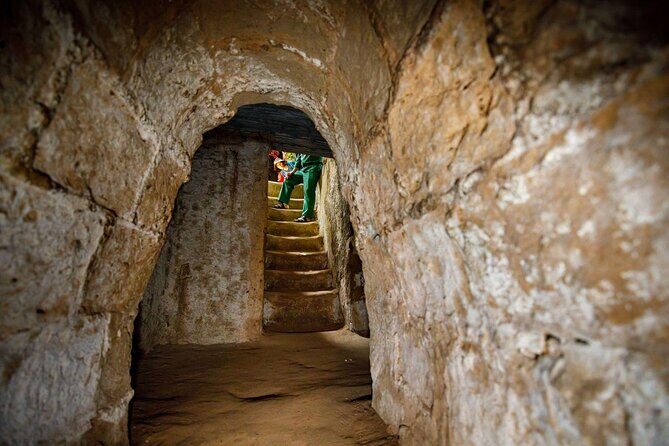
- Cu Chi Tunnels explained step-by-step, including how the tunnel system was constructed and what it meant to survive underground
- Rubber, traps, and rice paper making add extra agriculture and culture context beyond the tunnels
First stop: morning pickup, jasmine tea, and a farm-style welcome
This is built as a full “see more of South Vietnam than a normal day trip” kind of outing. It starts early, with a 7:30 am start time, and you’re picked up from your hotel (and there’s also port pickup and drop-off included). That matters in Ho Chi Minh City, where finding the right meeting point can turn into a mini adventure you didn’t plan.
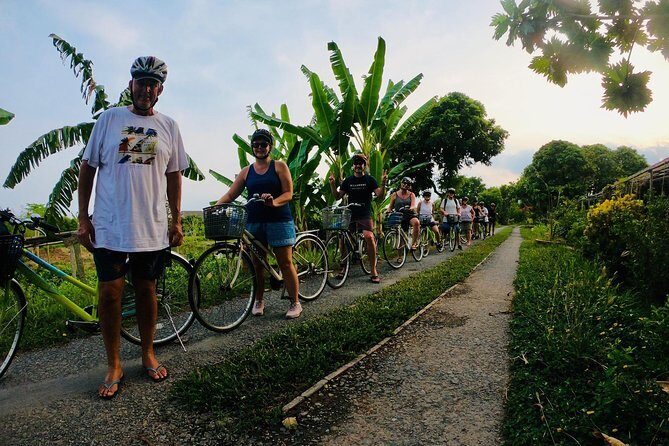
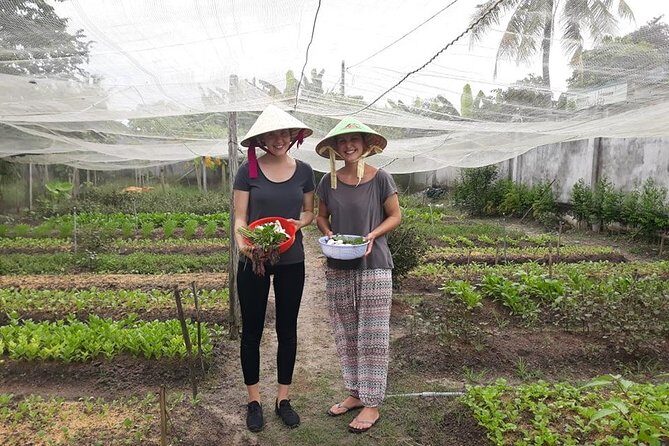
Once you’re out of the city, the day kicks off with a friendly farm welcome: jasmine tea and a simple set of farm gear. You’ll be given a Vietnamese hat, plus a basket and scissors—little details, but they signal what the day is about. This isn’t a watch-from-the-side tour. You’re meant to participate.
The vehicle is air-conditioned, and the total duration runs about 10 hours 30 minutes. Also, the group size stays small, with a maximum of 15 people, which helps during the cooking class and questions with guides like Linh, Aura, Daisy, and Suu (those names came up repeatedly in how the experience was described).
You can also read our reviews of more tours and experiences in Ho Chi Minh City.


Organic farm time: picking vegetables and learning nutrition from the plants
At the farm, the core activity is walking through the organic growing areas and learning what’s growing and why it matters. You spend time exploring produce such as vegetables, herbs, fruit, and mushrooms—plus the staff talks about nutrition and how people think about food quality in a practical, everyday way.
Then you do the part that makes the experience stick: hands-on picking. You actually gather ingredients and collect your “stuffs” from the farm, which changes the whole feel of the cooking later. When you’ve picked the herbs or vegetables yourself, you notice flavors more, and you remember what you used.
This is also where the day starts building context for the rest of the itinerary. You’re not only learning where food comes from—you’re getting a sense of how rural life works and why certain crops and practices matter.
One neat added touch: you’ll also see and learn about rubber. That’s a reminder that “agriculture” in Vietnam isn’t only vegetables and rice. It includes the bigger industrial crops that shaped rural economies and daily routines.
Cooking class: four dishes you make yourself, with certificates and recipes
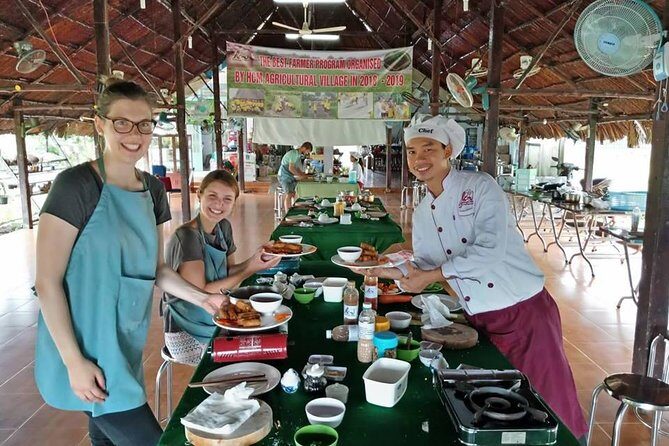
The cooking part is the main event for many people, and it’s not passive. The structure is 100% hands-on cooking, where you make four dishes. You follow along, chop and prep, and put your own cooking decisions into the dishes rather than just watching a demonstration.
I like this format because it turns food into something you can repeat at home. You’re not only learning Vietnamese technique—you’re also learning what ingredients pair together and how a dish should look and smell while it’s coming together.
The guides and chefs seem to be a big reason the class lands well. Chef Linh shows up in descriptions for having energy, humor, and solid explanations. You might also be working with guides such as Aura, Daisy, or Suu depending on the day. Either way, the tone is friendly and supportive, with enough English for most people to follow steps and ask questions.
By the end, you receive a certificate and recipes. That’s practical for two reasons:
- you can cook again later without guessing what you did
- you can share the experience with friends using real recipe steps, not just memories
One more detail I appreciate: there’s mention of a magic kitchen aspect. Even if that’s more playful than technical, it fits the vibe—part cooking school, part cultural show-and-tell.
Cu Chi Tunnels: understanding construction and surviving underground for 20 years
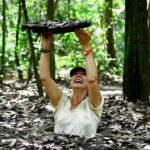
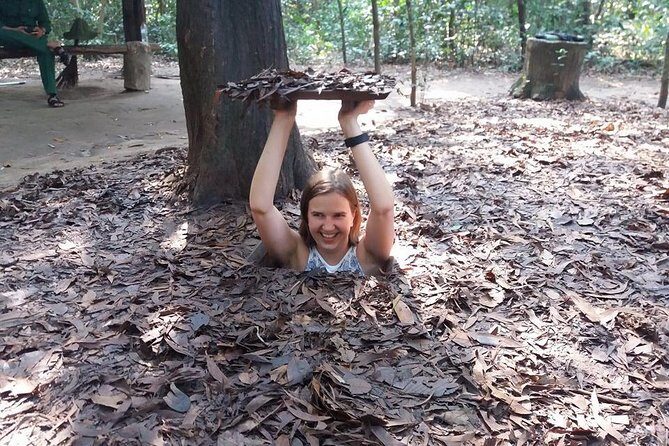
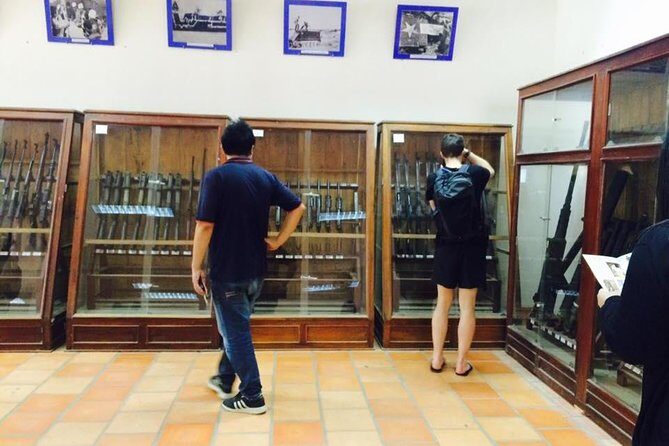
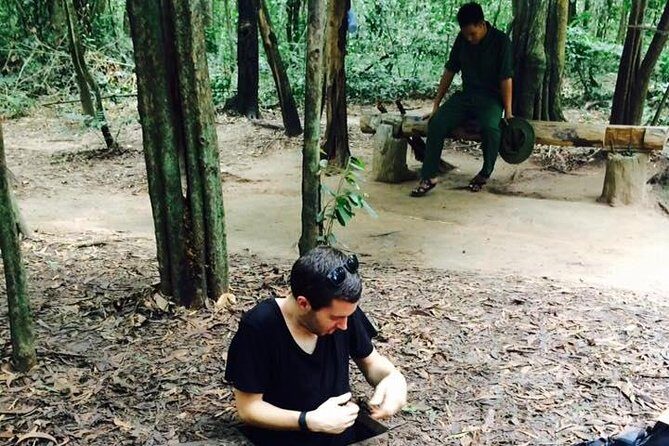
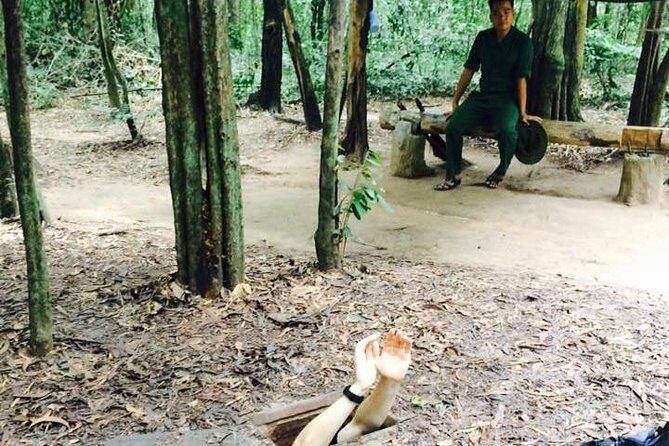
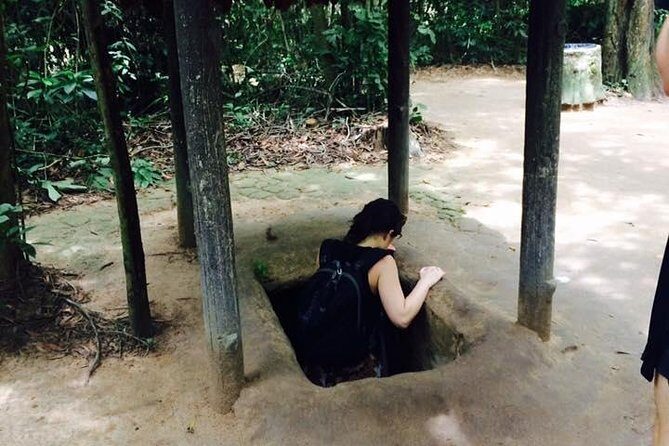
After the farm and cooking, you head into the history side of the day at the Cu Chi Tunnels. This isn’t treated like a quick stop with a photo line. The emphasis is on exploring the tunnels and understanding how tunnels were constructed—so you come away with a functional picture of how the system worked.
You also learn what it took to live there. The day’s explanation covers how local people survived 20 years underground, how they dealt with challenges, and how they overcame those problems. That war-time survival context can hit harder than you expect, especially when you’ve just spent the morning learning everyday food habits and farming routines.
Still, this is exactly why the combo tour works. Farming and cooking show normal life. Then the tunnels show what “normal” had to become during wartime. Together, it’s a clearer picture than doing one stop alone.
The in-between lessons: traps, rice paper, and war-time food
Between the farm and tunnels themes, the day layers in several smaller cultural stops that help everything feel connected instead of scattered.
You’ll explore local traps, which adds a practical agriculture-and-survival angle. It’s not just “wild history.” It ties to how people used knowledge of the land to protect themselves.
You’ll also see how rice paper is made. That’s a straightforward food tradition, and it pairs nicely with the cooking class because it reminds you that many Vietnamese flavors start with basics and simple processes.
Another key moment is enjoying main food local people ate during the war time. I found it useful because it puts ingredients in context. Food stops being just “tour food” and becomes part of what kept people going.
All of that is woven around the idea of resilience: farm knowledge, cooking skills, and underground survival all speak to the same theme—how people make life work with what they have.

Timing, group size, and why $81 can make sense
At $81 per person, you’re paying for a full day that includes transport, meals, and multiple distinct experiences. For many people, the value comes from the “stack” of included items:
- Hotel pickup and drop-off plus port pickup and drop-off
- Air-conditioned vehicle
- Bottled water, snacks, and lunch
- Coffee and/or tea
- A 4-course lunch tied to the cooking day flow
Drinks aren’t included, so if you want extra bottled drinks beyond what’s provided, you’ll need to plan for that.
The duration—about 10 hours 30 minutes—is a lot, but it’s not a short “tunnel only” day. You’re getting a full morning and afternoon arc: agriculture education, hands-on cooking, and then Cu Chi history. If you’re on your first trip to Saigon and want to cover more ground than a single-topic outing, this layout is a strong match.
Also, the small group size (max 15) matters for value because it usually means less waiting and more time with guides. When you’re picking ingredients and learning steps at the cooking station, that attention makes a difference.
Who should book this Saigon agriculture and tunnels combo?
This tour fits best if you:
- are visiting Ho Chi Minh City for the first time and want more than the usual one-or-two-stop day
- care about food and want to cook something you actually make, not just taste
- want a mix of agriculture, culture, and history in one day
- like guided explanations with time to ask questions (names like Linh, Aura, Daisy, and Suu suggest that the team tends to be active and involved)
You might want to skip it (or mentally prepare) if you prefer a lighter day. The Cu Chi Tunnels segment is connected to wartime underground life, including the idea of survival for 20 years underground. It’s explained, but the subject still carries weight.
Should you book it? My practical take
I’d book this tour if your ideal Vietnam day looks like this: start with farm life, get your hands dirty, cook four dishes, then learn how a tunnel network supported survival when the world was unsafe. The day has structure, and the included food and transport reduce headaches.
Two things to consider before you commit:
- it’s an early start and a long day
- if you don’t want war-related history, the tunnel portion may feel emotionally intense
If you’re okay with both, the combination of organic farm practice, hands-on cooking, and the Cu Chi Tunnels makes the day feel like a real “Vietnam in context” experience instead of three unrelated stops.
FAQ
What time does the tour start?
The tour starts at 7:30 am.
How long is the experience?
It runs for about 10 hours 30 minutes (approx.).
Is hotel pickup and drop-off included?
Yes. Hotel pickup and drop-off are included, and there is also port pickup and drop-off included.
What’s included in the price?
The tour includes bottled water, snacks, lunch (including a 4-course lunch), coffee and/or tea, and an air-conditioned vehicle.
Are drinks included?
No. Drinks are not included.
Is there a vegetarian option?
Yes. A vegetarian option is available. You should advise the provider at the time of booking.
Do I cook during the class?
Yes. The cooking portion is described as 100% hands-on, and you make four dishes.
Can I cancel for a full refund?
You can cancel for free up to 24 hours in advance for a full refund.
If you want, tell me your travel dates and whether you’re aiming for vegetarian or non-vegetarian, and I’ll help you decide if the early start fits your schedule.