REVIEW · HO CHI MINH CITY
From Ho Chi Minh: Mekong & Cai Rang Floating Market 2D1N
Book on GetYourGuide →Bookable on GetYourGuide
On the Mekong, time moves slower. This 2-day tour connects My Tho and Cai Rang with real river scenes: boat trips, village walks, fruit stops, and the big floating market area. I like the mix of classic sights (like Vinh Trang Pagoda) and hands-on moments (like making coconut candy). The main drawback to plan for is that details and timing can shift, so if you’re chasing a very specific floating-market window, keep expectations flexible.
I also like that the tour is built for comfort: a hotel in Can Tho and AC transport, plus an English-speaking guide and a full day on Day 1 before you settle in. On paper, the flow is smooth, from early pick-up through My Tho boat time, then back out to Can Tho and a free night. Still, the day-to-day experience can feel inconsistent depending on the exact schedule and how your group is handled.
At about $91 per person, you’re paying for transport, guide help, entrance fees, hotel night, and multiple boat rides—so it can be good value if the stops match what you want. If they don’t, you may feel like you paid for a lot of “photo stops” instead of the pace you expected.
In This Review
- Key highlights worth your attention
- A 2-Day Mekong Delta Loop From Ho Chi Minh City (What You’re Really Paying For)
- My Tho to Ben Tre: Vinh Trang Pagoda, Islets, and a Real Tien River Boat Ride
- Lan Island on Thoi Son: Honey Tea, Don Ca Tai Tu, and Coconut Candy Work
- Day 1 Lunch and the Timing Feel: Good Energy, Quick Pace
- Can Tho Check-In and Night Time: A Calm Base After a Long Day
- Cai Rang Floating Market and the Hu Tieu Craft Village: What You Should Expect
- My Khanh Ecotourism Village and Truc Lam: Gardens, an Ancient House, and Optional Learning
- Coffee Stop and the Purple House Film Studio: A Popular Side Quest
- What Can Go Wrong With a Packed Program (and How to protect your time)
- Price and Logistics: Is $91 a Good Deal?
- Who This Trip Suits Best (and Who Should Skip)
- Should You Book This Mekong & Cai Rang Tour?
- FAQ
- What is the overall trip length?
- Where do you stay overnight?
- What meals are included?
- Are entrance fees included?
- Is there an English-speaking guide?
- Is there any drink included?
- Do you take boats during the trip?
- When do you visit Cai Rang floating market?
- What’s one optional paid activity you might encounter?
Key highlights worth your attention
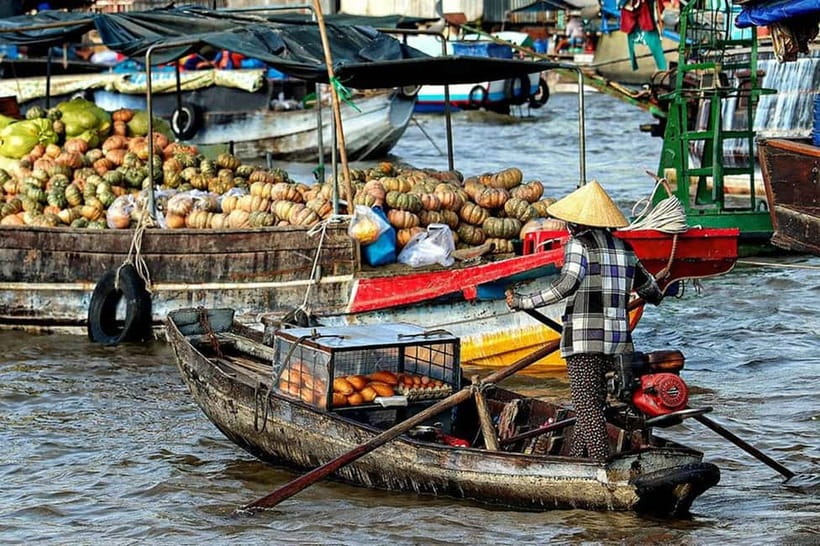
- Cai Rang floating market: one of the area’s largest, with lots of boats and river trade energy
- My Tho river boat route: views of Long, Lan, Qui, and Phung islets plus floating fish-raft setups
- Lan (Thoi Son) Island village time: honey bee farm with honey lemon tea and coconut candy making
- Rowing boats into smaller canals: a calmer view than the main river stretches
- Can Tho base for 1 night: you check in near the city center and have a night free to explore
A 2-Day Mekong Delta Loop From Ho Chi Minh City (What You’re Really Paying For)
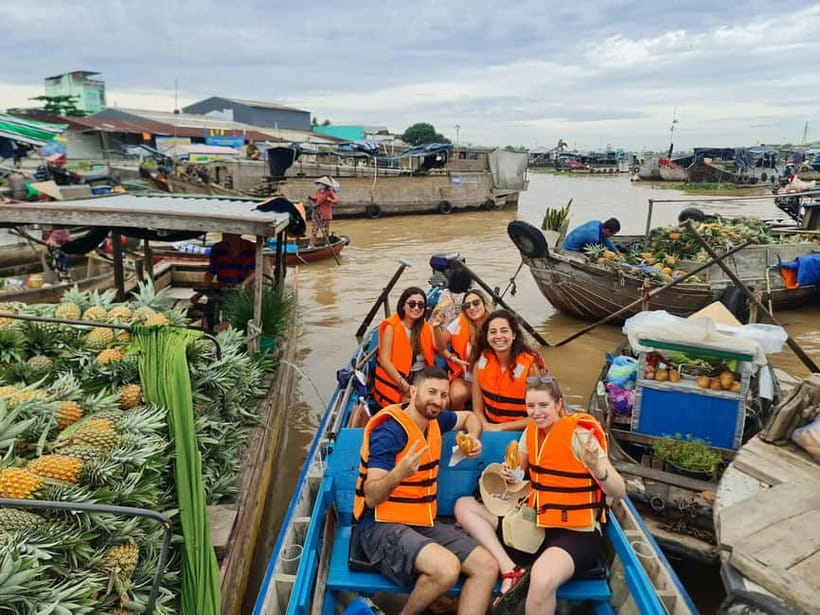
This tour is designed as a high-efficiency loop: you leave Ho Chi Minh City in the morning, spend Day 1 in the My Tho and Ben Tre zone, sleep in Can Tho, then run Day 2 around Cai Rang and My Khanh before heading back.
For the money, the value comes from what’s bundled. You’re not just getting a bus ride. You’re also getting an English-speaking guide, multiple transport segments, boat time on both the larger river routes and smaller canals, entrance fees, and lunches (plus some fruit and honey tea). The overnight in a hotel in Can Tho is part of the deal too, which saves you from doing logistics on your own.
The trade-off is that when a trip is packed, the stop time per place can be short. That’s especially true if you’re trying to see everything like a documentary. The best use of this trip is to focus on a few “musts,” bring patience for the rest, and treat the day as a fast sampler of the Mekong Delta rather than one deep dive into only one village.
My Tho to Ben Tre: Vinh Trang Pagoda, Islets, and a Real Tien River Boat Ride
Day 1 starts with pickup in the Ho Chi Minh City area—typically somewhere near Ben Thanh—and then a drive toward the My Tho region. You’ll stop at Mekong Restop first, which is useful for quick snacks and restroom access before the long road + river sequence.
From there, the tour hits Vinh Trang Pagoda, a well-known 19th-century pagoda with an unusual design mix of European and Asian architectural influences. It’s a good palate cleanser after the bus ride: you get art details, religious architecture, and a sense of how Southern Vietnam’s spiritual sites are styled.
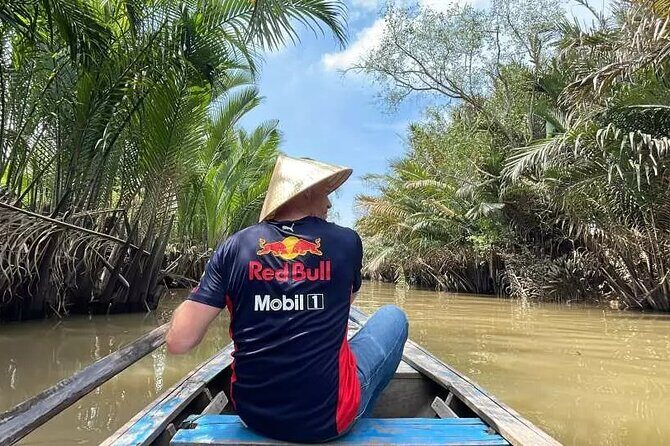
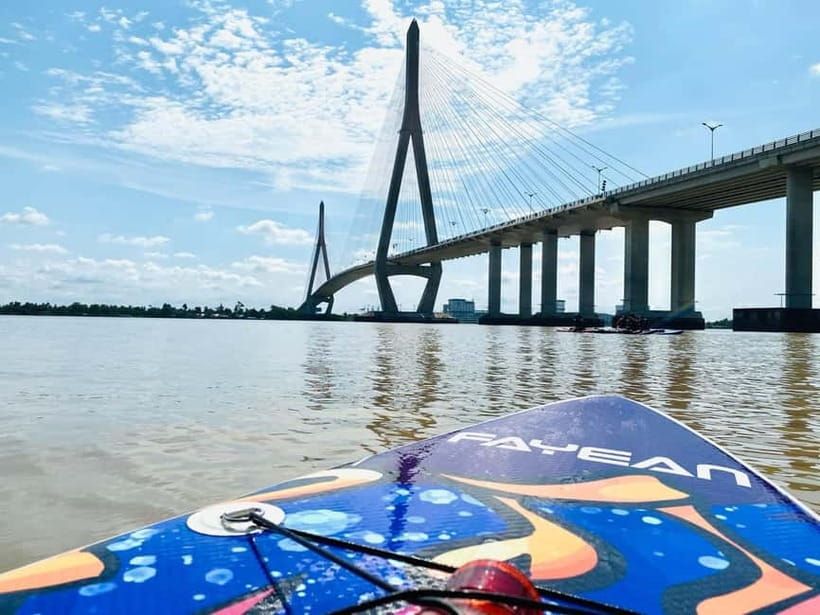
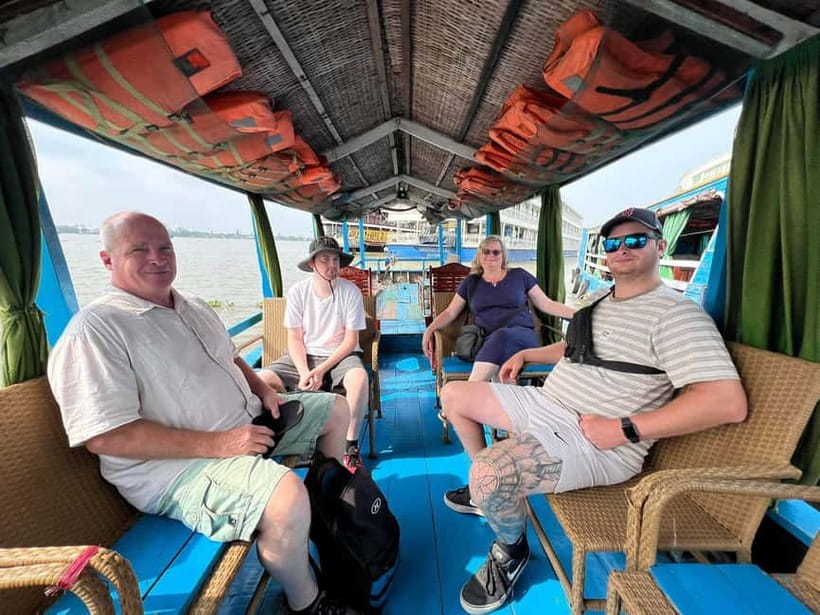
Then comes the river portion. At the My Tho Cruise Port, you board a boat for the Tien River route and see four islets: Long, Lan, Qui, and Phung. Even if you’re not a “boat person,” this segment matters because it frames what you came for—the Mekong as working water, not just scenery. The route also includes passing the Rach Mieu Bridge and floating fish-raft setups, so you’re seeing how livelihoods connect to the river.
This is one of the tour’s strongest parts for people who want a classic Mekong feel without booking separate transport. It’s also an easier moment to handle with a camera because the main views are steady: islets, bridge lines, and boats moving in the same direction.
Lan Island on Thoi Son: Honey Tea, Don Ca Tai Tu, and Coconut Candy Work
After the main Tien River stretch, you head to Thoi Son island, often called Lan Island. This is where the tour shifts from “big river views” to “village routes” and small experiences.
You walk along a village road through local houses and fruit gardens, with time to take souvenir photos if you want them. Then you visit a honey bee farm, where the included honey lemon tea is one of those small stops that feels more like a local production than a simple gift shop.
One of the most memorable parts of the Lan Island program is the Don Ca Tai Tu Xu Dua performance—Southern folk music. It’s not just background entertainment. It helps you connect the region’s culture with what you see around you, especially when you’re already spending the day on rivers and village pathways.
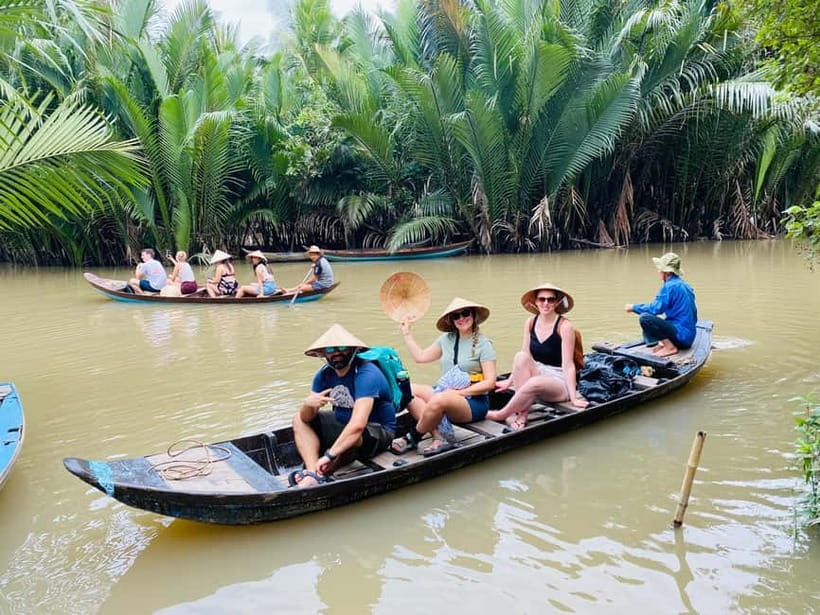
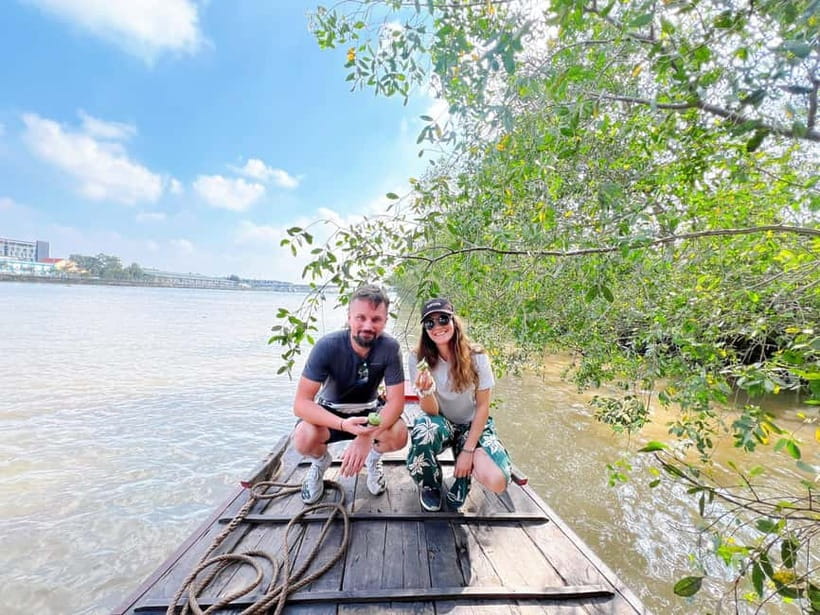
Then you get fruit (described as free), and you shift onto smaller water again with rowing boats. You’ll travel into a narrow canal area where you can spot rows of natural coconut trees. That change—big river boat to smaller canal—helps this day avoid feeling like one long repetition of the same kind of viewing.
Near the end of the Lan Island block, there’s time at a coconut candy shop. You’ll learn how coconut candy is made, which is a hands-on kind of stop even if it’s short. If you like food crafts, this is a great place to slow down and watch.
On the longer side of the day, there are optional extras described as things you can do at the lunch break / after lunch timeframe: fishing for crocodiles, visiting a monkey bridge, resting with a hammock, or cycling on the village road. The key thing to know is that optional activities can be where the overall experience gets more “managed” or “paid-as-you-go,” so keep your priorities straight before you start ticking attractions.
Day 1 Lunch and the Timing Feel: Good Energy, Quick Pace
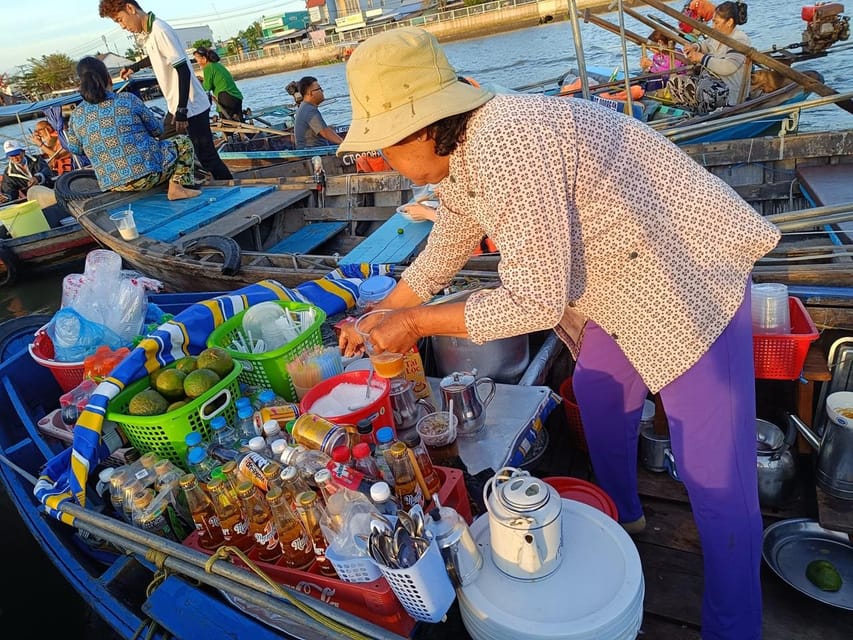
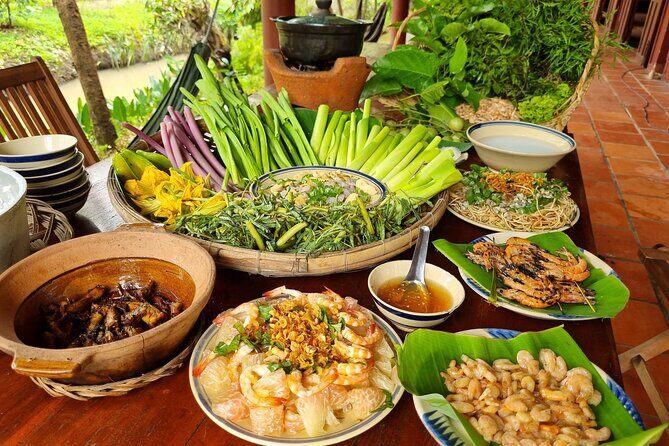
Lunch on Day 1 is included as a set menu. The exact variety isn’t described here, but the value is that you don’t need to hunt for food while you’re moving between islands and canals. You also get a longer break compared to pure sightseeing tours, because the program builds in time to relax and choose among optional activities.
This is where packing density shows up. The itinerary is structured with a lot of movement: pagoda, river, island, music, canals, village road walks, candy making—then back to My Tho at around 14:30, followed by the drive to Can Tho. If you get motion-sick, plan for it. If you like to linger, you may feel the urge to rush.
One practical tip: wear shoes you can walk in for village paths, not just city streets. You’ll be on foot multiple times and also spending hours in transport.
Can Tho Check-In and Night Time: A Calm Base After a Long Day
By late afternoon and evening, you head to Can Tho. The schedule indicates about a 2–3 hour drive once you leave My Tho, then check-in at a hotel located in the city center.
The night part is interesting because it’s not just “you’re on your own.” The plan mentions that around 21:30 a yacht docks and then you’re free to explore Can Tho city at night, with self-sufficient return to the hotel.
That matters because the Mekong Delta day can feel intense. Having a real hotel base and a chunk of night freedom lets you reset without another forced activity. If you want simple evening plans, you can keep it casual: walk around, grab something to drink (not included), and check your sleep so Day 2 doesn’t feel like a sprint.
Cai Rang Floating Market and the Hu Tieu Craft Village: What You Should Expect
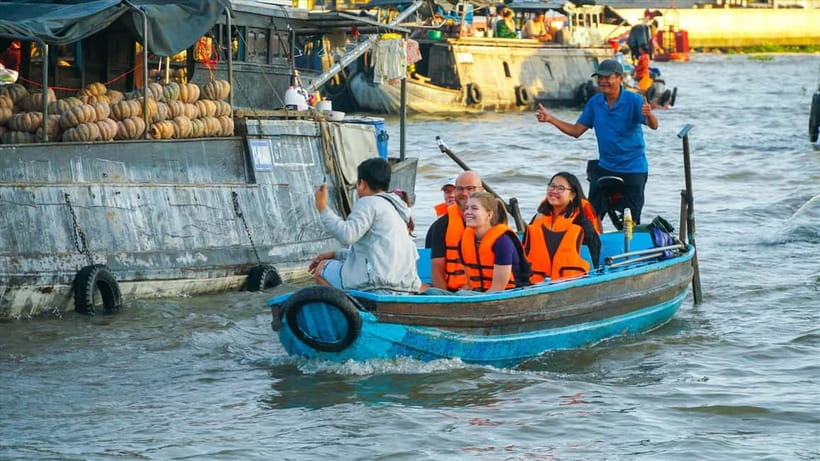
Day 2 starts with breakfast at 7:30, then you go to Ninh Kieu wharf. From there, you cruise on the Can Tho river and reach Cai Rang floating market.
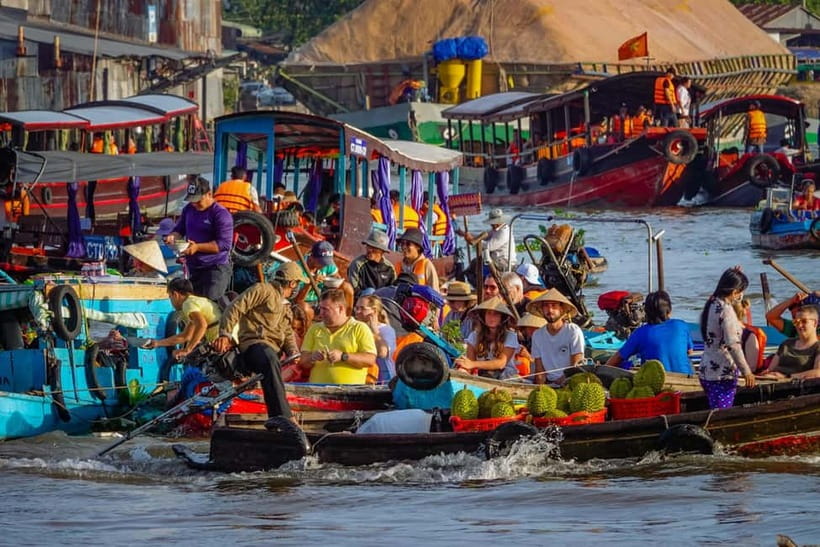
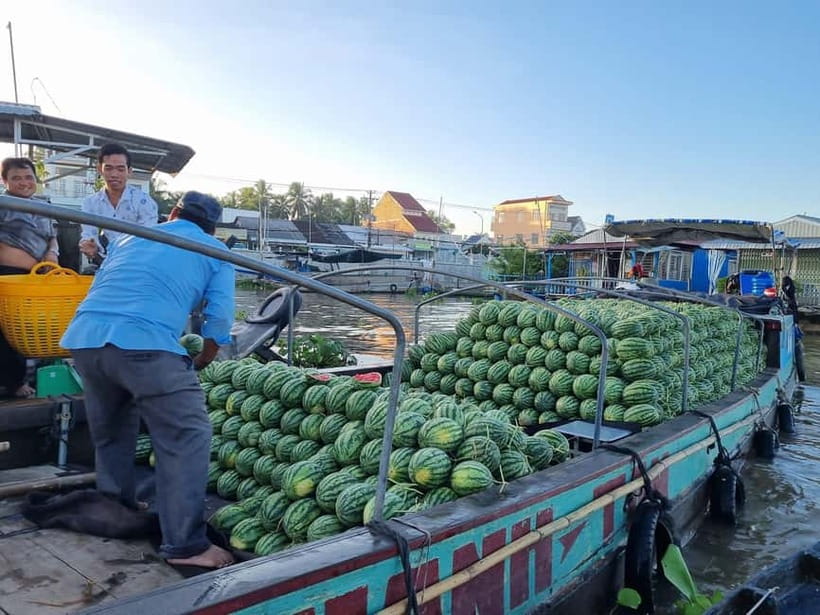
Cai Rang is described as one of the largest floating markets in the Mekong Delta, and it’s built around the idea of trade on water—boats lined up, goods moving, and the river acting like the marketplace floor.
This is also the part of the tour where expectations can clash with reality. Some schedules don’t hit the very early morning timing you might be imagining. Instead, your arrival can be later (around 7:30 has been the reality on some departures). That doesn’t make it useless—it still gives you boats and the market setting—but it changes the feel. The water and boats can be less “quiet and sunrise-like” and more “active and busy.”
Right after the market, the tour visits a craft village making Hu Tieu (vermicelli noodles). Even with limited time, it gives you a useful contrast: the floating market scene is about what people buy and sell, while the Hu Tieu stop shows how products get made behind the scenes.
If you care about photos, this is the day to be ready with a lens that can handle both wide river views and closer craft details. You’ll be switching scenes quickly, so keep your gear organized.
My Khanh Ecotourism Village and Truc Lam: Gardens, an Ancient House, and Optional Learning
After the market and noodle craft stop, the tour heads to My Khanh tourist village. You’ll see a fruit garden and a flower garden, plus an ancient house said to be over 100 years old. This portion is less about the river trade and more about everyday life and scenic strolling.
Lunch is included here as well. After lunch, you have some breathing room described as free to relax.
Then the route includes Truc Lam monastery before returning to Ho Chi Minh City. The details on timing and what you’ll specifically do there aren’t spelled out in the provided plan, but it’s included as a scheduled stop. Expect it to be another structured visit rather than free-form exploration.
If you’re the type who likes variety, this shift (market to gardens to monastery) works. If you prefer one theme only, it can feel like too many different “modes” in one day.
Coffee Stop and the Purple House Film Studio: A Popular Side Quest
In the afternoon, you’ll have a stop described as Coffee in Can Tho Purple House film studio. Tickets are self-sufficient, meaning you’ll likely pay separately if you want access to the studio part.
This kind of stop can be fun, especially if you like design and photos. It can also feel like a detour if you’d rather spend that time on river viewpoints or lingering longer in the market. Since there’s no detailed time allocation provided, the best move is to decide early: if the Purple House theme appeals to you, treat it as part of your Can Tho evening flavor; if not, plan to keep it efficient.
What Can Go Wrong With a Packed Program (and How to protect your time)
Here’s the honest part. The tour’s structure is clear, but departures can vary in ways that matter.
The biggest risk areas are:
- Floating-market timing: you might not arrive at the earliest hour you were expecting.
- Stop consistency: some places mentioned in the broader description may not appear on every itinerary, and the order can shift.
- Language and group setup: you may be in a mixed group where English support feels occasional rather than constant.
- Optional attractions at island/theme-style stops: some experiences can turn into paid add-ons once you’re already there.
There are also reports of meal coverage not matching the written description in every case, which is a separate issue from timing. For you, the practical solution is simple: go with a “buffer mindset.” Bring patience for small schedule changes and be ready to cover any drink costs yourself.
Also, if your priority is the floating market itself, don’t treat the whole day as one market block. You’re getting multiple stops—market, noodle craft village, My Khanh gardens, a monastery, and a Purple House-related option. If you want maximum market time, you might need to plan for it mentally and ask your guide what the realistic photo/visit window is.
Price and Logistics: Is $91 a Good Deal?
At $91 per person, the tour looks like it’s priced as an “included-transport” package: AC car, English guide, rowing boats, entrance fees, hotel night, and set lunches (plus fruit and honey tea). For most people, that bundle saves time and keeps the trip moving without you booking separate boats or paying each entrance individually.
But value depends on your tolerance for a structured route. If you want lots of unhurried wandering, a packed 2-day format may feel rushed. If you mainly want the Mekong Delta highlights—My Tho islets, a Lan Island experience, and Cai Rang—this price can make sense.
One more reality check: solo travelers sometimes pay extra for a single room. If you’re traveling alone, that can push the total cost up beyond the headline price.
Who This Trip Suits Best (and Who Should Skip)
This tour is a good match if you want:
- A fast intro to the Mekong Delta from Ho Chi Minh City
- Boat time plus market time, with a hotel base so you’re not exhausted in transit all night
- A mix of cultural stops (like Vinh Trang Pagoda and Truc Lam) and food-related craft (like Hu Tieu and coconut candy)
It may be less ideal if you:
- Want a sunrise floating market that feels quiet and unbroken by crowds
- Are very sensitive to schedule changes or missing a specific named farm/stop
- Hate add-on fees at island-style attraction areas
If you have the option to choose a more private setup, that can reduce the “group chaos” feel and make boat time at the floating market more comfortable. But if you’re booking shared, assume you’ll be part of a bigger flow.
Should You Book This Mekong & Cai Rang Tour?
I’d book it if you’re looking for a practical 2-day highlights route and you’re okay with a bit of “you see a lot, you don’t linger forever.” The boat rides, the My Tho islet scenery, and the Cai Rang market experience are exactly the kind of Mekong Delta highlights that are hard to piece together on your own in limited time.
I would hesitate if your main goal is one very specific photo moment at a very specific hour, or if you’re expecting every mention of every farm/extra activity to appear exactly as described. Also, if you’ve had bad experiences with slow complaint handling in the past, you should weigh that risk too, because some reports point to trouble resolving issues.
Quick decision checklist:
- If Cai Rang timing matters a lot to you, keep a flexible plan for the arrival hour.
- If you want hands-on food craft moments, you’re in the right place.
- If you dislike crowded, scheduled stopovers, consider a more private format if possible.
FAQ
What is the overall trip length?
It’s a 2-day tour with one overnight stay in Can Tho.
Where do you stay overnight?
You stay at a hotel in Can Tho, described as being located in the city center.
What meals are included?
Lunch is included on Day 1 and Day 2. Fresh fruits and honey tea are also included. Other meals beyond that aren’t clearly listed.
Are entrance fees included?
Yes, entrance fees are included as part of the tour.
Is there an English-speaking guide?
Yes, the tour includes an English-speaking guide.
Is there any drink included?
Drinks are listed as not included.
Do you take boats during the trip?
Yes. You take boats/rowing boats on Day 1 for the river and canal segments, and you also cruise by boat on Day 2 for the Cai Rang floating market area.
When do you visit Cai Rang floating market?
You depart after breakfast and head to Ninh Kieu wharf, then visit Cai Rang floating market in the morning on Day 2. Some schedules may arrive later than the earliest timing you might be expecting.
What’s one optional paid activity you might encounter?
Optional attractions at island-style stops (and the Purple House film studio ticket) are not fully covered, since tickets for the Purple House film studio are self-sufficient.