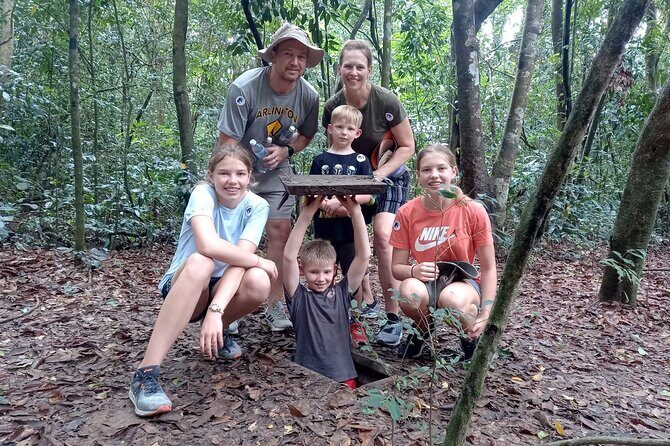
REVIEW · HO CHI MINH CITY
Chu Chi Tunnel With Cao Dai Temple Tour From Ho Chi Minh
Book on Viator →Operated by Vietnam Sightseeing · Bookable on Viator
Two stops, one story. This private tour pairs the eye-catching faith of Caodaism at the Cao Dai Temple with a sobering look at the Cu Chi Tunnels, the underground base system tied to the Vietnam War. You’re not just passing through sights. You’re going from a daily religious spectacle to the kind of hiding places that shaped real battles.
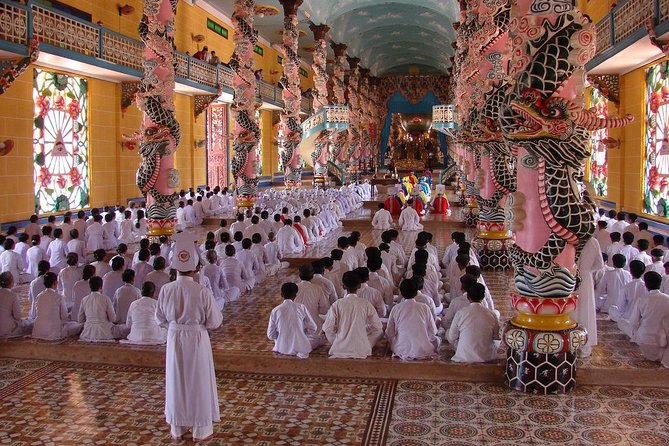
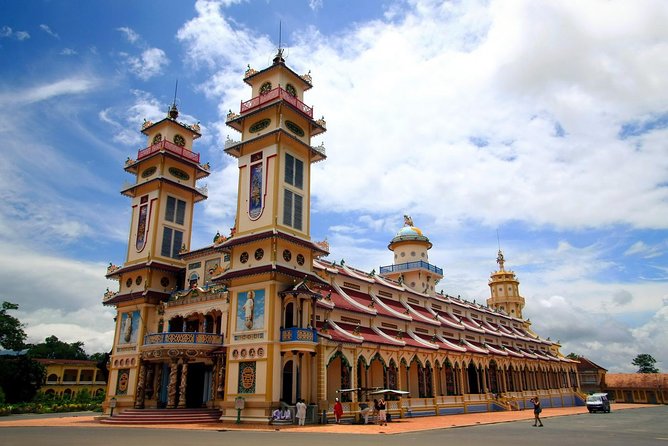
What I like most is the chance to catch the midday ceremony at the Great Holy See Temple in Tay Ninh. The building itself is built for drama, with the famous all-seeing holy eye over the entrance, and the service gives you a clear, human feel for Caodaism.
My second favorite part is Cu Chi in guided, time-managed chunks: you start with a short intro video, then you get about an hour exploring the tunnels, followed by the simple, war-time snack of tea and cassava. It helps the whole place make sense instead of feeling like random holes in the ground.
One consideration: this is a long day (about 9 to 10 hours). Cu Chi can feel tight and hot as you move through the underground spaces, so it’s not a tour for folks who hate enclosed areas or move slowly.
In This Review
- Key things to know before you go
- The Great Holy See Temple and Caodaism in plain view
- What to watch for during the ceremony
- A practical note about temperature and comfort
- Cu Chi Tunnels: what an underground base system really meant
- What you’ll do on the tunnel side
- Pace matters down there
- The tea-and-cassava stop: a small break with big context
- How to handle the snack practically
- Timing and pace: fitting temple and tunnels into 9 to 10 hours
- What your day will feel like
- Consider your comfort needs
- Price and value: is $135 worth a full day?
- Who gets the best value
- What the private format changes for you
- How to make your guide earn their keep
- Who should book this Cu Chi and Cao Dai day trip
- Should you book it?
- FAQ
- Where does this tour operate?
- How long is the tour?
- What time does the tour start?
- Is this tour private or shared?
- Is pickup offered?
- Is the guide English-speaking?
- Are admission tickets included?
- What food and drinks are included?
- What is the cancellation policy?
Key things to know before you go
- Midday Caodai ceremony at the Great Holy See Temple so you see the religion in action, not just the buildings
- Cu Chi intro video first, then about an hour of tunnel exploration with your guide guiding what to notice
- Tea and cassava afterward, a small food detail that ties directly to guerrilla life
- English-speaking guide + air-conditioned vehicle for a smoother, less exhausting day
- Admission tickets and fees included, so you’re not hunting for add-ons halfway through
- Private group experience (only your group goes), which usually means fewer waits and more flexibility
The Great Holy See Temple and Caodaism in plain view
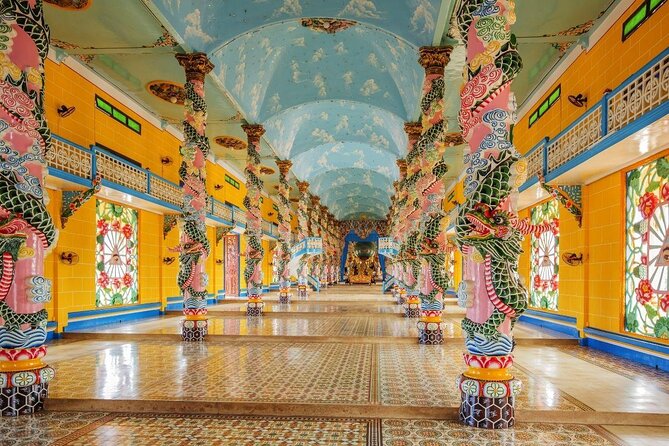
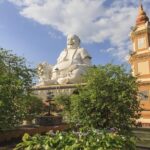
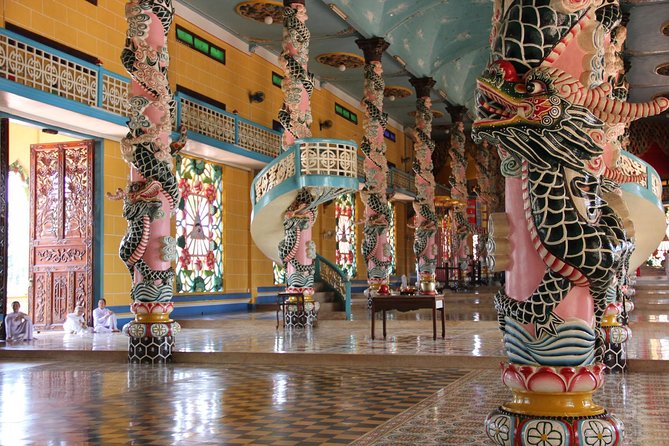
Your day begins with the Cao Dai Temple, also known as the Great Holy See Temple, built in 1926. Even before anything religious starts, the place does what good architecture should: it grabs your attention. The entrance carries the all-seeing holy eye symbol, and the overall look feels theatrical in the best way.
Caodaism is a religion that blends elements of Buddhism, Christianity, and Confucianism. That blend isn’t explained like a textbook here. It’s shown through the ceremony and the way worshippers participate. If you’ve only heard the name Caodaism before, this stop is where it turns from trivia into something you can actually observe.
You’ll spend about two hours at the temple, and that’s the sweet spot for both the building and the service. The big moment is the midday ceremony, described as a daily mass held by Caodai followers. This is one reason I like doing the ceremony on a tour instead of trying to wing it: you get the timing right, and a guide can help you read what you’re seeing without you guessing.
You can also read our reviews of more tours and experiences in Ho Chi Minh City.



What to watch for during the ceremony
I’d suggest you focus on three things while you’re there:
- Rhythm of the service: how different participants move and respond
- Religious symbols: not just the holy eye, but the overall visual language
- How the space shapes the event: the temple feels designed for attention, so you naturally feel part of something formal
Also, plan to be respectful. A religious ceremony is not a photo-spotting mission. If you’re unsure about cameras, ask your guide first, then follow their lead.
A practical note about temperature and comfort
Two hours at the temple can be pleasantly paced or a bit warm depending on the season. Wear breathable clothes. Bring a light layer if you get cold easily indoors or in vehicles, but expect heat for walking and waiting.
Cu Chi Tunnels: what an underground base system really meant
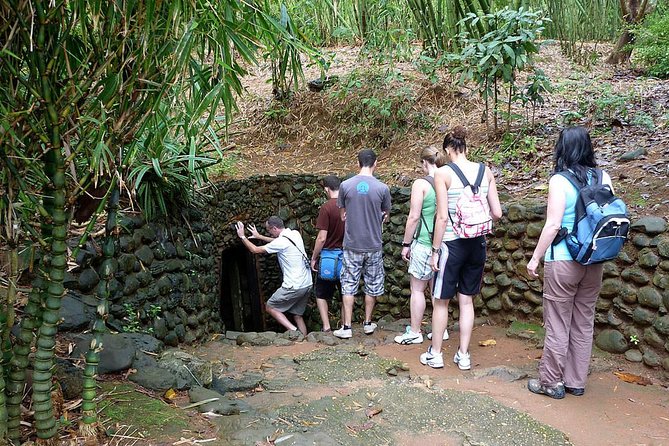
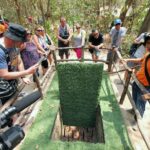
After the temple, you head toward Cu Chi. This is the part of the day that pulls hard on emotions, mainly because the tunnels weren’t some historical theme park idea. They were a real operational base used by Viet Cong fighters during the war.
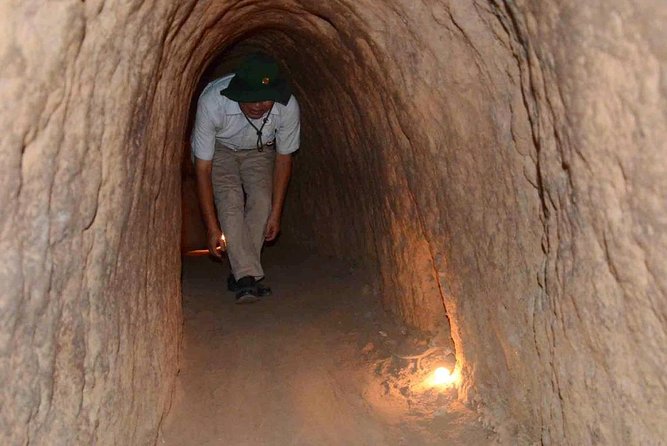
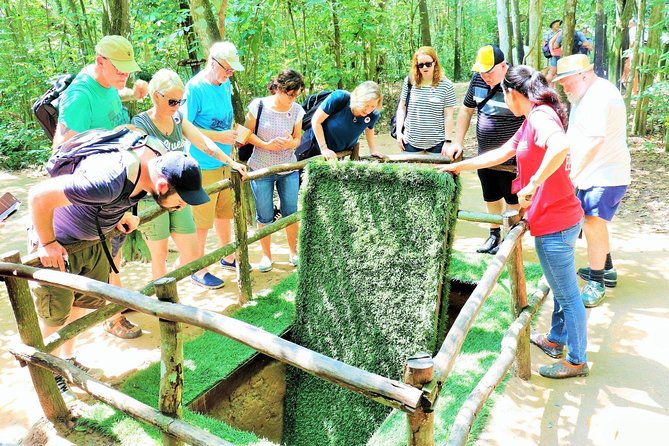
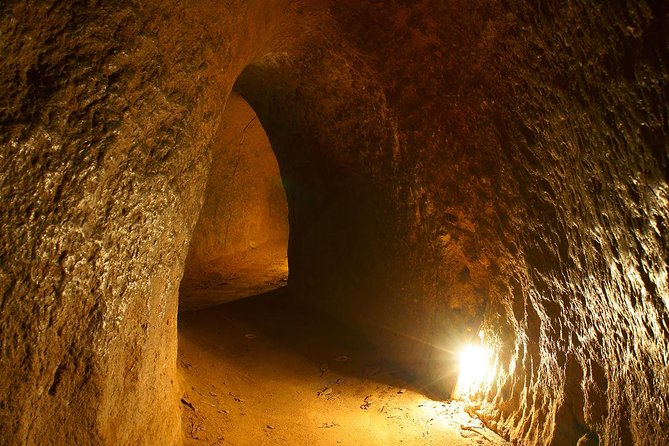
Cu Chi’s underground network is described as over 200 km of tunnels. In its heyday, it worked like a whole underground city. That includes things like trap doors, specially constructed living areas, storage, weapons-related work, field hospitals, command centers, and kitchens. In other words, this wasn’t just hiding. It was running.
One of the best ways tours like this handle Cu Chi is by sequencing it: you watch a short introductory video first, then you go explore for about an hour. That ordering matters. The video helps you understand why the tunnels were built the way they were, and then your guide can connect those ideas to what you see in the passages.
During your time there, you’ll also see evidence related to the fierce battle fought in the 1960s when Cu Chi was called a Free Target Zone. It gives the feeling that the underground wasn’t only survival. It was part of a war machine, under constant pressure.
What you’ll do on the tunnel side
Here’s the practical flow:
- Short intro video showing how the tunnels were constructed
- About an hour exploring the tunnels with your guide helping you make sense of what you’re seeing
- A break afterward with tea and cassava
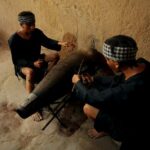
That tea-and-cassava part is small, but it’s exactly the kind of detail that makes Cu Chi more than a list of facts. Cassava is presented as guerrilla food during wartime, so you get the story in both the built environment and the food.


Pace matters down there
An hour underground goes fast. You might not see everything in a single visit, but you’ll see enough to understand the scale and the logic of the tunnel design described for Cu Chi. If you’re someone who needs lots of time to process, consider taking photos sparingly and using your guide time for questions. The tunnel environment isn’t the place to stand around and hope you figure it out on your own.
The tea-and-cassava stop: a small break with big context
Right after tunnel exploring, you get a break: tea plus cassava, described as food used by guerrillas during the war. It’s not an elaborate meal. Think of it as a pause that keeps the story intact.
Why I appreciate this: it’s one of those travel details that feels honest because it’s linked to what people actually ate and did. You’re not being asked to buy souvenirs in a rushed moment. You’re given a small taste of the daily survival reality that the tunnels supported.
How to handle the snack practically
It’s smart to treat tea and cassava as a comfort break, not a full meal plan. The tour includes bottled water, but extra drinks and beverages aren’t included. If you tend to get hungry between lunch and dinner, keep that in mind and eat beforehand where it makes sense with your day.
Timing and pace: fitting temple and tunnels into 9 to 10 hours
This tour runs about 9 to 10 hours, starting around 8:00 am. Your schedule is basically two big blocks with travel between them:
- about two hours at the Cao Dai Temple
- about three hours dedicated to the Cu Chi experience (including the intro video, tunnel time, and the tea/cassava part)
That’s a realistic day plan. It also explains why it’s private: it helps the day stay organized instead of losing time to confusion, waiting, or mismatched tour groups.
What your day will feel like
You’ll likely move from:
- visually dramatic, ceremonial Caodaism
to
- a low-light, enclosed, intense experience at Cu Chi
That shift can be jarring. If you’re the type who likes a slower emotional rhythm, this is where pacing tips help. On the way to Cu Chi, take a moment to reset. Don’t skip the intro video. It makes the tunnels more legible and less overwhelming.
Consider your comfort needs
I’d come prepared for:
- long sitting in a vehicle part of the day
- warmth and movement around both stops
- possibly feeling a bit claustrophobic during tunnel exploration
If you have mobility concerns, this is worth asking about directly before booking, since you’ll be spending time exploring underground passages and you’ll want your guide to steer you in the right areas.
Price and value: is $135 worth a full day?
The price is $135 for this private day trip out of Ho Chi Minh City. For what you’re getting, it’s more reasonable than it first sounds because several key costs are included:
- English-speaking guide
- Air-conditioned vehicle
- All fees and taxes
- Bottled water
- Admission tickets for both major stops
- Private transportation
So you’re paying for the structure of the day, not just entrance fees. The tour also includes a chance to join the midday Caodai ceremony, which can be the hardest part of making this experience happen smoothly on your own.
What’s not included matters for budget planning. Drinks, tips, and personal expenses aren’t included, and beverages beyond the bottled water aren’t included either. If you want sodas or extra snacks, budget separately so the day doesn’t surprise you.
Who gets the best value
You tend to get stronger value if:
- you want an organized one-day hit of two iconic places
- you prefer a guide to explain what you’re seeing
- you don’t want to spend time figuring out timing, transport, and ceremony schedules yourself
If you love self-guided travel and enjoy researching routes and schedules, you might be able to do it cheaper. But you’ll trade away the simplicity and the guided explanation.
What the private format changes for you
This is private, meaning only your group participates. That usually matters on a day like this. You’re not competing for attention with a dozen strangers, and you can ask questions as they come up.
It also helps you keep the day on track. A tour like this has a lot of story to cover, and guides are better able to focus when they’re not managing multiple groups at once.
How to make your guide earn their keep
When you meet your English-speaking guide, ask:
- what symbols in the temple matter most for first-timers
- what to look for in the tunnel area during your one-hour exploration
- what parts are most important to remember later, so it doesn’t blur
You’ll get more out of the day that way, and it turns the experience into something you can actually carry home.
Who should book this Cu Chi and Cao Dai day trip
I’d point this tour toward travelers who want one day to do meaningful work. It’s a great fit if you:
- enjoy guided cultural experiences, not just sightseeing
- want to see Caodaism during an actual ceremony
- are interested in the Vietnam War from a grounded, physical perspective
- appreciate a structured day with tickets and transport handled
It’s less ideal if you:
- strongly dislike enclosed spaces
- need lots of personal space or extra time in one place
- can’t handle a long day with multiple transitions
If you’re on the fence, think about what you want more: a relaxed pace or a tightly packed story. This is built for the second.
Should you book it?
For most people, I’d say yes, with one clear caveat: it’s an all-day commitment. If you can handle a 9 to 10 hour day and you’re comfortable spending time exploring underground, the payoff is real—especially because you get both the Caodai ceremony and Cu Chi’s underground world in one organized package.
Also, it’s backed by a strong track record in overall recommendation and rating (94% recommended, 4.6 average across multiple reviews). That doesn’t remove risk from travel—nothing does—but it does suggest the experience is usually delivered as described.
If you’re the kind of traveler who likes to understand what you’re seeing while you’re seeing it, this tour gives you that structure. Book it when you want a meaningful, guided day rather than a freeform scramble.
FAQ
Where does this tour operate?
It’s based in Ho Chi Minh City and includes a visit to the Cao Dai Temple in Tay Ninh and the Cu Chi Tunnels.
How long is the tour?
The tour runs about 9 to 10 hours.
What time does the tour start?
The start time is listed as 8:00 am.
Is this tour private or shared?
It’s a private tour/activity, so only your group participates.
Is pickup offered?
Pickup is offered.
Is the guide English-speaking?
Yes, the tour includes an English-speaking guide.
Are admission tickets included?
Yes, admission tickets for both the Cao Dai Temple and Cu Chi Tunnels are included.
What food and drinks are included?
You get bottled water, and after exploring the tunnels you’re served tea and cassava. Drinks, tips, and beverages are not included beyond that.
What is the cancellation policy?
You can cancel for a full refund up to 24 hours before the experience’s start time.