REVIEW · CRUISES & BOAT TOURS
HCM: Authentic Mekong Delta – Boat, TukTuk, Khot Cake Making
Book on GetYourGuide →Operated by SST Travel · Bookable on GetYourGuide
A Mekong day you can feel. This full-day outing from Ho Chi Minh City strings together boat rides on the Mekong and a hands-on bánh khọt cooking class with real local stops, not just photo ops. I especially like the way the day connects people’s work—coconut candy, honey, and small handmade goods—to the scenery. The one thing to consider is that it’s a busy, heat-and-walking day, so you’ll want good shoes and a calm pace mindset.
You’ll start with a hotel pickup, head out to Vinh Trang Pagoda, and then spend your morning and early afternoon moving between islands, villages, and fruit-and-honey tasting moments. The tuk-tuk ride through narrow village paths is the kind of change-of-scenery that makes this trip feel like a day in the delta, not a checklist. If you’re hoping for a slow, do-nothing Sunday vibe, this probably isn’t that.
For me, the value comes from the mix: transport, guide (English), lunch, multiple tastings, traditional music, and more than one way of traveling—bus, boat, rowing sampan, tuk-tuk, and even a bicycle or electric-bike time. Just bring sunscreen and a hat, and you’ll be ready for sun, dust, and a long but fun day.
In This Review
- Key highlights worth your time
- From Ho Chi Minh City to the Mekong: plan for an early, active day
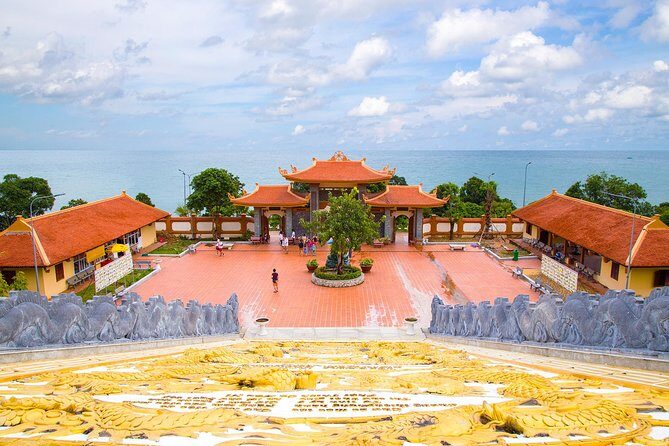
- Vinh Trang Pagoda: a spiritual landmark before the water and villages
- Mekong river cruising: motorboat speed, then the quieter sampan feel
- Coconut Island flavor stops: how tastings connect to daily work
- Tuk-tuk through villages, plus grapefruit and beehives
- Southern Vietnamese folk music: the cultural punctuation mark
- Bánh khọt cooking class: the hands-on part you’ll remember
- Lunch in the delta: simple, local, and included
- Final boat time and a market stop: crafts, not just souvenirs
- Price and value: why this $23 day can be a smart buy
- Comfort, timing, and who this works best for
- Should you book this Mekong Delta day trip?
- FAQ
- How long is the Mekong Delta day trip?
- What’s included in the price?
- Where does pickup and drop-off happen in Ho Chi Minh City?
- Do I need to bring anything?
- Are there any extra fees?
- Is the tour refundable if I change plans?
Key highlights worth your time
- Vinh Trang Pagoda: guided visit at one of the delta’s most respected religious sites
- Motorboat + rowing boat: you get both speed and quiet on the water
- Coconut candy and honey tastings: you learn how the products actually get made
- Tuk-tuk village exploring: local lanes, fruit stops, and everyday routines up close
- Bánh khọt cooking class: hands-on dumpling-style cooking with local experts
- Southern folk music performance: a cultural finish that feels like the region’s soundtrack
From Ho Chi Minh City to the Mekong: plan for an early, active day
This is a day trip built around getting you out of the city and into delta rhythms fast. You’ll be picked up from selected districts in Ho Chi Minh City (Districts 1, 3, 4, or 5 depending on the option you choose), then transferred by air-conditioned bus to the first major stop.
Expect the day to run like a well-paced route: drive, stop, travel, eat, cook, enjoy live music, and then back to the city in time for a late afternoon arrival (around 4:30 to 5:00 PM mentioned). You’ll see a lot, but the tour isn’t just speed. There’s guided time to look, ask questions, and taste.
One practical tip: start the day with water and comfortable shoes. Even with “just one day,” your legs will feel it. The good news is that the variety of activities keeps you from feeling stuck sitting in transit.
Vinh Trang Pagoda: a spiritual landmark before the water and villages
The first big cultural stop is Vinh Trang Pagoda, described as the largest and most revered in the Mekong Delta. You’ll get a guided visit and time for photos, which matters here because the pagoda’s details are the kind you miss if you rush through.
What you’ll likely notice:
- The pagoda gives you a mental reset before the more commercial delta activities later.
- You’ll see the site as a living place of worship, not a theme park set.
- A guide helps connect what you see to how locals understand the region and its traditions.
I like starting here because it sets the tone: this day isn’t only about scenery. It’s also about how communities organize their lives—where faith, work, and food fit together.
Mekong river cruising: motorboat speed, then the quieter sampan feel
After the pagoda, you’ll get on the water. The included plan includes a motorboat ride and a rowing boat / sampan experience, plus additional boat time later in the day.
This is where the delta starts to make sense visually:
- From the motorboat, you get the broad sense of how busy and alive the waterways are.
- From the smaller rowing boat, the pace slows, and you can look at the river edges more carefully—plants, river life, and the feel of humidity on your skin.
You’ll also have scenic viewpoints along the way during the delta portion. That means you’re not trapped only inside a boat; you get brief photo moments and guided walking time too. If you like wildlife viewing, know that the tour may include sites featuring local animals used for cultural conservation education. The tour specifically notes that animals like snakes, fish, and bees are part of that conservation context, not cruelty—so keep an open mind and follow the guide’s lead.
Coconut Island flavor stops: how tastings connect to daily work
One of the most enjoyable parts of this tour is how food and craft are treated as part of a working local economy. You’ll go to Coconut Island, then move through tasting stops that focus on coconut candy, honey, and handmade goods.
Here’s what tends to stand out on this stretch:
- Tropical fruit tastings that feel seasonal and fresh rather than packaged.
- Honey tea and honey wine tastings (included), which give you a sense of how honey shows up beyond just spreading it on bread.
- Traditional coconut candy making demonstrations, where you can connect the sweetness to labor and technique.
The guide’s explanations are the difference between watching a demo and understanding why it matters. English-speaking guides you might encounter on this tour are often praised for being friendly and funny while still giving real background—names that show up repeatedly in past trips include Kevin, Robert, Lily, Vinnie, Jonny, Tracy, and Tom.
You don’t have to be a food nerd to enjoy this, but if you are, it’s a satisfying day. You taste, you ask questions, and you learn the “how,” not just the “what.”
Tuk-tuk through villages, plus grapefruit and beehives
After the coconut-and-honey segment, you’ll switch gears with a tuk-tuk ride through village paths. This part is a favorite for good reason: you’re traveling at a local speed, weaving through smaller roads and getting a feel for how people move between homes, gardens, and shops.
You’ll also have additional stops related to honey production and fruit:
- There’s time to see an apiary connected with honey and learn about beehives and honey-related work.
- The schedule includes a grapefruit orchard experience in Tien Giang Province.
If you’re wondering why grapefruit shows up on a honey-and-coconut tour: in the delta, these aren’t separate worlds. Most families work with whatever grows well in their area, then sell it as value-added goods. So you get a broader view of what “local living from the land” can look like.
Depending on the exact flow that day, you may also have some free time to explore around the village area, plus an option for a short bike ride or an electric-bike ride during the longer delta stretch.
One more thing: at craft and animal-related stops, the tour messaging is clear—tipping and shopping aren’t required. If you want something, great. If not, it’s okay to just observe and buy nothing.
Southern Vietnamese folk music: the cultural punctuation mark
Mid-to-late in the schedule, you’ll hear Southern Vietnamese folk music as part of the experience. This isn’t just entertainment for filling time. The best tours in Vietnam use music like a signpost: it helps you connect with how people feel about home and region.
I like this moment because it adds emotion to all the hands-on work you’ve been doing—tastings, craft demos, and travel through villages. It turns the day from sightseeing into a more personal sense of place.
Also, guides often give background to help you listen. Even if you don’t know the songs, you start picking up patterns in the instruments and tempo.
Bánh khọt cooking class: the hands-on part you’ll remember
Yes, you’ll learn to make bánh khọt, and yes, it’s more fun than it sounds. This cooking class is guided by local experts and gives you an active role, not just watching and taking photos.
What makes this class valuable:
- You learn a skill you can repeat at home.
- You see how local ingredients and technique come together.
- It’s a break from constant movement, but you stay engaged.
This is also a great moment if you’re the kind of traveler who feels restless on tours. Cooking forces your attention to the process. There’s a satisfying payoff when you taste what you made.
Tip: bring an appetite. Between tastings earlier and lunch later, you’ll likely be sampling more than you planned, which is exactly how this day is designed to work.
Lunch in the delta: simple, local, and included
Lunch is included at a local restaurant. This is one of the most reliable parts of a well-run day trip—good tours make sure your meal isn’t an afterthought.
From the way the day is arranged, lunch usually functions as:
- Fuel before your final boat and market/arts stops
- A chance to sit, cool down, and regroup
- A “local food under local conditions” experience
You’ll also likely have small windows of free time afterward. Past guests often highlight lunch as a standout for authenticity and value, and that matches the intent of including it rather than leaving you to fend for yourself.
Final boat time and a market stop: crafts, not just souvenirs
Later in the day, you’ll do additional boat cruising and a stop at an arts & crafts market. This gives you a chance to compare what you saw earlier (coconut candy, honey, handmade goods) with what you can actually buy or browse.
I like markets on tours when they’re not forced. Here, the presence of tastings and demonstrations earlier makes the market feel connected rather than random.
If you want a quick strategy: use the market stop to pick one or two items you actually understand. With coconut candy and honey products, it’s easy to buy the right thing once you know what you’re tasting.
Price and value: why this $23 day can be a smart buy
At $23 per person, this is priced like a budget-friendly experience, but it includes a lot of moving pieces:
- Hotel pickup and drop-off in select districts
- Air-conditioned bus transportation
- English live guide
- Lunch at a local restaurant
- Multiple water experiences (motorboat and rowing boat)
- Tuk-tuk ride
- Bicycle time
- Tastings: tropical fruits, honey tea, honey wine, and coconut candy
- Cooking class for bánh khọt
- Southern folk music performance
- Mineral water
If you tried to price these separately, you’d usually end up paying for transport, boat fees, guide time, and the food experiences—often more than a day trip would cost. So the value mainly comes from bundling: you’re paying for guided access and a full-day program, not just transportation.
The only “cost” you should plan for is your energy. This is not a sit-and-scroll tour. It’s an active day with heat and walking, and that’s where your personal comfort choices matter.
Comfort, timing, and who this works best for
This trip is ideal if you like variety: pagoda first, then boats, tuk-tuk village paths, craft and tastings, cooking, and music. It’s also a good fit if you enjoy asking questions and want an English-speaking guide who can explain what you’re seeing.
It’s less ideal if you:
- Don’t handle heat and sun well
- Have back problems or mobility limits
- Prefer fully relaxed sightseeing
- Want a long unstructured day with no schedule pressure
The tour notes it’s not suitable for:
- Pregnant women
- People with back problems
- Wheelchair users
And there are some basic behavior rules: no smoking, pets aren’t allowed, and alcohol/drugs aren’t permitted (including alcoholic drinks in the vehicle).
What to bring:
- Comfortable shoes
- Hat
- Camera
- Sunscreen
- Water
Also, wear clothes you don’t mind getting a little dusty. That’s not a warning so much as a practical reality for village-lane exploring.
One timing note to respect: pickup times are approximate, and the guide may arrive earlier or later. The tour also states that if you’re more than 10 minutes late, the booking can be cancelled with no refund, so set a reminder and don’t gamble with the clock.
Should you book this Mekong Delta day trip?
I’d book it if you want a one-day introduction to the Mekong Delta that actually connects work, food, and culture. The best part is the way the day flows from Vinh Trang Pagoda to boat time, then into tastings and craft demos, and finally to hands-on cooking and folk music. If you’re the type who likes to learn while you travel, this is the kind of day trip that sticks.
I’d skip it if you want a slow day, have mobility concerns, or hate packed schedules. This one is active, and it’s designed to show you a lot in limited time.
If you do go, pick comfortable shoes, hydrate early, and don’t over-plan your shopping. The tastings and cooking class do most of the heavy lifting, and the rest is just extra.
FAQ
How long is the Mekong Delta day trip?
It’s listed as a 1-day experience. Starting times can vary, so you’ll need to check availability for exact departure options.
What’s included in the price?
The tour includes hotel pickup and drop-off (based on selected district option), air-conditioned transportation, a live English guide, lunch, motorboat and rowing boat rides, tuk-tuk ride, bicycle, fruit/honey/coconut candy tastings, a cooking class for bánh khọt, a Southern folk music performance, and mineral water.
Where does pickup and drop-off happen in Ho Chi Minh City?
Pickup options include Districts 1, 3, 5, and 4. Drop-off options are the same districts: District 5, District 4, District 1, and District 3 (depending on your selected option).
Do I need to bring anything?
Wear comfortable shoes and bring a hat, camera, sunscreen, and water.
Are there any extra fees?
Yes. There is a 100,000 VND fee on specific holiday/date ranges (listed dates include 31/12–01/01/2025, 01–03/02/2025, 29/04–02/05/2025, and 02/09/2025), paid directly on-site.
Is the tour refundable if I change plans?
You can cancel up to 24 hours in advance for a full refund.