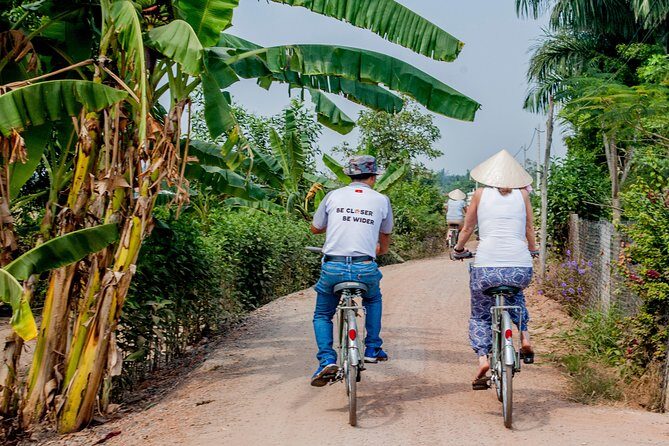
REVIEW · HO CHI MINH CITY
HCM City Local Street Food by scooter/ Aodai Rider Saigon tour
Book on Viator →Operated by Vietnamese Street Food Tour · Bookable on Viator
Saigon street food feels like a cheat code. This local scooter-and-stops tour gives you guided access to everyday life while you sample food along the way. I like that you get hotel pickup and drop-off in central districts, and I also like the small, organized feel with a max of 30 people. One thing to consider: the tour timing is tight, so you’ll want to show up ready to move, and the route can shift if a spot is closed or under maintenance.
You’ll see Saigon beyond the postcard shots, starting with an older apartment area and then heading into market chaos (the good kind). Expect a focus on local markets like the biggest flower market and wet markets, plus food tasting built into the route. The price is very approachable at $16 for a 2 to 3 hour experience, especially with meals and a helmet included—but double-check the exact meal lineup for your departure time since the tour lists breakfast, lunch, and dinner.
In This Review
- Key things I’d mark on your mental map
- Why this Ho Chi Minh City scooter street food format makes sense
- Getting picked up and dropped off without the usual hassle
- The scooter experience: comfort, safety, and what to expect
- Old apartment stop: a quick reality check on daily Saigon life
- Flower market and wet markets: the sensory payoff
- Food tasting and included meals: great value, but plan your appetite
- Route planning, friendliness, and the kind of group size that works
- When the schedule changes: how to handle it without stress
- Coffee and that afternoon-tour sweet spot
- Who should book this tour (and who might want to think twice)
- Practical tips so you enjoy every stop
- Should you book the HCM City Local Street Food scooter tour?
- FAQ
- How long is the Ho Chi Minh City Local Street Food tour?
- What does the tour cost?
- Is hotel pickup included?
- Do I get a helmet for the scooter part?
- What meals and drinks are included?
- Is a mobile ticket provided?
- How many people are in a group?
- Can the schedule change during the tour?
- What is the cancellation policy?
Key things I’d mark on your mental map
- Scooter ride with an ao dai rider: A fast way to cover more ground than walking.
- Old apartment stop: A quick window into local living space and neighborhood life.
- Big flower market plus wet markets: You get both sides of market life in one run.
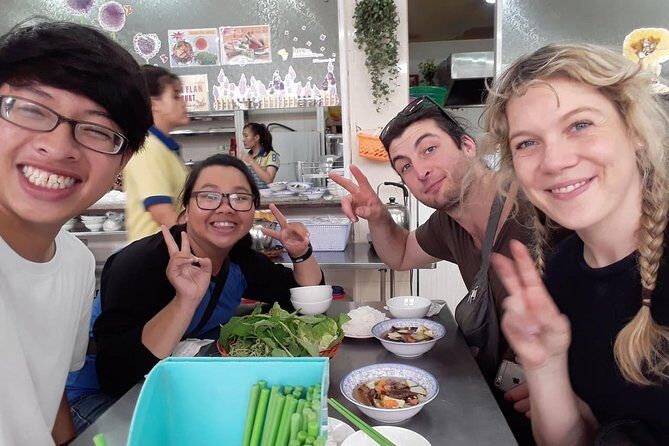
- Real food tasting, not just sightseeing: Food is part of the schedule, not an add-on.
- Central pickup/drop-off: Free in District 1, 3, and 4, which keeps logistics painless.
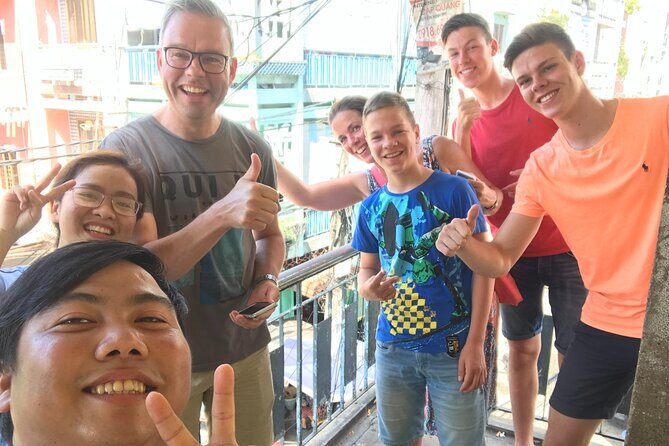
- Friendly, well-planned team vibe: The tone is welcoming and the route feels structured.
Why this Ho Chi Minh City scooter street food format makes sense

In a city like Ho Chi Minh City, the best food isn’t always obvious on a first pass. This tour solves that by building in guidance and structure, so you’re not stuck guessing what’s safe, fresh, and worth your time. The scooter part matters because it helps you cover a lot of street-level scenery without burning your whole afternoon stuck in traffic on foot.
I also like the plain, practical focus. You’re not being lectured. You’re being moved from one meaningful moment to the next: an older apartment area, market stops, and then eating along the way. Even better, you get bottled water and coffee and/or tea, so you can keep going without constantly hunting for basics.
The tour does one more smart thing: it’s designed for a short window of time. At 2 to 3 hours, you can fit this into a busy schedule without needing a full-day commitment. That’s a real value point if you’re juggling museum time, pagodas, or day trips.
You can also read our reviews of more food & drink experiences in Ho Chi Minh City



Getting picked up and dropped off without the usual hassle
Logistics can ruin a good food plan. This one helps you out by offering free hotel pickup and drop-off in District 1, 3, and 4. That matters because those are the areas where most visitors naturally stay, and it cuts down on the time you’d otherwise spend coordinating rides.
If you’re outside that zone, there’s a $5 surcharge for pickup beyond the center. It’s not a deal-breaker, but it is a reminder to check where your hotel sits. One simple rule: the closer you are to those districts, the smoother the start and end of your tour will feel.
You’ll also have a mobile ticket, which is convenient. Less paper. Less hassle. Just keep your phone charged and don’t leave the ticket until the last minute.
The scooter experience: comfort, safety, and what to expect
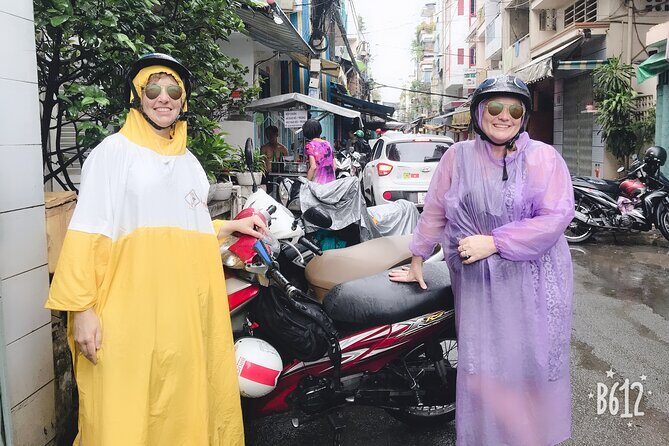
The tour’s title is the clue: you ride by scooter with an ao dai rider. That sounds fancy, but the key practical point is that this format is built to get you through neighborhoods quickly and safely, with the right gear included.
Here’s what you can count on from the tour details:
- Helmet use is included
- You’re guided by a driver/guide and a local guide
- The schedule is designed as a moving route, not a single long stop
Because your hands and posture matter on a scooter, wear something you can ride in easily. Skip anything too bulky or loose that could get in the way. Also, plan for the street sounds and motion—market time is active, and scooter time adds speed between stops.
One consideration: if you’re uneasy about motorbike rides, this is the main factor to weigh. You don’t have to love scooters to enjoy the food, but you do need to feel comfortable as the route transitions between places.
Old apartment stop: a quick reality check on daily Saigon life
One of the more interesting stops is the visit to one of the oldest apartment areas in Ho Chi Minh City. This isn’t about turning it into a history lecture. It’s about grounding the food tour in real local living—how people actually spend their days, not just where tourists like to take photos.
Why this works: it gives you context. Markets and street stands don’t exist in a vacuum. When you see everyday residential life up close, the food you sample later feels more connected to the neighborhood rather than like a curated performance.
The trade-off is time. Because the tour is only 2 to 3 hours, this stop is likely quick. You’ll want to be ready with questions and a curious attitude, rather than expecting a long, slow walk-through.
Flower market and wet markets: the sensory payoff
This tour is clearly built around market energy, especially the combination of a biggest flower market stop and wet markets. That pairing is more useful than it sounds. Flowers hint at daily rituals—home life, gifting, and local tastes—while wet markets show the working heart of food prep and ingredients.
What you’ll do here is less about shopping for souvenirs and more about watching how locals choose items and move through stalls. For you, that’s the learning moment. You get to see:
- how people handle produce and daily essentials
- how market flow works in practice
- how food culture is attached to the neighborhood, not a distant attraction
Keep your expectations grounded. Market conditions are real: sights are intense, and the pace can be fast. You’ll get the most out of it if you’re mentally prepared to see a working market, not a curated market for visitors.
You can also read our reviews of more tours and experiences in Ho Chi Minh City




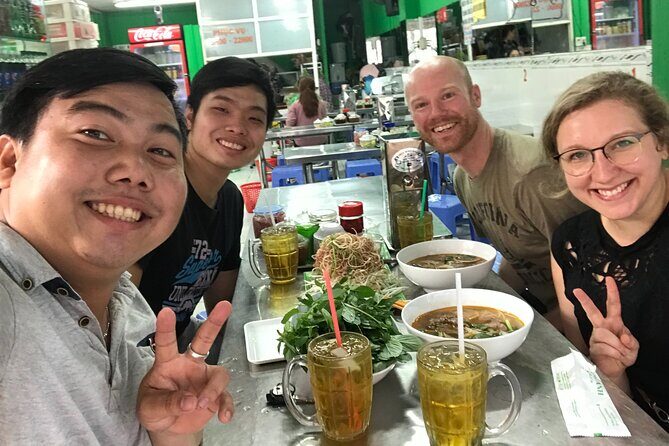
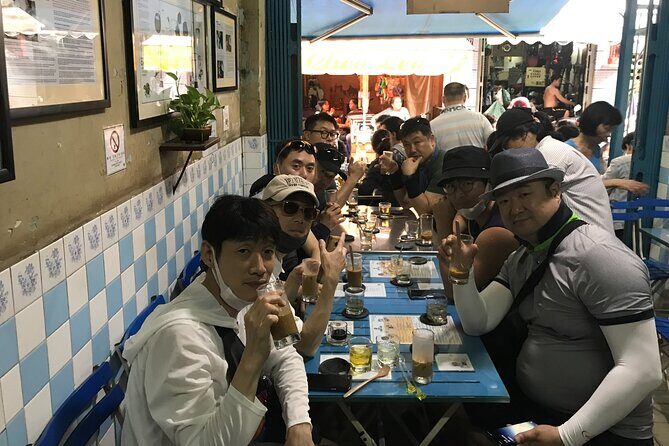
Food tasting and included meals: great value, but plan your appetite
Food tasting is the point, and the included items show the tour wants you to eat well. The package lists:
- Food tasting
- Dinner/Lunch/Breakfast
- Coffee and/or Tea
- Bottled water
- Plus you’ll be with a driver/guide and local guide who can keep the flow moving
At $16, this is where the value really shows. You’re not just paying for a ride and a couple bites. You’re paying for guidance, built-in stops, and meals that would cost a lot more if you tried to assemble the same plan on your own.
That said, there’s one practical thing to watch: the tour duration is 2 to 3 hours, but the inclusions list breakfast, lunch, and dinner. That usually means your specific departure time affects which meals you actually receive. Don’t assume you’ll get all three in every case. When you confirm your booking, match your meal expectations to the time of day you’re going.
Also, since food tasting is part of the schedule, don’t show up starving and then immediately load up on heavy extras afterward. Pace yourself. The best way to enjoy street food is to keep tasting varied bites instead of turning it into a single giant meal.
Route planning, friendliness, and the kind of group size that works

This is one of the few tours where “how it feels” matters as much as “what you eat.” The tour is capped at 30 travelers, which is large enough to have energy but small enough that you’re usually not lost in a massive crowd.
The overall tone seems to be welcoming and organized. People highlight a friendly team and a route that feels planned rather than random. That matters because in market areas, the difference between a smooth plan and a chaotic one is often just whether the guide knows where to take you next.
You’ll likely appreciate that the schedule is structured around movement: scooter transitions, quick stops, then food tasting moments. And since this is a local-style tour, the group vibe tends to be friendly. One practical tip: if you’re traveling solo, this kind of group size helps you feel included without feeling trapped.
When the schedule changes: how to handle it without stress
The tour notes that the schedule can be subject to change if a restaurant isn’t open or an attraction is undergoing maintenance. That’s not a warning sign—it’s a reality check for street food tours. Places change hours. Some stalls disappear. Renovations happen.
Your best strategy is simple: be flexible with the plan. If you go in expecting a fixed script, schedule changes feel annoying. If you go in expecting a living neighborhood, it feels normal.
Also, because the route includes markets like wet markets and a flower market, those types of places are often time-sensitive. The good news: the tour is designed to adapt while still keeping the core idea intact—local lifestyle plus food tasting.
Coffee and that afternoon-tour sweet spot
One of the praised parts of the experience is the excellent coffee. Even if coffee isn’t your thing, it signals something important: the tour pays attention to the beverages and stops, not just the food. When a tour includes coffee or tea, it often means you get a calmer moment to sit, talk, and regroup between tastes.
There’s also an afternoon-tour angle. If your schedule has that gap between lunch and evening plans, this is a good way to use it. You get a guided hit of food and neighborhood sights without committing to a full day.
Who should book this tour (and who might want to think twice)
This tour fits best if you:
- want a time-efficient street food plan in Ho Chi Minh City
- like guided market visits rather than wandering blindly
- feel comfortable on a scooter ride
- want a mix of local lifestyle and food tasting in a short window
It may be less ideal if you:
- strongly prefer walking-only touring
- get motion or scooter anxiety easily
- want a slow, detailed deep dive into one place (this is built to move)
For couples and small groups, it’s a fun shared experience because you’re doing the route together while getting guidance. For solo travelers, the max group size and friendly team tone make it easier to relax and follow along.
Practical tips so you enjoy every stop
Here’s how to make this tour feel smooth from start to finish:
- Bring water habits in mind: bottled water is included, but you’ll still want to sip steadily.
- Wear comfy footwear. Market floors and street transitions can be uneven.
- Keep your phone charged for the mobile ticket.
- If you’re sensitive to spicy food, tell your guide early. Food tasting usually means trying a range of dishes.
- Pace yourself during tastings. You’ll get better variety if you don’t over-order outside the planned stops.
One more small but real point: if you’re outside the central pickup zone, factor in the $5 surcharge. It’s easier to plan when you know the full cost early.
Should you book the HCM City Local Street Food scooter tour?
If you want a guided, wallet-friendly way to taste Saigon and see real neighborhoods without spending hours piecing together a plan, I’d say yes. At $16 for 2 to 3 hours, with pickup/drop-off in key districts, a helmet, bottled water, coffee/tea, and food tasting baked in, the value is strong.
I’d hold off only if scooters make you nervous or you need a long, slow tour rhythm. Otherwise, this is a smart pick for a first or second day in the city when you want quick direction and real local flavor.
FAQ
How long is the Ho Chi Minh City Local Street Food tour?
It lasts about 2 to 3 hours.
What does the tour cost?
The price is $16.
Is hotel pickup included?
Yes, pickup and drop-off are free in District 1, 3, and 4. There’s a $5 surcharge for pickup outside the center.
Do I get a helmet for the scooter part?
Yes. Use of a helmet is included.
What meals and drinks are included?
The tour includes food tasting and also lists breakfast, lunch, and dinner, plus coffee and/or tea and bottled water.
Is a mobile ticket provided?
Yes, the tour uses a mobile ticket.
How many people are in a group?
The tour has a maximum of 30 travelers.
Can the schedule change during the tour?
Yes. The schedule is subject to change if a restaurant is closed or an attraction is undergoing maintenance.
What is the cancellation policy?
You can cancel for a full refund up to 24 hours before the experience start time.