REVIEW · BEN TRE
HCMC: Mekong Delta 2-Days My Tho–Ben Tre & Cai Rang Market
Book on GetYourGuide →Operated by Saudyha Travel · Bookable on GetYourGuide
Two days, and the Mekong feels real. This tour mixes big-name sights with hands-on river life—Vinh Trang Pagoda in the morning, then boats, palm canals, and a dawn market. I especially liked the Cai Rang Floating Market early timing and the way the itinerary keeps moving without turning into a full-on shopping tour. One caution: the experience can feel crowded, and tip pressure (plus one ethics concern about an animal photo prop) is real.
The pace is active, but it’s also practical: you’re picked up near Ben Thanh, guided in English, and you get a hotel in Can Tho so you’re not bouncing back and forth all day. I also enjoyed the included Can Tho River evening with Don Ca Tài Tử folk music, because it adds a cultural beat after the daytime sightseeing.
In This Review
- Key highlights worth your attention
- From Ben Thanh to the Mekong: Day 1 start and timing that makes sense
- Vinh Trang Pagoda and the Tien River Islets: religious stop, then pure scenery
- Thoi Son (Lan) Island: honey tea, gardens, and Đờn Ca Tài Tử on island time
- Sampans through coconut-lined canals and a coconut workshop that’s actually useful
- Lunch in a riverside garden + free time: how to spend the downtime well
- Can Tho by evening: dinner cruise on the Can Tho River with folk music
- Cai Rang Floating Market at dawn: what to watch and why early matters
- My Khanh Ecotourism Village and Truc Lam Phuong Nam Zen Monastery
- Purple House Coffee & Film Studio and the trip back to HCMC
- Price and logistics: does $78 feel fair for this 2-day package?
- Group feel, tip pressure, and an ethics red flag to know before you go
- Who this Mekong Delta tour fits best (and who should skip it)
- Should you book this 2-day My Tho–Ben Tre & Cai Rang tour?
- FAQ
- How long is the Mekong Delta 2-day tour?
- Where does the tour pickup happen in Ho Chi Minh City?
- Do I stay in Can Tho overnight?
- What’s included for meals?
- What are the key boat trips during the tour?
- Is Cai Rang Floating Market visited at dawn?
- Is the Purple House Coffee & Film Studio included?
- Can the tour accommodate vegetarian food?
- What is the main ending point back in Ho Chi Minh City?
Key highlights worth your attention
- Vinh Trang Pagoda + Tien River islets: Long–Lan–Qui–Phung seen from the water, not just from a roadside stop
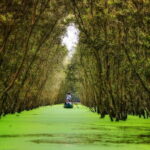
- Palm-canals by sampan: Quiet, slow rowing through coconut-lined canals in Ben Tre
- Thoi Son (Lan) Island food + folk music: Honey lemon tea and Đờn Ca Tài Tử while you snack on seasonal fruit
- Cai Rang Floating Market at dawn: Busy enough to feel alive, early enough to avoid the worst heat
- Hands-on noodle workshop: Watching rice noodles being made by hand
- Can Tho dinner cruise with Don Ca Tài Tử: Music in the evening gives the day a more local feel
From Ben Thanh to the Mekong: Day 1 start and timing that makes sense
This is a classic two-day Mekong setup with a long morning start from Ho Chi Minh City. Your pickup is scheduled between 07:30 and 08:30 from hotels near Ben Thanh Market, which is a good thing: you’re not hunting for the bus at a far-off meeting point.
On the way out, you’ll stop at a Mekong Rest Stop for a quick break. It’s a practical moment for a restroom run and a snack, and it helps you avoid the kind of “no food, no breaks” fatigue that ruins a long travel day.
Then the itinerary shifts into “river first” mode: pagoda, boat, island, canals, and an included riverside lunch. If you like your sightseeing with transportation and time on the water built in, this format fits you well.
You can also read our reviews of more tours and experiences in Ben Tre.
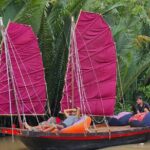
Vinh Trang Pagoda and the Tien River Islets: religious stop, then pure scenery
Vinh Trang Pagoda is the first big landmark of the day, built in the 19th century by Mr. and Mrs. Bui Cong Dat. The standout here isn’t just the age—it’s the mix of Asian and European architectural features in one religious space, which makes it feel visually different from most temple stops.
After that, you head to the My Tho cruise port and get on the water. The boat portion is one of the most memorable parts because you pass the Four Sacred Islets—Long (Dragon), Lan (Unicorn), Qui (Turtle), and Phung (Phoenix)—and you also catch sights like floating fish farms and the Rach Mieu Bridge in the wider river scene.
What you’re really buying with this segment is contrast: a structured pagoda visit, followed by open river views where the experience slows down. If you’re the type who hates standing in lines for photos, you’ll likely appreciate that the best views here come from being in motion.
Thoi Son (Lan) Island: honey tea, gardens, and Đờn Ca Tài Tử on island time
Your boat trip continues to Thoi Son (Lan) Island, where the day turns more “village stroll” than sightseeing bus. You’ll walk village paths and get to visit local houses and fruit gardens, which is where the Mekong starts to feel more like daily life than postcard land.
This is also where the food and music land. You get honey lemon tea (a local-style refreshment) and seasonal tropical fruit. Then comes Đờn Ca Tài Tử, a southern folk music style that’s often performed in more intimate settings. Even if you don’t know the songs, you’ll likely feel the difference between that and a stage-only show.
One practical note: island walking can be warm and sometimes uneven. If you don’t love stepping around on village paths, bring water and wear shoes you trust.
Sampans through coconut-lined canals and a coconut workshop that’s actually useful
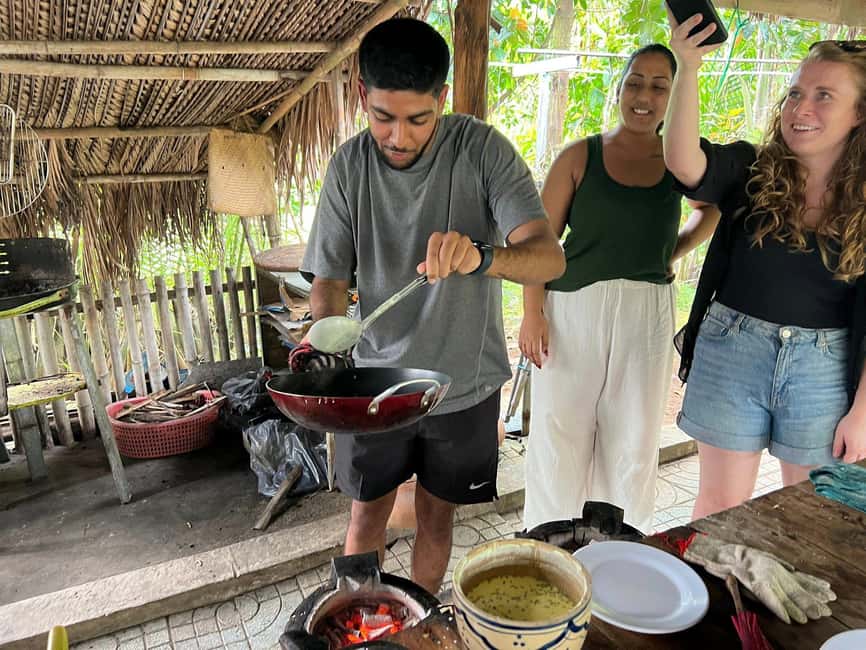
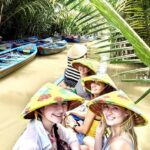
After island time, you switch into smaller boats—a sampan/rowing boat through narrow coconut canals. This part is popular because it’s not loud, it’s not rush-rush, and it doesn’t require big endurance. The point isn’t just scenery; it’s the slower scale of travel in the Mekong Delta.
From there you’ll visit a coconut candy workshop, where you see how local people turn coconuts into sweets and related handicrafts. The value here is simple: you understand what you’re looking at later if you happen to buy anything, and you get a taste of how coconuts power the local economy.
If you’re hoping for a hands-on cooking class, this won’t feel like that. But for a quick, visual “how it’s made” moment, it hits the right note without taking over the whole day.
Lunch in a riverside garden + free time: how to spend the downtime well
Lunch is a set-menu meal at a local riverside restaurant. Set menus can sound boring on paper, but in practice they help the schedule stay smooth—especially on a two-day trip where you have multiple boat segments.
After lunch, you get free time with options such as relaxing in a hammock, crossing the monkey bridge, and even biking through the village. One option listed is fish for crocodiles, which is the kind of activity that can be fun for some people and a turn-off for others. If you have strong feelings about animal handling, you might skip that option and use the downtime to just walk, rest, or take photos.
This is also where your guide’s personality matters. When the pacing is packed, the best guides help you choose what to do next so you don’t feel dragged.
Can Tho by evening: dinner cruise on the Can Tho River with folk music
The day ends in Can Tho, and with it comes a more relaxed-feeling evening. The tour highlights a dinner cruise on the Can Tho River with Don Ca Tài Tử folk music.
This is a smart placement. After a day of boats, walking, and workshops, the evening setting lets you sit and absorb. Even if you prefer more “active” experiences, the cruise gives your brain a break without losing the Mekong atmosphere.
Cai Rang Floating Market at dawn: what to watch and why early matters
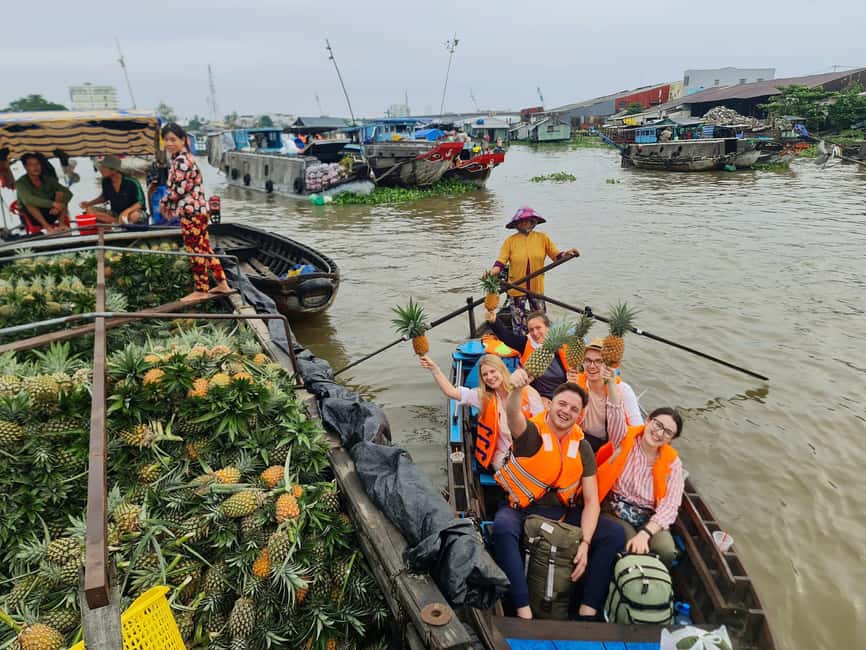
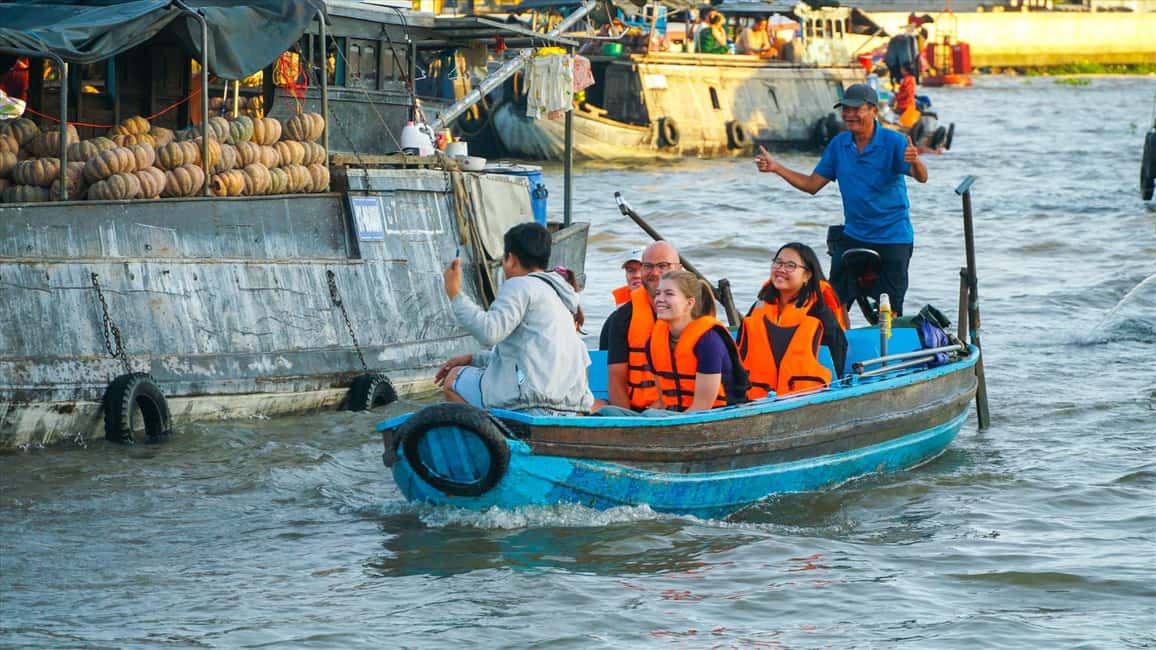
Day 2 starts with breakfast around 07:30, then you head to Ninh Kiều Wharf. From there you board a boat to cruise along the Can Tho River, and the big moment is Cai Rang Floating Market.
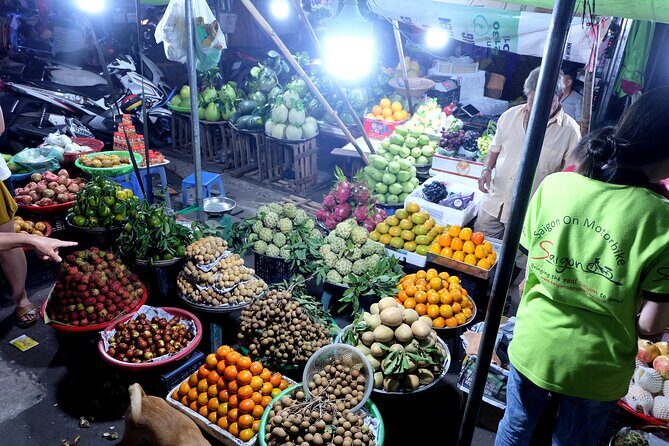
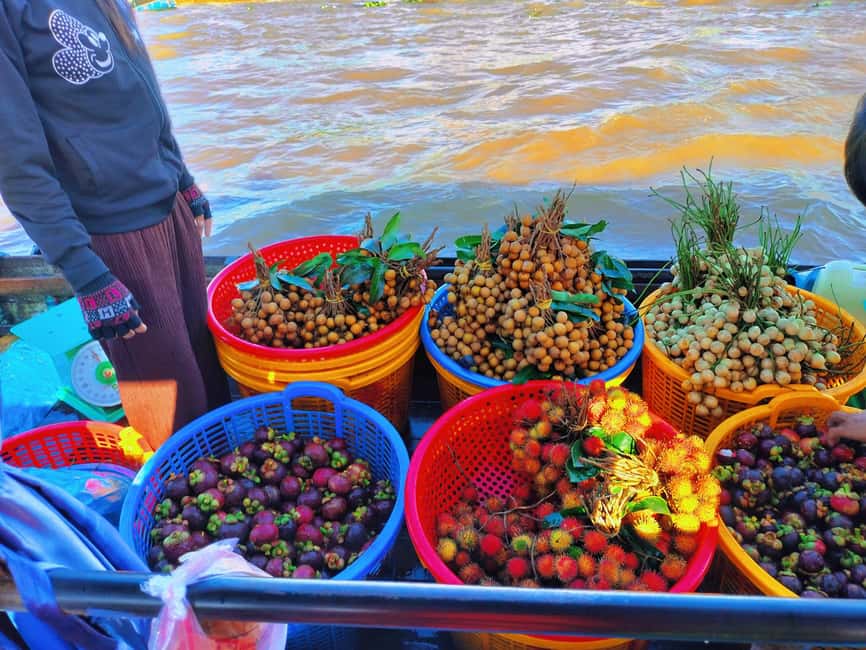
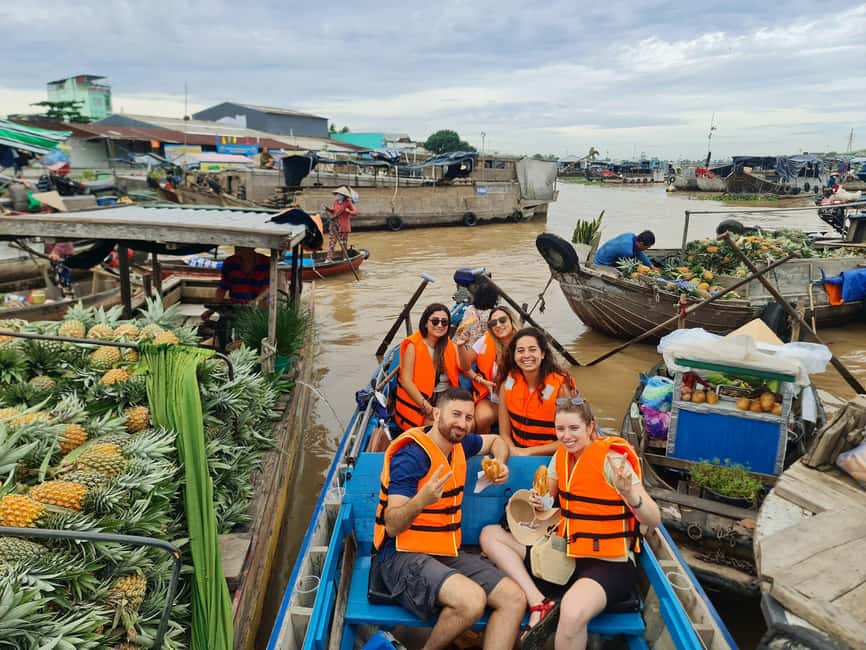
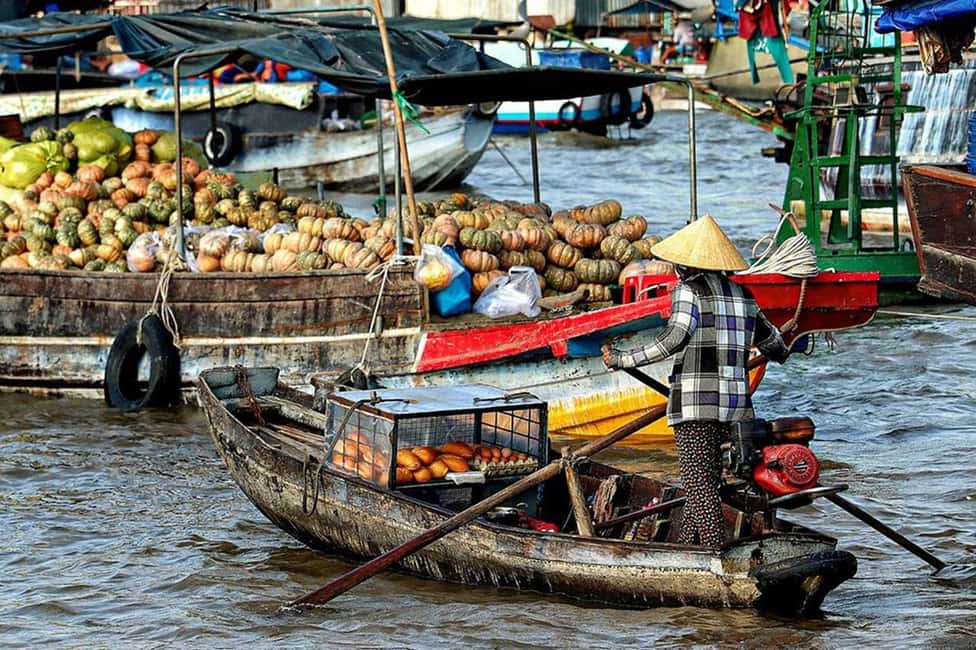
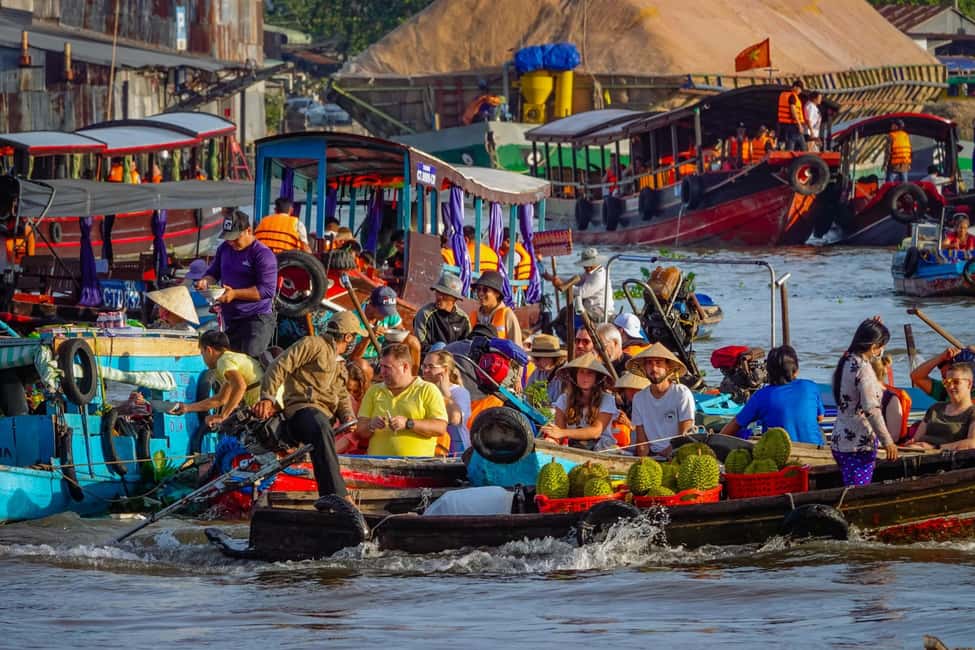
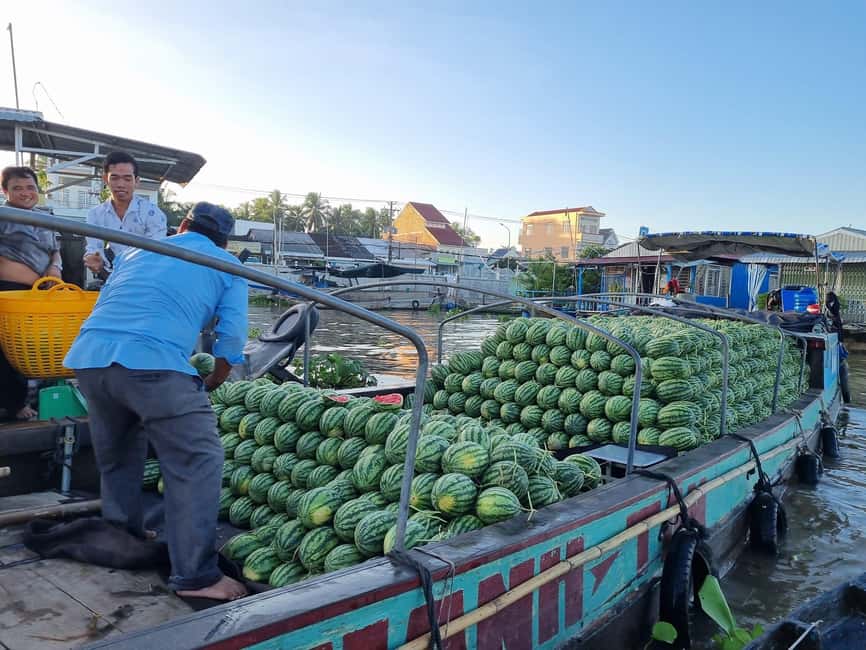
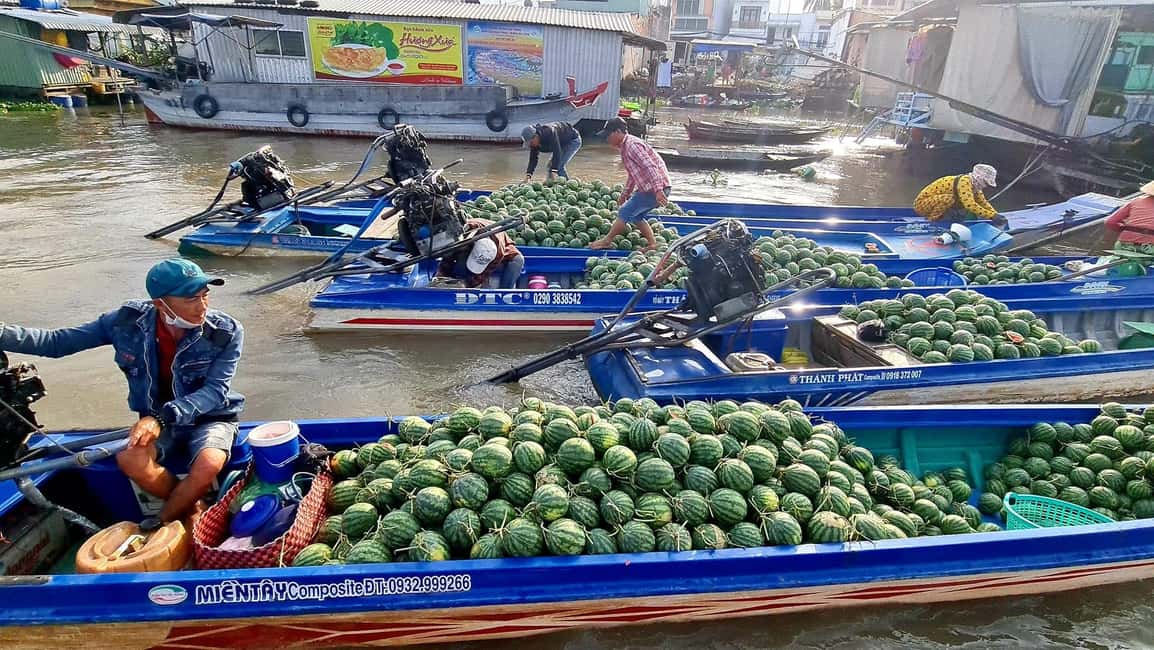
Cai Rang is known as one of the largest floating markets in the Mekong Delta, and the key detail is timing: you visit in the morning, at dawn. Early means the market looks more like working river traffic than a photo stop. Vendors sell goods directly from boats, and you get to see how the boats function as both transport and storefront.
A practical tip: keep your camera ready, but don’t spend every second filming. The real fun is noticing patterns—where boats gather, how people move, and the rhythm of buying and selling by water.
My Khanh Ecotourism Village and Truc Lam Phuong Nam Zen Monastery
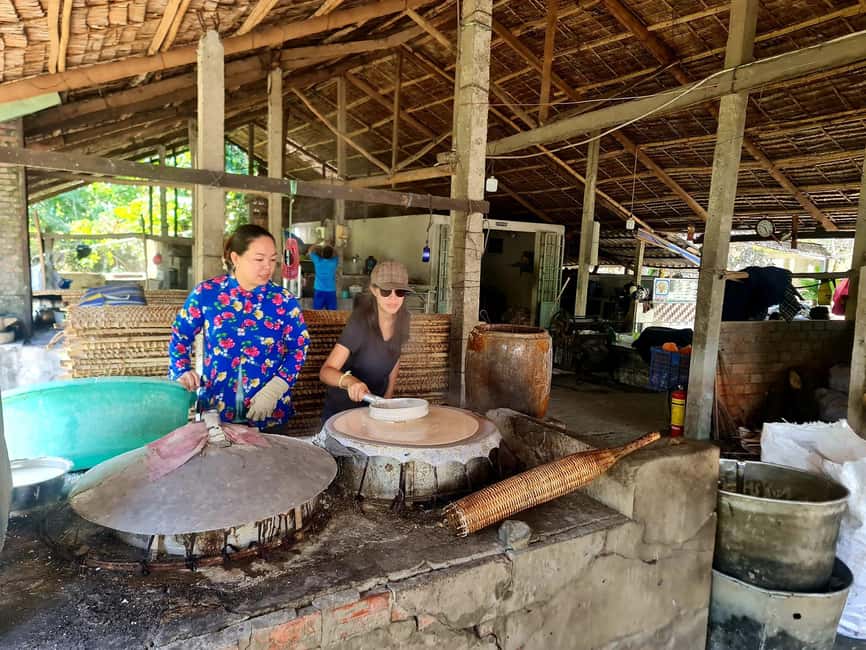
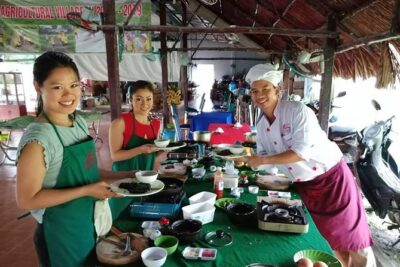
After the floating market segment and a traditional noodle-making workshop (watching locals craft rice noodles by hand), you move to My Khanh Ecotourism Village.
Here you’ll visit fruit gardens, a 100-year-old ancient house, and flower gardens. The appeal is variety without being exhausting. You’re not only looking at water; you’re seeing the land use that supports the river.
Then the itinerary includes Truc Lam Phuong Nam Zen Monastery, one of the largest Buddhist temples in the Mekong Delta. It’s built in the architectural style associated with the Ly – Tran dynasties, which helps explain why the buildings feel distinct and more “dynasty-era” than modern tourist temples.
If you like calm religious spaces, this stop can feel refreshing after the market energy. If you prefer pure nature over temples, you still get a useful break from heat and crowds.
Purple House Coffee & Film Studio and the trip back to HCMC
For the afternoon, the schedule includes Purple House Coffee & Film Studio, with self-paid entrance. That means you control the level of time you spend there—ideal if you want a quick quirky stop before you head back.
Then it’s back by bus to Ho Chi Minh City, arriving around 17:30. You’re dropped near Ben Thanh Market or Pham Ngu Lao Street.
This ending matters because it keeps your evening flexible once you return. You don’t get stranded far from food and transit.
Price and logistics: does $78 feel fair for this 2-day package?
At $78 per person for two days, the value comes from what’s bundled, not just the sightseeing list. You get:
- A full-day river circuit with multiple boat rides
- Vinh Trang Pagoda, island and canal experiences, and a coconut workshop
- Meals including lunch (Day 1 set menu) and dinner (with the Can Tho River cruise), plus lunch again on Day 2
- A hotel in Can Tho (city center) so you’re not driving back the same night
- An end-to-end transfer service between HCMC and Can Tho
What you might weigh is intensity. If you dislike packed schedules, you may feel you spent more time moving between stops than lingering. One review complaint was that certain time segments felt short (like brief canal and market durations). That’s the trade-off you’re likely signing up for with a two-day circuit.
In simple terms: if you want maximum Mekong highlights in a tight timeframe, this price can feel reasonable. If you want slow travel and deep local immersion, you may find it a bit “tour-shaped.”
Group feel, tip pressure, and an ethics red flag to know before you go
The strongest positive theme is that the scenery and boat time can be excellent, and the guide can make a big difference. One reviewer praised their guide, Andy, for being friendly, helpful, and clear in English. That matches the real-world need here: when you’re spending long hours on the water and in transit, the explanation quality matters.
But there are also two concerns to take seriously:
1) Tip pressure: at least one review described it as aggressive, even to the point of money being taken directly from hands. Even if your guide is great, tip dynamics can sour the day fast. If you hate that kind of pressure, you might set boundaries early—mentally and politely.
2) Animal ethics: one review flagged a python kept in a tiny cage and used as a photo prop. That’s not a small detail, and it’s not the kind of thing you should ignore if animal welfare matters to you. If this tour includes any animal photo prop during your visit, decide ahead of time whether you’ll participate or walk away.
There’s also a mixed message about shopping. The program information you’re given emphasizes experiences rather than shopping marathons, and that can be a plus. Still, some tours of this type can feel like they’re structured to encourage extra spending. Your best defense is to travel clear-eyed: enjoy the rides and sights, and treat any optional purchases as optional.
Who this Mekong Delta tour fits best (and who should skip it)
This tour is a good fit if you:
- Want two days of Mekong highlights without planning boats or transfers yourself
- Like early mornings and don’t mind a busy schedule
- Enjoy folk music moments like Đờn Ca Tài Tử and evening cruising
- Prefer a guided experience with English support
I’d skip it (or at least approach with caution) if you:
- Hate tip pressure or dislike tours that feel sales-heavy
- Have strong ethical concerns about animal photo props
- Want slow, unstructured time where you can linger for hours in one place
Should you book this 2-day My Tho–Ben Tre & Cai Rang tour?
I’d book it if your top priority is time on the water—Tien River islets, palm-canals by sampan, and Cai Rang at dawn—and if you’re okay with a structured two-day circuit. The included Can Tho evening cruise with Don Ca Tài Tử is also a nice payoff after a long day of moving.
I’d pause before booking if you strongly dislike aggressive tipping or if animal ethics are a deal-breaker for you. With those concerns in mind, you can still enjoy the Mekong—but go in with your eyes open and your boundaries ready.
FAQ
How long is the Mekong Delta 2-day tour?
It’s 2 days.
Where does the tour pickup happen in Ho Chi Minh City?
You’re picked up from your hotel near Ben Thanh Market between 07:30 and 08:30.
Do I stay in Can Tho overnight?
Yes. The tour includes a hotel stay in Can Tho city center.
What’s included for meals?
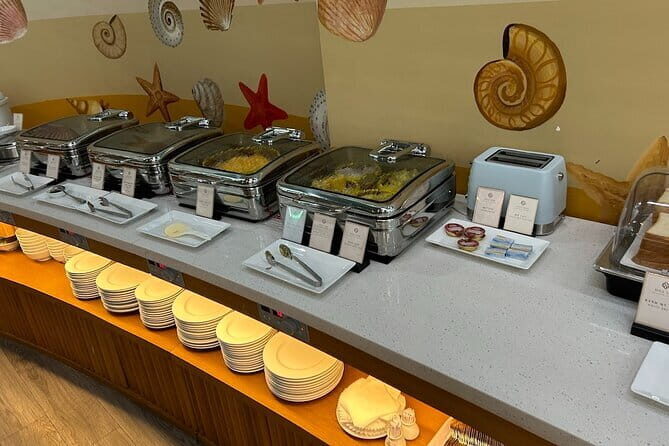
The tour includes lunch and dinner on Day 1, plus breakfast and lunch on Day 2.
What are the key boat trips during the tour?
You’ll take boat time on the Tien River from My Tho, rowing/sampan rides through coconut canals, and a cruise on the Can Tho River to visit Cai Rang Floating Market.
Is Cai Rang Floating Market visited at dawn?
Yes. The floating market is visited in the early morning/dawn timeframe.
Is the Purple House Coffee & Film Studio included?
Entrance to the Purple House Coffee & Film Studio is self-paid.
Can the tour accommodate vegetarian food?
One review notes that a vegetarian request was accommodated with meals that were varied and delicious.
What is the main ending point back in Ho Chi Minh City?
You arrive back around 17:30 and are dropped at Ben Thanh Market or Pham Ngu Lao Street.