REVIEW · HO CHI MINH CITY
Private Ho Chi Minh City Tour Private Full day Guided Tour
Book on Viator →Operated by mekong cruises tours · Bookable on Viator
Seeing Saigon start to make sense fast. This private full-day tour helps first-timers get oriented with a smart mix of big-name sights and street-level neighborhoods. You’ll start at the Reunification Palace, then move through the parts of town where history feels close—war relics, temples, and the busy rhythm of Chinatown and Binh Tay Market.
I especially like the hotel pickup and drop-off, because it removes the day’s biggest hassle: transportation stress. I also like that it’s a private tour, so your guide can spend more time where you actually care—rather than rushing everyone through the same photo stops. One watch-out: English quality can vary a bit from guide to guide, so if language clarity matters a lot to you, it’s worth paying attention to that when you book.
In This Review
- Key highlights you’ll feel right away
- How this private tour plan works for first-time visitors
- Price and value: what you’re really paying for
- The morning opener: Reunification Palace and April 30, 1975
- War Remnants Museum: powerful, specific, and not just a pile of stuff
- Notre Dame Cathedral and Thien Hau Temple: two different kinds of sacred
- Chinatown on foot: Cho Lon texture and shopfront stories
- Binh Tay Market: souvenir time that doesn’t feel chaotic
- The lunch break: comfort food with a real local setting
- Guide quality: Milo and Ngi were standout names
- Where the day flows best (and where it might feel rushed)
- Getting the most out of your tickets, lunch, and time
- Should you book this Ho Chi Minh City private full-day tour?
- FAQ
- How long is the private Ho Chi Minh City full-day guided tour?
- What’s included in the tour price?
- What are the main stops during the day?
- Is this tour really private?
- Do you offer pickup from my hotel?
- Is lunch included, and can I get a vegetarian option?
- What should I budget for if the tour doesn’t include everything?
- What happens if weather is bad?
- Is there free cancellation?
Key highlights you’ll feel right away
- Private car + hotel pickup so the day starts clean and ends easy
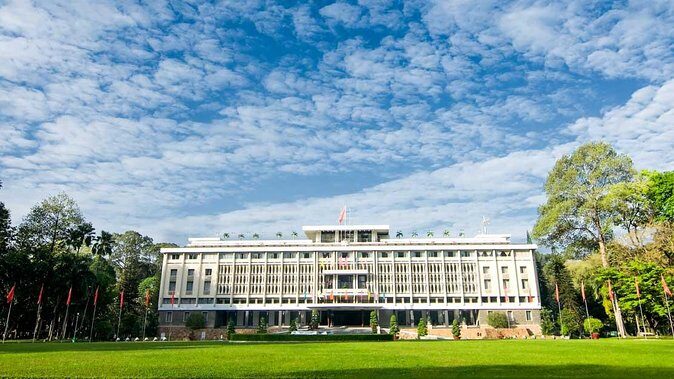
- Reunification Palace gives you a clear timeline of April 30, 1975
- War Remnants Museum packs war machinery, artifacts, and documents into one powerful stop
- Thien Hau Temple + Chinatown walk adds a spiritual and neighborhood feel
- Binh Tay Market time for practical souvenir shopping without rushing
- Local lunch included, with a vegetarian option if you plan ahead
How this private tour plan works for first-time visitors
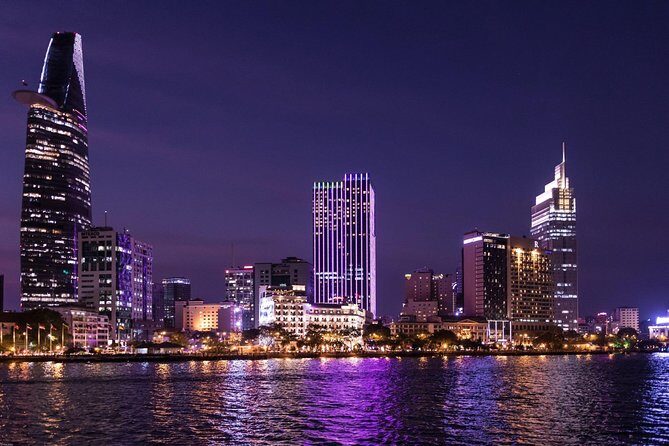
A full day in Ho Chi Minh City can go one of two ways: you either see a lot but feel lost, or you move slower and actually connect the dots. This tour is built for the second outcome. It hits the major “anchor” sites early, then layers in neighborhoods and markets so the city starts to feel like a place, not a checklist.
The other big win is pacing. With a private format, you’re not trapped in a rigid group rhythm. Your guide can adjust time based on how you’re reacting—whether you’re the type who lingers for details or just wants the highlights explained clearly.
You also get the comfort side handled. You travel in a private vehicle, and the plan includes mineral water plus lunch at a local restaurant, which matters in a city where heat and walking can add up quickly.
You can also read our reviews of more guided tours in Ho Chi Minh City

Price and value: what you’re really paying for
At $110 per person for about 8 hours, the price is easier to judge once you look at what’s included. You’re not just buying entry to attractions. You’re paying for:
- a professional English-speaking guide
- a private car
- hotel pickup and drop-off
- local lunch
- mineral water
That combination usually costs more if you price it separately (guide + car + meals). The value gets stronger if you’re traveling as a pair or small group, because the private vehicle and guide time stay the same while your cost is shared.
Is it the cheapest way to “see the city”? No. But it’s often one of the best ways to make your first day feel organized, informed, and not exhausting. If you hate negotiating rides or you want your day to run on rails, this is the kind of plan that pays you back.
The morning opener: Reunification Palace and April 30, 1975
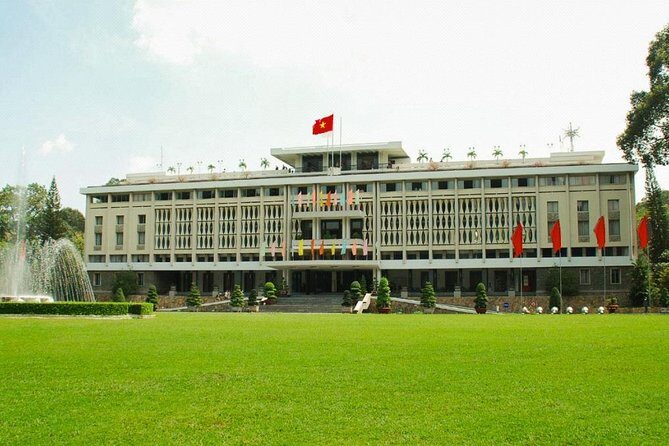
The tour’s first major stop is the Reunification Palace, a site that helps you understand the city’s modern identity in a very direct way. You’re not just looking at a building. You’re stepping into a set of spaces tied to decision-making, conflict, and the moment the war officially ended in 1975.
This is where April 30, 1975 comes to life. The story is tied to the tank event at the gates of what was then the residence of the President of the Republic of Vietnam. Even if you only know the bare outline of the conflict, this stop gives you a concrete timeline you can carry into later visits.
What I like about starting here is that it sets context before you hit the museum. By the time you’re looking at weapons and documentation later, you’ll understand what you’re seeing and why it mattered.
A practical tip: give yourself permission to slow down inside. The rooms and corridors can feel like they’re built for history lessons. If you treat it like a quick photo stop, you’ll miss the value.
War Remnants Museum: powerful, specific, and not just a pile of stuff
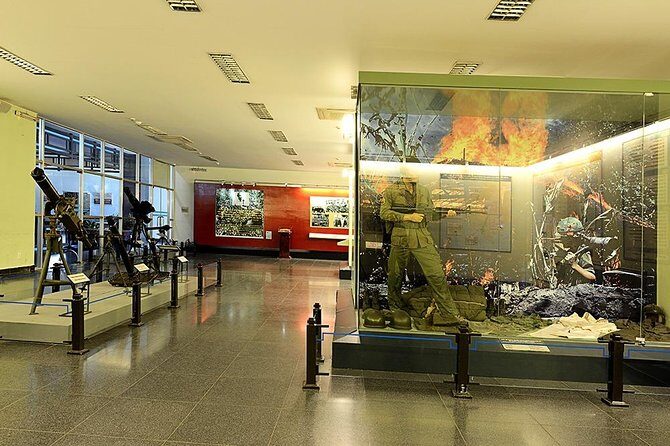
After the Palace, you’ll visit the War Remnants Museum, one of the most discussed places in Ho Chi Minh City—and for a reason. The museum gathers war machinery, weapons, artifacts, and documentation. That blend matters because it doesn’t only show hardware. It shows evidence and records, which changes how the experience lands.
This isn’t the kind of museum you speed through without feeling anything. It tends to leave most people quiet and thoughtful, even if you came in expecting something more straightforward.
The other practical plus: it’s a museum stop that balances the outdoor walking later. You’ll get a strong anchor of context, then shift into neighborhoods, temples, and markets with a clearer sense of what you’re seeing.
If you’re sensitive to graphic materials or heavy topics, plan your pace accordingly. Use the time your guide gives you. Stop when you need to. This tour’s structure doesn’t force you to maintain one emotional speed.
Notre Dame Cathedral and Thien Hau Temple: two different kinds of sacred
One of the nice surprises in this day plan is that it doesn’t only focus on the political story. You also visit places tied to belief and community life.
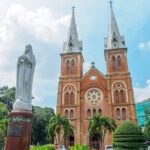
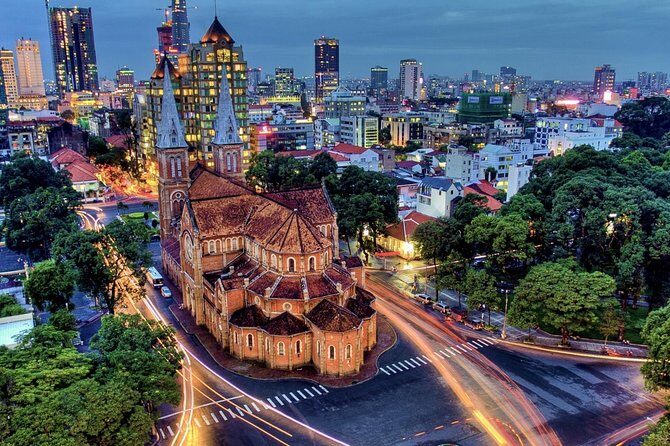
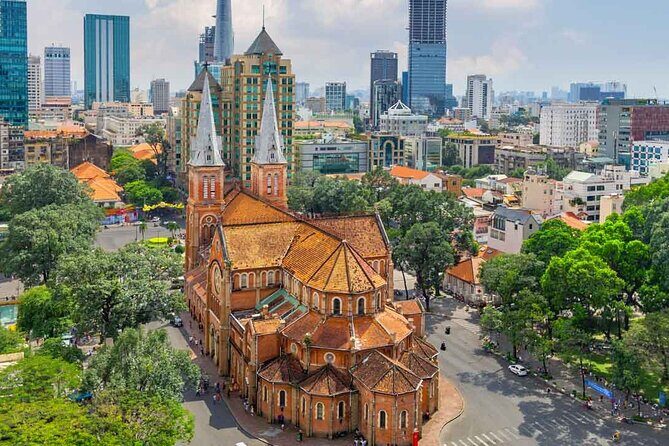
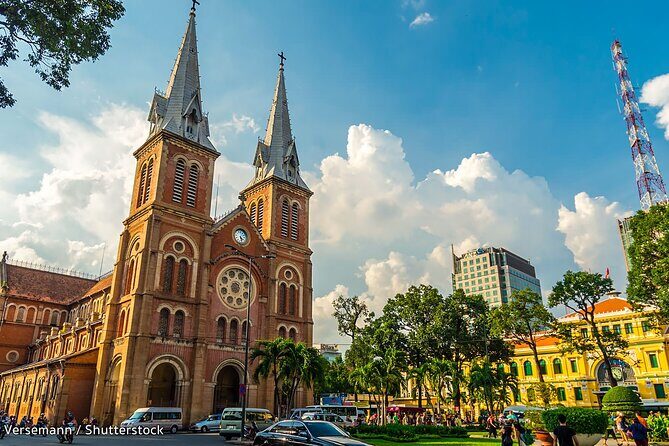
The day includes Notre Dame Cathedral, which at times may be affected by construction. If it’s closed when you arrive, your guide can adapt so you don’t lose the time window completely. That flexibility matters when you’re on a tight schedule and paying for a full-day private guide.
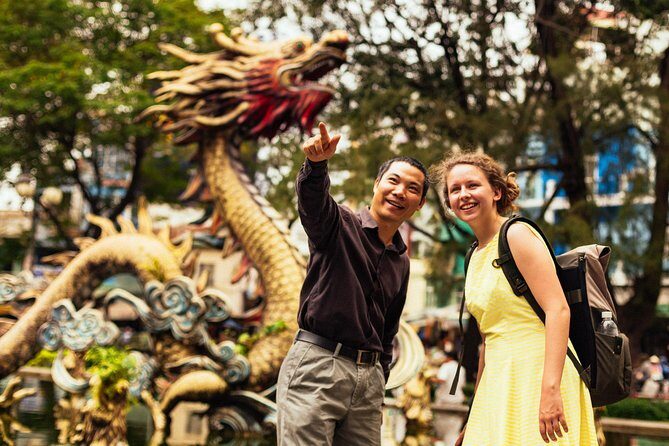
Then there’s Thien Hau Temple, a very different energy from the cathedral. Instead of the European-style landmark vibe, you’re stepping into an older, temple-centered atmosphere where people come to connect with spirituality and tradition. It’s the kind of stop that helps you see Ho Chi Minh City beyond the headline history.
What you’ll get from this combo is perspective. Your day won’t feel like one long lesson. It will feel like the city’s layers—conflict, faith, and everyday life—stacking together.
You can also read our reviews of more city tours in Ho Chi Minh City





Chinatown on foot: Cho Lon texture and shopfront stories
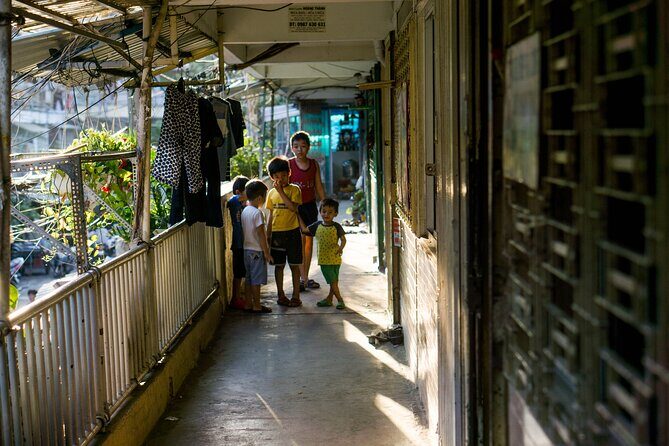
After the big monuments and museum time, you shift into a walking tour of Chinatown. This is where the city starts acting like itself. You’ll move through the streets of District 5/Cho Lon area, where food, family business fronts, and daily commerce create a steady background hum.
The walking portion is valuable because it isn’t only about seeing sights. It’s about learning how people live around them. Chinatown in Ho Chi Minh City has its own cultural rhythm, and with your guide, you’ll get explanations that make the details feel less random.
For photography, go in expecting close-up scenes—signs, temple edges, small street interactions—rather than only wide shots. It’s a neighborhood where the best images often come from pausing in the right place.
If you’re someone who gets tired fast, this is still manageable because your tour uses private vehicle time for transfers. The walking is intentionally not the whole day.
Binh Tay Market: souvenir time that doesn’t feel chaotic
Near the end of the day, you get time to shop at Binh Tay Market. This is the moment when the tour turns from history-focused to practical: buying gifts, snacks, or little reminders you can pack.
Market time can be either great or frustrating depending on how it’s handled. Here, you have a guide with you, which helps in two ways:
1) you’re less likely to waste energy guessing what things are
2) you can ask for help with what’s worth your money
This is also where your earlier context helps. When you’ve walked Chinatown and visited temples, the shopping feels connected to the area instead of feeling random.
Bring small bills and be ready for bargaining. If you don’t want to bargain, you can still browse, but you’ll want to decide in advance what you’ll buy so you’re not stuck in decision fatigue.
The lunch break: comfort food with a real local setting
A good tour lunch is more than fuel. It’s a chance to reset your brain mid-day and experience daily life.
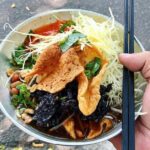
This tour includes a Vietnamese-style lunch at a local restaurant. There’s also a vegetarian option, but you need to request it when booking. If you eat vegetarian or have other dietary limits, mention it early so the restaurant can prepare something appropriate.
I like that lunch is included because it stops you from “touring by hunger.” In hot weather, finding a decent meal and getting there can eat up your best energy.
One more practical thought: if you’re the type who hates late meals, don’t go heavy. Save some appetite for the market stop.
Guide quality: Milo and Ngi were standout names
The biggest difference between a good private tour day and a great one is the guide. This tour’s format depends on your guide’s ability to explain what you’re seeing and keep the day flowing.
Some guide names came up strongly in the feedback—Milo was praised for being on-time, professional, friendly, and knowledgeable in how he framed the sites. Another standout was Ngi, described as an excellent guide with strong English and great commentary around places like the Independence Palace.
Those same reviews also include a caution worth respecting: in at least one case, English clarity was an issue, and the guest felt they understood only part of what was explained. That doesn’t mean the tour is flawed—it means you should treat guide language as an important variable, especially for museums and history sites.
If you want to maximize your understanding, pick a time when you’ll be fresh, and don’t be shy about asking follow-up questions during the car rides.
Where the day flows best (and where it might feel rushed)
The structure works because it balances three modes:
- indoor context (Reunification Palace, War Remnants Museum)
- sacred landmark stops (Notre Dame Cathedral, Thien Hau Temple)
- neighborhood + market time (Chinatown walking, Binh Tay Market)
If you’re excited about history and want explanations, the early half will likely be your favorite. If you prefer streets, food, and shopping, the afternoon could feel more rewarding.
The one consideration is the nature of full-day schedules. When you pack many stops into 8 hours, you’ll move from emotion to emotion—history to war artifacts to temples to markets. That can be great. It can also feel like sensory whiplash if you’re very sensitive to long, structured days.
Your best move: wear comfortable shoes, plan for shade breaks mentally, and treat the guide as your speed controller.
Getting the most out of your tickets, lunch, and time
Here’s how you squeeze better value out of the same day.
First, bring sunscreen and something light for sun protection. Even with a private vehicle, you’ll be outside during the walking and market time.
Second, use your guide in the car. Most of the learning happens when someone connects details. Ask for quick context about what you’ll see in the next hour. You’ll get more out of the museums and the palace rooms.
Third, for shopping at Binh Tay Market, decide your budget before you arrive. Market browsing can become a time sink if you let curiosity run the show.
Finally, keep an eye on what’s open. Construction can affect landmarks like Notre Dame Cathedral. If something is unavailable, a good guide will help you trade time wisely rather than just losing it.
Should you book this Ho Chi Minh City private full-day tour?
Book it if you want your first day to feel organized and meaningful. This is a strong choice when you care about context—Reunification Palace and War Remnants Museum—and you also want neighborhood texture through Chinatown and a practical shopping stop at Binh Tay Market.
Skip it if you already know Ho Chi Minh City well and you prefer self-guided wandering with lots of flexibility. With a packed schedule, you’ll likely want more freedom than a structured private itinerary offers.
If you book, ask for the vegetarian option if needed, wear comfortable shoes, and treat the guide as your translator of history and street life. Done right, you’ll leave with a clearer mental map—and fewer “what was that?” moments when you look back at your photos.
FAQ
How long is the private Ho Chi Minh City full-day guided tour?
It’s about 8 hours.
What’s included in the tour price?
A professional English-speaking guide, a private car as indicated, mineral water, local lunch, and hotel pickup and drop-off.
What are the main stops during the day?
You’ll visit Reunification Palace, War Remnants Museum, Notre Dame Cathedral, Thien Hau Temple, a walking tour of Chinatown, and have time at Binh Tay market.
Is this tour really private?
Yes. It’s a private tour, so only your group participates.
Do you offer pickup from my hotel?
Yes, hotel pickup and drop-off are included.
Is lunch included, and can I get a vegetarian option?
Lunch is included at a local restaurant. A vegetarian option is available if you request it at booking.
What should I budget for if the tour doesn’t include everything?
Personal expenses and tips for the driver or guide are not included.
What happens if weather is bad?
This experience requires good weather. If it’s canceled due to poor weather, you’ll be offered a different date or a full refund.
Is there free cancellation?
Yes. You can cancel up to 24 hours in advance for a full refund. If you cancel less than 24 hours before, you won’t receive a refund.