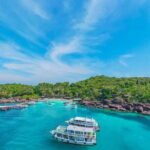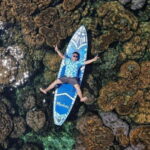
Coral spotting, minus the crowds. What makes this snorkeling trip different in Phu Quoc is the way scientific snorkeling is built around what the sea is doing that day. I like that they track water conditions (wave level, direction, current, underwater visibility) plus lighting, then pick a morning or afternoon slot to match the best conditions.
The trade-off is that the exact reef stops are water- and light-dependent, so you should expect changes in the daily coral spots list when conditions shift.
In This Review
- Key things I’d pay attention to
- Why this Phu Quoc snorkeling feels more like reef research than a swim
- Getting to An Thoi and settling in before you snorkel
- Two hidden coral snorkeling stops planned for clarity and comfort
- What the instructors actually do in the water
- Expect the coral spots to change daily
- Reef names you might see: from cactus corals to flowerpot shapes
- The after-snorkeling island stop: fruit, juice, and less noise
- Equipment and safety: what’s included, and why it matters
- Pickup timing and the 5–6 hour shape of the day
- Price at $53.90: what you’re really paying for
- Who should book this, and who might want a different style
- Should you book OnBird’s Hidden Coral Reefs snorkeling trip?
- FAQ
- How many people are in the group?
- How long does the tour last, and how long is snorkeling?
- Where do you get picked up and dropped off?
- What snorkeling gear and safety items are included?
- How do they choose the time of day and the coral spots?
- What coral reefs might we snorkel?
- What happens after snorkeling, and what food is provided?
- Are there age limits, health limits, or rules about alcohol?
- What if weather is too rough to run the trip?
Key things I’d pay attention to
- Max 12 people keeps the water experience calmer and easier to manage
- Scientific water-condition planning uses waves, current, visibility, and light to choose timing and spots
- Two hidden coral snorkeling stops planned for healthier-looking, more interesting reef sections
- Under-water instructors focus on safety and reef guidance while you’re in the water
- No oil-cooked meal afterward, plus fresh fruit and juice on a quieter island
Why this Phu Quoc snorkeling feels more like reef research than a swim
Phu Quoc snorkeling can be either great or frustrating, depending on wind, chop, and how clear the water is. This tour tries to fix that problem before you even get wet. The team monitors the sea and the light, then chooses a time window that fits the conditions on the calendar and the hour.
That matters because snorkeling quality is not just about where you go. It’s about how well you can see when you arrive, how stable the surface feels, and how the water movement affects what’s visible underwater. Here, the approach is practical: they plan the day around the weather math, not around hope.
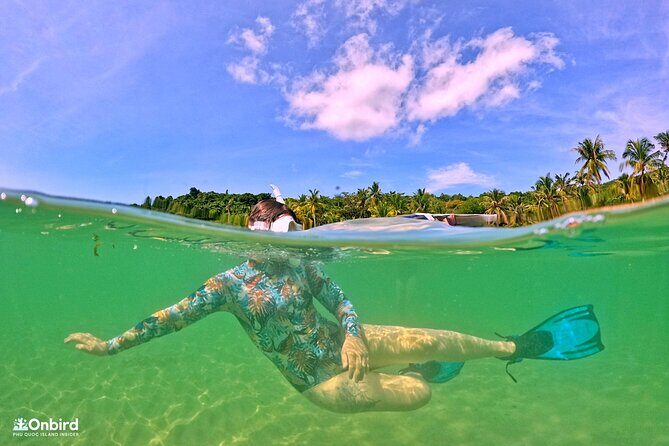
I also like the small group size. With a maximum of 12 adults, your snorkeling experience tends to feel more controlled: less chaos at gear-up, more time for safety checks, and more attention from the instructors in the water.
You can also read our reviews of more snorkeling tours in Phu Quoc
Getting to An Thoi and settling in before you snorkel
The day starts with pickup by A/C van from central areas like Duong Dong, Bai Truong, and the An Thoi area. If you’re closer to the main pickup zone, that part is straightforward. If you’re staying farther out, you’ll want to check the transfer surcharges listed for certain resorts and neighborhoods.
Once you arrive in the An Thoi area, you don’t get rushed straight into the ocean. Stop 1 is a relaxed warm-up spot where you can get your bearings in the water and go over safety with the guides. For me, that’s a big value add. Snorkeling is simple, but it’s not risk-free, and a few minutes of real guidance makes a huge difference once you’re floating and adjusting your mask.
You’ll also get support gear that’s meant to keep everyone comfortable, including safety and floatation support devices. The aim is not to turn you into a professional swimmer. It’s to help you snorkel confidently and stay focused on the reef.
Two hidden coral snorkeling stops planned for clarity and comfort
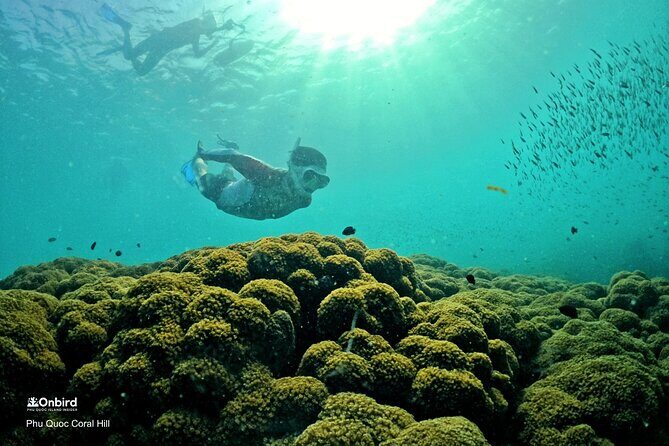
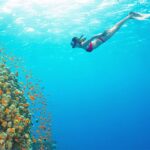
After you’ve had time to settle in, you head out for the main snorkeling portion: about 1.5 to 2 hours per snorkeling window, split across two hidden coral spots chosen based on what the water will allow that day.
The key word here is hidden. The tour is designed to avoid the most crowded routine routes, which often means you spend more time watching fish and corals instead of threading through other groups. In a place like Phu Quoc, that difference is noticeable. Less crowding usually means better underwater viewing and less frantic surface time.
What the instructors actually do in the water
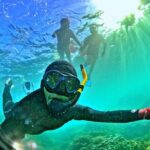
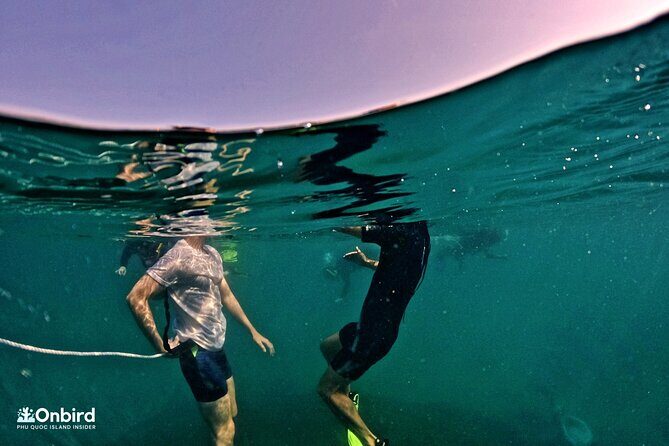
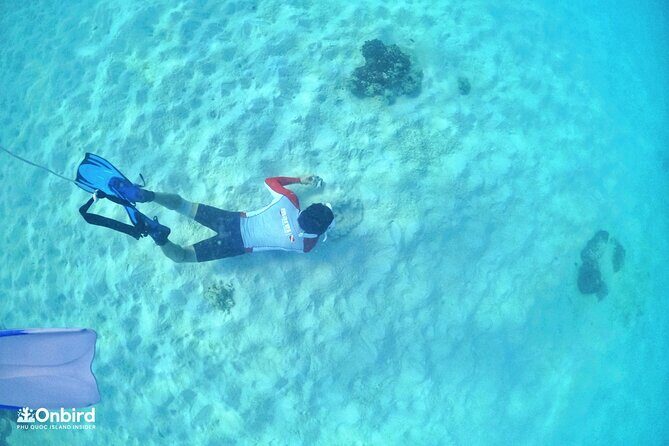
This is not a hands-off drop-in style. You’re accompanied by under-water instructors who act as coral guides while also watching safety. That mix is what makes snorkeling feel more meaningful: they’re not just counting minutes, they’re helping you recognize reef features and marine life while keeping everyone on track.
That becomes even more important when conditions aren’t perfect. If visibility dips or currents pick up, the guide’s ability to adjust your route and pacing can mean the difference between an okay session and a genuinely satisfying one.
Expect the coral spots to change daily
One thing to know up front: the reefs you snorkel are daily selected. The operator also notes that other reef options depend on water conditions. So if you see one reef name online, it may not match your day exactly.
Think of it like this: your trip is optimized for the conditions, not locked into a fixed map that only works in ideal weather.

Reef names you might see: from cactus corals to flowerpot shapes
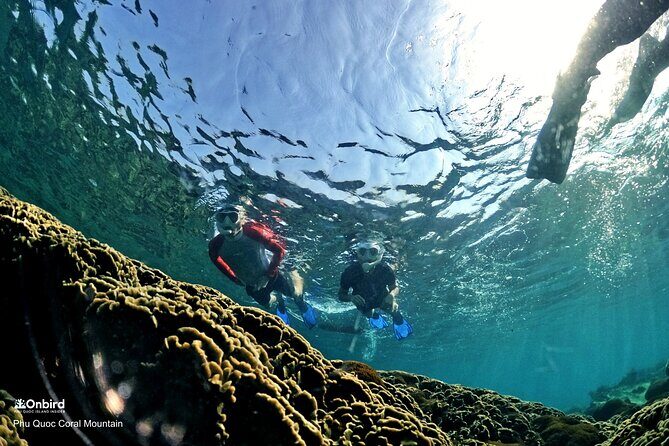
The operator lists several coral zones that fit their crowd-avoiding approach. You may see any of these, depending on conditions and timing:
- Half-moon Reef: described as a coral bay with underwater wall and coral canyon features
- Coral Steep: a pinnacle reef that’s presented as a coral garden
- North-East Coral Reef: noted as one of the more biodiversity-rich coral reefs in South Phu Quoc
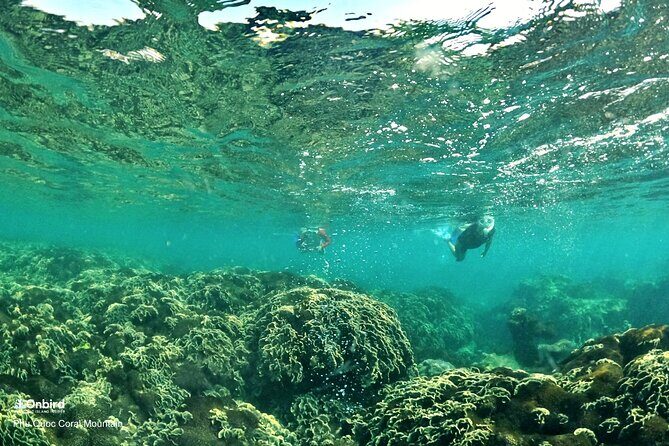
- Coral Mountain: the biggest cactus coral colony in Phu Quoc
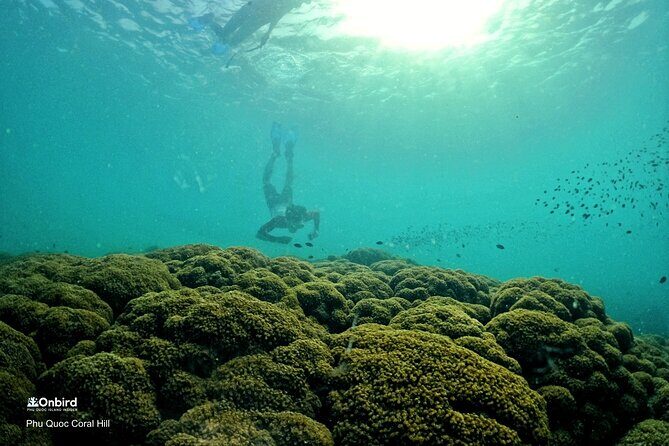
- Coral Hill: the second-largest flowerpot coral colony
- Plus other options that shift based on conditions
If you’re the type who likes specifics, these names help you visualize the structure you’re aiming to see. And reef structure matters. Walls, pinnacles, and canyon-like zones tend to change the fish movement and how the light falls. That’s why their focus on lighting and visibility is not just marketing.
The after-snorkeling island stop: fruit, juice, and less noise
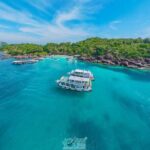
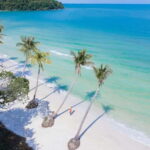
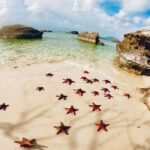
Once the snorkeling is done, you’re not sent back immediately for a rushed rinse-and-go. Stop 4 is after-snorkeling relaxation with fresh fruit and fruit juice on a calmer island setting.
There’s also an environmental angle: they specify no oil-cooked meal, because oil can affect the water and marine life habitat. It’s a small detail that actually makes sense for snorkeling destinations. If the goal is to see living reef, you don’t want the day ending with practices that cloud the water or add unwanted runoff.
For your comfort, this stop is also a smart recovery period. After time in saltwater, your body needs a break from exposure and sun. Fruit and juice are simple, but they help you refuel without turning the day into a long sit-down meal.
Equipment and safety: what’s included, and why it matters
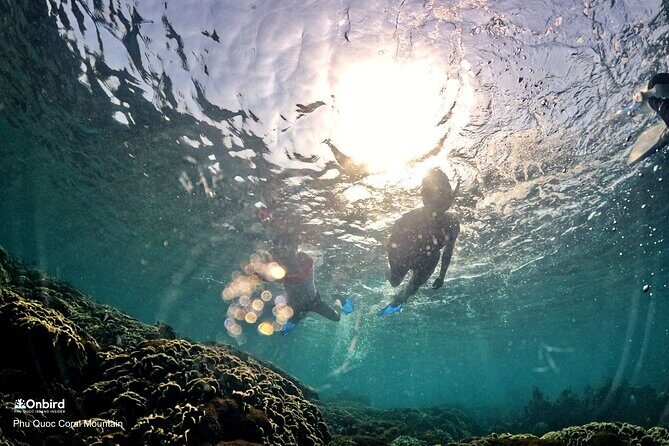
This tour includes high-quality, clean snorkeling gear, with an anti-fog mask, tube, and adjustable fins. The practical benefit is straightforward: foggy masks and uncomfortable fins can ruin a reef viewing session fast.
They also provide the safety side of things: urgent safety support with water-wearable safety items and floatation support devices. That’s especially important if you’re not an experienced snorkeler. Even if you’re comfortable in the water, the reef can be hard to track when you’re thinking about breathing, balance, and staying oriented.
In the experience notes people emphasize, safety is a priority without turning the day into a lecture. You get clear guidance, and the team keeps an eye on how everyone’s doing in real time.
Pickup timing and the 5–6 hour shape of the day
The whole outing is about 5–6 hours. That makes it a good fit if you want one real snorkeling session without losing your entire day.
Because the tour adapts to conditions, the timing is planned to avoid wasting the whole afternoon or morning. The operator chooses whether your trip happens in the morning or afternoon based on the variables that affect visibility and comfort.
So if your schedule is tight, you’ll feel less stressed. You’re not waiting around with no plan. You’re following a day built around when the sea is most likely to cooperate.
Price at $53.90: what you’re really paying for
At $53.90 per person, the big question is whether this is “cheap” or “good value.”
Here’s how I’d judge the price for you:
- You’re paying for a small group cap (max 12) rather than a big crowd setup.
- You’re paying for scientific planning around waves, currents, visibility, and lighting, which is the difference between a good reef day and a frustrating one.
- You’re paying for in-water instructors and organized snorkeling stops (including two hidden coral spots).
- You’re getting gear included plus safety equipment, fruit, and juice.
That stack of inclusions is what makes this price feel reasonable. If you find a cheaper option that doesn’t track conditions and doesn’t provide serious in-water guidance, you can end up paying the real cost in frustration, bad visibility time, or feeling unsupported.
Also, note the fine print: there are transfer surcharges for certain resort areas, and holiday surcharges may apply on public holidays. If you’re staying in one of the listed higher-surcharge areas, that can change your total cost more than the base tour price.
Who should book this, and who might want a different style
This tour fits best if you:
- Want snorkeling that prioritizes reef viewing quality, not just getting wet
- Prefer a smaller group with more instructor attention
- Like structure and safety guidance
- Care about reef impact, since they specifically avoid an oil-cooked meal after snorkeling
It may not be ideal if you:
- Want a fixed itinerary where the exact reef names never change
- Are the type who doesn’t like weather-dependent adjustments (because this trip requires good conditions and works around what’s safe and visible)
Should you book OnBird’s Hidden Coral Reefs snorkeling trip?
If your priority is coral viewing with less crowd pressure, I think this is an easy yes. The strongest selling points are the combination of small-group size, condition-based timing, and real in-water instruction tied to reef knowledge.
The one thing to accept mentally is that the tour adapts. Reef spots can shift based on wave, current, visibility, and light. If you can roll with that, you’re likely to get a better day than someone who expects the same underwater scenes regardless of the sea state.
If you’re trying to choose between a simple snorkel joiner and a planned, safety-forward outing, this one leans toward the planned side for a reason.
FAQ
How many people are in the group?
The tour has a maximum of 12 travelers.
How long does the tour last, and how long is snorkeling?
The total experience is about 5–6 hours. Snorkeling is planned for roughly 1.5–2 hours across two hidden coral spots.
Where do you get picked up and dropped off?
Pickup and drop-off are offered by A/C van in the Duong Dong center, Bai Truong, and the An Thoi area.
What snorkeling gear and safety items are included?
You get high-quality snorkeling gear, including an anti-fog mask, tube, and adjustable fins. The tour also includes safety support devices and water-wearable safety support, plus urgent safety assistance.
How do they choose the time of day and the coral spots?
They track conditions like wave level and direction, water current, underwater visibility, and lighting effects. Based on that, they choose a morning or afternoon timeframe and select snorkeling locations that fit the day.
What coral reefs might we snorkel?
They may snorkel areas such as Half-moon Reef, Coral Steep, North-East Coral Reef, Coral Mountain, and Coral Hill. The specific spots are selected daily based on water conditions.
What happens after snorkeling, and what food is provided?
After snorkeling, you’ll relax with fresh fruit and fruit juice on a peaceful island setting. The tour specifies no oil-cooked meal to help avoid pollution in the South Phu Quoc marine habitat.
Are there age limits, health limits, or rules about alcohol?
The tour states most travelers can participate, and children from 10–14 years old and 155 cm tall and above use adult pricing. People with certain chronic conditions that could be affected by vigorous activity are asked to check with the operator. If you’ve consumed alcohol drinks before the trip, you may be refused entry and there is no refund.
What if weather is too rough to run the trip?
The experience requires good weather. If it’s canceled due to poor weather, you’ll be offered a different date or a full refund.