REVIEW · PHU QUOC
Phu Quoc: Bittersweet Chocolate Factory Tour & Workshop
Book on GetYourGuide →Operated by Bittersweet Chocolate Factory · Bookable on GetYourGuide
Chocolate starts with cacao pods. At Bittersweet Chocolate Factory in Phu Quoc, you stroll through the cacao garden and learn how beans turn into chocolate. I love the bean-to-bar factory steps you can see in action, and I love that you hand-make a 10-piece chocolate box (plus hot cacao). One thing to consider: it is a short 2-hour experience, so the technical explanation can feel fast if you want heavy detail.
If you like friendly, clear guidance, this is a good bet. The tour runs with Vietnamese and English instruction, and one guide named Teebi is specifically called out for being helpful and explaining well. At about $21 per person, it offers a lot of hands-on time plus tastings and take-home chocolate—so it tends to feel like value, not just a quick photo stop.
In This Review
- Key things that make this tour worth your time
- Entering Bittersweet: a garden-first chocolate start in Phu Quoc
- The cacao garden walk: learning what you’re eating
- Bean-to-bar factory tour: roasting, grinding, tempering, molding
- The roasting workshop and your hot cacao moment
- Handcrafting chocolate: molding your 10-piece box
- Tasting session: signature chocolates and aged cacao liqueur
- What you take home: box, certificate, and that maker feeling
- Value check: why $21 can feel fair (and when it might not)
- Who should book this, and who might skip it
- Should you book Bittersweet Chocolate Factory?
- FAQ
- How long is the Bittersweet Chocolate Factory tour and workshop?
- Is the workshop suitable for all ages?
- What will I make during the workshop?
- What language do the instructors speak?
- What’s included in the package price?
- Where do I meet for the tour?
Key things that make this tour worth your time
- Cacao garden walk with pods you can see up close and a story that traces cacao’s journey to Phu Quoc
- Bean-to-bar factory viewing across roasting, grinding, tempering, and molding steps
- Hot cacao workshop moment where you make and enjoy your own cup in the roasting area
- Hand-molded chocolate box (10 pieces) plus chocolate-making certificate and souvenir photo
- Optional all-inclusive tastings such as 8 signature chocolates and in-house aged cacao liqueur
Entering Bittersweet: a garden-first chocolate start in Phu Quoc
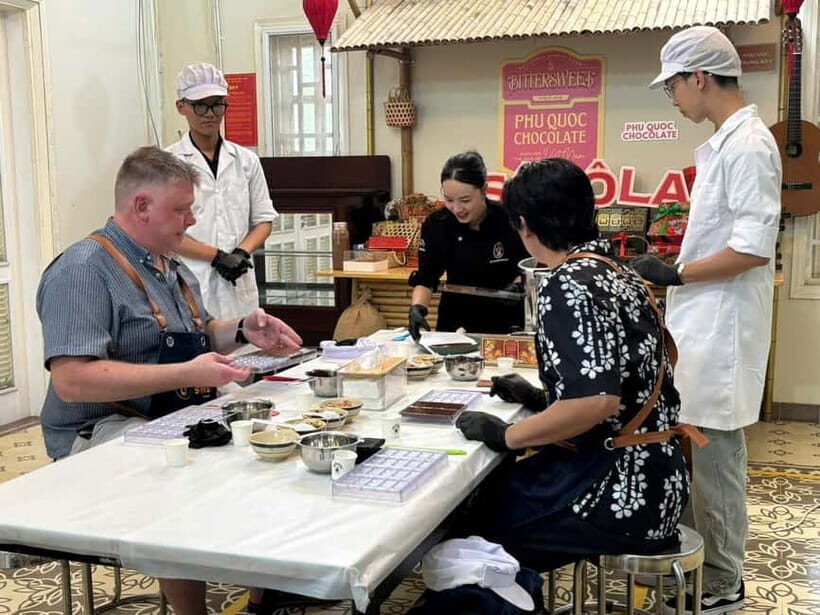
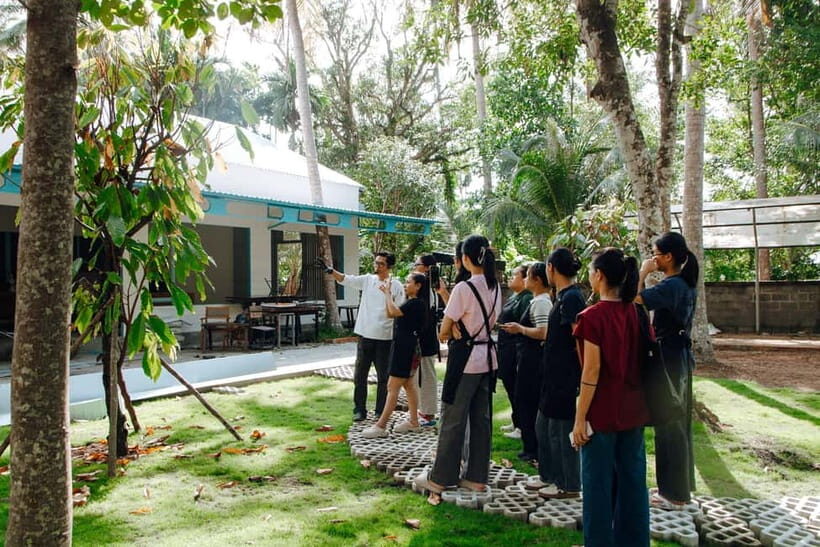
This tour starts the way good chocolate should: with cacao, not just candy. You begin at Bittersweet Chocolate Factory in Kien Giang province, and the first part is a guided stroll through lush cacao grounds where colorful pods hang under the foliage. It is a nice reset from beach days, and it helps you understand what you are about to taste.
I like that the welcome includes a quick intro to the history of cacao on the island. The explanation doesn’t stop at facts—it connects the island story to where cacao came from, including the journey from South America to Phu Quoc. That context matters because it makes the whole process feel less like a gimmick and more like a craft.
You should also know this is hands-on from the start. Even before the factory floor, you are moving, looking, listening, and preparing for what you will make later. If you prefer calm, sit-down sightseeing only, this might feel a bit active. If you like doing instead of just watching, you will probably have a great time.
You can also read our reviews of more tours and experiences in Phu Quoc.



The cacao garden walk: learning what you’re eating
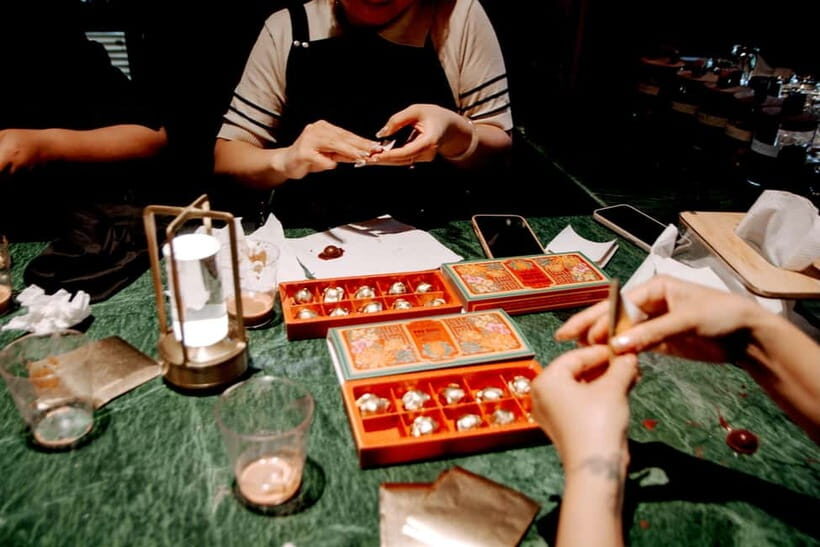
The garden portion is where the tour earns its keep. You get to see cacao pods and learn about cacao cultivation, which is the foundation for everything that follows—roasting choices, flavor profiles, and how chocolate tastes. This matters because cacao is not one single flavor. It is a crop with different beans, and your tasting later makes more sense when you understand the plant first.
The tour also connects the cultivation story to the broader chocolate timeline. They trace how cacao moved and took root on the island, so you are not just looking at plants—you are following a chain of cause and effect. That makes the later bean-to-bar steps feel logical instead of random machinery.
One practical tip: wear comfortable clothing for the garden part. The tour is structured for movement, and you will want to be able to walk easily, look around, and switch spaces between garden and workshop without feeling stuck.
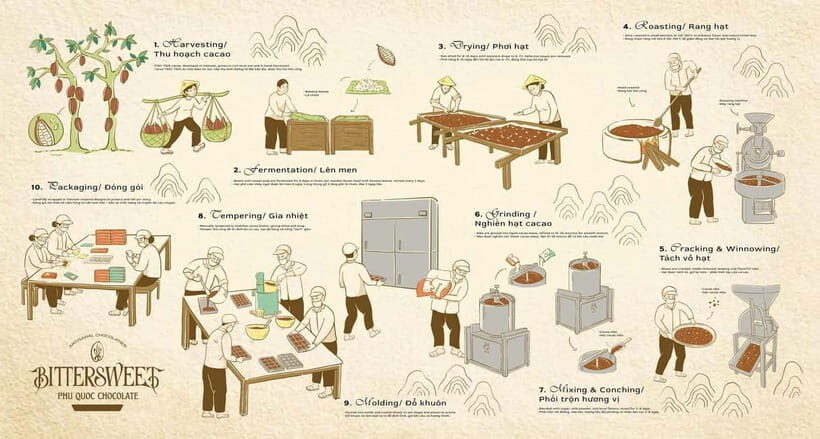
Bean-to-bar factory tour: roasting, grinding, tempering, molding
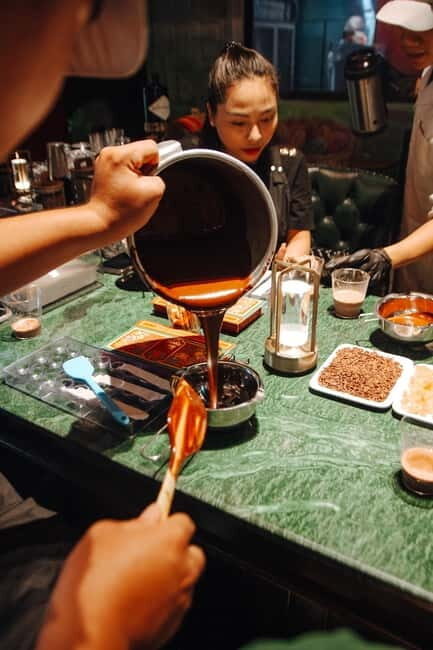
After the garden, you tour two modern factory areas. This is the real “how it’s made” section, and it is where the experience separates itself from a typical chocolate tasting room.
Here’s what you can expect to see:
- Roasting of cacao beans (the step that begins flavor development)
- Grinding into cacao mass and observing how texture changes
- Tempering so chocolate sets properly and tastes right
- Molding where shapes become finished pieces
The tour highlights that Phu Quoc has a bean-to-bar process only found here within the island context. Whether you care about the label or not, the process viewing is the point: you get a front-row look at the transformation from raw beans to finished chocolate.
I appreciate that the visit includes tasting different types of cacao beans as part of the process. Even if you are not a chocolate nerd, it helps you notice the differences early. Then when you try finished chocolates later, your brain connects the dots faster.
One consideration: the time is limited. This is not a full-day factory course, so if you want slow, deep technical storytelling, you may wish you had more time inside each step. Still, for most people, seeing the full sequence—roasting through molding—is the key win.
The roasting workshop and your hot cacao moment
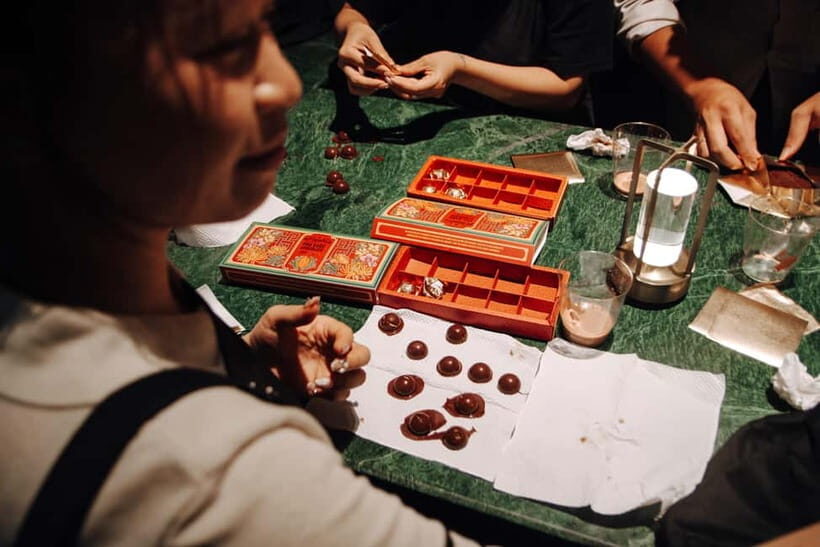
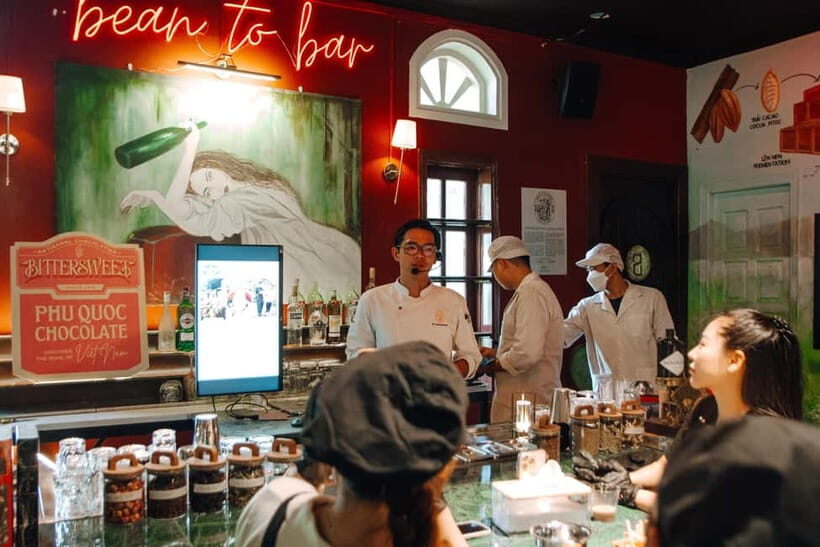
Next comes the cozy part: making hot cacao. You go to the roasting corner and craft your own cup, then enjoy it in the workshop atmosphere.
This is a small moment in the schedule, but it tends to land well because it gives you something warm, immediate, and sensory right after the more production-focused factory viewing. It is also a good “pause” that keeps the tour from feeling like nonstop observation.
If you are traveling with different ages, this tends to work because it is easy to participate in and doesn’t require technical skills. You are making something simple, learning a bit, tasting right away, and moving on to the next activity. That rhythm is a big part of why the experience works.
Handcrafting chocolate: molding your 10-piece box
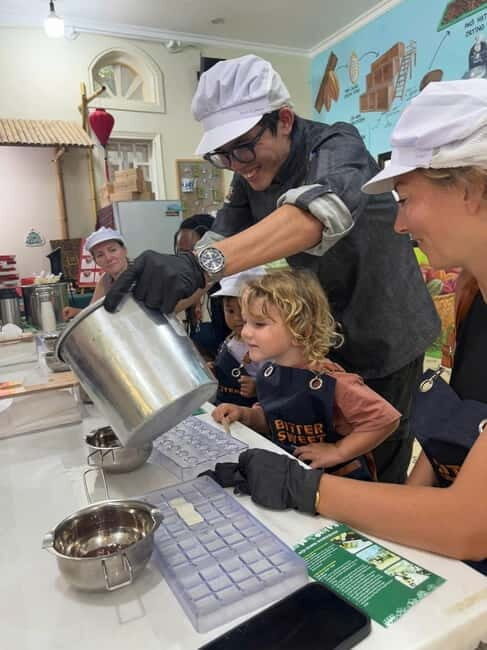
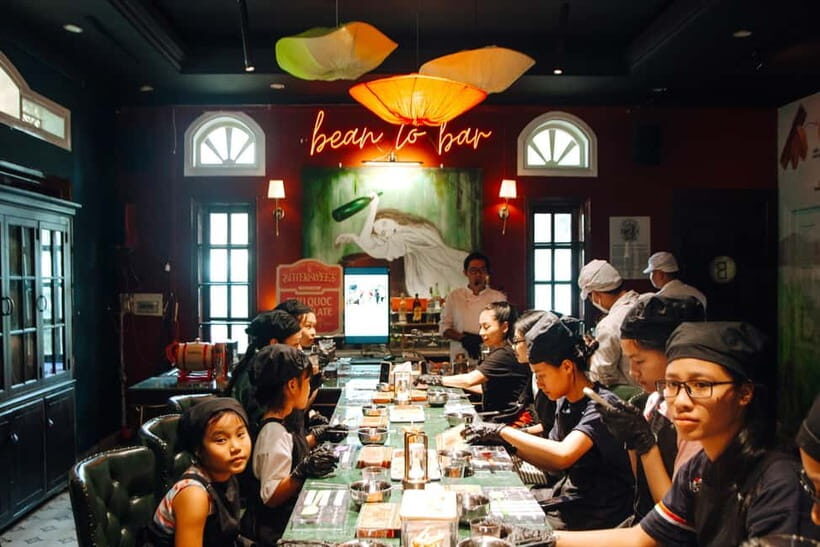
Now for the part you will likely remember most: hands-on molding. You create chocolate by hand using fun molds and then build your own 10-piece chocolate box to take home.
This step is where creativity meets craft. The workshop setup is built for participation, so even if you are not artistic, you still end up with something satisfying. The process also gives you a real appreciation for why tempering matters—because the final result depends on how the chocolate sets and holds shape.
This is also where I’d manage expectations. You are not just stamping out pre-made chocolates. You are involved in the making, and you walk away with edible proof that you participated. That’s why the take-home box is so valuable: it’s both a souvenir and a small edible memory of Phu Quoc.
A practical heads-up: if the room feels busy at peak times, it can feel cramped during the molding stage. That does not usually ruin the experience, but it can change how comfortable you feel while working. If you get easily overwhelmed in tight group spaces, consider going in off-peak hours when possible.
You can also read our reviews of more tours and experiences in Phu Quoc
Tasting session: signature chocolates and aged cacao liqueur
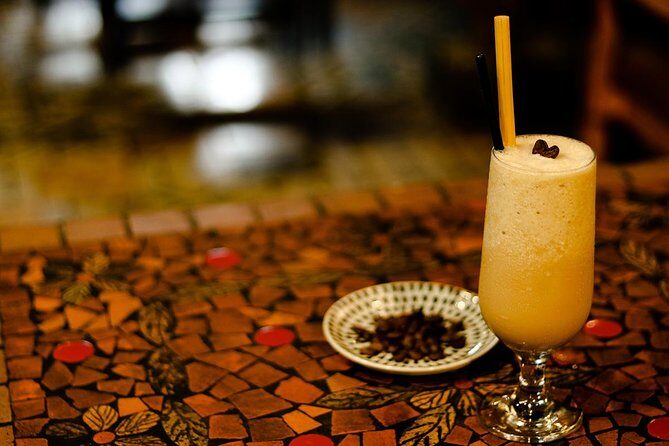
Chocolate isn’t just for showing here—it is for tasting. You sample a variety of chocolates made in the workshop, and there is also an option to include additional tastings.
If you choose the all-inclusive package, you can taste 8 signature chocolates from the workshop. That is a solid range for a 2-hour experience, and it helps you compare flavors rather than just trying one or two pieces and calling it done.
Also, the all-inclusive package can include 2 types of in-house aged cacao liqueur. If you enjoy adult tastings, this is the extra “why this tour is more than chocolate classroom” component. If you do not drink alcohol, keep an eye on what option you select so the included tastings match your preferences.
I like that the tasting is tied to what you learn. You see steps like roasting and tempering, then you taste what those choices can produce. That makes the tasting more useful than free candy sampling.
What you take home: box, certificate, and that maker feeling
This tour makes a big effort to give you tangible souvenirs that feel earned, not just handed over. You receive:
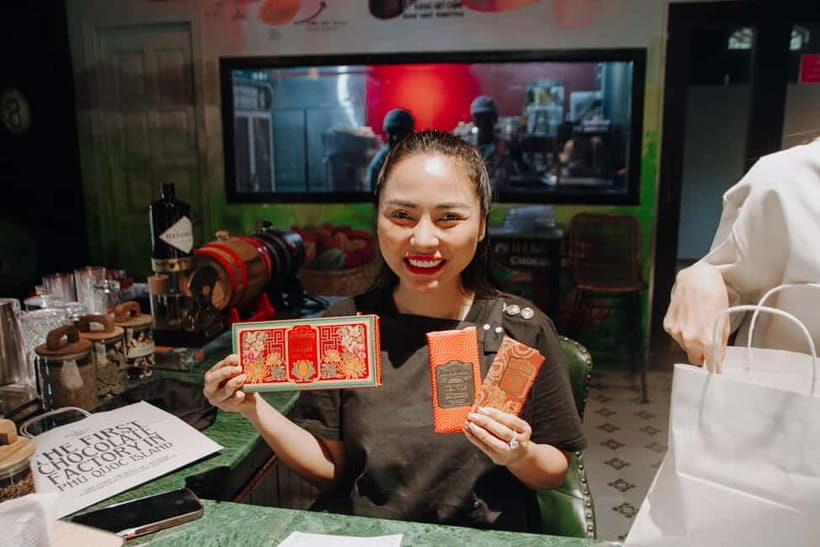
- Your 10-piece chocolate box made during the workshop
- A souvenir photo
- A Chocolate Maker certificate
There is also an emphasis on bringing home the chocolates you made yourself, which is what turns the whole visit from an hour-long stop into a real memory. In practical terms, it is also easier to share with friends back home than a story alone.
The certificate is small, but it adds to that maker pride feeling. One of the best travel joys is doing something you can’t easily replicate at home. Your box and certificate are your proof.
If you’re planning to travel immediately after, plan for how you will carry chocolate so it arrives in good condition. The tour gives you take-home items, but your storage and handling once you leave is still on you.
Value check: why $21 can feel fair (and when it might not)
At around $21 per person for a 2-hour experience, the value is mainly in the combination:
- Garden learning
- Factory process viewing across multiple production steps
- Making hot cacao
- Hand-molding chocolate
- Take-home box, photo, and certificate
- Tasting several chocolates
That blend is why it often feels worth it. A pure tasting tour usually charges for samples only. A pure workshop sometimes charges for making only. This one groups both, and you do more than just watch from the side.
The main situation where you might feel disappointed is if you came specifically for long technical process explanations. The schedule is tight. Also, timing matters. When a tour runs late or has to pause for late arrivals, your “how much I saw” can shrink.
So my advice is simple: show up on time, and go with the right mindset. Treat it like a hands-on intro to bean-to-bar and cacao craft, not a full factory engineering course.
Who should book this, and who might skip it
This tour is a strong match if you:
- Want a break from beach-only days
- Like hands-on activities you can do with family
- Enjoy learning where food comes from, not just buying it
- Appreciate seeing processes like roasting, grinding, tempering, and molding
It may be less satisfying if you:
- Want a lot of deep, slow explanation of each production step
- Dislike busy, close workshop spaces
- Prefer long experiences where every stage gets extended attention
If you are traveling with kids, this is generally the kind of activity that keeps attention because you end up with something you made yourself. If you are traveling solo, it is still rewarding because you get both education and a tasting-to-take-home reward.
Also, if you care about guide style, look for clear English/Vietnamese instruction. One guide named Teebi is mentioned as friendly and well-explaining, which is a good sign for people who like a guided narrative instead of a silent demo.
Should you book Bittersweet Chocolate Factory?
Yes, if you want a compact, fun, and practical introduction to chocolate-making in Phu Quoc. The garden-to-factory flow gives you context, and the hands-on hot cacao and molding make it more than a viewing experience. The take-home 10-piece box, photo, and maker certificate turn it into something you can actually bring back.
Book it with realistic expectations: it is about 2 hours, so it is focused, not slow and technical. Arrive a bit early, wear comfortable clothes, and come ready to participate.
If you’re already shopping for experiences in Phu Quoc and want one that feels different from the usual tours, this is a very solid choice—especially if you like your food stories with actions attached.
FAQ
How long is the Bittersweet Chocolate Factory tour and workshop?
The experience lasts about 2 hours.
Is the workshop suitable for all ages?
Yes. It is described as suitable for all ages, and it is a hands-on experience.
What will I make during the workshop?
You’ll handcraft chocolate and you also make and enjoy your own hot cacao at the roasting corner. You create a 10-piece chocolate box to take home.
What language do the instructors speak?
The instructor guides in Vietnamese and English.
What’s included in the package price?
The tour includes a guided visit, learning about the bean-to-bar process, tasting chocolates, making hot cacao, watching chocolate processing steps, creating a 10-piece chocolate box, and receiving a souvenir photo plus a Chocolate Maker certificate. Additional tasting items like 8 signature chocolates and aged cacao liqueur are part of an all-inclusive package option.
Where do I meet for the tour?
You meet at Bittersweet Chocolatier/Bittersweet Chocolate Factory. From Duong Dong center, head south via Tran Hung Dao Street, turn into Cau Ba Phong alley, and follow the Bittersweet Chocolatier sign. From Phu Quoc Airport it’s about 10 minutes by taxi or motorbike. There’s small parking in front of the workshop.