REVIEW · HO CHI MINH CITY
Saigon Street Photography Experience
Book on Viator →Operated by Secret Experiences · Bookable on Viator
Street photos start before breakfast.
This Ho Chi Minh City photo walk is built for real street scenes, not postcard stops, and I like how it mixes practical coaching with hands-on location time. Two standout pluses for me are the small group size (max 10) and the chance to photograph local life in places you’d likely skip on your own, including French colonial and war-era apartment buildings and a local hardware market. One possible drawback: it runs outdoors in the morning and depends on good weather, so you may need flexibility if conditions aren’t right.
You’ll be hosted by either Frederik Wissink or Kevin Lee, and that matters. Frederik is Canadian-born and has lived in Vietnam for 17 years, with commercial and press work for major brands and outlets, while Kevin brings years of commercial production experience plus street-photography meetup hosting (including in Singapore). The result is a street walk that feels guided, but still gives you space to experiment.
You start with coffee or tea, then learn how to make stronger frames through angles, exposure, and light, plus how to approach people respectfully. Over about 2 hours 30 minutes, you’ll get historic context about Saigon downtown and architecture while walking through alley networks and everyday spaces, finishing back near the meeting point. You can shoot with a camera or a phone, and the session is designed for any level—from first-time photographers to people who already know their way around manual settings.
In This Review
- Key things that make this Saigon street photo walk work
- Meeting at Cafe Linh77 and why 7:00 am pays off
- Frederik Wissink and Kevin Lee: what their backgrounds add to your photos
- Coffee-to-camera: the street photography tips you’ll actually use
- French-colonial and war-era apartment buildings: architecture as a living photo story
- A local hardware market and daily alley life you might miss alone
- A Buddhist temple stop: making room for respectful photography
- Walking time, group size, and who this Saigon photo walk suits
- Price and value: is $73 worth it for a pro-led street session?
- Should you book this Saigon street photography experience?
- FAQ
- FAQ
- How long is the Saigon street photography experience?
- Where is the meeting point and what time does it start?
- Who hosts this photo walk in Ho Chi Minh City?
- How big is the group?
- What kind of photography tips will I get?
- Is this suitable for beginners or only for experienced photographers?
- What happens if the weather is bad or I need to cancel?
Key things that make this Saigon street photo walk work
- Small group coaching (max 10): more feedback time, less waiting around.
- Pro-led guidance from Frederik Wissink or Kevin Lee: tips come from serious real-world work.
- Hidden, non-touristy locations: including apartment-building interiors and local markets.
- Historic architecture context: French colonial and war-era buildings aren’t just backdrops.
- Street approach advice: learn how to talk to people and create candid frames.
- It fits beginners and phone shooters: one visitor even focused on an iPhone.
Meeting at Cafe Linh77 and why 7:00 am pays off
You meet at Cafe Linh77 Hàm Nghi in District 1 at 7:00 am. The early start isn’t just a schedule quirk—it’s when you can work on street rhythm with fewer crowds and a calmer flow of pedestrians and bikes, which helps you line up shots without constantly fighting for space.
The whole experience is about 2 hours 30 minutes, and it ends back at the same meeting point. I like the “loop back” structure because you’re not guessing where you’ll end up in a maze of streets after your final photo.
You’ll also get a mobile ticket, so you can keep it simple on your phone. And because the meeting point is near public transportation, you’re not locked into taxi timing if you’re coming from another part of the city.
You can also read our reviews of more photography tours in Ho Chi Minh City


Frederik Wissink and Kevin Lee: what their backgrounds add to your photos
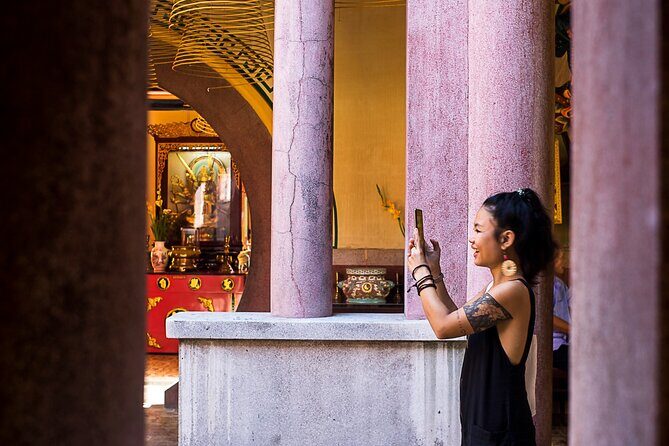
Frederik Wissink isn’t a “sightseeing guide with a camera.” His background is commercial and editorial, including work for hotel groups like Accor, Hyatt, and Four Seasons, and corporate clients like Google and Samsung. His press work has included major outlets, and his photos have been published on magazine covers—so you can expect a professional approach to both aesthetics and technique.
Kevin Lee is the other half of the team, and he’s known for taking on the producer role for photography projects while specializing in commercial clients. He also has experience hosting street photography meetups and walks in Singapore, which shows in how he talks about street shooting as a repeatable skill rather than a lucky accident.
Either host can guide you, and the important part for you is that their feedback is practical: angles, light, exposure, and composition. You’re not just told what to photograph—you learn how to make it work when the moment changes fast.
On some sessions, different guides have been mentioned in participant notes, like Trung. The consistent theme stays the same: guided access to local scenes plus focused instruction on getting better frames.
Coffee-to-camera: the street photography tips you’ll actually use
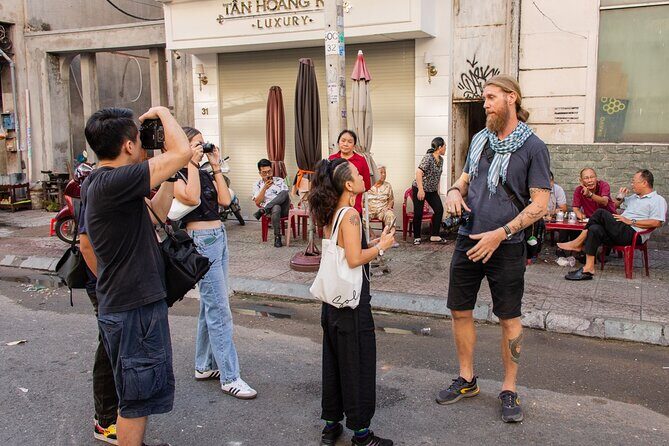
The tour starts with a cup of coffee or tea. That small ritual is useful because it sets the tone: you’re not rushing into alleys with your camera already out like a tourist with a checklist. It also gives time for quick setup coaching before you begin shooting.
From the way the instruction is described, the core lesson is simple: make deliberate choices with angles and light. You’ll get suggestions on what to look for as you walk, how to compose in tight spaces, and how to shift your view so your pictures don’t all look like the same flat viewpoint.
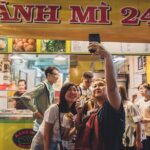
One of the most valuable bits is the emphasis on approaching people and creating respectful interaction. Street photos improve fast when you’re comfortable talking briefly, asking permission when needed, and letting people stay people rather than turning them into props. You’ll also hear guidance on candid moments—how to capture that “real life” feeling without forcing it.
If you’re shooting with a phone, you’re not stuck. One participant specifically called out learning about what they could do with an iPhone camera, reinforcing that this isn’t limited to people using interchangeable-lens gear. The aim is your choices, not your equipment.
French-colonial and war-era apartment buildings: architecture as a living photo story
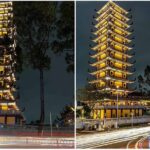
One of the standout stops is around French colonial and war-era apartment buildings. Buildings like these can look like background clutter—unless someone points out what to frame and how to use the structure. Here, you’ll get historic facts about Saigon downtown and architectural details, so your photos connect the street scene to the city’s story.
Apartment buildings also give you a different kind of street photography: not only the street in front of the building, but the layered life around it. In participant notes, people mention photographing unique spots inside apartment buildings, which is exactly what makes this kind of tour feel different from a generic photo walk.
What you should watch for as you shoot: lines, shadows, windows, and the “between spaces” where people pause. With a guided session, you can try angles you might avoid on your own—higher viewpoints, close-crop perspectives, or framing that includes both the building and the human moment.
The practical upside is timing. Because you’re walking from location to location without long gaps, you can keep experimenting while the light stays similar. The drawback to keep in mind is that building-heavy areas can mean more visual clutter—so listen when the guide narrows down what matters in the frame.
A local hardware market and daily alley life you might miss alone
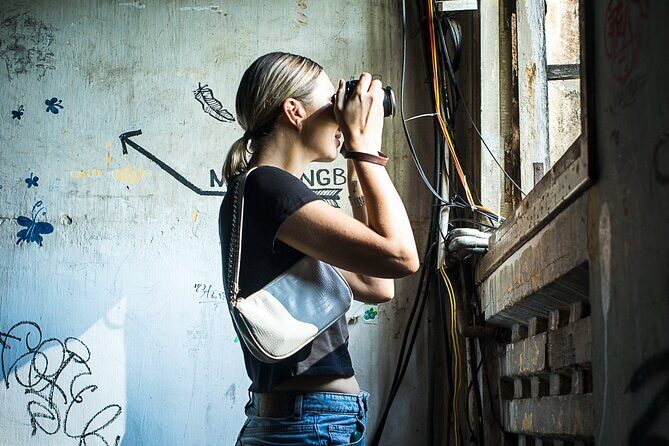
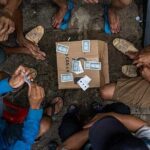
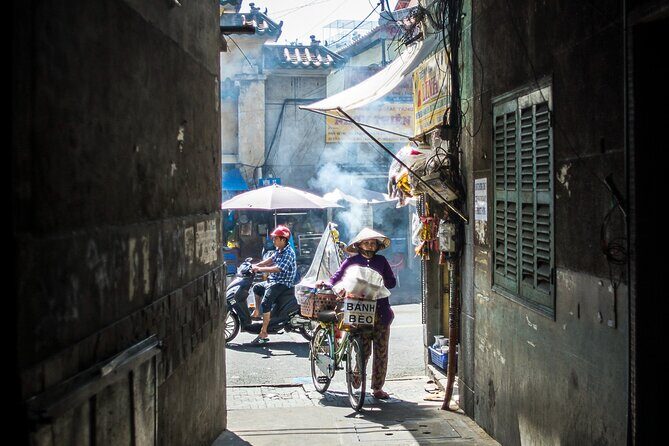
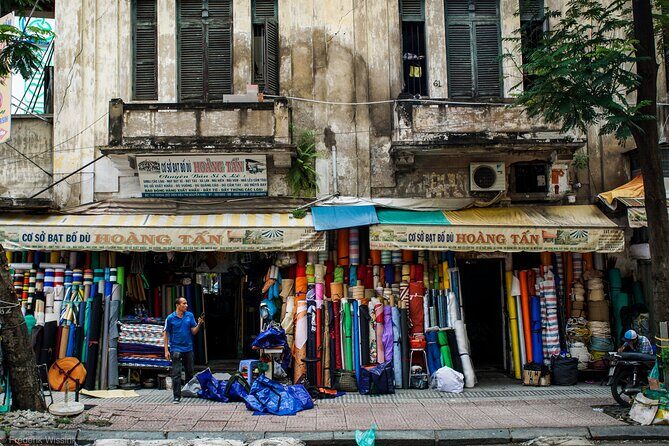
Another stop is a local hardware market, paired with time in residential alley networks. If you want Saigon photos that feel like you discovered something, this is where you get it. Markets and alleyways show daily routines—movement, conversations, objects in use—so your images become about real scenes, not just architecture.
I like that the walk is designed to show how Vietnamese families live inside a network of tight streets. That kind of geography is hard to decode if you’re flying solo, because you don’t know which alleys are active, which corners have the right light, or where the best small moments happen.
The guide coaching on how to approach people matters here. Markets and neighborhood lanes are where you’ll naturally want to photograph faces, hands, and interactions. With instruction, you learn to do it in a way that feels natural and respectful—more “small conversation + quick photo” than “sudden camera ambush.”
If you’re picky about logistics like walking distance, here’s a useful tip pulled from participant experiences: the stops aren’t scattered far apart, and the walking load is manageable. Doing the tour on a weekend can also make it easier to get clean shots because traffic congestion is often less intense.



A Buddhist temple stop: making room for respectful photography
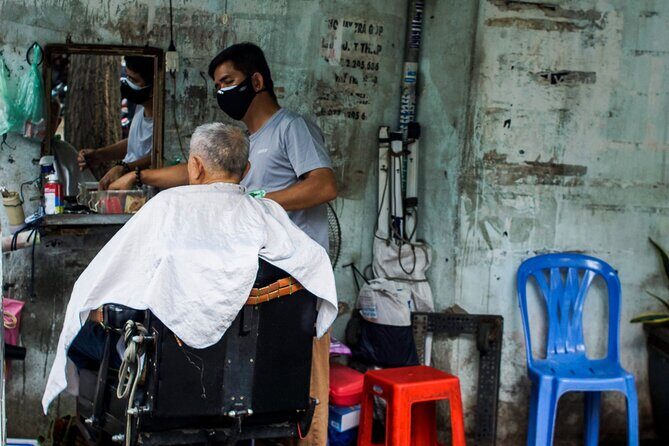
The route includes a beautiful Buddhist temple, which changes the mood and your approach instantly. Temple photography requires a different pace: less “hunt for frames,” more “watch, wait, and choose.”
I think this kind of stop is valuable because it trains you to photograph with restraint. You’re practicing the same technical skills—composition, light, and angle—but applying them in a setting where people may be focused on prayer, quiet moments, or daily worship. The result is better street photos overall, even outside temple walls, because you’re learning sensitivity and timing.
You also get more context about Saigon’s downtown, architecture, and cultural texture through these stops. That’s what turns random scenes into something you can explain after the fact, even if you’re only sharing a handful of images.
The only real consideration is that temple environments can involve rules about cameras or behavior. The tour format helps because you’re not guessing—you’re with a guide who knows how to move through these spaces appropriately.
Walking time, group size, and who this Saigon photo walk suits

This is built for a small group: up to 10 travelers. That matters because street photography is interactive. You’ll do better when the guide can spot what you’re missing and give quick corrections instead of speaking to a crowd that can’t all be helped at once.
The session is suitable for aspiring and professional photographers at any level. If you’re a beginner, you get a clear path: what to look for, how to experiment, and how to make the camera or phone do more than point-and-shoot. If you’re more advanced, the focus on angles, exposure, and light gives you something to test on the spot rather than just hear as theory.
Because it’s a walk, it’s best if you’re comfortable standing and moving for about 2.5 hours. You don’t need to be an athlete, but it’s not a sit-down class. One more practical note: it’s scheduled in the morning at 7:00 am, so it’s a good match for people who like a structured start to the day.
As for what kind of traveler benefits most, it’s ideal for:
- People who want authentic Saigon neighborhoods without a bus tour feel
- Anyone who wants a guide to teach shooting decisions, not just locations
- Photographers who like candid moments and street interaction
Price and value: is $73 worth it for a pro-led street session?
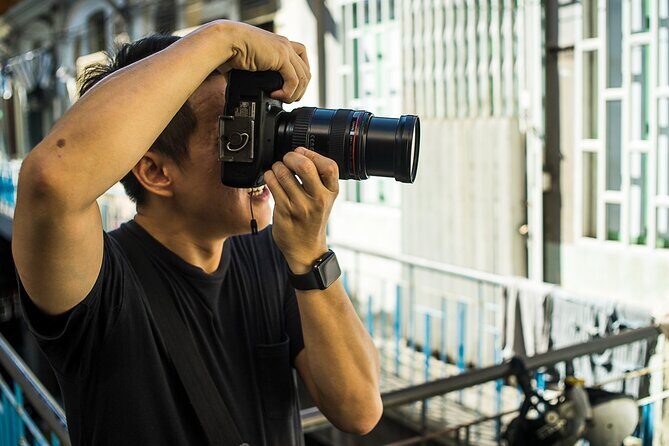
At $73 per person for about 2 hours 30 minutes, the price makes sense if you’re buying two things at once: access and coaching. Access is key here because the walk includes non-touristy locations and even opportunities like unique apartment-building photo spots that you’d probably never find or enter on your own.
Coaching is the other half of the value. Instead of a loose meet-up where you all wander separately, the experience is organized around photo tips—especially the stuff that helps in real street conditions: changing angles quickly, noticing light, and understanding how to approach people.
The small group size strengthens the deal. When you only have up to 10 people, feedback isn’t watered down. And since the hosts include Frederik Wissink and Kevin Lee, you’re getting instruction grounded in real professional work, not generic advice.
If you’re a total beginner, this can be a strong starter because it turns confusion into a repeatable checklist: look for subjects, find better angles, watch exposure, and interact with respect. If you’re already confident, you’ll likely appreciate the chance to test ideas in specific local settings that match the style of street photography.
Should you book this Saigon street photography experience?
Book it if you want street photography skills with real-city context. I’d choose this tour if you care about how to frame candid moments and you like being guided to local places that are hard to locate without a host.
Skip it (or wait for a different day) if you’re not comfortable with an early start at 7:00 am or if your schedule is tight and you can’t handle weather-related changes. Since it requires good weather, it’s smart to plan with a little flexibility.
If you like the idea of mixing technique lessons—angles, exposure, light, and people-approach tips—with historic architecture and neighborhood scenes, this is a strong use of a morning in Ho Chi Minh City.
FAQ
FAQ
How long is the Saigon street photography experience?
It runs for about 2 hours 30 minutes.
Where is the meeting point and what time does it start?
You meet at Cafe Linh77 Hàm Nghi, Phường Nguyễn Thái Bình, Quận 1, Ho Chi Minh City, at 7:00 am. The tour ends back at the meeting point.
Who hosts this photo walk in Ho Chi Minh City?
The experience is hosted either by Frederik Wissink or Kevin Lee.
How big is the group?
The tour has a maximum of 10 travelers.
What kind of photography tips will I get?
You’ll get photo tips on composition and making stronger street photos, including guidance on angles, exposure, light, and how to approach people for candid street moments.
Is this suitable for beginners or only for experienced photographers?
It’s suitable for aspiring and professional photographers of any level. Most travelers can participate.
What happens if the weather is bad or I need to cancel?
The experience requires good weather. If it’s canceled due to poor weather, you’ll be offered a different date or a full refund. You can cancel up to 24 hours in advance for a full refund.