REVIEW · HO CHI MINH CITY
3-Day Mekong Delta Tour including: Cai Rang floating market
Book on Viator →Operated by Viet Nam Adventure Tours JSC · Bookable on Viator
Mekong Delta time, without the stress. This 3-day trip helps you understand daily life in the Lower Mekong through a mix of early-morning boats and land visits. Two things I really like are the small group size (max 15, so you’re not lost in a crowd) and the way the tour adds real texture beyond sightseeing, like time in a local home and practical demonstrations such as rice noodle-making.
My only caution: you start early—especially for Cai Rang at 6:00 AM—and you’ll be on the move a lot across the three days, so plan for a bit of long-day energy.
In This Review
- Key Highlights You’ll Care About
- From Ho Chi Minh City to My Tho: The Mekong River Start That Sets the Tone
- Local Homes, Rice Noodles, and Village Time: Why This Tour Feels More Real
- Cai Rang Floating Market at 6:00 AM: The Moment the Delta Earns Its Reputation
- Birdwatching in an Avian Sanctuary: A Calm Pause You’ll Appreciate Later
- Fish Farms on Floating Houses and the Mekong’s Working Water
- Champa Minority Visit and Towel Weaving Village: Culture With Texture
- Your Guide, Small Group Size, and the Included Meals: Where the Value Comes From
- Timing and Pacing: Early Mornings, Boat Time, and Realistic Expectations
- Who Should Book This Mekong Delta Tour (and Who Might Want a Different Option)
- Should You Book This 3-Day Mekong Delta Tour?
- FAQ
- What’s the duration of the Mekong Delta tour?
- Where does the tour start and end?
- What’s included in the price?
- Is the Cai Rang floating market part of the tour?
- What time is Cai Rang Floating Market scheduled?
- How many people are in the group?
- What kind of accommodation is provided?
- Do I need to tip?
- FAQ
- When can I cancel for a full refund?
- What ticket format do I receive?
- Is the tour language English-friendly?
- Is the tour suitable for most travelers?
Key Highlights You’ll Care About
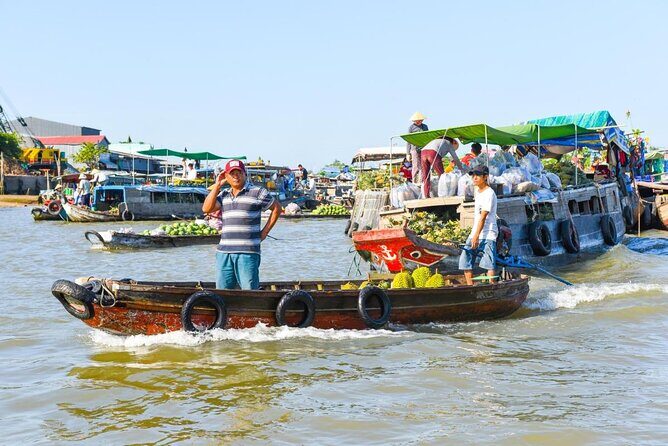
- Cai Rang floating market early: you get there before the day gets too crowded, with time to cruise the canals first
- English-speaking guide: clearer context for what you’re seeing, not just a ride between stops
- Local home + demonstrations: rice noodle-making helps you connect food with everyday work
- Birdwatching in an avian sanctuary: a calmer, nature-focused break from boats and markets
- Fish farms on floating houses: you see how people raise fish where the water is the highway
- Two nights included: you’re not scrambling for hotels or extra transport to make this work
From Ho Chi Minh City to My Tho: The Mekong River Start That Sets the Tone
Day one begins with pickup in Ho Chi Minh City (District 1) and an air-con transfer out toward the Mekong Delta. The drive is part of the appeal: you’re moving through areas lined with green rice fields, and that simple change in scenery helps you get your bearings fast before you ever step onto a boat.
Once you reach My Tho, the day shifts into hands-on Mekong life. This isn’t just look-from-the-water travel. You’ll get time with locals in small village settings and even spend time in a local home. That matters, because the Mekong Delta is one of those places where the scenery is beautiful—but the real story is how people structure work and meals around water and seasonal rhythms.
Practical expectation: day one is long (around 6 hours mentioned for the first major block), so it’s not a “slow morning then tea” kind of day. Comfortable shoes help, and you’ll want water on hand whenever you can grab it.
Admission tickets are included on at least the first day, which is a nice way to avoid the usual add-on costs that creep in when you plan yourself.
You can also read our reviews of more shopping tours in Ho Chi Minh City


Local Homes, Rice Noodles, and Village Time: Why This Tour Feels More Real
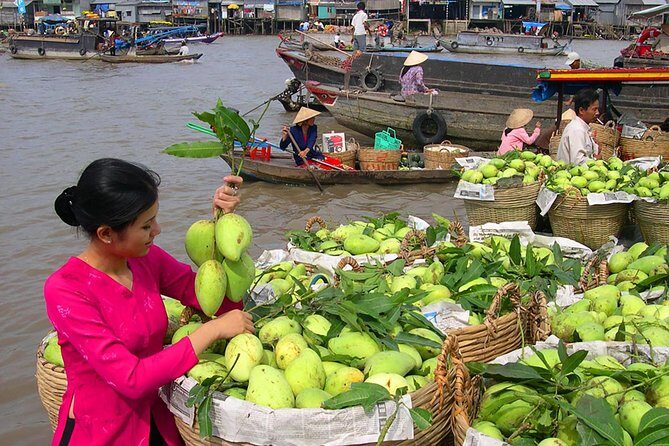
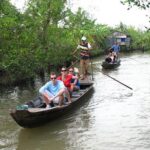
What makes this tour more than a checklist is the mix of boat moments with everyday Delta routines. You’ll see small villages, spend time in a local home, and catch a rice noodle-making demonstration. Even if you’ve seen photos of Vietnamese noodles, the demo is the kind of activity that makes the region click: rice, water, labor, and timing all show up in one practical process.
I like these stops because they do two useful jobs. First, they give context—how food gets made locally. Second, they slow your pace down. After a boat ride or a market, it’s easy for everything to blur. A real demonstration breaks that pattern and gives you something concrete to remember.
You should also expect that these village segments are part of what keeps the group experience personal. With a maximum group size of 15, the guide can explain what’s happening and help you connect dots instead of just moving you along.
If you’re the type who enjoys learning how people live (not just visiting places), this is the sweet spot. And if you’re more “photo-first,” you’ll still enjoy it—you just might find yourself watching longer at the noodle station than you planned.
Cai Rang Floating Market at 6:00 AM: The Moment the Delta Earns Its Reputation
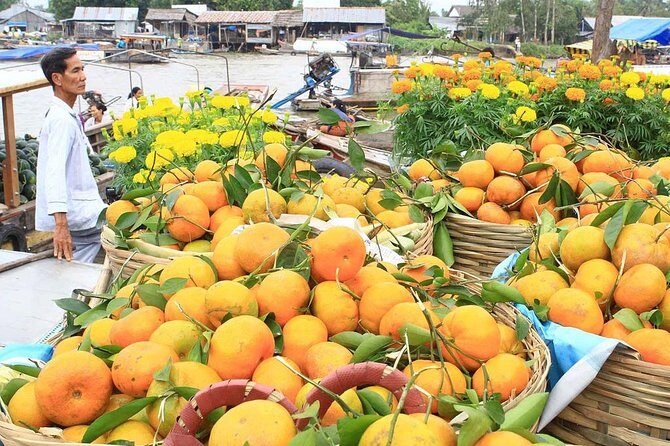
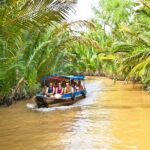
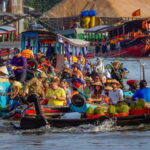
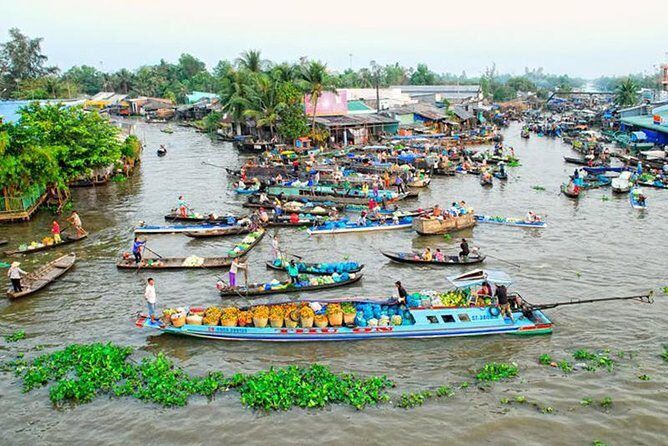
Day two is the big-name highlight: Cai Rang Floating Market. You check out of the hotel and head out at 6:00 AM, then start with a leisurely boat trip through the tributaries of the Lower Mekong River. That cruise isn’t filler. It’s how you understand the layout of the floating world before you arrive at the market itself.
Then comes Cai Rang, described as the biggest floating market in the region. Early timing is the difference between a market you can actually take in and a market that feels like a fast shuffle for photos. Getting there in the morning also changes the vibe: the water traffic is active, but it’s still manageable enough that you can ask questions and look closely.
Here’s the practical reason I’d choose this tour’s approach: you don’t just get dropped off at a market. You arrive with context from the boat portion, and you have the guide to help interpret what you’re seeing—boats arranged for commerce, daily goods flowing through the canals, and the way the market functions as a social and economic hub.
A word on comfort: you’ll be on boats. Even if the day feels warm, plan for morning chill and bring sun protection. Light layers work well.
Admission tickets are included on this day too, so your floating market time stays focused on experience instead of budget math.
Birdwatching in an Avian Sanctuary: A Calm Pause You’ll Appreciate Later
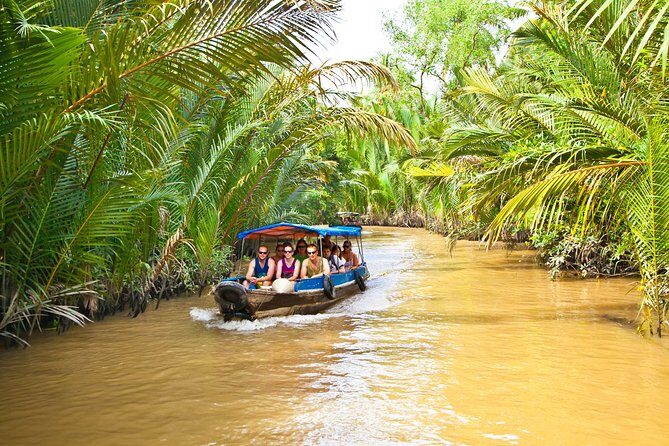
Not every Mekong day has to be market-and-boat intensity. This tour includes birdwatching in an avian sanctuary, which gives you a very different kind of look at the Delta.
This is valuable because it shifts your attention from people and commerce to the ecosystem around them. The Mekong Delta isn’t just a human system; it’s also habitat. Even with limited time, birdwatching can help you notice how waterways and vegetation support wildlife.
I also like this stop for energy management. After early departures and busy market scenes, a quieter nature segment can reset your mood. It’s the kind of activity that makes the whole trip feel balanced instead of exhausting.
What to expect practically: you’ll want patience and a steady pace. Birdwatching usually rewards calm attention more than constant movement. If you’re the kind of traveler who likes switching modes every day, you’ll enjoy this.
Fish Farms on Floating Houses and the Mekong’s Working Water

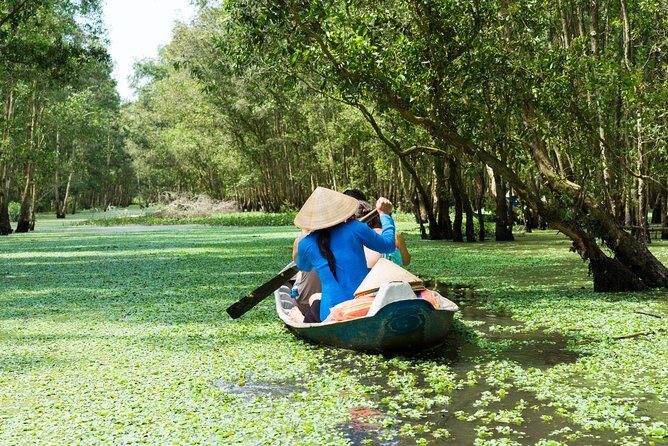
Day three leans into what the Delta is really famous for beyond markets: life built around water as a workspace. After breakfast, you take a motorized boat trip through a floating village. Then you visit a fish farm and see how people raise fish from floating houses.
This is one of the most meaningful parts of the whole experience. When you see fish farming in a water-based setup, it becomes clearer why the Delta runs on canals and floating infrastructure. It’s not a quirky side attraction—it’s real economics, real daily work.
And since the tour is guided, you’re not just staring at floating pens. You get explanations that connect the farming to how communities live with the river system rather than fighting it.
If you care about practical understanding—how things are grown and raised in a place—you’ll likely find this stop one of the most memorable, because it feels grounded rather than staged.
You can also read our reviews of more tours and experiences in Ho Chi Minh City



Champa Minority Visit and Towel Weaving Village: Culture With Texture

The Mekong Delta has more than one story, and this tour includes a visit related to the Champa minorities. The day’s schedule notes a look at their traditions through the visit, which adds cultural depth beyond food and water.
It’s followed by time at a towel weaving village, where you can observe a craft tied to daily life. Craft villages can go either way: some are super commercial, some are genuinely informative. With this tour’s small-group approach and focus on real experiences, you’re more likely to get a sense of how the craft fits into community life rather than feeling like it’s a quick shop stop.
These culture-and-craft segments are also helpful for souvenirs, if that’s your thing. More importantly, they give you a different way to remember the Delta—through technique and tradition, not just boats and stalls.
If you’re short on time in Vietnam and you want your Mekong visit to feel like it “means something,” these stops help make that happen.
Your Guide, Small Group Size, and the Included Meals: Where the Value Comes From
Let’s talk value in plain terms. At $495 per person for a 3-day tour, you’re paying for a package that includes:
- English-speaking tour guide
- Hotel pickup in District 1
- Transfer by air-con Van/Bus
- Two nights of accommodation (either 3-star or 4-5 star options)
- 2 breakfasts and 2 lunches
- Two lunches included (so you’re not hunting for meals every day)
- Admission tickets included on the listed major days
- Mobile ticket
That set-up adds up fast if you price it DIY. Getting from Ho Chi Minh City out to the Delta is the easy part; it’s the combination of guided transport + boat time + organized stops + meals that usually gets expensive when you build it yourself. Here, you’re paying for convenience and for the guide’s ability to make sense of what you’re seeing.
The small-group cap of 15 travelers also affects the experience. You’ll feel the difference in how questions get answered and how often you can pause without holding up a huge crowd. It’s part of why the tour is rated extremely well and recommended by nearly everyone who books it.
One more practical note: the tour ends back at the meeting point. That means you don’t have to plan a second transport puzzle at the end.
Timing and Pacing: Early Mornings, Boat Time, and Realistic Expectations
This trip runs on a practical rhythm: long travel days mixed with short, focused windows at each highlight.
- Day two starts early at 6:00 AM for Cai Rang.
- Day one includes a morning departure from Ho Chi Minh City around 8:00 AM.
- You should expect lots of “go-go-but-guided” movement across three days.
This is great if you want to see a lot without doing the work of planning. But it’s not the best match if you like slow mornings and zero schedule pressure.
Bring simple stuff that makes boat days easier: sun protection, a hat, and something light for breeze. Also, since tips are optional, keep a little cash aside if you feel like rewarding excellent guide work. (No pressure—just prepare if you want to.)
Who Should Book This Mekong Delta Tour (and Who Might Want a Different Option)
You’ll likely love this tour if you want:
- A guided introduction to Mekong Delta life rather than just one market and out
- Early access to Cai Rang without scrambling
- A mix of activities: markets, local homes, noodle-making, birds, fish farms, and craft village time
- Small-group comfort and explanations from an English-speaking guide
You might choose something else if you prefer a totally self-paced trip or if early mornings (6:00 AM and 8:00 AM starts) make you grumpy. Also, if you hate boat rides, this one will test your patience, because boats are central to how you experience the Delta.
One tip if you’re deciding between 2 vs 3 days: this experience is heavily front-loaded, so if you can only spare less time, you still hit major highlights early. The Cairng Rang morning is the anchor moment.
Should You Book This 3-Day Mekong Delta Tour?
I’d say yes if your goal is a well-rounded Mekong Delta overview with real context and included comfort. At $495, you’re not just buying seats—you’re buying organized transport, guided interpretation, two nights of lodging, and multiple hands-on or nature-based stops.
Book it if you want Cai Rang at the right time, plus fish farming and local life that feels more than just photo stops. Skip it if you want a relaxed, slow itinerary or if you’re sensitive to early departures.
If you’re planning your Vietnam trip and you want one Delta experience that covers the big meaningful angles—markets, food making, culture, birds, and working water—this one is a strong choice.
FAQ
What’s the duration of the Mekong Delta tour?
It runs for 3 days, with the exact schedule varying by day (the main segments are around 6 to 7 hours on the listed days).
Where does the tour start and end?
It starts with pickup from the meeting point in District 1, Ho Chi Minh City, and ends back at the same meeting point.
What’s included in the price?
The tour includes transfers (air-con van/bus), an English-speaking guide, 2 breakfasts and 2 lunches, admission tickets on the listed days, and 2 nights of accommodation. Hotel pickup in District 1 is included too.
Is the Cai Rang floating market part of the tour?
Yes. You visit Cai Rang Floating Market on day two.
What time is Cai Rang Floating Market scheduled?
Day two starts with hotel check-out and departs for the floating market at 6:00 AM.
How many people are in the group?
The tour has a maximum of 15 travelers.
What kind of accommodation is provided?
You get 2 nights in 3-star hotel accommodation or 4+5 star options, depending on the package.
Do I need to tip?
Tips are optional. The tour data notes tip is not included.
FAQ
When can I cancel for a full refund?
You can cancel up to 24 hours in advance for a full refund.
What ticket format do I receive?
You receive a mobile ticket.
Is the tour language English-friendly?
Yes, it includes an English-speaking tour guide.
Is the tour suitable for most travelers?
The tour states that most travelers can participate.