REVIEW · HO CHI MINH CITY
Ho Chi Minh: 1-Day Mekong Delta Tour-Floating Market & Islet
Book on GetYourGuide →Operated by VIET FUN TRAVEL COMPANY LIMITED · Bookable on GetYourGuide
Mekong life moves in slow motion. This 1-day trip from Ho Chi Minh is built around the Cai Rang Floating Market in the morning and then shifts to Cồn Sơn (Son Islet) for island food, fruit, and fish-farm fun. I love the food stops (breakfast on a boat, hu tieu noodle-making, pineapple served right on the water) and I also love the community feel on Son Islet, where families share what they make. One drawback to plan for: it’s a very long day with an early start and a 2.5-hour drive each way, so bring patience for traffic and heat.
The day also works well because your guide keeps it grounded, not just scenic. Guides like Safa, Steven, Tony, Michael, Daniel, and Windy (Phong) are repeatedly praised for clear explanations and good energy, including with kids. If you’re hoping for nonstop action every minute, this is more “watch and taste” than a sprint.
Best parts of this tour in real terms
- Cai Rang breakfast on the water with that wobbly-boat feeling and morning trade bustle
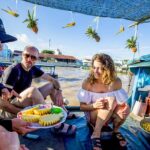
- Hu tieu noodle/vemmicelli-making plus pineapple peeling and serving on the boat
- Cồn Sơn island time with fruit picking and small walks (comfortable shoes help a lot)
- Floating fish farm + koi fish foot massage, often described as funny and ticklish
- Community-based flying menu on the island: each family prepares a dish for you
In This Review
- A 12-hour Mekong loop that actually feels like a day, not a rush
- Leaving Ho Chi Minh: the 2.5-hour drive that sets expectations
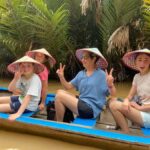
- Cai Rang Floating Market: breakfast on a working waterway
- Shaken breakfast (and why it matters)
- Coffee on deck: the calm between transactions
- Hu tieu noodle-making and pineapple on the boat
- Hu tieu: soft, flat, and slightly chewy
- Pineapple served like a show
- The switch: from floating market back toward Son Islet
- Cồn Sơn (Son Islet): floating fish farm and koi fish massage
- Floating fish farm
- Koi fish foot massage: bring your sense of humor
- Fruit picking, monkey bridges, and seasonal tasting
- Flying menu: eating what families make
- Traditional cakes and pop rice: practical hands-on food time
- Lunch on the island: lots of specialties, sharing style
- Timing and fatigue: when the day feels long (and how to handle it)
- What’s included, and why the $70 price can make sense
- A few practical tips before you go
- Who this Mekong day trip fits best
- Should you book this tour?
- FAQ
- What time does the tour start and when do we return?
- Where are the pickup locations?
- How long is the drive to the Mekong Delta?
- What meals are included?
- What activities happen at Cai Rang Floating Market?
- What activities happen on Cồn Sơn (Son Islet)?
- Do I need to wear special shoes?
- Is the tour private or small group?
A 12-hour Mekong loop that actually feels like a day, not a rush
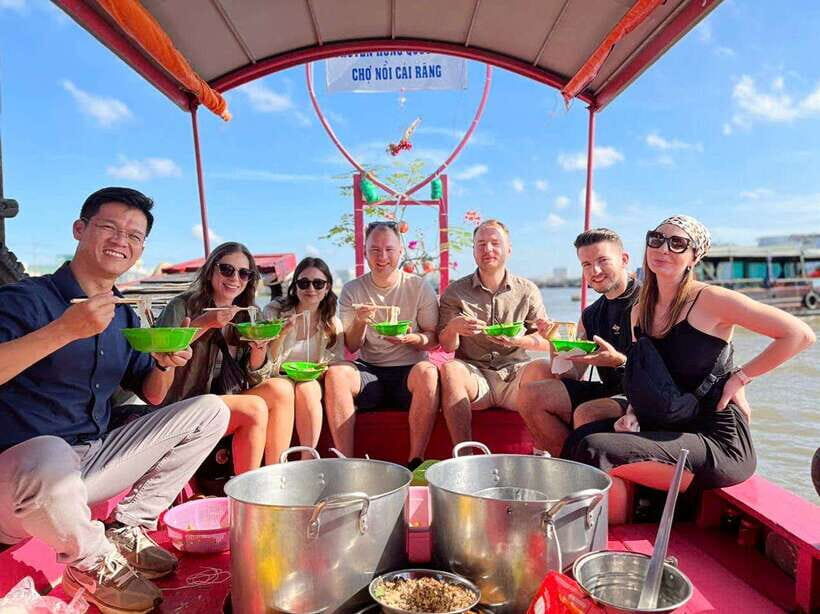
You’re signing up for a full day out of Ho Chi Minh: about 12 hours total, starting early and returning in the late afternoon/evening. The schedule is designed like this on purpose. First you catch the real morning rhythm at the floating market, when the waterway activity is at its best. Then you spend the rest of the day away from the city, on an island where people live with the river as their main “road.”
If you like travel that’s practical—food you can name, places you can picture, and stories you can repeat—this fits. If you don’t handle early mornings well, you’ll still enjoy it, but you’ll feel the effort.
Leaving Ho Chi Minh: the 2.5-hour drive that sets expectations
Departing at around 05:00, you’ll leave the city behind and head toward the Mekong Delta. The drive is about 2.5 hours, and the scenery shifts into what southern Vietnam does best: rice fields and orchards along the road.
This is not a short hop between highlights. It’s time on the van. The upside is you get that “we’re changing regions” feeling before you ever step onto the boat. The downside is simple: it’s long. If you’re prone to motion sickness, consider that the day includes boat time later too.
You can also read our reviews of more shopping tours in Ho Chi Minh City
Cai Rang Floating Market: breakfast on a working waterway
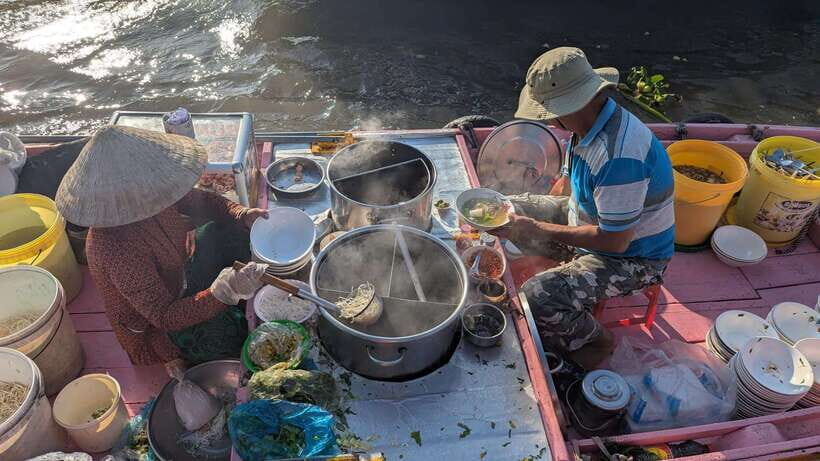
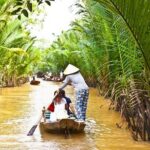
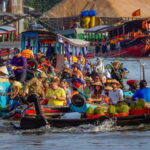
When you reach Can Tho around 7:30, the morning focus is Cai Rang Floating Market. This isn’t a staged village with one photo spot. It’s about daily trading and boat-to-boat activity—ships building yards, markets, and people moving like they’ve done it for years.
Shaken breakfast (and why it matters)
Breakfast is part of the experience on the floating market itself. You’ll eat while on a boat, and you’ll feel the boat’s motion—waves hitting the side are part of the fun, part of the “hold on” moment.
What I like here is that the breakfast isn’t treated like a snack break. It’s treated like part of the market’s workflow. You get to watch how the morning trade blends with eating, chatting, and buying.
Coffee on deck: the calm between transactions
After breakfast, you’ll usually get time for coffee on the boat deck. It’s a simple pause that makes the market feel more human. That change of pace is one reason this tour gets such strong ratings. You’re not only consuming sights; you’re also letting them land.
Hu tieu noodle-making and pineapple on the boat
One of the most memorable parts of the day is the food education. Instead of just eating, you see how it’s made—and what the textures should feel like.
You can also read our reviews of more tours and experiences in Ho Chi Minh City
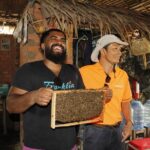
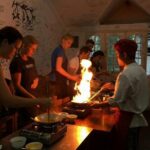
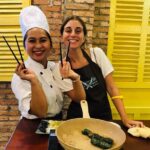
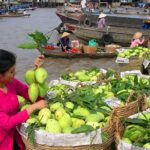
Hu tieu: soft, flat, and slightly chewy
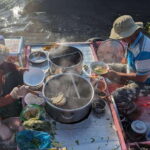
You’ll learn how locals make hu tieu, a rice vermicelli dish. The key details you’re given matter: noodles are soft, flat, and slippery, with that slight chew. The point isn’t just trivia. It helps you taste the dish correctly later when you recognize the texture and how it differs from other Vietnamese noodle styles.
Pineapple served like a show
Then comes pineapple. Pineapple is often called the queen of fruits in Vietnam, and here you get fresh fruit plus a quick “how traders work” window. The seller peels pineapple on the spot, right there on the boat.
I like this stop because it stays practical. You’re seeing commerce on water, and you’re also getting a straightforward sensory reward: sweet, fresh pineapple you can taste immediately.
The switch: from floating market back toward Son Islet
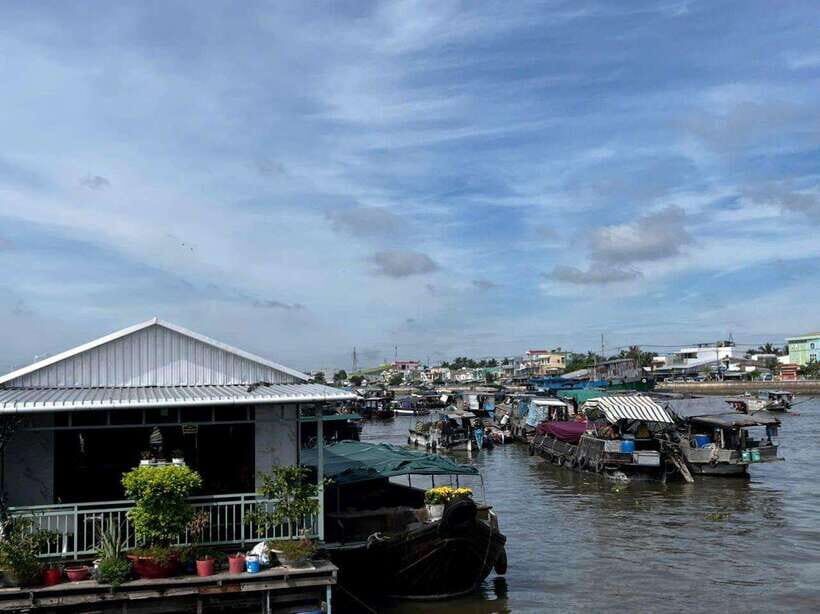
After the morning market time and boat cruise, there’s a return ride by van/boat combo (about 30 minutes on the way back in the itinerary description). Then you head toward Cồn Sơn (Son Islet).
The timing matters here. You don’t want to arrive after the island day is already half over. This tour lands you in time for island activities like the fish farm, fruit picking, and the food-making experiences.
Cồn Sơn (Son Islet): floating fish farm and koi fish massage
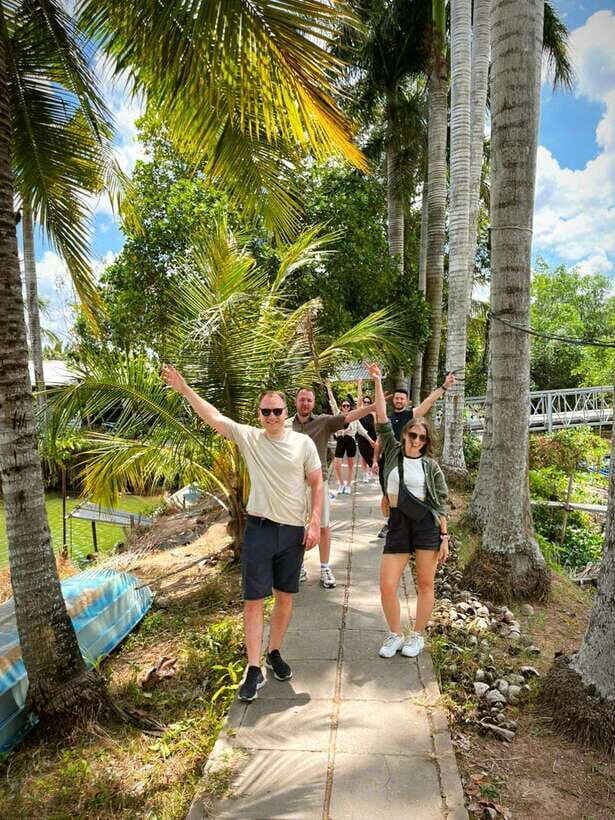
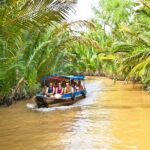
Son Islet sits in the Hậu River, separated not far from the mainland. The idea is that you get a break from the bustle and see how people live among the river rhythms.
Floating fish farm
On the island, you visit a floating fish farm where a fisherman keeps fish. It’s a good stop for two reasons. First, it’s visually different from the market. Second, it connects to what you saw earlier—food and trade are still the theme, just in a different “setting.”
Koi fish foot massage: bring your sense of humor
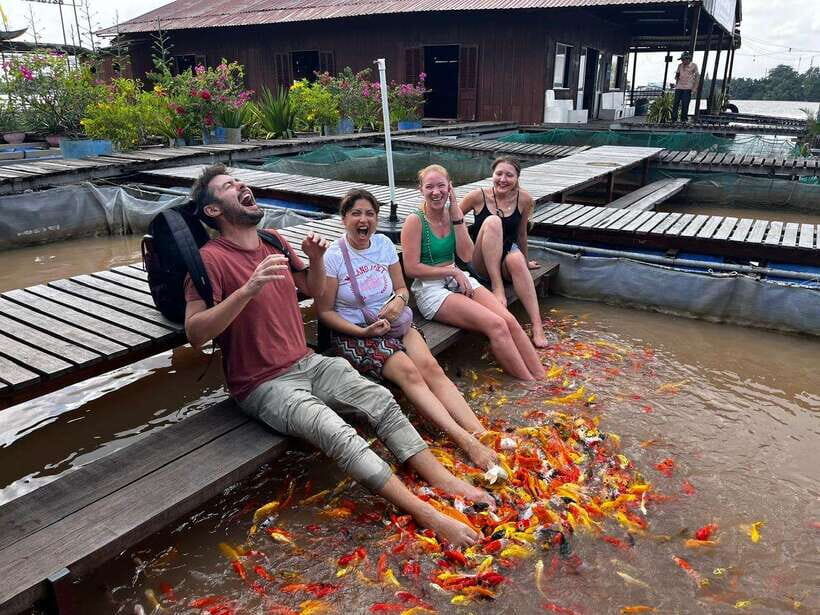
Your signature interactive moment here is the foot massage with koi fish. You’ll be standing there, trying not to laugh, feeling those nips/tickles as the fish move around your feet.
Practical note: you’ll feel it more if you’re tense. Relax a little and treat it like a silly biology lesson.
Fruit picking, monkey bridges, and seasonal tasting
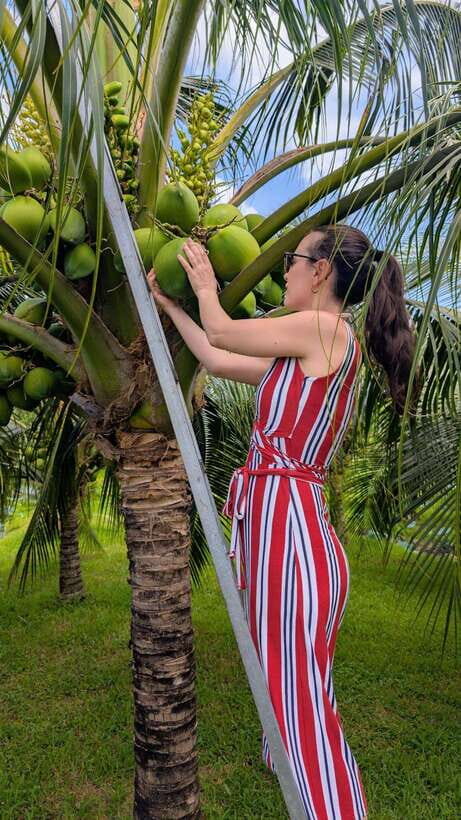
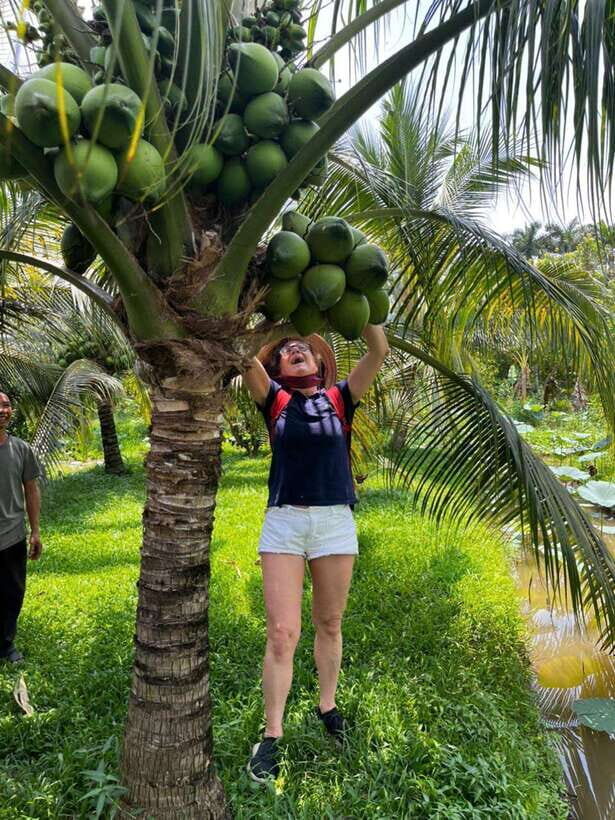
After the fish farm, you walk around Son Islet, where the day shifts from “watching” to “doing.” You’ll explore around 80 households and get time for picking fruit.
You’ll also hear about orchards and seasonal produce. The tour notes that fruit is seasonal, and that’s exactly how you should think about it. Some fruits may be more available than others depending on the time of year.
Don’t skip the small scenic bits like the monkey bridges. They’re one of those simple island details that make photos look alive without feeling staged.
Flying menu: eating what families make
One of the most interesting cultural components here is the “flying menu” style. Each family prepares one dish and serves it to you, and the day is framed as community-based tourism so families share in the benefits.
Even if you’re not a “food class” person, this part is worth it because it changes the power dynamic. You’re not just consuming; you’re meeting the people and tasting food tied to their daily lives.
Traditional cakes and pop rice: practical hands-on food time
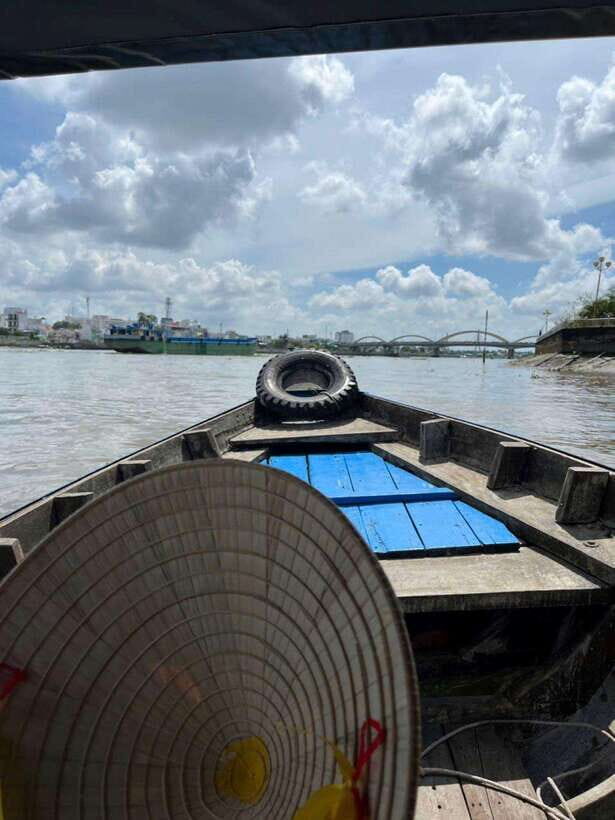
Another hands-on highlight is making traditional cakes and pop rice (with pop rice often described as part of the snack you’ll eat during the day).
This is where the tour becomes more than transportation. It turns into a “you participated” day. The value is that you leave with more than memories—you leave with a clearer idea of how Vietnamese snacks and sweets are built.
And yes, it’s hot. So pace yourself, bring water (you get bottled water on the tour), and keep your sunscreen handy.
Lunch on the island: lots of specialties, sharing style
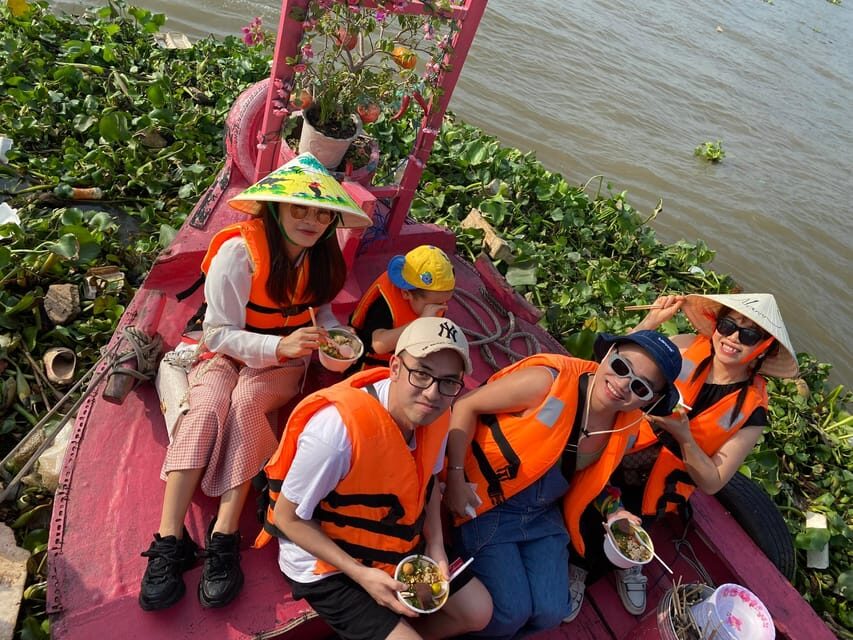
Lunch is served at around 12:00 and is described as Vietnamese set menus. Expect multiple dishes and shared plates, plus local specialties.
One balance point: sharing food is part of the island social style, but it can feel less like “your own bowl of noodles” and more like “pass the food.” If you prefer a personal portion of everything, you might find this style less ideal. Still, it’s a solid way to taste a range of local flavors in one sitting.
After lunch, you’ll return toward Ho Chi Minh.
Timing and fatigue: when the day feels long (and how to handle it)
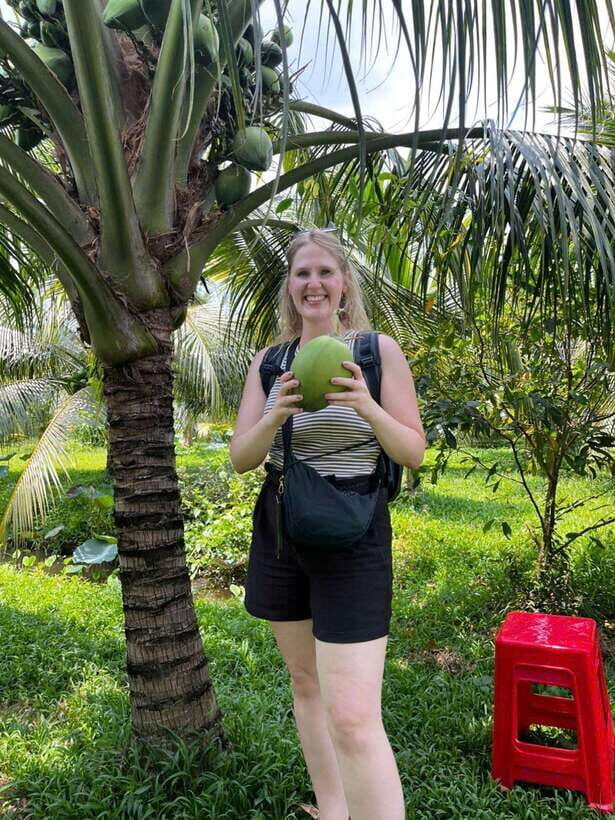
This itinerary is packed, and that’s the tradeoff for getting two major experiences in one day: Cai Rang in the morning and Son Islet later. The drive can feel like the longest part, especially under heat.
Here’s how to make it easier:
- Plan for early wake-up: the market starts before most people are fully awake.
- Use good walking shoes: there’s a moderate amount of walking on the island.
- Bring sun protection: hat, sunscreen, and an umbrella are strongly recommended.
A few guests also note the van isn’t luxury. That’s normal for a tour built around boats and island time. Don’t expect leather seats and a spa soundtrack—expect AC, transport, and movement.
What’s included, and why the $70 price can make sense
At about $70 per person, the value is tied to what’s already covered. The tour includes:
- AC transfer and a live English/Vietnamese guide
- Boat trips at the floating market area and cruising time
- All admission fees
- Meals: breakfast on the floating market plus lunch
- Snacks like fruits/candies/pop rice
- Bottled drinking water
What you’re really buying is time and coordination. Without a tour, you’d have to line up transport across districts, figure out floating market access, and stitch together multiple food experiences across Can Tho and Son Islet. Here, it’s packaged into one route, one guide, and one schedule.
If you’re the type who hates planning and loves eating your way through a region, this is usually a fair deal. If you only care about one place (like just Cai Rang or just the island), you might wonder if you’d rather do a shorter, more focused day. But the combination is the point.
A few practical tips before you go
The tour’s own guidance is spot-on. Bring:
- Comfortable shoes (no high heels)
- Hat and umbrella
- Camera
- Biodegradable sunscreen
- Biodegradable insect repellent
- Cash
And avoid:
- High-heeled shoes
- Alcohol and drugs
- Explosive substances
Also, think about comfort in humidity. You’ll be outside, and you’ll walk. A light breathable outfit is your friend.
Who this Mekong day trip fits best
I think this tour works best for:
- Food lovers who want to understand what they’re eating (hu tieu, pineapple, cakes, pop rice)
- People who want authentic daily life on the water without turning the day into a checklist of monuments
- Families or mixed groups who can handle early starts and enjoy interactive moments like the koi fish massage
It may be less ideal if:
- You hate long road time and want a more relaxed schedule
- You prefer a quieter day with lots of private downtime (this day is active and structured)
- You want “pure boat riding” with minimal stops (there are multiple activities on land)
Should you book this tour?
Book it if you want one well-timed day that links Cai Rang Floating Market breakfast with Son Islet island life, including real food-making moments and the koi fish experience. It’s built to give you variety without requiring you to plan logistics across the Mekong Delta.
Skip it (or consider a different style tour) if you’re very sensitive to early mornings or long drives, or if you prefer a slower pace with more free time on your own.
If you do book, go in with the right mindset: you’re not just visiting places. You’re spending a full day learning how people in southern Vietnam eat, trade, and work with the river—then going home with that in your head and on your taste buds.
FAQ
What time does the tour start and when do we return?
The itinerary example starts with departure from Ho Chi Minh City at around 05:00 and returns to Ho Chi Minh City at about 18:00.
Where are the pickup locations?
Pickup is available from District 1 or District 4.
How long is the drive to the Mekong Delta?
The drive is described as about 2.5 hours to the Mekong Delta area.
What meals are included?
You’ll have breakfast on the floating market and lunch at a local restaurant, plus snacks such as fruits/candies/pop rice and bottled drinking water.
What activities happen at Cai Rang Floating Market?
You’ll visit Cai Rang Floating Market, have breakfast there, enjoy coffee, take part in a boat cruise, shop/sightsee, and learn how locals make hu tieu (rice vermicelli).
What activities happen on Cồn Sơn (Son Islet)?
On the island you’ll visit a floating fish farm, try foot massage with koi fish, walk around the island (including monkey bridges), pick seasonal fruit, and make traditional cakes and pop rice.
Do I need to wear special shoes?
You should wear comfortable walking shoes. High-heeled shoes aren’t allowed.
Is the tour private or small group?
The tour offers private or small groups, and the guide provides service in English and Vietnamese.