REVIEW · HO CHI MINH CITY
Can Gio Mangrove Eco And Wildlife Discovery Tour
Book on Viator →Operated by Hoi An Express Travel · Bookable on Viator
A war-scarred mangrove with living animals. This full-day trip from Ho Chi Minh City pairs boat-and-canoe wildlife time with Tang Bong Tower panoramas plus a sobering visit to Rung Sac Guerrilla Base. I like the way the day is paced so you’re not stuck in one place, and I like that the natural sites are guided with specifics instead of vague sightseeing.
One thing to keep in mind: this tour is not only about animals. There’s a serious Vietnam War recovery thread through the day, including chemical-agent aftermath, so go in ready to learn as well as watch.
Start early and plan for a long, active day (about 8 hours). If you’re okay mixing nature with history, this is an easy way to experience Can Gio’s mangroves without wrestling with transport or timing.
In This Review
- Key Points You’ll Care About
- Can Gio’s Mangroves: Nature After Agent Orange
- The 8:00 AM Start and the Drive Out of Ho Chi Minh City
- Vam Sat Eco-Tourist Zone: Canoe Time Where Wildlife Actually Happens
- A small seasonal tip that can affect your sightings
- Bird Reserve Stop: Nesting Activity and Careful Watching
- Crocodile Swamp: Fearsome Facts Without the Jump Scare
- Bat Lagoon: Another Side of the Mangrove Food Web
- Tang Bong Tower (26 M / 85 Ft): Panoramic Reset Above the Mangroves
- Lunch in the Middle of the Day: A Real Break
- Monkey Island and Can Gio Museum: Learn Before You Spot
- Why I like this learning-to-spot order
- Mangrove Forest Park Fauna Conservation: Monkeys, Crocodiles, and More
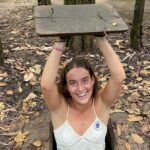
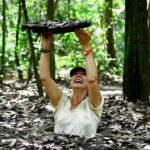
- Rung Sac Guerrilla Base by Canoe: Vietnam War Effects in the Same Forest
- Price and Value: Is $169 Worth It?
- Practical Notes: What to Expect During the Day
- Who This Tour Suits Best
- Should You Book the Can Gio Mangrove Eco & Wildlife Tour?
- FAQ
- How long is the Can Gio Mangrove tour?
- What time does it start and is pickup included?
- What wildlife and nature stops are included?
- Is lunch and bottled water included?
- Are tickets and a guide included?
- Can I cancel for a full refund?
Key Points You’ll Care About
- Small-group size (max 15) keeps the day from feeling rushed.
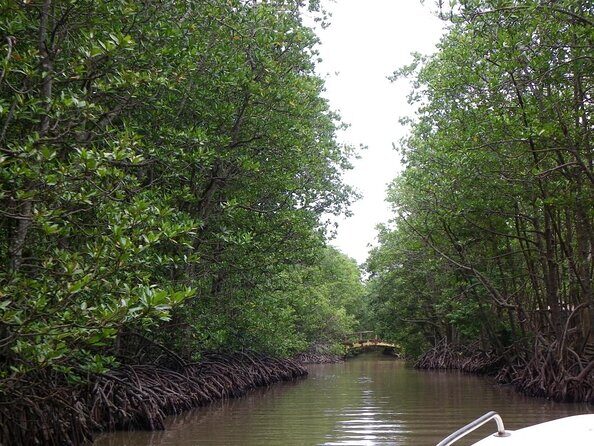
- Canoes and motorized boats get you through Vam Sat’s waterways where wildlife activity is the point.
- Bird reserve, crocodile swamp, and bat lagoon are planned stops, not random luck.
- Tang Bong Tower (26 m / 85 ft) gives you a high, quick view to reset your eyes and camera.
- Monkey Island plus Can Gio Museum explains what you’re seeing in the mangrove ecosystem.
- Rung Sac Guerrilla Base adds war-history context inside the forest recovery story.
Can Gio’s Mangroves: Nature After Agent Orange
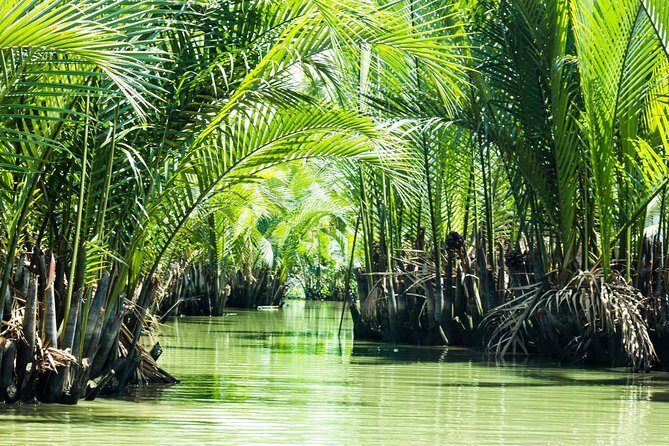
Can Gio Biosphere Reserve has a complicated story, and that’s part of why it feels different from other wildlife tours in Vietnam. You’re not just cruising a pretty nature park. You’re seeing an ecosystem that was badly affected and then regrew, now protected as a wilderness reserve.
That background helps you understand why your guide spends time on recovery and protection, not only on spotting animals. When the day shifts from boats to museums to the war base, it all connects: mangroves as habitat, mangroves as defense, mangroves as survival.
You can also read our reviews of more tours and experiences in Ho Chi Minh City
The 8:00 AM Start and the Drive Out of Ho Chi Minh City
You’re picked up in Ho Chi Minh City center in an air-conditioned minivan, then you ride out toward the Dan Xay Bridge area where the water time begins. The morning start (8:00 AM) matters here: the tour is built around full use of daylight for boat and canoe segments.
Once you arrive, you switch from roads to water, which is where this tour really comes alive. It’s also why the included transportation is a big part of the value—this is not a simple taxi-and-walk day.
Vam Sat Eco-Tourist Zone: Canoe Time Where Wildlife Actually Happens
The first main block of the day runs around Vam Sat Ecological Tourist Zone / salt-marsh forest areas, between the Vam Sat and Long Tau Rivers. This zone was heavily impacted during the Vietnam War, and since then it has regrown. Today it’s protected, which is why the guide can focus on wildlife behavior instead of just general scenery.
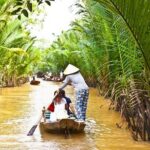
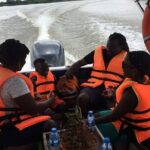
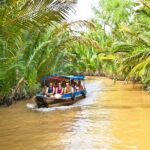
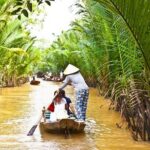
You’ll go by motorized canoe or boat with your English-speaking guide, moving slowly enough to notice what’s going on around you. The experience is calmer than a high-speed ride, and that matters for animal spotting.
A small seasonal tip that can affect your sightings
The bird-reserve timing is noted as peak season from May to October. If you’re traveling outside those months, you may still see birds, but the best chance for active nesting observations is that May–Oct window.
Bird Reserve Stop: Nesting Activity and Careful Watching
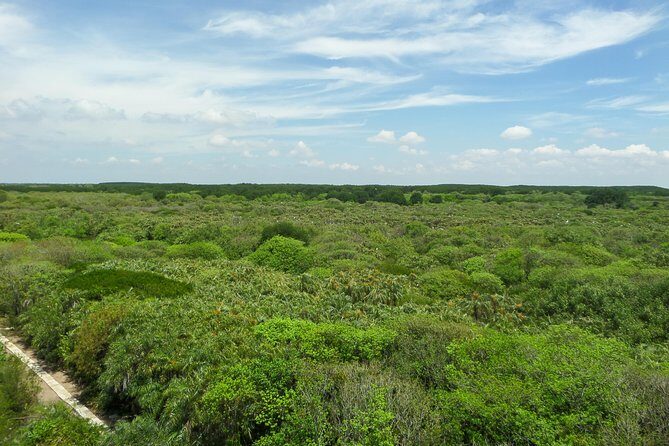
At the bird reserve, the focus is on nesting behavior and the kind of “quiet observation” wildlife tours are supposed to deliver. You’re not just looking at birds in flight. The guide’s commentary is built around what nesting means in this mangrove and salt-marsh setting.
Even if you don’t spot every target species, the guided approach helps you interpret what you’re seeing. You’ll come away with a clearer sense of how mangrove edges and marsh waterways support breeding cycles.
Crocodile Swamp: Fearsome Facts Without the Jump Scare
Next comes the crocodile swamp. This is where the tour switches tone: from gentle bird watching to intense reptile realism. Your guide explains key facts about crocodile habits and incubation, and you may even get a glimpse of what’s described as a newborn crocodile during the visit.
You’ll likely feel a little cautious here, and that’s normal. But the way it’s presented is educational, not theatrical—more “here’s how they survive” than “watch this for thrills.”
Bat Lagoon: Another Side of the Mangrove Food Web
After the crocodiles, you shift to the bat lagoon. The idea is simple: mangroves and coastal wetlands aren’t just about birds and crocodiles. They’re food-web systems, and bats play a role in that nighttime ecosystem.
Because the tour’s timing and setup are planned, you’re not left guessing where to look. You follow the guide’s instructions and learn what makes the lagoon a key stop.
Tang Bong Tower (26 M / 85 Ft): Panoramic Reset Above the Mangroves
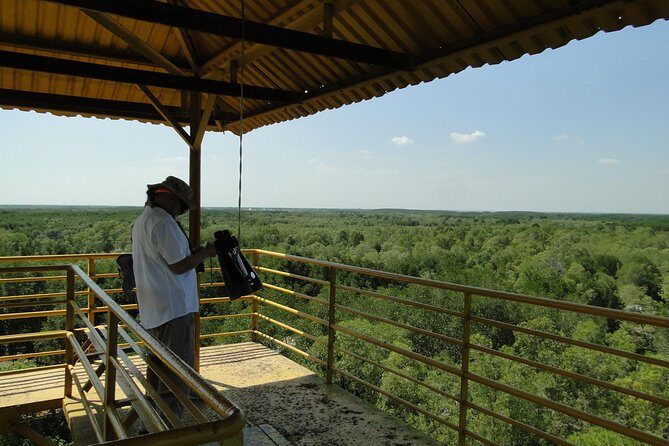
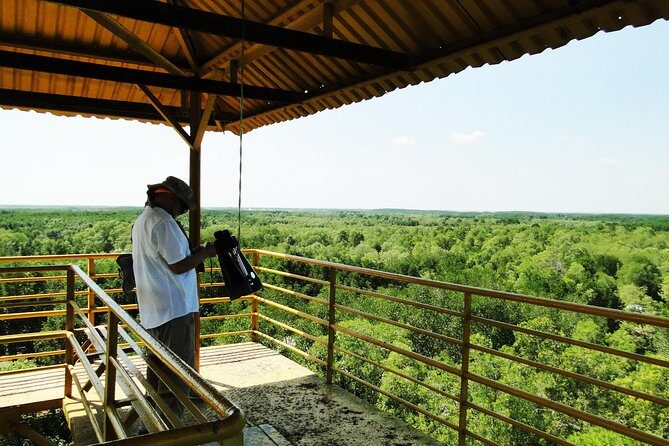
By the time you climb Tang Bong Tower, your day has already covered a lot of ground-water-water motion. The tower ride gives you a visual reset: you’re climbing up to see the wider reserve and the waterways around Can Gio.
At 26 meters (85 feet), it’s not a skyscraper, but it’s high enough to help you understand the shape of the area you explored by canoe. It’s also a strong photo moment because the view lets you connect your earlier “up close” experience to the “big picture” geography.
During this stop, you can also catch sight of areas connected to Rung Sac Guerrilla Base from a distance, which helps the afternoon visit feel less abrupt.
Lunch in the Middle of the Day: A Real Break
Lunch is included and served at a local restaurant. This is one of those simple details that matters on a full-day nature tour: you need a dependable sit-down meal so you’re not running on snacks after hours on water.
The pace is designed so you don’t just trade canoe time for more canoe time. You get food, some recovery, and then you head to the monkey-and-mangrove portion of the day.
Monkey Island and Can Gio Museum: Learn Before You Spot
In the afternoon, you head to Forest Park, also known as Monkey Island. The visit includes time at the Can Gio Museum and the Mangrove Forest Park Fauna Conservation area.
This part is valuable because it tells you what you’re looking at. In the museum, you’ll learn about biodiversity in the mangrove forest and the number of species that call this ecosystem home. Then, you move into the conservation area with those facts in mind, which makes the wildlife sightings more meaningful.
Why I like this learning-to-spot order
When you understand how mangroves function, monkeys and other animals aren’t random. You start seeing behavior, habitat needs, and how the ecosystem supports different species.
Mangrove Forest Park Fauna Conservation: Monkeys, Crocodiles, and More
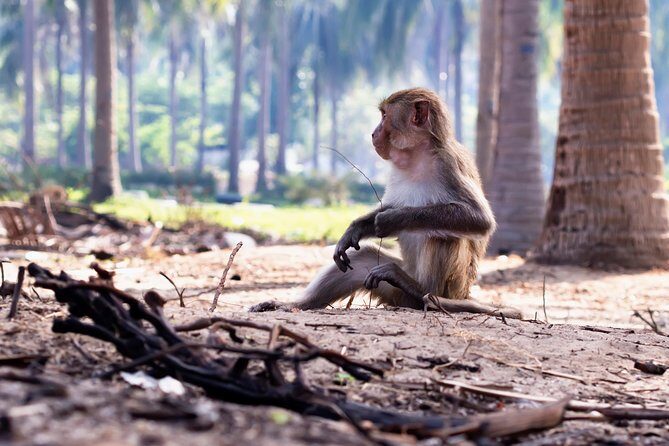
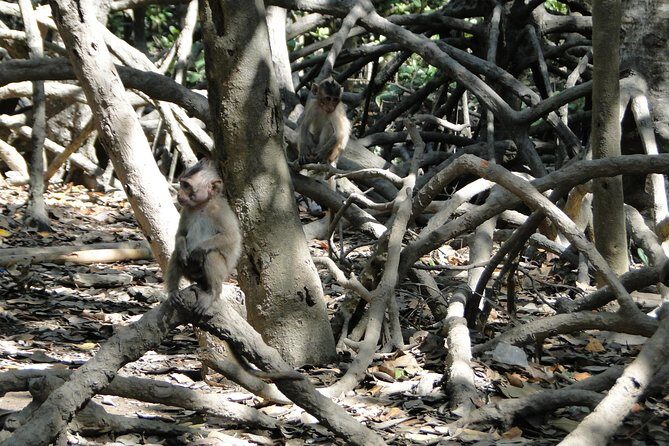
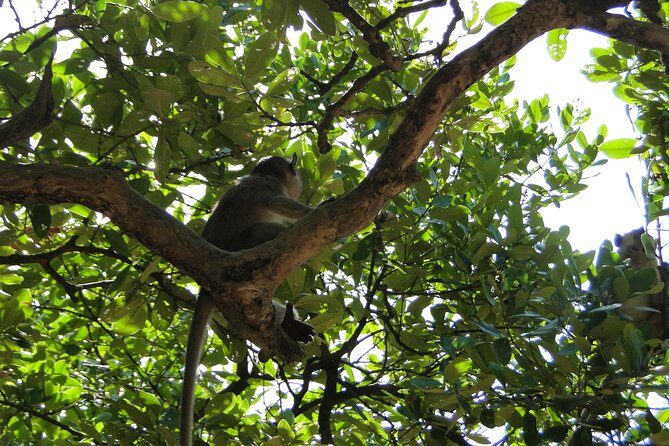
The Forest Park portion is where the “eco and wildlife discovery” promise shows up in a big way. Your walk-and-boat segments aim to bring you close to areas where thousands of monkeys are active, and where saltwater crocodiles are also part of the environment.
You’ll also be shown that the park isn’t only about one animal. The tour description includes looking for other wildlife such as wild cats, pythons, and deer. In a place like this, you should treat sightings as partly nature-dependent—you’re going for the chance and the education, not a guaranteed checklist.
You’ll cruise through sections by canoe as well, which keeps you moving through the mangrove rather than just viewing it from a single shoreline.
Rung Sac Guerrilla Base by Canoe: Vietnam War Effects in the Same Forest
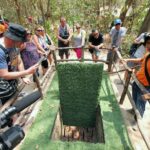
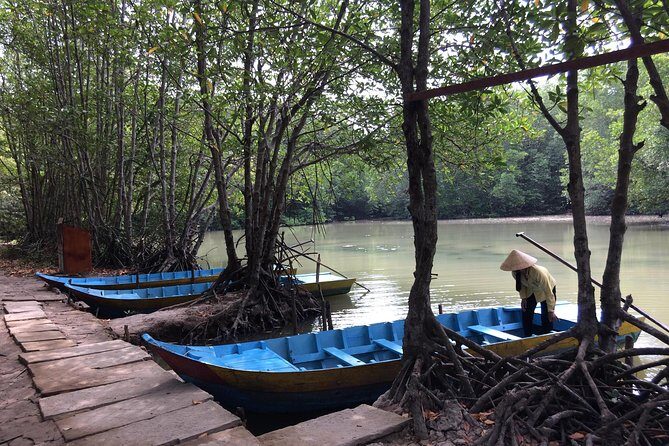
Toward the end of the day, the tour shifts again—this time to Rung Sac Guerrilla Base, reached through mangrove waterways by canoe. This is the stop that sets expectations: you’ll hear about guerrillas who hid in the forest and how the region was damaged by a chemical warfare attack in 1998.
The key point is that this is not just an “old war story.” It’s tied to why the mangroves look the way they do today and why recovery and protection are so central to Can Gio’s identity as a UNESCO-listed reserve.
If you’ve traveled to Vietnam only for beaches and city sites, this stop can land hard—but it’s also what makes the Can Gio story real. You leave with a clearer sense of how nature and human history overlap here.
Price and Value: Is $169 Worth It?
At $169 per person for an 8-hour small-group tour, this isn’t a budget add-on. But the pricing makes more sense when you break down what’s included.
You get:
- Hotel pickup and drop-off in Ho Chi Minh City center
- Air-conditioned transportation
- English-speaking guides (other languages are available for a surcharge)
- Canoe/boat time
- Lunch
- Bottled water
- Travel insurance
- Admission tickets during the main stops
- A mobile ticket
- Group size capped at 15 people, which helps the day feel organized
DIY can be cheaper on paper, but you’d still need transport out there plus water access plus someone to interpret the sites. Here, the guide does the heavy lifting: explaining wildlife behavior, mangrove ecology, and the war recovery story so you don’t miss the point.
If you want a day trip that combines animals with interpretation and built-in logistics, I’d call it good value. If you want only a fast wildlife highlight reel, the price may feel steep because history takes airtime.
Practical Notes: What to Expect During the Day
This tour is active. You’re on and off transport, then on water, then up a tower, then back out for more wildlife and conservation walking and canoe segments. Wear comfortable shoes you don’t mind getting dusty, and bring sun protection. You’ll be in outdoor conditions for most of the day.
Also, the tour is capped at 15 people, so it’s small-group friendly, but you’ll still be part of a schedule. If you like slow, wandering days, this one is more structured than that.
Who This Tour Suits Best
This works especially well for you if:
- You want a Ho Chi Minh City day trip that feels truly different from the usual museum-and-market route
- You like guided wildlife observation (birds, reptiles, monkeys) with context
- You don’t mind a history component and actually want it explained
- You want included boat/canoe time without sorting out how to get it yourself
It’s less ideal if:
- You’re only interested in nonstop wildlife with minimal talking
- You prefer short outings and hate long drives plus full-day schedules
Should You Book the Can Gio Mangrove Eco & Wildlife Tour?
I’d book it if you want Can Gio in one organized day: canoe wildlife, Tang Bong Tower views, Monkey Island, and the war recovery context at Rung Sac. It’s the kind of tour where the learning adds weight to what you see, not just noise.
I wouldn’t book it if you’re hoping for a pure nature safari with zero history time. The war story is part of the experience, and it shapes how the day is paced.
If you’re open to that mix, this is a strong, value-packed option that gets you out of the city and into mangrove reality—boats, animals, and all.
FAQ
How long is the Can Gio Mangrove tour?
The tour runs about 8 hours.
What time does it start and is pickup included?
It starts at 8:00 AM, and hotel pickup and drop-off in Ho Chi Minh City center are included.
What wildlife and nature stops are included?
You’ll visit a bird reserve at Vam Sat Eco-Tourist Zone, a crocodile swamp, a bat lagoon, and Forest Park (Monkey Island) where you can see monkeys and other wildlife. You also visit the mangrove forest area and Rung Sac Guerrilla Base.
Is lunch and bottled water included?
Yes. Lunch and bottled drinking water are included.
Are tickets and a guide included?
Yes. Admission tickets are included for the main stops, and you’ll have an English-speaking guide (other languages are available on request with a surcharge).
Can I cancel for a full refund?
Yes. You can cancel up to 24 hours in advance for a full refund. If you cancel less than 24 hours before the start time, the amount paid is not refunded.