REVIEW · CAN THO
Can Tho: Floating Market & Lung Ngoc Hoang Nature Reserve
Book on GetYourGuide →Operated by Mekong By Local · Bookable on GetYourGuide
Morning boats cut through the noise. This Can Tho day is built around an early sampan ride at sunrise, then strings together a food stop, village craft, and calmer nature at Lung Ngoc Hoang Nature Reserve. You get a mix of river life and local culture without spending the whole day bouncing between places.
Two things I’d put at the top: the ride through the Cai Rang floating market area, and the quieter switch to the Lung Ngoc Hoang Nature Reserve end of the day. You’re not just looking from a distance—you’re on the water, and then you’re walking and meeting people where the work actually happens.
One consideration: the day includes moderate walking and it starts early, so it’s not ideal if you have mobility limits or you just don’t do mornings well. Also, it’s a long day (about 8 hours), so bring water and plan to slow down when the heat hits.
In This Review
- Key highlights worth your attention
- Why Cai Rang and Can Tho canals feel different at sunrise
- From your hotel to Ben Pha Xom Chai: the morning setup
- On the sampan: Cai Rang floating market and breakfast on the water
- Noodle house stop: watching noodles get made (and why it’s worth your time)
- Phong Dien canals and a riverside weaving village you can actually try
- Khmer pagoda calm: culture, art, and a local expert’s explanation
- Lung Ngoc Hoang Nature Reserve: the quieter end of the day
- What guide quality changes in your day (Sophia, Theo, Sonny)
- Price and value: what $72 buys for an 8-hour day
- Who this tour suits best (and who should think twice)
- Should you book this tour?
- FAQ
- How long is the Can Tho floating market and nature reserve tour?
- What language is the live guide speaking?
- How big is the group?
- Is breakfast included, and can it be vegetarian?
- What stops are included during the day?
- Does the price include entrance fees?
- What transportation is provided?
- What should I bring?
- Is the tour suitable for wheelchair users or limited mobility?
Key highlights worth your attention
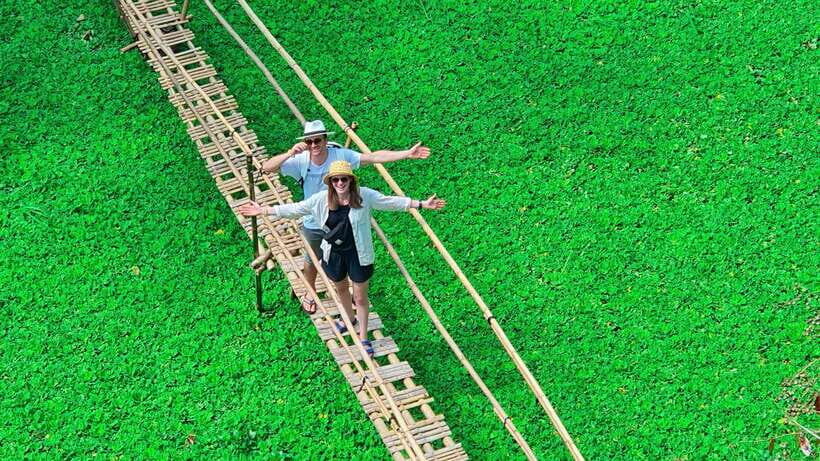
- Cai Rang floating market by boat at sunrise: Catch the morning rhythm and see the trading scene from the water.
- Breakfast on the river: You eat right in the setting, with vegetarian options available if you request them.
- Noodle house watch-and-learn: See noodles made by a local family, not just a quick taste.
- Bamboo basket weaving village hands-on time: Meet artisans and try your own weaving.
- Khmer pagoda with local context: Calm stop for cultural details and a quieter reset.
- Lung Ngoc Hoang Nature Reserve nature time: Largely unexplored-feeling scenery with chances to see birds, even when weather turns.
Why Cai Rang and Can Tho canals feel different at sunrise
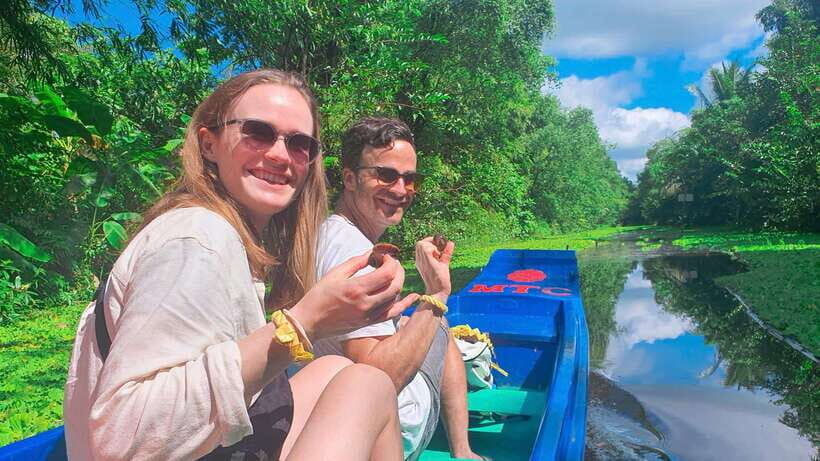
Can Tho can look hectic in the middle of the day, but the river works on a different clock. This tour starts early so you’re on the water when the market is waking up and before crowds fully form. The reward is that the river scene feels more like daily life than a performance.
The route also aims for a less common view of the Mekong Delta waterways. After the main floating market stop, you keep gliding through calmer canals around Phong Dien. That shift matters because it gives you a breather from the activity and lets you actually notice the natural rhythm—water, birds, and boats moving at a slower pace.
You can also read our reviews of more shopping tours in Can Tho
From your hotel to Ben Pha Xom Chai: the morning setup
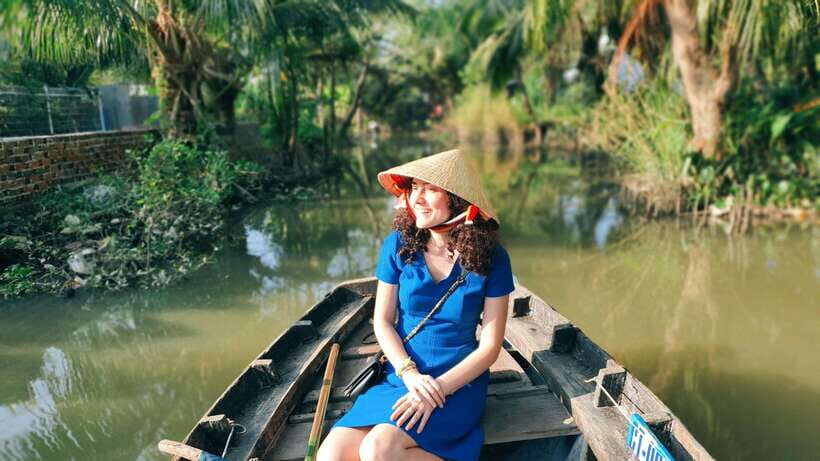
Your day begins with hotel pickup and drop-off, so you’re not stuck figuring out transport on your own. From there, you’ll be guided to the boat station area connected to Ben Pha Xom Chai, where the day’s water part starts.
The tour runs with a small-group setup—limited to 10 participants—and that affects everything. Smaller groups are easier to manage on boats and at family-run stops, and you’re less likely to feel like you’re being herded through each location. It’s one reason the experience tends to feel more personal than “sit and wait” sightseeing.
On the sampan: Cai Rang floating market and breakfast on the water
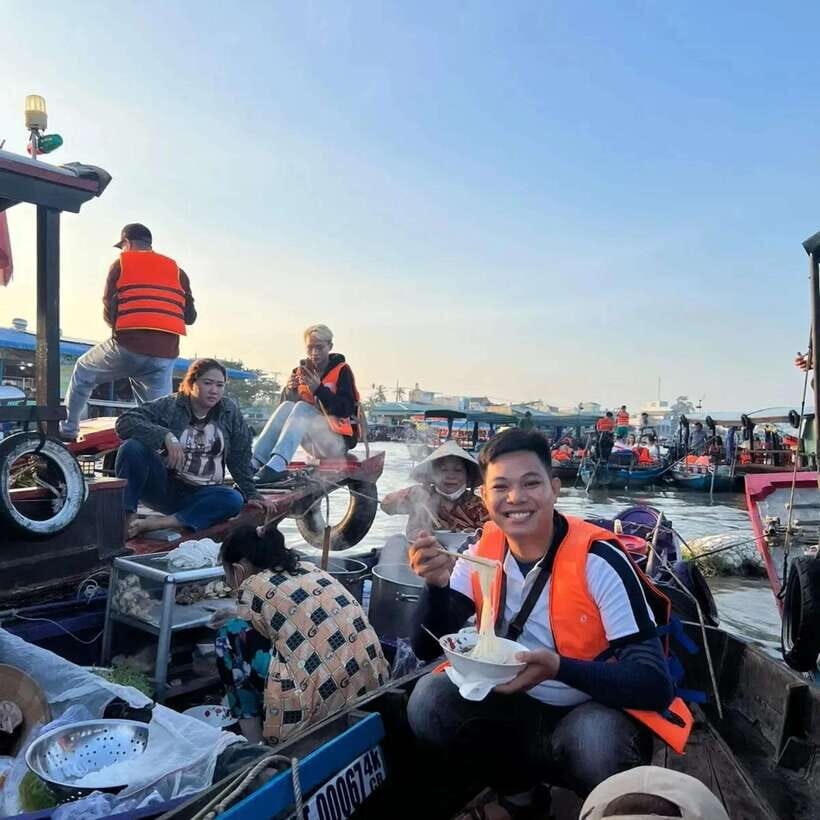
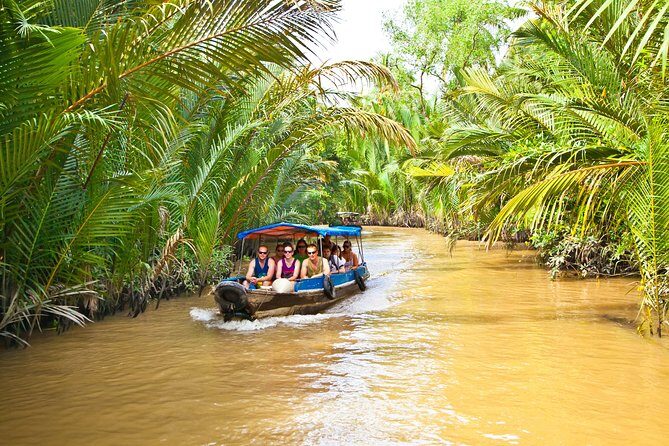
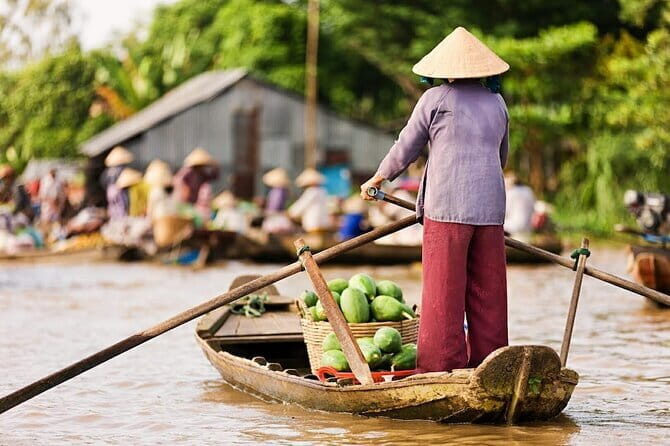
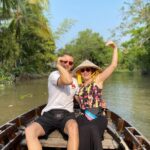
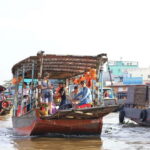
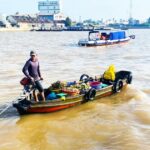
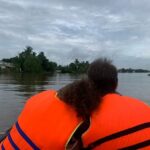
This is the centerpiece. You’ll ride an authentic sampan to Cai Rang floating market, the largest and most iconic market in Can Tho. From the boat, you’re not just seeing boats—you’re seeing the system of trade, with sellers and buyers operating in a flowing, practical way.
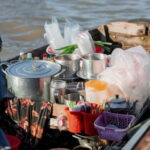
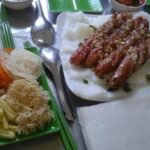
The breakfast is served during the morning river time, which is a big part of why the stop feels authentic. Eating on the water changes how you experience the market; you’re inside the moment rather than pausing for a meal somewhere else. If you want vegetarian, options are available—just flag it ahead of time so the plan fits your needs.
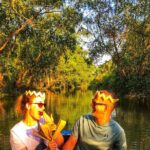
A detail that can make a real difference: some tours use smaller traditional boats. If you get that style of boat, you can often see more of the smaller canals, and it can still work even when water levels are lower. In other words, you don’t feel trapped watching only the biggest channels.
Noodle house stop: watching noodles get made (and why it’s worth your time)
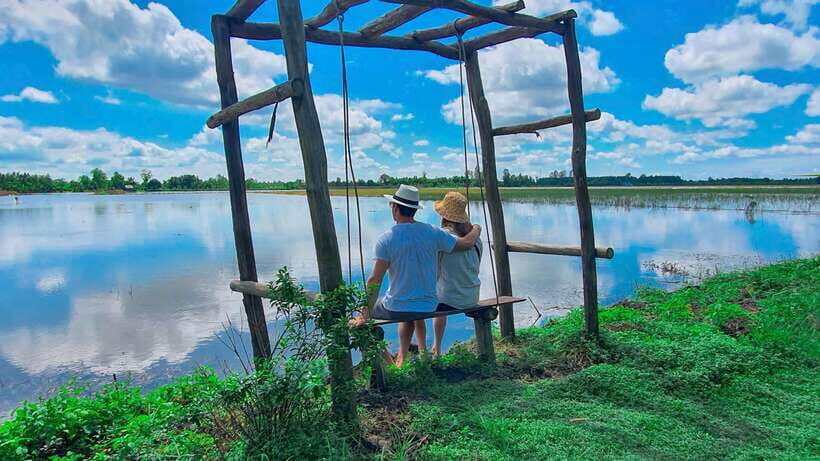
After the market, you continue by water to a nearby area for a traditional noodle house visit. This isn’t just a quick stop to say you tried noodles. You’ll watch a family make noodles, seeing how the texture and shape come together through hands-on craft.
It’s valuable because it connects food to process. You’ll likely notice that noodle-making isn’t complicated in a “mystical” way—it’s steady work, timing, and knowing what the dough should feel like. Then, once you’ve seen the method, you’ll taste with better context when you’re eating later in your day.
This stop also tends to break up the pace nicely. The morning is mostly on the water; the noodle house gives you a land-based moment without losing the local feel.
Phong Dien canals and a riverside weaving village you can actually try
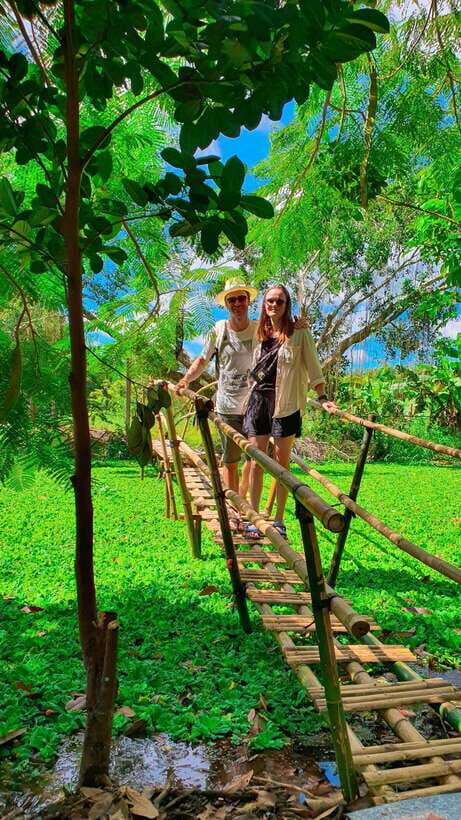
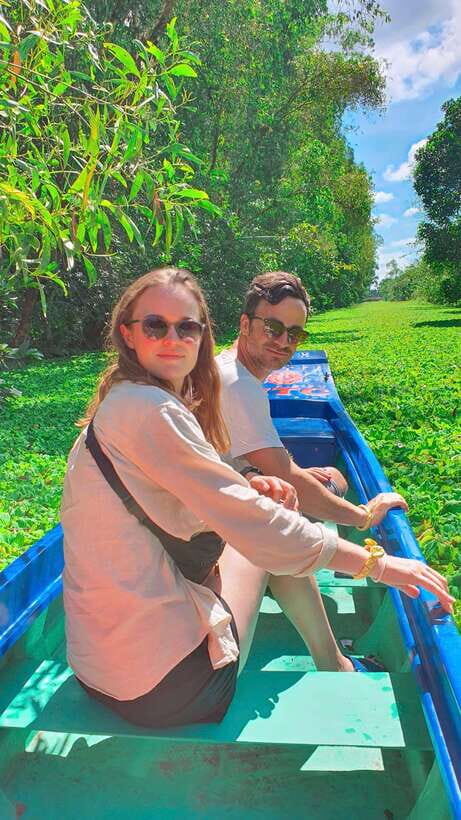
One of the best parts of this day is the quiet time on the canals. You’ll move through the less-traveled waterways around Phong Dien, where the water feels more open and less crowded. It’s a simple change, but it helps you reset your senses after the concentration of the floating market.
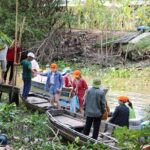
Next comes a riverside village known for bamboo basket weaving. You’ll meet skilled artisans and see the craftsmanship up close, then you may get a chance to try weaving yourself. Even if you’re not suddenly an expert artisan, the hands-on piece is what turns this from watching into understanding.
If you care about cultural experiences that aren’t only photo stops, this is one of those segments. You get to see how everyday objects get made in a way that fits the river economy—strong, practical, and built for real use.
You can also read our reviews of more tours and experiences in Can Tho

Khmer pagoda calm: culture, art, and a local expert’s explanation
From craft to spirituality, you’ll visit a Khmer pagoda with intricate designs and a serene atmosphere. The point here isn’t a “checklist” sight; it’s a chance to slow down again and learn what you’re looking at.
A local expert explains Buddhism from a practical, grounded angle during your visit. That matters because pagodas can look beautiful but confusing if you don’t have context. With the guidance, you can spend more time noticing details and less time guessing.
Also, the pagoda stop is a nice mental reset before the nature portion. It’s quiet, shaded, and different from the river work and market energy.
Lung Ngoc Hoang Nature Reserve: the quieter end of the day
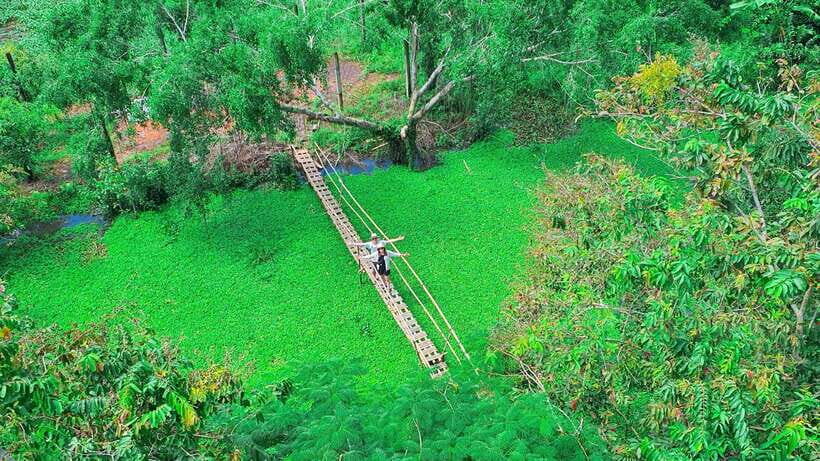
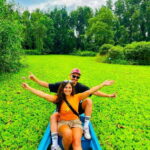
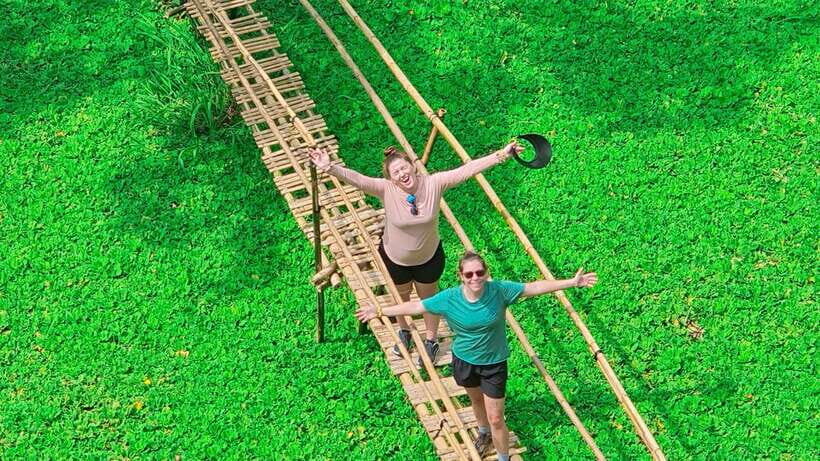
Then the tour shifts to the nature side: Lung Ngoc Hoang Nature Reserve. This is the portion people often remember because it feels less staged and more about simply being in a real environment—lush greenery and calming natural sounds.
The reserve is described as vast and largely unexplored, and that feeling shows up in how the day closes. You’re not bouncing between indoor rooms; you’re heading toward a more open, breathing-space type of experience. If the weather changes, it still can be beautiful, and guides may adjust your time to help you see wildlife like birds.
One smart reason to care about this stop: it balances the day. If you love markets and food, nature is the counterweight. If you’re more of a nature person, the market still gives you one solid cultural anchor so the day doesn’t feel like you’re only hunting photos of trees.
What guide quality changes in your day (Sophia, Theo, Sonny)
This is a guided experience, and the guide can seriously shape how smooth—and how meaningful—it feels. In the kinds of days that score highest, guides keep answering questions and tying the places together into one story.
For example, English-speaking guides you might encounter include people like Sophia, Theo, and Sonny. In practice, the standout quality is not just facts—it’s the way they connect everyday life and explain what you’re seeing on the river and in family-run stops.
It also helps when the team runs with care: boat drivers and car drivers are part of the experience, especially early in the morning. One review-style theme you’ll benefit from is a focus on safety and comfort, including using a newer transfer car.
Price and value: what $72 buys for an 8-hour day
At $72 per person for about 8 hours, you’re paying for more than sightseeing. You’re getting hotel pickup/drop-off, a sampan ride, breakfast, multiple guided cultural visits, and entrance to Lung Ngoc Hoang Nature Reserve.
Here’s how I think about the value: you’re not trying to coordinate transport across Can Tho, find local guides for each stop, and book river time separately. This tour bundles the “hard parts” (the boat experience and the spaced-out stops) into one plan.
If you care about doing the floating market properly—by boat and not just by walking around the edges—this price starts to make sense fast. You’re also getting several different modes of experience in one day: river trade, food craft, village making, a pagoda, and nature.
Who this tour suits best (and who should think twice)
This works especially well for you if you like:
- River scenes that feel like daily life, not a staged attraction
- Food experiences that include process, not just tasting
- Cultural stops explained in plain language by an English guide
- Nature time that’s quiet, not rushed
It’s less ideal if:
- You have mobility issues. The tour includes moderate walking and is not suitable for wheelchair users.
- You dislike early starts. Sunrise timing is part of the plan.
- You’re looking for a short, low-effort outing. This one is full-day.
Also note the age guidance: it’s not suitable for people over 95 years, based on the tour’s information.
Should you book this tour?
Book it if you want one Can Tho day that actually covers what makes the Mekong Delta interesting: river markets, family food traditions, village craft, spiritual culture, and nature time. The small group size, the early boat timing, and the guided explanation style are what keep it from feeling like random stops.
Skip it if your priority is a relaxed, no-walking afternoon or if you need fully wheelchair-accessible logistics. In that case, you might find a different style of tour fits you better.
FAQ
How long is the Can Tho floating market and nature reserve tour?
The tour runs for about 8 hours.
What language is the live guide speaking?
The tour includes a live English-speaking guide.
How big is the group?
It’s a small group limited to 10 participants.
Is breakfast included, and can it be vegetarian?
Yes. Breakfast is included, and vegetarian options are available if you notify them in advance.
What stops are included during the day?
You’ll visit Cai Rang floating market, a traditional noodle house, a bamboo basket weaving village, a Khmer pagoda, and Lung Ngoc Hoang Nature Reserve.
Does the price include entrance fees?
Yes, entrance to Lung Ngoc Hoang Nature Reserve is included.
What transportation is provided?
There’s hotel pickup and drop-off, plus a sampan ride as part of the river portion.
What should I bring?
Bring a hat, camera, sunscreen, water, and comfortable clothes.
Is the tour suitable for wheelchair users or limited mobility?
No. It’s not recommended for people with mobility impairments and it’s not suitable for wheelchair users.