REVIEW · CAN THO
Largest Floating Market, Wild Small Canal System & Organic cocoa
Book on Viator →Operated by Mekong Realism · Bookable on Viator
Morning boats, cocoa, and noodle history. In Can Tho, this 5–6 hour Mekong Delta trip strings together Cai Rang Floating Market trading, organic cocoa processing, and a hands-on look at how rice noodles get made the old way. I love that it doesn’t feel like one long photo stop. You get to experience the rhythm of river life, then slow down in the canals.
You’ll also appreciate the breakfast setup on the water, with noodle soup plus Vietnamese-style coffee, and it keeps energy up for the rest of the morning. The main drawback to plan around is the early start (around 6:45am), plus time outdoors on the boat and in the sun.
In This Review
- Key Things I’d Focus On
- Cai Rang Floating Market at 6:45am: Why Early Matters
- Sampan Trading on the Biggest Floating Market in Vietnam
- My Khanh Canals: Jungle Waterways With a Slower Pace
- Lò Hủ Tiếu Chín Của Rice Noodle Village: How the Old Method Works
- Muoi Cuong Cocoa Farm: The Family Story Behind Organic Chocolate
- Breakfast, Coffee, and Fruit: What’s Actually Included
- Time on the Water, Group Size, and What to Bring
- Pickup and Meeting Point: Easy Start in Can Tho
- Guide Style That Makes the Stops Make Sense
- Price and Value: Why $38 Can Feel Fair Here
- Should You Book This Can Tho Floating Market and Cocoa Tour?
- FAQ
- How long is this tour?
- What time does the tour start?
- Where does the tour start?
- Is breakfast included?
- What foods and drinks are included?
- How many people are on the tour?
Key Things I’d Focus On
- Cai Rang on a morning boat: You see how selling and buying happens before the day fully kicks in.
- My Khanh canal time: Small waterways, more quiet, and a chance to reset your pace.
- Lò hủ tiếu Chín Của noodle village: Traditional noodle-making that you can actually watch and understand.
- Muoi Cuong organic cocoa farm: A family story that connects farming to chocolate production.
- Food included, not just tour snacks: Breakfast, coffee/tea, and fruit are part of the package.
- Small group feel: Maximum of 20 travelers, which usually makes questions easier and the experience calmer.
Cai Rang Floating Market at 6:45am: Why Early Matters
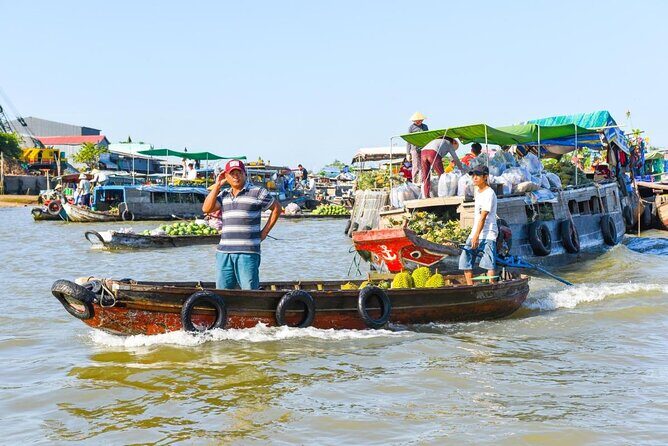
Cai Rang Floating Market is one of those places where timing changes everything. Going early means you’re more likely to see the market in action with less daytime crowd pressure, and your senses adjust faster—because you start with movement, coffee, and breakfast instead of walking around hungry.
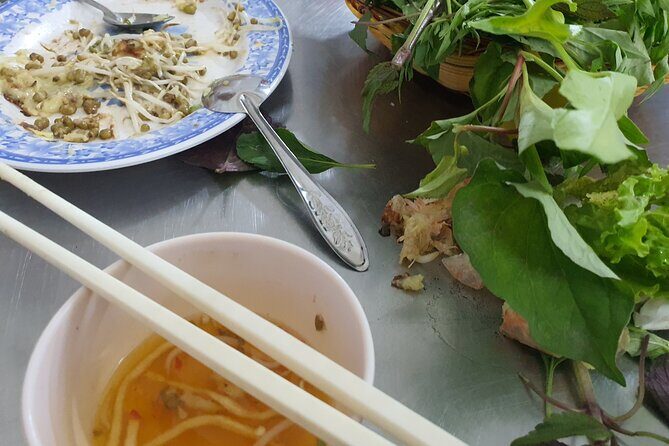
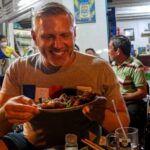
This tour also builds in food right away, which I love for jet-lag days. You’re not just looking. You’re eating local breakfast with the river around you, and that makes the whole setting click.
One practical note: the morning can still get bright quickly. The boat gives you shade at times, but you’ll want sun protection and a hat if you burn easily.
You can also read our reviews of more shopping tours in Can Tho
Sampan Trading on the Biggest Floating Market in Vietnam
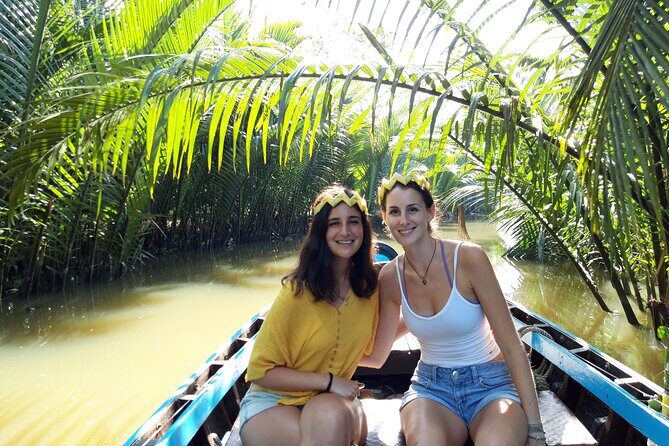
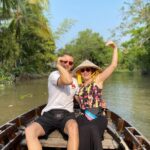
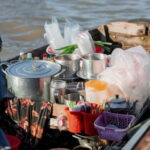
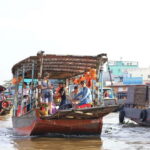
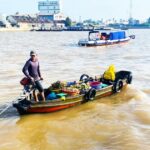
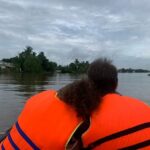
Your first big highlight is the sampan ride at Cai Rang, where you’ll see goods traded right on the water—especially fruits and produce. Think pineapples and other seasonal items, plus all the everyday details that don’t happen in a museum. This isn’t about standing still and taking one perfect shot. It’s about watching how people live and work around the market.
You’ll also notice how competitive and efficient river selling is. Boats move, people call out, and vendors position themselves so they can reach buyers. It’s a system built for the water level and the current of daily demand.
If you’re picturing a fully staged tourist boat parade, adjust that expectation. The best part is the practical, everyday flow of activity, not a scripted performance.
My Khanh Canals: Jungle Waterways With a Slower Pace
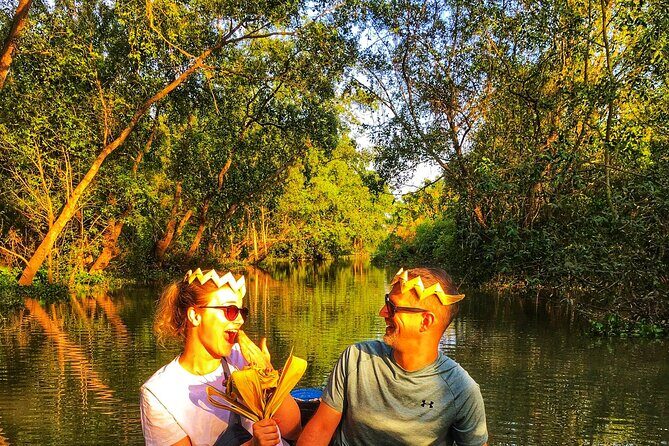
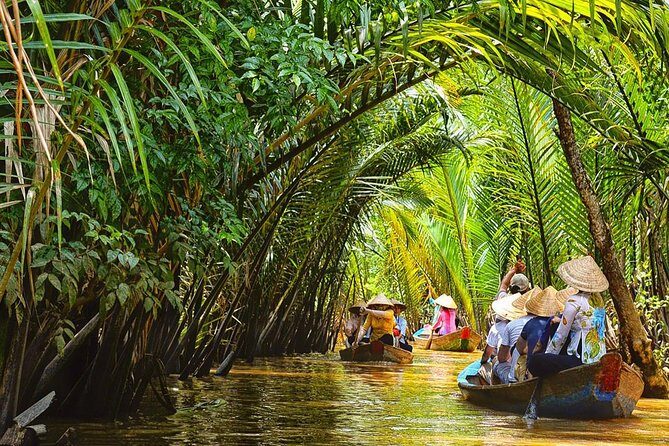
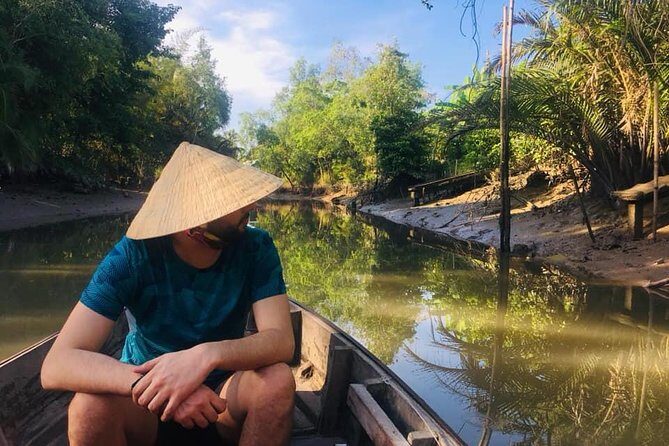
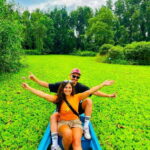
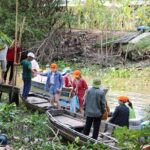
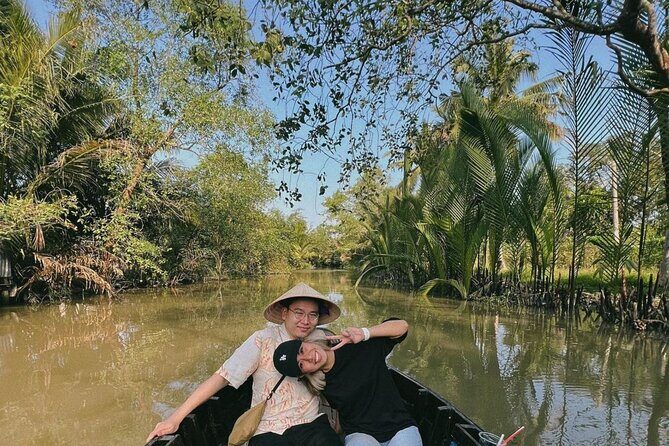
After the market, the trip shifts to My Khanh, where you cruise into a smaller canal network. This is where the experience balances out. The waterways feel more intimate—tight turns, calmer stretches, and a sense that you’re moving through a working landscape rather than a landmark.
The tour’s description leans into nature: diverse flora and fauna, plus the chance to slow down and meditate. Even if you’re not trying to get spiritual about it, you’ll still feel the shift. The boat ride becomes less about marketplace noise and more about observation.
A drawback here is also simple: you’re on the water, so your comfort depends on weather and sun. The tour is designed for good conditions, and on calmer mornings you’ll get the most relaxing canal time.
Lò Hủ Tiếu Chín Của Rice Noodle Village: How the Old Method Works
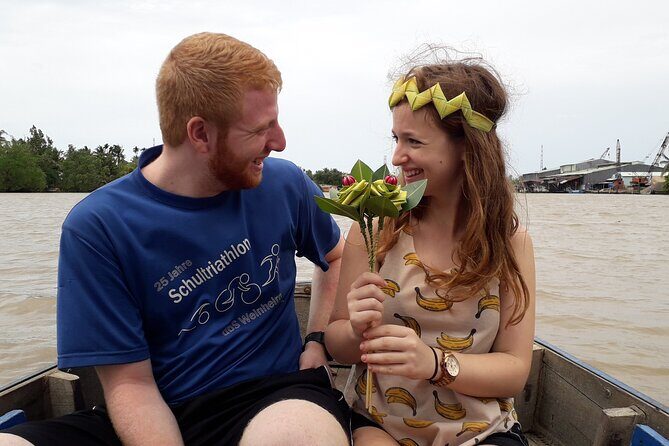
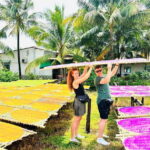
Next comes the noodle stop at Lò hủ tiếu Chín Của. This is one of the most memorable parts for food lovers, because you’re not just eating noodles—you’re seeing the process that turns raw ingredients into the familiar strand and texture.
This segment is described as local people producing noodles in the traditional way for over half a century. That time depth matters. You get a sense of routine—how the work is structured and how families pass knowledge through daily repetition.
You’ll also get context for why Mekong Delta noodles taste the way they do. The noodle-making process isn’t just mechanical. It’s tied to local crops, local habits, and the patience needed for food made the old way.
If you’re short on morning attention span, don’t worry. This stop is the right kind of activity: watch, learn, and ask questions while it’s happening, instead of reading dry explanations.
Muoi Cuong Cocoa Farm: The Family Story Behind Organic Chocolate
Then you end at Muoi Cuong Cocoa Farm, a stop that gives you a totally different side of the region. While many Mekong Delta tours focus only on rice and river produce, this one adds cocoa and shows you the farm-to-chocolate connection.
Here’s the standout detail: the owner’s father brought the cocoa plants back from a trip to Malaysia in 1960. That one moment became a long-term family project. The cocoa products are described as handmade and processed, so you’re tasting something tied to personal effort, not industrial scale.
You’ll also get that satisfying mix of science and craft. Cocoa farming is about climate and careful cultivation, but the final result depends on how ingredients get handled afterward.
For picky eaters, this stop can still work well because it’s not just selling. It’s explaining and sharing samples, and you can decide what you like.
You can also read our reviews of more tours and experiences in Can Tho

Breakfast, Coffee, and Fruit: What’s Actually Included
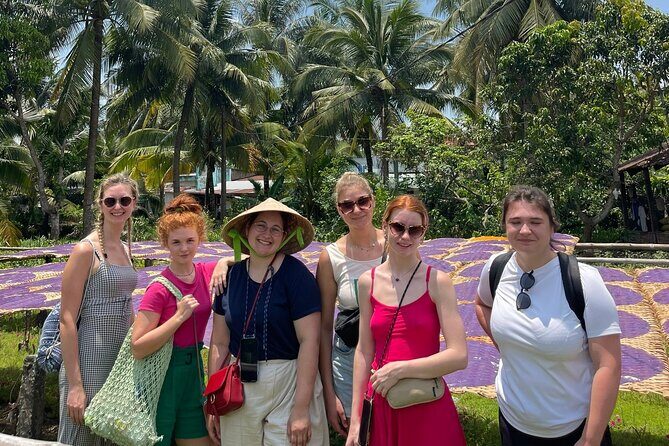
One reason this tour feels like good value is that it starts with food that isn’t an afterthought. Included meals and drinks cover your morning so you don’t end up hunting for snacks mid-boat.
You can expect:
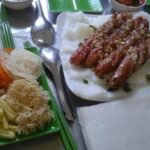
- Noodle soup breakfast and bread
- Coffee and/or tea (including orange, chocolate, coconut, and water)
- Fruits like mango, pineapple, and jackfruit
This matters for two reasons. First, it keeps your energy steady for the boat ride and the walking segments. Second, it turns the stops into a real meal experience rather than a quick tastings carousel.
And yes, the coffee piece matters here. Strong Vietnamese coffee is part of the morning flow, so you’re not just getting caffeine. You’re getting the local drink culture in the setting where people actually start their day.
Time on the Water, Group Size, and What to Bring
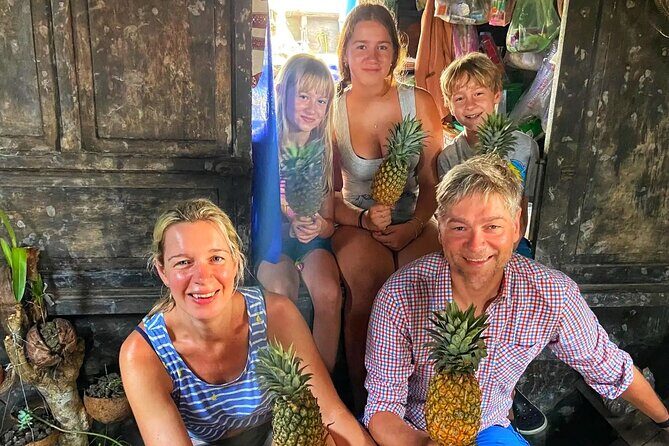
The full tour runs about 5 to 6 hours. It’s not an all-day event, but it’s also not a casual 2-hour sampler. You’re out early, you’re on a boat, and you’re learning two hands-on food topics.
Group size is capped at 20 travelers. That usually helps with comfort and questions, especially when you’re trying to understand how noodle work or cocoa production actually happens.
As for what to bring, use common sense:
- Sunscreen and a hat (sun shows up fast on the water)
- A light layer if you get chilly on the boat
- A small rain-ready option just in case
In past groups, the weather shift has required quick practical gear. If it starts raining, the tour can adapt, but you’ll be happier if you’re prepared.
Pickup and Meeting Point: Easy Start in Can Tho
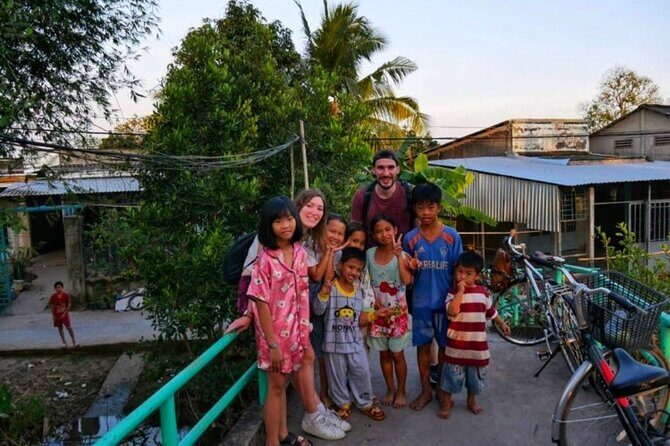
The tour starts at An Binh Market, with the listed address area: An Bình, Ninh Kiều, Cần Thơ. Start time is 6:45am.
You may also get free pickup from several locations, including Sheraton Can Tho, Victoria Resort, Wink Hotel, Charmant Suites Can Tho, the office of Mekong Legacy Resort, Con Khuong Resort, Vam Xang Rustic, Mekong Silt Ecolodge, TTC hotel, and Lion Hotel, plus Iris hotel. That’s a big practical advantage if you don’t want to plan a taxi ride before sunrise.
If you’re staying near public transport, the meeting point is described as near public transportation, which gives you another fallback option.
Guide Style That Makes the Stops Make Sense
The tour includes a local English-speaking guide, and that is where the difference shows up between watching and understanding. When the guide can translate the small details—why vendors position boats a certain way, how the noodle process works, or how cocoa is prepared—you walk away with more than photos.
In multiple guide-led experiences, names like Sasa, Lam, Hannah, Edward, and Tai (also mentioned as David in some notes) come up. The common thread is clear communication and energetic explanations, plus practical help like photographing good angles and steering the group through the morning efficiently.
One extra bonus: the tour content can support different diets when you communicate ahead. If you’re vegan or have dietary restrictions, it’s worth mentioning during booking so the coffee and tastings match your needs as closely as possible.
Price and Value: Why $38 Can Feel Fair Here
At $38 per person, this tour lands in the “worth it if you like food and culture” category. The reason is simple: you’re not paying for one highlight. You’re paying for multiple structured experiences across the Mekong ecosystem.
You get:
- Boat time on the floating market
- Canal cruising through My Khanh
- A noodle village visit centered on traditional rice noodle making
- An organic cocoa farm with handmade processing
- Breakfast and multiple drink options included
- Fruit included
- A guide to connect the dots
Add up the value of those ingredients (especially the included food) and the price feels more reasonable than a tour that only covers transportation and one attraction. The small group size also supports better flow, so your money isn’t spent on feeling herded.
If your goal is only one quick photo of the floating market, you might question the value. But if you want the food and the “how it’s made” parts, this is a strong use of a morning in Can Tho.
Should You Book This Can Tho Floating Market and Cocoa Tour?
I’d book it if you want a morning with real Mekong Delta texture: river trading, quiet canals, and two food stops that explain how everyday staples get made. It’s a smart plan for a first visit because it covers a lot of ground without turning into a full-day marathon.
Skip it if:
- You hate early starts and bright sun
- You want mostly lounging time rather than learning and watching production
- You’re only chasing the floating market for a short sightseeing hit
If you do book, plan to stay present. Wear sun protection, arrive ready to eat breakfast on the boat, and ask your guide to explain what you’re seeing—especially at the noodle village and cocoa farm. That’s where the morning turns from pretty to meaningful.
FAQ
How long is this tour?
The tour lasts about 5 to 6 hours.
What time does the tour start?
The listed start time is 6:45am.
Where does the tour start?
It starts at An Binh Market (ĐT923, An Bình, Ninh Kiều, Cần Thơ, Vietnam).
Is breakfast included?
Yes. Breakfast is included, featuring noodle soup and bread, along with coffee and/or tea drinks.
What foods and drinks are included?
You’ll get coffee and/or tea (including options like orange, chocolate, coconut, and water) plus fruit such as mango, pineapple, and jackfruit.
How many people are on the tour?
The maximum group size is 20 travelers.