REVIEW · CAN THO
Can Tho: A Real Mekong Tour, Floating Market, Cacao & Life’s
Book on GetYourGuide →Operated by VeMekong · Bookable on GetYourGuide
Early light on the Mekong changes everything. This Can Tho tour strings together Cai Rang floating market and quieter canal cruising, plus a real rice noodle stop and an organic cacao farm with cacao milk tasting. It packs a lot into one morning without turning the day into a shop crawl.
Expect a 5:00 AM pickup and a schedule that can shift a bit because of tide. I like that guides such as Hieu or Duy keep the whole flow smooth and explain what you’re seeing, but you’ll want comfortable shoes for the walking parts.
In This Review
- Key highlights worth waking up for
- Sunrise and Cai Rang: why the morning boat matters
- River breakfast: pho on the water, plus fruit and water
- The no-shop rice noodle stop at the 9-Cua family
- Phong Dien or Cai Rang canals: quiet water, slow cruising, real scenery
- Fruit garden tasting and a village trek that leads to cacao
- Organic cacao farm and the Mr. Cacao explanation
- Price and logistics: what $25 gets you (and what to plan around)
- Should you book the Can Tho Mekong tour?
- FAQ
- What time does the tour pick me up in Can Tho?
- How long does the tour take?
- Is breakfast included, and is there a vegetarian option?
- What food and drinks are included besides breakfast?
- Do you visit places with shopping or souvenirs?
- Is the tour wheelchair accessible or suitable for pregnant travelers?
Key highlights worth waking up for
- Cai Rang floating market from a small boat, not a crowded spectator perch
- Breakfast on the river, with a vegetarian-friendly option plus fresh fruit and water
- Secret small canal cruising (Phong Dien or Cai Rang canal system) with slow, relaxed boat time
- Rice noodle making at the 9-Cua family, specifically described as no shops and no souvenirs
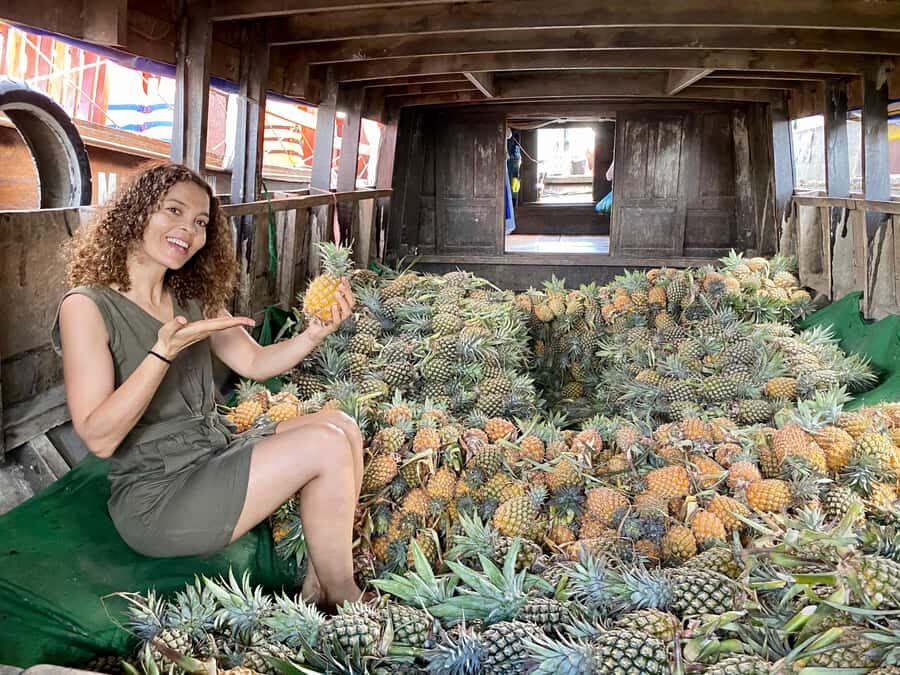
- Fruit garden tasting, with an educational walk and seasonal tropical fruits
- Organic cacao farm with a cacao milk drink, plus explanations about cacao uses
Sunrise and Cai Rang: why the morning boat matters
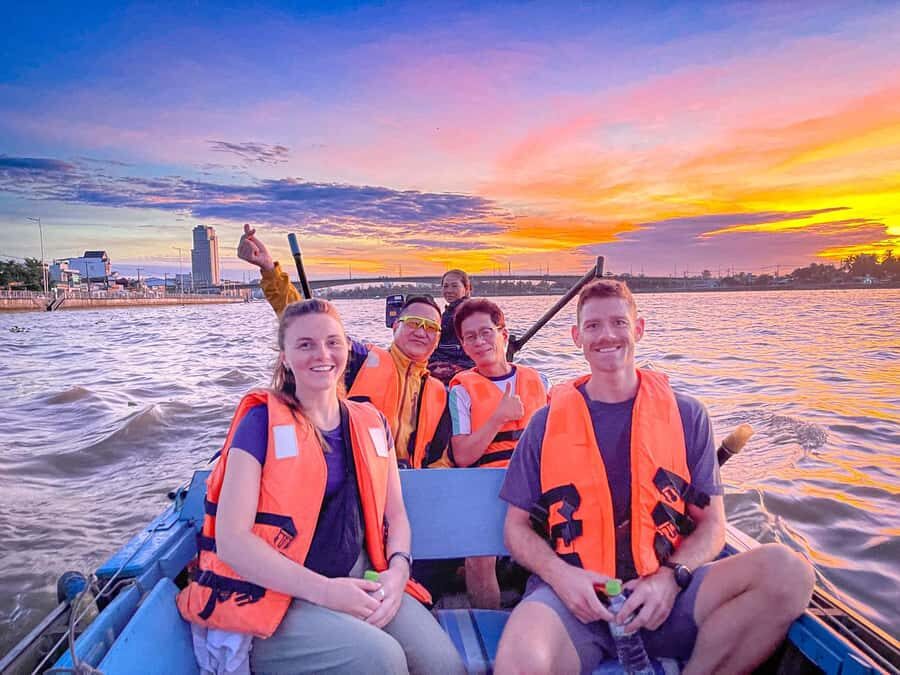
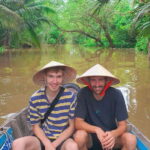
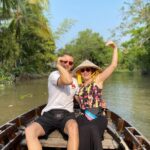
This trip starts very early. You meet at CHỢ CỔ BẾN PHÀ at 156 Đường Hai Bà Trưng in Can Tho city center around 5:00 AM, then walk over to the boat station to get on the sampan (a traditional, smaller boat). If you’re hoping to understand the Mekong Delta, this timing is smart: you get the river at work, not just at peak tourism hours.
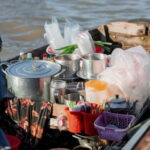
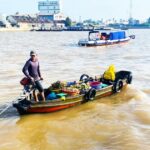
The cruise toward Cai Rang gives you a shot at sunrise, with around 5:30 AM often described as golden time when the sky wakes up slowly. Even when clouds dull the colors, the point is the same: the light, the water movement, and the early river routines help you read the landscape. You’ll then reach Cai Rang floating market, Can Tho’s “you have to see this” site.
A standout detail here is the small-boat approach. Some market views come from getting dropped into a big-airport-style crowd, but this tour is built around getting on a boat that moves with the scene. You’ll also get help from your guide with what you’re looking at, which makes the floating market feel more like a living system and less like a photo stop.
You can also read our reviews of more shopping tours in Can Tho
River breakfast: pho on the water, plus fruit and water
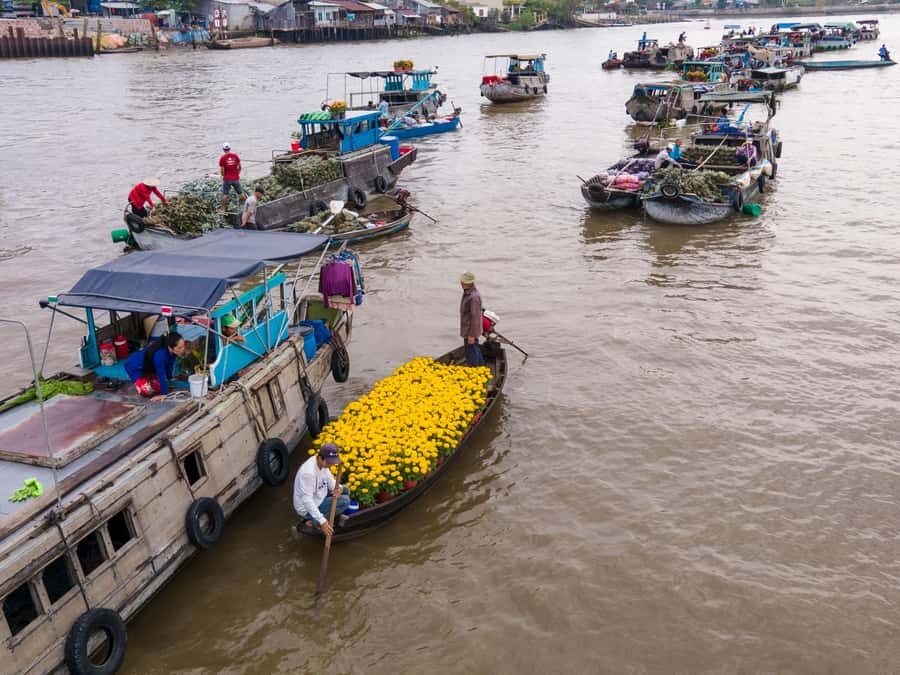
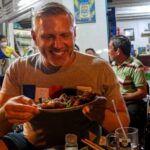
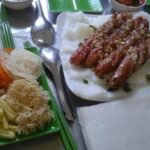
One of the best value parts is food that isn’t an afterthought. The tour includes breakfast on the river, with a vegetarian-friendly option, and it’s served in the morning while you’re still on the water. The day starts easier because you’re not hungry while you’re trying to take in the market and canal life.
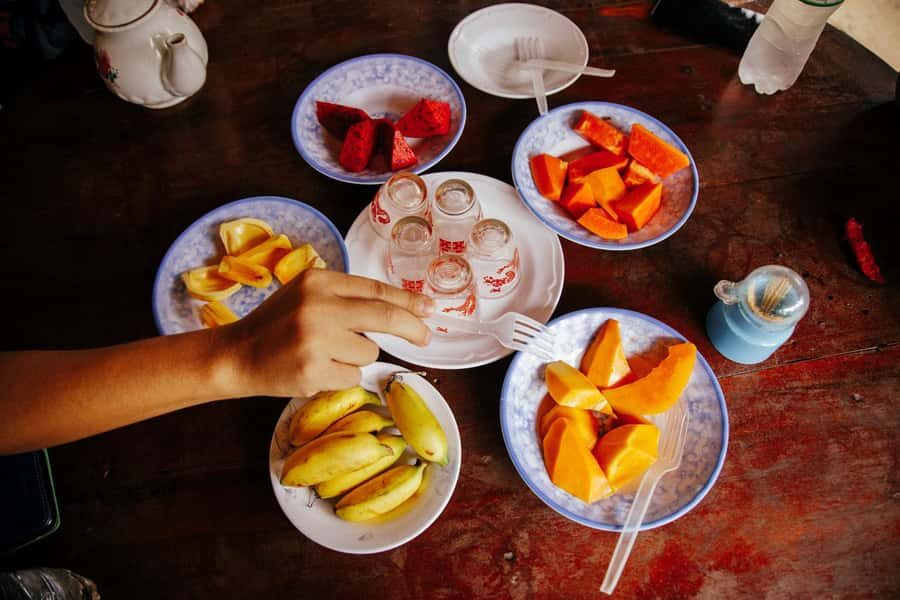
Along with breakfast, you’ll have fresh fruit and 500ml of water per person included. That matters more than it sounds in the Mekong Delta, where the sun and humidity can make you feel drained fast. If you plan to do this tour the same day you arrive in Can Tho, the included food is one less thing to manage.
One practical note: because the morning is early and active, pack your energy. Bring sunscreen and a hat, and wear shoes you don’t mind getting damp or dusty around boat areas. The tour is short, but it’s not designed for a slow, sleepy pace.
The no-shop rice noodle stop at the 9-Cua family
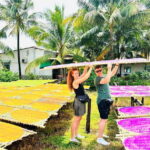
After the floating market and river moments, you’ll shift from wide views to a hands-on local production stop: a traditional rice noodle factory at the 9-Cua family. This is described as no shops and no souvenirs, which is exactly what I want from a food-and-culture stop. You’re there to watch and understand a real process, not to be steered toward purchases.
You’ll see the bright, colorful noodles and learn how they’re made by locals. The magic here is in the simplicity: rice, water, timing, and technique. Watching how something so ordinary becomes a staple helps you connect the Mekong Delta to everyday meals across Vietnam.
What I like about this part of the day is how it changes your pace. You go from boats and water to a quiet, focused activity that’s still local. If you’re the type who likes to understand how a region feeds itself, this stop gives you that context fast.
Phong Dien or Cai Rang canals: quiet water, slow cruising, real scenery
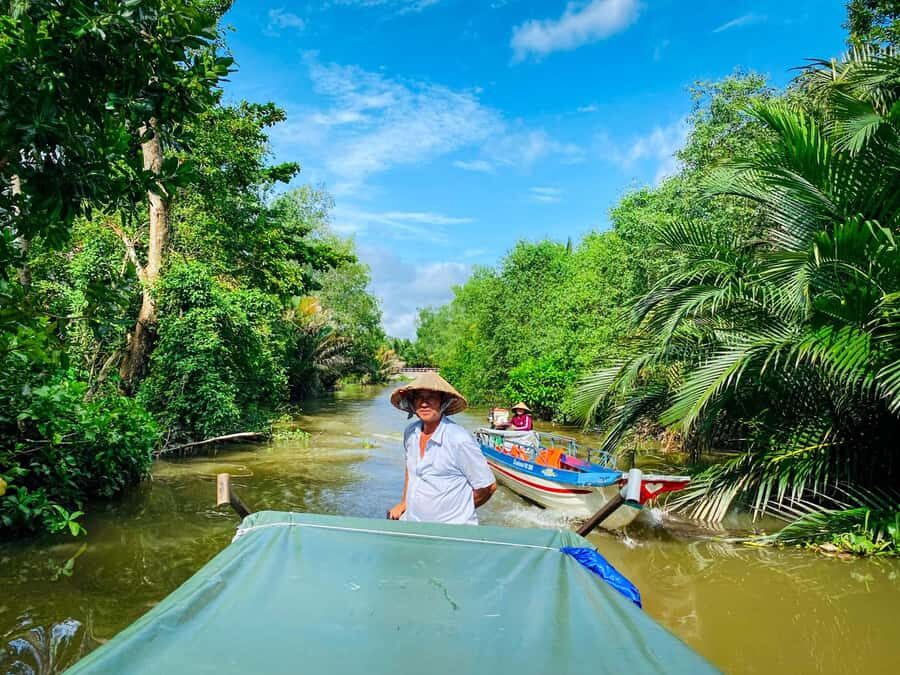
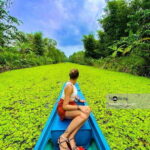
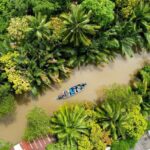
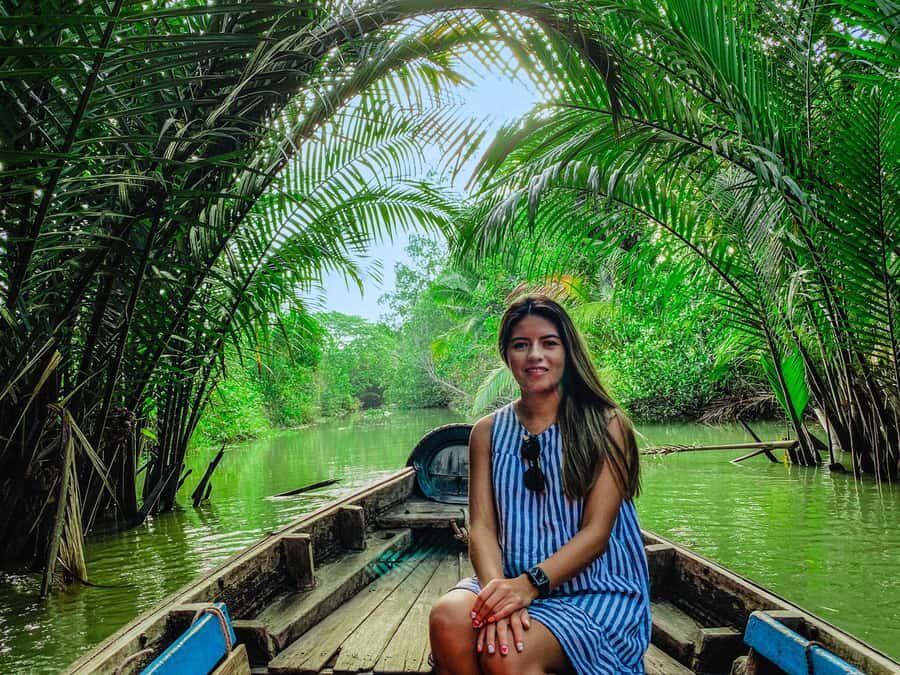
Next comes the quieter side of Can Tho: small canals described as secret and non-touristy. Depending on conditions, the route can be in the Phong Dien or Cai Rang secret canal system, both tied to the region’s famous green canal network. These are the waterways where life looks less staged, and the scenery feels more “you’re passing by someone’s backyard.”
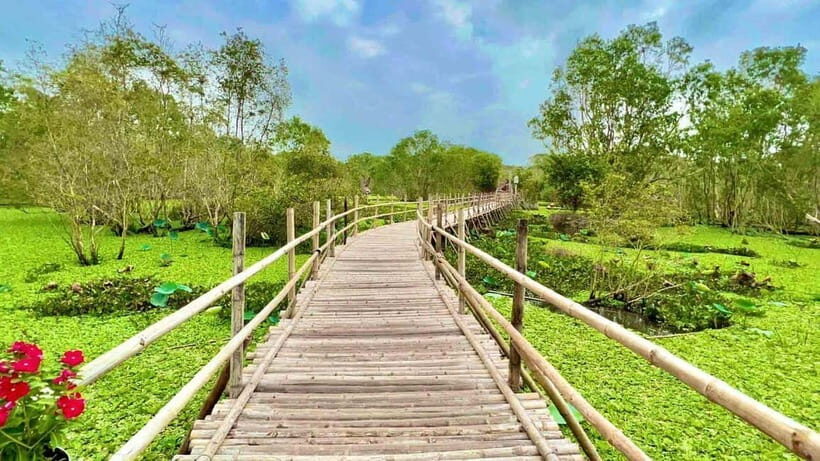
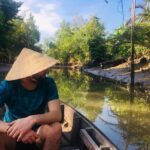
Boat time here is intentionally relaxed. Your sampan slows down the long-tail engine so you can enjoy the surroundings. That slower speed is not just comfort; it’s how you actually notice what’s around you—water coconuts, napa palms, freshwater mangroves, and the classic coconut-lined canal look.
This is also where you feel the rhythm of the delta. The water isn’t just scenery; it’s transport, food, and shelter. If you’re expecting a nonstop adrenaline tour, this section is the antidote. You’ll want to keep your camera ready, but you’ll also want a bit of stillness.
Two considerations for planning: first, the tour can end earlier or later because of low or high tide. Second, the canal portion is outside. If it’s sunny, protect yourself early.
Fruit garden tasting and a village trek that leads to cacao
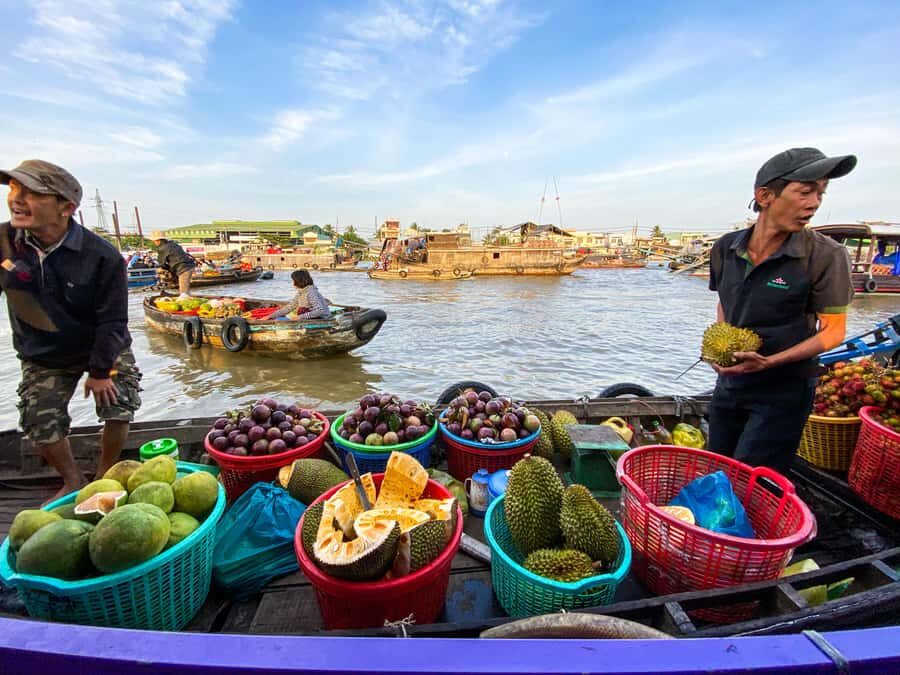
After canal cruising, the tour heads into the greenery: an educational tropical fruit garden. The walk here is built around listening to a guide’s stories about native trees, leaves, and flowers, and then tasting fresh seasonal fruits. The tasting part is key. You’re not only looking; you’re actually sampling what grows locally.
I like that this stop is described as both educational and fun. It gives you something to take home besides photos: a sense of which fruits feel like true delta agriculture, not imported variety. Bring a little patience with your senses too—fruit tasting can be slow if you’re taking it all in.
Then you get the village trek. It’s a short walk (about 15 minutes), described as the way to reach the cacao farm, and it’s noted as not applying for a cycling format. This is one of the reasons the footwear advice matters: you’ll be on foot, moving at a human pace through village/countryside surroundings.
If you want the day to feel connected—market to production to nature to village life—this section does that well. It’s also one of the calmer moments before cacao.
You can also read our reviews of more tours and experiences in Can Tho

Organic cacao farm and the Mr. Cacao explanation
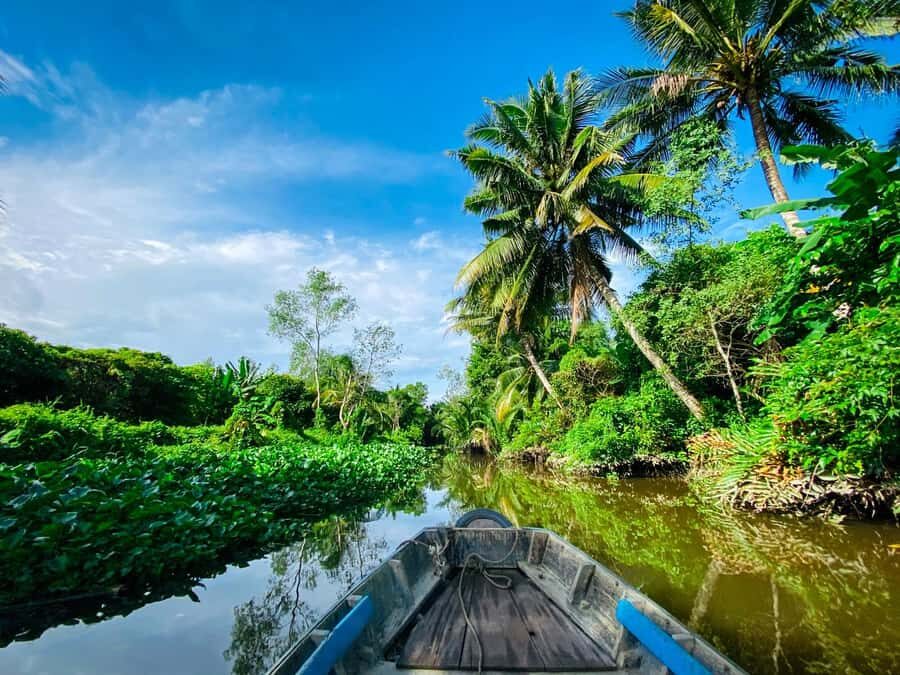
The last major stop is the organic cacao farm, described as established in the 1960s and maintained until today. This is where the tour earns its “more than a floating market” label. Cacao isn’t just a sweet end point; you’ll get an explanation of where cacao comes from and how it’s used.
Your guide talks about cacao’s characteristics and origin, plus uses that can include chocolates, wines, and cosmetics. The farm also includes the story of Mr. Cacao, which helps the topic feel less technical and more human.
Most importantly, you get to taste. A glass of cacao milk is included. If you’re trying to decide whether this tour is worth it beyond the market, this is the kind of included tasting that turns it into a complete experience rather than a string of quick stops.
This cacao ending also gives you a natural “closure” to the morning. You’ve moved through water, food production, fruits, and then cacao, so your brain has a clear theme: agriculture and daily life in the delta.
Price and logistics: what $25 gets you (and what to plan around)
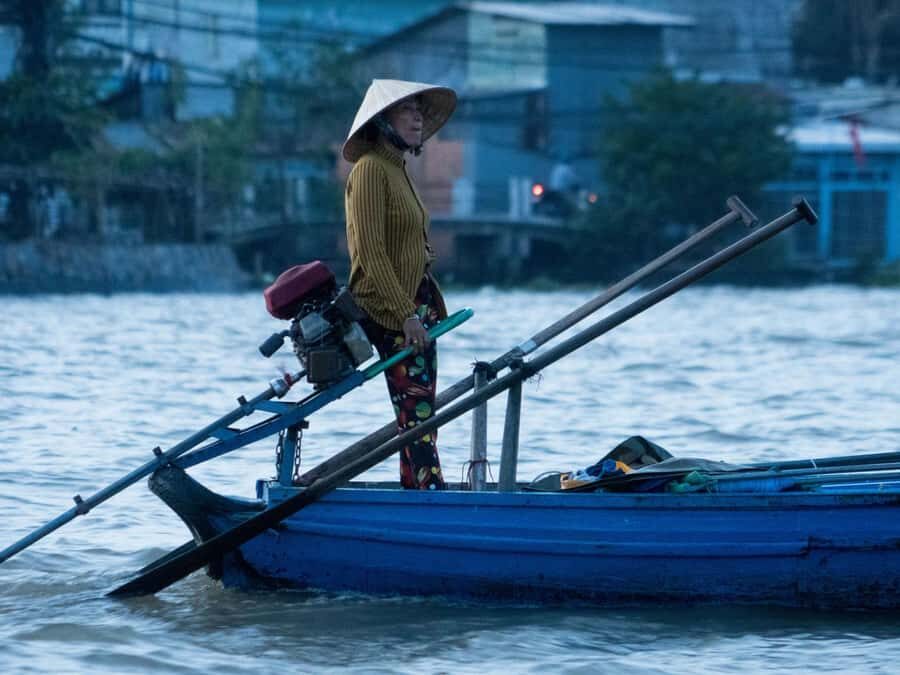
At about $25 per person, this tour looks like good value if you care about inclusions. You’re getting a sampan ride, an English-speaking guide, and entrance/visit fees for multiple stops: Cai Rang floating market, the rice noodle place, cacao farm, fruit garden, and the village walk. You also get breakfast, fresh fruit, water, and the cacao milk drink.
In practical terms, it’s not just transportation. The price covers the hard-to-plan parts for many visitors: timing, local explanations, and entry to places that feel more like community work than a theme park.
The trade-off is that you need to show up ready for an early start. Pickup is at CHỢ CỔ BẾN PHÀ at 156 Đường Hai Bà Trưng in the Ninh Kiều area, and you’ll end at the same spot around 11:30 AM. The day can end a little earlier or later depending on tide, so plan a flexible late morning for after the tour.
Also note: this tour does not do hotel/homestay pickup. If your accommodation is far from the meeting point, you’ll need to get yourself there.
Finally, the tour isn’t for everyone. It’s specifically marked as not suitable for pregnant women, people with back problems, and wheelchair users. If you’re managing mobility or fatigue, this early-morning walking and uneven surfaces around boat areas may be more than you want.
Should you book the Can Tho Mekong tour?
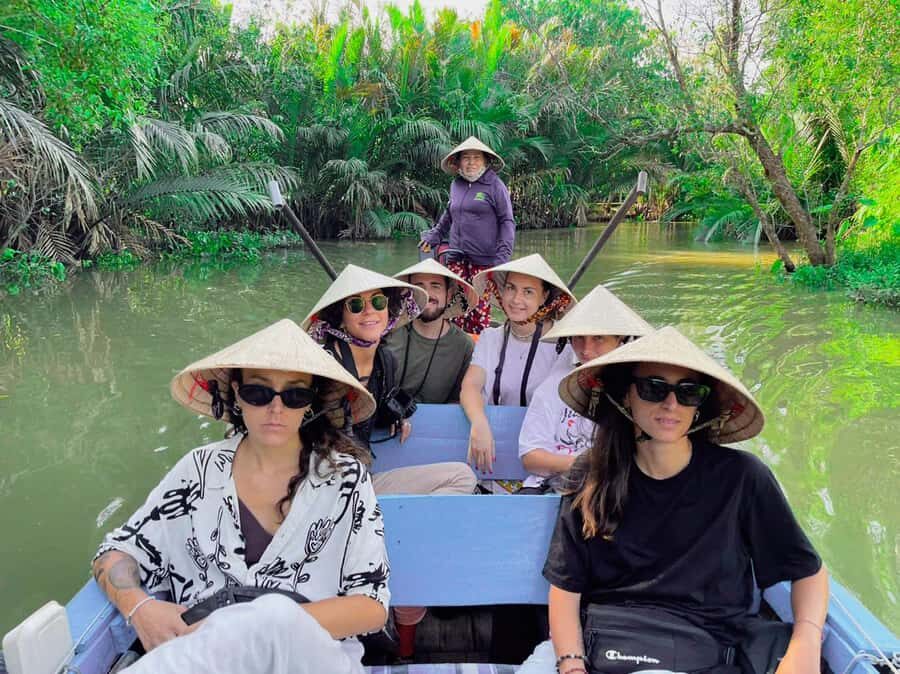
I’d book it if you want a single Can Tho morning that covers the Mekong Delta in a way that feels practical: Cai Rang floating market, quiet canal cruising, a real food-production stop with no shops, fruit tasting, and an organic cacao farm ending with cacao milk. It’s also a solid choice if you’d rather learn from a guide than just wander.
Skip it if you need a late start, dislike early mornings, or know you’ll struggle with walking and being on your feet for a short village trek. And if you only want one “big photo” moment, you might feel the rest of the day is more educational than flashy.
If you can handle the 5:00 AM start and you’re excited by how the delta grows and makes food, this tour is a strong use of your time in Southern Vietnam.
FAQ
What time does the tour pick me up in Can Tho?
The tour starts with pickup at 5:00 AM at the meeting point in Can Tho city center: CHỢ CỔ BẾN PHÀ, 156 Đường Hai Bà Trưng.
How long does the tour take?
The duration is about 6.5 hours. The tour ends around 11:30 AM, but it may end sooner or later because of low or high tide.
Is breakfast included, and is there a vegetarian option?
Yes. Breakfast is included and is described as vege-friendly, served as part of the river experience.
What food and drinks are included besides breakfast?
You’ll also receive fresh fruit and water (500ml per person), and you’ll have a glass of cacao milk included at the cacao farm.
Do you visit places with shopping or souvenirs?
Some stops are specifically described as no-shop experiences. The traditional rice noodle factory at the 9-Cua family is noted as no shops and no souvenirs, and the village walk is also described as not involving shop stops.
Is the tour wheelchair accessible or suitable for pregnant travelers?
No. The tour is not suitable for wheelchair users, pregnant women, or people with back problems.