REVIEW · HO CHI MINH CITY
Classic Mekong Delta & Cai Rang Floating Market Enjoy 1 Day from Ho Chi Minh
Book on Viator →Operated by Winter Spring Homestay · Bookable on Viator
This trip is interesting because it turns a long-distance hop into a tight, story-based river morning with Cai Rang floating market and a handful of short, meaningful stops. I like that it’s built around hotel pickup and round-trip transfers, so you spend less time figuring out transport and more time watching daily life on the water. I also like that you’re not stuck eating random snacks, since breakfast and lunch are included. One key consideration: the day can run longer than the advertised 5 hours, so I’d plan your schedule with extra buffer.
You’ll start early, then spend your main time in and around Can Tho: floating market views, a noodle/bakery production stop, and two temple visits that reflect the region’s mix of faith and culture. Guides like Trinh and Như Ý are repeatedly praised for clear explanations and keeping things moving at a comfortable pace.
In This Review
- Why this one-day format works (and who should choose it)
- Key things to know before you go
- From Ho Chi Minh to the Mekong: the early-start reality
- Price and value: what $105 buys you
- Cai Rang Floating Market: arrive early, set your expectations right
- Breakfast on the water area: coffee, coconuts, and real local routine
- Sau Hoai’s rice noodle factory: more than a quick look
- A second Cai Rang pass with fruit gardens and small canals
- Ong Temple: a quick stop with older roots
- Muniransay Khmer Buddhist Temple: the delta’s cultural mix
- How long is the day really? Timing tips that prevent stress
- Group tour feel: up to 60 people, one shared pace
- What to pack: small choices that keep you comfortable
- Weather and season: the one variable you can’t control
- Should you book the Classic Mekong Delta & Cai Rang Floating Market?
- FAQ
- What does the $105 per person price include?
- How long is the tour, and do I have free time?
- Does the tour include meals?
- Is pickup from my hotel included?
- How large are the groups?
- Can I cancel for free?
Why this one-day format works (and who should choose it)
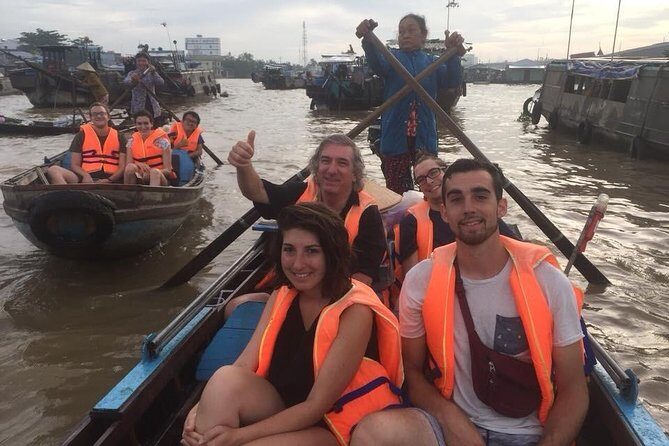
The real value is the pacing: a guided “learning” portion, plus time left free after lunch. That’s great if you want a first taste of the Mekong Delta without committing to a full multi-day itinerary. It also suits people who like group travel with handrails—someone is driving, someone is translating, and meals are handled.
The tradeoff is that group tours have group energy. With a maximum of 60 travelers, you’ll likely wait sometimes, and the schedule can be sensitive to timing on the water—especially for Cai Rang, which may not always look like the fullest postcard version.
Key things to know before you go
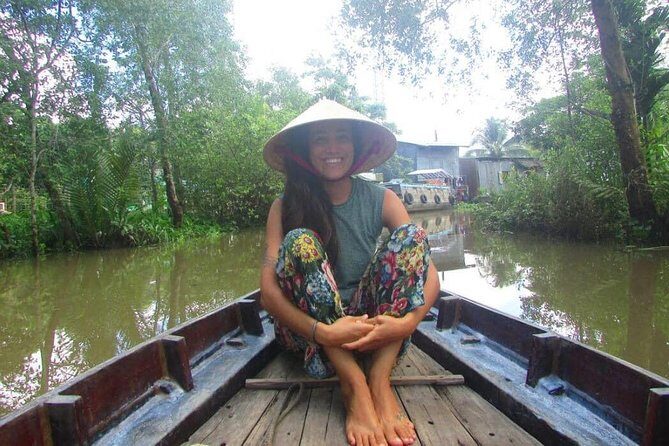
- Early Cai Rang timing matters: you’re designed to reach the market early, when boats are easier to see and the heat is less punishing.
- Breakfast is part of the river story: you can expect breakfast at/near the market with items like coffee and coconuts.
- You’ll see production up close: a stop at Sau Hoai’s rice noodle factory (with a traditional bakery factory option) adds real-world context beyond scenery.
- Two temple stops, both short: Ong Temple and Muniransay Khmer Buddhist Temple each take about 15 minutes, keeping the day moving.
- Expect a guided group day: it’s a group tour (up to 60), so the pace is set for the group, not for maximum wandering time.
- Ask about your exact end time: even though the tour is labeled around 5 hours, some people report much longer door-to-door days.
You can also read our reviews of more shopping tours in Ho Chi Minh City
From Ho Chi Minh to the Mekong: the early-start reality
This is a one-day trip from Ho Chi Minh City, and it works because the timing is built for river life. You’ll be picked up from your hotel in Ho Chi Minh City and transferred as part of the plan, which is a big deal when you want to get to Can Tho without stitching together buses, boats, and schedules.
The most common “shape” of the day is: early pickup, a drive to the Can Tho area, then a guided morning that centers on the river. One real example from a past guest: pickup around 2:45 and arrival for Cai Rang around 5:30, with a long morning ahead once the sun is up. That early start is not just for convenience—it’s also what makes Cai Rang feel like a working market rather than a scenic stop.
Still, be smart about expectations. The tour is described as about 5 hours of guided time, with the rest of the day free, but there have been reports of the overall day running far longer than the label suggests. If your plans are tight later that evening, I’d build in a cushion and confirm your pickup and return times in advance.
Price and value: what $105 buys you
At $105 per person, this isn’t the cheapest way to see the Mekong Delta, but it’s also not trying to be ultra-luxury. The value comes from the combination of logistics plus included meals.
Here’s what you’re effectively paying for:
- Round-trip transfers from Ho Chi Minh City (hotel pickup and return)
- A guide who handles the flow of multiple stops
- Meals: breakfast in the market area and lunch before you leave
- Free admissions at the sites listed (where tickets are normally separate)
When tours include transfers and meals, you save the “hidden costs” that add up fast on self-planned days: multiple taxis, bottled drinks, convenience food, and entrance fees. In a day trip where you’re traveling across regions, that bundling matters.
The downside is you’re buying a group experience. With up to 60 travelers, you’re not in control of pace or photo timing. If you want slow wandering and lots of unscheduled detours, a group day can feel a bit structured.
Cai Rang Floating Market: arrive early, set your expectations right
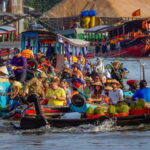
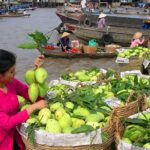
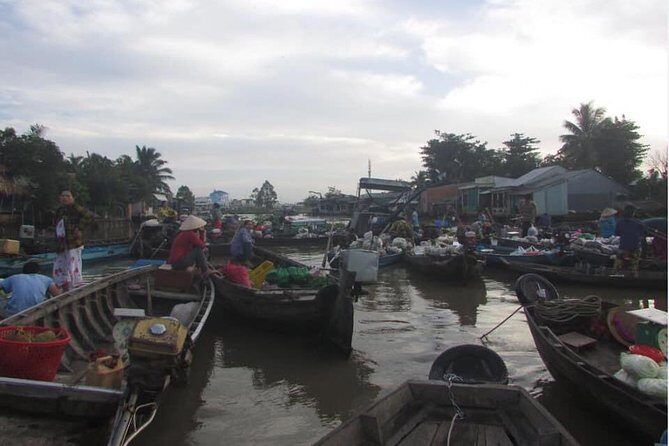
Cai Rang is the headline, and you’ll spend real time there. You’ll explore the floating market and enjoy breakfast, which is a smart way to experience it as a living routine rather than a photo stop.
What makes this market special is the choreography: boats moving through the waterways, vendors sorting goods, and customers signaling needs as products pass by. You’ll also see the market as a network, not one single spot—so your guide’s route is part of the experience.
One practical note: Cai Rang doesn’t always look like the most crowded versions from older viral clips. Some past guests reported that the floating market can be smaller than expected, with fewer boats than the classic images. The fix is simple: keep your eyes open for the market behavior even if there are fewer boats. Early timing helps, but don’t treat “count of boats” as your success metric.
My advice for your morning: dress for heat, bring water, and wear footwear that handles boat edges and uneven ground. This is where day trips often trip people up—literally.
Breakfast on the water area: coffee, coconuts, and real local routine
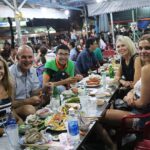
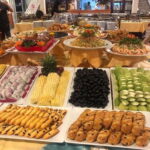
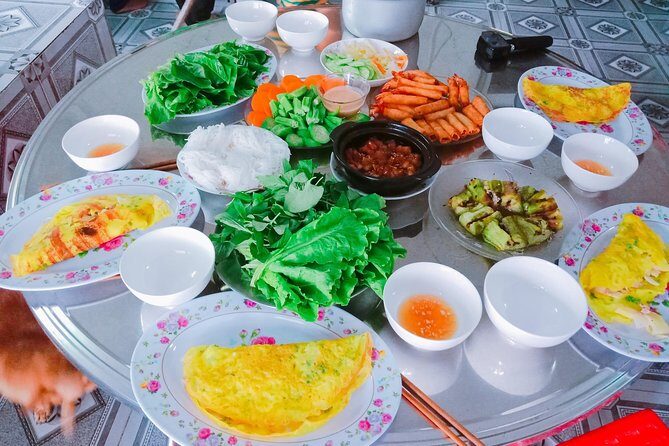
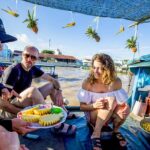
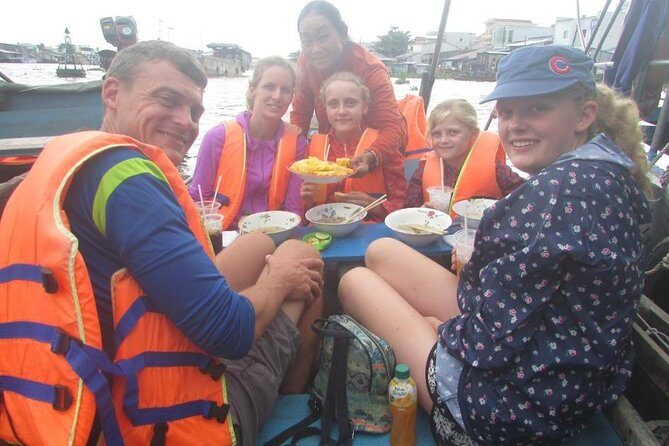
The breakfast component is one of the best perks, because it anchors the morning. You’re served breakfast at the market area and can expect items like coffee and coconuts, plus other food as part of the included meal.
One guest specifically mentioned having pho for breakfast, which tells me at least some breakfasts lean toward familiar Vietnamese dishes rather than just sweets and pastries. The exact menu can vary, but the important part is that breakfast is planned around the market moment.
If you’re the type who likes to start the day with a full meal (not just a drink), this inclusion is a win. And if you’re not, it still helps you avoid the “hungry fatigue” that can make later temple stops feel rushed.
You can also read our reviews of more tours and experiences in Ho Chi Minh City
Sau Hoai’s rice noodle factory: more than a quick look
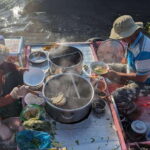
After Cai Rang, you’ll head to a production stop: Sau Hoai’s Rice Noodle Factory. It’s positioned as either a rice noodle factory visit or a traditional bakery factory option, which gives you a sense of how regional staples are made.
This kind of stop is valuable because it adds texture to the day. Markets show you what people buy and sell. A noodle (and bakery) factory shows you what people make and why it matters to daily meals. If you pay attention, you’ll start noticing how food links together: waterway commerce leads to ingredients, ingredients lead to production, production leads back to what you saw in the market.
This is typically a shorter segment, but it’s the kind of stop that benefits from curiosity. Ask your guide simple questions, like what locals use noodles for or how preparation changes over time. Guides such as Trinh are praised for explaining things clearly, and that matters here.
A second Cai Rang pass with fruit gardens and small canals
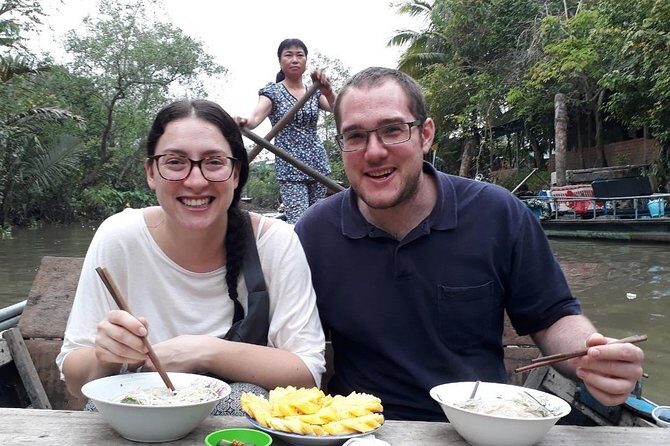
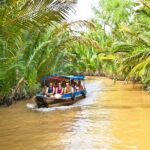
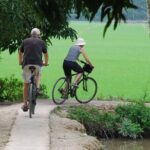
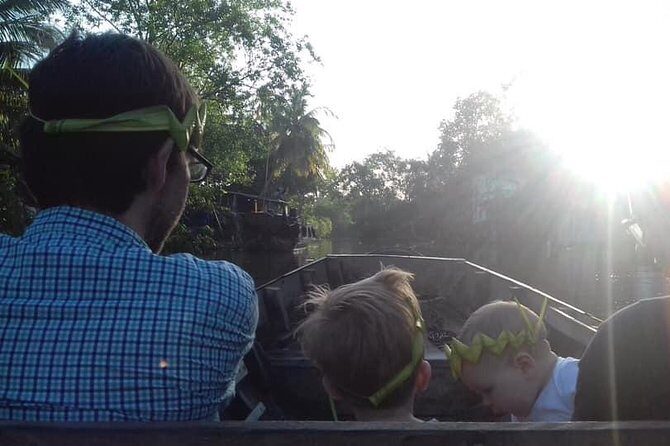
You’ll return to the Cai Rang area for more exploring, including fruit garden views and small canals. This is a smart design choice: it lets you see more than one style of waterways in the same day.
In practical terms, think of it like a “second lens” moment. The first stop is about the main market feel and breakfast. The later time slot often shifts toward narrower canals and surrounding areas where you can better imagine how people live with the river as their highway.
If you’re the type who likes photos, this is where you might get a different angle—less open-water market, more quiet canal perspective. If you’re not, this segment still helps because it shows the delta’s rhythm beyond the most crowded point.
Ong Temple: a quick stop with older roots
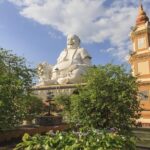
Next up is Ong Temple, noted as the oldest pagoda in Can Tho. This stop is short—about 15 minutes—and admission is free as listed.
Even in a short visit, temples can reset your brain after the sensory overload of markets. Look for how the space feels: calmer than the water trade, with details that reward slower attention. Since it’s a religious site, dress in a respectful way and keep your camera use considerate.
If you only remember one thing from the temple portion, make it this: the Mekong isn’t only commerce. It’s also community and faith.
Muniransay Khmer Buddhist Temple: the delta’s cultural mix
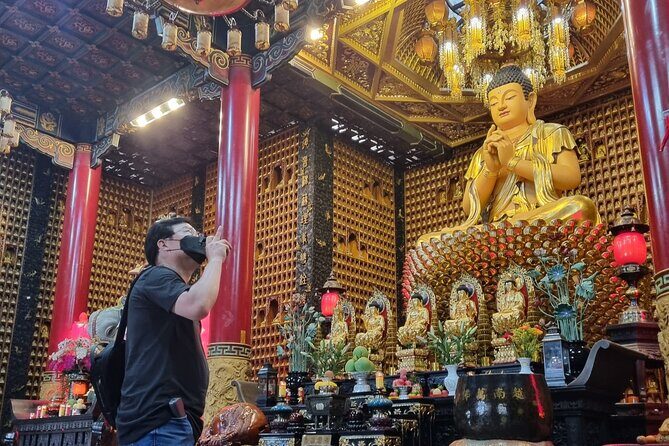
You’ll also visit Muniransay Khmer Buddhist Temple, another about-15-minute stop with free admission. This is a different faith expression than what you might see in some mainstream Vietnamese pagodas, and that contrast is part of the educational value of the day.
Why I think this matters for you: it shows the delta as a meeting point of cultures, not a single uniform identity. Even if you don’t know the symbolism, you can still observe architecture, worship areas, and how visitors behave. Your guide can help connect the dots, especially if your guide is one of the ones known for patient explanations.
How long is the day really? Timing tips that prevent stress
The tour is described as about 5 hours of the guided portion, then the rest of the day is free. But real-world travel rarely follows a perfect script, especially with shared transfers and timing on the water.
Here’s what I’d do to protect your day:
- Plan your return transport for later than you think you need it. If you have plans that depend on an exact arrival time, you’re gambling.
- Bring a small snack and an extra water bottle if you hate waiting. Meals are included, but your body clock might not match the schedule.
- Ask about exact pickup time the day before. Early starts are where miscommunication hits hardest.
If you’re someone who loves “set it and forget it,” this tour is built for you. If you’re someone with a strict itinerary later, treat this as an early-morning excursion that may spill a bit into the evening.
Group tour feel: up to 60 people, one shared pace
This is a group experience, with a maximum of 60 travelers. That has a few consequences you should expect:
- You’ll follow a route set by the guide.
- Time at each stop is limited, so you’ll need to make quick decisions about photos and questions.
- You might feel small delays if everyone isn’t ready for transfers.
The upside is that you get a built-in social setting, plus local guidance. People also get more comfortable because someone is translating and explaining. Guides like Như Ý are repeatedly praised for being helpful and local, which can make short stops feel less like checklists.
If you prefer quiet travel or private pacing, you might find this format slightly hectic. But if you want a well-guided day without planning stress, it’s a solid fit.
What to pack: small choices that keep you comfortable
Since the tour touches markets, temples, and boat area surroundings, your packing choices matter more than they would on a museum-heavy itinerary.
Bring:
- Comfortable footwear you don’t mind getting a little dusty
- A hat and sunscreen for the early-water sun
- A light layer in case mornings feel cool on the water
- Water for when you’re between included meals
A past guest noted an issue with footwear in a sandy area, which is a hint: go for grip and comfort, not just style. If you arrive in flimsy sandals, you might regret it later when you have to move quickly.
Weather and season: the one variable you can’t control
This experience requires good weather. If conditions are poor, it may be canceled and you’ll be offered a different date or a full refund.
Because this tour is water-based and depends on timing, you should keep your plans flexible on the day you book. If you’re traveling during a season with frequent downpours, don’t stack any tight commitments right after your morning start.
Should you book the Classic Mekong Delta & Cai Rang Floating Market?
I’d book this if:
- you’re short on time and want a one-day Mekong Delta taste from Ho Chi Minh City
- you like having transfers and meals handled
- you want the highlights—Cai Rang, a noodle-making stop, and two temple visits—without a lot of independent planning
- you appreciate a guide-led route, and you want someone local to help you interpret what you’re seeing
I’d skip or reconsider if:
- you have a very strict schedule later the same day (since the day can run longer than advertised)
- you’re obsessed with seeing the maximum “crowded floating market” look from old photos (the number of boats can vary)
- you dislike group pacing and prefer private, slower travel
Bottom line: for most first-timers, this is a practical way to experience the Mekong Delta’s river life with breakfast and lunch included and door-to-door transfers. Just be smart about timing and footwear, and you’ll get a day that feels like it belongs to the region—not just a checkmark.
FAQ
What does the $105 per person price include?
It includes hotel pickup and round-trip transfers from Ho Chi Minh City, a guided tour, breakfast and lunch, and free admission at the listed stops.
How long is the tour, and do I have free time?
The experience is listed as about 5 hours. You’ll have guided time for around 5 hours, and then the rest of the day is free.
Does the tour include meals?
Yes. You get breakfast at the market area (with items like coffee and coconuts) and lunch before you leave.
Is pickup from my hotel included?
Yes. Hotel pickup and round-trip transfers from Ho Chi Minh City are included.
How large are the groups?
The tour has a maximum size of 60 travelers.
Can I cancel for free?
Yes. You can cancel up to 24 hours in advance for a full refund. If poor weather cancels the experience, you’ll be offered a different date or a full refund.