REVIEW · HO CHI MINH CITY
Cook 4 Local Vietnamese Dishes In Pink-themed Class & Market Tour
Book on Viator →Operated by Holy Phở Cooking Class · Bookable on Viator
Your apron starts in a real Saigon market.
This Cook 4 Local Vietnamese Dishes class pairs a wet market walk with serious cooking skills, taught in fluent English by hosts like Eva and Kelsey. You get more than a meal here: you get the why behind the flavors, from herbs and sauces to how regional tastes show up on your plate.
I especially like the 100% hands-on setup—each person works at their own sanitized station instead of hovering and watching. And I like that the experience ends with a four-course meal from scratch that you’re actively part of, not just tasting.
One thing to consider: you’re starting in a small alley in District 1, so it helps to arrive on time and wear comfy shoes for the market walk. Also, the class notes that soda/pop isn’t included, so you may want to plan for that if you’re expecting drinks.
In This Review
- Key highlights you’ll care about
- District 1 meets a wet market: the vibe and the value
- The walk through Chợ Tân Định: why the market is the real classroom
- Tan Dinh Church: a quick local pause before you cook
- Your own station in a renovated studio: how the format avoids chaos
- From herbs to sauce: what you learn beyond the recipe
- Lunch and dinner included: what that means for your day plan
- Menu wins: the pho-making confidence factor
- Who runs the show: Eva’s teaching style and Kelsey’s smooth guidance
- Small group energy and big-room comfort: max 10 travelers
- Photography and the pink venue: a nice bonus, not the mission
- Price and logistics: why $38 can work for a 4-course class
- Who should book this Vietnamese cooking class in Ho Chi Minh City
- Quick tips so you get the most out of your 4 hours
- Should you book Holy Phở Cooking Class?
- FAQ
- How long is the Cook 4 Local Vietnamese Dishes class?
- Where does the class start, and does it end nearby?
- What’s included in the price?
- Is vegetarian food available?
- What does the class cost and how big is the group?
- Is free cancellation available?
Key highlights you’ll care about
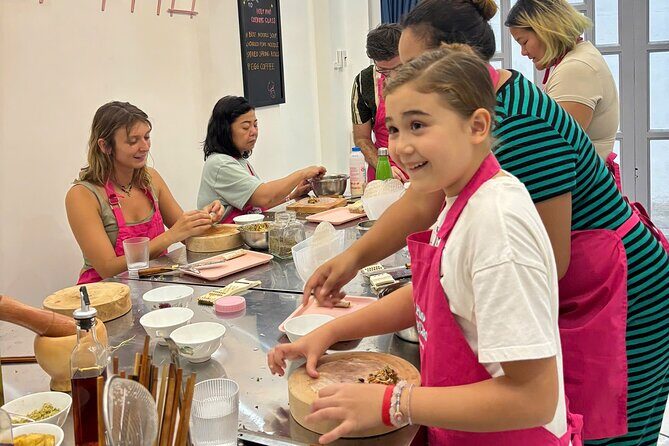
- Private, sanitized cooking station: no sharing one station between several people.
- Wet market tour in local rhythm: herbs, spices, and produce pick-ups in a real neighborhood setting.
- English-speaking hosts with humor: Eva and Kelsey are called out for patience, clarity, and keeping the group on track.
- Four-course meal from scratch: 3 main dishes plus 1 dessert, all built by you.
- Small group size (max 10): better pace and more chances to ask questions while you cook.
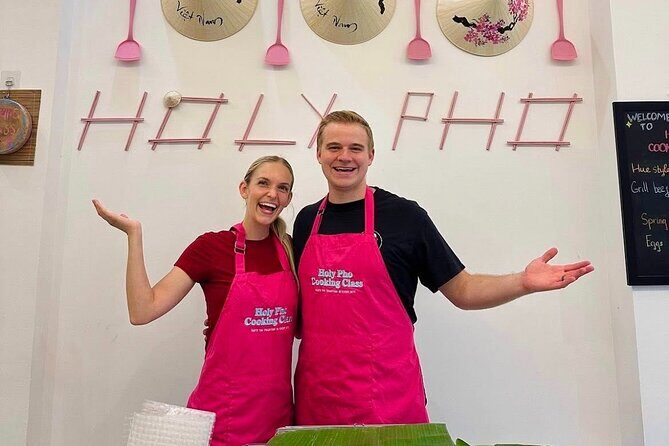
- Pink-themed venue: fun photo backdrop without turning the whole experience into a gimmick.
District 1 meets a wet market: the vibe and the value
Ho Chi Minh City can feel like information overload. This class gives you a focused slice of real Saigon, starting in District 1 and moving straight into market life. The pink-themed studio adds a playful touch, but the point isn’t decor. The point is learning how Vietnamese cooking works when you’re actually touching the ingredients and following technique step by step.
Value-wise, I think this hits a sweet spot for the price. At $38 per person for about 4 hours, you’re paying for a guide-led market walk, an English-speaking host, cooking equipment, and the meals. Many cooking classes cost more but only feed you a small portion. Here, the package includes lunch and dinner, plus the finished four-course meal you cook.
The small group size matters too. With a maximum of 10 travelers, you’re less likely to feel stuck waiting for utensils, burners, or answers. And with your own station, the class moves at a human pace.
You can also read our reviews of more shopping tours in Ho Chi Minh City


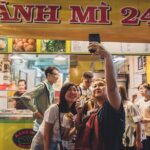
The walk through Chợ Tân Định: why the market is the real classroom
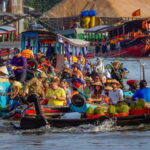
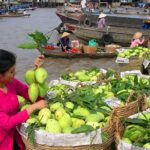
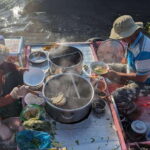
Your first stop is Chợ Tân Định, a wet market that’s described as the not-too-polished version of what tourists usually see. That matters, because Vietnamese cooking is ingredient-driven. Learn the produce and herbs in the place they’re sold, and the later flavors make more sense.
On a market tour like this, you’re not just shopping. You’re building a mental map:
- Which herbs and aromatics show up again and again
- How sauces get their personality through saltiness, acidity, and sweetness
- What produce looks like when it’s fresh enough to matter
The best part is that you don’t just collect items and hope for the best. The class is designed around explaining how these ingredients are used, and why they’re treated differently depending on the dish and region. That’s one of the reasons a hands-on cooking class like this can stick with you longer than a recipe you read at home.
Practical note: a wet market walk can involve uneven surfaces and lots of foot traffic. Comfy, closed-toe shoes help, and it’s smart to keep your phone protected if the area gets crowded.
Tan Dinh Church: a quick local pause before you cook
Between market shopping and the kitchen work, you’ll also stop at Tan Dinh Church. This is a small but useful reset. Markets move fast—lots of smells, colors, and sounds. A short pause in a nearby landmark-like setting helps you regroup before you handle knives and hot pans.
It also keeps the experience from feeling like one long food task. You get a bit of neighborhood context, which makes the District 1 area feel less like a stage set and more like lived-in city blocks.
Your own station in a renovated studio: how the format avoids chaos
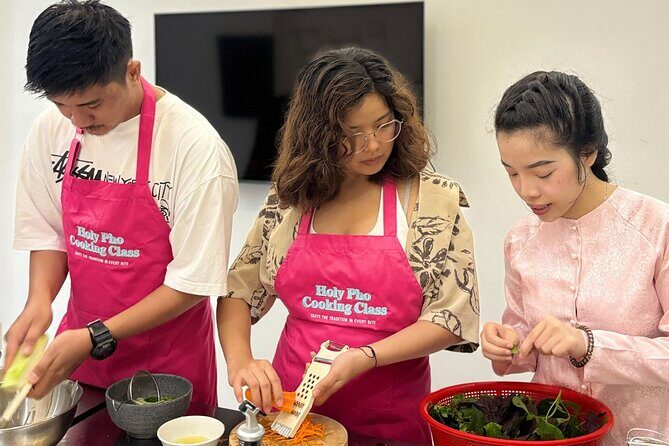
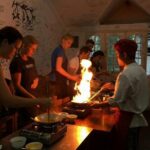
The kitchen setup is where this class earns its reputation. You cook at your own private station, and it’s described as sanitized and fully equipped. That’s a big deal because many cooking classes are “hands-on” in name only—one cutting board per group, long waiting lines, and instructors who can’t catch everyone in time.
Here’s what the format changes for you:
- You control your workflow instead of rushing to match the pace of others
- You get clearer guidance while your hands are actively doing the steps
- You learn technique instead of just grabbing a finished dish
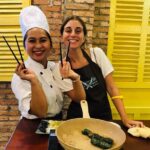
The teaching style is also built for real questions. In the feedback people share, Eva is highlighted for answering questions and teaching with patience, humor, and clarity. Kelsey is also mentioned as a host who meets on time and helps guide the flow from market to kitchen.
I like this pairing because it usually means smoother transitions. When the market walk and cooking steps flow well, you spend less time wondering what happens next—and more time actually cooking.
From herbs to sauce: what you learn beyond the recipe
A lot of cooking classes teach steps. This one aims to teach reasoning. The course description emphasizes that you learn not only how to make dishes, but why they’re made a certain way depending on the region.
That might sound abstract until you see the pattern:
- Vietnamese cooking balances flavors in a specific way (not just “add salt and hope”)
- Herbs aren’t garnish; they’re part of the flavor structure
- Sauces are adjusted based on what you’re pairing them with
You’ll also pick up kitchen hacks used by Vietnamese home cooks—the kind of small practical tips that don’t show up in many online recipes. Even if you never cook these dishes daily, those shortcuts help you cook with confidence when you do try later.
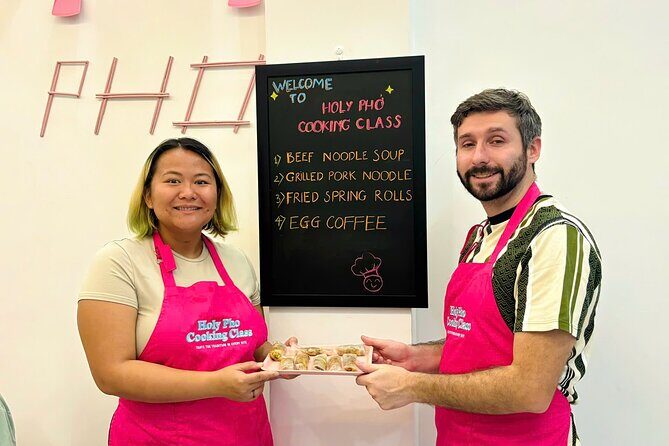
And yes, the menu is designed to feel complete: three main dishes plus one dessert. Finishing with something sweet also helps you understand Vietnamese meals as whole experiences, not single-dish obsession.
You can also read our reviews of more tours and experiences in Ho Chi Minh City
Lunch and dinner included: what that means for your day plan
This class doesn’t position itself as a quick snack. The included meals matter for planning because lunch and dinner are both part of the experience.
So, think of your schedule like this:
- You’re essentially getting a full meal plan within a single 4-hour block.
- You can eat what you make without scrambling for food afterward.
If you’re building a Ho Chi Minh City day, this is a good anchor activity. It also helps if you’re walking neighborhoods that have plenty of food choices but you don’t want to spend your energy deciding what’s worth your time.
One practical catch: soda/pop isn’t included. If you like a drink with your meal, plan to buy one separately rather than expecting it to be included.
Menu wins: the pho-making confidence factor
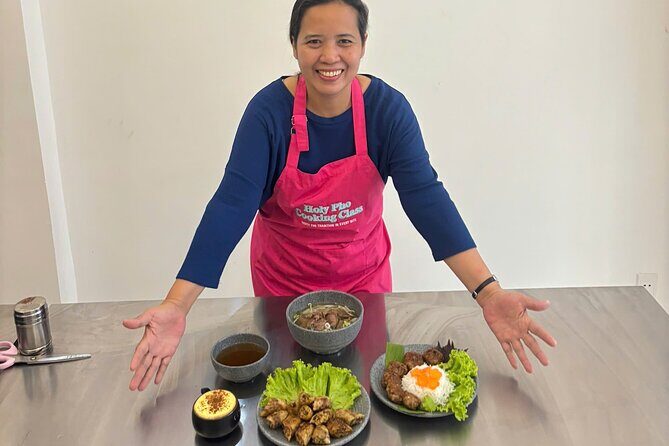
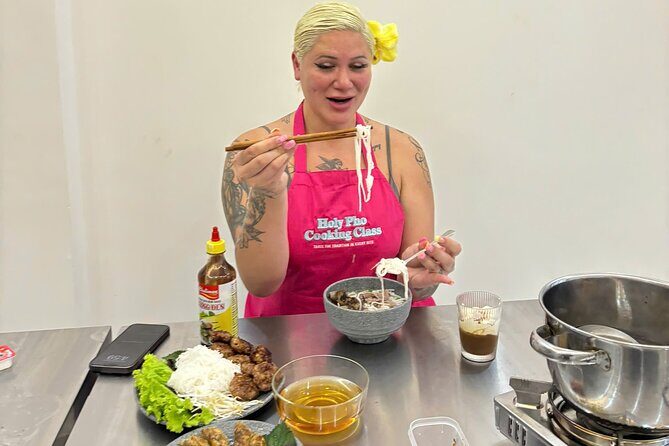
The experience is described as a class where you cook four local Vietnamese dishes. The most emotionally satisfying learning moment shows up in the feedback around pho—people leave feeling like they can actually make it, not just identify it on a menu.
Even if your specific dish lineup includes different dishes session to session, the teaching approach is the same: you learn core technique and how to build flavor. If you’re a pho fan, this is the kind of class where you can come away with a serious confidence boost.
Who runs the show: Eva’s teaching style and Kelsey’s smooth guidance
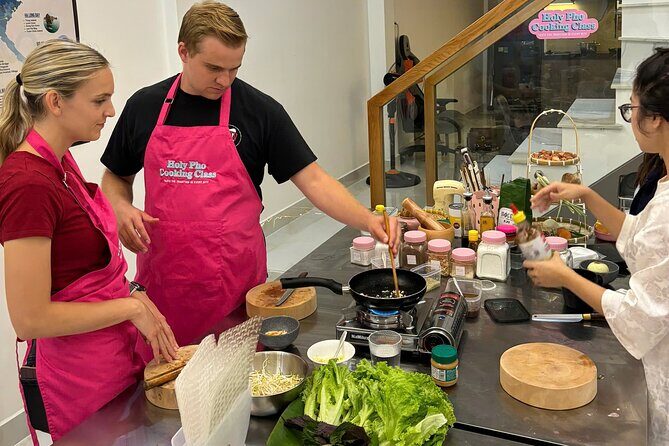
The names Eva and Kelsey come up repeatedly, and not in a vague way. Eva is described as a top teacher who keeps things organized, answers questions, and keeps the class fun while still being focused. Kelsey is described as helping the group along right on time, including during the scooter-heavy reality of moving through the city streets.
That combination is exactly what you want on a short cooking outing. You want the market walk to feel safe and understandable, and you want the cooking instructions to be easy to follow once your hands are busy.
Small group energy and big-room comfort: max 10 travelers
With up to 10 people, you avoid the most common cooking class problem: one host trying to teach a lot of stations at once. A smaller group means better attention, and it usually means fewer stalled moments where you’re waiting for your turn.
It also makes it easier for couples and solo travelers to relax. You can talk, learn, and still get enough individual coaching when you need it.
Photography and the pink venue: a nice bonus, not the mission
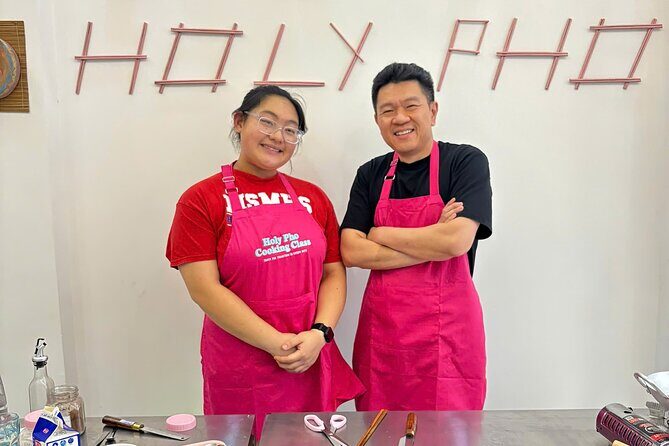
The venue is pink-themed, which is clearly part of the fun and makes it ideal for photos. But the way this class is set up, the design doesn’t replace the cooking. You’re still doing real work—shopping, prepping, cooking, and eating.
If you care about content, this is a rare case where the backdrop is enjoyable and the experience doesn’t feel empty or staged.
Price and logistics: why $38 can work for a 4-course class
At $38, you’re not paying just for “someone telling you a recipe.” You’re paying for:
- an English-speaking guide/host
- a local market tour
- equipment and a cooking station at a studio
- lunch and dinner
- the fact that you cook a full 4-course meal from scratch
For Ho Chi Minh City, this can feel like a smart use of time because you get concentrated value in just a few hours. You also leave with take-home materials (a cookbook/recipe book is mentioned), which extends the value after the class is over.
Location helps too. The start point is 97 Nguyễn Hữu Cầu, Phường Tân Định, Quận 1. District 1 is convenient for building a tight sightseeing loop.
Who should book this Vietnamese cooking class in Ho Chi Minh City
This experience fits a wide range of travelers:
- Solo travelers who want a structured way to meet people while doing something practical
- Couples who want a shared activity beyond just dinner and photos
- Families, since it’s designed to work for different ages and includes vegetarian options
- Food lovers who want to understand ingredients, not just copy a recipe
If you’re traveling with kids, the format can be a good fit because the class is hands-on and structured. Just be ready for a slightly energetic market start.
If you hate hands-on cooking, or if you prefer to watch quietly and avoid food smells or spice scents, you might feel more comfortable with a tasting-style tour instead.
Quick tips so you get the most out of your 4 hours
- Arrive a bit early so you’re not stressed at the start. The meeting point is in an alley area.
- Wear closed-toe shoes for the market walk.
- If you’re vegetarian, mention it ahead so the class can align dishes and ingredients with your needs.
- Bring curiosity, not just appetite. The best learning comes when you ask why something is done a certain way.
Also, you get a mobile ticket, and the activity ends back at the starting point. That makes it easier to plug into your evening plans.
Should you book Holy Phở Cooking Class?
Book it if you want Vietnamese food that feels practical and learnable. This class stands out for private stations, an English-speaking host with humor and patience, a wet market start, and a full four-course meal built from scratch. The pho-making confidence people describe is the kind of payoff that can make future meals at home feel easier.
Pass on it only if you’re looking for a quick tasting with zero cooking. This is designed for hands-on work, market walking, and real ingredient education. If that’s your style, it’s a very strong use of a half day in Ho Chi Minh City.
FAQ
How long is the Cook 4 Local Vietnamese Dishes class?
The class runs for about 4 hours.
Where does the class start, and does it end nearby?
It starts at 97 Nguyễn Hữu Cầu, Phường Tân Định, Quận 1, Thành phố Hồ Chí Minh, Vietnam, and the experience ends back at the meeting point.
What’s included in the price?
Your booking includes lunch and dinner, an English-speaking local guide, a local market tour, and a cooking station with equipment.
Is vegetarian food available?
Yes. The class offers vegetarian options.
What does the class cost and how big is the group?
The price is $38 per person, and the group size is capped at maximum 10 travelers.
Is free cancellation available?
Yes. You can cancel for a full refund if you cancel at least 24 hours before the experience’s start time.