REVIEW · HO CHI MINH CITY
Cu Chi Ben Duoc Tunnels: Authentic & Less Touristy (Max 10)
Book on Viator →Operated by Hana Tourist Vietnam · Bookable on Viator
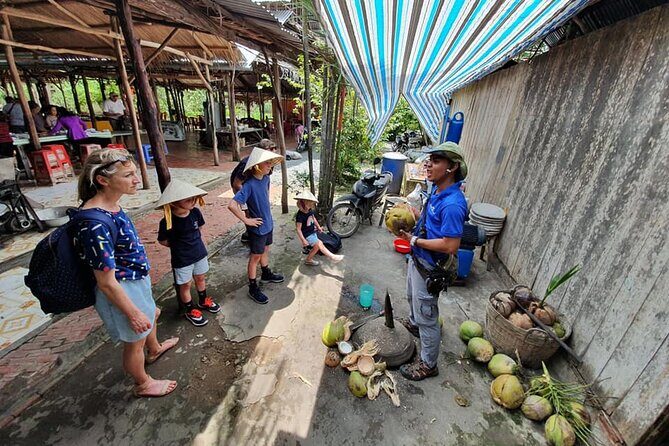
Crawling underground sounds wild, and it is. This Ben Duoc Cu Chi Tunnels trip is interesting because it focuses on a quieter slice of the tunnel network, with bigger sections than the more famous Ben Dinh area. I especially like the small group of up to 10 and the optional hotel pickup from 400+ places so you spend less time hunting transport. One drawback to plan around: the ride out of Ho Chi Minh City can take a while, so if you hate long travel days, this may feel like more road time than you expect.
On-site, you’re not just standing around. You watch a short documentary, then follow your guide into different tunnel sections—low, narrow, and very real-feeling. You’ll also get a wartime-style tapioca (cassava) and tea break, plus an optional stop at the War Remnants Museum on the morning itinerary. If you’re sensitive about physical strain, keep in mind you’ll need to crouch and crawl in places.
This tour is a good fit if you want Cu Chi without the crush, and you like history explained in practical, human terms. Guides like Ken and Tri have a knack for making the layout and purpose of the tunnels make sense, not just sound tragic.
In This Review
- Key things that make this Ben Duoc trip worth your time
- Ben Duoc vs Ben Dinh: what you’re really choosing
- The half-day schedule: how morning and noon trips change your day
- Getting from Ho Chi Minh City: pickup that saves your energy
- Entering Ben Duoc tunnels: what crawling really feels like
- The documentary, traps, and the “why” behind the tunnels
- Wartime cassava and tea: a small break that adds context
- The shooting range option (AK-47, M16): fun, but plan for extra cost
- War Remnants Museum add-on: when it complements Cu Chi
- Price and value: what $21 really buys you
- What to wear and bring so you enjoy the tunnels
- How to pick this tour: who it’s best for
- Should you book Ben Duoc Cu Chi Tunnels?
- FAQ
- How long is the Ben Duoc Cu Chi Tunnels tour?
- What are the pickup times for the two departures?
- Is hotel pickup available?
- How many people are in the group?
- What’s included in the price?
- Do you get a snack during the tour?
- Is the War Remnants Museum stop included?
- Is the shooting range included?
- Do I need to print anything?
- Where does the tour start and end?
Key things that make this Ben Duoc trip worth your time

- Smaller group (max 10), so you get breathing room while exploring the tunnels
- Ben Duoc is the bigger, less-touristy tunnel complex, compared with the more famous Ben Dinh area
- Real tunnel stops like command areas, weapon storage, and a hospital bunker
- Wartime cassava and tea break, a simple detail that adds context fast
- Optional AK-47/M16 shooting range for an extra fee (when open)
- Optional War Remnants Museum add-on on the morning shared group
Ben Duoc vs Ben Dinh: what you’re really choosing
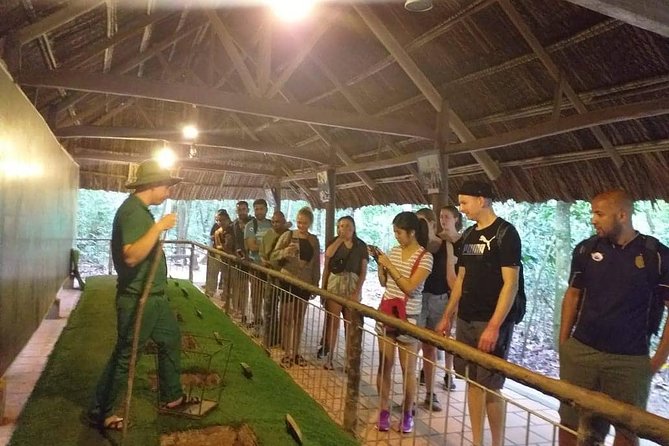
When most people think of Cu Chi Tunnels, they picture the busiest, most standardized stops. Ben Duoc is a different choice. It’s described as a considerably bigger tunnel area than Ben Dinh, and it’s positioned as the calmer, less-touristed portion you’re less likely to feel rushed through.
That “bigger” detail matters. The tunnels aren’t just a single theme-park crawl. At Ben Duoc, you can see how different sections of the network functioned—where people worked and organized, where they hid, and how the Viet Cong used the underground system for survival and movement. You also get a chance to experience a variety of tunnel spaces rather than repeating the same narrow passage over and over.
There’s also a comfort upside to the Ben Duoc focus: you’re not stuck only on the most famous, photo-heavy sections. Many tours push you to move fast to beat crowds. Here, the tour is built for a smaller group, and the experience is framed as exploring a quieter portion of the tunnels with time to look.
You can also read our reviews of more tours and experiences in Ho Chi Minh City.



The half-day schedule: how morning and noon trips change your day
This is a half-day tour with two start options:
- Morning shared group: pickup between 7:30–8:00 AM, finish around 2:30 PM
- Noon shared group: pickup between 12:00–12:30 PM, finish around 7:00 PM
That timing affects more than your wake-up call. It changes how you pair the tunnels with other Vietnam War context in Ho Chi Minh City.
If you pick the morning option, you can add the War Remnants Museum. The museum stop happens around noon after you return toward the city center. You get about one hour of free time to read, watch videos, and browse photos, plus there’s an option to purchase an audio guide separately. Then the tour ends around 4:00 PM with hotel drop-off.
If you pick the noon option, you’re basically committing to a full Cu Chi block. You’ll still have the tunnel documentary, the crawling experience, and the snack break, but you won’t get that museum add-on.
One practical note: regardless of start time, you should mentally budget for the ride. Cu Chi is outside the city, and you can be on the road for a good stretch. If you’re the type who gets grumpy in traffic, bring something to pass the time—because the main show only begins after you arrive.
Getting from Ho Chi Minh City: pickup that saves your energy
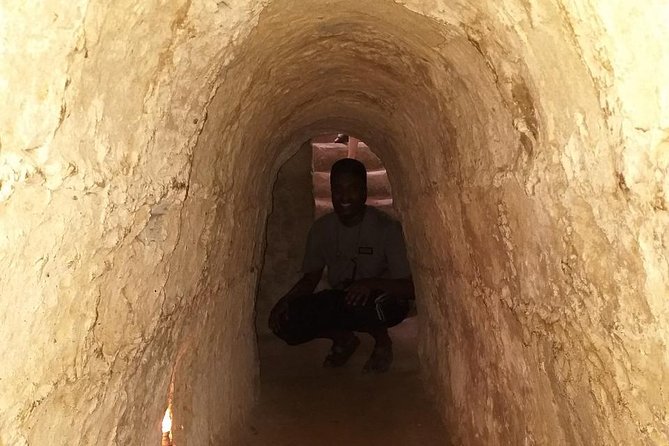
This tour is set up around convenience. You can do hotel pickup from 400+ Ho Chi Minh City hotels if you want it. The transportation is in an air-conditioned vehicle, which is a real quality-of-life upgrade in Vietnam’s heat and humidity.
You’re also capped at 10 travelers, so you’re usually not stuck in a huge bus herd. The guides running the day tend to treat the group like a unit—meaning you get direction that helps you avoid wandering, plus you’re not constantly stopping for bottlenecks.
Where the convenience can get tricky is if you prefer zero extra stops. Some tours in this region include quick roadside stops, and you might see a short detour that isn’t the tunnels themselves. If you want a perfectly tunnel-only day, consider that possibility when choosing any Cu Chi day tour. The core experience is still the tunnels, but the travel day can have small interruptions.
Entering Ben Duoc tunnels: what crawling really feels like
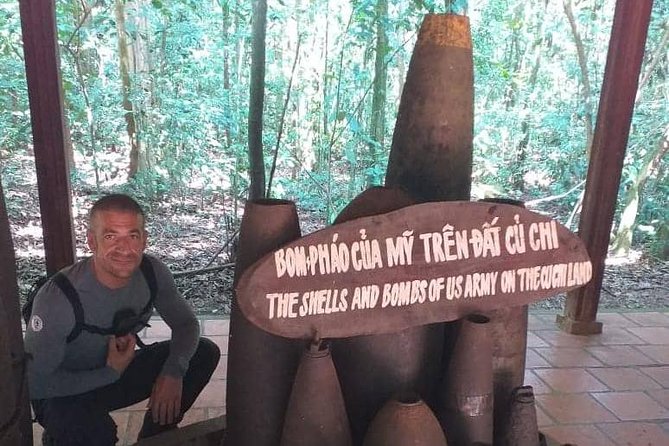
Here’s the truth you need: you will crawl. You’ll move through narrow underground tunnels where you have to stoop and keep your balance. The tunnels are short in some sections, but the overall experience is physically demanding in the way you’d expect—low ceilings, tight space, and uneven footing.
That affects who should book:
- Great for people who can handle crouching and short crawls
- Less great if you have significant leg or knee problems or you hate confined spaces
The tour is not designed to be “optional” in the sense of just walking past everything. The experience includes going into different tunnel areas, with enough variety to make it more than one repetitive tunnel crawl.
One smart comfort detail: the tour experience is described as allowing visitors to choose how far into smaller tunnels they want to go. That means if you’re nervous about space, you still get a lot of the visit without forcing yourself into the tightest sections.
As for what you actually see underground, it’s not random. Your route includes stops like:
- tunnel passages you crawl through
- camouflaged trapdoors and deadly-trap features
- a command center area
- weapon storage
- a hospital bunker
That’s the value of doing Ben Duoc with a guide. You’re not just looking at dirt tunnels. You’re learning what each space was for, and why it mattered in daily survival.
The documentary, traps, and the “why” behind the tunnels

Before you go deep, you watch a short documentary at the site. That sets the tone quickly. You’ll then get guide commentary as you explore, and the storytelling is usually what turns the tunnels from a spooky attraction into a clear picture of how the underground system functioned.
You’ll also see trap features and camouflaged elements that were meant to slow or injure attackers. Even if you don’t think about war every day, these details change your understanding of what underground survival actually required: secrecy, planning, and constant readiness.
Guides can make or break this part. The experience is described as stronger when your guide explains the purpose of different sections in clear language and repeats key points in an easy-to-follow way. Names like Ken and Tri are often mentioned for that kind of teaching style—friendly, organized, and focused on getting the layout into your head before you crawl.




Wartime cassava and tea: a small break that adds context
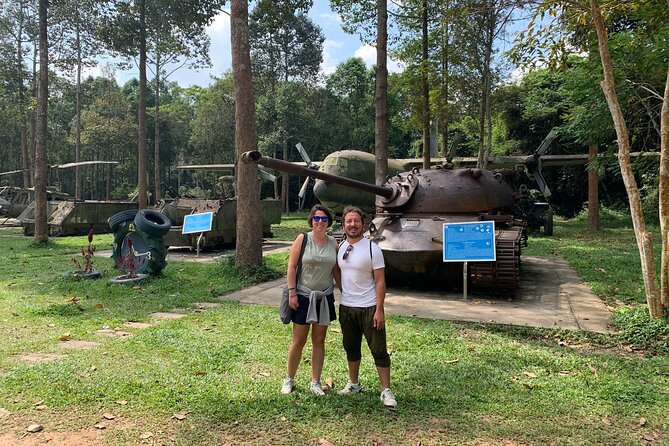
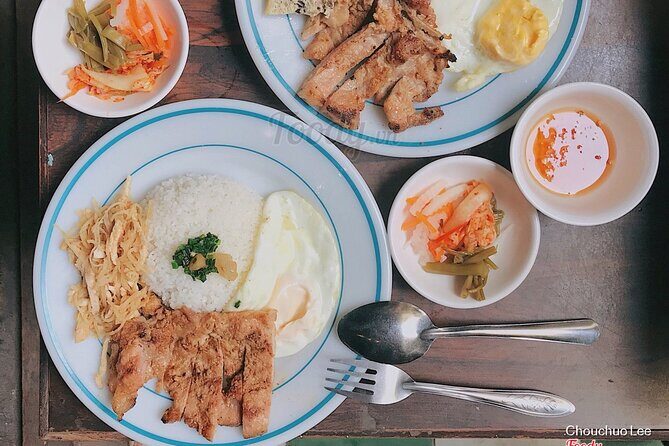
After you’ve done the heavier crawling, the tour gives you a snack moment in a “wartime” style: cassava (tapioca) and tea. It sounds simple, but it works. It’s one of those details that connects the tunnel experience to everyday life—what people ate, how they kept going, and how the underground network supported a whole routine, not just fighting.
You’ll also have water provided, plus cool tissue. That matters because tunnel heat and time underground can sneak up on you, especially if you’re wearing thicker clothes than you meant to.
This is one of the best parts of a structured half-day format: you don’t get stranded without a break, and you don’t have to hunt for refreshments on your own.
The shooting range option (AK-47, M16): fun, but plan for extra cost
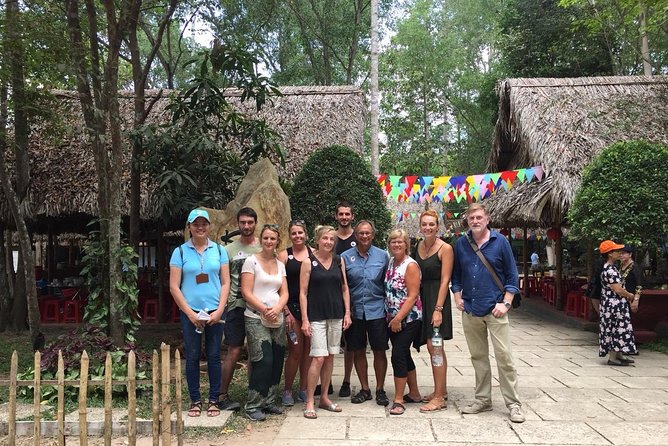
Some versions of this tour include an optional shooting range stop. You can try firing an AK-47 or M16 for an extra fee.
Two practical things to keep in mind:
- It’s optional, so you can skip if you prefer not to do it.
- Availability can vary. There have been times when it was closed due to celebrations, so don’t build your whole day around it.
If you do want to shoot, this add-on can add a different kind of adrenaline to the day. If you don’t, you’ll likely spend more time waiting with the rest of the group, so having patience helps.
War Remnants Museum add-on: when it complements Cu Chi
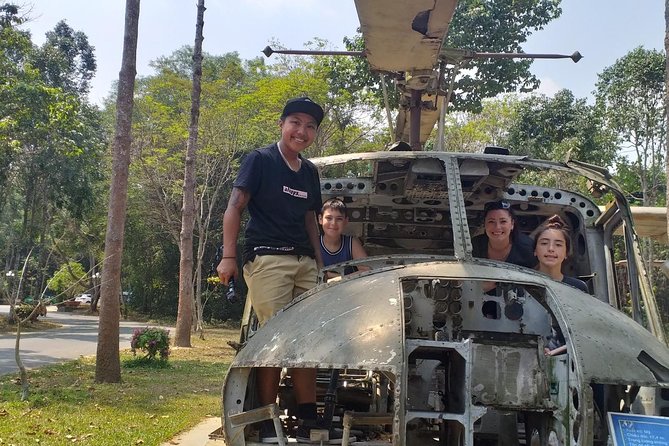
If you choose the morning schedule, you can add the War Remnants Museum. You’ll have about one hour to explore freely. That’s enough time to pick a few sections that hit your interests, but not enough to read every label.
The museum works best as a follow-up because it gives you wider context after you’ve seen the tunnels’ physical reality. Cu Chi shows you the survival mechanics. The museum helps you connect those mechanics to the bigger story of the war, including photos and videos.
Audio guides are available for an extra cost, which can help if you want more detail without spending the whole hour scanning text.
If you’re the type who wants everything tight and chronological, the morning option is the cleaner pairing.
Price and value: what $21 really buys you
At about $21 per person, the best way to judge value is what’s included, not what’s optional.
You get:
- an English-speaking guide
- an air-conditioned vehicle
- entrance fees
- drinking water and cool tissue
- a snack break (cassava and tea)
- a small-group tunnel visit to Ben Duoc
Then add-ons you might choose:
- shooting range (extra fee)
- War Remnants Museum (optional add-on on the morning trip; entrance ticket included there when selected)
- tips/gratuities for the guide
For many visitors, the big value is that you’re not paying extra just to enter the site or get basic comforts like water. You also aren’t paying to sit in a crowded bus of 30 people. This is a small-group experience built around the core tunnel stops.
If you’re comparing to bargain tours that don’t include entrances, you’ll often find the cheap price disappears once you pay for tickets and transportation basics.
What to wear and bring so you enjoy the tunnels
This part is less glamorous than the history, but it’s what keeps you from turning the experience into a misery-fest.
Wear:
- comfortable shoes with good grip
- long pants if you don’t want too much dirt on your legs
- clothes you can crouch in without fear of tearing
The tunnels are narrow, and you’ll be moving through tight spaces. The site itself can be demanding if you’re not used to low-crouch movement.
Also, treat this as a day where you might get a bit dirty. If your goal is spotless photos, plan to compromise slightly. You can still look good later, but your first priority is comfort.
For people with mobility issues: the tour can still be worthwhile even if you can’t go into every small tunnel section, because the site and guide explanations still give context. Just be honest with yourself about what crawling requires.
How to pick this tour: who it’s best for
This Ben Duoc Cu Chi Tunnels tour is a strong match if you:
- want less commercial vibes than the busiest Cu Chi stops
- like having a guide explain layout and purpose, not just point at signs
- prefer small groups
- want a practical half-day format with water and snacks included
It’s not the best match if you:
- hate long rides outside the city
- strongly dislike any kind of roadside stop during the trip
- can’t handle crawling and tight spaces
Should you book Ben Duoc Cu Chi Tunnels?
If your priority is a quieter, more hands-on Cu Chi day, I think this is a smart booking. The combination of small-group size, included entrances and basics, and the focus on the Ben Duoc tunnel complex makes it feel like a real visit instead of a checklist run.
Book it if you can handle crouching, and if you’re okay with the idea that the day starts with getting out of the city first. Consider skipping or choosing a gentler plan if confined-space movement is a deal-breaker for you.
FAQ
How long is the Ben Duoc Cu Chi Tunnels tour?
It runs about 6 to 7 hours (based on the morning or noon schedule).
What are the pickup times for the two departures?
The morning tour pickup is 7:30–8:00 AM and finishes around 2:30 PM. The noon tour pickup is 12:00–12:30 PM and finishes around 7:00 PM.
Is hotel pickup available?
Yes. Pickup is offered from 400+ hotels in Ho Chi Minh City if you choose that option.
How many people are in the group?
The tour has a maximum of 10 travelers.
What’s included in the price?
Included are an English-speaking guide, air-conditioned vehicle, entrance fees, drinking water, and cool tissue. You also get snacks at the tunnel site.
Do you get a snack during the tour?
Yes. You’ll have a wartime-style snack of cassava (tapioca) and tea.
Is the War Remnants Museum stop included?
It’s optional. You can add it during booking for the morning shared group option, with about one hour of free time in the museum.
Is the shooting range included?
No. The shooting range is optional and has an extra fee. It includes the chance to fire an AK-47 or M16 when available.
Do I need to print anything?
The tour uses a mobile ticket.
Where does the tour start and end?
The listed meeting point is HANA TOURIST in District 4. The tour ends back at the meeting point, and hotel pickup/drop-off is offered as part of the experience.