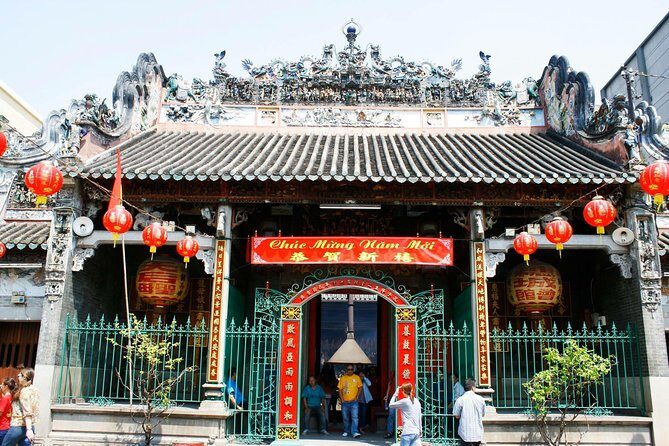
REVIEW · HO CHI MINH CITY
Cu Chi Underground Tunnels Half-day Tour
Book on Viator →Operated by Hoi An Express Travel · Bookable on Viator
The Cu Chi Tunnels hit like a movie scene. This half-day tour gives you a guided walk through part of a massive underground network, first built to support Viet Minh fighters during the fight for independence from the French, then reshaped and used again during the Vietnam War. I love that the tour focuses on two different tunnel sections with context you can actually connect to, and I also like the way hotel round-trip transport keeps the day simple. One possible drawback: if traffic is heavy, the ride time can make the whole schedule feel a bit tight once you arrive.
Expect a history lesson you can walk through. You’ll see how an underground world worked—living areas, kitchens, field hospitals, storage, weapons production, and command centers were part of the system, not just hiding spots. The optional firing range can be a fun add-on for some people, but it also adds another decision near the end of the day.
In This Review
- Key things I’d mark on your mental map
- Cu Chi Tunnels: what makes this half-day format work
- Price and Logistics: what $48 buys in Ho Chi Minh City
- Stop 1: the independence-era tunnels and life underground (about 2 hours)
- Stop 2: free-fire zone warfare and the two visitor-open sections (about 1 hour)
- The optional shooting range: M16 or AK-47, with extra fees
- Guide quality and pacing: why the day can swing
- Comfort tips for tunnel visits (without guessing too much)
- Timing and the morning advantage
- Who this Cu Chi half-day tour fits best
- Should you book Cu Chi Tunnels half-day tour from Ho Chi Minh City?
- FAQ
- How long is the Cu Chi Tunnels half-day tour?
- Does the price include hotel pickup and drop-off?
- What’s included in the $48 price?
- Is there an option to shoot an M16 or AK-47?
- Are guides available in languages other than English?
- Are there age limits or discounts for children?
Key things I’d mark on your mental map
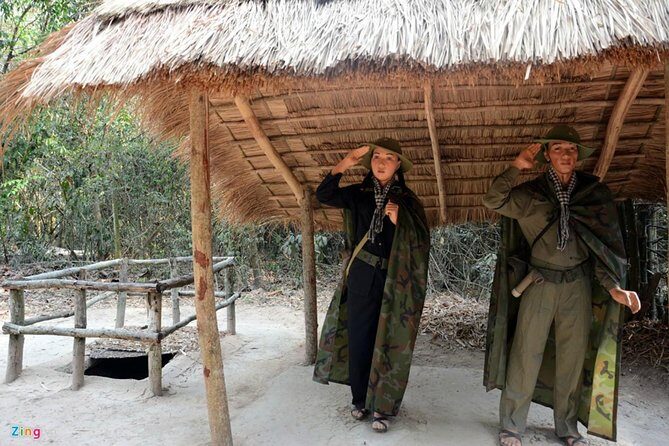
- Two guided tunnel sections across a network that stretches 155 miles (250 km)
- English-speaking guide plus bottled water and entrance fees built into the price
- A 1948 start point that explains how the underground city grew over about 25 years
- War-time context about the Cu Chi area being a free-fire zone with heavy attacks
- Optional M16/AK-47 firing range at extra cost
- Max 15 travelers, which tends to keep attention on you instead of on the bus
Cu Chi Tunnels: what makes this half-day format work

Cu Chi is one of those places where you can’t really “window shop” history. You need a guide to connect what you’re seeing to why it mattered, and this tour is built for that. You’re visiting two sections that help you understand both the independence-era purpose and the later war-time reality.
The half-day timing is the smart part. You get enough time in the tunnels to understand how the layout functioned, without turning the trip into an all-day crawl. And because you’re not wasting time hunting transport or tickets, you arrive ready to learn instead of scrambling.
You can also read our reviews of more tours and experiences in Ho Chi Minh City



Price and Logistics: what $48 buys in Ho Chi Minh City
At $48 per person, the value here is mostly about what’s included versus what you’d likely pay separately on your own. This price includes hotel pickup and drop-off in Ho Chi Minh City center, air-conditioned transport, an English-speaking guide, entrance fees, and bottled water.
I also like that they cap the group at 15 travelers. Smaller groups mean less standing around, more chances to ask questions, and fewer moments where your tour becomes a “follow the slowest person” game.
Two practical notes that matter:
- The tour is typically booked about 5 days in advance on average, so don’t wait until the last moment if you want a specific departure window.
- It’s a mobile ticket, so keep your phone charged and easy to access on pickup day.
Stop 1: the independence-era tunnels and life underground (about 2 hours)
This first segment is where the Cu Chi story starts to feel real. The tunnels were originally created in 1948 to support the Viet Minh’s struggle for independence from the French. Construction continued for roughly the next 25 years, and the result wasn’t just a network of hiding places.
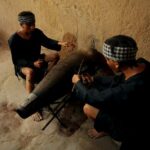
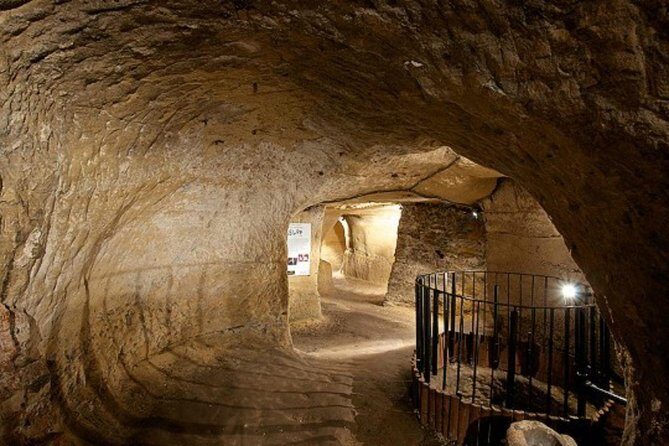
Instead, you’re looking at an underground city designed to sustain people for long stretches. According to the tour framing, it included living areas, kitchens, storage facilities, weapons factories, field hospitals, and command centers. The big idea is that thousands of fighters could live almost entirely underground, and life could still include everyday milestones like marriage and raising children.
Why that matters for you: without that context, tunnel visits can turn into a list of “this hole was for hiding.” With the guide’s explanation, you understand the system as infrastructure—planned, built, and maintained.
A small consideration: the time for this stop is about 2 hours. That’s enough for learning and exploring, but it’s not enough for a slow, lingering pace. If you’re the type who reads every sign twice and wants to stare at every doorway detail, you may feel lightly rushed.
Stop 2: free-fire zone warfare and the two visitor-open sections (about 1 hour)
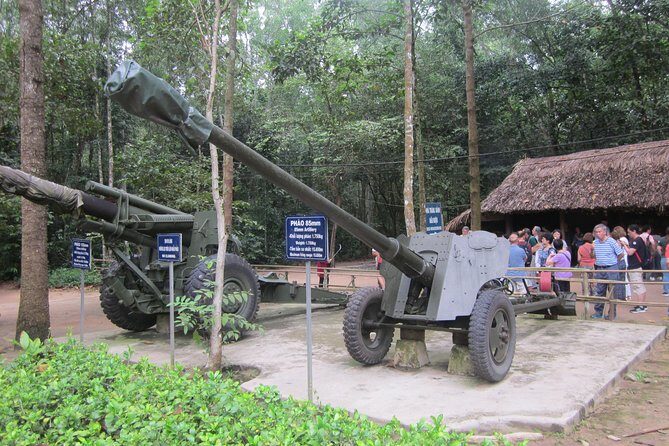
The second part shifts to the Vietnam War era, when the entire Cu Chi area was designated a free-fire zone and faced heavy attacks and bombings. This is where the tunnels stop feeling like a historical curiosity and start sounding like survival engineering.
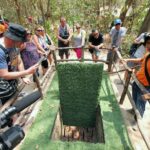
In 1988, two sections were opened to visitors. You’ll explore those parts and learn how some tunnel structures were built with moving parts, designed to be livable for long periods. That design detail is worth paying attention to because it signals the tunnels weren’t meant to be static. They were built to function under pressure, for long stays, and for people coordinating in difficult conditions.
Expect this segment to feel more focused and quicker. The scheduled time is about 1 hour, which means the guide needs you to stay engaged and keep moving. This is also the part where a fast or unclear guide can reduce your experience, because you don’t have much extra time to catch up.
The optional shooting range: M16 or AK-47, with extra fees

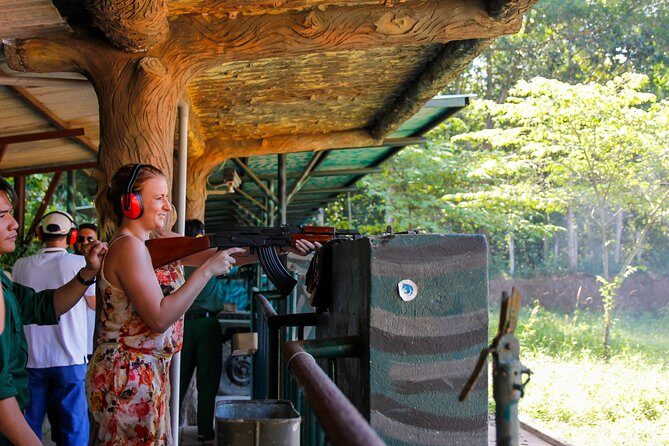
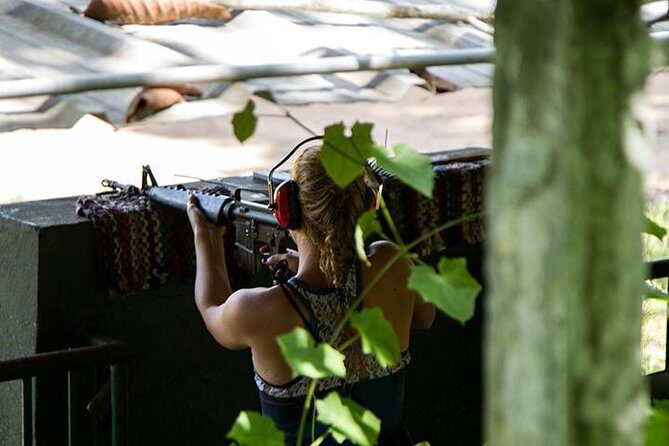
At the end, there’s an opportunity to fire rounds from a war-era M16 or AK-47 at a nearby range. This activity is optional, and the fees are not included.
Here’s how I’d think about it as a practical traveler:
- If you want this as a once-in-a-lifetime action moment, budget extra money and be ready for it to affect your pacing at the end.
- If you’d rather focus purely on the historical site, skip it. The tunnels are the main reason to come, and the time window is already tight enough that you might prefer not to add another stop.
Also, consider your comfort with timing. If the shooting slot pulls you away from lingering at the grounds, you’ll want to prioritize what matters most to you.



Guide quality and pacing: why the day can swing
The tour includes an English-speaking guide (other languages may be available with a surcharge). In a place like Cu Chi, guide quality isn’t a nice-to-have. It’s what turns cramped underground space into a coherent story.
Across the experience, the best days tend to have guides who:
- explain construction and use clearly
- keep the group moving without bulldozing your questions
- balance time spent in key spots with time to explore the grounds
Names that came up in people’s experiences include Lam, Anh, and Stephen. That doesn’t guarantee you’ll get one of them, but it does reflect the kind of strength you want to look for: clear English and a guide who knows how long to linger in each area.
Possible drawback to plan around: traffic can eat into your day. And if your guide is rushed, you may feel pushed through tunnel areas without enough time to really absorb them. On the flip side, a well-paced guide can make the visit feel almost perfectly sized for a half-day.
Comfort tips for tunnel visits (without guessing too much)
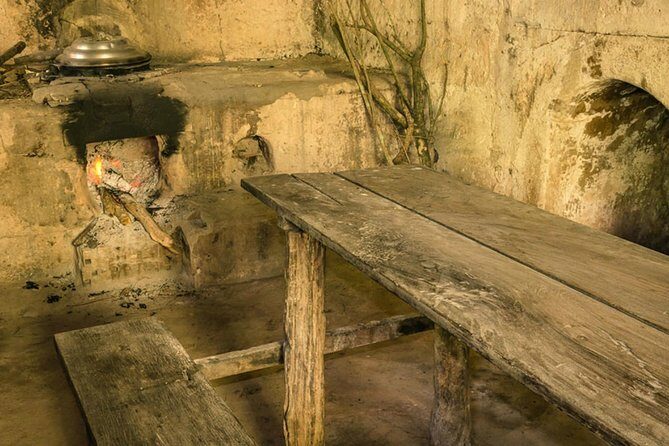
Even without any “special effects,” the Cu Chi tunnels are underground and meant for living and working in confined spaces. So I recommend you pack for practical comfort rather than expecting modern, airy conditions.
Good ideas:
- Wear closed-toe shoes you’re fine with getting a bit scuffed.
- Bring a light layer; indoor temperatures down below can feel different than the street.
- If you’re claustrophobic, take it seriously. You might find some tunnel sections challenging, even if the tour is designed for most travelers.
Also, since bottled water is included, you’re covered on hydration. Just don’t rely on it for everything—add your own plan for personal needs like snacks or extra drinks if you think you’ll want them.
Timing and the morning advantage
If you have flexibility, I’d consider the morning option. People specifically recommend morning departures because it tends to be cooler and less busy. That can make it easier to stay present during the long drive and the structured visit schedule.
Even if you don’t choose morning, do yourself a favor: set expectations that this is a fixed half-day itinerary with guided stops. You’ll get the best experience when you treat it like a focused class, not a free wander.
Who this Cu Chi half-day tour fits best
This tour is a great match if you want:
- a guided tunnel experience with historical context
- a format that doesn’t swallow your whole day
- hotel pickup and door-to-door convenience
It’s also a good pick for first-time visitors to Ho Chi Minh City who want a major Vietnam War relic without the stress of arranging transport and tickets alone.
You might want a different approach if you’re:
- very sensitive to rushing and want a long, unstructured time on-site
- hoping for lots of independent exploration time
- counting on the optional shooting range but don’t like adding extra cost and decisions
Should you book Cu Chi Tunnels half-day tour from Ho Chi Minh City?
Yes, I’d book it if you value convenience, clear guidance, and a tight historical visit. At $48, the combination of hotel pickup, air-conditioned transport, entrance fees, bottled water, and a guide makes it a straightforward deal for a half-day.
I’d especially book if you’re trying to understand both phases of the Cu Chi story: the independence-era tunnel building beginning in 1948 and the later war-time role during the free-fire zone period. The fact that the visit covers two separate sections is the real payoff here.
Skip the shooting range if you’d rather protect time for the tunnels themselves. And if you’re sensitive to pacing, choose a morning departure when possible and be ready to stay engaged so you don’t miss the parts that make the visit click.
FAQ
How long is the Cu Chi Tunnels half-day tour?
The tour duration is about 5 hours, including hotel pickup and drop-off, with about 2 hours at the first tunnel stop and about 1 hour at the second.
Does the price include hotel pickup and drop-off?
Yes. Round-trip hotel transport is included from Ho Chi Minh City center.
What’s included in the $48 price?
Entrance fees, bottled drinking water, travel insurance, an English-speaking guide, hotel pickup and drop-off, and air-conditioned transportation are included.
Is there an option to shoot an M16 or AK-47?
Yes, there is an optional firing range activity with an M16 or AK-47 at a nearby range. The firing range fees are not included.
Are guides available in languages other than English?
English-speaking guides are included. Other languages may be available upon request with a surcharge.
Are there age limits or discounts for children?
Children 0–5 are free. Children 6–10 get 50% off. There is also a rule allowing a maximum of 1 child accompanied by 1 adult, and a second child pays the adult price.