REVIEW · HO CHI MINH CITY
Early Riser Walk: Grandma Noodles, Cafe, Exotic Fruits & History
Book on Viator →Operated by Spring Saigon Tours · Bookable on Viator
Saigon wakes up early here. This 3-hour walk is built for the morning when District 3 feels like a real neighborhood, not a stage set. You start at a small, quiet history stop, then move into everyday food, markets, and coffee houses that only make sense when you’re there before the city fully ramps up.
What I really like is the food comes first and feels personal. You’ll sit down for a breakfast-style bowl of grandma noodles and dumplings (or slow-cooked beef stew) made in a tiny homey spot, not an assembly-line restaurant.
The other big plus is the pace and group size. With a maximum of 6 travelers, you get time to ask questions, take photos, and pause without being herded. One possible drawback: the morning includes a heavy memorial stop at the Thich Quang Duc Monument, so go in prepared for a moment that can feel emotional, not just sightseeing.
In This Review
- Key things you’ll notice fast
- Your early-morning Saigon plan starts with the right mindset
- Thich Quang Duc Monument: a quiet, heavy start before food
- Grandma noodles and dumplings in Võ Văn Tần
- Vườn Chuối Market: fruit chaos that stays easy to follow
- Ban Cờ Market and the everyday streets you usually skip
- Nguyen Thien Thuật apartment blocks: history in layers
- Thế Giới Tàu Hũ: warm dessert and ginger syrup comfort
- Cheo Leo Cafe: old brewing techniques since 1938
- How the guide keeps it relaxed and real
- Price and value: why $39 feels like more than a snack tour
- Who this morning walk suits best
- Should you book this early Saigon walk?
- FAQ
- How long is the early riser walk?
- What does it cost?
- How big is the group?
- Is it mostly walking, or is there also food?
- Where does the tour start?
- Can I cancel for a refund?
Key things you’ll notice fast
- Small-group pacing (up to 6) keeps the walk relaxed and human
- Grandma-made breakfast sets the tone in Võ Văn Tần
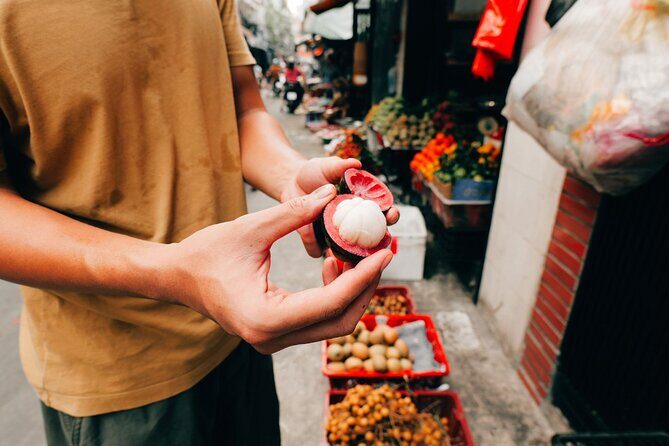
- Vườn Chuối market fruit sampling feels old-school and very fresh
- Ban Cờ market gives you deeper neighborhood energy, not tourist shopping
- Thế Giới Tàu Hũ dessert stop is simple, warm, and included
- Cheo Leo Cafe (since 1938) brings old-style coffee and tea brewing into your morning
Your early-morning Saigon plan starts with the right mindset
This tour is designed around one basic idea: in Ho Chi Minh City, the day has a rhythm. The morning is when streets feel most direct, when vendors are working but not yet squeezed by peak crowds, and when it’s easier to talk to people without the city feeling like it’s in sprint mode.
You’ll move on foot for about 3 hours, and you’ll keep dropping into places that locals actually use. That includes sitting for food, stepping into market alleys, and pausing for history. It’s not about checking boxes. It’s about understanding why these places exist and how they fit into daily life.
Because it’s an early riser walk, wear shoes you can stand in comfortably. Also, keep a light layer in mind. Even in warm months, mornings can feel cooler before the heat fully arrives.
You can also read our reviews of more walking tours in Ho Chi Minh City


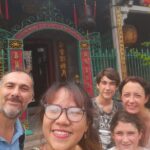
Thich Quang Duc Monument: a quiet, heavy start before food
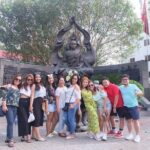
The tour begins at the Thich Quang Duc Monument near 185 Cách Mạng Tháng Tám, Phường 6, Quận 3 (District 3). This isn’t a loud attraction. It’s described as a small, quiet spot that’s easy to miss if you don’t know the story.
You’ll spend about 15 minutes here, and it matters because it puts context into your day. Instead of jumping straight into markets and meals, you start with a moment that helps you see how history lives in the city’s present. It can feel emotionally weighty, so if you don’t handle serious topics well early in the morning, this is the part to consider.
Practical tip: give yourself permission to stand, look, and take your time. This isn’t the segment for rushing to the next stop.
Grandma noodles and dumplings in Võ Văn Tần
Next you head to Võ Văn Tần, where breakfast is the star. You’re going into a small local place tied to grandma noodles and dumplings, and the vibe is compared to stepping into someone’s living room rather than walking into a big commercial restaurant.
The tour stop is about 15 minutes, but the point isn’t speed. It’s comfort. You can expect handmade dumplings and a slow-cooked beef stew, or a hearty bowl of noodles and dumplings, depending on what’s offered that morning. The food is simple, hot, and made for eating early.
Why this stop works so well for most people: breakfast in Vietnam isn’t only about taste. It’s also about routine. Eating something warm and filling early is part of how daily life starts, and your guide explains the logic behind why people eat certain things at this time of day.
Drawback to keep in mind: if you’re very picky, you should still be ready for Vietnamese comfort flavors. The good news is the dish descriptions here lean toward familiar textures: noodles, dumplings, stew, and warm broth.
Vườn Chuối Market: fruit chaos that stays easy to follow
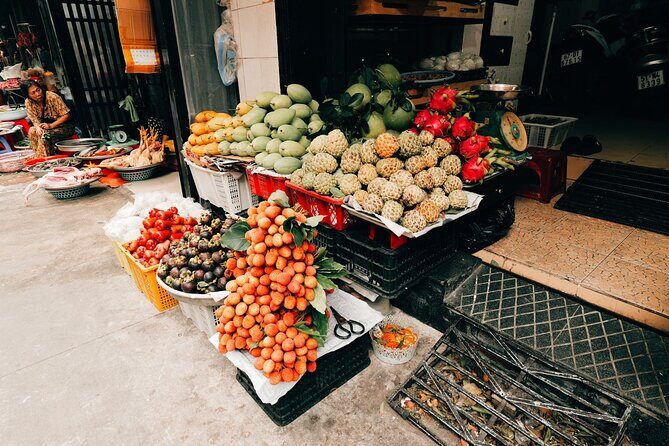
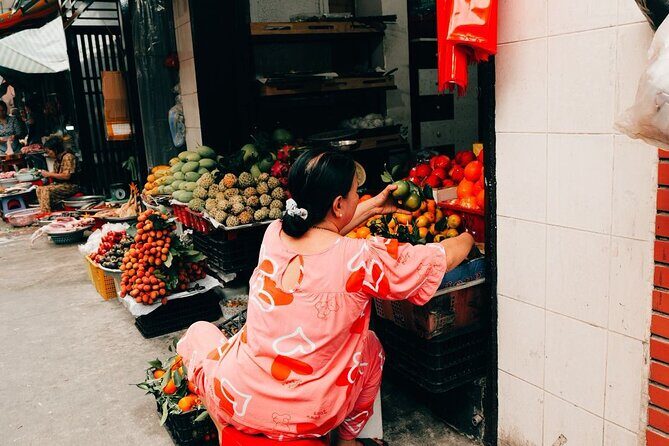
After breakfast, you shift to Vườn Chuối Market (about 15 minutes). The description matters: it’s fruit chaos, but it’s not the kind of wet, overwhelming market experience some people fear. The tour frames it as vibrant and active without being unmanageable.
This stop includes fruit sampling, which is the best way to handle markets if you want to try things without turning it into a shopping mission. You get to see what’s in season and what vendors have freshest, then taste without needing to figure out every label yourself.
What you’re likely to enjoy here:
- Watching how scooters and shoppers move around stalls
- Seeing common fruit next to more unusual varieties
- Getting the guide’s help with what to try and when
Practical tip: markets are where photos are easiest, but don’t treat them like a photo shoot. Quick snapshots plus a polite attitude wins. If you see people mid-transaction, it’s better to wait a second than push through.
Ban Cờ Market and the everyday streets you usually skip
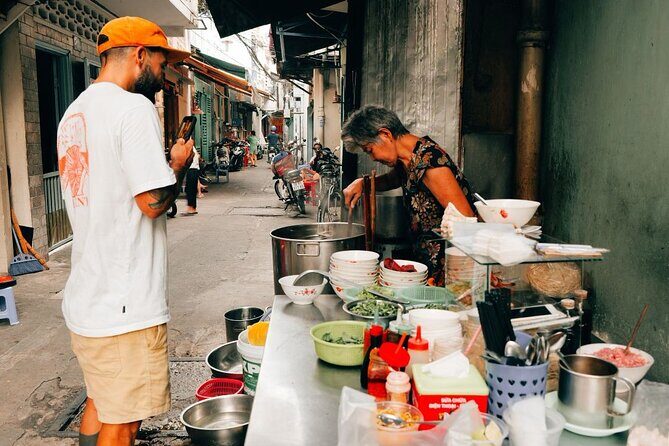
Then comes Ban Cờ Market, where the tour leans into neighborhood authenticity. You stay around 30 minutes, which is longer than the quick-hit stops. That extra time is useful because it gives your brain a chance to stop scanning for tourist cues and start noticing the real daily details.
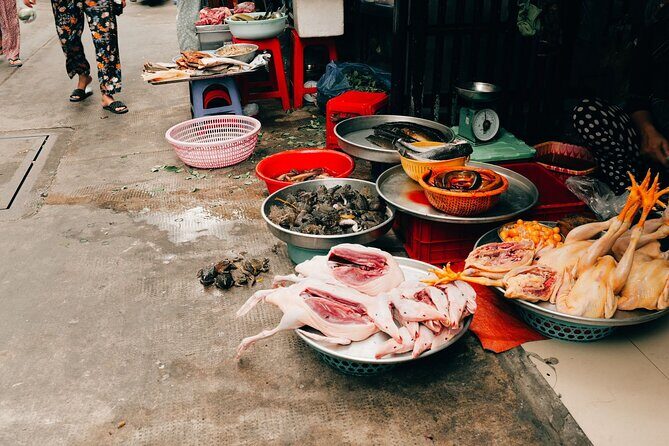
This part is described as deeper Saigon neighborhood energy rather than a polished tourist market. You’ll see vendors chopping greens (like rau muống), hear the constant background bargaining, and catch moments that feel like normal life.
One useful thing here is that you’re not trying to memorize a list. You’re practicing watching: how people shop, how they ask for change, how sellers slice and sort, and how everything flows without a sign telling you what to do next.
If you’re an introvert, this segment can actually be a plus. You can look, listen, and take photos without being forced into constant small talk. The best experiences often come from standing still for a minute and letting the street come to you.
You can also read our reviews of more historical tours in Ho Chi Minh City




Nguyen Thien Thuật apartment blocks: history in layers
Next, you visit Nguyen Thien Thuat Apartment Buildings for about 15 minutes. This stop is framed as a living archive of old-school Saigon: layered life, old structures, and a block that doesn’t look curated for visitors.
The interesting part isn’t a single monument photo. It’s the shift in sound and feel when you enter this kind of residential area. You’re told that once you step in, the noise softens into something lived-in instead of loud and exposed.
Your guide shares context here, linking the architecture and the neighborhood story to what you’ve already seen on the street. This helps history stop feeling like distant facts. It starts feeling like something you can point to in real places.
Possible drawback: this stop is more about observation than hands-on activity. If you want nonstop eating or shopping, you might find it a little slower. But if you care about understanding a city, it’s exactly the right kind of pause.
Thế Giới Tàu Hũ: warm dessert and ginger syrup comfort
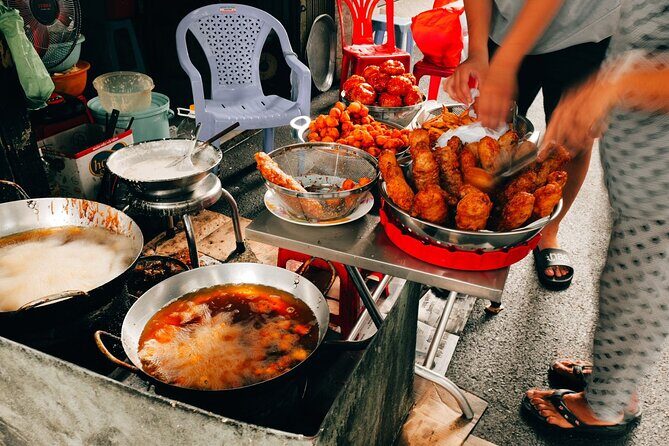
After markets, the tour takes you to Thế Giới Tàu Hũ for a dessert break that’s both simple and memorable (about 15 minutes). This stop is described as lowkey: plastic stools, one big steaming pot, and a food moment that feels like a kitchen you just walked into.
This segment includes tàu hũ and hot ginger syrup. Expect a sweet-spicy warmth and a smell that many people associate with a grandma-style kitchen. It’s the kind of treat that feels perfect right after walking because it’s warm, filling, and not complicated.
Why it’s a smart stop on a walking tour: it resets your energy without throwing you into a long restaurant meal. You get a local dessert, you sit briefly, and then you continue.
If you dislike ginger, this might not be your favorite part of the day. But if you like warm dessert drinks and gentle spice, it’s a strong included value.
Cheo Leo Cafe: old brewing techniques since 1938
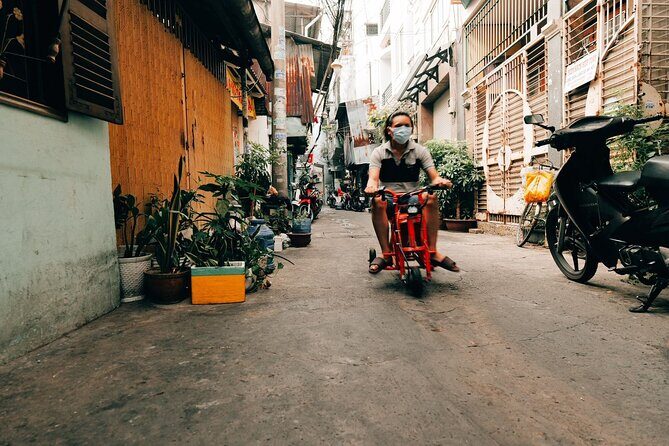
The last major food and culture stop is Cheo Leo Cafe, described as history in a cup. The cafe is said to have been around since 1938, which makes it about 86 years old. You’ll also hear about the same family and the same recipe and vibe continuing over time.
You spend about 15 minutes here, and this stop includes coffee and tea, with a focus on old-school brewing methods. The aunties show how it’s done, and you get to taste bold Vietnamese coffee and tea brewed in the classic way.
Why this works even if you’re not a coffee fanatic: the point isn’t just caffeine. It’s watching a skill get passed down, then tasting the result. It’s small, local, and very different from the modern coffee experience many people expect.
Practical tip: if you’re sensitive to caffeine, pace yourself. Sip, ask questions, and decide how much you want before you finish the walk.
How the guide keeps it relaxed and real
The tours are led by local hosts from Spring Saigon Tours, and in past small groups, guides named Spring and Hieu have been mentioned. What matters more than the name is the approach: the tour is about being invited into daily life, not performing a script.
You’ll notice a few patterns:
- The pace stays easy and never feels rushed
- You’re encouraged to ask questions, but you’re not forced into constant conversation
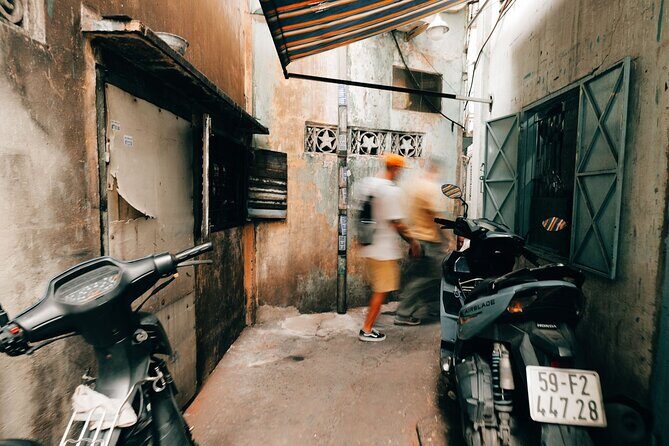
- The route includes small alleys and lived-in corners you probably wouldn’t enter confidently alone
- The guide interacts with vendors in a way that feels like a relationship, not a job
That last point matters. It’s what turns a walking tour into something calmer. When the guide shows you how to behave and how to ask, you stop feeling like you’re constantly pretending.
This is also why the tour often feels good for solo travelers. You’re not alone, but you also aren’t constantly on display.
Price and value: why $39 feels like more than a snack tour
The price is $39.00 per person, and the tour runs about 3 hours with a maximum group size of 6 travelers. For many walking tours, $39 buys you time, a route, and maybe one drink. Here, your morning includes multiple included food stops: breakfast (noodles and dumplings or beef stew), fruit sampling, tàu hũ dessert, and coffee and tea at Cheo Leo Cafe.
Also, several stops are marked as free admission (including the monument). That matters because it keeps the morning from turning into a cash-and-lines exercise.
So the value equation looks like this:
- You’re paying for a guided route plus context
- You’re also paying for multiple included tastings and meals
- The small group size keeps the experience from feeling crowded or rushed
If you’re trying to see Saigon on a budget, this is one of the stronger ways to do it because food and experiences are built into the price rather than added later.
Who this morning walk suits best
This is a great fit if you:
- Want a real Saigon feel without intense crowds
- Like history that shows up in daily life, not only in museums
- Enjoy markets, but want help navigating them
- Appreciate a relaxed pace and a guide who notices when you need quieter moments
- Travel as a family, including with teens who can handle open-ended conversations
It’s also a good option for introverts, since the structure includes quiet photo moments and time to sit.
The only people I’d flag are those who strongly dislike serious memorial topics early in the day, or those who only want “bright and light” experiences.
Should you book this early Saigon walk?
I’d book it if you want a morning that feels like local life: breakfast with grandma-style comfort food, fruit sampling in market streets, neighborhood blocks that don’t feel staged, warm dessert, then old-school coffee brewing at Cheo Leo Cafe.
I’d hesitate if you’re not an early riser, or if heavy history topics right at the start would drain your day instead of grounding it. Otherwise, this is one of those tours where the price makes sense because you’re paying for access, context, and included food moments, all with a small-group pace.
If your goal is to understand Saigon through the senses and the street, this is a very smart use of a morning in Ho Chi Minh City (District 3).
FAQ
How long is the early riser walk?
It’s about 3 hours.
What does it cost?
The price is $39.00 per person.
How big is the group?
The tour has a maximum of 6 travelers.
Is it mostly walking, or is there also food?
There are multiple included food stops: breakfast (noodles and dumplings or slow-cooked beef stew), fruit sampling, tàu hũ dessert, and coffee and tea at Cheo Leo Cafe.
Where does the tour start?
It starts at the Thich Quảng Đức Monument, 185 Cách Mạng Tháng Tám, Phường 6, Quận 3, Ho Chi Minh City.
Can I cancel for a refund?
Yes. There is free cancellation up to 24 hours before the experience start time for a full refund.