Saigon moves fast, and this tour keeps up. You’ll ride pillion-style on a private scooter with a guide who threads district-to-district history, markets, and war-era stories into a smooth 4-hour loop. It’s a practical way to learn what shaped the city without getting stuck in traffic or walking long distances.
What I like most is the combo of hands-on culture plus time to actually taste and look around—especially the coffee stop and market wandering. The main thing to consider is the scooter factor: if you’re nervous about riding in busy street traffic, this may feel like a bigger leap than a standard walking tour.
In This Review
- Key highlights at a glance
- Why a private scooter tour works in Ho Chi Minh City
- Starting at Saigon Opera House: pickup, mobile ticket, and the ride setup
- District 1 landmarks: French-era architecture and the feel of old Saigon
- District 3 Burning Monk Memorial: a photo story that hits emotionally
- Secret-agent style stop in District 3: weapons cellar and tunnel storytelling
- Vietnamese coffee stop: learning the sweet, caffeinated way
- District 10 wet market and flower market lunch: real Saigon life
- Chinatown and an ancient temple: District 5’s older Saigon corners
- The Saigon River finish: getting a last view before hotel drop-off
- Price and logistics: does $33 feel like a good deal?
- Safety and guide quality: why people feel comfortable on scooters
- Who should book this scooter tour (and who might prefer another style)
- Tips to get the most from the ride with Saigon Taste Tours
- FAQ
- FAQ
- How long is the Saigon Unseen scooter tour?
- What does the tour cost?
- Is pickup and drop-off included?
- Is this tour private?
- What’s included with the scooter ride?
- Are any entrances included?
- Are coffee and food included?
- Where does the tour start?
- Is a mobile ticket provided?
- What if weather is bad?
- Should you book this tour?
Key highlights at a glance
- Private scooter rides with helmets, fuel, and bottled water included
- Vietnam War history stops, including the weapons cellar entrance and tunnel-themed storytelling
- District hopping from District 1 to District 3, District 10, and Chinatown/temple areas
- A sweet Vietnamese coffee lesson plus a break for a local snack
- Market time at a wet market and a flower market, with lunch/food opportunities
- Hotel pickup and drop-off plus an English-speaking guide driver team
Why a private scooter tour works in Ho Chi Minh City
If you’ve ever tried to “just wing it” in Ho Chi Minh City, you already know the problem: distances add up, and the street flow never really slows down. A scooter tour fixes that. You get a quick, local-style way to see several districts in one go, while your guide handles the route and stop timing.
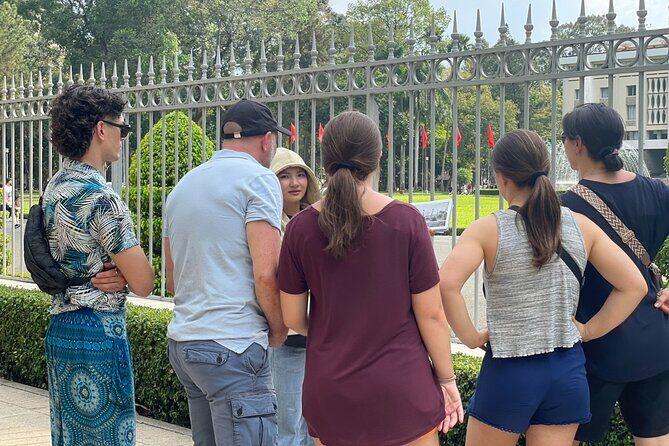
This tour is also built for personalization. It’s private, so your guide can slow down for photos, spend extra moments on the war-era sites, or point out details you’d otherwise miss from the sidewalk. That matters in Saigon, where lots of history is tucked into ordinary streets.
The other big reason I recommend it: you’re not only sightseeing landmarks. You’re also stepping into market life—wet market and flower market stops are part of the route—so you learn the city’s “now” along with its “then.”
You can also read our reviews of more historical tours in Ho Chi Minh City


Starting at Saigon Opera House: pickup, mobile ticket, and the ride setup
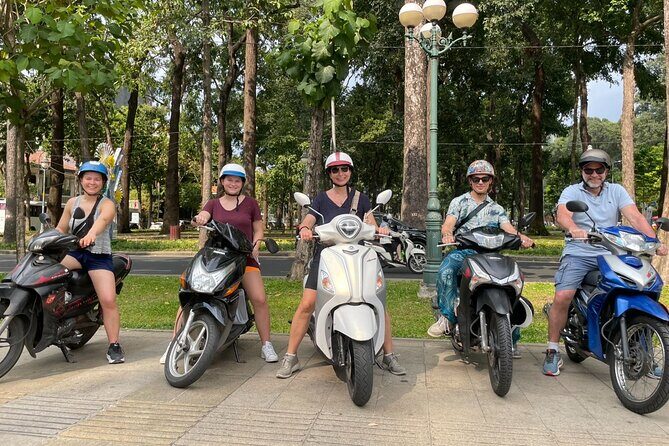
You’ll meet at Saigon Opera House (07 Công trường Lam Sơn, Bến Nghé, Quận 1). From there, hotel pickup is included, and the tour ends back at the meeting point with hotel drop-off again.
The tour runs about 4 hours. That’s a sweet spot: long enough to cover multiple districts (District 1, 3, 10, 5), but not so long that you’ll feel wrecked by the heat and streets.
Before you head out, you’ll be set up with a private scooter, helmets, and fuel. There’s also bottled water included, and a face mask if you like to wear one. Bring normal small-day essentials too—sun protection and a phone you can keep secure—because you’ll be stopping often for photos.
District 1 landmarks: French-era architecture and the feel of old Saigon
Your first stops are in District 1, starting with a quick hop-on moment after pickup. Then you’ll spend time soaking up history through key sights around the French colonial core.
Expect stops tied to French-era neo-Romanesque architecture, including the Notre Dame Cathedral area and the famous Central Post Office building (often referenced as Saigon Central Post Office). Even if you’ve seen similar architecture elsewhere, Saigon’s version carries a different weight because it sits right next to the city’s newer energy.
A practical note: these areas can be photogenic, but they’re also busy. The value of doing it with a guide is that you’ll understand what you’re looking at—what’s French, what’s Saigon, and why certain buildings became symbols.
District 3 Burning Monk Memorial: a photo story that hits emotionally
District 3 is where the tour turns more serious. You’ll visit the Burning Monk Memorial, which focuses on the story behind a world-changing photograph.
This stop is memorable in a different way than the landmarks. It’s not about architecture or shopping streets—it’s about a human moment that helped shape how people understood Vietnam’s conflicts and tensions. In the reviews, this part is singled out as emotionally hard-hitting, and I get why: it’s harder to forget than a pretty facade.
Tip for this stop: don’t rush your photos. Take a breath, read carefully if signage is available, and let the guide walk you through the context. This is one of those “the city has layers” moments.
Secret-agent style stop in District 3: weapons cellar and tunnel storytelling
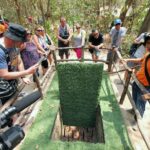
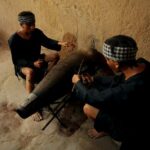
Next comes the hands-on war-era theme: a former VC hideout style stop tied to weapons and tunnels, plus an entrance to the weapons cellar that’s included in the tour package.
This is a great choice if you want history that feels physical. Instead of just hearing dates, you’re looking at how people adapted to dangerous conditions. Even if you don’t love heavy history, this stop tends to be engaging because it’s presented like a mystery—what happened, where, and how.
The practical consideration here is pacing. This isn’t a “grab a quick photo and move on” stop. You’ll want comfy shoes and a calm mindset. If you prefer light sightseeing only, you might find this segment a bit intense, but it’s also one of the reasons the tour stands out for many people.



Vietnamese coffee stop: learning the sweet, caffeinated way
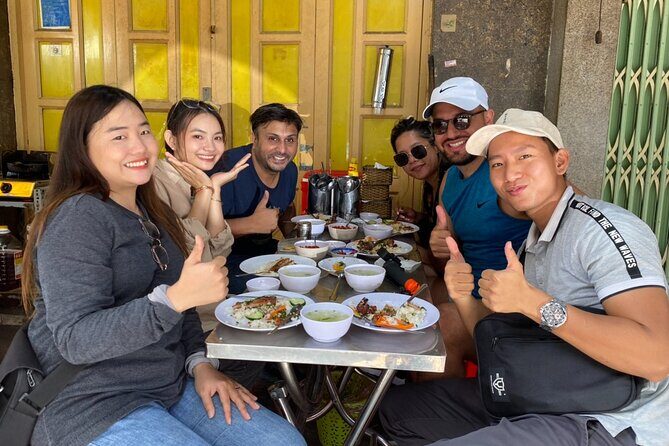
One of the tour’s smartest moves is building in time for food and drink, not just sights. You’ll sip robust coffee and learn how to make Vietnam’s sweet, highly caffeinated style.
This isn’t an abstract “coffee tasting.” It’s a short, focused lesson tied to what you’re actually tasting. And because this tour travels through different districts, the coffee stop acts like a reset button—cooler, quieter, and more comfortable for a quick break.
A key detail: coffee and/or tea and food aren’t included in the price. You’ll pay for what you choose to drink or eat. The tour time includes the opportunity, but your personal order is your decision.
District 10 wet market and flower market lunch: real Saigon life
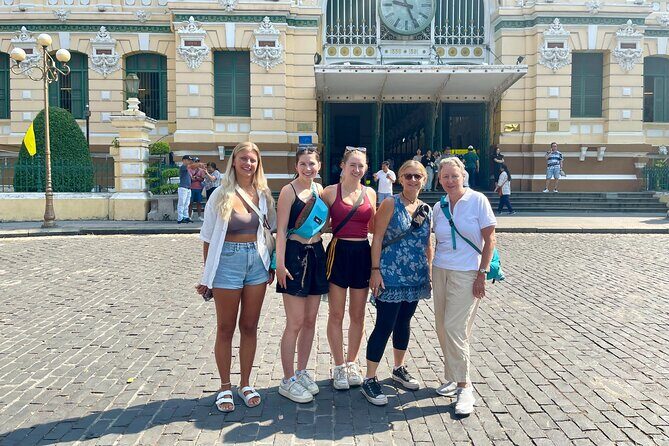
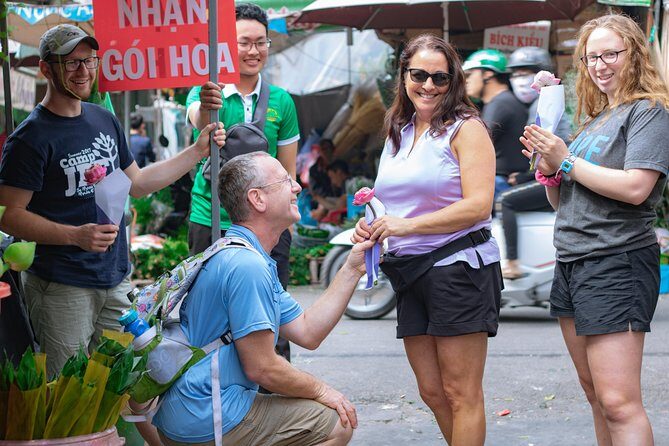
District 10 gives you the everyday city, starting with a local wet market. This is one of my favorite kinds of stops on a tour because it turns “culture” into something you can see and smell and ask about.
You’ll also have a chance to sample treats from the market area. Again, the tour includes the time and guidance, while you pay for what you eat and drink.
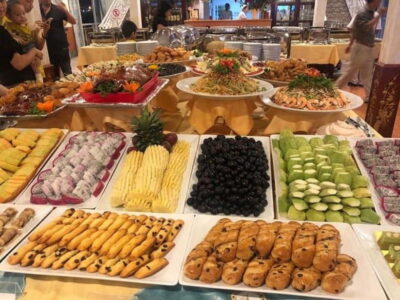
Then you’ll head to a flower market, where you’ll see the colors and the hustle behind daily offerings. The flower market stop is quick but rewarding—especially if you’re used to thinking of Saigon as only war history or only colonial buildings. Here, you see the city’s rhythm.
Food-wise, there’s time labeled for lunch/food in the market area. Based on the tour info, you’ll pay for the food you want. The practical upside is that you’ll know what to try (and what might be unfamiliar) because your guide can steer you.
Chinatown and an ancient temple: District 5’s older Saigon corners
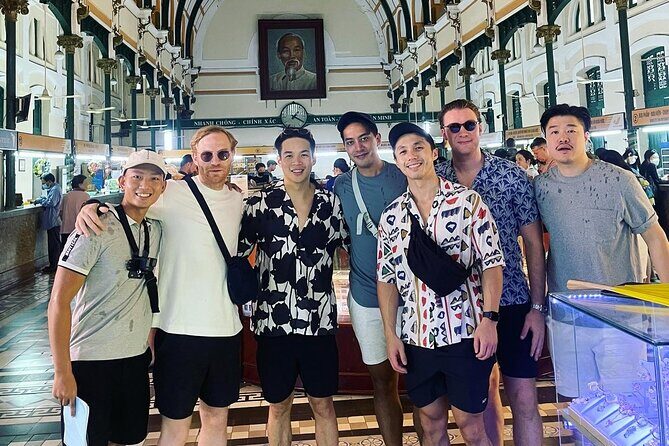
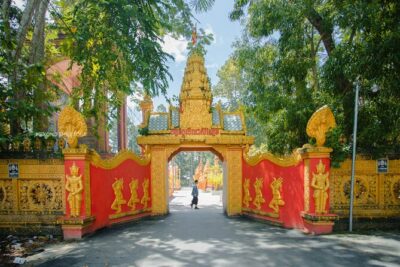
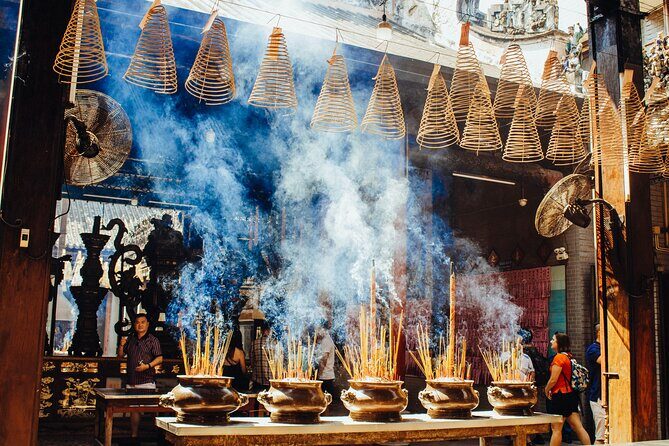
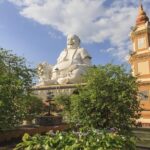
In District 5 (Chinatown area), you’ll explore Chinatown & an ancient temple. This is a classic “older layers” move: you get architecture and sacred space that feels distinct from the colonial core.
The temple visit is scheduled for a longer stop than the coffee break, so you’ll have time to look around, not just pass through. It’s also a nice contrast after the war-era segments. You’ll end up with a fuller picture of Saigon: political history, everyday life, and spiritual traditions all in the same afternoon.
If you like photography, this is also a strong segment. One of the guide pairings praised for photos suggests this tour can help you shoot better—through timing and composition guidance, not just pointing at landmarks.
The Saigon River finish: getting a last view before hotel drop-off
To end, the tour includes a scenic drive along the Saigon River before your hotel drop-off.
This final ride is more than a wrap-up. It helps break up the day’s intensity: after history sites and market stops, the river segment gives you a wider sense of the city’s shape and layout.
It also makes the tour feel complete. You’re not just dropped at another part of town; you’re gently returned to your hotel, which is a real quality-of-life factor when you’re short on time.
Price and logistics: does $33 feel like a good deal?
At $33 per person for about 4 hours, this tour can be good value—especially because so much is included.
What’s included in the base price:
- Private scooter and helmets
- Fuel and bottled water
- English-speaking guide and driver-guides
- Entrance to the weapons cellar
- Pickup and drop-off
What’s not included:
- Coffee/tea and any food you choose to order
- Meals
Here’s how I’d think about the math. If you’d otherwise book separate city transport, pay for entrance fees to one or two key sights, and then still want a guide, the structure starts to look efficient. You’re also paying for the “getting it explained” part—especially valuable on the war-history stops where context matters.
Your main extra cost will be whatever you decide to drink or eat at the coffee stop, wet market, and flower market/lunch segment. If you keep your orders modest, this stays a straightforward budget pick.
Safety and guide quality: why people feel comfortable on scooters
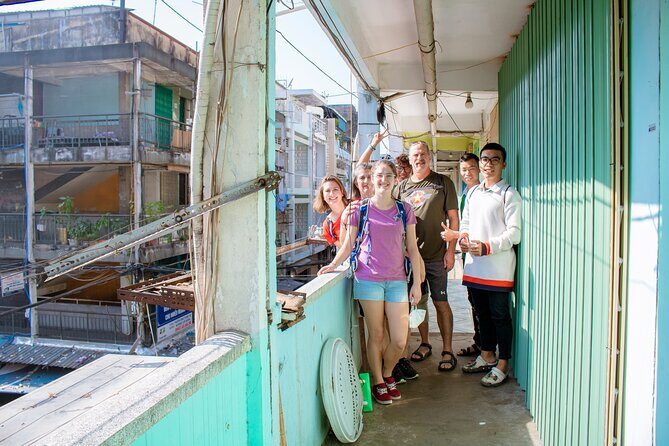
One of the most repeated themes in the feedback is safety comfort. Many people say they were nervous at first—especially if it was their first scooter ride—but still felt safe because the guides drive carefully and explain things clearly.
I’d treat this as a sign you should ask your guide questions at the start:
- Are there any steps for getting on/off smoothly?
- If I’m anxious, how should I position myself on the scooter?
- What’s the best way to handle a phone during stops?
You’ll also see the tour’s quality in how guides interact. Several guide names come up strongly: Kien (praised for fantastic, safe driving), Harry and Helen (on-time pickup and enthusiastic history), Eli and Tracy (helpful and knowledgeable with strong English), Jasmine and Ben (patient explanations and excellent photos), Emmy (great fun and memorable sights), Hani (professional, polite, and good at explaining), plus Teo and Binh showing up in first-time-rider reassurance.
Even if guide styles vary, the consistency is comfort and clarity. That’s what you want on a scooter tour.
Who should book this scooter tour (and who might prefer another style)
This tour is a smart match if:
- You’re short on time and want District 1 + District 3 + District 10 + Chinatown temple areas in one day
- You want war-era history that’s not just a lecture, with stops like the Burning Monk Memorial and the weapons cellar entrance
- You enjoy markets and want guidance for what to try
- You like the idea of getting around like locals—helmet on, phone ready, eyes open
You might skip it if:
- You strongly dislike scooters or don’t feel comfortable with traffic
- You want a strictly light, family-friendly day with no heavier war-history stops
- You don’t want to pay extra for drinks and food you choose during the market and coffee segments
Tips to get the most from the ride with Saigon Taste Tours
You’ll get a better tour if you show up ready to interact. Bring curiosity and ask for context, especially on the Burning Monk Memorial and the weapons/tunnels segment.
A few practical habits that help:
- Decide your snack/coffee budget before you stop, so you’re not surprised at the register
- Keep your phone accessible but secure for flower market colors and temple shots
- If you’re nervous, tell the guide right away. The reassurance and careful driving style is part of why this tour works for first-timers
- Don’t rush the emotion-heavy stop. Give the guide room to explain, and you’ll remember it longer in a good way
Also, after the tour you get a free Saigon Food & Drink Guide PDF sent to you. That’s an easy way to keep the food ideas going after you’ve left the scooter.
FAQ
FAQ
How long is the Saigon Unseen scooter tour?
It runs about 4 hours.
What does the tour cost?
The price is $33.00 per person.
Is pickup and drop-off included?
Yes. Hotel pickup is included at the start, and hotel drop-off is included at the end.
Is this tour private?
Yes. Only your group participates.
What’s included with the scooter ride?
Helmets, fuel, bottled water, and a private scooter are included, along with an English-speaking guide.
Are any entrances included?
Yes. The entrance of the weapons cellar is included.
Are coffee and food included?
Coffee and/or tea and food you want to try are not included in the price; you pay for what you choose.
Where does the tour start?
The meeting point is Saigon Opera House, 07 Công trường Lam Sơn, Bến Nghé, Quận 1, Thành phố Hồ Chí Minh 710212, Vietnam.
Is a mobile ticket provided?
Yes. A mobile ticket is provided.
What if weather is bad?
The experience requires good weather. If it’s canceled due to poor weather, you’ll be offered a different date or a full refund.
Should you book this tour?
If you want a fast, guided way to see multiple Saigon districts while getting context for both French-era landmarks and Vietnam War stories, this is a strong pick. The private scooter format is the real win: it turns a “hard-to-plan day” into something you can enjoy without stressing over routes.
Book it if you’re excited by markets, coffee breaks, and history that includes heavier stops. Consider a different style if scooters make you tense or if you’d rather keep the day light. For most first-time visitors who want good value and a local feel, this one earns its high ratings.