REVIEW · SOUTHERN VIETNAM
Explore The Most Tourist Attractions In Ho Chi Minh City
Book on GetYourGuide →Operated by Asia Tour · Bookable on GetYourGuide
Saigon hits you fast, in a good way. This one-day tour strings together major landmarks with street-level culture, so you see the parts people actually live in and the parts they argue about. I like the way it pairs big, emotional stops like the War Remnants Museum with lighter visuals like French-era architecture and classic photo spots. I also like that you get guided context at places that can feel confusing on your own, including the spiritual side of town.
The only caution I’d flag is logistics clarity. One negative note calls out that the pick-up point should be clearer when you book, and the same note reminds you to read about holiday surcharges.
In This Review
- Key points to know before you go
- A one-day Saigon mix that actually makes sense
- Independence Palace: French-era luxury inside political history
- War Remnants Museum: heavy content, handled with context
- Notre Dame Cathedral and the Central Post Office: easy landmarks, worth the pause
- Ben Thanh Market: the local buzz you can feel
- Jade Emperor Pagoda: worship culture you’ll notice if you slow down
- Lunch break: simple, local, and optional
- Cho Lon (Binh Tay Market) and Thien Hau Pagoda in Chinatown
- Bach Dang Wharf and the Saigon Water Bus: a smart way to see the city
- Price and value: where the $30 really goes
- What can make or break the day: guide, heat, and pacing
- Who should book this, and who should skip it
- Should you book this one-day Saigon highlights tour?
- FAQ
- How long is the tour?
- Where does the tour pick you up and drop you off?
- Is lunch included?
- What’s included in the price besides entrance fees?
- Are there extra charges on holidays?
- What are the cancellation and payment options?
Key points to know before you go
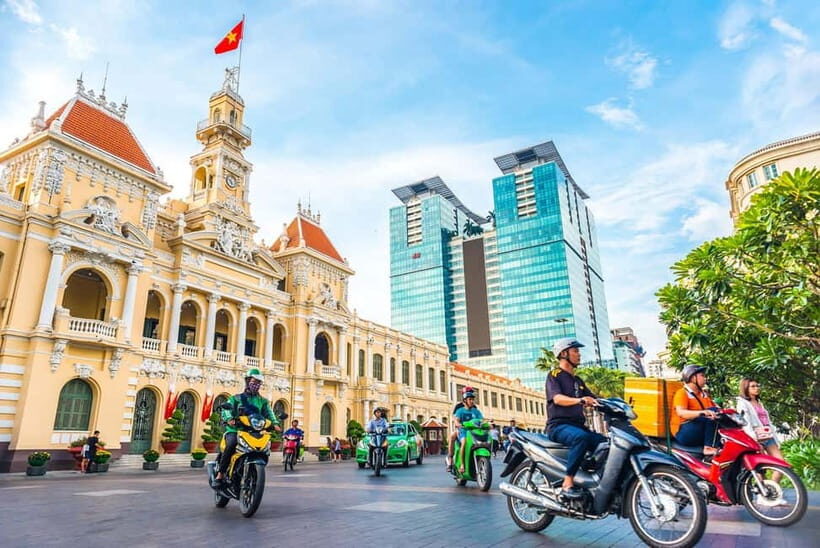
- A tight one-day “best of Saigon” route that mixes markets, pagodas, colonial buildings, and river views
- War Remnants Museum + Independence Palace give you the political and human story behind the city
- French-era architecture landmarks you’ll recognize quickly, including Notre Dame Cathedral and the Central Post Office
- Cho Lon (Chinatown) stops at Binh Tay Market and Thien Hau Pagoda add a different Saigon texture
- Saigon Water Bus on the river at Bach Dang Wharf is a smart break from traffic
- Guide quality matters, and several people praised friendly, clear explanations, including a mention of Anna
A one-day Saigon mix that actually makes sense
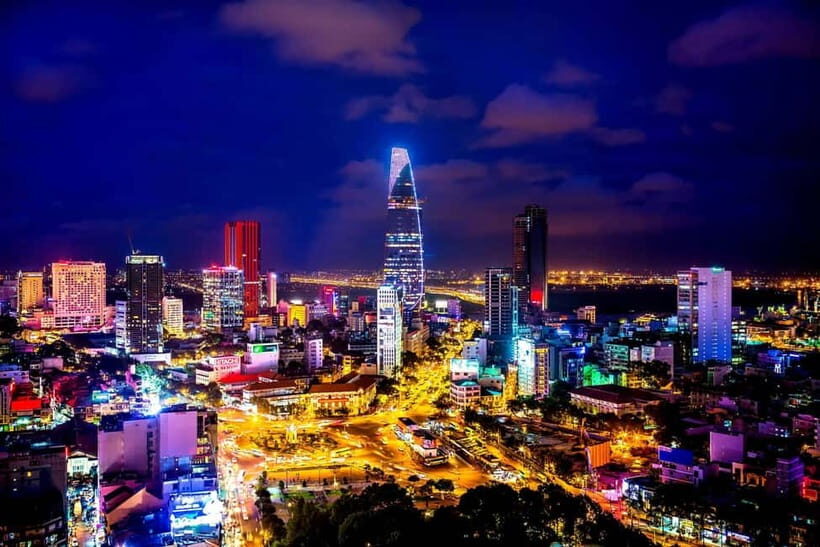
Ho Chi Minh City can feel like three cities at once. There’s the city of colonial buildings and grand plazas. There’s the city of dense markets and temple incense. And there’s the city shaped by war. This tour tries to connect those dots in one day, using air-conditioned car time when you need it and walking when it’s useful.
For your money, you’re not just buying entrances. You’re buying a guide who helps you read what you’re looking at. That matters at places like Independence Palace, where rooms and corridors only start making sense when someone points out what happened there.
It also helps at the temples. Jade Emperor Pagoda and the Chinatown temples aren’t just “pretty buildings.” You’ll see people praying, offering incense, and moving through rituals that are clearly part of everyday life. Even if you only catch a few explanations, it makes the visit feel respectful and not like you’re checking a box.
You can also read our reviews of more city tours in Southern Vietnam

Independence Palace: French-era luxury inside political history
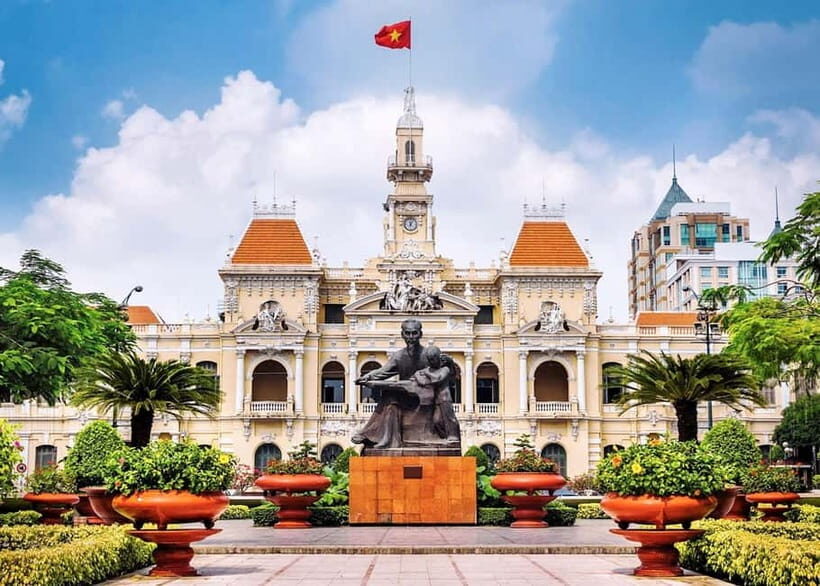
Most mornings begin with Independence Palace (also known as Reunification Palace). This is one of those sites where the building itself does half the talking. You get French-influenced architecture and interiors that look carefully designed for leaders, not tourists.
What makes it worthwhile is the contrast. You’ll walk through grand halls and then learn about the darker purpose of the spaces, including secret chambers and the idea of a command center. On your own, it can be easy to wander and miss what the rooms were for. With a guide, you’re more likely to notice details that explain why the palace is still a symbol of resilience for many Vietnamese people.
Practical tip: this stop can involve lots of walking indoors and outdoors, depending on how the day’s schedule is paced. Wear shoes you can keep on for hours, not sandals that feel like a gamble.
War Remnants Museum: heavy content, handled with context
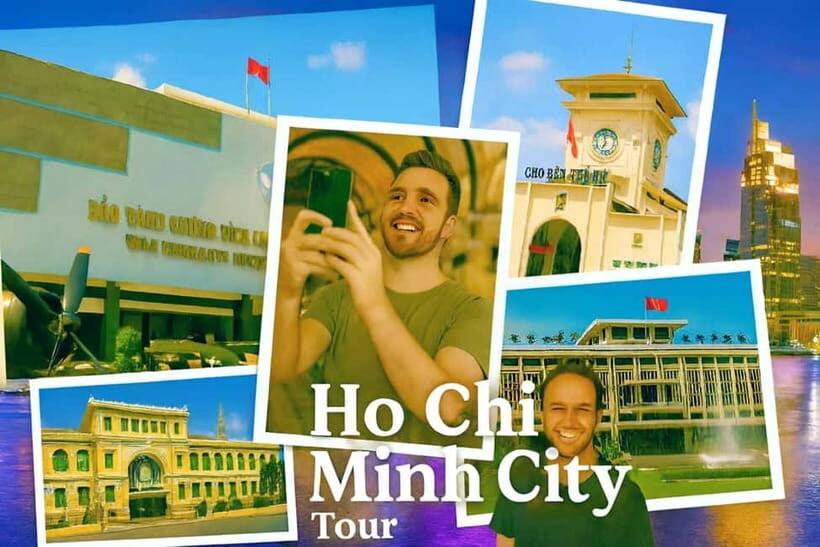
After that comes the War Remnants Museum. This is the emotional core of the day. You’ll see exhibits, historic photographs, and authentic wartime artifacts that focus on the pain and loss Vietnamese people experienced during conflict.
I’m glad this tour doesn’t skip it. Saigon’s architecture and energy can make the city feel modern and future-focused, especially around the big development areas. The museum brings you back to the human reality behind the headlines. It’s not a light stop, but it gives you a foundation for understanding why certain places and memorials matter so much here.
A balanced approach helps. If you’re sensitive to graphic imagery, go at your own pace inside. You don’t need to rush. Think of it as learning, not forcing yourself to “cover” everything.
Notre Dame Cathedral and the Central Post Office: easy landmarks, worth the pause
Next up are two classics that you’ll recognize right away once you see them.
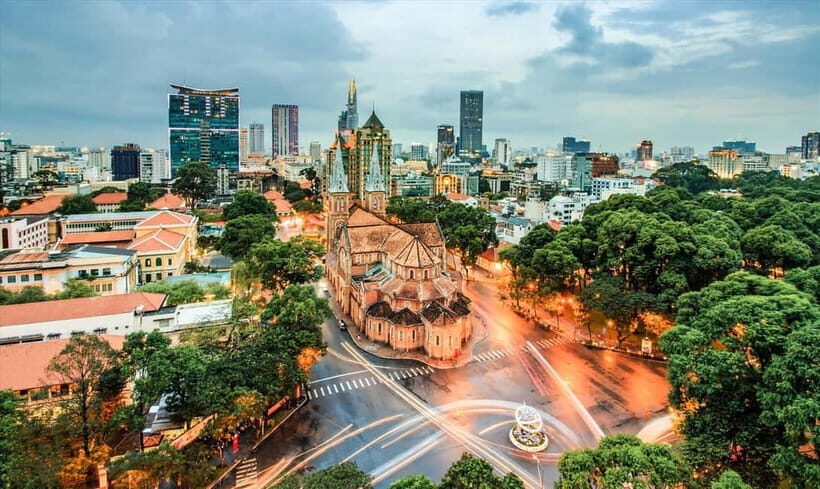
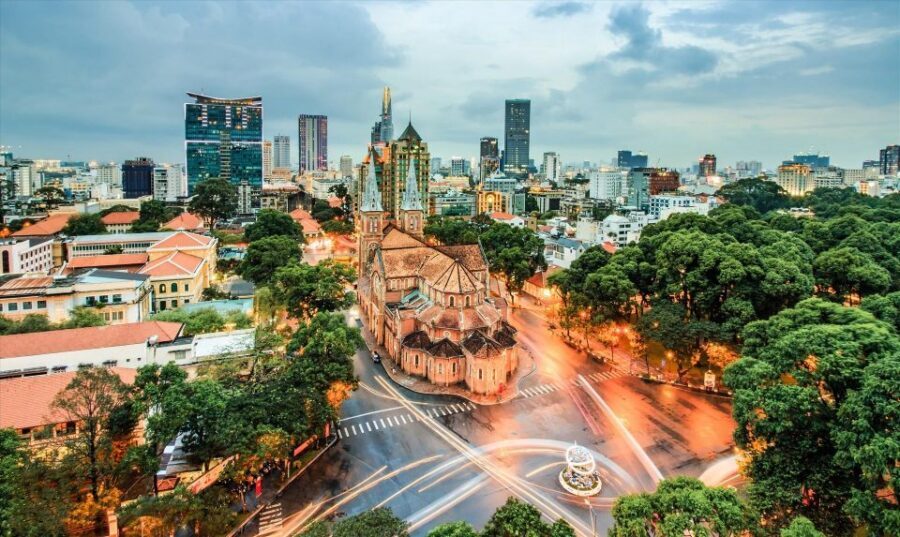
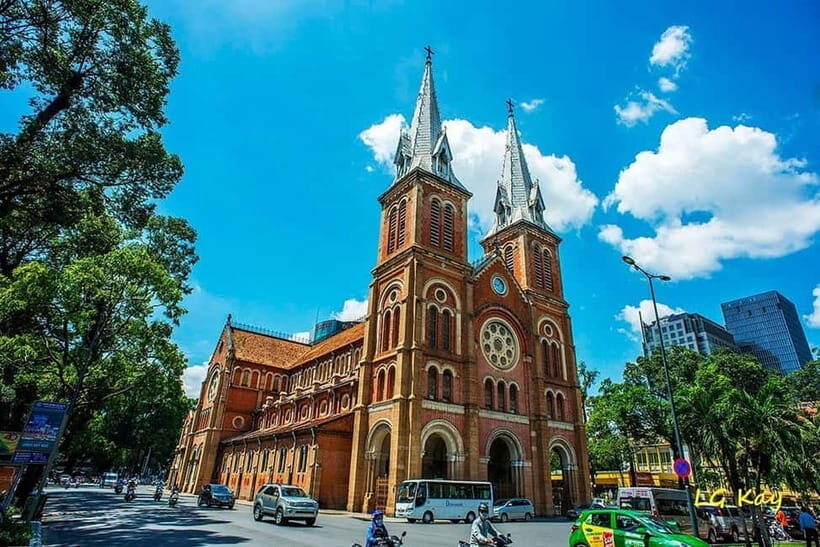
First, you’ll visit Saigon Notre Dame Cathedral, commonly called the Cathedral of the Virgin Mary. It’s a long-standing photo magnet, including for couples. But it’s also a working landmark for locals, so it doesn’t feel staged. The building’s age and details make it more interesting than a quick roadside glance.
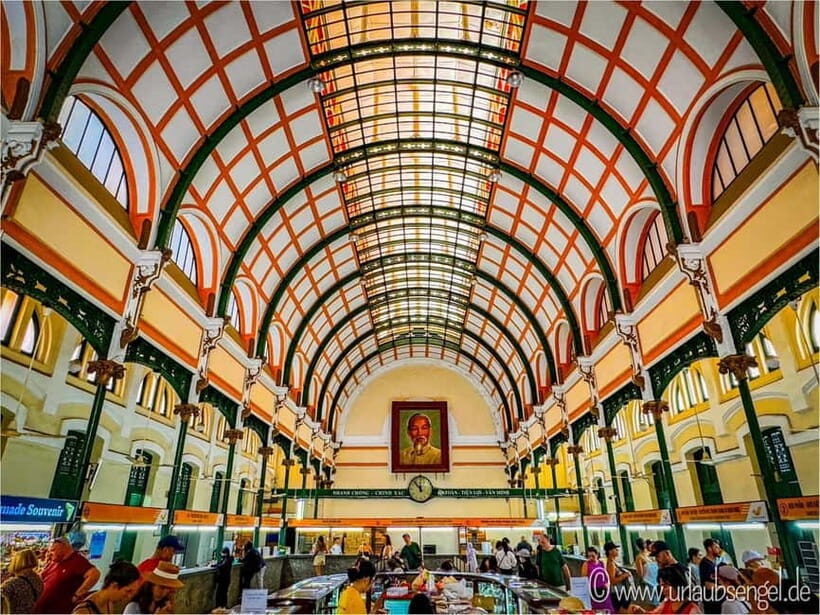
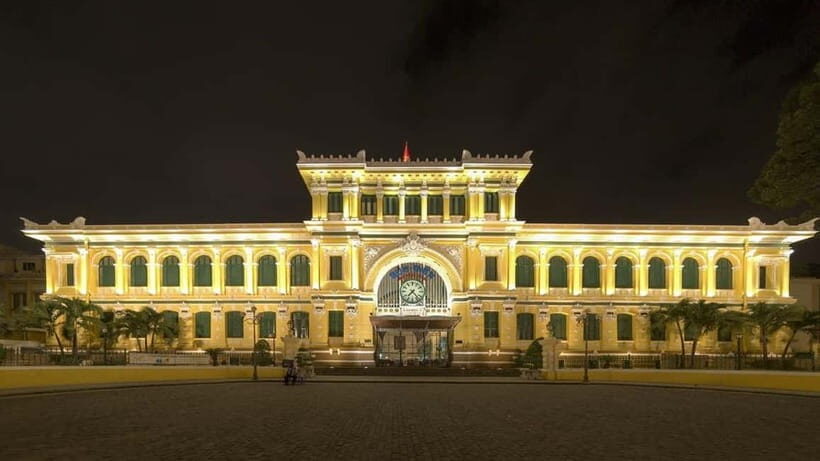
Across the street is the Saigon Central Post Office, designed by Gustave Eiffel. This is one of the most rewarding stops for architecture lovers on a tight schedule. The building’s ornamentation and French colonial style are visible in big patterns and small details. You’re not just admiring the outside; the interior layout also feels like part of the story of how Saigon connected to the wider world.
A quick note on your expectations: this isn’t a museum where you’ll spend hours reading labels. It’s more of a “look carefully, take photos, soak in the design” stop. If you time your photos well, you can get great images without feeling rushed.
Ben Thanh Market: the local buzz you can feel
One of the highlights is Ben Thanh Market. This is the place where you really feel the daily energy of Saigon’s commerce. You’ll walk among stalls and experience the texture of a traditional market right in the city center.
What I like about markets on tours is that you get an outsider-friendly path through the noise. You’re less likely to get lost or accidentally miss the areas where locals actually spend time. Also, when a guide is with you, it’s easier to understand how people buy, bargain, and move through the space.
Practical advice: bring small cash and be ready for heat. Even if you don’t buy anything, this is the kind of stop that wakes up your senses fast.




Jade Emperor Pagoda: worship culture you’ll notice if you slow down
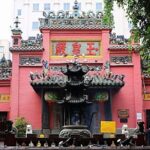
Another highlight is Jade Emperor Pagoda, where you can experience true Asian worship culture. This is not just sightseeing. You’ll see incense-filled spaces and a strong sense of ritual.
If you’ve only seen temples through photos, this is where you learn to look differently. Instead of asking what’s “pretty,” pay attention to how people are acting, praying, and offering. That’s the point. You get a window into beliefs that shape everyday behavior, not just festival moments.
Tip: dress neatly and plan for conservative covering where needed. If you’re unsure, follow what locals and other visitors are doing.
Lunch break: simple, local, and optional
The tour includes lunch as optional at a local restaurant. That’s useful because it lets you match your schedule and preferences. If you’re tired from the morning’s walking and museum time, you’ll probably appreciate the chance to eat without hunting for a place.
If you do opt in, keep it flexible. Lunch in Vietnam often runs at a different pace than what you’re used to. Use the time to cool down and recharge.
Cho Lon (Binh Tay Market) and Thien Hau Pagoda in Chinatown
In the afternoon, the tour shifts gears to Cho Lon in Districts 5 and 6, where you’ll find the Chinatown area. The star here is Binh Tay Market, also known as Cho Lon market, one of the city’s most famous wholesale markets.
This stop works because it’s different from Ben Thanh. Ben Thanh feels like a classic central market for many visitors. Binh Tay feels more wholesale and community-focused. You’ll walk among stalls and see how long-time Vietnamese-Chinese families have shaped the area for generations.
Then comes Thien Hau Pagoda, one of the oldest and most sacred temples in Chinatown. It’s dedicated to the Goddess of the Sea. This is where the spiritual side of Cho Lon shows up clearly. Incense, prayer, and ornate temple architecture create a strong sense of place.
I like how this section balances everything else in the day. After the weight of war history and the big-city colonial landmarks, the pagoda stops feel like a pause where people are clearly seeking peace, luck, and prosperity.
Practical tip: expect shade and sunlight to trade places quickly here. Keep an eye on your water and take short pauses.
Bach Dang Wharf and the Saigon Water Bus: a smart way to see the city
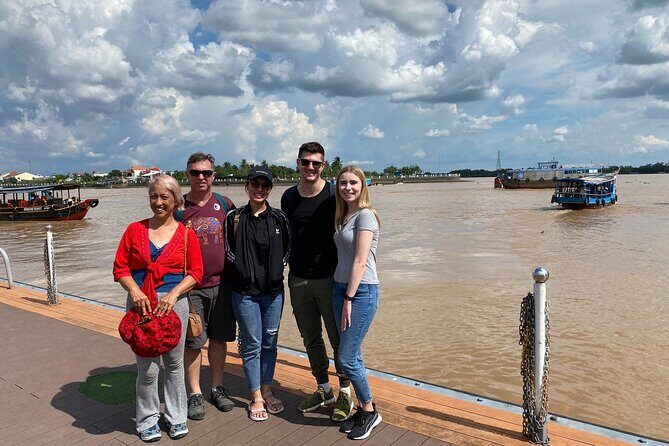
The day ends with a river segment from Bach Dang Wharf by Saigon Water Bus. This is a practical win. When road traffic is heavy, the river gives you movement without stress.
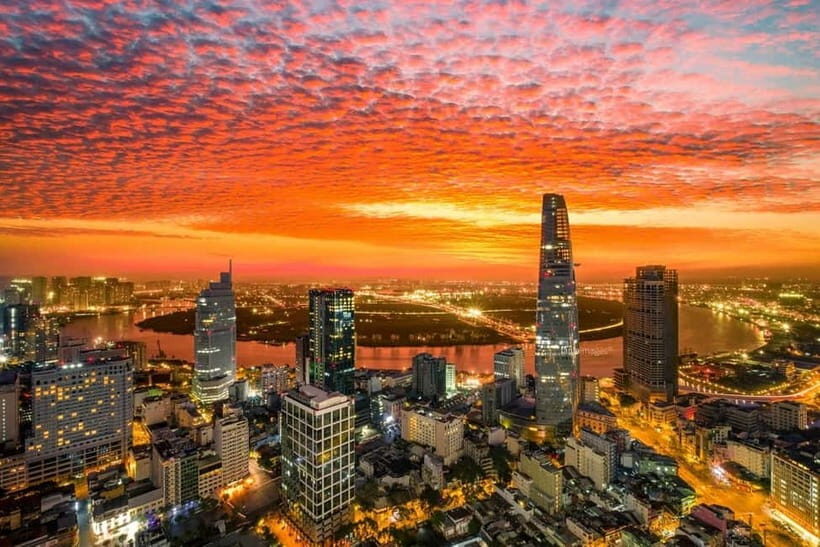
As you glide along the Saigon River, you’ll pass sights like Landmark 81 and Thu Thiem Bridge. That mix matters. It shows how Saigon has layered modern growth over older identity. From the water, the city looks different and, frankly, calmer.
Think of this as your decompression phase. After a day of buildings, museums, and markets, the river gives you breathing space and photo opportunities with less crowd pressure than street stops.
Price and value: where the $30 really goes
This experience is priced around $30 per person and typically runs 4–8 hours. For a one-day route that includes hotel pickup/drop-off within central Saigon, an English-speaking guide, air-conditioned car transfer, entrance fees, and bottled water, that’s decent value.
Here’s what you’re paying for, in real terms:
- Guided time at sites that can feel disconnected if you visit alone (Independence Palace, War Remnants Museum, pagodas)
- Transport that reduces stress in a city where distances add up fast
- Entrance fees and a planned route, so you don’t spend the day negotiating schedules
- Lunch as optional, so you can decide how much time you want to dedicate to eating
Potential value pinch: if you only care about a single or two sites, you might feel like you’re “doing a lot.” But if you want the best-of Saigon snapshot with context, this price-to-effort ratio is pretty fair.
Also note the holiday detail: there’s a 30% total price surcharge on holidays in Vietnam. If you’re traveling during major holiday periods, factor that in before you lock it in.
What can make or break the day: guide, heat, and pacing
One reason this tour scores well is guide impact. A positive review specifically mentions Anna and highlights how good the guide was, even when the overall experience was judged mediocre. Other feedback praises friendly, helpful explanations and how the guide makes things easier on hot days.
That fits the reality here. Ho Chi Minh City weather can turn a walking day into a slog. Having a guide who keeps things moving and explains what you’re seeing is more than “nice.” It’s what keeps the day enjoyable instead of exhausting.
Still, there’s a genuine consideration: one review points out the pick-up point should be clearer at booking. So when you confirm, make sure you understand exactly where to meet, not just what part of the city it’s in.
Who should book this, and who should skip it
This tour is best for you if:
- You want a first-time Saigon overview without researching every stop
- You appreciate context at major sites like Independence Palace and the War Remnants Museum
- You like a mix of markets, worship spaces, and architecture in one day
- You can handle moderate walking and indoor/outdoor time in warm weather
You might skip or choose a different format if:
- You hate museums and want mostly light, entertainment-style sightseeing
- You’re very strict about pacing and prefer unplanned time blocks
- You get stressed by meeting logistics, especially if the pick-up point details aren’t crystal clear for you
Should you book this one-day Saigon highlights tour?
If you want the “greatest hits” of Ho Chi Minh City in one day, with a guide to connect the dots, I think it’s a solid choice. The big wins are the combination of Independence Palace, War Remnants Museum, major French-era landmarks, and a Chinatown segment that feels like a different neighborhood, not a copy-paste stop.
I’d book it if you’re the type of traveler who likes understanding what you’re looking at, even when it gets serious. The river ride also gives you a nice change of pace.
If you’re uncertain, do one simple check before you commit: confirm the exact meeting/pick-up point and read the holiday pricing note. With that sorted, this tour can save you time and make your day in Saigon feel intentional instead of random.
FAQ
How long is the tour?
The duration is listed as 4–8 hours. Exact timing depends on the available starting times.
Where does the tour pick you up and drop you off?
The tour includes pick up and drop off at the center of Saigon.
Is lunch included?
Lunch is listed as optional, so you can choose whether to include it at the local restaurant.
What’s included in the price besides entrance fees?
In addition to entrance fees, you get pick up and drop off, a friendly professional guide, an English-speaking guide (other languages may have a surcharge), AC car transfer, and bottled water on the car.
Are there extra charges on holidays?
Yes. There is a 30% total price surcharge on holidays in Vietnam.
What are the cancellation and payment options?
You can cancel up to 24 hours in advance for a full refund. You can also reserve now and pay later to keep your plans flexible.