REVIEW · SOUTHERN VIETNAM
From Ho Chi Minh: Mekong Delta 3 Days Chau Doc, Cai Be tour
Book on GetYourGuide →Operated by Try Handle · Bookable on GetYourGuide
Few tours give you so much water time. This one threads together Cai Be’s canal life, the Cai Rang floating market, and a mangrove rowboat in Tra Su Forest. I like how the day-plan mixes food you can actually taste, plus culture stops that explain why the Mekong looks the way it does.
Two standouts for me: the fruit tasting moment with Southern Vietnamese folk music, and the boat-and-market flow on the Hau River at Cai Rang. One possible drawback to plan for: the food can feel repetitive, so if you’re picky, keep your expectations flexible.
The other big plus is the English-speaking guide. In strong feedback, guides named Naomi and Trena got praise for answering questions and guiding people smoothly through the pace.
In This Review
- Key highlights you’ll feel right away
- From Ho Chi Minh City to Cai Be: the Mekong starts moving fast
- Cai Be by canal: fruit baskets, coconut candy, and a bit of Southern music
- Can Tho and Cai Rang: Hau River boats and Khmer temple architecture
- Tra Su Forest: the mangrove you can row through
- Chau Doc on the ground: floating village life, markets, and pagoda stops
- Lotus fields and Go Thap: tracing Oc Eo culture and the Funan-era story
- Price and value: what $236 gets you, and what it doesn’t
- Who this tour suits best (and who should think twice)
- Should you book this Mekong Delta 3-day loop?
- FAQ
- What areas does the tour cover?
- How long is the tour?
- How much does it cost?
- Is accommodation included?
- What’s included in the price besides sightseeing?
- Are boat rides part of this experience?
- What language will the guide speak?
- Can I cancel and get a refund?
- Can I reserve first and pay later?
- If I’m traveling alone, are there any extra charges?
Key highlights you’ll feel right away
- Fruit tastings with folk music during a hands-on Lower Mekong garden stop
- Coconut candy and crispy rice snacks made by a family business in Cai Be
- Boat ride to Cai Rang floating market on the Hau River, plus local factory walking time
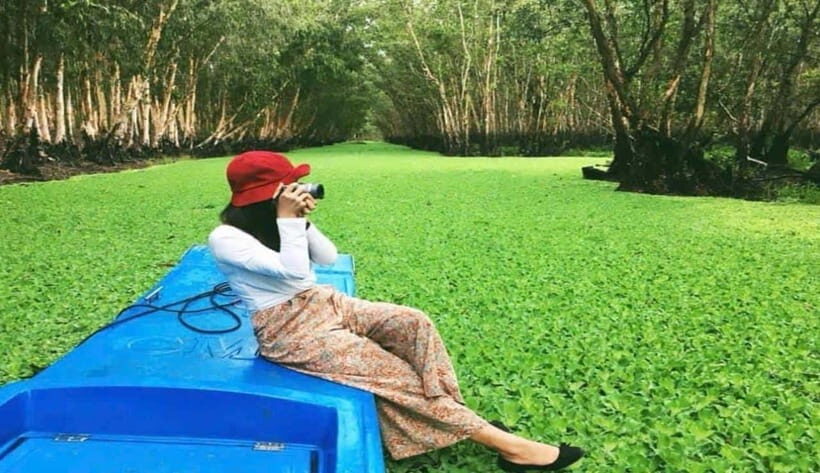
- Tra Su Forest rowing boat through a mangrove ecosystem with strong wildlife vibes
- Oc Eo culture at Go Thap tied to Funan-era history
From Ho Chi Minh City to Cai Be: the Mekong starts moving fast
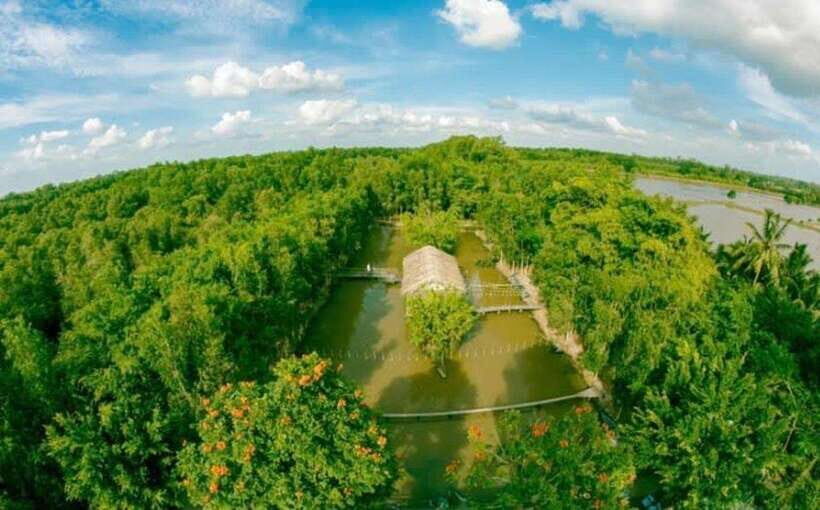
Day 1 kicks off early, around 07:30, with pickup by A/C van or bus from central District 1 areas (except Tan Đinh and Da Kao Ward). You’re not waiting around to “get into the vibe.” You’re out the door, heading toward the Lower Mekong’s maze of rivers, orchards, and village life.
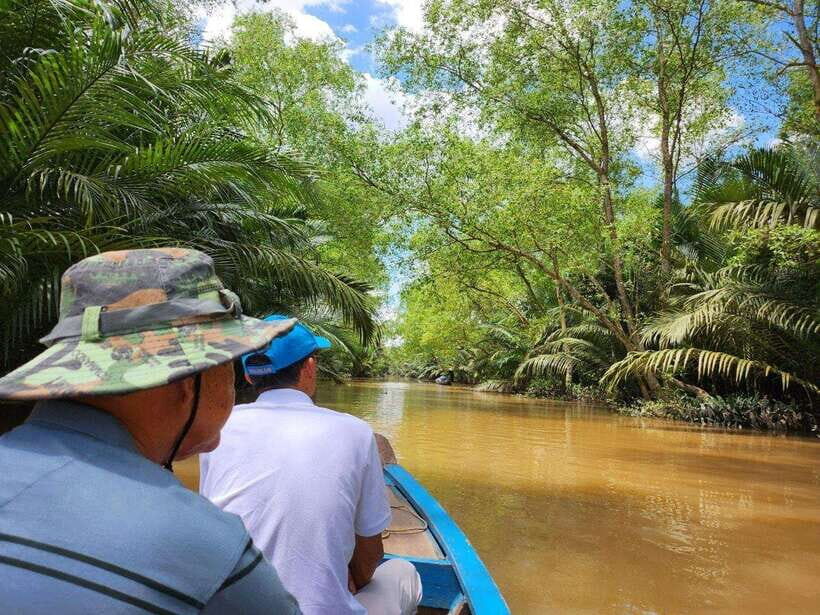
Cai Be is the right place to start because it’s not just scenery. It’s where you see how daily life turns into food, snacks, and trade. The first water time is a boat ride on the Tien River, with a focus on the area’s orchards and villages—often called the fruit basket of the Lower Mekong River. If you’ve only seen Vietnam’s cities, this feels like a different country.
You’ll also notice the tour’s rhythm: a lot of short “arrive, see, try, move” moments. That’s good if you want value in three days. Just keep your daypack light—there’s plenty of movement between boats, walking stops, and transfers.
You can also read our reviews of more tours and experiences in Southern Vietnam.
Cai Be by canal: fruit baskets, coconut candy, and a bit of Southern music
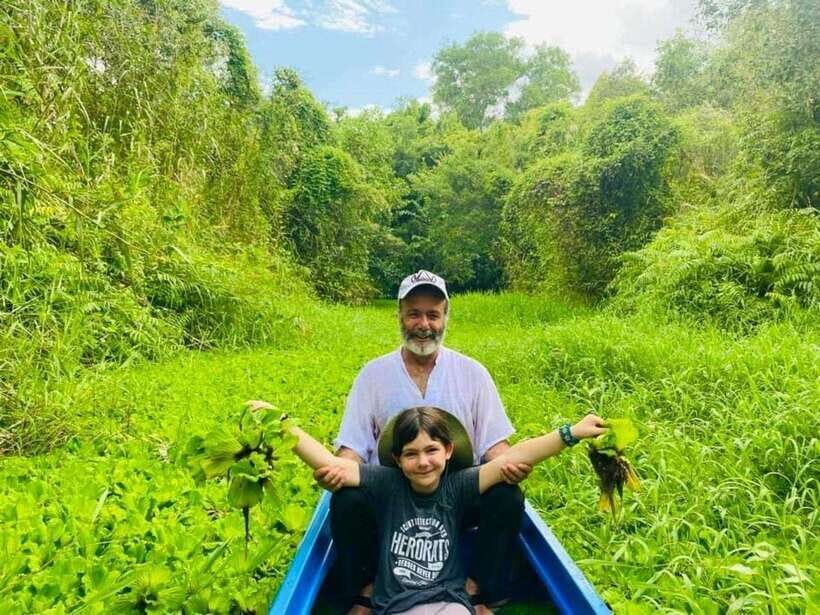
What I like about this Cai Be section is that it’s not only about what’s grown. It’s about what’s made. You’ll pass through charming village areas and see older houses and local ways of life. Then you get a family stop that’s very specific: coconut fudge/candy and crispy rice popcorn crafted on site.
That family business detail matters. It turns the food from “cute souvenir” into something with texture and process. The tasting part is built around seasonal fruit, and there’s also the moment of Southern Vietnamese folk music while you’re eating. So you get sound and flavor at the same time, not just one or the other.
Then there’s the paddling through scenic canals in the Upper Mekong Delta. This part is usually what makes the “I took a photo” people become “okay, I get it” people. The canals slow your eyes down. You stop seeing the Mekong as a wide river and start seeing it as a working system: water routes, gardens, and small communities that have learned to live with the river’s schedule.
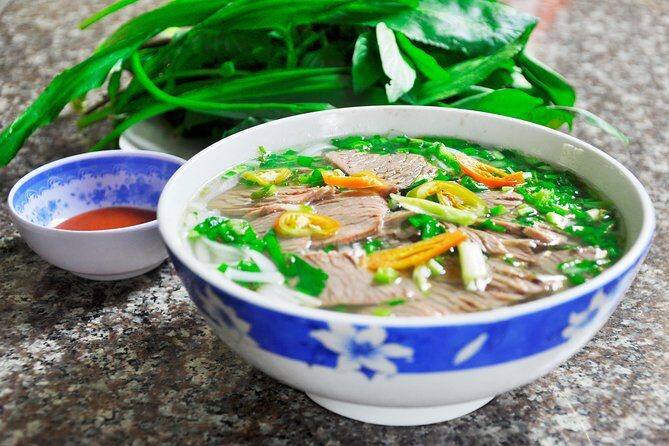
Lunch is planned in a local garden setting where you prepare and enjoy Vietnamese specialties. It’s a good break from constant motion, and it’s also where the tour feels most social—people eating at the same table, not just watching a demo.
Can Tho and Cai Rang: Hau River boats and Khmer temple architecture
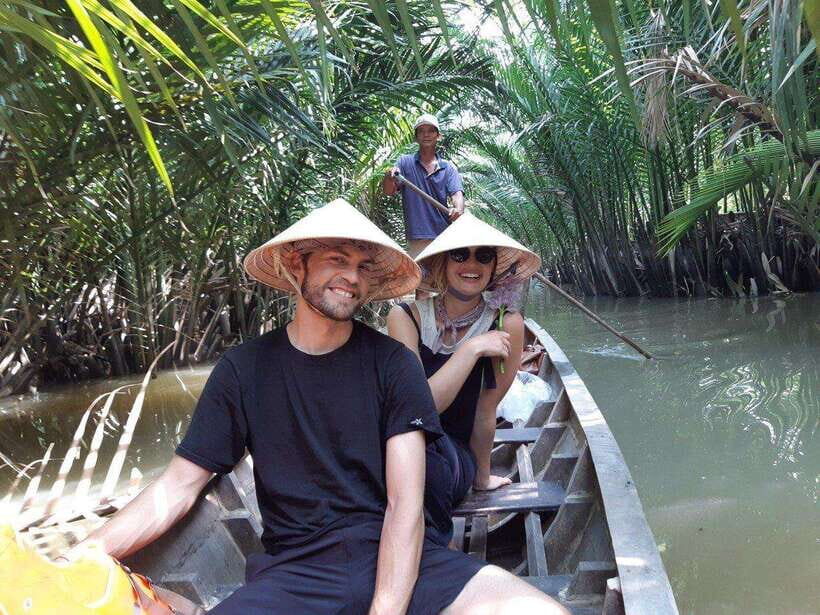
Day 2 starts early as well, with breakfast at the hotel around 06:00. Then you’re back on the water, taking a boat ride along scenic tributaries of the Hau River. The timing is important here. Cai Rang Floating Market works best when you can see the bustle without it feeling rushed to the point of chaos.
The Cai Rang part isn’t just a quick stop. You get the boat-to-market connection, which helps you understand how goods move. You’ll be seeing boats clustered together with fruit and daily products—one of those scenes where you realize the market isn’t only for tourists. It’s a living distribution point.
After the floating market, you walk through a local noodle factory. That adds variety to the day so it’s not “boat, boat, boat.” It’s also a practical cultural contrast: the delta moves food by water, but the work of processing and packing still happens on land.
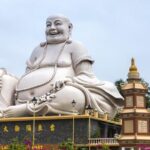
Next comes Munir Ansay Pagoda, a well-known Khmer temple with unique architecture. This is a smart inclusion because it shows the Mekong Delta isn’t one single cultural story. The Khmer influence is part of the region’s identity, and the architecture gives your eyes a reason to pause between food and water stops.
Later, you travel by boat to the Con Son area to tour fruit plantations and enjoy seasonal fruits. It’s a continuation of the “this is why the Mekong is called a fruit basket” theme, but it feels different from Cai Be because it’s framed around plantation visits and seasonal picking.
Tra Su Forest: the mangrove you can row through
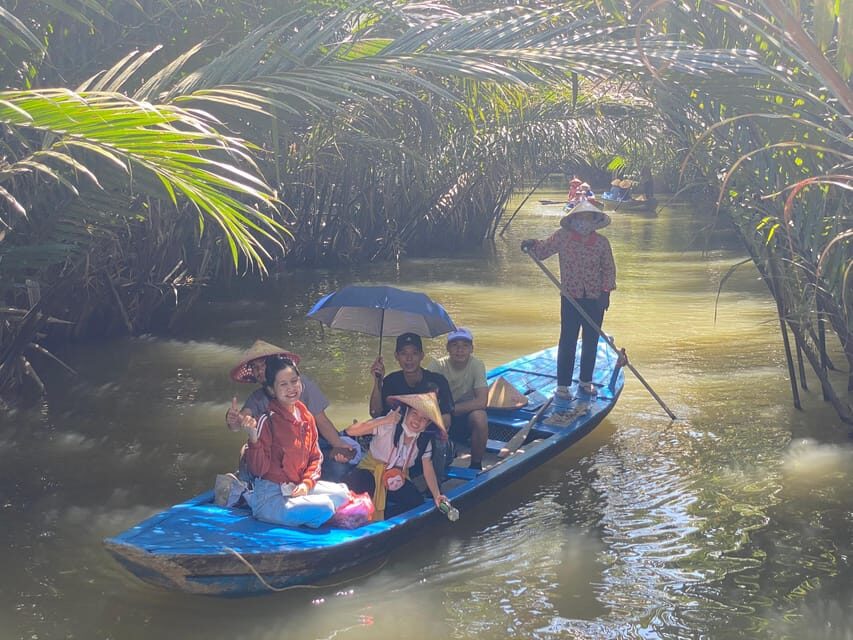
Then the trip shifts from fruit and markets to ecology. After traveling toward Chau Doc, you visit Tra Su Forest in An Giang. This is the destination that makes the tour feel like a nature break rather than constant sightseeing.
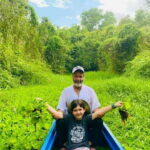
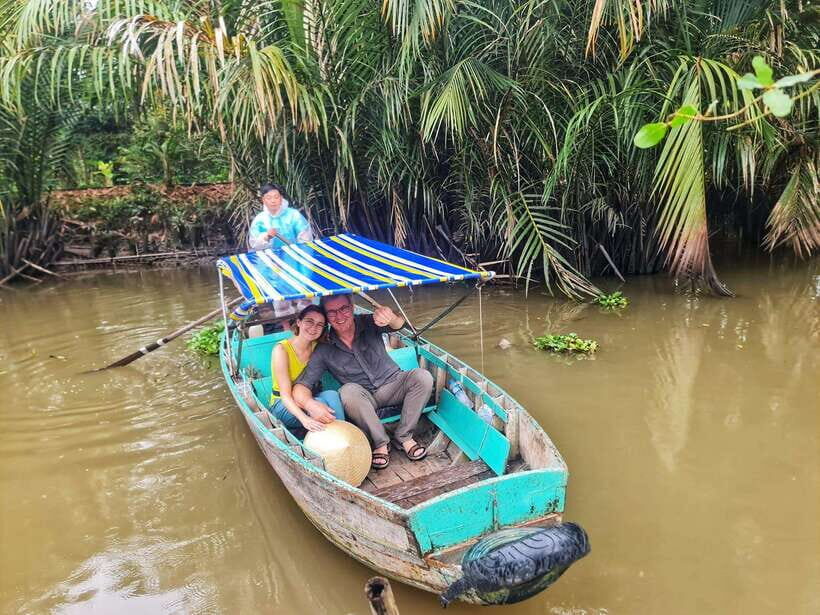
You’ll take a rowing boat journey through the forest. The key word here is rowing: it’s quieter than a typical motorized tour. That changes what you notice. You pay more attention to stillness, reflections, and the mangrove structure itself—roots, narrow waterways, and the sense that you’re gliding inside a living system.
Tra Su is famous for its mangrove ecosystem and a mix of flora and fauna. You’re not going to leave with a wildlife lecture, but you will come away with a strong feeling of how the delta’s wetland plants protect the area and support life. It’s also a great contrast to the floating market scenes, because here the “market logic” disappears and nature takes over the schedule.
This is also a good moment to slow down. If you like photos, it’s a strong setting for misty-water reflections and green tunnels of mangrove.
Chau Doc on the ground: floating village life, markets, and pagoda stops
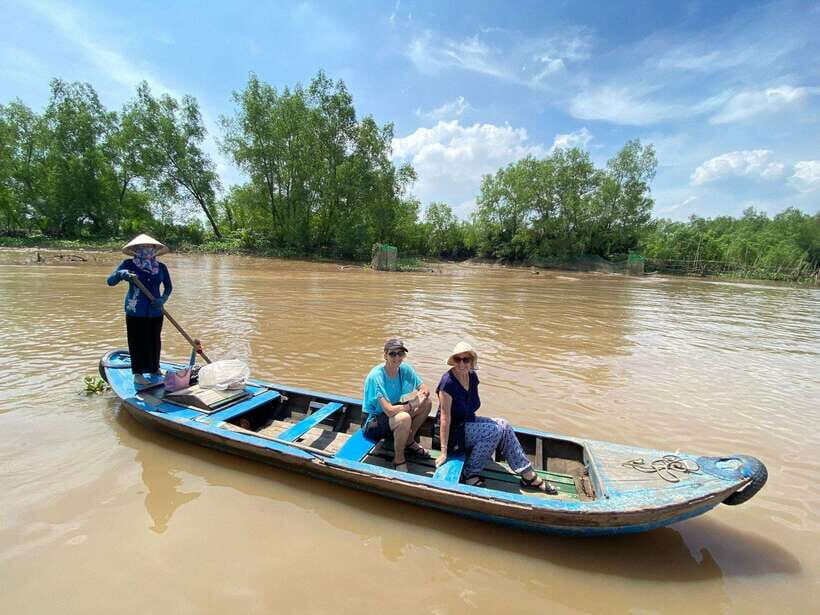
Day 3 is where Chau Doc culture fills the frame. You’ll check out, have breakfast, and start with a floating village visit. Then you go to the Cham Village, learning about the shared cultural heritage between the Cham people and the Mekong Delta region.
That Cham connection is one of the more meaningful inclusions on the whole tour because it gives you another “why is Vietnam diverse?” answer. You see that the delta is not only Kinh-majority farmland and river life. It’s also a meeting place of different communities and histories.
Next up is Chau Doc Market. You’re looking at fresh produce, handcrafted goods, and some Cambodian imports too. Markets are one of the best ways to understand a place quickly, and this one fits the tour’s theme: the delta’s economy is practical, close to the water, and built around what can be bought, sold, and carried.
Then you head to Hang Temple on Sam Mountain. The climb is part of the point—paths through greenery toward a cave sanctuary. Inside, you’ll see intricate Buddhist sculptures and enjoy a calmer atmosphere once you’re inside the cave space. Not every temple visit gets you this kind of physical-to-mental transition, and that makes it memorable.
After that, you visit Ba Chua Xu Temple, which locals revere. You’ll have a chance to offer prayers for good fortune. It’s a respectful stop, and it fits the day’s tone of culture learning rather than just photo-taking.

Lotus fields and Go Thap: tracing Oc Eo culture and the Funan-era story

After lunch, the tour gives you time to capture lotus fields in full bloom. Even if you’re not a hardcore photographer, this is the kind of scene that makes the Mekong feel poetic for a moment. It also provides a visual break before the history stop.
Then you go to Go Thap, a historical site tied to Oc Eo culture. The timeline included here is detailed: Oc Eo existed from the 1st century, flourished in the 7th century, and traditions continued until the 10th century. You’ll learn how the ancient kingdom of Funan formed and developed, using Oc Eo as a key clue.
This is where the tour can surprise you—in a good way. It helps you connect the daily delta life you saw on boats and markets to a much older layer of settlement and trade. The Mekong has always been a corridor. Go Thap gives you the evidence that the corridor mattered long before modern roads.
In the evening, you return to Ho Chi Minh City, ending the loop.
Price and value: what $236 gets you, and what it doesn’t
At $236 per person for a three-day loop, the big value is that you’re paying for guided structure plus boat time and entrance fees. That’s not cheap, but it’s also not just transport. You’re buying someone’s planning: multiple river segments, scheduled cultural stops, and a full-day pace with an English-speaking guide.
Two important budget cautions:
- Accommodation is not included. You’ll still be overnighting in Can Tho City during the program, so you need to budget for a hotel there.
- Single travelers may face a surcharge for a single room, and tips and travel insurance are not included.
One more practical note: the tour schedule includes breakfast/lunch/dinner markers on some days, but meal inclusions aren’t spelled out in the provided details. Before you book, confirm whether meals are fully covered or partly paid on your own, especially if you have dietary needs.
If you want a relaxed pace, this might feel packed. If you want maximum delta highlights in only three days, the price-to-output ratio looks fair.
Who this tour suits best (and who should think twice)
I think this fits best for you if you:
- want a short, well-planned Mekong Delta overview with multiple regions (Cai Be, Can Tho, Chau Doc)
- like boat-based travel and don’t mind early starts around 06:00 and 07:30
- enjoy cultural stops tied to real places—Khmer temple architecture, Cham community history, and Oc Eo at Go Thap
- prefer an English-speaking guide to handle timing and explanations
I’d think twice if:
- you’re very sensitive to meal repetition. One downside flagged in feedback is that the food can feel similar day to day
- you dislike “see a lot, move again” itineraries. This is a busy format, even though you do get nature time at Tra Su Forest
Should you book this Mekong Delta 3-day loop?
If you want the Mekong Delta highlights without building everything yourself, I’d say yes. You get a smart mix of boats, family food moments, floating markets, mangrove nature, and a real historical stop at Go Thap. It’s also strong for English speakers thanks to the English-speaking guide.
My honest call: book it if you’re excited by hands-on food tastings, water views, and cultural learning in a tight schedule. Skip or adjust expectations if you know you want slow travel, or if you’re picky about meals.
FAQ
What areas does the tour cover?
It’s a Southern Vietnam Mekong Delta route that takes you through Cai Be and Can Tho, then to Chau Doc, with key stops including Cai Rang Floating Market, Tra Su Forest, and Go Thap.
How long is the tour?
The duration is 3 days.
How much does it cost?
The price is listed as $236 per person.
Is accommodation included?
No. Accommodation is not included.
What’s included in the price besides sightseeing?
The included items are A/C van/bus pickup (central District 1 areas except Tan Đinh and Da Kao Ward), transfers and sightseeing as per the program, boat trips in the Mekong Delta, an English-speaking guide, and all entrance fees.
Are boat rides part of this experience?
Yes. The program includes boat trips in the Mekong Delta and specific boat journeys such as visits connected to Cai Rang Floating Market and Tra Su Forest.
What language will the guide speak?
The guide is English-speaking.
Can I cancel and get a refund?
Yes. Free cancellation is available up to 24 hours in advance for a full refund.
Can I reserve first and pay later?
Yes. The tour offers a reserve now & pay later option.
If I’m traveling alone, are there any extra charges?
The tour listing notes a possible surcharge for a single room when traveling alone.