REVIEW · HO CHI MINH CITY
From Ho Chi Minh: 2D Mekong, Floating Market-authentic trip
Book on Viator →Operated by Fabulous Mekong Eco Tours · Bookable on Viator
The Mekong Delta runs on early mornings.
This 2-day eco-style trip from Ho Chi Minh City to Can Tho mixes boats, farmland, and hands-on local food stops, with time in nature reserves and a community island at the end.
I love how the pacing balances scenery with work you can actually see—rice fields, birdlife in a sanctuary, and real production at a rice noodle and cacao stop. You also get that small-group feel (max 15 travelers) that makes it easier to ask questions and move at a human pace.
I also love the standout moments that feel very Mekong: sunrise Cai Rang Floating Market plus breakfast on the river, and the community life on Son Islet. The main drawback to plan for is that it’s a full schedule with early starts, plus a lot of time on boats and in humid outdoor heat.
In This Review
- Key things that make this Mekong tour work
- From Ho Chi Minh City to Can Tho: start point that actually matters
- Day 1 in Lung Ngoc Hoang: birdlife, forest quiet, and rice field time
- Can Tho evening: homestay check-in and where to focus
- Sunrise Cai Rang Floating Market: pineapple tasting and boat breakfast
- Phong Điền rice noodles and canal silence: food craft and slow travel
- Muoi Cuong cocoa farm: cacao milk, craft explanations, and real ingredients
- Son Islet in Can Tho: organic fruit picking, cake making, and fish ponds
- Meals and vegetarian options: what you can count on
- Price and what $218.50 buys you over two days
- Who this tour is best for (and who should rethink)
- Should you book this 2D Mekong Floating Market eco trip?
- FAQ
- What time does the tour start in Ho Chi Minh City?
- How long is the trip?
- What is included in the price?
- Does the tour offer vegetarian food?
- How big is the group?
- Where do you see the floating market?
- Is the tour weather dependent?
Key things that make this Mekong tour work
- Small group (max 15) keeps the day feeling personal instead of mass-produced
- Lung Ngoc Hoang Nature Reserve adds real birdwatching and forest time, not just water sightseeing
- Sunrise at Cai Rang Floating Market gives you the best light and cooler temps before the crowds
- Rice noodle making + cacao farm show how local ingredients turn into food and chocolate
- Son Islet community visit focuses on organic fruit picking, cake making, and fish ponds
- In-person guides include well-liked guides like Thi and Edward
From Ho Chi Minh City to Can Tho: start point that actually matters
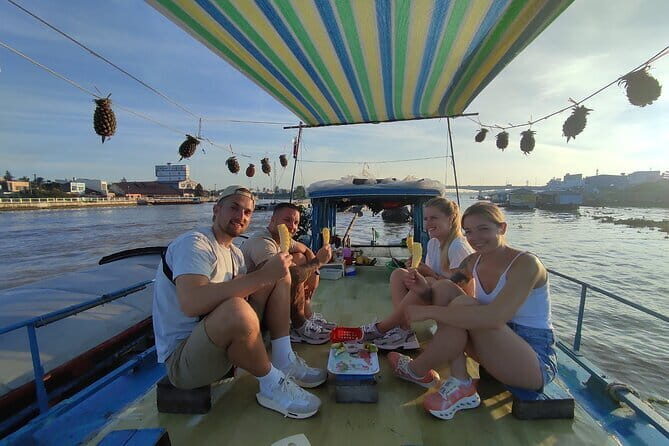
Most Mekong Delta trips feel like a day trip that happens to include water. This one feels different because it’s set up as an overnight flow: Ho Chi Minh City to Can Tho, one night in Can Tho, then back the next day. That single night does two big things for you. First, it lets you do the sunrise floating-market portion without rushing from the city at dawn. Second, it helps you avoid that end-of-day burnout where you’re only thinking about getting back to your hotel.
Getting there is straightforward. The tour starts at 9:00 AM in Ho Chi Minh City, and you’ll either travel by bus (about 3 hours to Can Tho) with staff assistance, or you can choose a private car pickup option that comes from your hotel. That matters if you’re trying to reduce stress. You’re not stuck figuring out transfers alone—somebody’s there to help you connect the dots.
Once you reach Can Tho, the rest of the schedule is built around water, canals, and short walks. You’ll notice the itinerary uses a mix of bigger boat segments and smaller, calmer canal sections. That’s a smart way to keep the day from feeling like one long boat ride.
You can also read our reviews of more shopping tours in Ho Chi Minh City
Day 1 in Lung Ngoc Hoang: birdlife, forest quiet, and rice field time
Day 1 is where the tour proves it’s more than a floating market day. After arriving in Can Tho around midday, you get a break time before heading out to Lung Ngoc Hoang Nature Reserve.
This reserve portion is structured around several connected experiences:
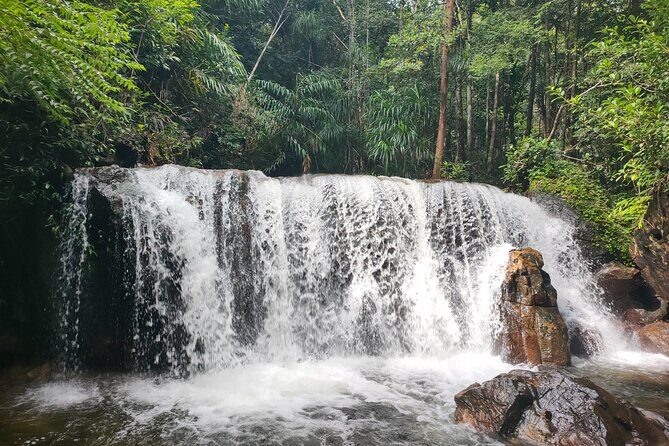
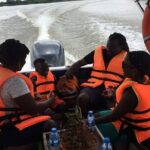
- a boat trip through wetlands, with birdlife and quiet nature sounds
- birdwatching where you’re looking for color and motion in the habitat
- a walk through dense forest so you feel the ecosystem instead of just seeing it from the water
- another calmer boat glide that slows things down
For me, the value here is that the tour gives you a context for the Mekong beyond scenery. When you hear birds in a wetland and then later see how people farm rice, the region makes more sense. You’re not just consuming views—you’re watching how natural systems and farming sit side by side.
The rice fields stop is also a practical touch. You’ll explore rice growing areas and get a look at local farming culture, especially if you’re visiting during harvest. Even if you’re not there during harvest season, seeing rice as the “base layer” of life in the Delta is useful. It helps you connect the food you eat later to the landscape you’re watching now.
One realistic consideration: nature reserve time is outdoors, and it can feel hot and humid even if you’re not sweating immediately. Wear breathable clothes and bring something for sun protection. You’ll be happier if you treat this as an eco day, not a museum day.
Can Tho evening: homestay check-in and where to focus
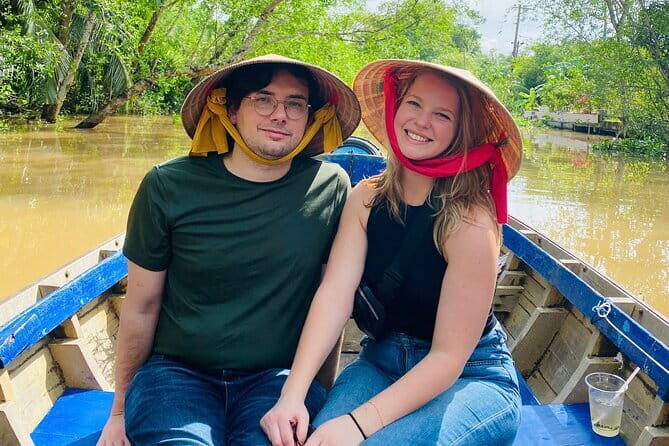
By late afternoon, you return to Can Tho and check into your homestay for one night. The evening is free, with some local recommendations sent to you.
This is the part I recommend you use strategically. Since the next day starts early, don’t plan a “max your night” schedule. Instead, aim for something that helps you sleep well. If you want to do nightlife, keep it short. You’ll likely want an early breakfast and a calm morning.
A homestay also means you’re closer to local routines than a generic hotel setup. Even if you don’t interact much, the setting can make Can Tho feel more lived-in. Just remember: with early starts, comfort beats big plans.
Sunrise Cai Rang Floating Market: pineapple tasting and boat breakfast
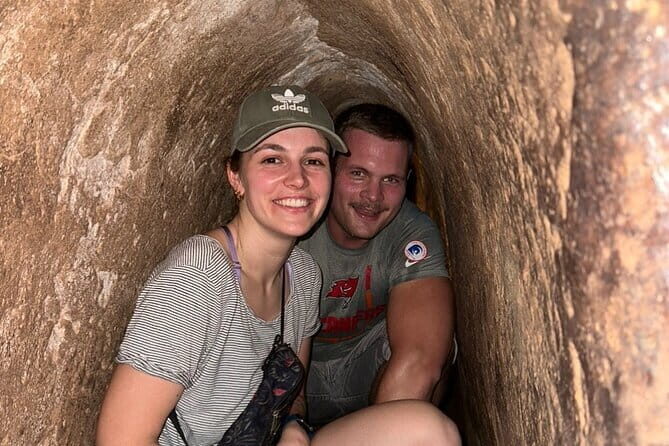
Day 2 begins before most people think about breakfast. You’ll be picked up and taken to Ninh Kieu Wharf, then head out during sunrise on a boat along the Mekong River.
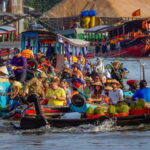
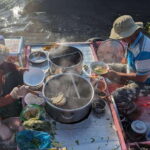
This is one of the tour’s biggest strengths. The sunrise timing isn’t just for photos. It’s also when the river atmosphere is calmer and the light makes everything easier to watch. You’ll see boats moving, vendors working, and the trading rhythm of the Delta in real time.
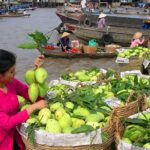
At about 6:15 AM, you arrive at Cai Rang Floating Market—often described as Vietnam’s largest floating market. Your guide will help you understand what you’re seeing as vendors sell produce and local foods directly from their boats.
Two small moments here hit hard:
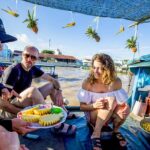
- the pineapple boat stop, where you taste fresh pineapple and talk with vendors about life on the river
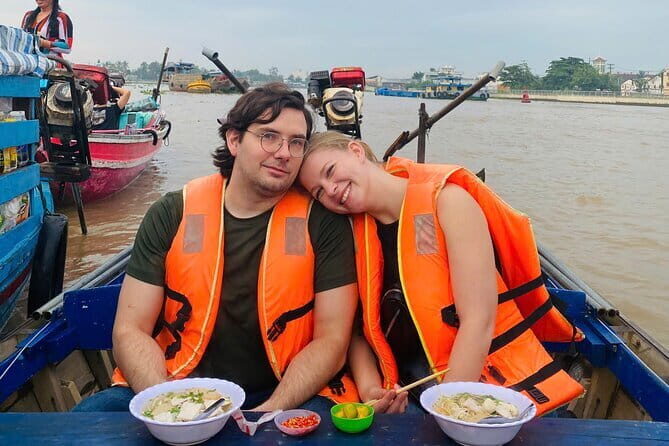
- the breakfast on the boat, a river-based meal that you eat while you’re right in the market action
That breakfast setup is a big part of the “authentic trip” feeling. You’re not viewing the market and then going to a land cafe that has nothing to do with river life. You’re eating inside the system.
One more practical note: floating market mornings can get busy, even when you start early. Bring a light layer for wind off the water, and keep your phone secured. Water days always come with splashes and movement.
Phong Điền rice noodles and canal silence: food craft and slow travel
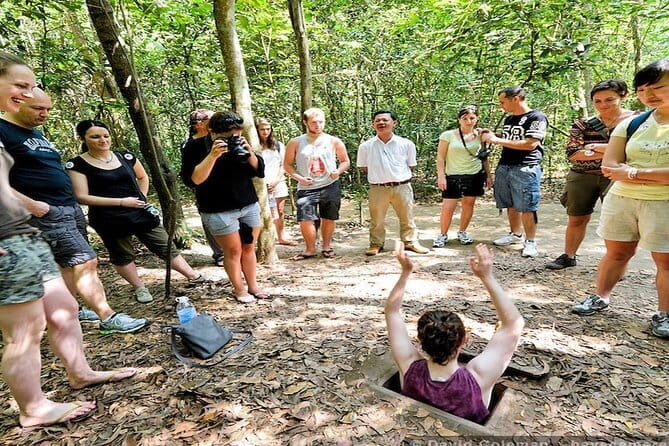
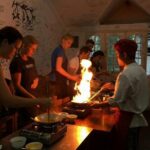
After the floating market, the tour moves you into the kind of stops that are easy to skip on rushed Delta trips. In Phong Điền, you visit a family-owned rice noodle house where artisans make colorful noodles by hand. You can also try making your own noodles and learn how the techniques have been passed down through generations.
I like this part because it turns your food from a thing you eat into a process you understand. You’ll go from “rice noodles are delicious” to “oh, this is how they’re made and why they look the way they do.” It also supports small family operations, which fits the tour’s eco/community angle.
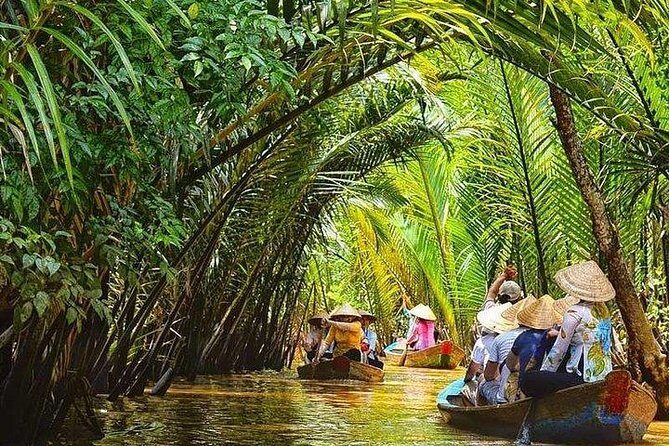
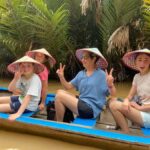
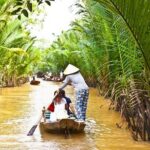
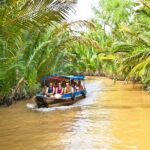
Next comes a quieter shift: you travel through small canals with a local expert, with time for nature spotting. You’ll see palms, coconut trees, and fruit orchards, and your boat goes through a more peaceful section than the market area.
You also get a short village walk, which is brief but useful. It gives you a glance at daily life and traditional homes up close. Even a short walk can change how you interpret the landscape. It helps you see people as neighbors, not “scenery.”
And then, the day continues with a cacao stop (more on that next), before returning for lunch in Can Tho.
You can also read our reviews of more tours and experiences in Ho Chi Minh City
Muoi Cuong cocoa farm: cacao milk, craft explanations, and real ingredients
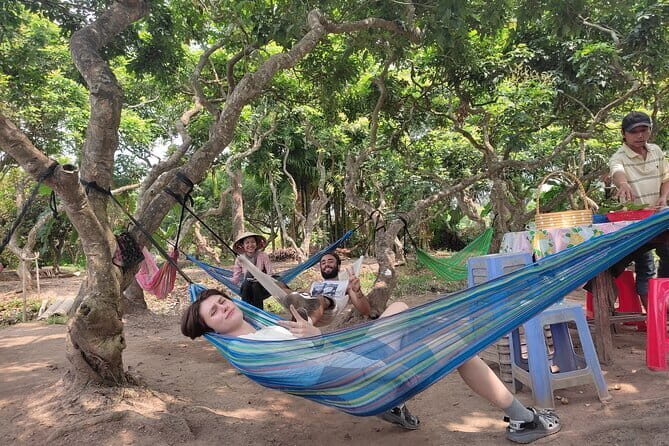
The Muoi Cuong Cocoa Farm stop adds a nice “food story” bridge between what you’re seeing in farming areas and what you’ll taste later. You walk through the cacao plantation and hear how chocolate-making starts.
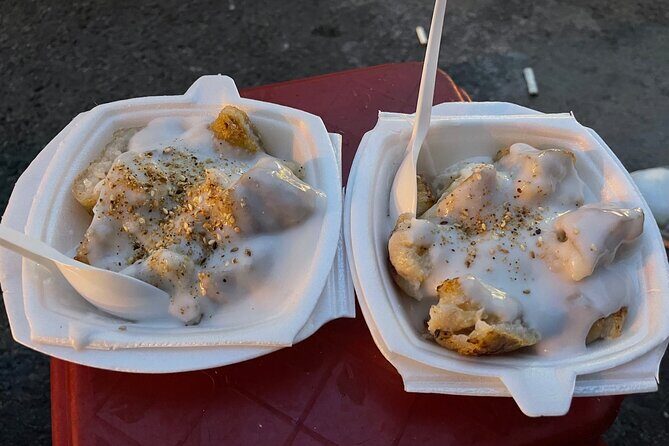
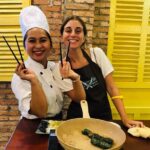
You’ll be shown the cacao process in action by a local artisan using traditional methods passed down through generations. You also get a refreshing glass of cacao milk, and this is one of the parts that stands out in the tour’s strong feedback.
If you’re the type who likes knowing where sweetness comes from, this stop is worth it. Chocolate isn’t only a factory product here—it’s tied to the farm landscape and daily work.
Son Islet in Can Tho: organic fruit picking, cake making, and fish ponds
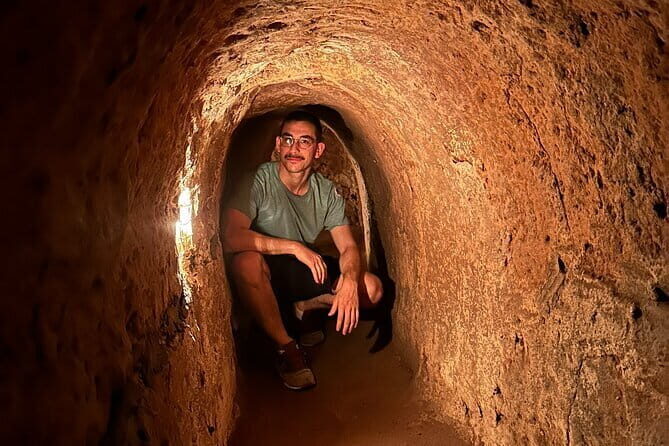
The final third of the tour is the most “community-based” feeling: heading to Son Islet, an ecotourism-style community area in Can Tho.
You’ll take a boat to the islet after reaching the Co Bac boat station. Once you arrive around early afternoon, you spend about 3 hours exploring local life and food.
This is where the tour moves beyond watching and into doing:
- tropical fruit orchards (seasonal), with the chance to pick fruit and eat it right in the garden because it’s described as organic
- making local cakes with local chefs
- walking around the island and visiting fish ponds made by local people
- exploring a unique fish farm and getting views over the Hau River
For me, the most valuable part is the combination. You get fruit farming, cooking skills, and fish-farming infrastructure in the same setting. It shows how the Mekong Delta economy isn’t one job. It’s many small systems working together.
Tip for this part: bring a way to keep your feet comfortable for walking. You may be on uneven ground near farms and ponds, and you’ll want to enjoy the island instead of focusing on where to step.
Meals and vegetarian options: what you can count on
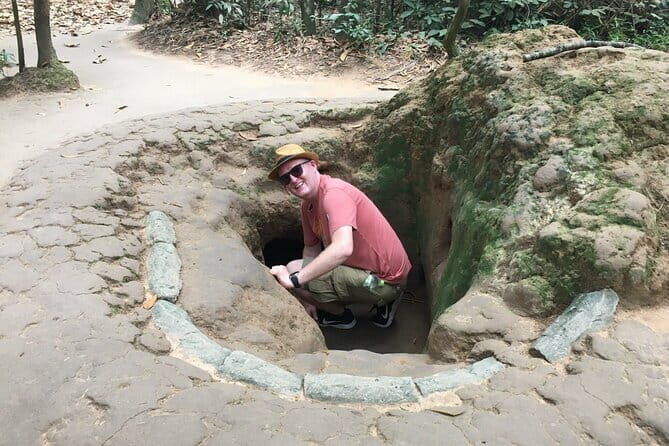
The tour includes breakfast and two lunches, plus it also covers the boat breakfast during the floating market portion. If food is part of your travel joy, this schedule gives you a lot of it without turning the trip into a restaurant crawl.
Good to know for dietary needs: the tour lists a free vegetarian meal option. That’s useful if you want to book without worrying that you’ll be stuck with plain sides.
When you eat on this kind of itinerary, don’t expect the same menu every time. But you can expect meals that match the places you visit—river breakfast by the market, lunch in Can Tho, and food connected to the farming and community stops.
Price and what $218.50 buys you over two days
At $218.50 per person for a 2-day trip, this isn’t a “quick cheap” add-on tour. It’s priced like a guided, transport-heavy experience. And in this case, the value comes from what’s bundled.
Included items cover the big costs that can blow up if you do it yourself:
- boat and car transportation
- one night in Can Tho
- an in-person guide
- breakfast and lunches (including breakfast on the boat)
- landing and facility fees
What you’ll pay extra for tends to be personal spending, any compulsory insurance requirement, and gratuities. If you manage your day’s extras (snacks, drinks, souvenirs) you can keep the trip close to the planned budget.
The strongest value angle is that you’re getting multiple “production and food” experiences, not just scenic cruising. The rice noodle stop and cacao farm add real learning time, and Son Islet adds hands-on community activities.
Who this tour is best for (and who should rethink)
This tour fits you well if:
- you want a Mekong Delta eco feel with nature reserve time, not only boats
- you like food crafts like rice noodles and cacao/cake making
- you enjoy early mornings when the weather and river atmosphere feel best
- you want a smaller group (max 15) so questions don’t get lost
It may be less ideal if:
- you hate heat and don’t do well with outdoor walking
- you want long, lazy afternoons with no early wake-up
- you dislike boat time (this day includes both river and canal segments)
Also, if you’re a solo traveler, a small group can be a plus because you don’t feel like you’re doing everything alone—there’s an in-person guide throughout.
Should you book this 2D Mekong Floating Market eco trip?
I’d book this if your goal is to see the Mekong Delta as a working place—rice growing, noodle craft, cacao farming, fruit orchards, and fish ponds—while still getting a top-tier experience like sunrise Cai Rang Floating Market.
It’s not “just floating.” That’s the point. The tour layers nature (Lung Ngoc Hoang), river life (Cai Rang), and food production (rice noodles and cacao) before finishing on Son Islet’s community activities. And the guide feedback is a real clue: people have praised guides like Thi and Edward for being caring, relaxed, and full of useful local knowledge.
If you’re choosing between this and a purely market-focused day, pick this one for the extra depth. The early start is the trade-off, but the payoff is a Mekong itinerary that feels like you’re actually learning how life works here.
FAQ
What time does the tour start in Ho Chi Minh City?
The tour start time is 9:00 AM in Ho Chi Minh City.
How long is the trip?
It’s listed as a 2-day tour (approximately).
What is included in the price?
Included items are breakfast, landing and facility fees, boat and car, 1 night in Can Tho, an in-person guide, and lunch (2).
Does the tour offer vegetarian food?
Yes, the tour lists a free vegetarian meal.
How big is the group?
The tour has a maximum group size of 15 travelers.
Where do you see the floating market?
You take a sunrise boat trip and arrive at Cai Rang Floating Market at about 6:15 AM.
Is the tour weather dependent?
Yes. The experience requires good weather, and if it’s canceled due to poor weather, you’ll be offered a different date or a full refund.