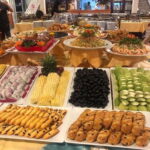
REVIEW · HO CHI MINH CITY
From Ho Chi Minh: 3-Day Mekong Tour&Cai Rang Floating Market
Book on GetYourGuide →Operated by Travel over the world · Bookable on GetYourGuide
The Mekong Delta here feels hands-on. This 3-day trip strings together the big hits without turning it into a rushed checklist: Cai Rang floating market early-morning trading, Tra Su Forest by boat, and the temple-and-culture stops around Chau Doc. I like the mix of markets + nature + religion, not just one kind of sightseeing. I also like that you get more than photos, with orchard cycling in Cai Be and small local food experiences along the way. One consideration: accommodation is not included, so your real total cost depends on where you stay in each overnight stop.
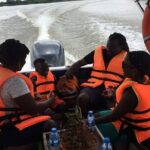
You’ll start with a hotel pickup in Ho Chi Minh City and hit the water again and again—Tien River, Hau river tributaries, and rowing time in the mangroves. The tour includes an English-speaking guide, entrance fees, and the main transfers, which is where many Mekong day tours quietly pile on extra charges. If you prefer a slower pace or hate early mornings, you may feel the schedule squeeze a bit on days with multiple boat sections.
In This Review
- Key points to know before you go
- What You Actually Get in 3 Days: Markets, Mangroves, and Temple Walks
- Day 1: Ho Chi Minh City to Cai Be and Can Tho by Tien River
- Day 2: Cai Rang Floating Market, Munir Ansay Pagoda, and Tra Su Forest Rowing
- Day 3: Chau Doc Floating Village, Cham Village, and Sam Mountain Temples
- Price and Value: What $189 Covers (and What It Doesn’t)
- Guide Quality and Local Touches: Why Names Matter Here
- Timing, Comfort, and “How to Not Feel Rushed”
- Who This Mekong Tour Fits Best (and Who Should Think Twice)
- Should You Book This 3-Day Mekong Tour?
- FAQ
- FAQ
- What’s included in the Mekong tour price?
- Is accommodation included?
- How much extra is there for a single room?
- What time does the tour start in Ho Chi Minh City?
- What time do the next days begin?
- Which markets are included?
- Do you visit Tra Su Forest?
- Do you cycle during the tour?
- Is the tour guide in English?
- Can I pay later or cancel close to departure?
Key points to know before you go
- Cai Rang Floating Market early on for the best chance to see boats trading at a relaxed pace
- Rowing through Tra Su mangroves in a way that actually shows how this ecosystem works
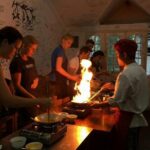
- Coconut fudge, crispy rice popcorn, and fruit stops that feel like everyday Mekong business, not a souvenir trap
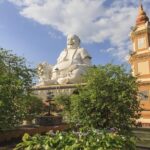
- Khmer and Buddhist sites such as Munir Ansay Pagoda and Hang Temple cave sculpture areas
- Chau Doc Market plus Cham Village for culture you can’t get from a postcard
- Cycling through orchards in Cai Be with time to chat with locals about daily life
What You Actually Get in 3 Days: Markets, Mangroves, and Temple Walks

This tour is built around three “worlds” that sit close together in southern Vietnam: river trade, forest ecology, and religious/cultural sites. If you’ve ever wondered why guidebooks talk about the Mekong like it’s a whole lifestyle, this route shows you the mechanics—boats move goods, gardens feed families, and spiritual sites mark community life.
The best part is the balance. You aren’t spending every day only on one long boat ride or only in cities. Instead, you alternate river activity, walking/food stops, and short stretches of temples and villages. Even the temple parts don’t feel like random sightseeing. Hang Temple on Sam Mountain and Ba Chua Xu Temple are timed so you see religious art and worship practices in context with the surrounding area.
The itinerary is also very logistics-aware: early departures on the river days help you avoid the worst crowds and gives you more productive daylight. The trade-off is that it will feel like a “go” trip. You’ll be active, but not in a punishing way—just enough to keep the days from blending together.
You can also read our reviews of more shopping tours in Ho Chi Minh City
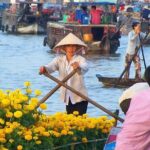
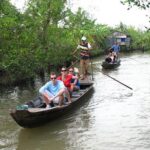
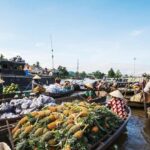
Day 1: Ho Chi Minh City to Cai Be and Can Tho by Tien River
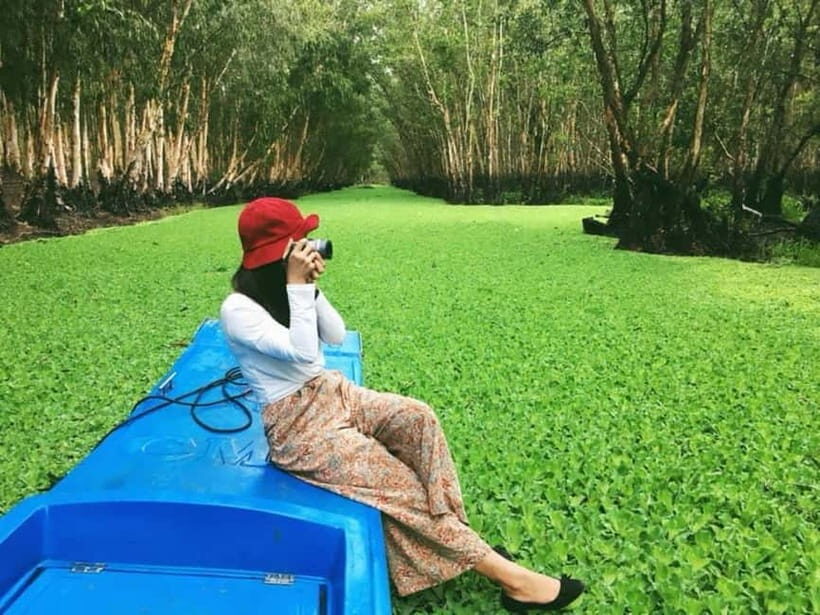
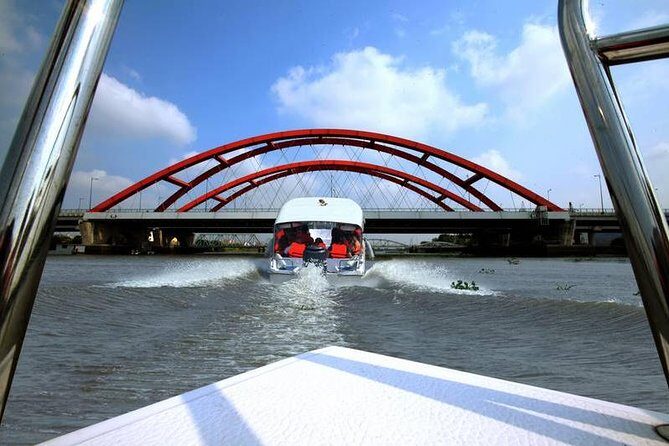
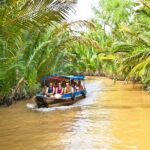
Day 1 starts with a 07:30 hotel pickup in Ho Chi Minh City. Then you head to Cai Be, which is a great first Mekong stop because it mixes riverside life with orchards and village scenes. The first boat time is on the Tien River, and that matters. On the Mekong Delta, being on the water quickly helps you understand why everything is connected by waterways, not roads.
In Cai Be, you’ll spend time exploring the area by boat and then on the ground. The tour includes:
- orchard gardens and the “fruit basket” feel of the Lower Mekong
- village stops where you can see ancient houses and learn about indigenous culture
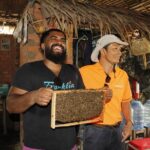
- a family business producing coconut fudge and crispy rice popcorn
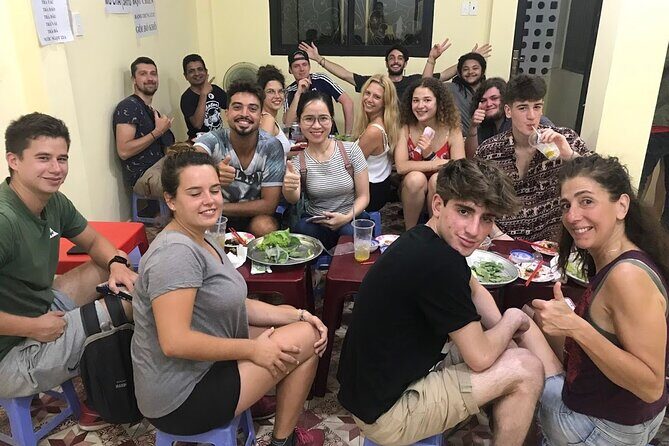
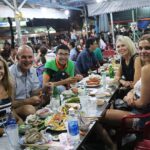
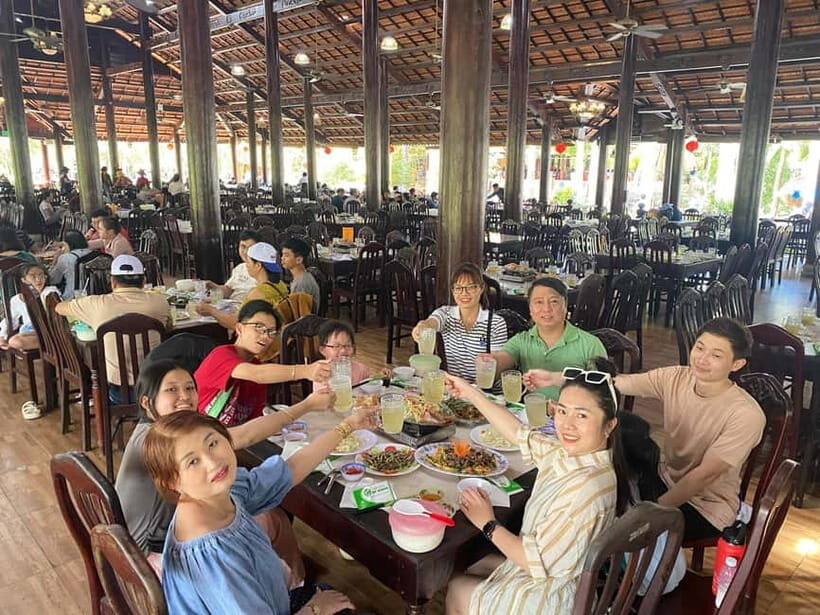
- a lunch break in a local garden setting, with Vietnamese specialties served in a community atmosphere
One reason this day works is that you get variety without confusing the theme. Cai Be isn’t only about seeing boats; it’s about daily production—fruit, simple snacks, and household routines. The coconut fudge and crispy rice popcorn stop is especially useful because it’s the kind of thing you might eat later without knowing where it came from.
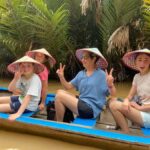
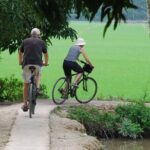
You’ll also have bicycle rental time to pedal through orchards and get closer to island life. I like this part because it’s slow travel. You can pause, look around, and talk to people without the pressure of a long car ride.
A historical stop rounds out the day: you visit Ba Kiet’s ancient house. Then you return by boat to Cai Be before traveling onward to Can Tho for an overnight stay. If you’re building a mental map of the region, this is a good day to do it—water first, then villages and gardens, then the city base for Day 2.
Potential drawback on Day 1: it’s packed with short segments. If you’re the kind of person who needs long “sit and stare” time to decompress, you might find you’re constantly switching modes—boat, walking, cycling, lunch, then transport again.
Day 2: Cai Rang Floating Market, Munir Ansay Pagoda, and Tra Su Forest Rowing
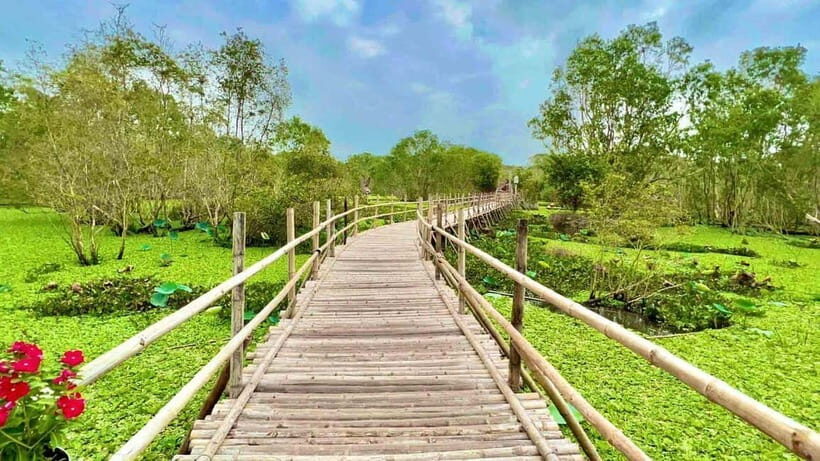
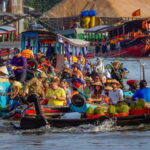
Day 2 is where many people feel the trip really clicks. It begins early: breakfast at 06:00, then a boat ride to explore the Hau river tributaries and reach Cai Rang Floating Market.
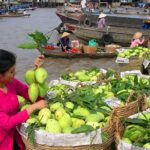
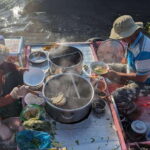
Cai Rang is the centerpiece for many Mekong itineraries, but here it’s not treated like a one-minute photo stop. You get time on the water first, then you visit the market itself, where you can see boats trading and small-scale commerce happening in motion. This is also why early timing helps—your brain has more room to notice what’s going on instead of only chasing a quick shot.
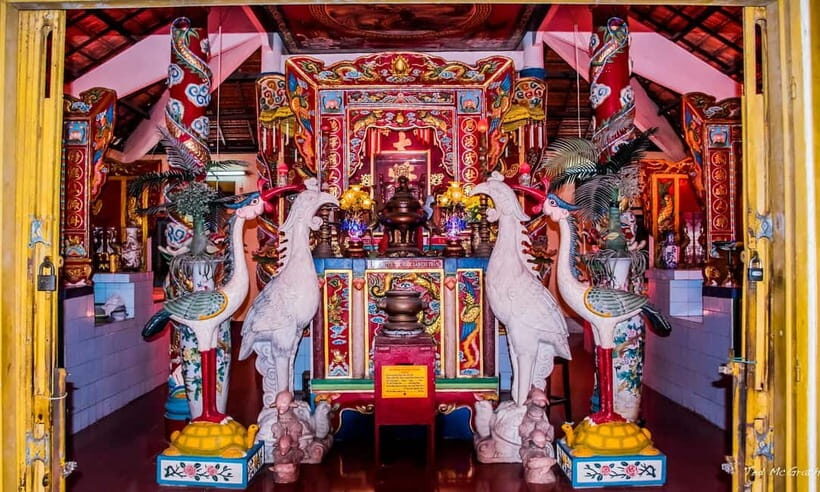
After the market, you’ll have a walking stop at a noodle factory and then a visit to Munir Ansay Pagoda, a Khmer temple known for its architecture. This part matters because it connects the Mekong Delta to the broader mix of Southeast Asian cultures that shaped the region. It also gives you a breather from constant river movement.
Next comes another “life” section: you travel by boat to the Con Son area to tour fruit plantation grounds and enjoy seasonal fruit. This is a useful contrast to the village-orchard work on Day 1. On Day 2, you’re seeing plantation context and fruit variety in a more concentrated setting.
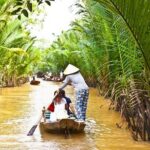
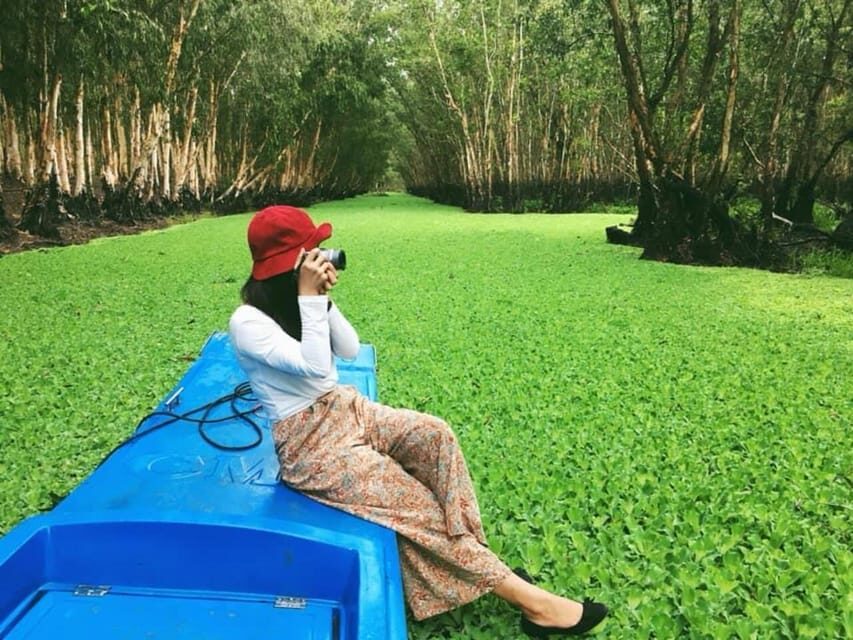
After lunch, you head toward Chau Doc. The nature highlight is Tra Su Forest in An Giang. You’ll row through the mangroves on a boat—slow enough that you actually notice the forest structure and the way the water shapes what grows. This is one of the few places on the trip where the pace drops on purpose. It’s also where the tour’s “environment” side really comes through.
You’ll check into your hotel in Chau Doc and end with dinner at a local restaurant. This is a good recovery block because the next day is culturally active—markets, villages, and mountain cave areas.
Practical consideration for Day 2: it’s a lot in one run. One traveler tip that’s worth taking seriously is to prioritize Cai Rang in the morning and not treat every nature and city stop as equally essential. If your goal is mainly market life, you may feel the later portions (Tra Su + Chau Doc town) compress your available time.
Day 3: Chau Doc Floating Village, Cham Village, and Sam Mountain Temples
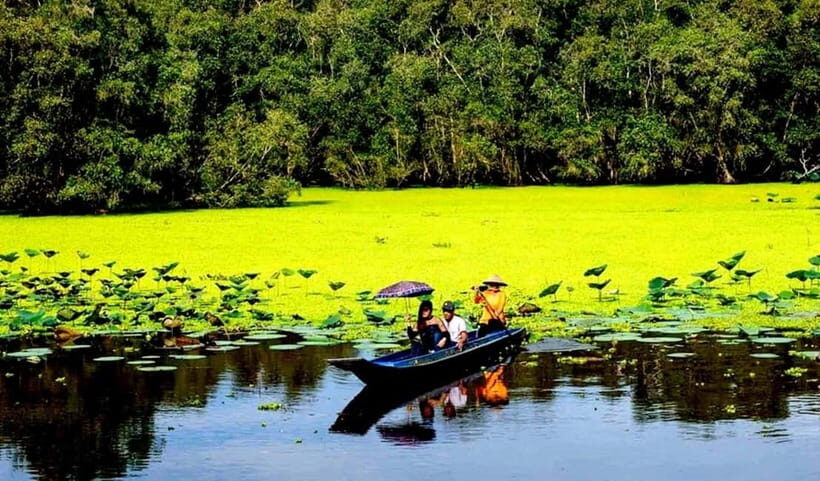
Day 3 starts with checkout and breakfast around 06:00. The morning focuses on community and cultural heritage, beginning with a floating village and the Cham Village. This pairing is helpful because it adds human context to what you saw on the river earlier. You’re not only observing the Delta as a transportation system; you’re seeing it as a home base and cultural crossroads.
Then you go to Chau Doc Market. This market is your chance to connect smells and textures to everything you’ve already seen—produce, handcrafted items, and goods from across the region. Even if you’re not a big market shopper, it’s a great place to test what you’ve learned. You’ll notice which products are tied to the river and which reflect nearby cultural influence.
After lunch, the trip heads into the mountain area with a visit to Hang Temple on Sam Mountain. You’ll walk up a path surrounded by greenery, and the temple area includes cave spaces with intricate Buddhist sculptures. This is the part that can feel like a different vacation entirely: the sound level changes, the air cools in the cave area, and your attention shifts from waterways to spiritual art.
From there, you visit Ba Chua Xu Temple, a site locals deeply revere. The stop includes prayers for good fortune, which is less about “tour photos” and more about understanding how people mark important moments.
Lunch is followed by time for photos around lotus fields in full bloom (timing depends on the season, of course). The day ends with a visit to Go Thap historical site. It’s a good final stop because it keeps the trip from ending on only religious sites or only markets—it adds a layer of place-based heritage.
You’ll return to Ho Chi Minh City after completing Day 3.
Price and Value: What $189 Covers (and What It Doesn’t)
At $189 per person, this tour can feel like a bargain if you’re comparing it to the price of doing Mekong Delta segments separately. Why? Because the tour includes a lot of the cost drivers:
- transfer(s) between major points
- boat rides across multiple days
- bicycle rental
- entrance fees for the sites
- an English-speaking guide
- lunch and dinner on selected days
What’s not included is the biggest variable for many budgets: accommodation. Your hotel cost will swing the final total more than the $189 headline price. Also, there’s an extra charge of 900,000 VND if you need a single room.
So the real value question becomes: do you want someone else to handle boats, entrance fees, and daily coordination while you focus on markets, nature, and temples? If yes, the structure is cost-efficient. If you’re the kind of traveler who prefers to plan transport yourself and only choose the best two stops, then the fixed itinerary may feel more limiting.
You can also read our reviews of more tours and experiences in Ho Chi Minh City
Guide Quality and Local Touches: Why Names Matter Here
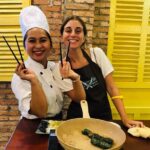
Guide quality is a big deal on any Delta tour, because early starts plus multiple boat segments can turn a good plan into a headache. This tour’s English-speaking guides have been described as friendly and helpful, and the common pattern is clear: they give context, answer questions, and keep the day running.
You may meet different guides along the way—names that have been shared include Vi, Leo, Lâm, and Daisy. That variety is a reminder that you’re not just buying transportation; you’re buying how well the information lands. Some guides also help with timing if your trip continues to other countries, including reworking the order so you keep planned highlights when you’re heading toward Cambodia next.
Hotel comfort has also been a strong point, with multiple mentions of comfortable stays and solid breakfasts. That matters because after river time, you want sleep that actually resets you.
Timing, Comfort, and “How to Not Feel Rushed”
This is a 3-day loop with early starts (07:30, then 06:00 on the next two mornings). To enjoy it, you’ll want to treat mornings as your most valuable hours. Cai Rang works best early. Temples work best before the day gets too hot and busy.
Boat days can be slightly tiring even when the rides are interesting. You’ll be sitting for stretches, then walking for short bursts. I recommend planning to wear comfortable shoes for the walking and temple paths, and bringing water for yourself whenever possible. You don’t need to overpack. Just be ready for movement.
Also, don’t underestimate the “switch cost” between activities. One moment you’re on a river; the next you’re in a temple area or a market. If you come in wanting one perfect highlight only, you might feel mentally whiplashed. If you come in open to variety, the trip feels efficient rather than chaotic.
Who This Mekong Tour Fits Best (and Who Should Think Twice)

This tour fits best if you want a structured way to see the Southern Vietnam Mekong Delta without spending days figuring out transport and separate tickets. It’s also a strong match if you like:
- markets and the work behind them
- nature by boat, especially mangroves in Tra Su
- temple art and cultural stops like Munir Ansay Pagoda and Hang Temple
It’s less ideal if you’re the type who gets drained by early starts and multiple transitions. Another group to think carefully is anyone who only cares about Cai Rang. In that case, you might feel the later Day 2 and Day 3 portions compete with your main priority. A practical approach is to decide upfront what your must-do is—Cai Rang morning trading, then either Tra Su or Chau Doc’s town-and-temple day, depending on what you personally prefer.
Should You Book This 3-Day Mekong Tour?
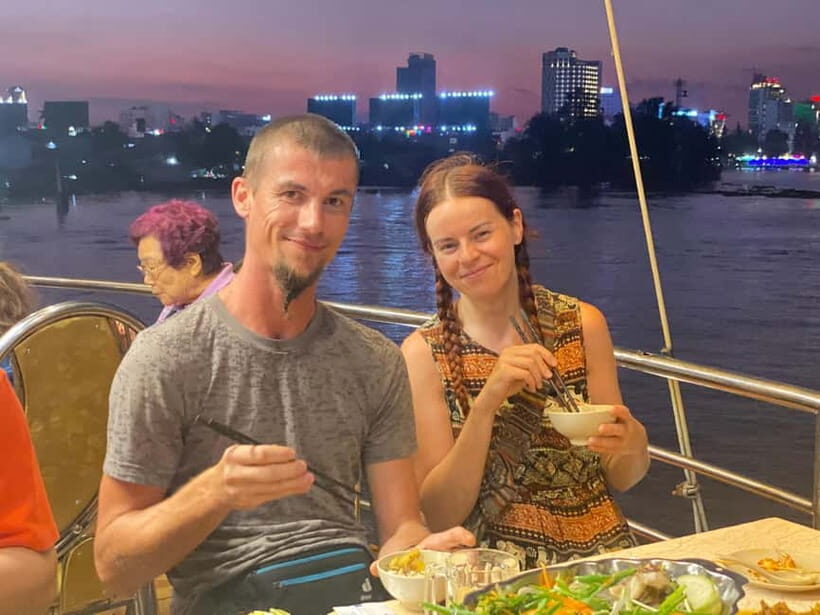
I’d book it if you want an organized, high-activity taste of the Delta that hits the big meaningful stops—Cai Rang, Tra Su, Chau Doc markets, and temple areas—while keeping logistics handled by an English-speaking guide.
I’d think twice (or adjust expectations) if accommodation cost will push your budget higher than you planned, or if you hate fast pacing. If you’re mainly chasing market scenes, you can still make this work, but focus your attention on Cai Rang early and treat the rest as supporting acts, not equal replacements.
If you’re continuing onward—especially toward Cambodia—this tour’s flexibility with day flow can be helpful, since guides have experience reorganizing timing so you don’t lose key parts of your plan.
FAQ
FAQ
What’s included in the Mekong tour price?
The tour includes transfers, boat rides, bicycle rental, lunch and dinner on selected days, entrance fees to all sites, and an English-speaking guide.
Is accommodation included?
No. Accommodation is not included in the $189 per person price.
How much extra is there for a single room?
If you travel alone and need an extra single room, the additional cost is listed as 900,000 VND.
What time does the tour start in Ho Chi Minh City?
On Day 1, hotel pickup starts at 07:30 in Ho Chi Minh City.
What time do the next days begin?
Day 2 breakfast starts at 06:00. Day 3 also begins with breakfast at about 06:00 after checkout.
Which markets are included?
You visit the Cai Rang Floating Market and the Chau Doc Market, plus you also see the floating village and Cham Village areas on Day 3.
Do you visit Tra Su Forest?
Yes. Tra Su Forest is on Day 2, and you take a rowing boat journey through the forest.
Do you cycle during the tour?
Yes. Bicycle rental is included, and you cycle through orchards in the Cai Be area on Day 1.
Is the tour guide in English?
Yes. The tour includes an English-speaking guide.
Can I pay later or cancel close to departure?
The tour offers reserve and pay later. Cancellation can be done up to 24 hours in advance for a full refund.