REVIEW · HO CHI MINH CITY
FULL Day – CAI RANG FLOATING MARKET, COOKING CLASS AND EXPLORE THE COUNTRYSIDE
Book on Viator →Operated by Winter Spring Homestay · Bookable on Viator
The Mekong Delta looks best before the sun is fully awake. This full-day trip runs early from Ho Chi Minh City and trades quick photo stops for a slower, more human rhythm: Cai Rang floating market, then a family cooking class in the countryside, followed by fruit-picking and rice-field time. It also helps that the pace is described as naturally run by a home-based host setup rather than a stiff, assembly-line experience.
What I like most is the mix of hands-on food and real daily life. You’re not only watching boats; you’ll also visit a rice noodle or traditional bakery mill area, learn how seasonal foods are used, and then cook and eat at a local family’s home. The one drawback to consider is the early departure: pickup is at 3:00 a.m., so if you’re not a morning person (or you hate long quiet car rides), this will test your patience.
In the countryside, the trip leans into comfort and connection. There’s time to rest—yes, with a hammock—and you’re guided through fruit gardens and rice fields where picking is part of the fun. If you like culture you can taste and touch, this day has a lot of payoff.
In This Review
- Key Points at a Glance
- Why This Mekong Day Starts at 3:00 a.m.
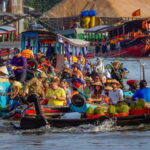
- Cai Rang Floating Market: Boats, Breakfast, and What to Pay Attention To
- Rice Noodle Factory, Bakery Mill, and Small Canals: Food You Can Explain Later
- Muoi Cuong Cocoa Farm: The Chocolate Detour That Still Fits the Mekong
- Traditional Market Shopping for Your Cooking Class Ingredients
- Cooking Class at a Countryside Home: Bánh Xèo and Spring Rolls
- Hammock Rest, Fruit Gardens, and Rice Fields: The Countryside Part Actually Matters
- Price and Value: Is $119 Worth It?
- Who Should Book This Mekong Day Trip?
- Should You Book Winter Spring Homestay’s Cai Rang Day Trip?
- FAQ
- What time does pickup start from Ho Chi Minh City?
- How long is the full-day experience?
- Where do you eat lunch?
- Do you visit Cai Rang Floating Market?
- Is there a cocoa farm stop?
- What do you do during the cooking class?
- How large is the group?
- What if the weather is bad or I need to cancel?
Key Points at a Glance
- 3:00 a.m. pickup makes early Cai Rang timing possible
- Real countryside lunch at a family home, not just a restaurant stop
- Cooking class shopping at a traditional market for your ingredients
- Cacao farm visit paired with Mekong food traditions
- Hammock downtime gives your day a breather
- Family-led feel is the point, with guides like Kieu Trinh and Trieu Trinh mentioned in reviews
Why This Mekong Day Starts at 3:00 a.m.
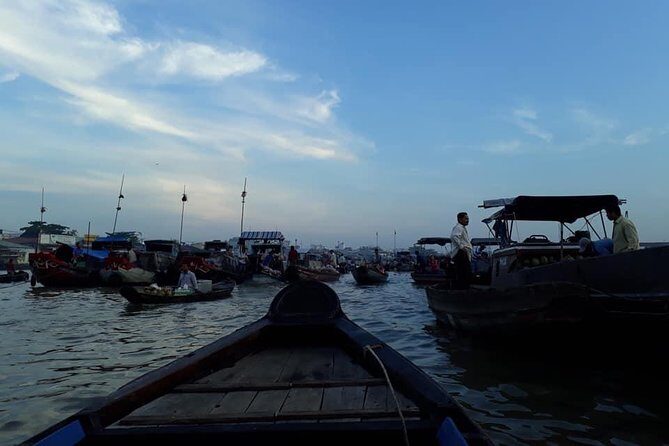
A 3:00 a.m. pickup is not subtle. You’re leaving Ho Chi Minh City in the dark, then spending most of the day out on the river system and countryside roads. The benefit is simple: you get to see Cai Rang while it still feels fresh, active, and unhurried compared with later crowds.
This is also why the itinerary works. The floating market is not treated like a 10-minute photo assignment. You’ll have breakfast in the Mekong, and that changes the feel of the morning. Food first makes the river scene make more sense—you’re not just looking at commerce, you’re tasting the day’s start.
If you go, plan your mindset like this: think of it as one long cultural morning plus one relaxed countryside afternoon. Bring water, wear something comfortable for both boat time and car time, and accept that you’ll be sleepy. That’s normal. The trip even includes time to rest later, so you’re not asked to power through every minute.
You can also read our reviews of more shopping tours in Ho Chi Minh City
Cai Rang Floating Market: Boats, Breakfast, and What to Pay Attention To
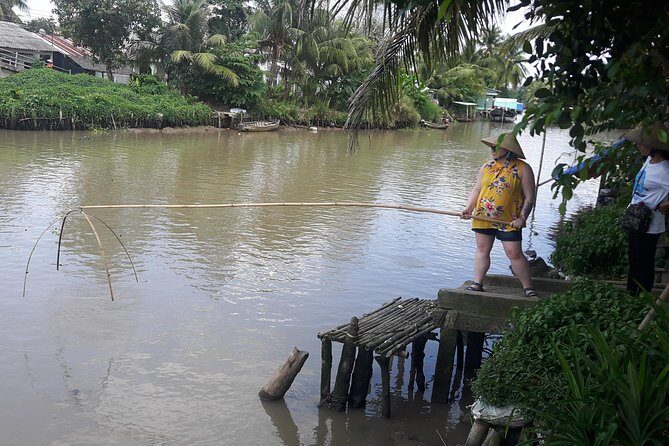
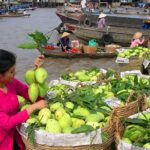
Cai Rang Floating Market is famous, but it can also feel overwhelming if you don’t know what you’re looking at. This trip sets you up better than a pure sightseeing-only approach because breakfast is part of the experience. Once you’re eating in the Mekong context, the floating market becomes less of a spectacle and more like how people actually move goods and food in daily life.
A few practical tips for enjoying Cai Rang:
- Keep your eyes on how boats cluster and exchange items. It’s often more interesting than any single boat.
- Watch for the rhythm: arrivals, small transactions, then the flow continues.
- Don’t just chase the biggest boats. Smaller ones can be just as useful to understand the system.
The early morning timing matters here. With the day starting early, you’re more likely to experience the market while it still feels like a working place. You’re also less likely to feel rushed when you’re ready to ask questions and take your time.
And yes, you’ll likely be on the move again soon after breakfast. That’s the only catch with long full-day tours: you can’t linger forever. But the payoff is that the morning is structured so it doesn’t feel empty. You’re not only touring; you’re participating.
Rice Noodle Factory, Bakery Mill, and Small Canals: Food You Can Explain Later
Between the floating market and the countryside, the trip makes a smart pivot toward how food is made. You’ll stop at a rice noodle factory or traditional bakery mill and also spend time around small canals. This part is valuable because it links what you’ll taste later with where it comes from.
Rice noodles are one of those foods people eat constantly, but many visitors never see the process. Having a mill or factory stop in your day helps you understand why the Mekong food style is built on staples like rice, and how traditional methods shape textures and flavors.
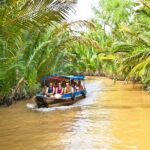
The canal pieces also add variety. You’re not only dealing with the big river and market scene. Small canals give you a more intimate look at how water routes connect homes, gardens, and fields. Even if you’re not a photography person, this section helps your brain map the area. You start to understand where things might grow, how goods move, and why the countryside lifestyle depends on waterways.
If you get a chance to ask questions, do it. The home-based, naturally run style of this experience tends to invite conversation, not just scheduled announcements. Your questions can turn a quick stop into something you’ll remember.
Muoi Cuong Cocoa Farm: The Chocolate Detour That Still Fits the Mekong
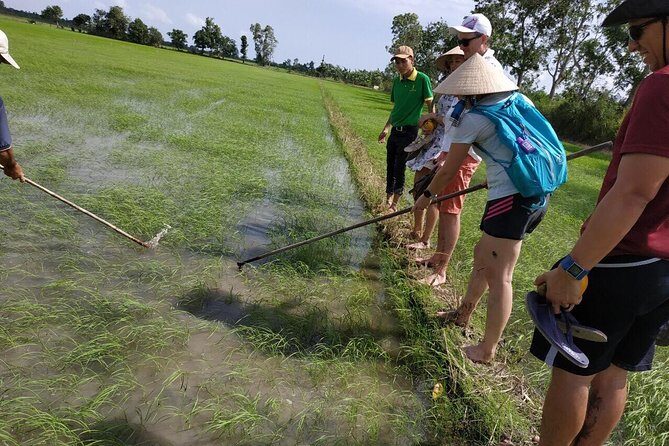
The cacao farm stop is a great example of how this day stays connected. Chocolate isn’t the first thing most people expect in the Mekong Delta. But it fits perfectly once you’re thinking about agricultural diversity—fruits and crops grown along with rice and river trade.
The key value here is contrast. After boats, breakfast, and noodles, cacao gives you a different kind of agriculture to focus on. It also pairs well with the cooking portion later, because it reinforces the idea that cooking isn’t just recipes—it’s ingredients shaped by local growing conditions.
You’ll visit a cocoa orchard on the way, and that matters because you’re not only hearing about cacao; you’re experiencing it as a growing product tied to the land. If you’re the type of person who likes food tours where you can connect every stop into one story, this section does that job.
One practical note: farm time can be dusty or sunny depending on the weather. Wear breathable clothes and consider bringing sun protection. You’ll also be outside enough that you’ll want to feel comfortable, not overheated.
Traditional Market Shopping for Your Cooking Class Ingredients
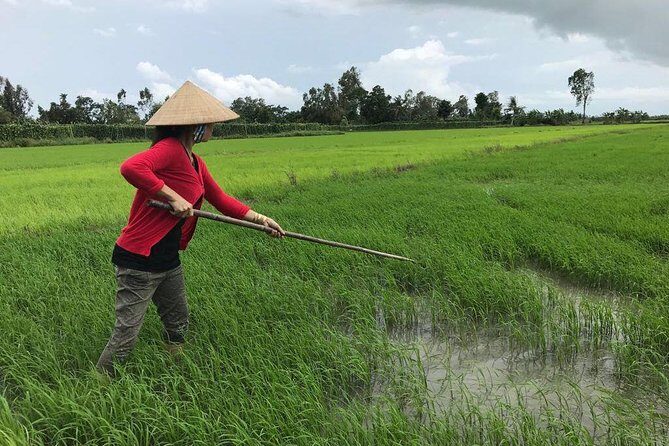
Before you cook, you get to shop. That’s not just a fun extra stop; it’s part of what makes the cooking class meaningful. You’ll visit a traditional market to buy materials for the cooking class. When you choose ingredients yourself, the meal later tastes more personal—and you’re more likely to remember what each item does.
Markets are also where you get the local sense of how people talk about food. Even with limited time, you can often spot differences in herbs, spices, and seasonal produce that you won’t see in a supermarket setting. If you enjoy cooking at home, this is the moment that helps you translate what you taste into a real future shopping list.
Also, cooking classes can sometimes feel like a scripted show. Here, the day is framed as naturally run through the host family setup, so the market shopping feels like part of real preparation, not a separate “activity” bolted onto the day.
You can also read our reviews of more tours and experiences in Ho Chi Minh City
Cooking Class at a Countryside Home: Bánh Xèo and Spring Rolls
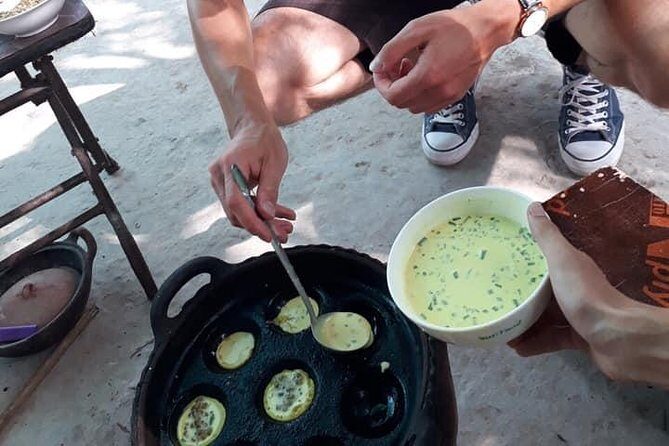
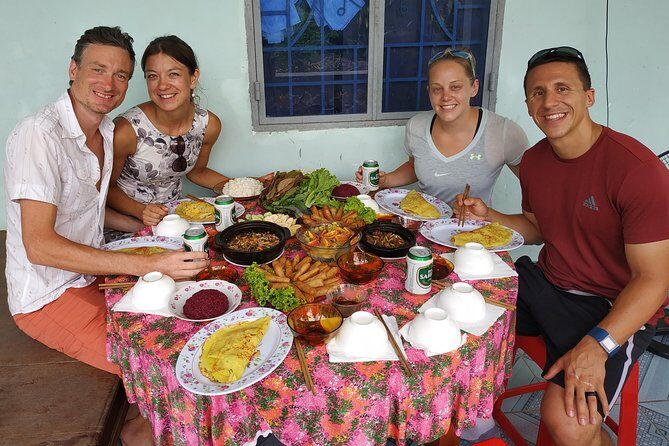
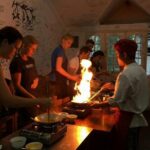
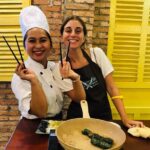
This is the heart of the trip. You’ll learn cooking at a local family home in the countryside—described as the family’s home (with lunch prepared by the host family, including the host’s parents and sister). The big difference is setting: instead of a restaurant classroom, you’re in a home environment where lunch and lessons feel like part of everyday life.
In the cooking class, people have specifically mentioned making bánh xèo and spring rolls. That’s a great pair because it gives you both a savory crepe-style dish and a roll wrapped with fresh flavors. Even if your hands get a little messy, you’ll leave with the kind of practical knowledge that helps you cook something real later, not just follow steps you forget.
Here’s what you should expect from the vibe:
- A relaxed pace and a family-style teach-and-taste rhythm
- Time to learn, not just stand and watch
- Lunch served as part of the same food process you just practiced
The natural format is a feature, not a bug. It might not feel as professionally choreographed as some big-tour operators, but that’s also what keeps the experience personal. Reviews mention guides like Kieu Trinh and Trieu Trinh doing well with this human, conversation-friendly approach. If you’re lucky enough to have one of them, you’ll likely appreciate the way they connect the cooking to everyday context.
The best thing you can do? Come with curiosity. Ask how ingredients are chosen, what’s seasonal, and what people would cook at home when they’re not hosting a tour.
Hammock Rest, Fruit Gardens, and Rice Fields: The Countryside Part Actually Matters
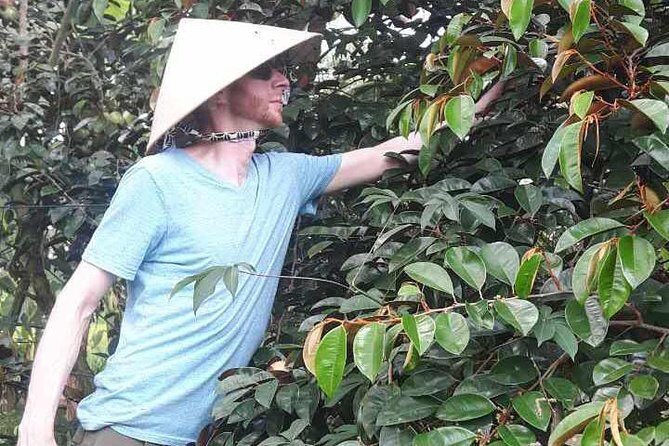
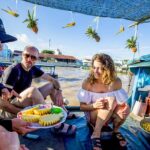
After lunch, the day doesn’t sprint toward more viewing. You’ll take a nap with hammock and relax at the countryside home. That downtime is honestly smart. It gives you a chance to reset after an early morning and a hands-on cooking session. It also makes the countryside feel like a place you’re visiting with time, not a checklist you’re rushing through.
Then you go around the countryside to experience daily life, including stops at seasonal fruit gardens and rice fields. The highlight here is simple: you don’t just look. You can pick seasonal fruits. That turns the afternoon into a lived experience.
Why this part is valuable:
- It explains why the Mekong economy isn’t only river trade. Agriculture is the base.
- It helps you see how seasonal cycles shape what people eat.
- It makes your day feel like more than transportation between attractions.
If you’re someone who loves “slow travel” even for a day, you’ll like the pacing. If you only care about the biggest famous sight, you might find yourself wishing for more river time. But in my view, the countryside portion is the reason this trip feels more complete.
Price and Value: Is $119 Worth It?
$119 for a full-day Mekong Delta experience is not a bargain, but it can feel fair if you treat it as a food-and-country-interaction day, not just a floating market tour.
Here’s where the value is coming from:
- Early pickup and a full 10-hour program mean you’re not losing time between far-apart areas.
- Breakfast in the Mekong and the cooking class are built around food, which is often the most memorable part of these days.
- The countryside lunch at a local family home adds meaning beyond a typical meal stop.
- The cocoa orchard, noodle or bakery mill visit, and market shopping create a chain of food experiences instead of unrelated stops.
The main cost-side consideration is the start time. You’re paying money partly to buy access to early-market timing and rural roads. If you’re traveling with a group that needs late starts, this schedule can feel less worth it.
Also note that the tour is described as naturally run rather than a high-production, corporate machine. That can be a positive (more personal) or a negative (less polished). If you like authentic, family-led experiences, you’ll likely see this as value. If you want strict, professionally staged consistency, you might prefer a more formal operator.
Who Should Book This Mekong Day Trip?
This experience is a strong match if you want:
- A Mekong day that includes food learning (market shopping plus cooking)
- Real countryside time, including hammock rest and fruit picking
- Cultural context, not only photos
It’s also a good fit for solo travelers who enjoy meeting people on group tours, because the day is structured to include conversation and hands-on participation.
It may not be ideal if you:
- Hate very early mornings (pickup is at 3:00 a.m.)
- Want a short, relaxed floating market visit without additional stops
- Prefer highly scripted, large-company professionalism over home-based warmth
If you land somewhere in the middle—curious about food, interested in rural life, and okay with an intense schedule—this trip is likely worth your attention.
Should You Book Winter Spring Homestay’s Cai Rang Day Trip?
Yes, if you’re choosing this for the right reasons: food you cook yourself, meals in a countryside family setting, and a look at how cacao and rice-based staples fit into daily life. The fact that guides like Kieu Trinh and Trieu Trinh come up in positive feedback is a good sign that the guiding style is friendly and informative.
Book with eyes open about the early start. Then make peace with a long day that mixes boat time with countryside agriculture. If you handle the 3:00 a.m. alarm and show up curious, you’ll likely leave with a story you can actually retell at dinner—beyond the floating boats.
FAQ
What time does pickup start from Ho Chi Minh City?
Pickup is offered at 3:00 a.m. from Ho Chi Minh City.
How long is the full-day experience?
The duration is about 10 hours.
Where do you eat lunch?
Lunch is cooked and served at a local family home in the countryside.
Do you visit Cai Rang Floating Market?
Yes, you visit Cai Rang Floating Market and enjoy breakfast in the Mekong.
Is there a cocoa farm stop?
Yes. You’ll visit a cocoa orchard, including Muoi Cuong Cocoa Farm.
What do you do during the cooking class?
You learn cooking and cook traditional foods, using materials bought at a traditional market. Bánh xèo and spring rolls have been mentioned in connection with the class.
How large is the group?
The tour has a maximum of 60 travelers.
What if the weather is bad or I need to cancel?
Confirmation is received at booking, and the experience requires good weather. If canceled due to poor weather, you’ll be offered a different date or a full refund. Free cancellation is available up to 24 hours in advance for a full refund.