REVIEW · HO CHI MINH CITY
Full-day Cai Rang floating market – explore countryside, make bakery – from HCM
Book on Viator →Operated by Winter Spring Homestay · Bookable on Viator
Waking up before sunrise changes everything. This full-day Cai Rang floating market trip takes you out of Ho Chi Minh City and into the Mekong Delta for breakfast on the water and hands-on food time, including noodle-making and traditional cake trials. I also really like how the day mixes market life with countryside stops—canals, an ancient house, and an island—so you’re not just hopping from one photo spot to another. The one thing to watch is that it’s a long day starting around 3:30–4:00 AM, and one unhappy experience mentioned an awkward bridge walk, so bring your patience and plan around early-morning movement.
For $119 you’re not just paying for sights. You’re paying for a managed route that includes entrance fees plus breakfast and lunch, plus ferry and boat time, all with a small group capped at 16. With pick-up by private car and an early evening return around 17:00, it can be a great way to “do the delta” without arranging separate transport—just be ready for the early wake-up and lots of time outdoors and on the move.
In This Review
- Quick hits worth knowing
- Getting to Cai Rang: the pre-dawn lift from Ho Chi Minh City
- Cai Rang floating market breakfast: boats, fruit, and the working rhythm
- From factory floors to noodle bowls: Sau Hoai’s rice noodle and pho shop
- Sông Cần Thơ canals and the Binh Thủy Ancient House: a break between boats
- Cồn Sơn island by small boat: walking the Mekong countryside
- Fruit orchards, cake trials, and a lunch that tastes like someone’s home
- Floating fish raft village and snakehead fish dancing
- Guide quality: the difference between a good day and a great one
- Price and logistics: is $119 actually fair for a 15-hour day?
- Who should book this Cai Rang day trip from HCM
- Should you book?
- FAQ
- What time do they pick you up in Ho Chi Minh City?
- How long is the tour?
- Is breakfast included?
- Is lunch included?
- Do I need to pay entrance fees for stops?
- What kind of transportation is used?
- How big is the group?
- What are the main activities besides the floating market?
- What time do you return to Ho Chi Minh City?
- What happens if the weather is bad?
Quick hits worth knowing
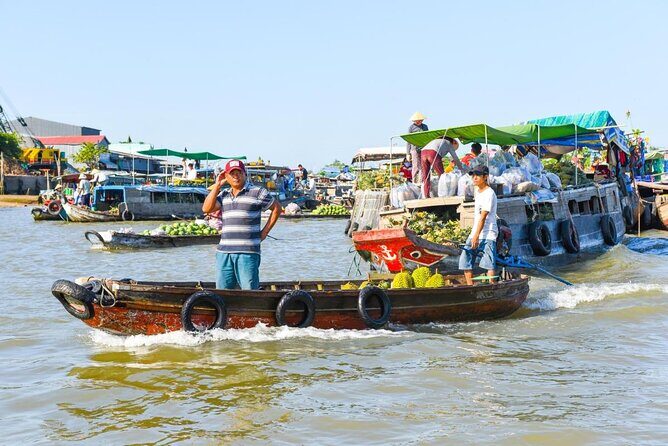
- Cai Rang sunrise breakfast on the water, with you arriving early enough to catch the market at its working best
- Sau Hoai’s rice noodle and pho factory stop: you can see how noodles are made, not just eat them
- Ancient Binh Thủy House (over a century old) gives you a break from boats and food
- Cồn Sơn island visit by small boat, with countryside walking and local activities
- Cake trials and a village lunch + cake buffet where you get to make traditional snacks yourself
- Floating fish raft life and snakehead fish dancing are part of the Mekong Delta flavor package
Getting to Cai Rang: the pre-dawn lift from Ho Chi Minh City
Your day starts early—pick-up from downtown Ho Chi Minh City hotels is scheduled for 3:30–4:00 AM in a private car. The total trip runs about 15 hours, and you’re back around 17:00 in central Ho Chi Minh City (timing can shift a bit).
That wake-up time is the trade. You gain the sunrise part—when the floating market is active and you’re not arriving after the best of it. Several guides and guests described the early start as the reason the floating market felt real and not staged.
Because the group size tops out at 16 travelers, you’re less likely to feel like you’re in a giant bus herd. Still, it’s not a short city stroll. You’ll be on your feet, stepping on and off boats, and moving between transport modes.
You can also read our reviews of more shopping tours in Ho Chi Minh City



Cai Rang floating market breakfast: boats, fruit, and the working rhythm
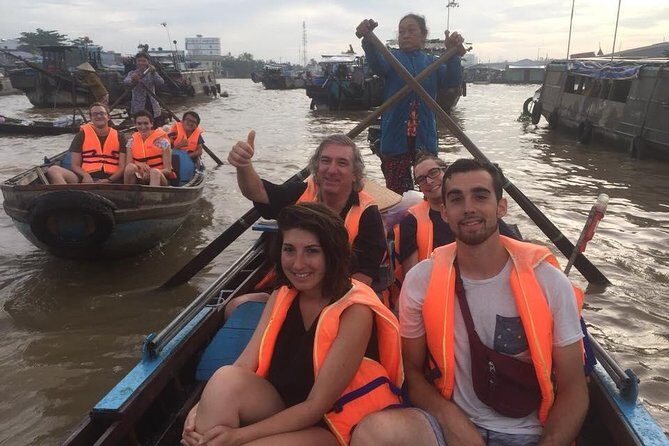
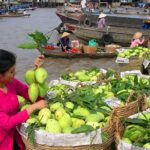
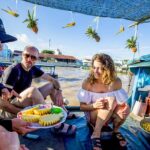
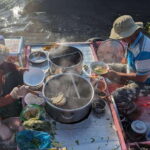
This is the headline for a reason. You’ll head to the ferry to reach the Cai Rang floating market, and the plan is to be there early, with sunrise as part of the magic. Breakfast happens here on the water, and food shows up as a daily job: cooks and sellers are working while you’re eating, which makes it feel different from a museum meal.
From what you can expect on the food side, the morning is centered on traditional noodle soups. Guests specifically mentioned hu tieu and pho on boat breakfasts, and the fruit tasting around the market is a big part of the experience—vendors offer bites that are quick, colorful, and very local.
I like that guides often use this stop to explain what you’re seeing. In past groups, guides named Nga, An, Trinh, and Dai stood out for walking people through plants, fisherman routines, and why the market works the way it does. That matters because Cai Rang is busy and confusing if you don’t get any context.
One more thing: the floating market can mean uneven footing and a bit of a wet-world feel. If you’re hoping for an easy ride where you never step on anything unstable, this won’t be that kind of tour.
From factory floors to noodle bowls: Sau Hoai’s rice noodle and pho shop
After the market, the tour shifts from river life to production life with Sau Hoai’s rice noodle and pho factory. You get about 20 minutes here, led by local experts who explain how noodles are made.
This stop is short by design, but it’s a smart contrast: you eat noodles at breakfast, then you see the raw mechanics of how those noodles get made. You’ll likely notice that the process isn’t fast or fancy—it’s practical and repetitive, the kind of work that’s been handed down.
The value here is time efficiency. If you were trying to organize a factory visit on your own from Ho Chi Minh City, it would take real effort, and you might still end up with a “watch from afar” experience. This tour aims for a guided look you can connect directly to your meal.
Sông Cần Thơ canals and the Binh Thủy Ancient House: a break between boats
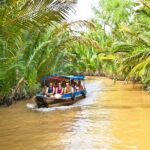
You don’t spend all day on water. There’s a scenic Sông Cần Thơ stretch where you can enjoy the canals—about 30 minutes with no admission ticket required.
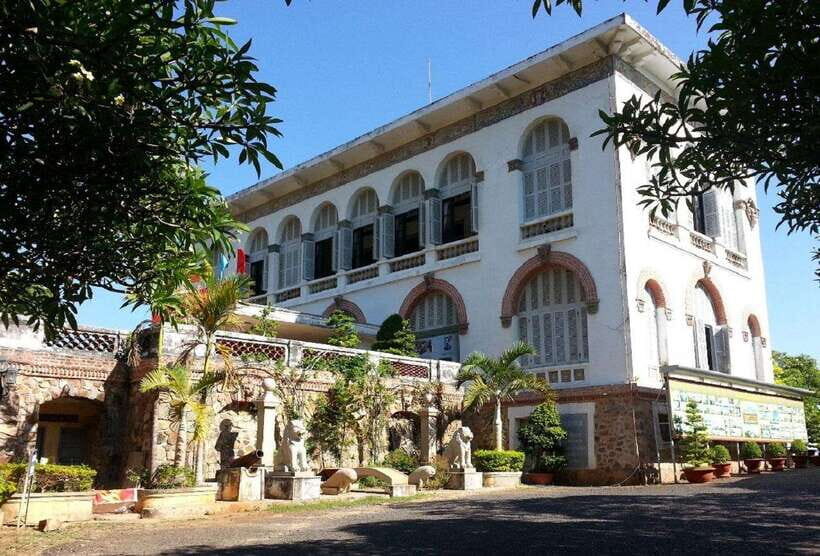
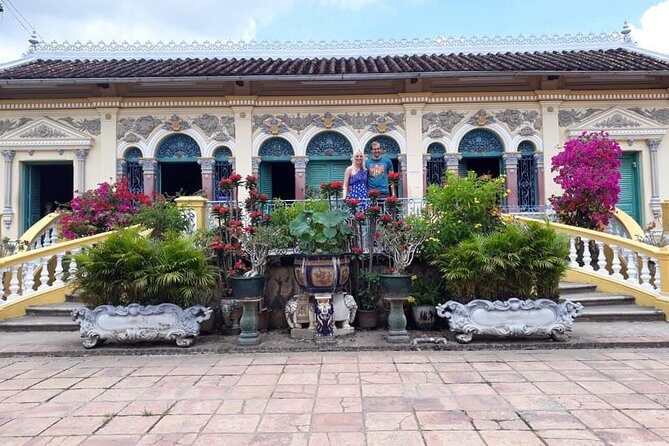
Then you head toward Binh Thủy Ancient House, a historic home listed as over a century old. You’ll have about 30 minutes here, and admission is included. This stop helps balance the sensory overload of floating markets and food. You get to see how older Vietnamese architecture fits into the same delta region you’ve been moving through all morning.
Practical note: these land moments can be your best chance to reset—use the time to sit, take photos without boat movement, and regroup your energy before the countryside section.
Cồn Sơn island by small boat: walking the Mekong countryside
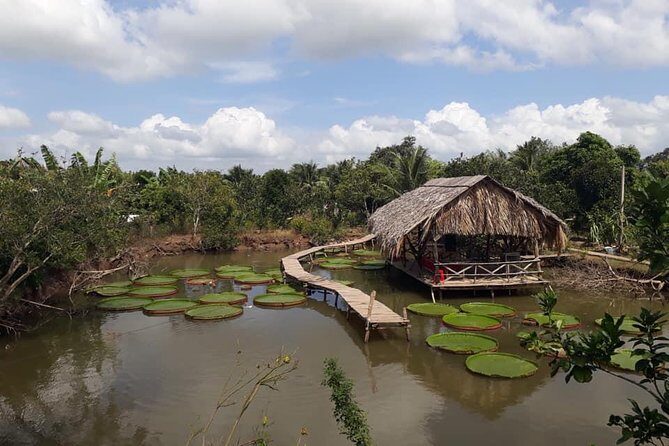
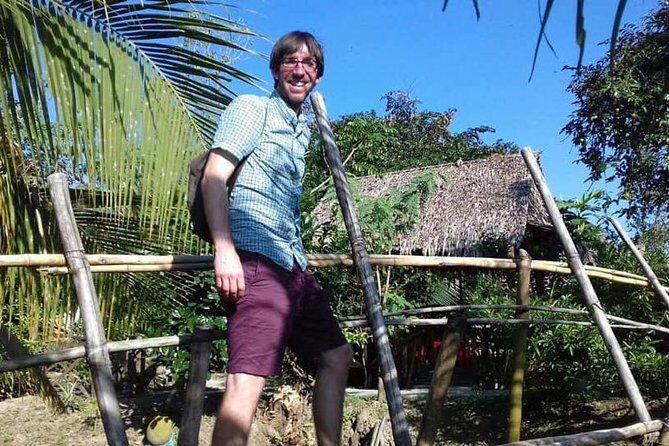
Next comes Cồn Sơn, reached by a small boat to a tropical island in the Mekong River area. You’ll spend about 2 hours here, and the activities are designed to feel local rather than entertainment-only.
What you might do on the island isn’t just one thing. Past groups described fish-farm experiences strongly—some mentioned koi-fish foot experiences, and others noted fish-spitting-style fun as part of the attraction mix. That fits the broader idea of the day: you’re seeing livelihoods tied to the river, not just sightseeing.
If you’re the kind of traveler who enjoys a bit of walking and doesn’t mind uneven terrain, this section is a good reward. If you’re traveling with tight mobility limits or you dislike any kind of bridge or boat boarding, treat the island portion carefully—this is where physical movement shows up more.
You can also read our reviews of more tours and experiences in Ho Chi Minh City

Fruit orchards, cake trials, and a lunch that tastes like someone’s home
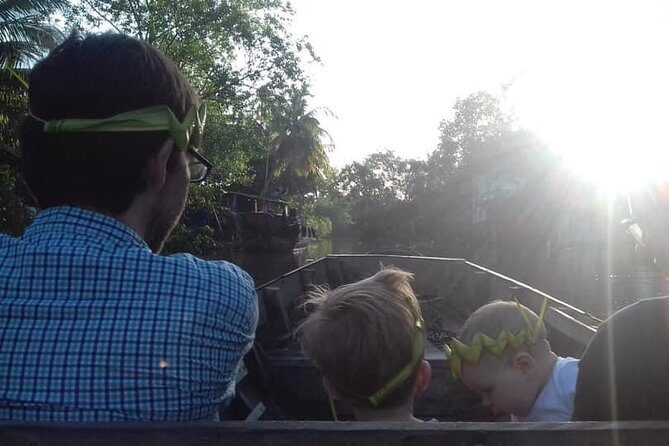
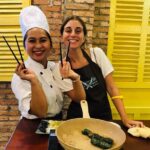
The day’s food and hands-on parts go beyond breakfast. You’ll also explore a pomelo and star apple orchard, taste local fruits, and then move into a cooking-focused segment where you get to make traditional cakes and local delicacies yourself.
The tour is explicit that cooking trials are included. In earlier groups, guests specifically mentioned making things like coconut crepes, and the lunch experience was described as a village meal with a cake buffet component. That buffet idea matters: it means you’re not stuck with one dish and done. You can sample more variety and keep things tasting fresh after the market morning.
Why this is a good use of your time: the Mekong Delta is famous for fruit and street-style snacks, but most visitors only see it as tasting. Here you get a chance to participate. Even if you don’t speak the local language well, the hands-on part is universal.
Floating fish raft village and snakehead fish dancing
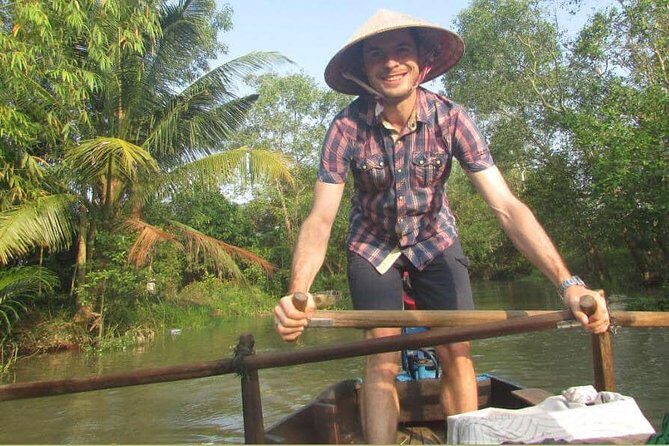
One of the more distinctive claims in the tour description is a visit to a floating fish raft village, including a chance to watch snakehead fish dancing.
Even if you’ve never seen this style of fish-farm entertainment, it fits the broader theme of the day: river animals and river work. It’s not just a spectacle; it’s meant to show how local people live and earn in the delta ecosystem.
And if you’re drawn to the idea of fish-farm fun, remember that fish experiences came up repeatedly in past groups. Some guests tied the island time to fish farm activities, which suggests you may see more than one fish-related moment.
Guide quality: the difference between a good day and a great one
This tour is very guide-dependent, in the best and worst ways.
On the best side, many groups praised guides by name: Nga, An, Trinh, Dai, Windy, Nhu Y, Donny, and Dao showed up in strong reviews, often described as caring, energetic, and good at explaining what you’re looking at. In particular, the guide’s job isn’t just translation. They help you understand plants, fishing life, and why Cai Rang runs the way it does.
On the downside, one review asked to avoid the tour, calling out an unpleasant guide and complaining about a forced walk over a dangerous bridge. You can’t eliminate risk in any live tour, but you can choose smartly: if you have any concern about walking on bridges or handling uneven steps, message the operator in advance and ask how the bridge portion works for the group you’ll be joining.
With a max group size of 16, a great guide can keep things from feeling rushed. The route still starts extremely early—so you want someone who can keep the mood steady even at that hour.
Price and logistics: is $119 actually fair for a 15-hour day?
Let’s talk value, not just cost.
At $119 per person, you’re buying a full day that includes:
- Private-car pick-up and return from Ho Chi Minh City
- Entrance fees included
- Breakfast and lunch included
- Cooking trials
- Multiple transport modes during the day (car, foot, ferry/boat)
If you attempted to match this schedule yourself, you’d need transport to the Mekong, tickets, and timed coordination for sunrise market access. That’s the hidden cost of DIY. Here, the tour does the scheduling work for you, and the included meals keep your spending under control.
Still, you should be realistic: it’s a 15-hour commitment and starts around 3:30–4:00 AM. If you’re the type who can’t handle early starts, the value drops fast—because you won’t enjoy it as much.
The groups with the happiest outcomes tended to love the mix of food, boats, and local life, and appreciated not feeling pressured into buying things constantly.
Who should book this Cai Rang day trip from HCM
I’d steer you toward this tour if:
- You want one organized day that covers floating market life plus countryside
- You like food that’s connected to how it’s made (market breakfast plus noodle factory plus cake trials)
- You’re comfortable with early wake-ups and a long, active day
- You want a small-group feel (max 16) rather than a huge bus tour
I’d think twice if:
- You’re very sensitive to uncomfortable walking segments
- You want a relaxing day with minimal movement and no early-morning fatigue
- You only care about one attraction (because the day is packed with multiple stops and transitions)
One more fit note: solo travelers came away positive, and families with children also seemed to enjoy the fish-farm style activities. If that’s you, this can be a fun “learning day” rather than a passive tour.
Should you book?
Yes, if your ideal Mekong day includes sunrise on the water, real food moments, and a route that mixes markets with countryside stops. The included meals and cooking trials make it feel more like participation than watching.
Wait or ask questions first if you’re worried about early start stamina or any bridge/step movement. One outlier complaint about an awkward and unsafe-feeling walk is worth respecting. If mobility is a concern, contact the operator before you go and ask how that section is handled.
If you book, pack patience for the pre-dawn departure—and let the day do what it’s designed to do: get you into Cai Rang while the river is still waking up.
FAQ
What time do they pick you up in Ho Chi Minh City?
Pickup is scheduled between 3:30 and 4:00 AM from downtown Ho Chi Minh City hotels.
How long is the tour?
The total duration is about 15 hours.
Is breakfast included?
Yes. Breakfast is served on the Cai Rang floating market.
Is lunch included?
Yes. Lunch is included during the day.
Do I need to pay entrance fees for stops?
No. All entrance fees are included.
What kind of transportation is used?
You’ll use a private car for the transfers from Ho Chi Minh City, plus ferries/boats and walking during the tour.
How big is the group?
The maximum group size is 16 travelers.
What are the main activities besides the floating market?
You can expect a rice noodle and pho factory visit, a scenic canal stop, Binh Thủy Ancient House, a Cồn Sơn island visit, fruit orchard time, cake-making trials, and a floating fish raft village experience.
What time do you return to Ho Chi Minh City?
You’ll be dropped back around 17:00 in central Ho Chi Minh City, though timing may vary.
What happens if the weather is bad?
The experience requires good weather. If canceled due to poor weather, you’ll be offered a different date or a full refund.