REVIEW · HO CHI MINH CITY
Full-day Private Long Tan and Nui Dat Battlefield Tour from Ho Chi Minh City
Book on Viator →Operated by Viet Fun Travel Company · Bookable on Viator
Battlefields, memorials, and hard-earned perspective. This full-day private tour links Ho Chi Minh City to the Long Tan Cross, Nui Dat (SAS Hill), and Long Phuoc Tunnels, with an ANZAC-focused English-speaking guide who keeps the story grounded in real operations. I love the private format and how guides like Huong (when you get her) bring the Vietnam War context into clear, human scale with current, real-world perspective too.
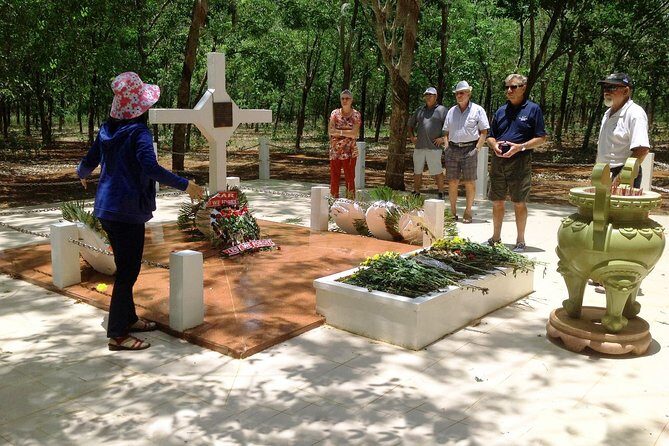
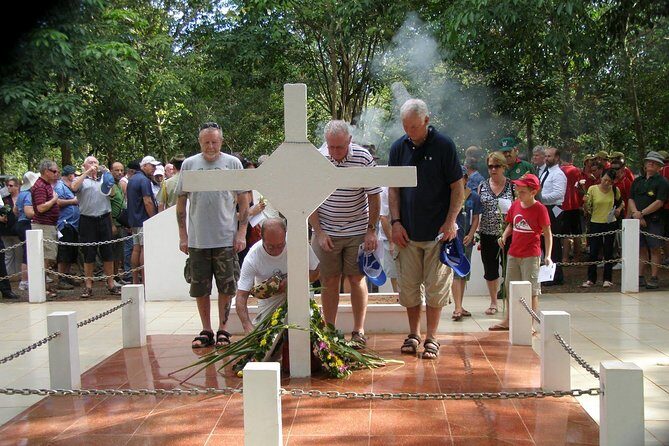
I also like the small things that let you show respect properly. At Long Tan Cross, the tour can arrange flowers so you have something meaningful to lay, which turns a quick stop into a moment you actually feel. It’s the kind of Long Tan Cross visit that doesn’t treat memorials like scenery.
One thing to consider: it’s an 8-hour day and the drive from Ho Chi Minh City takes time, so you’ll want comfortable shoes and a heat-ready mindset. Also, there’s a practical note—some visitors have found the plaque situation at Long Tan Cross disappointing, and that can change how complete the experience feels on the ground.
In This Review
- Key things to know before you go
- Entering the ANZAC story from Ho Chi Minh City
- The long drive and why the early start helps
- Ba Ria permit stop and the nonprofit connection mindset
- Long Tan Cross: a memorial stop that asks for your attention
- Nui Dat (SAS Hill): reading the terrain, not just the dates
- Long Phuoc Tunnels: moving from battlefield to underground war
- Vung Tau lunch: a real break in the middle of a serious day
- Orphanage visit (Ba Ria or Thi Nghe): where the day changes tone
- Private guide quality: Huong and Dingo as proof points
- Price and value: what $170 really buys you
- Timing, comfort, and what to bring for an 8-hour day
- Who this tour fits best
- Should you book this Long Tan and Nui Dat battlefield tour?
- FAQ
- How long is the Long Tan and Nui Dat battlefield tour?
- Is pickup from Ho Chi Minh City included?
- What does the tour include in the price?
- Is lunch included?
- Do you visit both Long Tan Cross and Nui Dat?
- Is there an orphanage/NGO stop?
- Are drinks included?
- Is the tour private?
- What is the cancellation policy?
- Is the tour suitable for most people?
Key things to know before you go
- Private vehicle, private guide: your group gets undivided attention, not the usual rushed stop-and-go.
- Long Tan Cross + Nui Dat (SAS Hill): you see both the battlefield memorial side and the tactical terrain side.
- English-speaking specialists: the tour aims to use local specialists for each area, and sometimes Vietnam veterans and civilians with firsthand connections.
- Long Phuoc Tunnels: you get beyond the battlefield headlines and into the underground war story.
- Lunch in Vung Tau + bottled water: the included meal helps you power through a long day.
- Orphanage/NGO stop (Ba Ria or Thi Nghe): a chance to connect your visit with local humanitarian work.
Entering the ANZAC story from Ho Chi Minh City
This tour is built around one simple idea: if you’re going to talk about the Vietnam War, you need the right stops in the right order. The day starts with an 8:00 am pickup from your hotel in Ho Chi Minh City and then heads toward the battlefield region connected to Long Tan and Nui Dat. You’re not just ticking off names. You’re getting the story anchored to places.
The “private” part matters more than people think. A group tour often means you follow someone else’s pace and hope your questions get answered sometime before the bus pulls away. Here, your guide can slow down when something matters to your questions—especially around the ANZAC side of the conflict, which is the tour’s central theme.
You’ll also see a thoughtful approach in the way the tour is described. There’s an emphasis on specialist English-speaking local guides for specific areas, and a goal (where possible) to find Vietnamese veterans and civilians with firsthand knowledge related to what you’re visiting. That’s how you get meaning, not just narration.
You can also read our reviews of more city tours in Ho Chi Minh City



The long drive and why the early start helps
The itinerary is a full day, and you feel it. After pickup at 8:00 am, you’re on the road long enough that you’ll be glad the tour includes bottled water and an included lunch later. This isn’t a quick jaunt from the city. It’s a commitment.
There’s also a practical administrative moment built in. The tour includes a travel permit, and the plan includes a stop in Ba Ria to collect it. That can sound boring on paper, but it helps explain why the day feels organized. You spend the morning focused on getting where you need to be, then the rest of the trip runs more smoothly.
If you’re someone who gets road-trip grumpy, pack a small comfort kit: a light layer (cars can get chilly), sunscreen, and something to stay hydrated. The tour provides water, but you’ll still want your own extras for comfort.
Ba Ria permit stop and the nonprofit connection mindset
This tour mixes two kinds of “meaning.” One side is the battlefield memorial sites. The other side is local humanitarian work through NGOs.
That NGO stop is scheduled as a visit to an orphanage in either Ba Ria or Thi Nghe. The key detail for planning is that it’s not an added-on “extra.” It’s part of the day’s purpose: to connect the war-era history you’re learning about with real community support happening now.
Even if you’re not sure how you’ll feel during that stop, the balance can be powerful. You’ll start your day with conflict-related memorials, and later you’ll see what local organizations are doing in the aftermath—feeding kids, supporting families, and building stability. It’s not the same story, but it’s the same human focus.
Long Tan Cross: a memorial stop that asks for your attention

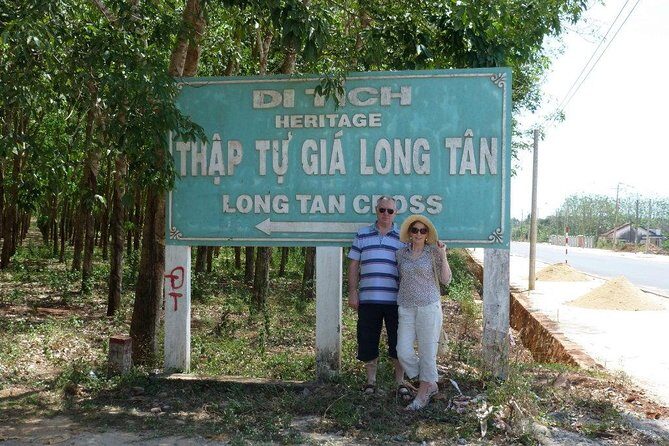
Long Tan Cross is the kind of place where your instincts should slow down. It’s a battlefield memorial location tied to one of the best-known engagements associated with Australian and New Zealand forces. The tour doesn’t treat it as a photo spot; it frames it as a place to understand the event and show respect.
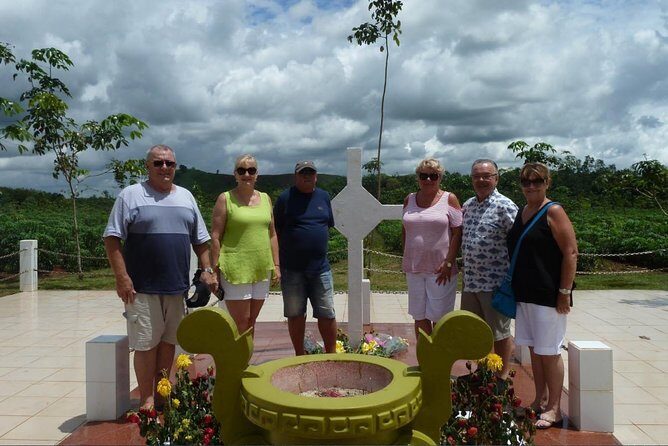
One of the most praised details from previous guests is that the company can provide flowers so you can properly lay them at Long Tan Cross. That small service turns your visit into something more deliberate. You’re not just looking. You’re marking the moment.
There’s also a detail you should know in advance. One guest shared disappointment that the plaque at Long Tan Cross had been removed, which reduced the sense of significance for them. That doesn’t mean the site isn’t still meaningful. It just means the on-the-ground feeling may differ from what you expect if you’re picturing a more complete memorial presentation.
Nui Dat (SAS Hill): reading the terrain, not just the dates
If Long Tan Cross is the memorial side, Nui Dat (SAS Hill) is where the “why here?” becomes clearer. The tour frames this area as part of the wider Vietnam War story involving ANZAC forces.
This stop is often where guides shine, because terrain explains decisions. Without good explanation, it’s easy to treat a hill and a battlefield as generic ground. With a strong guide, you start connecting the features of the area to what troops would have faced—lines of movement, risk, and the reality of fighting in a landscape that wasn’t designed for modern warfare.
In one standout example, a guide named Mr Chin (Dingo) was praised for turning the trip into something more worthwhile, with services conducted at the stops. Even if your experience won’t match every moment perfectly, it highlights the style you’re hoping for: a guide who treats these places with care rather than rushing through them.
You can also read our reviews of more private tours in Ho Chi Minh City






Long Phuoc Tunnels: moving from battlefield to underground war
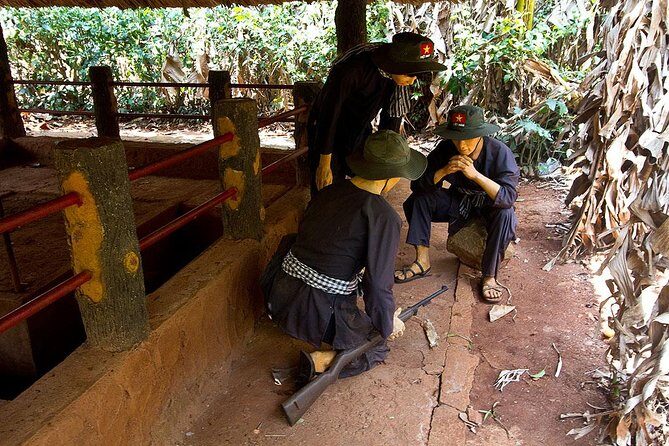
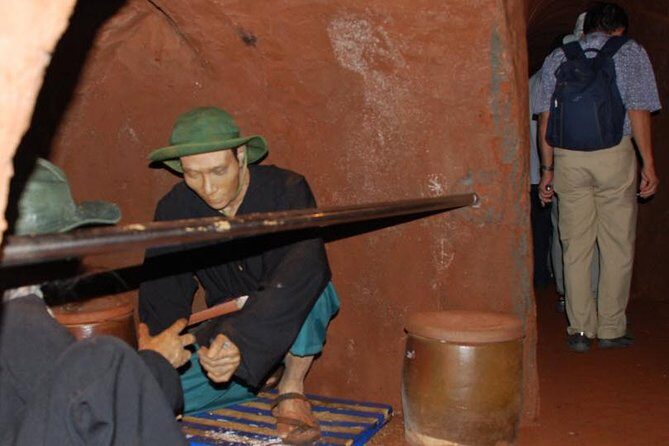
The Long Phuoc Tunnels stop broadens the day. You’re still in Vietnam War context, but you’re stepping into the underground side of the conflict.
Tunnels change how you think about war. On the surface, battlefields feel like open confrontation. Underground, the conflict becomes engineering, protection, and survival. The tour includes this site specifically, so you don’t leave the day with a one-note understanding.
This stop also helps your timing. By the time you reach it, you’ve already emotionally “loaded” the memorial sites. Tunnels give your brain a different type of processing: less about remembrance and more about logistics, geography, and how people adapted.
Practical note: tunnels can mean cooler air than the outside, but they can also mean damp footing or tighter spaces. Wear shoes you trust and keep your pace steady.
Vung Tau lunch: a real break in the middle of a serious day
Lunch is included, and it happens in Vung Tau. On a day like this, the included meal is a big deal. It gives you a reset before you continue through the rest of the sites and the return journey toward Ho Chi Minh City.
One guest specifically praised pork pho for lunch. Even without relying on that exact dish, you can assume you’ll get a sit-down meal rather than an on-the-go snack. That matters when you’re processing a heavy topic for hours.
Hydration matters too. The tour includes bottled water, but you’ll still feel better if you also drink regularly rather than waiting until you’re thirsty.
Orphanage visit (Ba Ria or Thi Nghe): where the day changes tone
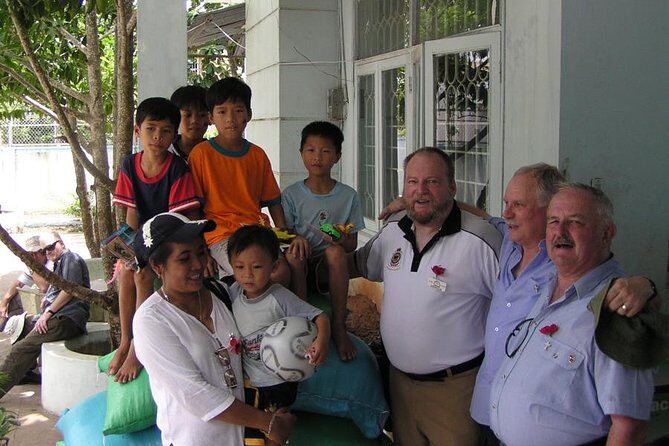
That orphanage stop is where the emotional rhythm of the day shifts. The tour is clear about the intent: you’ll discover the work of local NGOs through a visit to Ba Ria or Thi Nghe.
This is the point where you might feel the urge to keep your head down. That’s normal. But if you can meet it with a steady, respectful attitude, it can give the day a human finish instead of ending with only battlefield images.
What you should do: go in with patience, because time at an orphanage can be emotionally intense. If you’re sensitive to kids and want to avoid feeling awkward, consider bringing a simple expression of goodwill—something like a kind smile and calm presence. The tour provides the structure; your job is just to be gentle.
Private guide quality: Huong and Dingo as proof points
The strongest part of a private battlefield tour is the guide. This tour’s whole concept depends on it: specialist area knowledge, clear English, and the ability to explain why events happened the way they did.
Two guide names show up in the feedback you can use as a clue. Huong was called out for being excellent and up to date about current events in Australia, not just Vietnam War facts. Mr Chin (Dingo) was praised for fabulous knowledge and for making the history land through the actual visits.
So what does that mean for you, practically? It means you should treat your questions like part of the tour. If anything about ANZAC operations, SAS Hill context, or what you’re seeing at the tunnels puzzles you, ask. In a private setup, you’re not competing with five other parties for five minutes of answers.
Price and value: what $170 really buys you
At $170 per person for a full-day private tour, you should think in terms of cost per hour plus what’s included. This isn’t just transport and a driver. The day includes:
- hotel pickup and drop-off
- a private car/van
- an English-speaking guide
- lunch
- bottled water
- entrance fees (listed as included in the tour overview)
- the travel permit
That can make the price feel more reasonable when you compare it to piecing together a DIY day with a guide, vehicle, and tickets. Also, private battlefield tours are rarely cheap because the guide time and logistics are heavy. You’re paying for time, attention, and organization.
Where the cost might feel steep is if you only want a quick look at the sites with minimal explanation. This tour works best when you want meaning. If you love context—military history, memorial culture, and how places connect to events—then the price buys something you can’t replicate easily on your own.
Timing, comfort, and what to bring for an 8-hour day
Even though the tour includes water and lunch, you’ll still be outdoors and in a vehicle for a long stretch. Plan like this is a full day in a warm climate.
Bring:
- comfortable walking shoes (especially for memorial grounds and tunnels)
- sun protection (hat or cap, sunscreen)
- a light layer (vehicles can be uneven)
- any basic meds you use when you travel
Also, bring a mindset for respect. This is not a casual sightseeing checklist. Even with the private guide and included lunch, the memorial and battlefield sites ask for your attention.
Who this tour fits best
This experience is a good match if you:
- care about ANZAC connections to the Vietnam War
- want to visit Long Tan Cross, Nui Dat (SAS Hill), and Long Phuoc Tunnels in one day
- prefer private guiding over group pacing
- value the included structure: pickup, lunch, entrance fees, and permit handling
- like tours with a local-humanitarian component via an orphanage/NGO stop
It may be less ideal if you’re only interested in general Vietnam sightseeing and prefer short days. You’re committing to a full, serious day away from the city.
Should you book this Long Tan and Nui Dat battlefield tour?
I’d book it if your interest is serious and you want a guide who can explain what you’re seeing, not just point at it. The private setup, the memorial-plus-terrain sequencing, and the inclusion of Long Phuoc Tunnels all fit together into a day that makes sense.
I’d pause if you have limited stamina for an 8-hour day and long travel time, or if you’re expecting every memorial detail to be exactly as pictured online. The plaque note at Long Tan Cross is a reminder that sites can change in small ways over time.
If you go in prepared—comfortable shoes, sun protection, and questions ready—you’ll leave with a clearer sense of the ANZAC story tied to place, plus a human ending through the NGO/orphanage stop.
FAQ
How long is the Long Tan and Nui Dat battlefield tour?
The tour runs for about 8 hours.
Is pickup from Ho Chi Minh City included?
Yes. You get hotel pickup and drop-off.
What does the tour include in the price?
The tour includes private transport, an English-speaking guide, travel permit, lunch, bottled water, and entrance fees.
Is lunch included?
Yes, lunch is included.
Do you visit both Long Tan Cross and Nui Dat?
Yes. The tour includes visits to Long Tan Cross and Nui Dat (SAS Hill), along with Long Phuoc Tunnels.
Is there an orphanage/NGO stop?
Yes. The tour includes a stop at an orphanage run by a local NGO in either Ba Ria or Thi Nghe.
Are drinks included?
No. Drinks are not included.
Is the tour private?
Yes. It’s a private tour/activity, with only your group participating.
What is the cancellation policy?
You can cancel for a full refund if you cancel up to 24 hours in advance of the experience start time.
Is the tour suitable for most people?
It states that most travelers can participate.