REVIEW · HO CHI MINH CITY
Fun & Easy Vietnamese Coffee Workshop in Hồ Chí Minh City
Book on Viator →Operated by Lacàph Coffee Experiences · Bookable on Viator
Vietnam’s coffee magic is practical.
I like this workshop because it gets you using the real phin drip filter instead of pretending coffee is just beans plus hot water. In about 90 minutes, you’ll also learn the classic Bạc Xỉu method and the variations that make Saigon-style coffee feel different. The big win for me is the hands-on format: you don’t just stand there—you follow clear instructions and do the brewing yourself with a small group.
One thing to consider: this class concentrates on a tight set of three drinks, so if you’re hoping for a long flight of dozens of coffees, you may want a broader tasting elsewhere. Still, it’s hard to argue with the value here since coffee, tea, and snacks are included, and you leave with recipes and a completion certificate.
In This Review
- Quick hits: what makes this coffee workshop worth your time
- Coffee class timing in Ho Chi Minh City: morning or afternoon
- Finding Lacàph: the Nguyễn Công Trứ meeting point
- What happens in the 90 minutes: from coffee history to your hands on the phin
- Bạc Xỉu: the classic milk coffee method you’ll actually replicate
- Cà Phê Muối: how salt changes the taste (and the logic)
- Phin Con Panna: yogurt and coffee blossom honey, the modern twist
- Snacks, tea, and tasting your own work
- What you take home: recipes, certificate, and gear you’ll want to buy
- Price and value: $23.35 for a hands-on coffee skill, not just drinks
- Who should book this workshop, and who should think twice
- Should you book this Vietnamese coffee workshop?
- FAQ
- How long is the Vietnamese coffee workshop?
- What does the ticket price include?
- What drinks will I make?
- Where does the class meet?
- Is it suitable for vegans or lactose intolerance?
- What if my plans change and I need to cancel?
Quick hits: what makes this coffee workshop worth your time
- Hands-on phin brewing: you practice the method locals use, with clear step-by-step guidance.
- Three distinct drinks: Bạc Xỉu, Cà Phê Muối, and a yogurt-based experimental drink called Phin Con Panna.
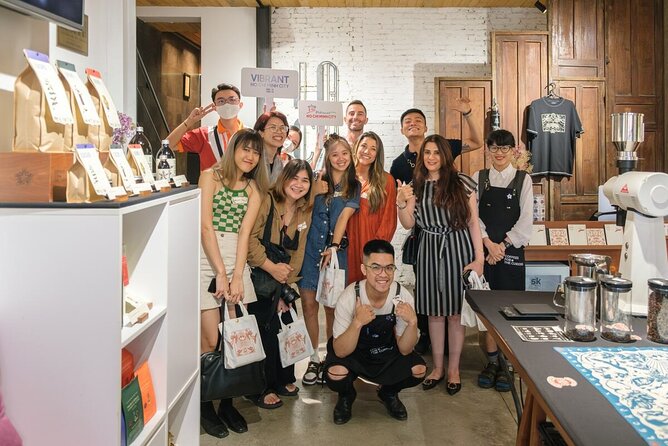
- Small group size (max 18): it stays interactive, not a lecture hall.
- Everything is included: coffee, tea, and snacks are part of the workshop price.
- You can take the know-how home: many people leave inspired to buy their own gear and make it again.
Coffee class timing in Ho Chi Minh City: morning or afternoon
This is the kind of activity that fits neatly into a day in District 1. You can choose either a morning or an afternoon session, and that matters because Vietnamese coffee tastes best when you’re relaxed enough to pay attention to small details—grind, drip speed, sweetness, and how the milk or salt affects the finish.
The total time is about 1 hour 30 minutes, so you’re not sacrificing your whole day. It also makes a good “coffee anchor” between meals: do the class after lunch if you want a calmer afternoon, or do it earlier when you still have energy to focus on the technique.
If you’re visiting in rain, this type of indoor workshop can be a comfort plan. It’s also a smart pick if you want something more memorable than a quick café stop.
You can also read our reviews of more tours and experiences in Ho Chi Minh City.


Finding Lacàph: the Nguyễn Công Trứ meeting point
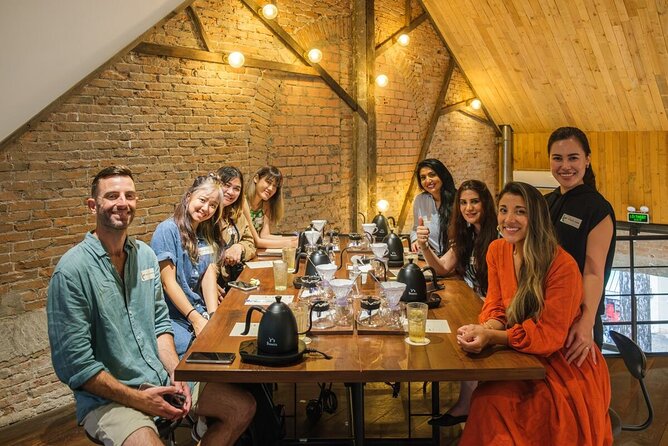
The workshop starts at Lacàph Coffee Experiences SpaceUpstairs at 220 Nguyễn Công Trứ, Phường Nguyễn Thái Bình, Quận 1. Your activity ends back at the same meeting point, which simplifies your day—no long transfers, no “meet in a lobby and hope it’s the right one.”
A couple practical points from what people have said about the location: the venue is in a multi-floor setup, with the café space on one level and the workshop area on another. That can be easy to miss at first, so I’d give yourself a few extra minutes to get oriented. If you’re navigating by phone, double-check the address before you head out.
Good news: it’s near public transportation, so you’re not stuck hunting for parking or paying for multiple ride-hops.
What happens in the 90 minutes: from coffee history to your hands on the phin
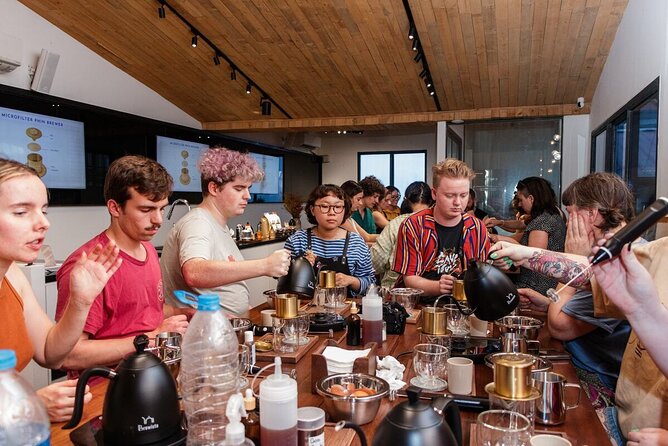
The workshop is designed like a guided coffee-making lab. You’ll get an intro to how Vietnamese coffee is built, then you move through the process drink by drink. The key is that the instruction stays practical: you’ll learn the method, then you’ll make it.
You can expect a mix of:
- coffee culture context (why these drinks exist and how people order them)
- hands-on brewing with your equipment
- tasting your own results, then adjusting based on what you learned
People also talk about the teaching style and pacing. In multiple sessions, the instructors give clear explanations and encourage fun, which helps if you’re the kind of person who gets nervous around “technical” steps. And yes—this is technical in a good way. Vietnamese coffee isn’t hard, but it does rely on the right approach and timing.
Group size is capped at 18, which typically means more attention than a larger class. That matters when you’re trying to nail the drip and not just make something drinkable by accident.
Bạc Xỉu: the classic milk coffee method you’ll actually replicate
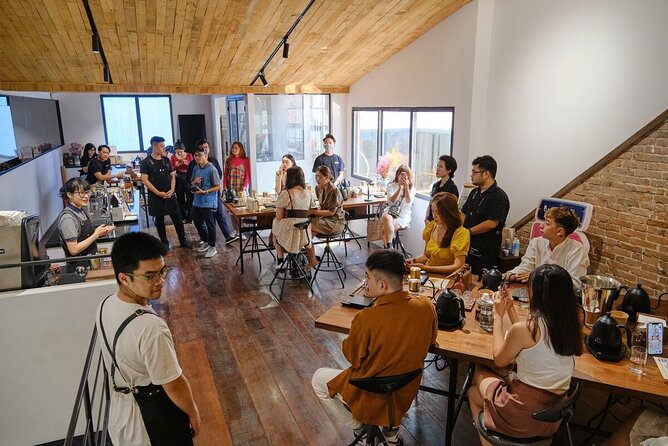
Bạc Xỉu is often the drink people think of first when they picture Vietnamese coffee—sweet, milky, and built around the phin drip. In this workshop, you don’t just taste it. You learn the method so you can recreate it later.
Here’s why this part is so valuable: Bạc Xỉu is a foundation drink. Once you understand how the coffee concentrate behaves in the phin, everything else becomes easier to adjust. You learn how the coffee extraction changes when it’s dripping slowly into a cup built for milk.
In practical terms, you’re focusing on:
- setting up the phin and getting the brew going correctly
- managing the timing so the concentrate isn’t rushed
- combining with the sweet/milky component in a way that keeps the flavor balanced
This is also where you’ll notice how Vietnamese coffee can taste different from common café styles. It often feels fuller, with a different sweetness pattern and a finish that lingers.
Cà Phê Muối: how salt changes the taste (and the logic)
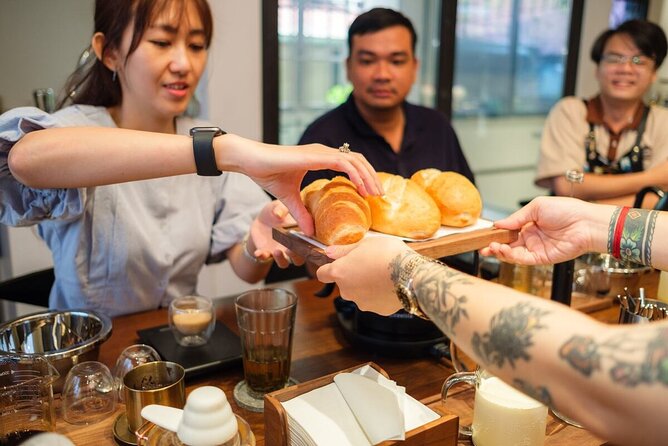
Then comes Cà Phê Muối, the salt coffee that sounds odd until you taste it. In the workshop, this isn’t treated like a gimmick. You learn the role salt plays—how it affects the overall perception of flavor and helps the coffee feel more complex instead of just bitter-sweet.
I like this drink for one reason: it teaches you to think like a maker, not just a consumer. You start asking questions like:
- What does the salt bring out in the coffee?
- Does it change the bitterness perception?
- Why does it make the drink feel more rounded?
Even if you don’t fall in love with salt coffee immediately, the workshop gives you a clear method you can judge at home. That’s a big deal for anyone who wants to understand Vietnamese coffee rather than simply collecting photos.


Phin Con Panna: yogurt and coffee blossom honey, the modern twist
The third drink is more experimental: Phin Con Panna. This one mixes yogurt with Lacàph Raw Coffee Blossom Honey, creating a coffee-yogurt hybrid with Vietnamese coffee flavors at its core.
This part is great if you like “what’s next” food. Vietnamese coffee culture is not frozen in time, and this drink shows that the phin technique can still evolve. The yogurt adds a tang and creaminess, while the coffee blossom honey pushes sweetness in a different direction than condensed milk.
If you’re someone who wants a future-facing taste along with the classics, this is your moment. If you’re sensitive to dairy, though, take note: the workshop is not recommended for lactose intolerance, and it’s also not recommended for vegan travelers. So you’ll want to be realistic about what you can comfortably drink.
Snacks, tea, and tasting your own work
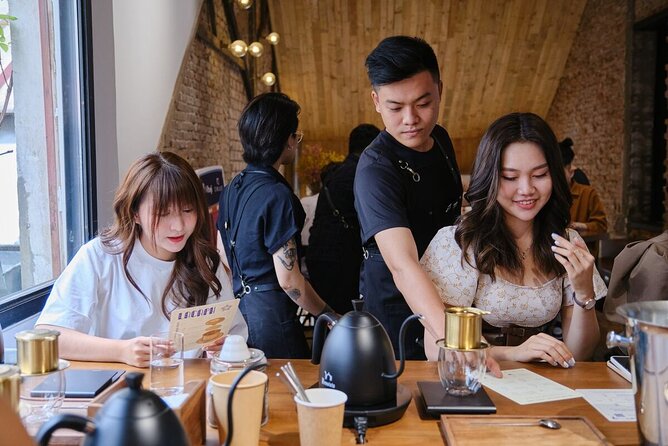
One of the smoother parts of the workshop is that it doesn’t end with coffee. Coffee, tea, and snacks are included, and you taste what you make rather than getting only a small sample.
This matters because Vietnamese coffee can be intense—sweet, strong, and aromatic. Having tea and snacks keeps the experience comfortable so you can actually focus on flavor differences.
Also, when you drink what you made, you remember the steps better. You’ll likely connect a stage in the brewing process to what you tasted: stronger concentrate, lighter body, too much bitterness, sweetness that feels imbalanced, and so on. That’s how you get from “I watched” to “I can do this again.”
What you take home: recipes, certificate, and gear you’ll want to buy
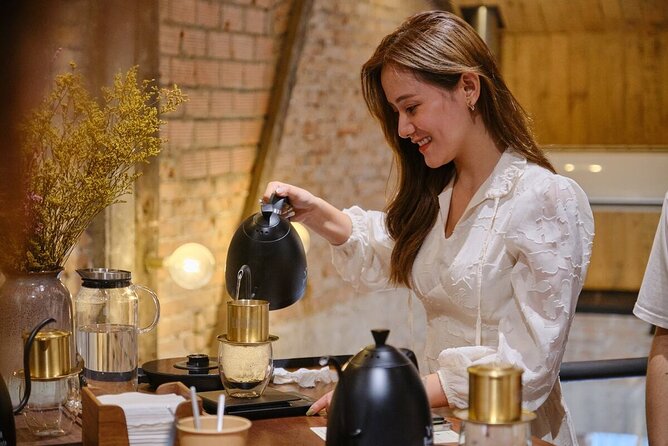
A well-run workshop should give you something concrete after the last sip. Here, you get recipes and a completion certificate. That’s not just paper feel-good stuff—having the written recipe makes it easier to reproduce the drink later, especially if you’re trying to recreate the same proportions and timing.
You may also decide to buy equipment like the phin and coffee for home brewing. People have specifically mentioned purchasing their own Phin after the class because the tools used in the workshop are the real deal.
If you’re the sort of person who likes making one “signature” drink when you’re traveling (and then repeating it later at home), this class is built for you.
Price and value: $23.35 for a hands-on coffee skill, not just drinks
At $23.35 per person, the price is fair when you look at what’s included: the workshop is about 1.5 hours of guided instruction, and it covers coffee, tea, snacks, and the learning of three brewing methods.
Compare that to doing three separate café visits. You’d pay for each drink, and you still wouldn’t get the technique. Here, you’re paying for the ability to make the drinks yourself: that’s value that lasts past your trip.
The small group size (max 18) also matters. In bigger classes, you can struggle to get help. In a smaller one, you’re more likely to get the adjustments you need while you’re brewing.
Bottom line: if your goal is to learn Vietnamese coffee you can repeat at home, this is a strong deal.
Who should book this workshop, and who should think twice
This works best for:
- coffee lovers who want the real Vietnamese phin method
- people who enjoy hands-on classes and want to learn by doing
- anyone who wants both classic and modern takes on Vietnamese coffee
It may be less ideal for:
- vegan travelers, since the workshop is not recommended for vegan diets
- people with lactose intolerance, since it’s not recommended
- anyone who expects a huge range of coffee variations, because the class focuses on three drinks
- anyone who hates “technical” step-by-step instruction, since Vietnamese coffee involves method and timing
If you’re simply in “sugar coffee tourist mode” and don’t care about process, you might find it too instructional. But if you want understanding—how the brew works, how the flavors build—this feels genuinely worth it.
Should you book this Vietnamese coffee workshop?
Yes, I’d book it if you want a practical skill and a memorable food-and-drink experience in Ho Chi Minh City. The best part is that you don’t just sample: you brew, you taste, and you learn how classics like Bạc Xỉu work alongside the more curious Cà Phê Muối and the modern Phin Con Panna.
Skip it only if your dietary needs rule out dairy (lactose intolerance) or you follow a vegan diet, or if you’re specifically hunting for a long menu of many different coffees. Otherwise, this is one of the easiest “learning experiences” to fit into a trip, and it leaves you with recipes and the confidence to make Vietnamese coffee at home.
FAQ
How long is the Vietnamese coffee workshop?
It lasts about 1 hour 30 minutes.
What does the ticket price include?
Coffee, tea, and snacks are included.
What drinks will I make?
You’ll make three Vietnamese coffee drinks: Bạc Xỉu, Cà Phê Muối, and Phin Con Panna (a yogurt-and-honey style coffee).
Where does the class meet?
The start point is Lacàph Coffee Experiences SpaceUpstairs, 220 Nguyễn Công Trứ, Phường Nguyễn Thái Bình, Quận 1, Hồ Chí Minh City. You end back at the meeting point.
Is it suitable for vegans or lactose intolerance?
No. The workshop is not recommended for vegan travelers, and it’s not recommended for travelers with lactose intolerance.
What if my plans change and I need to cancel?
You can cancel for a full refund if you cancel at least 24 hours in advance. If you cancel less than 24 hours before the start time, the amount paid is not refunded.