REVIEW · HO CHI MINH CITY
Ho Chi Minh City Full-Day Farm trip with Healthy Cooking Class
Book on Viator →Operated by Western Asian Travel Service · Bookable on Viator
Fresh food starts on the farm.
This full-day Ho Chi Minh City trip is a classic farm-to-table setup: you get out of the city, meet the animals on an organic farm, then come back for a hands-on cooking class where you actually make the dishes.
I like that it’s built for small groups (up to 8), with hotel pickup so the day runs smoothly. You’re not stuck waiting around or turning it into a long transit day.
One caution: the experience may mention milking cows, but that part isn’t guaranteed on every run. Also, some extras (like a T-shirt) shouldn’t be assumed—just focus on the cooking and farm time.
In This Review
- Key highlights at a glance
- A farm-to-table morning that starts with a real reason to wake up
- What you’ll do on the farm: animals, feeding, and the day’s rhythm
- Rice paper in the real world: why it’s more than a crunchy side
- Picking ingredients: the step that makes the food taste like you earned it
- The cooking lesson itself: yin-yang balance you can actually use
- Your hands-on menu: prawn wraps, papaya salad, banana spring rolls
- Timing and pacing: how to handle an 8-hour day without getting cranky
- Price and value: is $73 worth a full day?
- Small-group comfort: what the limit really changes
- Pair it with other HCMC plans like Cu Chi tunnels
- Who should book this farm cooking class?
- Should you book the Ho Chi Minh City Full-Day Farm and Cooking Class?
- FAQ
- What time does the tour start?
- How long is the Ho Chi Minh City full-day farm and cooking trip?
- What is the price per person?
- Is hotel pickup and drop-off included?
- How many people are on the tour?
- What dishes will I cook?
- What’s included in the price?
- Are recipes included?
- Do I need to bring anything for drinks?
- Is full cancellation possible?
Key highlights at a glance
- Small-group limit (8 max) keeps the instruction personal and the pace relaxed
- Hotel pickup and private transport make the early start feel manageable
- Hands-on cooking includes making dishes like prawn wraps, papaya salad, and banana spring rolls
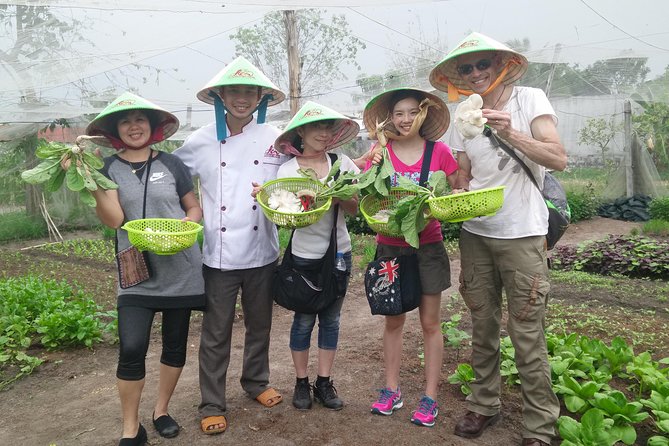
- Farm ingredient picking means you cook with what you gathered
- Rice paper factory stop adds context beyond the final bite
- Recipes plus a certificate give you something to take home (not just photos)
A farm-to-table morning that starts with a real reason to wake up
The day begins at 8:00am, with hotel pickup in Ho Chi Minh City. That matters more than it sounds. If you’ve ever tried to stitch together a farm visit plus a cooking class on your own, you’ll know how fast the time disappears. Here, you’re handed a schedule and transport, so you can spend your energy learning and eating.
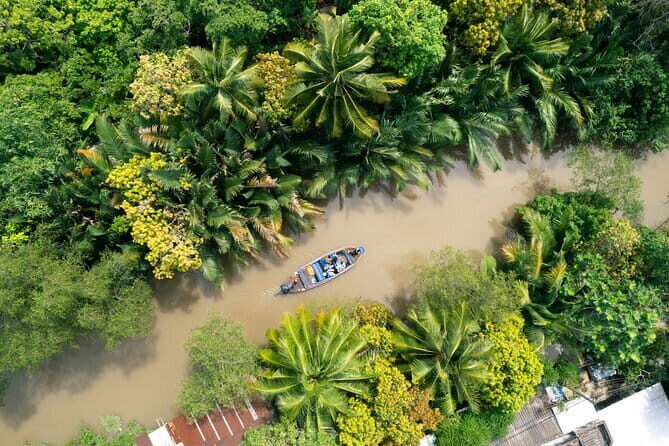
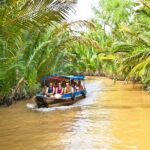
Once you’re on the move, the plan is straightforward: you leave the city for a working organic farm setting. The goal isn’t just “pretty countryside.” It’s about how Vietnamese food starts long before you see it on a plate—through animals, plants, and the practical routine of feeding, growing, and harvesting.
You can also read our reviews of more tours and experiences in Ho Chi Minh City.


What you’ll do on the farm: animals, feeding, and the day’s rhythm
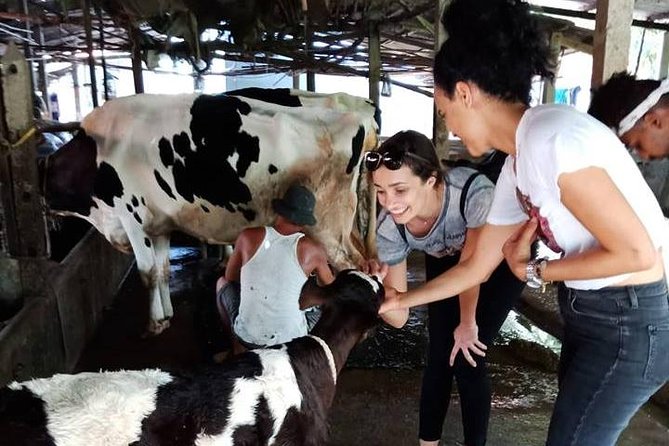
A big part of the value is the farm visit itself. You’ll spend time around local animals and see how they’re cared for—what they eat and how the farm staff look after them day to day. It’s not a zoo-style performance. It’s more like getting behind the scenes of agriculture that supports the kitchen.
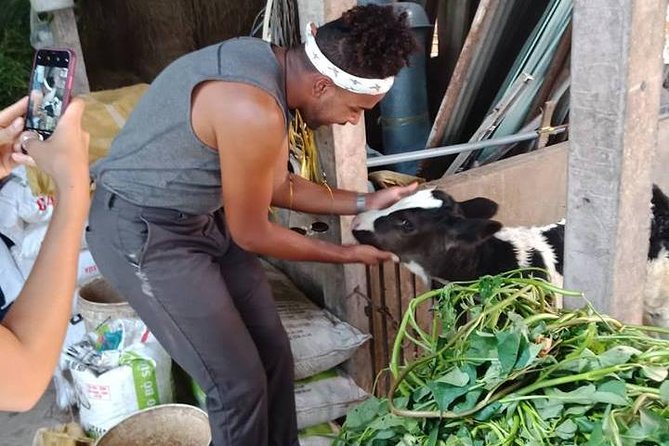
You may also get hands-on moments with the animals. Some parts of the farm experience are described as including the chance to try milking a cow, and the overall vibe is “you’re working alongside the farm and staff.” Still, expect that the exact animal activity can vary. One thing I’d do: treat milking as a possible bonus, not the main reason to book.
In the same farm time, you’ll notice the logic behind the food. You’ll be looking at ingredients while you learn how the farm’s approach connects to nutrition. That includes walking around and learning about different plants and how they fit into balanced eating.
Rice paper in the real world: why it’s more than a crunchy side
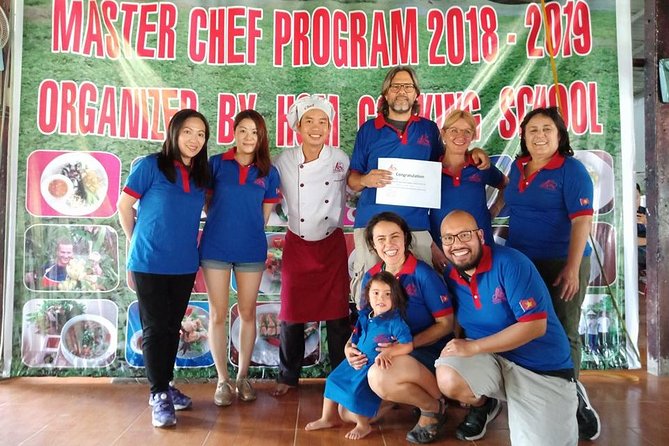
The schedule includes a stop to see a local rice paper factory. This is one of those small stops that makes the whole cooking class click.
Most people know rice paper as the wrapper in spring rolls or the base for fresh rolls. But watching it made (even at a basic level) helps you understand why it behaves the way it does—how it rehydrates, how it’s handled, and why timing matters once you’re back in the kitchen.
It’s also a good reminder that Vietnamese cooking often depends on simple ingredients that need correct technique. Rice paper is one of those “small detail, big outcome” ingredients.
Picking ingredients: the step that makes the food taste like you earned it
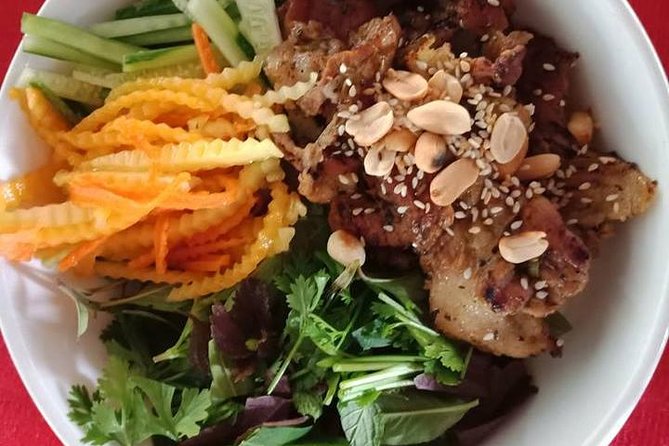
You’ll get hands-on time to pick your own ingredients. That part is more than a fun photo opportunity. When you select herbs, fruit, or vegetables yourself, you start noticing aroma and freshness in a way you usually don’t while shopping.
The day also includes fresh fruit on the farm. This is helpful because it gives you a baseline of flavors before you start building dishes. When the cooking begins, you’re not going in blind.
You’ll also hear guidance about nutrition from different plants. The practical takeaway is that Vietnamese cooking isn’t only about taste. It’s about building meals with different elements that complement each other—light, herbaceous, salty, sour, and a bit of heat when appropriate.
The cooking lesson itself: yin-yang balance you can actually use
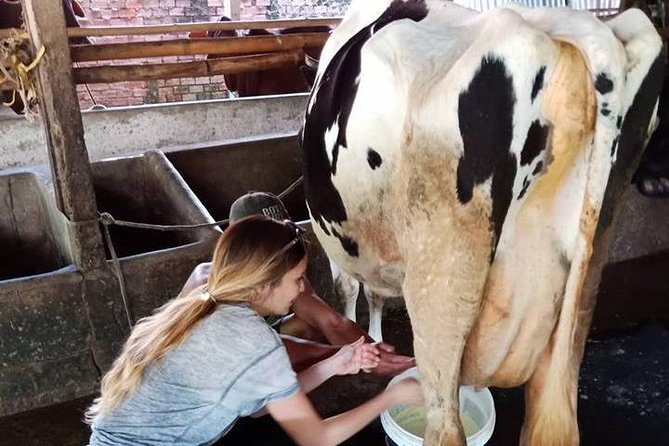
The class focuses on making Vietnamese dishes with a clear idea of balance—described as ying and yan (you’ll hear it explained as a way to create harmony in flavors for Vietnamese and Asian dishes). The point isn’t mysticism. It’s a cooking framework.
In practice, you’re guided on how to balance the key taste categories—so your papaya salad isn’t only sour, and your wraps aren’t only salty or heavy. You learn what to adjust and why, so you can repeat the results at home rather than just copying a recipe.
This is also where the small-group format helps. With a cap of 8 travelers, you get more chance to ask questions and get fixes while you cook. The school’s instructors are also noted for clear English and a professional, friendly teaching style, with guides such as chef Linh, Alice (Alice Doan appears in feedback), Tan and Sue, and Dante being specifically praised.

Your hands-on menu: prawn wraps, papaya salad, banana spring rolls
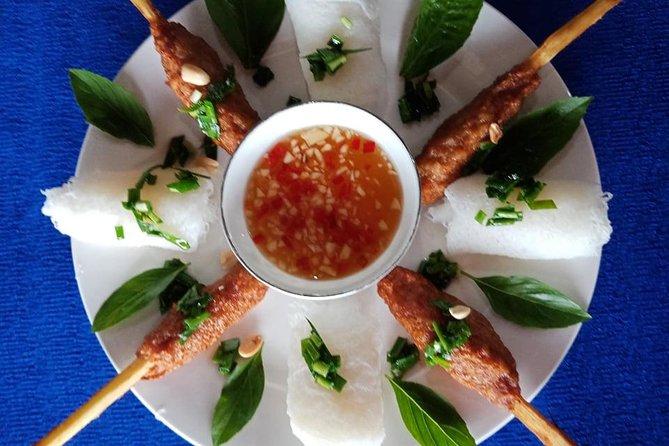
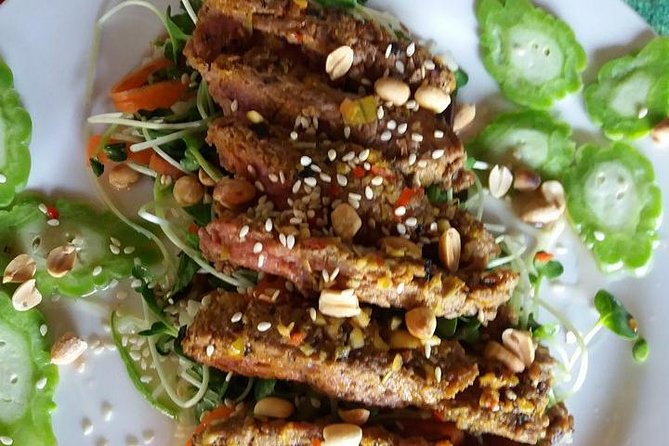
The cooking class includes creating dishes such as:
- Prawn wraps
- Papaya salad
- Banana spring rolls
And it runs as a three-course class, with the dishes structured so you learn technique step by step. You’re not just assembling one item. You’re building a small set of skills: rolling, mixing sauces and dressings, and getting textures right.
Also, this isn’t a watch-only demonstration. The experience is described as 100% hands on—you’ll work through the prep and cooking yourself. That alone is a big reason people rate this type of class so highly: you leave with muscle memory, not just a list of ingredients.
After cooking, you eat what you made. Lunch is included, along with coffee and/or tea and bottled water. Drinks beyond that aren’t included, so if you’re a soda or fruit-juice person, plan to buy separately.
Timing and pacing: how to handle an 8-hour day without getting cranky
This is an 8-hour experience, starting at 8:00am. That’s long enough to feel like a full day, not a quick half-tour. The good news: it’s not a nonstop grind. You alternate between farm time and cooking time, so you’re not stuck sitting for hours.
One very practical note: if your stomach is empty, you’ll do fine. But if you show up already full from breakfast, you might find you’re still eating later. People mention that there’s a lot of food during the course, so going in lightly can help you enjoy everything instead of feeling stuffed.
Wear clothes that can get a little messy. Farm visits can involve walking around and handling ingredients. Closed-toe shoes are the safest choice.
Price and value: is $73 worth a full day?
At $73 per person for about 8 hours, with hotel pickup/drop-off, private transport, lunch, and all activities included, the value equation is pretty clear: you’re paying for a complete day, not a cooking demo.
Here’s what you’re effectively getting:
- A farm visit with animal care context and ingredient picking
- A rice paper factory stop
- A structured three-course hands-on cooking class
- Food for the day (lunch, and the dishes you cook)
- Instruction in English and cooking guidance
- Recipes and a certificate to take home
- Comfort items like bottled water plus coffee/tea
The “hidden” value is the small-group cap. Up to 8 travelers means you’re more likely to get help when you need it—especially if you’re new to Vietnamese cooking.
If you’re deciding between a half-day class and this full-day farm-and-cook option, I’d lean full-day when you want more than recipes. You want the context: why the ingredients matter, where they come from, and how to balance them.
Small-group comfort: what the limit really changes
A max group size of 8 travelers is the kind of detail you’ll feel during the day. In a bigger group, cooking classes can become “line up, watch, and hope your turn comes.” With a smaller group, the instructor can correct technique, check flavors, and keep the pace moving.
It also makes the day feel friendly rather than crowded. You get more of the staff’s time, and it’s easier to ask questions—especially if your Vietnamese basics are limited and you want simple explanations of ingredient roles.
On top of that, pickup from your hotel helps you start the day relaxed. You’re not coordinating a ride with strangers or trying to interpret directions before you’ve even met your guide.
Pair it with other HCMC plans like Cu Chi tunnels
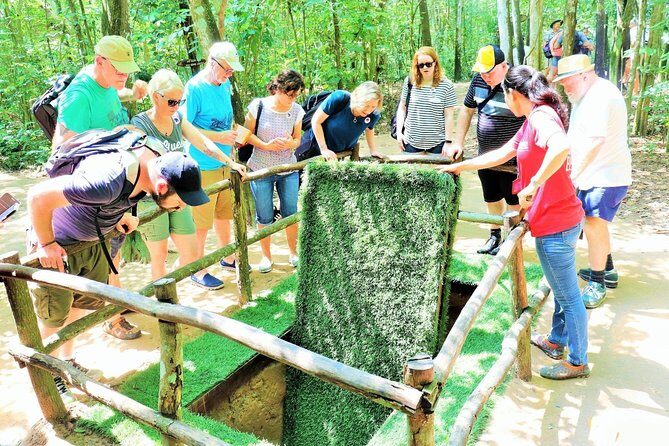
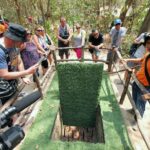
This trip fits well as part of a bigger day plan, especially if you’re already doing something like Cu Chi tunnels. The logic is simple: you’ll be using one day to cover countryside farming and another day (or paired time) for the historically focused outing.
If your schedule is tight, you’ll appreciate that this experience is long enough to feel complete on its own—yet it still works as a segment of a broader Vietnam itinerary.
Who should book this farm cooking class?
This is a strong choice if you:
- want a hands-on cooking lesson (not just tasting)
- like learning where food comes from, not only how to cook it
- prefer smaller groups and smoother logistics
- want practical recipes you can repeat at home
You might choose a different option if:
- you’re only interested in one or two specific dishes and don’t want the full day
- you’re counting on milking a cow as an absolute must-do (it can vary)
- you want a very short outing with minimal walking and standing
Should you book the Ho Chi Minh City Full-Day Farm and Cooking Class?
Yes, I think you should book this—if you want the best kind of souvenir: skills.
The core strength is the combination of farm context plus real cooking time. You’re not only learning recipes for prawn wraps, papaya salad, and banana spring rolls. You’re learning how ingredients are selected, why freshness and technique matter, and how to think in terms of flavor balance.
Just go with the right expectations. Treat farm animal activities (like milking) as a possible bonus, not a guaranteed headline moment. Then focus on what’s consistently supported: small-group instruction, hands-on cooking, and a full day of included meals and practical recipes.
FAQ
What time does the tour start?
The start time is 8:00am.
How long is the Ho Chi Minh City full-day farm and cooking trip?
It runs for about 8 hours.
What is the price per person?
The price is $73.00 per person.
Is hotel pickup and drop-off included?
Yes. Hotel pickup and drop-off are included.
How many people are on the tour?
The experience has a maximum of 8 travelers.
What dishes will I cook?
You’ll create dishes including prawn wraps, papaya salad, and banana spring rolls.
What’s included in the price?
Included are lunch, all activities, a driver/guide, hotel pickup and drop-off, private vehicle transport, bottled water, and coffee and/or tea.
Are recipes included?
Yes. You receive recipes along with a certificate.
Do I need to bring anything for drinks?
Drinks are not included beyond what’s listed as coffee/tea and bottled water.
Is full cancellation possible?
Free cancellation is available, and you can cancel up to 24 hours in advance for a full refund.
If you tell me your travel dates and whether you want this as a standalone day or paired with tunnels, I can help you map the schedule around it.