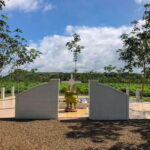
Saigon has a bunker secret. This Ho Chi Minh City walking tour pairs the downtown sights you came for with two Vietnam War stops you probably would skip on your own. I like that it keeps things compact, with an intimate group feel and time for real questions, not just photo stops.
What I love most is the way the tour balances big-name landmarks with human-scale stories. I also like the chance to see a quieter side of Saigon at stops like the Thích Quảng Đức memorial and the Secret Weapons Cellar. One possible drawback: the Vietnam War themes are heavy, so if you want only light sightseeing, this one may feel emotionally intense.
In This Review
- Key things worth knowing before you go
- Getting Oriented in District 1, Without Feeling Rushed
- The Downtown Saigon Sights You’ll Walk Past (and Why They Matter)
- Stop 1: The Secret Weapons Cellar (War History You Can See)
- Stop 2: A Pause Inside Your Guide’s Family World
- Stop 3: Thích Quảng Đức Memorial and Protest in Plain Sight
- Stop 4: Tòa Tổng Giám Mục Sài Gòn (Oldest Building Energy)
- Stop 5: War Remnants Museum (Powerful Exhibits, Budgeting Needed)
- Stop 6: Lê Quý Đôn High School (Colonial-Era Education in Brick Form)
- Stop 7: Independence Palace (Reunification Palace) and the End of 1975
- Price, Tips-Only Format, and What to Budget
- How the Tour Feels on the Ground (and Who It Fits Best)
- Should You Book This Hidden Bunker & Vietnam War Walking Tour?
- FAQ
- How long is the Ho Chi Minh City hidden bunker and Vietnam War walking tour?
- Is this tour free?
- What’s included in the tour price?
- Do I need to pay admission fees during the tour?
- Which places does the tour cover?
- Where do I meet for the tour?
- Where does the tour end?
- How large is the group?
- Is there a vegetarian option?
- Is the ticket digital?
- What is the cancellation policy?
Key things worth knowing before you go
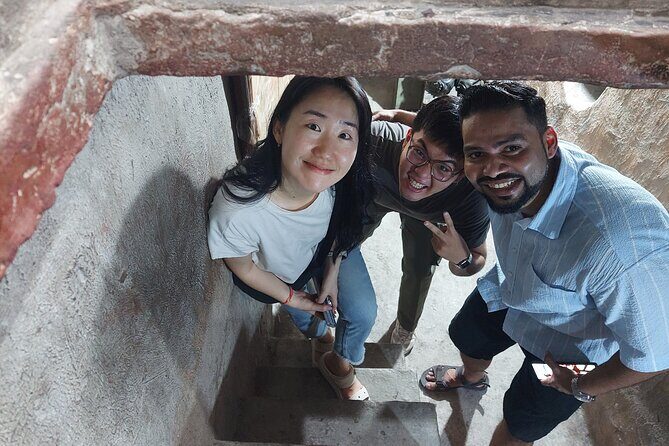
- Secret Weapons Cellar: a Vietnam War relic that’s easy to miss when you’re just following major streets
- Time with the guide’s family: you’ll pause inside a home setting and hear stories over coffee
- Thích Quảng Đức memorial: a moving tribute that adds meaning to the war-era context
- French-era architecture on foot: you’ll pass major colonial buildings while your guide explains what you’re seeing
- Small-group pace: the tour is designed for close attention (and the overall activity keeps a cap on size)
- Plan for two small admission fees: the bunker and the War Remnants Museum cost extra on the day
Getting Oriented in District 1, Without Feeling Rushed

This tour is a smart way to start a Saigon (Ho Chi Minh City) trip because it does two jobs at once: you get your bearings fast, and you learn what to notice while you’re walking. In about 2 to 3 hours, you cover a lot of central District 1 in a way that feels manageable, even when the city is busy.
The meeting point is very straightforward: a 7-Eleven at 23 Tôn Thất Tùng, Phường Phạm Ngũ Lão, Quận 1. You finish near the Independence Palace area (the tour notes the end as Independence Palace / Ben Thanh, District 1), which is handy because it keeps you close to key sightseeing and transport.
You’ll move as a guided group (the experience describes an intimate group no larger than eight), so the pace is more “chatty walk” than “line up and shuffle.” You also get a local expert guide fluent in English, which matters here because the tour is not just about buildings—it’s about meaning.
You can also read our reviews of more walking tours in Ho Chi Minh City



The Downtown Saigon Sights You’ll Walk Past (and Why They Matter)
Even when the schedule focuses on specific stops, the tour also takes you through Saigon’s central colonial quarter. Expect to see the kinds of landmarks that define the city’s “then and now” look, including the Saigon Opera House, the People’s Committee Building, the Central Post Office, and the Saigon Notre-Dame Basilica. The route also ties in post-colonial history at major political sites.
This is more than a checklist. You’ll learn how these structures relate to each other—French colonial power, Vietnamese adaptation, and then the later political shift that reshaped the city. If you’ve ever stood in front of an impressive building and wondered what your eyes are supposed to catch, this is the fix.
A small plus: walking through this area makes it easier to understand distances and direction. By the time you’re done, you’ll know what’s near what, so your next day’s plans feel less guessy.
Stop 1: The Secret Weapons Cellar (War History You Can See)
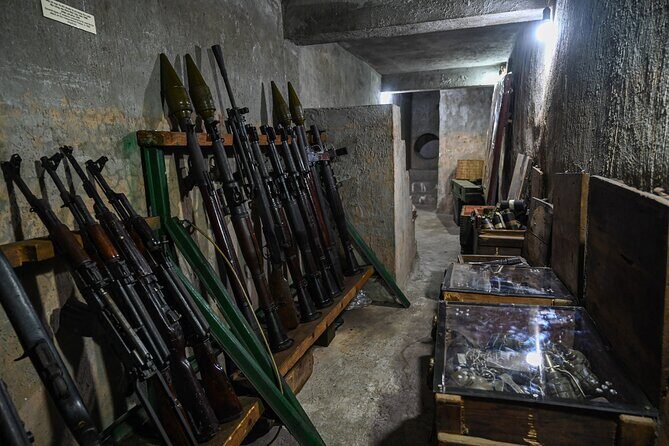
The first major stop is the Saigon Secret Weapons Bunker, also described as the Secret Weapons Cellar. This is the kind of Vietnam War site that often gets overlooked when people stick to the most obvious museums and monuments. The tour gives you the setting and the reason it exists before you’re left to interpret it on your own.
You’ll get about 20 minutes here, and the admission is listed as $2 per person for the weapon bunker. That fee is a small add-on, but it’s worth thinking about: you’re paying for access to a physical relic of conflict, not just a set of photos.
Why I think it works on foot-and-walk days: you’re still in the “city pace,” not stuck in one long museum timeline. It gives the tour emotional weight early, and then the rest of the walk helps you process what you’ve seen.
Stop 2: A Pause Inside Your Guide’s Family World

Next up is a more intimate stop labeled Vietnam Tourist Guide, where the tour takes you into the guide’s family space. You sit together in a living-room setting, you’ll see history reflected in photos on the wall, and you hear stories told over coffee.
This is one of those parts that changes the whole tone of the tour. It’s not a lecture hall. It’s a human setting where context sounds personal because it’s local. For me, that’s the difference between reading about a country and starting to understand how people experienced it.
There’s no admission fee listed for this stop. It’s also where the guide’s English matters, since you’ll be asking questions and getting answers that connect the city’s visible past to everyday life.
If you’re the kind of traveler who likes to ask, Why did this happen? and What did people do next? you’ll get a lot out of this segment.
Stop 3: Thích Quảng Đức Memorial and Protest in Plain Sight

The tour then visits the Thích Quảng Đức Memorial, which honors the Buddhist monk who self-immolated in protest. The schedule keeps this around 20 minutes, and there’s no admission listed for this stop.
This is where your understanding of the Vietnam War broadens. It’s not only military and politics—it also includes moral and religious resistance. Even if you already know the headline, a memorial stop forces you to slow down and look at the symbolism, not just the story.
Practical note: this is a reflective stop. If you’re sensitive to heavy subject matter, take your time here and don’t feel pressured to rush along with the group.
You can also read our reviews of more city tours in Ho Chi Minh City





Stop 4: Tòa Tổng Giám Mục Sài Gòn (Oldest Building Energy)
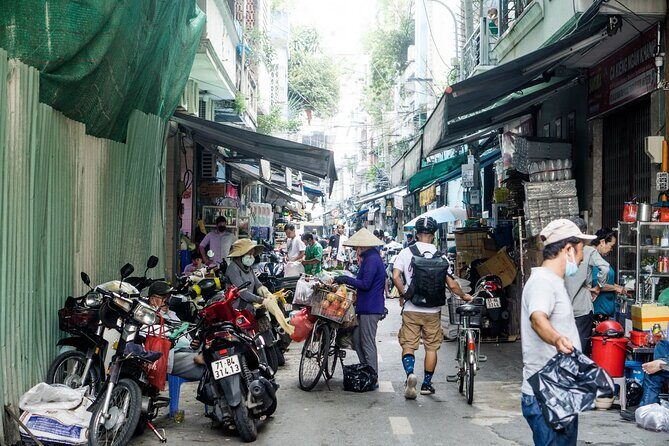
From there, you’ll go to Tòa Tổng Giám Mục Sài Gòn, located in the French Archbishop’s Palace. The tour description notes it as Saigon’s oldest building, with origins tied to Lord Nguyen Anh in 1790, long before Emperor Gia Long’s reign.
This portion is shorter—about 10 minutes—and there’s no admission fee listed. But it’s a quick win if you like architecture that has layers. You’re seeing how religious and colonial power showed up in stone, tiles, and layout.
If you’ve got limited time in Saigon, this sort of “short stop, big context” is a good use of minutes. It keeps the tour moving while still giving you something to notice beyond the obvious.
Stop 5: War Remnants Museum (Powerful Exhibits, Budgeting Needed)
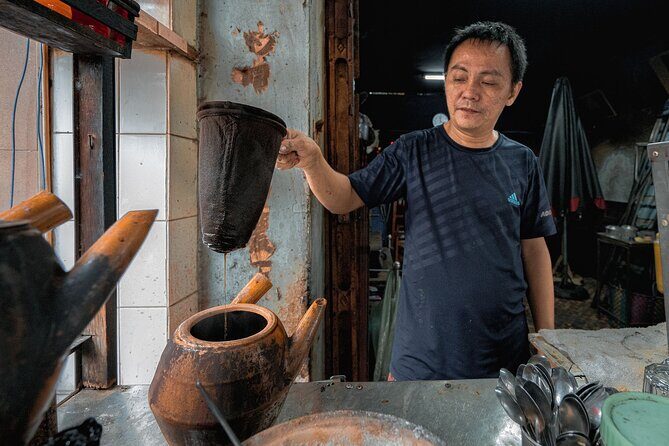
The biggest museum stop is the War Remnants Museum, scheduled for about 1 hour. Admission here is not included, and the tour notes $2 per person for the War Museum admission.
This museum is designed to show the Vietnam War’s impact through photographs, military artifacts, and exhibits. Expect it to feel intense. If your idea of a good day is bright, light, and purely sightseeing, you may want to plan extra rest after this—because the museum content is built to stay with you.
On the plus side, one hour is enough to get the “shape” of what the museum wants to communicate without burning your whole afternoon. A guide can also help you read what you’re seeing, so you’re not standing in front of displays wondering what matters.
Stop 6: Lê Quý Đôn High School (Colonial-Era Education in Brick Form)
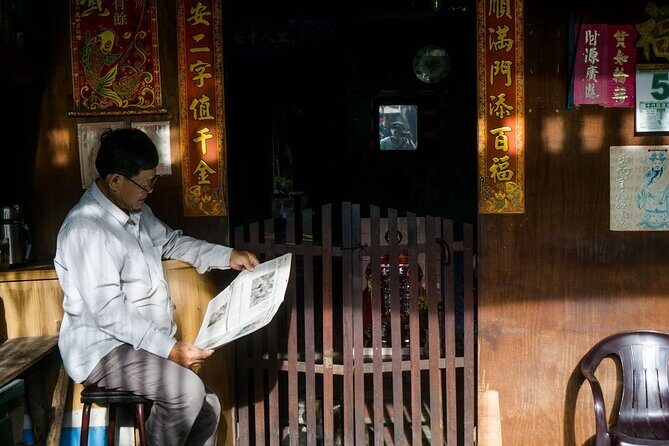
You’ll then visit Lê Quý Đôn High School, described as the first French colonial school in Saigon. The tour frames it as a symbol of early blending between Vietnamese and French culture, and you spend around 10 minutes here.
No admission fee is listed for this stop. This is a nice contrast after the heavy war material: education is a different kind of power, and seeing a school tied to colonial history helps you understand the “systems” side of the past.
If you like details, this stop gives you something specific to carry into the rest of your city walk: not just what happened in war, but how influence showed up in daily life and institutions.
Stop 7: Independence Palace (Reunification Palace) and the End of 1975
The tour ends at Independence Palace (also called the Reunification Palace). The description explains that it was the presidential home and command center, and that it now symbolizes reunification, with preserved rooms and a rooftop helipad.
You’ll spend about 10 minutes at this stop, and the tour notes that admission isn’t included for it. That time is short, but it’s a strong “bookend” to the war-focused content earlier in the walk.
Why this matters: the day moves from war relics and memorials to a place representing political change. Even if you don’t go deep into every room, you’ll understand the story arc the tour is building.
If you want more time here, you’ll be well positioned at the end. You can also continue exploring the nearby central areas without backtracking.
Price, Tips-Only Format, and What to Budget
The listed price is $0.71 per person, and the tour operates on a tips-only basis. In other words, the amount you pay up front is likely not the full story of what you’ll want to plan for. You should think of this tour as: pay a small platform fee, then budget your main costs for tipping and any on-site admissions.
On the admission side, the tour specifically notes $2 per person for the weapon bunker and the War Museum. So even though the tour is budget-friendly, you still want a little cash or card-ready funds for those two paid entries.
Is it good value? I think so, especially because the tour includes a local English-speaking guide and keeps the group tight enough to ask questions. At this price point, you’re paying for direction, interpretation, and a walk that hits major sights plus war-era sites that many first-time itineraries don’t cover.
One smart move: bring a bit of small change. When you’re dealing with multiple paid stops, it’s easier if you don’t have to scramble at the entrance.
How the Tour Feels on the Ground (and Who It Fits Best)
If you like your sightseeing with context, this tour is a good match. You’ll see colonial and post-colonial architecture in one pass, and then you’ll get the Vietnam War side through the bunker, memorials, and museum.
You’ll also feel the “small group” effect. A group capped at eight (with the overall activity limit also stated) means you’re not just being herded. You have time to ask what things mean, and your guide can steer the pace to the group.
On the suitability side, it’s best for:
- first-time visitors who want a quick orientation plus key history
- people who enjoy walking tours that explain architecture and politics, not just photo points
- anyone comfortable with war-related content
It’s maybe not ideal if:
- you want a light, purely scenic half day
- you get overwhelmed by emotionally heavy topics in museums and memorials
Should You Book This Hidden Bunker & Vietnam War Walking Tour?
I’d book it if you want an efficient introduction to Ho Chi Minh City that goes beyond the postcard stops. The mix of downtown landmarks, the Jade Emperor Pagoda (included as a highlight in the tour overview), and the Vietnam War-focused sites gives you a balanced understanding of how the city looks and what shaped it.
Also, pay attention to the guide factor. Detoured Asia runs it with a local expert fluent in English, and one guide named Joseph is noted for going the extra mile—like arranging transfers from a cruise port and helping with small real-world issues at the start. That kind of practical support matters when you’re trying to hit a schedule in a new city.
My main caution is emotional: this route includes war history and memorials. If you’re okay with that, it’s a thoughtful, well-paced way to spend your time.
FAQ
How long is the Ho Chi Minh City hidden bunker and Vietnam War walking tour?
It runs about 2 to 3 hours.
Is this tour free?
It operates on a tips-only basis. The listing shows a price of $0.71 per person, but the experience itself is designed for tipping.
What’s included in the tour price?
A local expert guide fluent in English is included. The tour is tips-only.
Do I need to pay admission fees during the tour?
Yes. The weapon bunker and the War Remnants Museum have an admission fee of $2 per person.
Which places does the tour cover?
You’ll visit the Secret Weapons Cellar, the Thích Quảng Đức memorial, Tòa Tổng Giám Mục Sài Gòn, the War Remnants Museum, Lê Quý Đôn High School, and Independence Palace. The tour overview also includes the Jade Emperor Pagoda.
Where do I meet for the tour?
You meet at 7-Eleven, 23 Tôn Thất Tùng, Phường Phạm Ngũ Lão, Quận 1, Ho Chi Minh City.
Where does the tour end?
The tour ends at Independence Palace, near Ben Thanh in District 1.
How large is the group?
The tour description says the guided group is no larger than eight, and the maximum size for the activity is listed as 20 travelers.
Is there a vegetarian option?
Yes. A vegetarian option is available if you advise during booking.
Is the ticket digital?
Yes, the tour uses a mobile ticket.
What is the cancellation policy?
Free cancellation is available up to 24 hours in advance for a full refund.