REVIEW · HO CHI MINH CITY
Lotus Experience
Book on Viator →Operated by WEAW EXPERIENCE TRAVEL COMPANY LIMITED · Bookable on Viator
Lotus teaches a lot in four hours. The Lotus Experience in Ho Chi Minh City links street-level sights to deeper meaning, starting at a major flower market and ending with lotus in art, tea, and a full lotus-based vegetarian meal. I especially liked how the evening pacing shows lotus from day-to-night uses, and I also liked the food side: an all-lotus dinner where lotus rice, lotus salad, and lotus milk take center stage. One heads-up: this tour’s final meal is vegetarian and built around lotus, so it is not the best fit if you want a meat-heavy dinner.
You get private transportation, a private guide, and pickup is offered, which makes the whole thing feel smooth and low-stress. There is also bottled water, a welcome gift set, and live Vietnamese folk music, so you’re not just listening to explanations while you wait around.
In This Review
- Key highlights in this Lotus Experience
- Why the Lotus Experience feels different from a typical city tour
- Ho Thi Ky Flower Market: lotus in the real world, not just a symbol
- Quoc Tu Pagoda: learning lotus symbolism with an offering mindset
- B/S Art Studio: lotus tea, dessert, and historical tunes
- The all-lotus vegetarian dinner: what you’re really buying for $93
- Timing in late afternoon: why the 3:30 pm start is smart
- Price and logistics: what your money covers (and why that matters)
- Who should book the Lotus Experience
- Should you book Lotus Experience in Ho Chi Minh City?
- FAQ
- What time does the Lotus Experience start?
- How long is the Lotus Experience?
- Where is this Lotus Experience located?
- How much does the Lotus Experience cost?
- Is pickup available?
- Is the tour private?
- What’s included in the price?
- Is there lotus tea and dessert?
- Is the dinner vegetarian?
- Does the tour require good weather?
- What is the cancellation policy?
Key highlights in this Lotus Experience
- Ho Thi Ky Flower Market: see lotus flowers up close and learn what makes them so meaningful in daily life
- Quoc Tu Pagoda symbolism: understand lotus in Buddhism, then connect it to offerings and practice
- Hands-on lotus transformation: learn how the flower is used for decoration and how it becomes food
- Lotus-based vegetarian dinner: lotus rice, lotus salad, and lotus milk, plus an evening that feels personal
- B/S Art Studio with lotus tea and dessert: historical tunes, lotus tea, and a final cultural stop with atmosphere
Why the Lotus Experience feels different from a typical city tour
Most Ho Chi Minh City tours either focus on history or on food. This one does both, but it uses one idea—the lotus—to connect the dots. Lotus is a familiar flower worldwide, yet in Vietnam it is also a symbol tied to purity, vitality, and the ability to rise from hard places. You do not just hear that. You watch lotus move through real uses: decoration, food, and spiritual offerings.
That approach matters for your travel brain. When you see meaning attached to everyday life—flowers sold at market level, symbolism shown in a pagoda setting, and lotus turned into dinner—it sticks. You leave with more than photos. You get a mental map of why people in Vietnam treat lotus as more than a pretty plant.
And at the practical level, the tour is timed well. Starting in the late afternoon and running about 4.5 hours means you catch the flower market in day light, then shift into evening spirituality and indoor calm. It is one of those schedules that quietly improves everything.
You can also read our reviews of more tours and experiences in Ho Chi Minh City.


Ho Thi Ky Flower Market: lotus in the real world, not just a symbol
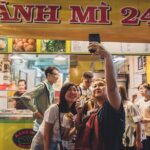
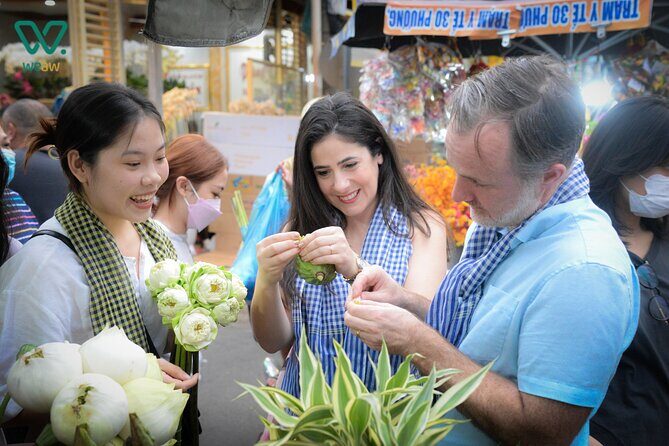
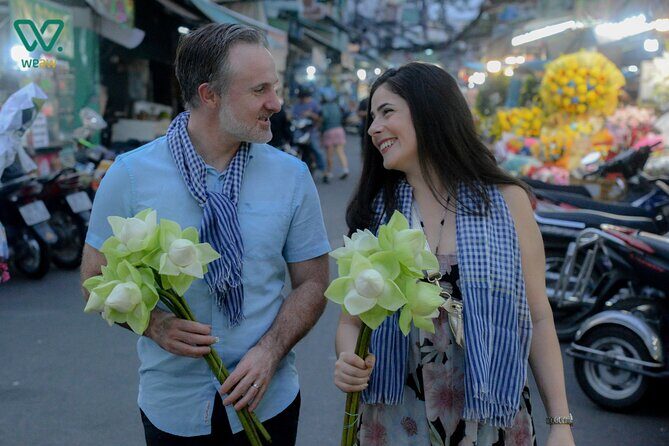
Your tour begins at Ho Thi Ky Flower Market, where lotus flowers are the main character. This is not a museum stop where everything is behind glass. This is where you see the lotus as a commodity and a craft item—something people buy, arrange, and use.
Here’s what I’d pay attention to if you want the most out of this stop:
You’ll get a closer look at the lotus flower, including its structure and why people connect that structure to meaning. Lotus petals and stems are not random shapes to Vietnamese cultural thinking. The flower’s growth pattern and its appearance in water links directly to the idea of rising from difficult conditions while still blooming beautifully.
You’ll also get to see lotus as a multi-use plant. The tour frames lotus as something that can be processed for food. That matters because your dinner later is not a surprise trick. You’ll already have the story ready in your head when you taste lotus rice, lotus salad, and lotus milk.
My practical tip: bring your phone camera, but also bring curiosity. This stop is at its best when you slow down and look closely at how vendors present the flowers and how the flower itself looks in different stages.
A possible downside here is also simple: flower markets mean people, colors, and movement. If you hate crowds or prefer quiet sightseeing, go in with a calm mindset and use your guide to help you focus.
Quoc Tu Pagoda: learning lotus symbolism with an offering mindset
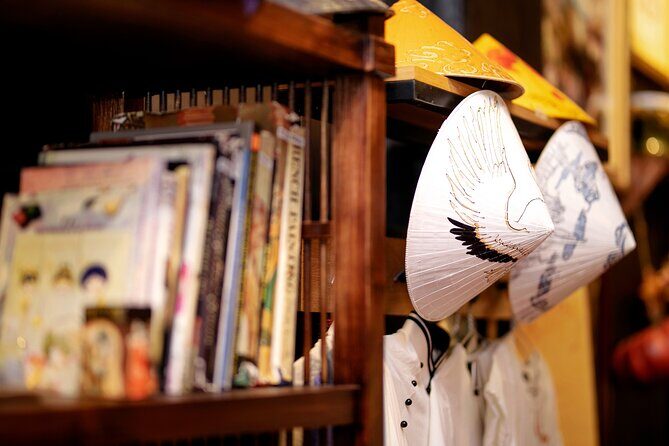
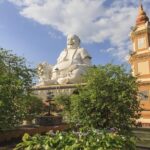
After the market, the tour shifts into spiritual context at Quoc Tu Pagoda. This is where lotus stops being a flower fact and becomes a lived symbol.
The tour’s focus is on the symbolic meanings of lotus in Buddhism, and you get to see how that symbolism connects to practice. In many Buddhist settings, lotus imagery is about purity and spiritual growth. In this tour format, you are not just hearing a generic explanation—you are guided to understand why lotus appears again and again in Buddhist life, including in how it is used as an offering.
What I like about this pagoda stop is the tone. It is designed to feel slow and reflective compared to the market energy. You are timed so day light to evening light matters: lotus symbolism often feels more powerful when you experience it in the quiet of evening spaces rather than in bright afternoon rush.
Practical comfort note: you’ll likely do some walking between stops and time inside. Wear shoes that handle uneven sidewalk or market-area surfaces, and keep a layer handy for the temperature shift from late afternoon to night.
B/S Art Studio: lotus tea, dessert, and historical tunes
The final cultural swing happens at B/S Art Studio, described as a special art gallery stop. This is a good match for the way the tour is built: you have market reality, pagoda meaning, and now you get artistic interpretation.
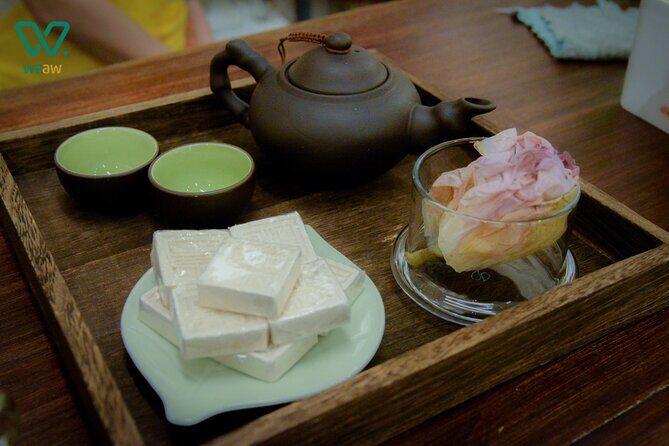
At this stage, you drink lotus tea and snack on dessert, while listening to historical tunes. The point is not just entertainment. It is a way to connect lotus to Vietnam’s past, present, and future, through sound and atmosphere in a gallery setting.
For me, this part works because it gives your senses a rest. After temples and market streets, tea and dessert create a soft landing. You also get a moment to let the lotus story turn into something personal. Even if you only remember a few details from earlier, you’ll still have the taste and mood to anchor the experience.
If you’re a person who likes art but worries you’ll only get lecture-style facts, this stop is a fair compromise: there is guidance, but there’s also time to slow down, sip tea, and listen.
The all-lotus vegetarian dinner: what you’re really buying for $93
This is the big value lever in the Lotus Experience. The meal is not a side event. It is the cultural payoff.
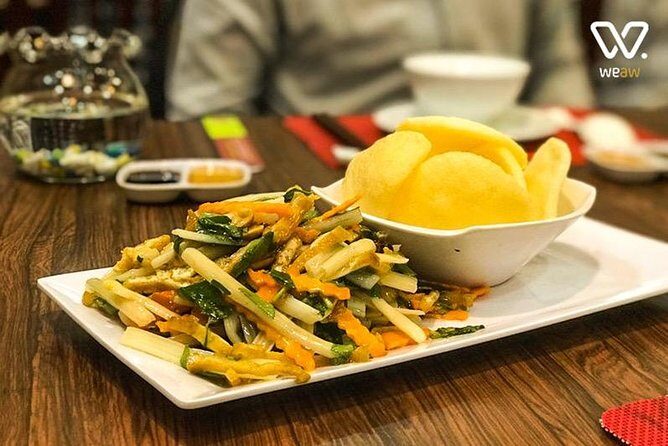
Dinner is described as a special meal where all ingredients are made from lotus, including lotus rice, lotus salad, and lotus milk. You also get live Vietnamese folk music during the experience. That combination means you are not just eating vegetarian food—you are eating a lotus-focused food concept with a mood.
Here’s why I think this is strong value at $93 for about 4.5 hours:
- You’re getting a full experience, not just a restaurant meal. The dinner is built into a guided cultural arc.
- You’re paying for logistics that are usually annoying on your own: private transportation, a private guide, and bottled water.
- You’re paying for a specific theme—lotus as food—which you would struggle to recreate just by wandering restaurants.
A realistic consideration: if you strongly prefer non-vegetarian meals, or you do not like food that’s built around a single ingredient concept, this dinner may feel narrow. But if you enjoy tasting, especially with a guided explanation, this is where the tour earns its name.
How to get the most out of dinner: go in with an open mind and try to connect what you learned at the market to what you taste. Lotus as a symbol is one layer. Lotus as a plant with edible uses is the other layer.



Timing in late afternoon: why the 3:30 pm start is smart
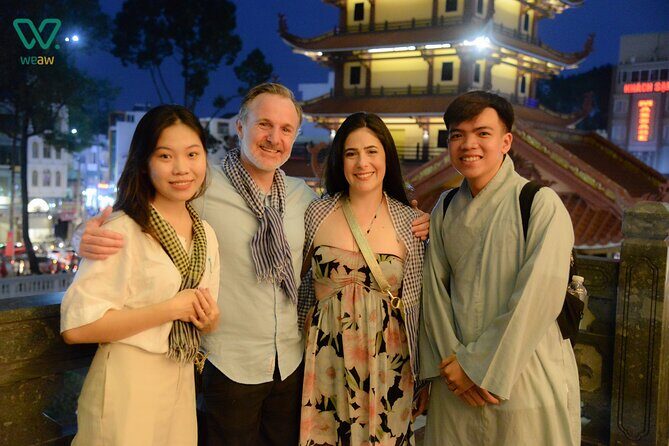
The tour starts at 3:30 pm, and the flow is designed to show lotus use across the day. You begin with the flower market, when lotus is visible as a vibrant product in daylight. Then you move toward a pagoda setting as evening approaches, so the symbolism lands in a calmer, quieter environment.
By the time you reach the art studio, you’re in full evening mode. Lotus tea, dessert, and historical tunes become part of the atmosphere, not just a finishing touch.
This schedule helps you in a very practical way: it fits into a normal day without stealing your whole afternoon or forcing a late-night slog. For many people, it’s also a good way to balance a city visit with something more reflective.
If you hate evening outings due to heat or tiredness, plan a low-effort afternoon before this one. Eat earlier, hydrate, and treat the start time like a cue to slow down.
Price and logistics: what your money covers (and why that matters)
At $93, this tour is positioned as value rather than a budget street wander. The cost makes more sense when you look at what’s included:
- Private tour guide and driver
- Private transportation
- Welcome gift set
- Bottled water
- Live Vietnamese folk music
- All-fee and tax coverage
- A lotus-based vegetarian dinner with multiple lotus dishes
- Mobile ticket
That is a lot bundled into one package. If you tried to piece it together yourself, you’d spend time coordinating transport, finding the right dinner concept, and building a coherent storyline across market, pagoda, and gallery.
Also, the tour is private, meaning only your group participates. That can matter if you want questions answered directly or if you want your pace to stay comfortable.
One more detail that helps: pickup is offered. That removes one of the biggest friction points in Ho Chi Minh City—figuring out where to meet and how to get everyone moving on time.
Who should book the Lotus Experience
This tour fits best if you want one theme to connect multiple parts of a city visit. I think it’s especially good for:
- Couples and honeymoon-style trips where you want a thoughtful, paced evening rather than a checklist rush
- Food-focused travelers who like tasting concepts tied to culture
- People who appreciate Buddhism and symbolism, but want it explained in plain, practical terms
- Vegetarian travelers who want something more specific than a generic vegetarian meal
If you prefer fast, independent sightseeing and you dislike vegetarian lotus food concepts, you might find it too focused.
Should you book Lotus Experience in Ho Chi Minh City?
Yes, if lotus is your kind of theme and you like cultural meaning tied to real tastes. This is a well-timed evening with strong ingredients: market close-up, pagoda symbolism, and a dinner that actually follows the theme instead of just using it for branding.
Book it if you want a smoother, private way to experience Ho Chi Minh City that does not feel like another random stop list. The guide, the private transport, the all-lotus dinner, and the live folk music are the combination that makes it feel worth your time.
Skip it if you’re looking for meat-forward dining, fast photo ops, or a tour that stays purely outdoors.
FAQ
What time does the Lotus Experience start?
The tour starts at 3:30 pm.
How long is the Lotus Experience?
It lasts about 4 hours 30 minutes.
Where is this Lotus Experience located?
It’s in Ho Chi Minh City, Vietnam.
How much does the Lotus Experience cost?
The price is $93.
Is pickup available?
Yes, pickup is offered.
Is the tour private?
Yes. It’s a private tour/activity, and only your group participates.
What’s included in the price?
Inclusions include dinner with ingredients made from lotus, bottled water, live Vietnamese folk music, all fees and taxes, private transportation, a private tour guide and driver, and a welcome gift set.
Is there lotus tea and dessert?
Yes. At the final art gallery stop, you’ll have lotus tea and dessert.
Is the dinner vegetarian?
The dinner is described as Vietnamese vegetarian cuisine, with multiple dishes made from lotus.
Does the tour require good weather?
Yes. The experience requires good weather, and if it’s canceled due to poor weather you’ll be offered a different date or a full refund.
What is the cancellation policy?
You can cancel for free up to 24 hours in advance for a full refund. If you cancel less than 24 hours before the start time, the amount paid is not refunded.