REVIEW · COOKING CLASSES
Market to Farm to Table Cooking Class in saigon
Book on Viator →Operated by HCM Cooking Class · Bookable on Viator
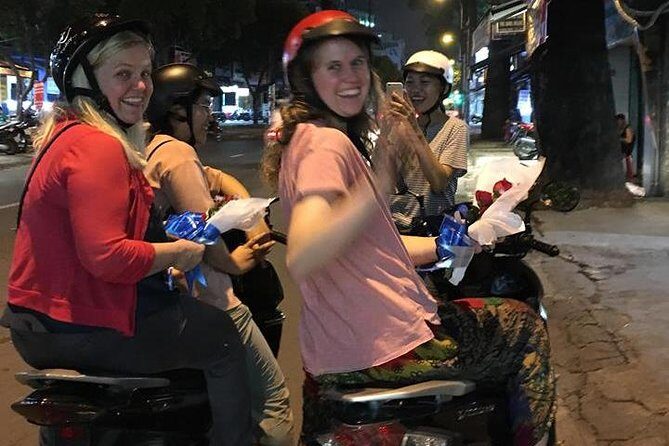
One early morning can change how you cook Vietnamese.
This full-day class links the wet market to an organic farm and ends with you making and eating four classic dishes. I like that you learn ingredients before you touch the stove, and I also like the small-group setup (max 15), which keeps the chef’s attention on you. One thing to consider: it’s a long day (about 8 hours) starting at 7:30am, and you’ll want to be okay with getting around and cooking in warm weather.
If you care about real food—where it comes from and how it tastes—you’ll enjoy this. There’s a welcome by farmer style with a traditional hat and basket, then you move through produce, herbs, and seafood. After that comes the best part: 100% hands-on cooking where you plate your own results, not just watch.
The value feels strong because lunch is part of the plan: snacks, a 4-course lunch, bottled water, and coffee/tea. Drinks are not included, so bring a little cash mindset for extras if you want something beyond coffee or tea.
In This Review
- Key things to look forward to
- From 7:30am to dinner plans: how the day actually runs
- Wet market mornings: learning herbs, fruit, and seafood the practical way
- Organic farm time: the farmer welcome and what you learn about plants
- The four-dish cooking block: how “hands-on” stays hands-on
- Eating your work: lunch, coffee/tea, and a real 4-course payoff
- Price and value in Saigon: $70 for market, farm, and 4 dishes
- Practical tips to get more out of it
- Who should book this class (and who might not)
- Should you book this market-to-farm cooking class in Saigon?
- FAQ
- What time does the cooking class start in Ho Chi Minh City
- How long is the Market to Farm to Table cooking class
- Is hotel pickup and drop-off included
- How many people are in the class
- Do they offer vegetarian options
- Is drinks beyond coffee and tea included
- What is the cancellation window
Key things to look forward to
- Small-group limit (15 max) for more direct help and questions
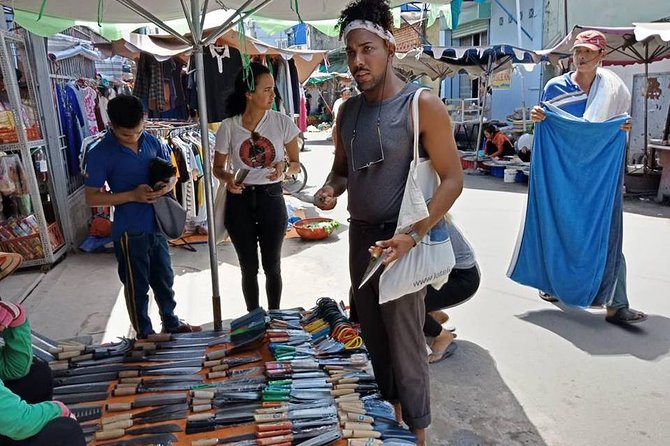
- Wet market visit to learn ingredients like herbs, produce, and seafood
- Organic farm produce picking after you understand what you’re choosing
- Hands-on cooking for 4 dishes with recipe support to take home
- Lunch + snacks + coffee/tea so you’re not paying extra just to eat
- Certificate of completion as a fun keepsake for your trip
From 7:30am to dinner plans: how the day actually runs
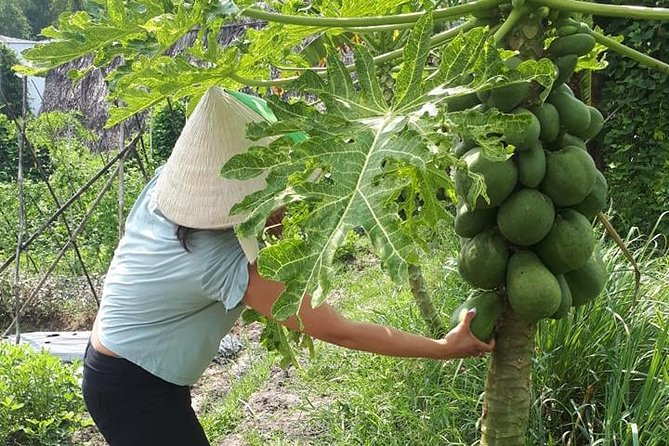
The day starts at 7:30am in Ho Chi Minh City (Saigon), and the total time is about 8 hours. Expect hotel pickup and drop-off, which is a big help if you’re staying farther out or don’t want to navigate traffic while still half-awake.
The flow is pretty logical:
1) you meet ingredients at a wet market,
2) you learn about plants and farming on a nearby farm,
3) you pick what you’ll cook, and
4) you cook four dishes together and eat them right after.
Because it’s structured like that, you’re not stuck doing one long activity where you’re bored and waiting. You’re constantly moving from information to doing something with your hands. That matters, especially if you’ve taken other cooking classes where the market portion feels like a quick photo stop.
Wet market mornings: learning herbs, fruit, and seafood the practical way
A lot of Saigon cooking classes stop at the basics: vegetables, maybe noodles, maybe a quick pass by stalls. This one takes you through a wet market with a focus on variety and what those ingredients do for flavor.
You’ll explore lots of items—especially fresh fruit and what the market carries that shows up in Vietnamese cooking. One detail I found especially useful is how the guide talks about ingredients you might not recognize, then connects them back to cooking decisions. That way, you’re not just collecting random veggies. You start understanding why Vietnamese food tastes the way it does.
There’s also mention of lively ingredients like seafood. Even if you don’t eat seafood at home, it helps to see how common seafood is in Vietnamese menus and how market freshness affects the final taste.
What to do during the market walk:
- Ask your guide what herbs are most important for the dishes you’re cooking later.
- If you have dietary needs, flag them early so substitutions can be planned.
Organic farm time: the farmer welcome and what you learn about plants
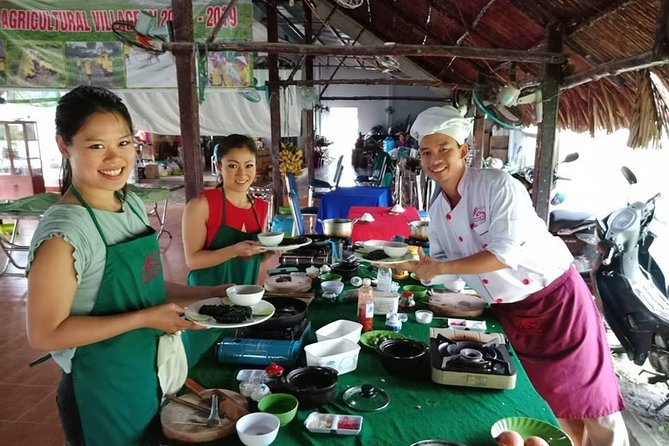
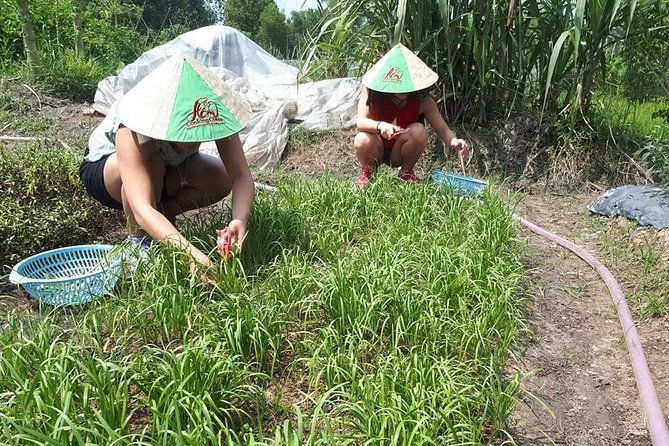
After the market, you head to the farm and get a welcome that feels more personal than a standard tourist stop: a farmer-style greeting with a traditional hat and basket. It’s a small touch, but it sets the tone. This is about learning, not just checking boxes.
On the farm you’ll see organic growing and spend time learning what’s grown there—things like different vegetables, mints, and mushrooms. The emphasis isn’t just on what to pick, but on how plants connect to nutrition. You also get to see the physical reality of farming: rows of crops, herbs with strong smells, and produce that looks different from what you may see back home.
Then comes the part that makes it worth doing: you pick your own produce. That single step changes the whole class. When you select what goes into your dishes, you cook with more confidence. You’re also more likely to remember what you chose and how it tasted.
If you’re thinking about buying ingredients later in Saigon, this is the timing to get your bearings. You’ll understand what the chef uses most and how fresh herbs should look.
The four-dish cooking block: how “hands-on” stays hands-on
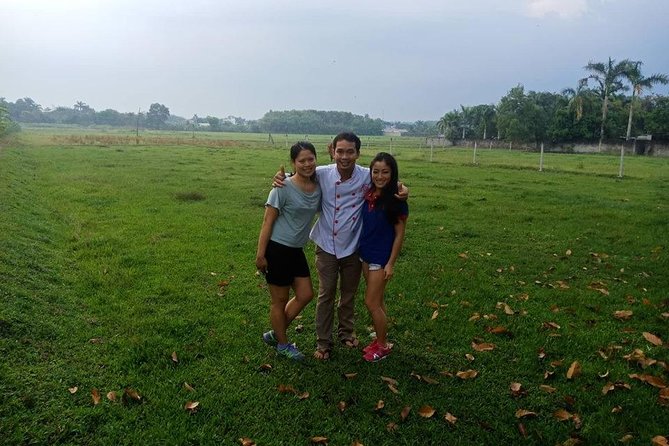
The headline here is simple: it’s 100% hands-on cooking, and you’ll prepare four different authentic Vietnamese dishes. That means you’re chopping, mixing, assembling, and cooking as a group—not standing off to the side while someone else does the work.
Because the group size tops out at 15, you’re not fighting for attention. In past sessions, chefs and guides have been friendly and patient with beginners while still teaching the classic basics. Names that have shown up with this experience include Chef Tan, and guides such as Chef Daisy and Alice have led market and farm moments. If one of them is your instructor, that’s a plus—but the bigger takeaway is that the teaching style is welcoming, not intimidating.
Two helpful things to keep in mind as you cook:
- Vietnamese flavor often comes from the balance of herbs, aromatics, and sauce choices. If you’re unsure about an ingredient, ask. Most confusion clears fast once you know what role the ingredient plays.
- If you want vegan/vegetarian changes, do it at booking. A vegetarian option is available, and the chef has accommodated course variations in past classes. The sooner you tell them what you avoid, the easier it is to keep the class running smoothly.
You’ll end up eating what you cook, so don’t be shy about taking small notes. Even if you don’t write down recipes during class, the recipes are provided afterward.
Eating your work: lunch, coffee/tea, and a real 4-course payoff
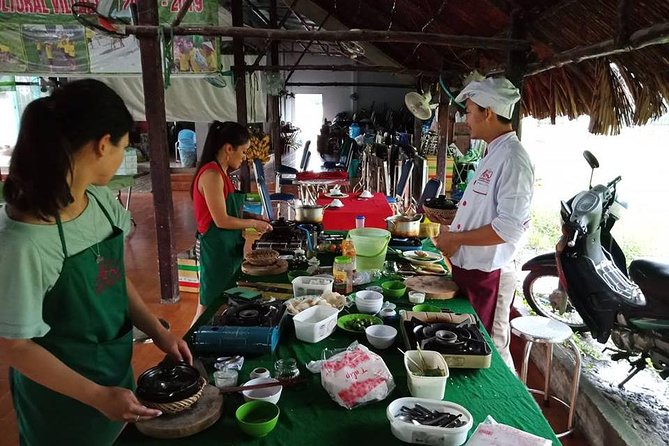
This isn’t a token snack. The price includes lunch and snacks, and you’ll have a 4-course lunch. That’s the part that makes the day feel like a full meal plan rather than just a cooking activity.
You’ll also get coffee and/or tea as part of the included items, plus bottled water. Drinks beyond that aren’t included, so if you love juice, soda, or fancy drinks with lunch, plan for it.
What I like about the way this is built is that the eating part reinforces the cooking lessons. When you taste what you made right after learning it, you connect technique to outcome. And because the ingredients came from the market and the farm, the flavors feel tied to place, not just to a recipe card.
You also receive a certificate of completion and the recipes to take home. That combination is useful: the certificate gives you a reason to bring it home and keep it, and the recipes help you repeat the dishes later.
Price and value in Saigon: $70 for market, farm, and 4 dishes
At $70 per person, this class can look pricey until you break down what’s included. You’re paying for:
- hotel pickup and drop-off
- market + farm experiences
- a guide setup (a local guide and a professional guide are included)
- the food and drink components you actually consume: lunch, snacks, bottled water, plus coffee/tea
- the cooking lesson that produces four dishes
- recipes and a certificate
- and fees like fuel surcharge and facility/landing fees
So you’re not just buying instruction. You’re buying the whole “farm to table” experience in one package: transport, learning, ingredients, cooking, and a meal.
It also helps that the class size is capped at 15, which usually means you’ll get more real help than a giant group class. If you’ve ever left a cooking class feeling like you watched more than you did, this setup is the opposite.
One more practical note: this experience is often booked well ahead (it averages bookings more than five months out). If you’re traveling during a popular period, lock in your dates early—especially since you want that 7:30am start.
Practical tips to get more out of it
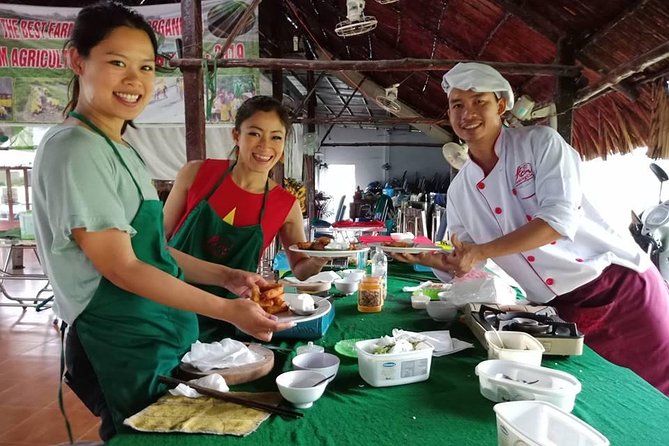
These are small things, but they can make the difference between a fun class and a tiring one.
For the market and farm part
- Wear comfortable walking shoes. You’ll move through stalls and then around the farm area.
- Be ready for early heat. A 7:30am start helps, but it’s still Vietnam, and you’ll be active.
- If you’re vegetarian, vegan, or have other dietary needs, make that clear at booking. The tour offers vegetarian options, and sharing needs early makes substitutions easier.
For the cooking part
- Ask questions about herbs and sauces as you go. Vietnamese cooking is all about balance, and the guide can explain what each ingredient is doing.
- Taste as you cook. If the dish feels off, fix it immediately rather than waiting until serving time.
For the meal and afterward
- Bring your appetite. Lunch plus snacks is included, and you’ll be eating what you make.
- Plan to take the recipes seriously at home. The class gives you the structure; you just need to recreate ingredients and method.
Who should book this class (and who might not)
I think this fits best if you want a food day that feels rooted in place. It’s ideal for:
- people who love Vietnamese flavors and want to understand ingredients, not just copy dishes
- beginners who want step-by-step guidance in a small group
- food lovers who enjoy markets and want more than photos and souvenirs
It may not be ideal if:
- you hate early mornings or long active days (it’s about 8 hours)
- you’re looking for a quick, low-effort class
- you want lots of drinks included beyond coffee/tea (other drinks aren’t included)
Should you book this market-to-farm cooking class in Saigon?
If you want a genuinely practical way to learn Vietnamese cooking, I’d book it. The combination of wet market learning, organic farm picking, and hands-on cooking for four dishes is the whole point, and it’s supported by a small-group limit. Add in the included meal (4-course lunch), recipes, and a certificate, and the value starts to make sense fast.
The one real decision is whether you can handle a 7:30am start and a full day. If yes, this is the kind of experience that gives you something you can use at home—not just memories.
FAQ
What time does the cooking class start in Ho Chi Minh City
The start time is 7:30am.
How long is the Market to Farm to Table cooking class
It runs for about 8 hours.
Is hotel pickup and drop-off included
Yes. The experience includes hotel pickup and drop-off.
How many people are in the class
The tour has a maximum group size of 15 travelers.
Do they offer vegetarian options
Yes. A vegetarian option is available, but you need to advise at booking. You can also share specific dietary requirements then.
Is drinks beyond coffee and tea included
No. Coffee and/or tea are included, but drinks are not included.
What is the cancellation window
You can cancel for a full refund up to 24 hours before the experience’s start time. Free cancellation applies within that window.