REVIEW · HO CHI MINH CITY
Mekong Delta 2 Days: Floating Markets & Cultural Exploration
Book on GetYourGuide →Operated by MILLENIUM TRAVEL CO.,LTD · Bookable on GetYourGuide
The Mekong feels personal fast.
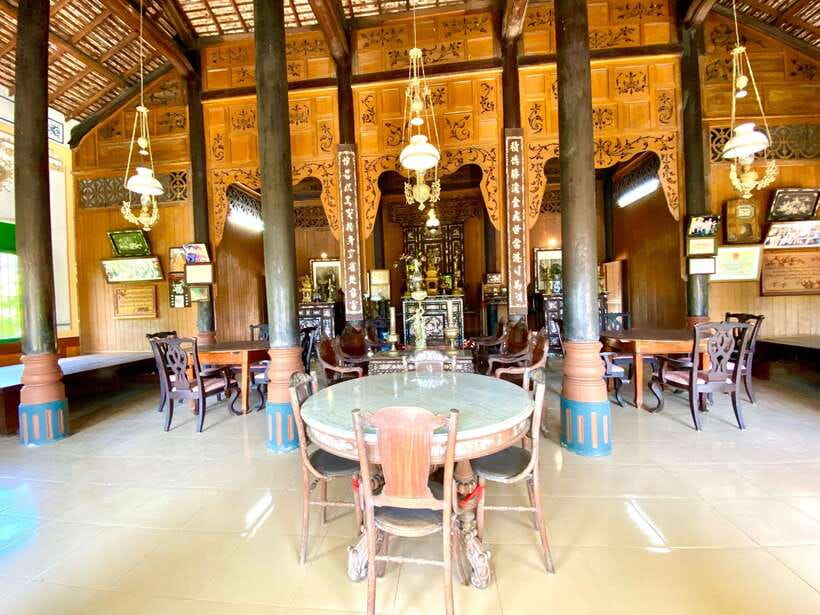
This 2-day route takes you through Cai Be canals and orchards, then sets you up for an early look at Cai Rang Floating Market from Can Tho. I like how the day mixes river time (sampan rides and small canal paddling) with real village stops like a coconut-fudge and crispy rice popcorn workshop, and Ba Kiệt’s ancient house for a grounded look at daily life. One heads-up: the itinerary moves, and if you expect a huge floating-market spectacle from every angle, the time on the water can feel more practical than showy.
What I really enjoy is the pacing: you get outside, you eat well, and you do at least a little hands-on work like cycling through fruit areas and cooking lunch on-site. English guidance is strong here, with past guides including Lilly, Peter, and Yudi, and that matters because the Delta is all about small details. A possible drawback is food quality can be hit or miss depending on the day, and one review also noted disappointment about seeing only a limited number of boats at the market area.
If you want an active, culturally focused Mekong Delta trip that doesn’t feel like a rushed photo stop, this fits nicely. You’ll cover a lot in 48 hours, but you’ll still get a sense of how people trade, cook, farm, and worship along the river.
In This Review
- Key highlights you’ll feel on the ground
- Two Days on the Mekong: What This Route Really Changes in Your Head
- Morning Logistics from Ho Chi Minh City: Start Early, Stay Flexible
- Cai Be Boat Time: From Former Trading Spots to Today’s Orchard World
- Village Stops that Feel Human: Coconut Fudge, Crispy Rice, and Family Life
- Paddling Through Small Canals: The Delta at a Slower Speed
- Cycle Through Orchards + Cook Lunch in a Garden
- Ba Kiệt’s Ancient House: Village-Scale Culture You Can Walk Through
- Day One Wrap: Return to Cai Be, Then Head to Can Tho
- Can Tho Morning: Lower Mekong Tributaries by Boat
- Cai Rang Floating Market: The Morning Market Rhythm
- Noodle Factory Walk + Khmer Pagoda Visit: Culture with Structure
- Fruit Plantation and Seasonal Tastes on the Way Back
- Price and Value at About $112: What You’re Paying For
- Who This Tour Fits Best (and Who Should Skip It)
- Should You Book This Mekong Delta 2-Day Tour?
- FAQ
- What time does the tour start in Ho Chi Minh City?
- Where is the meeting point?
- Is pickup included, or do I have to meet the group?
- What meals are included in the 2 days?
- What is included besides sightseeing?
- What language will the guide speak?
- What should I wear for the pagoda visit?
- What can I bring, and what is not allowed?
- Is this tour refundable if I change plans?
Key highlights you’ll feel on the ground
- Cai Be by boat and by canal paddling: river life in calmer sections, not just the busy main stops
- Family workshop time: coconut fudge and crispy rice popcorn made by locals
- Ba Kiệt’s ancient house: village-scale history you can actually walk through
- Cycle + cook lunch in the garden: practical experience tied to local produce
- Cai Rang Floating Market + Lower Mekong tributaries: the morning river rhythm in Can Tho
Two Days on the Mekong: What This Route Really Changes in Your Head
The Mekong Delta can feel like a blur if you only see one floating market and call it a day. This itinerary helps you slow down and notice how the region works: fruit orchards, family businesses, and river transport all tied together by the canals.
On day one, you head from Ho Chi Minh City to Cai Be and spend most of the day moving through waterways, villages, and garden-based activities. You’re not just watching the Delta—you’re getting transported into the daily logic of the place: trade, food, and small-scale craft. Then you sleep in Can Tho, so day two starts with a comfortable pace instead of another long travel shuffle.
At the same time, it’s still a 2-day program. You’ll be on boats and vehicles, and some parts are more informational than hands-on. If you’re sensitive to lots of moving parts in a short time, plan your expectations accordingly.
You can also read our reviews of more tours and experiences in Ho Chi Minh City.

Morning Logistics from Ho Chi Minh City: Start Early, Stay Flexible
Your day begins with a 07:30 meeting in Ho Chi Minh City at 112 Tran Hung Dao Street, Ben Thanh Ward, District 1. It’s best to arrive about 10 minutes early so the group rolls on time.
If you choose the pickup option, it includes round-trip pickup/drop-off in select areas within District 1, tied to an overnight stay in Can Tho at a 3-star hotel. The program notes that pickup does not cover some streets/areas such as Nguyen Binh Khiem Street, Nguyen Huu Canh Street, and Tan Dinh Ward. If you’re staying outside that zone, you’ll likely need to meet at the listed point.
One more reality check: the return time back to Ho Chi Minh City depends on traffic, and the local operator doesn’t control that. That’s normal for this part of Vietnam, but it’s worth keeping in mind if you’ve booked evening plans.
Cai Be Boat Time: From Former Trading Spots to Today’s Orchard World
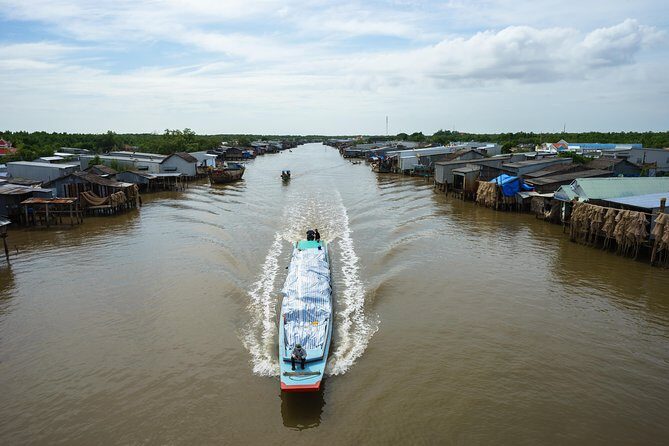
Cai Be is the Delta where you start to see how much of the economy is built around fruit and gardens. When you arrive, you take a boat ride to a remaining site connected to an older wholesale floating market on the Tien River. The focus isn’t on a museum feel—it’s about understanding how trading habits changed as transportation modernized and agriculture techniques grew more dominant.
Even if you’ve seen photos of floating markets before, this section adds context. You’ll get a clearer picture of what people used to do from the water—and how that changed when more terrestrial routes took over.
You’ll also spend time around orchard country, which is a big reason this route works. The Delta isn’t just rivers and boats. It’s gardens, produce, and the routines of families who manage fields and harvest schedules tied to the seasons.
Village Stops that Feel Human: Coconut Fudge, Crispy Rice, and Family Life
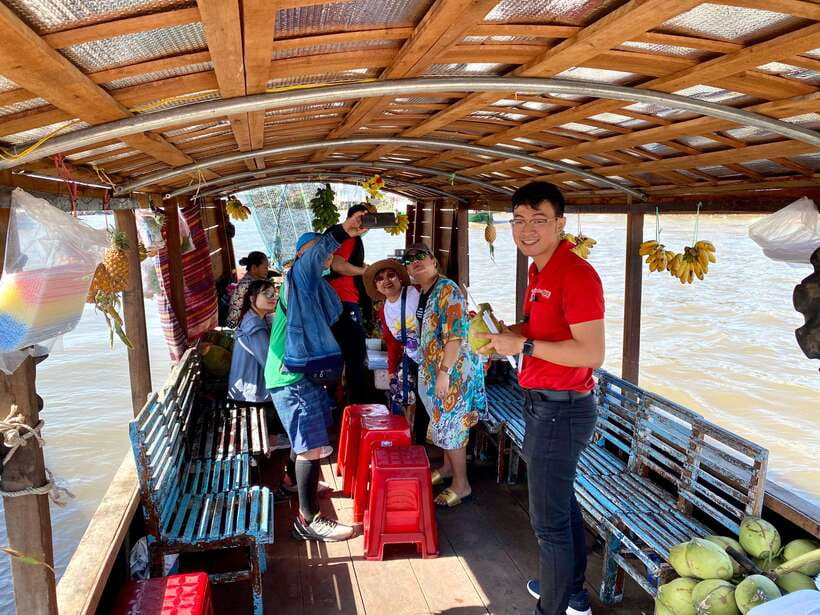
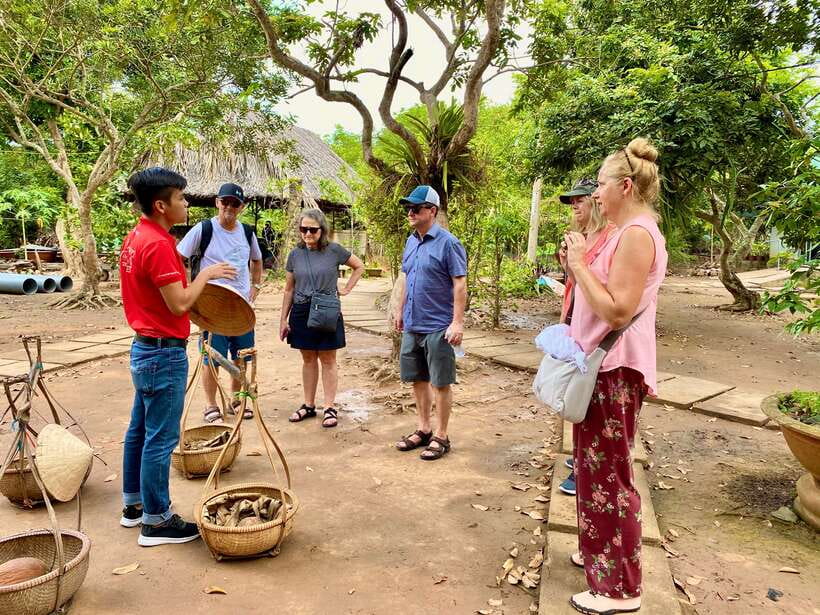
One of the most practical parts of the day is the family business stop. You’ll see locals making coconut fudge and crispy rice popcorn—the kind of snacks that are simple, but very representative of how Delta households turn local ingredients into products.
It’s also where your guide becomes more than a translator. With an English live guide, you can ask what people eat, how the ingredients are sourced, and what daily schedules look like when waterways are part of transport. Based on past guests’ comments, the guides can be friendly and helpful, and that matters a lot on day trips like this where you want meaning, not just movement.
Then you’ll connect this food stop to the wider picture of slow Southern life. The program includes time with Southern folk music rhythms linked to the Mekong Delta way of living, which gives the day a slower tone so you don’t just sprint from stop to stop.
Paddling Through Small Canals: The Delta at a Slower Speed
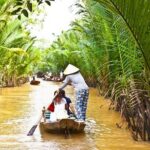
After village and orchard time, you move into smaller canals for paddling. This is one of those experiences that doesn’t require fancy expectations. You simply sit back and watch how the edges of the water function: homes and gardens close to the banks, everyday activity that doesn’t feel staged, and a landscape shaped by water management.
You’ll see why canals matter more than you think. In the Delta, “getting around” isn’t only by roads—it’s by waterways that cut through neighborhoods and farms.
The program also mentions arrival on Tan Phong Island and a chance to enjoy nature’s quiet there. For many people, that island pause is a mental reset. You’re still in a guided flow, but the atmosphere gives you breathing room.
Cycle Through Orchards + Cook Lunch in a Garden
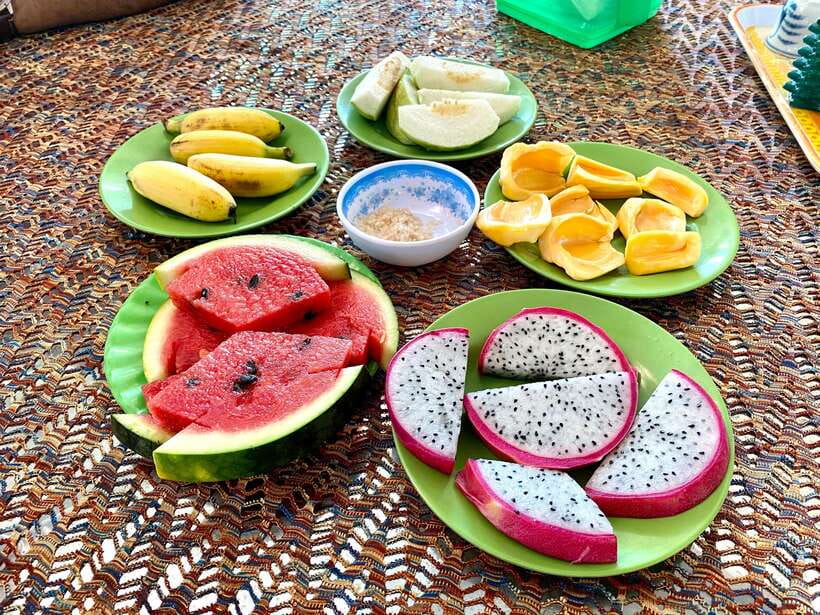
This is the hands-on portion that turns the day from sightseeing into something you can remember in a more physical way.
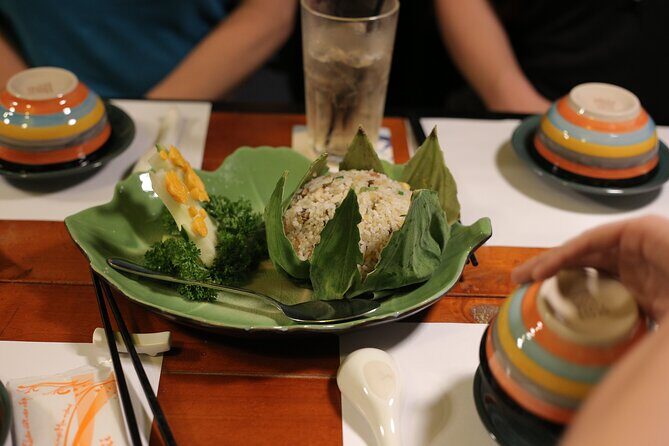
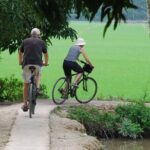
First, you cycle along village paths through orchard areas. You get a slower way of seeing fruit zones than you would from a boat or bus. Then you’ll cook your own Vietnamese lunch and eat it in the heart of a local garden setting.
Why this matters for your experience: food here isn’t an afterthought. You’ll connect flavors to produce you saw earlier in the day, and you’ll get practice in a typical Vietnamese cooking approach rather than just tasting a plate handed to you. Even when you don’t get every step right, it helps you understand the logic behind the meal.
One thing to be realistic about: food quality can vary with the group and meal prep style. There’s at least one note that lunch was mediocre for that reviewer. I still think the activity component (cycling + cooking where it happens) is the value driver here, not only how fancy the final dishes are.
Ba Kiệt’s Ancient House: Village-Scale Culture You Can Walk Through
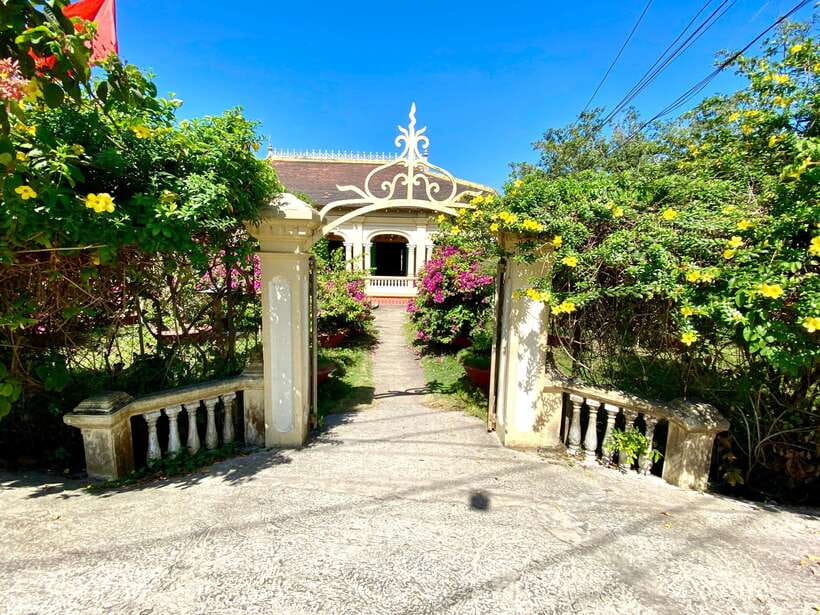
Ba Kiệt’s ancient house is a strong cultural stop because it’s specific and place-based. Instead of vague talk about the Delta, you’re introduced to the kind of structures and daily life that shaped the area.
This kind of visit works best when you’re paying attention to how the home is arranged and how families would have lived around work and community. It’s not just a pretty building. It’s a bridge between what you see outside—orchards, canal routes, family workshops—and the social life that made all of it sustainable.
If you like cultural sites that explain living patterns, this is one of the better blocks of the day.
Day One Wrap: Return to Cai Be, Then Head to Can Tho
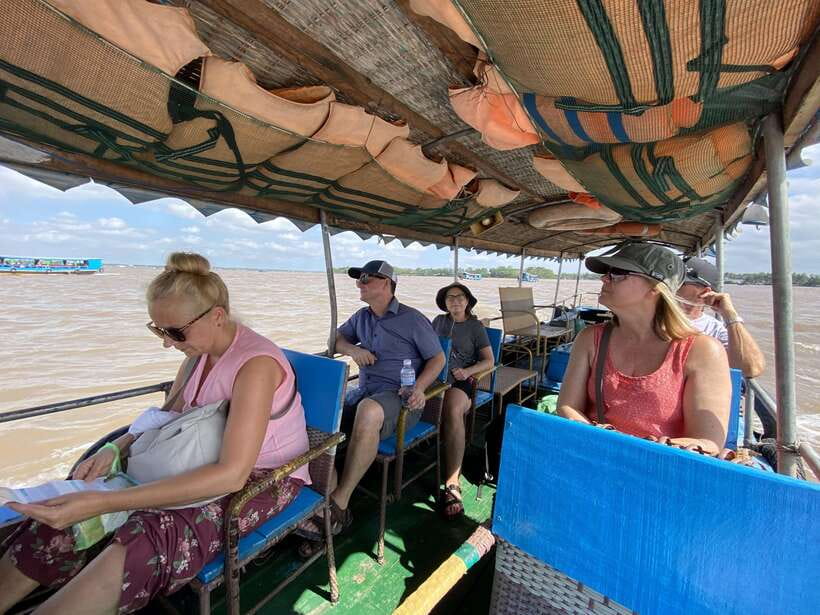
You’ll take a boat ride back to Cai Be and then meet your bus for the trip to Can Tho. Overnight in Can Tho is a big deal because it keeps day two smooth: you wake up already close to the lower river tributaries.
The pickup option also includes the Can Tho hotel (listed as 3-star). Based on past feedback, the lodging is described as a good and restorative base for the second day—exactly what you want after a full day of heat, walking, cycling, and boats.
Can Tho Morning: Lower Mekong Tributaries by Boat
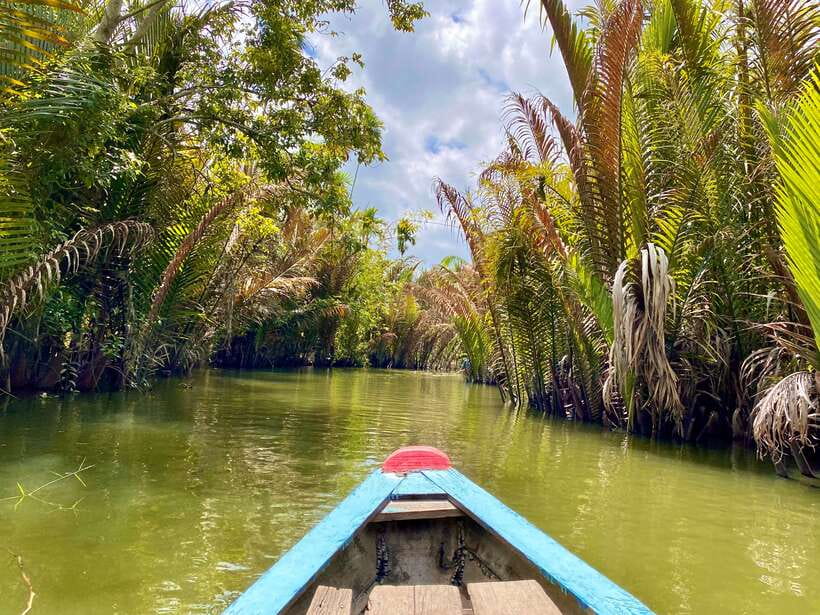
Breakfast at the hotel comes first, then you go by boat to explore tributaries of the Lower Mekong River (Bassac River). This part is calmer than the floating market zones and helps you build your sense of direction on the water.
Boat time here is useful because you’re about to see the floating market. When you understand the shape of the waterways first, Cai Rang makes more sense. The river isn’t a background—it’s the operating system for the market.
Cai Rang Floating Market: The Morning Market Rhythm
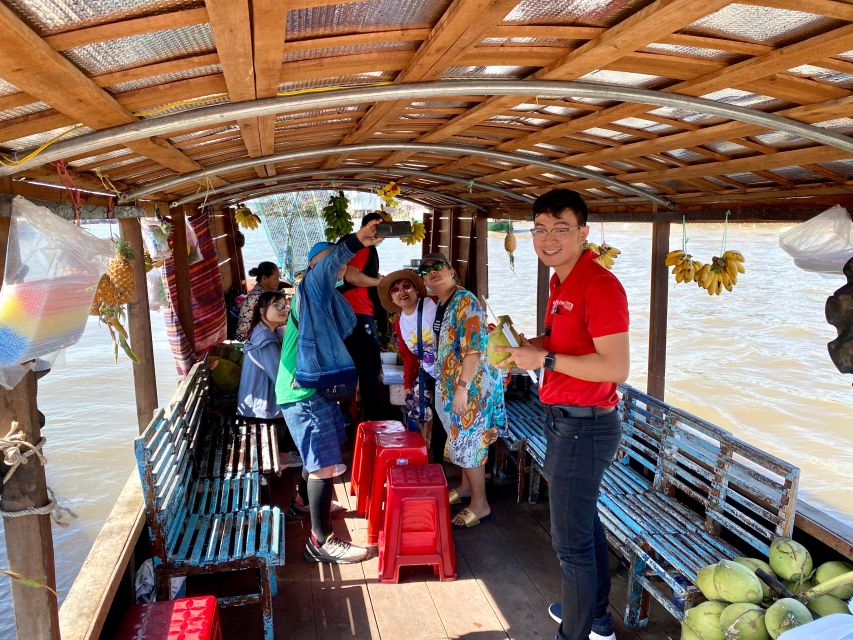
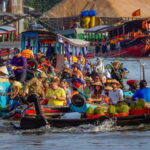
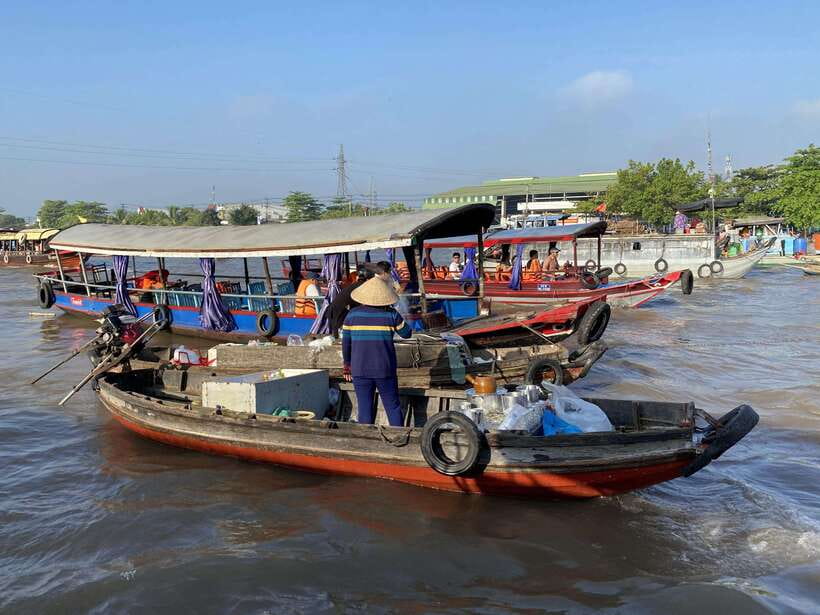
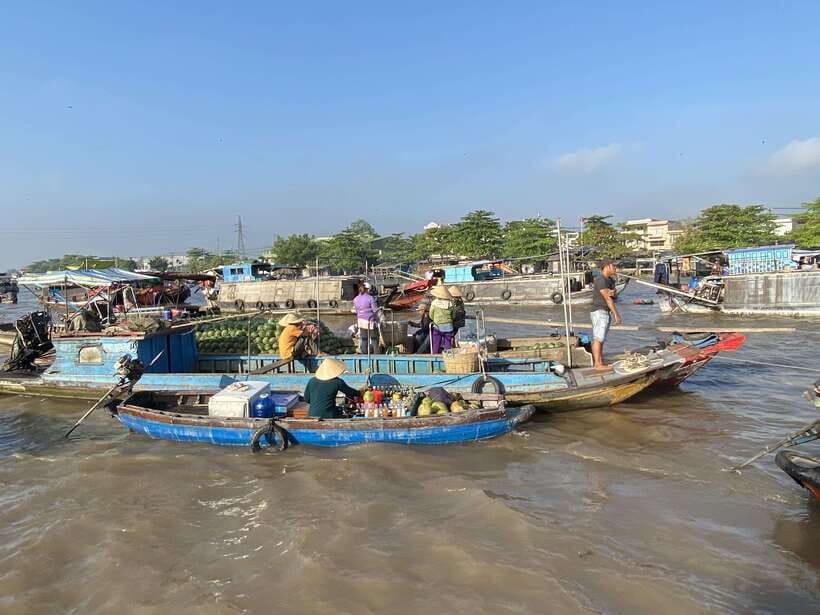
Cai Rang is the floating market that many people came for. Here you’ll visit the most vibrant floating market in the area and see fruit trade linked to daily river movement.
A practical note: one review mentioned disappointment about there not being many boats at the market viewing area. That doesn’t mean the market is always empty, but it does mean your best approach is to go ready to experience the market as a working scene rather than a stage show.
If you can, be mentally flexible. Arrive ready to watch how sellers arrange produce, how boats move through the market area, and how people handle the flow. Even without dramatic visuals, it’s one of the most direct ways to understand river commerce.
Noodle Factory Walk + Khmer Pagoda Visit: Culture with Structure
After the floating market, you take a walking tour of a local noodle factory. It’s a straightforward look at food production—something you can connect to the broader theme of Delta livelihoods: local ingredients, daily output, and family-oriented production.
Then you’ll visit Munir Ansay Pagoda, described as a Khmer temple with a unique structure. This is a meaningful stop because the Mekong Delta is home to Khmer cultural influence alongside Vietnamese communities.
Dress matters here: shoulders and knees must be covered. Keep that in mind so you don’t end up with an uncomfortable improvisation in the heat.
Fruit Plantation and Seasonal Tastes on the Way Back
You also go by boat to a fruit plantation and enjoy seasonal fruit. This ties the trip together—markets, orchards, and eating what the Delta produces during that time of year.
The value of this segment is timing. You’ve seen trading in the morning, then you’re reminded where the produce comes from. That makes your food taste more purposeful than random snack choices.
Price and Value at About $112: What You’re Paying For
At around $112 per person for 2 days, the value comes from the combo:
- Transport between Ho Chi Minh City, Cai Be, and Can Tho
- Multiple boat experiences on the Mekong system
- A live English guide and entrance fees
- Meals included: 1 breakfast and 2 lunches
- Overnight stay in Can Tho in a twin/double shared room
You’re not only paying for transport—you’re paying for access to the Delta’s “work world”: canals, orchard routines, family workshops, and food production. That’s why tours like this can feel worth it even if one lunch isn’t perfect. The day isn’t just about eating; it’s about connecting how people live.
What you should budget separately: personal expenses, travel insurance, and tips. The tour also doesn’t include smoking and pets, and it mentions no oversize luggage, which is worth thinking about if you’re traveling with more than a daypack.
Who This Tour Fits Best (and Who Should Skip It)
This experience is best for you if you want:
- A mix of river time and cultural stops in a short window
- Hands-on elements like cycling and cooking rather than only sitting on a bus
- A strong guide-led experience in English
It’s not suitable for people with limited mobility, people with heart problems, pregnant women, or wheelchair users. If that applies, it’s safer to look for a less physically demanding option.
Should You Book This Mekong Delta 2-Day Tour?
I’d book this if you want a well-rounded introduction to the Mekong Delta: Cai Be canals and orchard life on day one, then Can Tho and Cai Rang on day two, with a Khmer pagoda stop that adds real cultural depth. The best reason to choose it is the mix—boats plus village food and family workshops—so you don’t leave with only one kind of memory.
Skip it only if you’re very picky about the floating market looking like a huge parade of boats, or if you know you struggle with heat and frequent movement. For many people, the practical river rhythm and family-led stops make the 2 days feel full, not empty.
FAQ
What time does the tour start in Ho Chi Minh City?
The meeting time is 07:30 AM, and you should arrive at least 10 minutes early.
Where is the meeting point?
The meeting point is at 112 Tran Hung Dao Street, Ben Thanh Ward, District 1, Ho Chi Minh City.
Is pickup included, or do I have to meet the group?
Meeting is required unless you select the pickup optional service. The pickup option includes round-trip pickup/drop-off from select locations in District 1 and also includes accommodation in Can Tho at a 3-star hotel.
What meals are included in the 2 days?
You get 1 breakfast and 2 lunches as indicated in the program.
What is included besides sightseeing?
The tour includes transportation and sightseeing, boat trips on the Mekong Delta, an English live guide, and all entrance fees, plus a shared twin/double room for the overnight.
What language will the guide speak?
The guide speaks English.
What should I wear for the pagoda visit?
You need to dress appropriately for temple visits, with shoulders and knees covered.
What can I bring, and what is not allowed?
Bring a passport or ID card, comfortable shoes, sunglasses, and a sun hat. Pets, oversize luggage, and smoking are not allowed.
Is this tour refundable if I change plans?
Yes. There is free cancellation up to 24 hours in advance for a full refund, and you can reserve now and pay later.