REVIEW · HO CHI MINH CITY
Cooking Class: 3 Course Traditional Meal by local Chef HCM
Book on Viator →Operated by The Provincial Table Cooking Class · Bookable on Viator
Cooking in Ho Chi Minh feels personal. This 3-course class turns you from spectator to cook, using a local chef and your own station to guide you through classic Vietnamese flavors. It’s held in Quận 1 and capped at a small group size, so you’re not shouting over a crowd.
What I like most is the private cook station setup, which makes the time feel efficient instead of watching someone else work. I also really value the way the experience builds from dish to dish, and many sessions end with a take-home recipe book so your skills don’t vanish the next day.
One possible drawback: the cooking space can feel tight, so wear comfortable clothes and expect everyone to work close to each other during prep and cooking.
In This Review
- Key Highlights You’ll Actually Care About
- A Chef-Led 3-Course Menu in Ho Chi Minh City: What You’ll Cook
- Where You Start in Quận 1 and How the Timing Feels
- Your Private Cook Station: How the Class Stays Beginner-Friendly
- The Most Common Courses: Spring Rolls, Vietnamese Pancakes, and Pho-Style Soup
- Spring Rolls: The Assembly and Texture Lessons
- Vietnamese Pancakes: Getting the Pan-Cooked Part Right
- Pho-Style Soup: Flavor Building in the Final Course
- Techniques and Spices: The Real Learning Comes From Seeing the Logic
- What Kind of Instructor Experience You Can Expect (Including the Fun Part)
- Food Quality and “Why It Tastes Better” After You Cook It
- The Recipe Book: Turning a Lesson Into Repeatable Meals
- Value in Ho Chi Minh City: Is $30 Worth It?
- Quick Practical Tips Before You Go
- Who This Cooking Class Suits Best
- Should You Book This Ho Chi Minh City Cooking Class?
- FAQ
- Where is the meeting point for the cooking class?
- How long is the cooking class?
- What kind of meal will I cook?
- Is this class in a small group?
- Do I get a mobile ticket?
- Are service animals allowed?
- Can I cancel for a refund?
Key Highlights You’ll Actually Care About
- Private cook station per person so you can do the steps, not just watch
- Chef-led instruction with a playful, hands-on pace that suits beginners
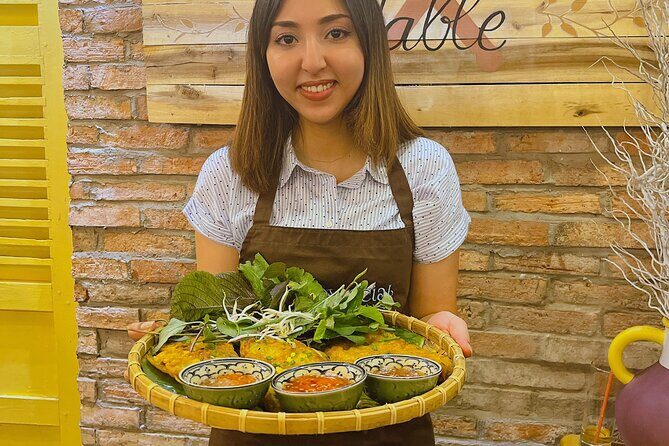
- Classic 3-course Vietnamese meal with dishes like spring rolls, Vietnamese pancakes, and pho-style soup in many sessions
- Ingredients are partly prepped, which keeps you focused on learning technique
- Small group (max 20) for better attention and a calmer atmosphere
- Recipe book included at the end to help you repeat the dishes back home
A Chef-Led 3-Course Menu in Ho Chi Minh City: What You’ll Cook
This is a 3-hour 30-minute, chef-led cooking class designed around a traditional Vietnamese meal. The daily menu focuses on classic dishes and Vietnamese culinary heritage, so you’re not stuck making one single thing over and over. You’ll cook a complete 3-course set, which is the big win here: you get variety and you learn the flow of a meal.
Based on what people consistently experience, the class often includes spring rolls, Vietnamese pancakes, and pho (or a pho-style soup). Even if the exact dishes vary by day, the structure stays the same: you’ll learn how to make, assemble, and finish classic components that make Vietnamese food so satisfying.
You also learn that Vietnamese cooking is less about fancy tricks and more about balance. The chef’s guidance typically helps you understand how sauces, herbs, and seasoning work together, not just what to add.
You can also read our reviews of more cooking classes in Ho Chi Minh City
Where You Start in Quận 1 and How the Timing Feels
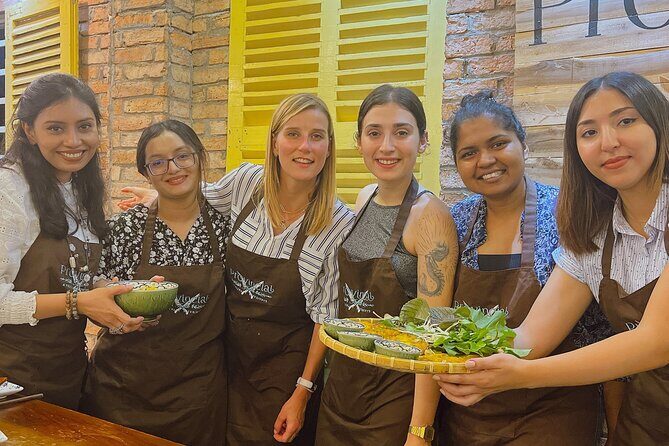
You meet at 131/3 Nguyễn Thị Minh Khai, Phường Phạm Ngũ Lão, Quận 1, Hồ Chí Minh 711106, Vietnam. The activity ends back at the same meeting point, so you don’t have to plan extra transport or figure out a second location after you’re done cooking.
With a 3 hours 30 minutes runtime, the pacing is designed to keep you productive from the first station setup. You’ll likely spend time on prep steps, cooking, and then eating what you made as the courses come together.
Because it’s near public transportation, it’s also easier to slot into a day in the city. I’d treat it like a “main activity” block: plan to eat your Vietnamese dinner here rather than stacking too many food stops the same night.
Your Private Cook Station: How the Class Stays Beginner-Friendly
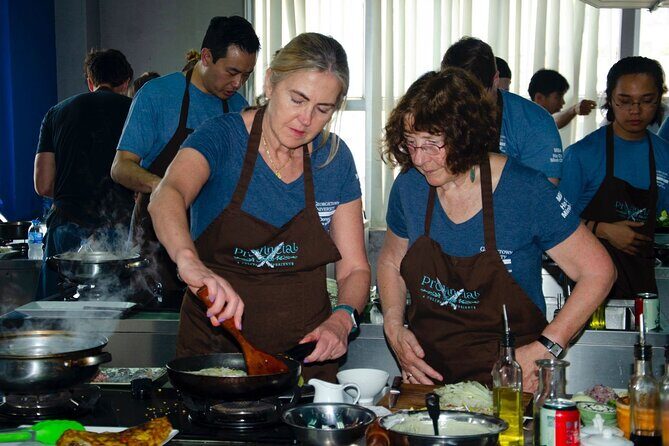
The heart of this experience is simple: you get your own cooking station and all the ingredients needed to assemble the menu. That matters because it turns learning into muscle memory. You’re not waiting for someone else’s turn to roll, stir, or assemble.
A big reason this class works for first-timers is that ingredients are often partly prepared already. That means you’ll focus on practical skills like cooking key components and assembling dishes correctly, rather than starting from scratch with every item. One review even highlighted learning very basic, entry-level steps like cooking an egg, which is exactly the type of skill that boosts confidence fast.
The cooking stations also help keep the class lively. In small groups, a chef can circulate, explain what to watch for, and correct techniques before they become habits.
The Most Common Courses: Spring Rolls, Vietnamese Pancakes, and Pho-Style Soup
Even when the menu shifts, the dishes people remember most tend to follow three familiar categories: crisp starter, savory handheld or pan-cooked main, and a comforting soup finish.
Spring Rolls: The Assembly and Texture Lessons
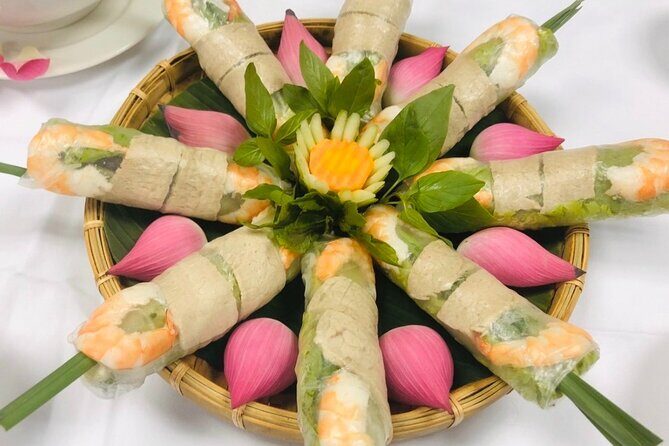
Spring rolls teach you more than how to roll. You learn what “ready” looks like—how fillings should be mixed, how wrappers behave, and how to handle rolling so it stays sealed and doesn’t turn into a doughy mess. This is where your hands-on station pays off: you can practice the shape and technique rather than just studying it.
You can also read our reviews of more tours and experiences in Ho Chi Minh City
Vietnamese Pancakes: Getting the Pan-Cooked Part Right
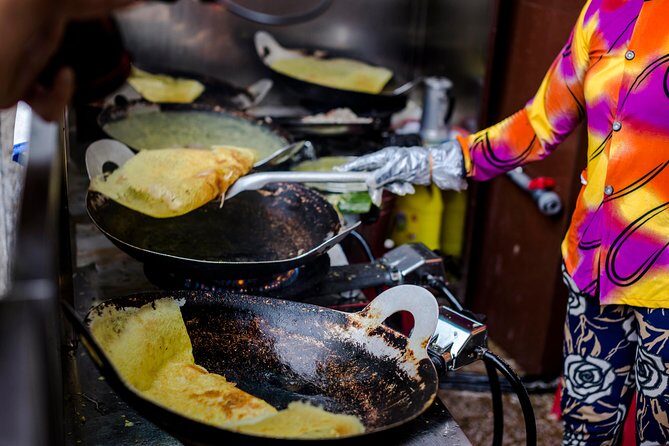
Vietnamese pancakes can look simple until you try to make one. You learn timing and heat control, plus how to keep the batter and toppings working together. Reviews often mention that beginners are supported here because ingredients are mostly ready and the class focuses on straightforward cooking steps.
Pho-Style Soup: Flavor Building in the Final Course
Pho is the dish that makes the whole class feel like a real Vietnamese meal. In many sessions, you’ll work on a soup course that helps you understand how flavors come together—aromatics, seasoning, and the overall balance that makes pho so comforting. Even if you’re not making everything from scratch, you’re learning the logic behind taste.
The payoff is that you’re not just cooking for the sake of cooking. You’re building three pieces that make sense together, so the final meal feels complete.
Techniques and Spices: The Real Learning Comes From Seeing the Logic
A Vietnamese cooking class can go two ways: either you memorize steps with no understanding, or you learn why the flavors behave the way they do. This one leans toward the second option.
You’ll get guidance on spices and basic techniques across Vietnam’s broad culinary heritage. That doesn’t mean you’re reading a textbook. It means you’re getting practical direction while you work: how to season, when to adjust, and what cues to use so you know you’re on track.
I also like that the class doesn’t treat ingredients like secrets. You learn what each component does, so when you shop later, you know what matters and what can be swapped. That’s the difference between a one-time class and a skill you can actually use.
What Kind of Instructor Experience You Can Expect (Including the Fun Part)
Local chefs run the class, and the vibe tends to be warm and fun. In at least one well-regarded session, the instructor was Alice, described as friendly, warm, and skilled, with a sense of humor that kept things moving. Another strong theme: the chef’s passion shows through, which makes the whole process feel less like a chore and more like a guided food lesson.
That matters because Vietnamese cooking rewards attention. If you’re distracted, it’s easier to miss the exact moment something needs adjusting. A good instructor keeps you engaged, so you learn faster and cook with more confidence.
The class also feels social without becoming chaotic. With a maximum of 20 people, you should be able to see what’s happening and still get help when you hit a question.
Food Quality and “Why It Tastes Better” After You Cook It
A surprising number of cooking classes end with okay food. This one aims higher. People highlight that dishes come out freshly made and with quality ingredients, which is exactly what you want in a meal you just learned to build.
I like that the course-based structure helps you taste progress. A spring roll you assembled yourself tastes different from one you order off a menu. Same with pancakes and soup. You start noticing textures and balance, not just flavor.
And if you’ve had Vietnamese food before, this class helps you understand what you liked. You’ll likely go from loving the dish to knowing how it was made.
The Recipe Book: Turning a Lesson Into Repeatable Meals
One of the most practical takeaways is the recipe book mentioned in multiple experiences. Having recipes in hand is what makes the class more than an afternoon activity. You can recreate the dishes at home with less guesswork and more confidence.
Don’t expect the book to replace the chef’s guidance for every detail, but it helps you remember the key steps and the right order. In Vietnamese cooking, order matters because timing affects texture.
If you like cooking but get overwhelmed by long instructions, this type of take-home guide can be a big win. It gives you a starting point for weeknight cooking, even if you’re not trying to match restaurant results perfectly.
Value in Ho Chi Minh City: Is $30 Worth It?
At $30 per person, this class sits in the “good deal” zone for a chef-led 3-course cooking experience. You’re paying for three things at once: instruction, ingredients, and the full meal outcome.
In many cooking classes, you pay for a single dish. Here you’re learning enough to create a complete Vietnamese meal, which means your time and ingredient cost are used efficiently. The private station setup also increases value because you’re actually doing the cooking, not just assisting with a few tasks.
Also, the small group size (max 20) is part of the value. Better attention is hard to quantify, but it affects how quickly you learn and how confident you feel when something doesn’t go right.
If you’re someone who enjoys hands-on learning and wants a memorable, practical food experience in Ho Chi Minh City, this pricing looks fair.
Quick Practical Tips Before You Go
Bring comfortable clothes. Even with a private station, you’ll be close to other cooks during prep and cooking steps.
If you’re a complete beginner, you’ll likely do well here because ingredients are often partly prepared and the chef focuses on basic skills you can master in the time allowed. Still, go in with a flexible attitude: Vietnamese cooking rewards patience and a willingness to try again.
Food will be part of the experience, so don’t plan a heavy dinner elsewhere afterward. I’d also plan your day so you’re not rushing through the morning. A calmer start makes the cooking feel fun, not frantic.
Who This Cooking Class Suits Best
This is a great fit if you want a hands-on Vietnamese cooking lesson with real structure and a full meal at the end. It’s especially good for beginners who want to learn spring rolls, Vietnamese pancakes, and pho-style soup techniques without feeling lost.
It can also suit couples and small groups because the class size stays limited and each person gets a station. If you’re traveling solo, you still get a private setup, and the chef’s guidance helps you stay on track.
If you’re the type who dislikes close working spaces, consider that the venue may feel tight at peak times. You can still enjoy it, but manage expectations and dress for comfort.
Should You Book This Ho Chi Minh City Cooking Class?
Book it if you want a chef-led, 3-course Vietnamese meal that teaches real skills, not just a photo-friendly activity. The combination of a private station, small group size, classic dishes like spring rolls and pho-style soup, and a take-home recipe book makes this a strong value for $30.
It’s also a smart choice when you want to understand Vietnamese flavor logic while you cook. You’ll leave knowing what to look for next time you order Vietnamese food or try making it at home.
One final practical note: if your plans change, you can cancel up to 24 hours in advance for a full refund, so you can book with less stress.
FAQ
Where is the meeting point for the cooking class?
You’ll meet at 131/3 Nguyễn Thị Minh Khai, Phường Phạm Ngũ Lão, Quận 1, Hồ Chí Minh 711106, Vietnam. The class ends back at this same meeting point.
How long is the cooking class?
The class lasts about 3 hours 30 minutes.
What kind of meal will I cook?
You’ll cook a fully interactive 3-course traditional Vietnamese meal with a local chef. The exact dishes can vary by day, but classic items like spring rolls, Vietnamese pancakes, and pho are mentioned in past experiences.
Is this class in a small group?
Yes. The class has a maximum of 20 travelers.
Do I get a mobile ticket?
Yes, this experience uses a mobile ticket.
Are service animals allowed?
Yes, service animals are allowed.
Can I cancel for a refund?
Yes. You can cancel up to 24 hours in advance for a full refund. If you cancel less than 24 hours before the start time, the amount paid will not be refunded.