REVIEW · HO CHI MINH CITY
Private Ho Chi Minh City Tour from Port & Vietnamese Egg Coffee
Book on Viator →Operated by Maximus Travel Vietnam · Bookable on Viator
Saigon hits you fast. This private port day strings together the biggest sights in Ho Chi Minh City with a private guide and a smooth ride, plus Vietnamese egg coffee and a local lunch that keeps the pace realistic. I love how the schedule is built for first-timers without feeling like a checklist, and I also like that you get that one-on-one attention if you want to linger. One possible drawback: the War Remnants Museum uses graphic imagery, so if you’re sensitive, plan your comfort level first.
The route works especially well when you’re in port in Phu My or Cai Mep, because pickup and drop-off are handled for you, door-to-door from the cruise port. You’ll cover French-era landmarks, major reunification-era sites, and a proper market stop for souvenirs like handicrafts and branded items.
If you’re traveling as a small group and you value control over time, this is the kind of tour that feels calmer than squeezing into a larger bus day.
In This Review
- Key things worth paying attention to
- Port Pickup and Private Pace in Ho Chi Minh City
- French Saigon: Notre Dame Cathedral, Central Post Office, and the Opera House Area
- Notre Dame Cathedral: more than a postcard
- Central Post Office: grand and actually useful
- The Opera House area: quick, classic, and close by
- Independence Palace and the People’s Committee Building: Power and Change
- Independence Palace: the control room of a turning point
- People’s Committee Building: French colonial style with a different purpose
- War Remnants Museum and the Former U.S. Embassy Rooftop
- War Remnants Museum: powerful and not for the faint-hearted
- Former U.S. Embassy rooftop: the end-of-war symbol
- Pagodas and Nha Rong Wharf: a quieter side between monuments
- Emperor Jade Pagoda: Cantonese roots in the city
- Ngoc Hoang Temple and Nha Rong Wharf: spiritual + river context
- Ben Thanh Market for Souvenirs (and how to shop without wasting time)
- Lunch and Vietnamese Egg Coffee: the midday reset you’ll feel
- Price and Time: Is $119 a fair value for a port day?
- Who This Private Tour Fits Best
- Should You Book This Ho Chi Minh City Port Tour?
- FAQ
- What does the tour cost?
- How long is the tour?
- Do you get pickup and drop-off from the cruise port?
- What’s included in the tour price?
- Are entrance fees covered for the major sights?
- Is this a private tour?
- Can the tour be customized to what we want to see?
- What main places are on the schedule?
- Is there free cancellation?
Key things worth paying attention to
- Cruise-port pickup and private door-to-door transfer so you spend time sightseeing, not hunting taxis
- War Remnants Museum + Independence Palace for a big, emotionally heavy one-two punch
- French landmarks together (Notre Dame Cathedral, Central Post Office, and the Opera House area) in District 1
- Ben Thanh Market stop for real shopping variety, not just a photo op
- Vietnamese egg coffee with lunch as a smart energy reset midway through the day
Port Pickup and Private Pace in Ho Chi Minh City

A good cruise-port city tour has two jobs: getting you off the ship on time and keeping you from feeling rushed once you’re in town. This one is set up with private cruise port pickup and drop-off, so you start the day already in motion, with a guide and driver ready.
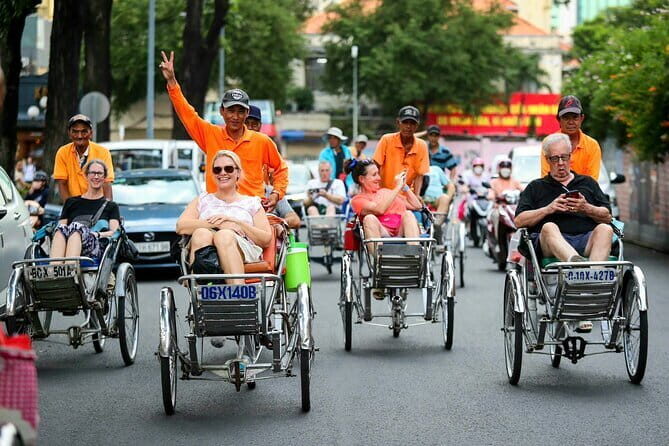
The tour runs about 8 to 12 hours, which is a wide range on purpose. In practice, that flexibility matters because Ho Chi Minh City traffic can swing your timing. A private vehicle also means you can adjust on the fly. If you want to slow down for photos outside Notre Dame, or speed up before the market gets crowded, you can.
If your guide is Lawrence (a name that shows up in past trips), you can expect friendly, patient explanations and strong communication. If your driver is Khanh (also reported), you can expect confident handling of busy roads. That combo is more than comfort. It’s what turns a port day into a day that feels like yours.
You can also read our reviews of more city tours in Ho Chi Minh City



French Saigon: Notre Dame Cathedral, Central Post Office, and the Opera House Area
This itinerary doesn’t just toss you near landmarks. It groups several of the most recognizable French-era buildings into a walkable cluster in central District 1 territory.
Notre Dame Cathedral: more than a postcard
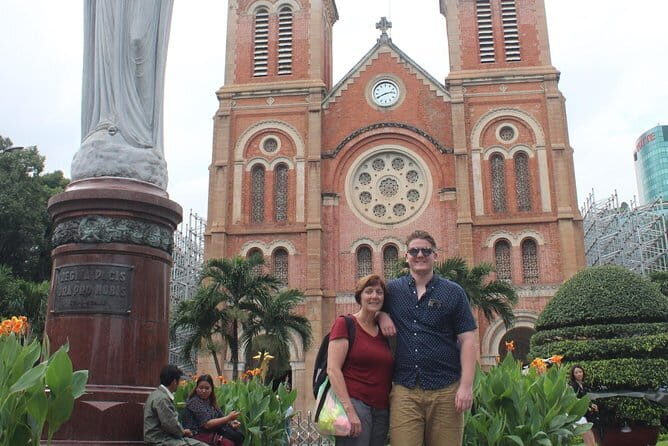
You’ll visit Saigon Notre Dame Cathedral, built in the late 1880s by French colonists and one of the few remaining visible strongholds of Catholicism in Vietnam’s largely Buddhist landscape. Expect a focused stop: enough time to take in the architecture, then move on.
A practical note: this area is a popular photo zone. If you prefer fewer crowds, ask your guide for the easiest moment to capture the building without fighting for angles.
Central Post Office: grand and actually useful
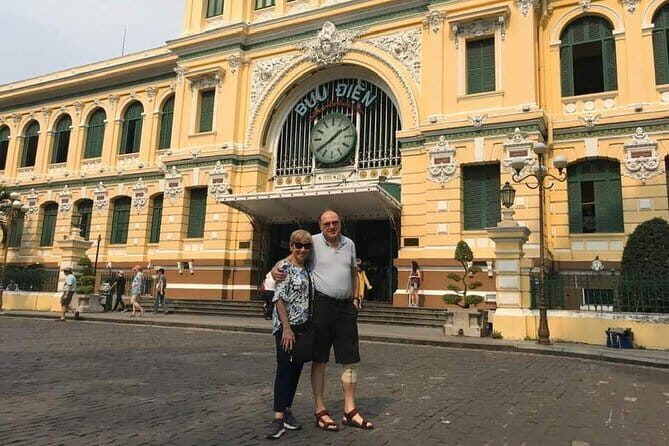
Next is the Central Post Office, described as one of the grandest post offices in all of Southeast Asia. Even if you’re not sending letters, it’s worth it for the preserved design and the sense of how the building once served daily life for the colonial-era city.
It’s also a quick win for rainy days or oppressive heat. Post offices are easy to duck into, and you still get the feeling of place.
The Opera House area: quick, classic, and close by
You’ll also stop by the Saigon Opera House (Ho Chi Minh Municipal Theater) area for a brief look. It’s an easy add because it sits right in that classic central crossroads area near the cathedral and post office.
You don’t need long here unless you’re an opera fan. What matters is the context: you’re seeing how the city’s colonial-era identity got built into its layout and landmarks.
You can also read our reviews of more private tours in Ho Chi Minh City




Independence Palace and the People’s Committee Building: Power and Change
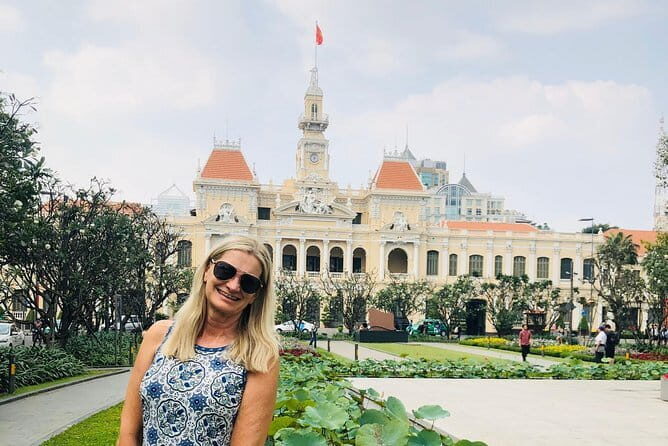
After the French-era structures, the day pivots into the story of modern Vietnam—where buildings start doing political work.
Independence Palace: the control room of a turning point
You’ll visit the Independence Palace, known as the base of Vietnamese General Ngo Dinh Diem until his death in 1963, and made famous internationally in 1975. The name itself signals big events, but the experience becomes real when you can picture leadership, planning, and the physical space where decisions played out.
Timing is listed at about 45 minutes for this stop with admission included. That’s a good length for first-timers: enough to absorb the major rooms without leaving you feeling like you rushed through something significant.
People’s Committee Building: French colonial style with a different purpose
Next is the People’s Committee Building in central Ho Chi Minh City. Originally constructed as a hotel in 1898 by French architects and then adapted for government use, it sits in a spacious garden setting.
This is a nice “breather” after the heavier emotional stops, because you’re shifting from conflict and politics to architecture and city governance. Even if you don’t go room-by-room, the exterior setting helps you understand the city’s layering: colonial framework, later repurposed for local power.
War Remnants Museum and the Former U.S. Embassy Rooftop
This is the emotional core of the tour, and it’s also where the right guide makes a difference.
War Remnants Museum: powerful and not for the faint-hearted
You’ll spend about 30 minutes at the War Remnants Museum, which opened in 1975 and was once known as the Museum of American War Crimes. The museum is described as shocking, with graphic photographs and a hard look at the Vietnam War’s brutality.
If you’re bringing kids or anyone who gets overwhelmed by strong visual content, go in with a plan. You might want to pause more often, or step out briefly if it’s too intense. The point of this stop isn’t comfort. It’s understanding what the war meant, and the museum’s impact tends to land quickly.
Former U.S. Embassy rooftop: the end-of-war symbol
Then you’ll visit the Former U.S. Embassy, including access to the historic rooftop, described as a symbol of the end of the Vietnam War. It’s a shorter stop, around 30 minutes with admission included, but it complements the museum well.
Together, these two sites help you see the war story from “evidence” (museum material) and “moment” (the rooftop’s end-of-war symbolism). If you only did one of them, you’d get a piece. Doing both tends to make the whole day feel more connected.
Pagodas and Nha Rong Wharf: a quieter side between monuments
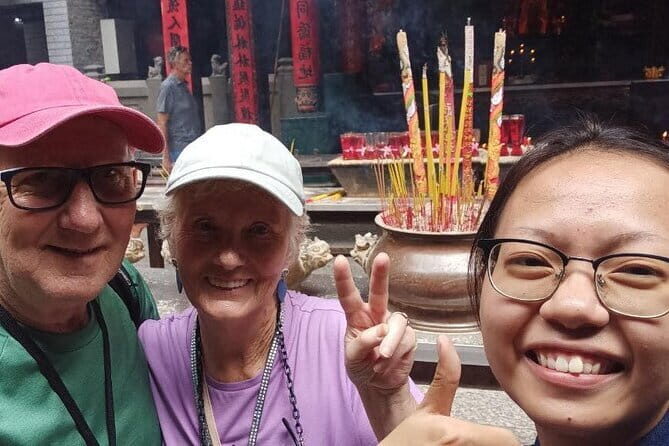
Not every stop in Ho Chi Minh City needs to shout. This tour includes a couple of spiritual and river-area moments that add breathing room.
Emperor Jade Pagoda: Cantonese roots in the city
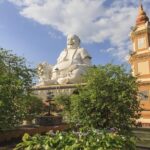
You’ll stop at Emperor Jade Pagoda, also known as Tortoise Pagoda, built around the turn of the 20th century by a community of Cantonese migrants. This stop is about 30 minutes and marked with free admission in the schedule.
What I like about adding a pagoda here is timing. After museums and political landmarks, a temple setting gives your brain something calmer to process: smaller details, different sounds, and a chance to notice how many communities shaped the city.
Ngoc Hoang Temple and Nha Rong Wharf: spiritual + river context
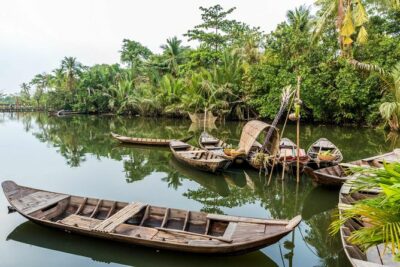
The overview also includes Ngoc Hoang Temple and Nha Rong wharf after lunch. Even if your time here is short, it helps you remember Ho Chi Minh City isn’t only about wars and French architecture. It’s also about faith, daily life, and the river-linked geography that shaped commerce and movement.
Ben Thanh Market for Souvenirs (and how to shop without wasting time)
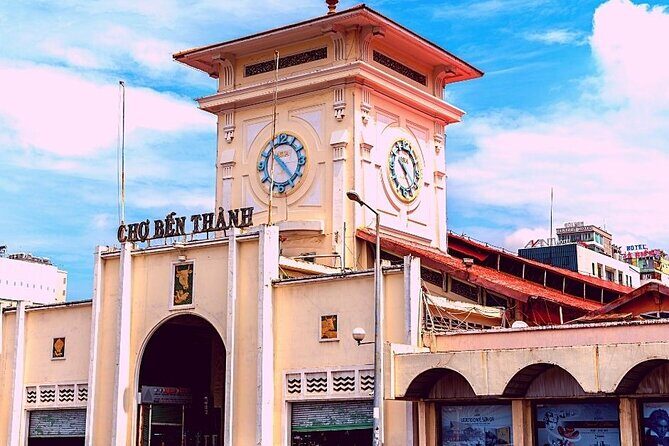
A port day needs at least one solid shopping stop, and Ben Thanh Market delivers that. It’s centrally located in District 1 and known for local handicrafts, branded goods, Vietnamese art, and plenty of souvenirs.
You’ll have about 30 minutes here. That’s not enough to compare every stall, so go in with a target. If you want gifts, pick categories first: small textiles, magnets, art prints, or practical items. Then move through quickly, rather than trying to browse everything.
The market also has eating stalls inside, but your tour day already includes a Vietnamese-style lunch. So at Ben Thanh, your best move is to shop, not to turn it into a second meal.
A practical tip: bring small bills if you can. Markets tend to work best when you’re not doing change math at every stall.
Lunch and Vietnamese Egg Coffee: the midday reset you’ll feel
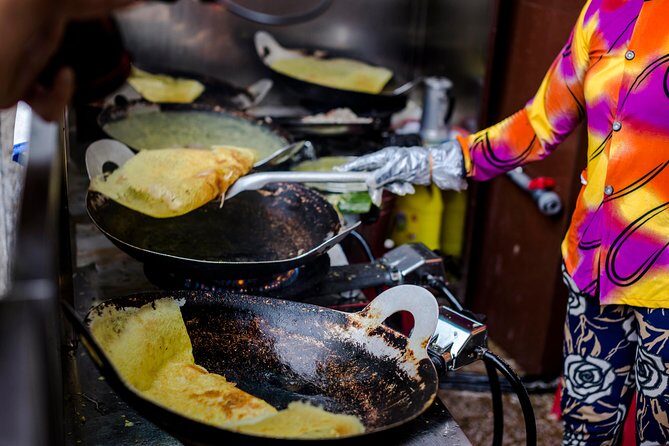
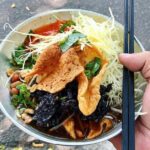
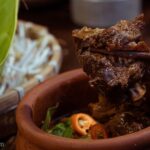
Food is a big deal on a long city day, and this tour doesn’t just sprinkle in a snack. You get Vietnamese-style lunch at a local restaurant, plus Vietnamese egg coffee.
One past highlight was a meal described as pho plus Vietnamese coffee, and another specific favorite was the egg coffee end-stop made with condensed milk. If you like your coffee sweet and creamy, try it that way. It’s a classic pick-me-up after a museum and before the shopping finish.
Also notice the practical inclusions: bottled water and tissues. That sounds minor until you’re walking in heat and you realize you’re not stuck trying to buy basic necessities during a tight schedule.
Price and Time: Is $119 a fair value for a port day?
At $119 per person, this is priced for a private experience with real time savings. You’re not just paying for entrances. You’re paying for a guide, a private vehicle, and cruise port pickup and drop-off.
Here’s how I’d judge value for a day like this:
- If you’re a small group, a private guide cuts down on wasted time. You’re more likely to get answers and adjust your pace.
- Entrance fees are included, which matters because the big sites (like the Independence Palace and the War Remnants Museum) can add up.
- The schedule covers major first-timer anchors without turning the day into a sprint-and-stop blur.
The main trade-off is time. With 8 to 12 hours, it’s a full day. If you’d rather do just two or three sights calmly, you might feel this is too much. But if you want the big map pieces of Ho Chi Minh City in one port day, the structure makes sense.
Who This Private Tour Fits Best
This tour is built for first-time visitors and for people who want control. It’s also a strong fit if you’re in port and you don’t want the stress of arranging transport around a tight schedule.
It works especially well if:
- You like a private guide who can explain what you’re seeing without crowd pressure
- You want to combine major monuments with market shopping
- You’re comfortable with heavier content, or at least prepared for it, at the War Remnants Museum
If your travel style is slow, artsy, and “wander the side streets for hours,” you might want extra free time carved out. But for a cruise-port window, this is a solid, efficient mix.
Should You Book This Ho Chi Minh City Port Tour?
Book it if you want a focused first-timer day that covers the essential landmarks with a private vehicle, includes lunch and Vietnamese egg coffee, and gives you a guide who can keep you oriented.
Consider skipping or modifying if:
- Graphic war imagery would be too difficult for you or someone in your group
- You don’t want a long day of back-to-back major sites
- You prefer independent wandering over scheduled stops
If you’re trying to make the most of a single port day in Ho Chi Minh City, this hits the right balance of structure and flexibility.
FAQ
What does the tour cost?
It costs $119.00 per person.
How long is the tour?
The tour runs about 8 to 12 hours.
Do you get pickup and drop-off from the cruise port?
Yes. The tour includes private cruise port pickup and drop-off.
What’s included in the tour price?
Included items are a private professional tour guide, Vietnamese egg coffee and lunch, private and flexible tour time, all entrance fees, bottled water, and tissues.
Are entrance fees covered for the major sights?
Yes. All entrance fees are included.
Is this a private tour?
Yes. It’s private, meaning only your group participates.
Can the tour be customized to what we want to see?
Yes. The tour is described as private and flexible, and it can be customized to your preferences.
What main places are on the schedule?
You’ll visit major central sights such as War Remnants Museum, Independence Palace, Notre Dame Cathedral, Central Post Office, Ben Thanh Market, and you’ll also include temple/pagoda stops and time around the river area.
Is there free cancellation?
Yes. You can cancel up to 24 hours in advance for a full refund.