REVIEW · HO CHI MINH CITY
Private Tour: Long Tan Nui Dat Battlefield from Ho Chi Minh City
Book on Viator →Operated by TNK Travel · Bookable on Viator
Long Tan can feel far away. This private day trip turns the Vietnam War into places you can actually stand on, with a war veteran guide to connect the dots. I love the real on-the-ground context you get when someone who lived through the era explains what mattered and why, and I also love that the plan is built around no-fuss time, with stops that matter rather than quick photo detours.
You’ll move between major landmarks tied to the fight around Long Tan and the surrounding bases, plus you’ll visit the Ba Ria orphanage. I like that lunch is included and you’re not forced to scramble for food on a long day—just settle in and keep learning as the landscape changes.
One thing to consider: this is a full 8-hour outing, and you’re spending a good chunk of it on the road to Vung Tau Province. If you’re sensitive to long car time, plan your day back in Ho Chi Minh City with low-stress scheduling afterward.
In This Review
- Key highlights at a glance
- A War-Story Road Trip From Ho Chi Minh City
- Getting to Ba Ria and Your Battlefield Permit
- Ba Ria Orphanage Stop: A Human-Scale Start
- Long Tan Cross and the Australian Memorial (1969)
- Horseshoe Battlefield Base: The Chaotic Part You Can Feel
- Nui Dat (SAS Hills): Seeing Strategy in the Terrain
- Long Phuoc Tunnels: How Underground Life Changed Everything
- Lunch and Timing: Getting the Most From an 8-Hour Day
- War Veteran Guidance: Why This Tour Feels Different
- Price and Value: Is $135 Fair for What You Get?
- Should You Book This Private Long Tan and Nui Dat Tour?
- FAQ
- What does the tour include?
- How long is the private tour?
- Is pickup included?
- What time does the tour start?
- Do I need to bring any identification details for booking?
- Is vegetarian lunch available?
- What should I know about children?
Key highlights at a glance
- War veteran guided walking stops at Long Tan, Horseshoe, Nui Dat (SAS Hills), and Long Phuoc Tunnels
- Orphanage visit in Ba Ria with time to interact and bring simple gifts
- Australian-linked Long Tan Cross memorial raised in August 1969
- Photo-to-place comparisons to help you visualize what you’re looking at
- Lunch included at a local Vietnamese restaurant
A War-Story Road Trip From Ho Chi Minh City
This tour is basically a history drive with a conscience. You start early from central Ho Chi Minh City, then head out toward Ba Ria–Vung Tau Province, where the war left a trail through memorials, battlefield positions, and underground passages.
The private format matters. With your own guide and vehicle, you’re not waiting for a big group to catch up, and it’s easier to ask practical questions as you go. That feels especially important here, because the terrain and the timing are the whole point.
I also like how the day has a steady rhythm: a human start (the orphanage), then landmark stops tied to specific moments, then a shift from the surface fighting to the Long Phuoc Tunnels. By the end, the story feels connected instead of like a checklist.
You can also read our reviews of more city tours in Ho Chi Minh City



Getting to Ba Ria and Your Battlefield Permit
Before you even reach the famous sites, there’s a small but meaningful step: in Ba Ria, you pick up a travel permit for historical battlefields. That may sound bureaucratic, but it’s the kind of detail that keeps your visit smooth—and it signals you’re going to recognized areas tied to Vietnam War history.
As you’re traveling, your guide uses the ride time well. You’ll get context about why these sites are grouped together, and how the movements around Nui Dat and Long Tan shaped what happened next. Even if you’re not a Vietnam War specialist, this kind of framing helps you understand what you’re about to see.
One practical note: the tour includes pickup and drop-off for centrally located District 1 hotels. If you’re staying outside District 1, there may be an extra pickup surcharge, so it’s worth checking early.
Ba Ria Orphanage Stop: A Human-Scale Start
The Ba Ria orphanage stop gives the day a heart. In the experience I’m describing here, you start by meeting the staff and seeing the daily reality of the children they care for, with the mood described as genuinely joyful. The care team looks after about 30 children, and the tone is warm rather than staged.
This is also where the gifts you bring (if you choose to) make the biggest difference. People often think gifts need to be expensive. Here, the simple things seem to land best: soccer balls, hoola hoops, and the kind of play that turns an encounter into shared time.
There’s an emotional payoff to doing this early, before the battlefield stops. After you’ve seen a place where life is focused on children and everyday care, the war sites hit harder—but in a clearer way. You’re not just touring damage. You’re seeing history’s impact on real families.
Long Tan Cross and the Australian Memorial (1969)
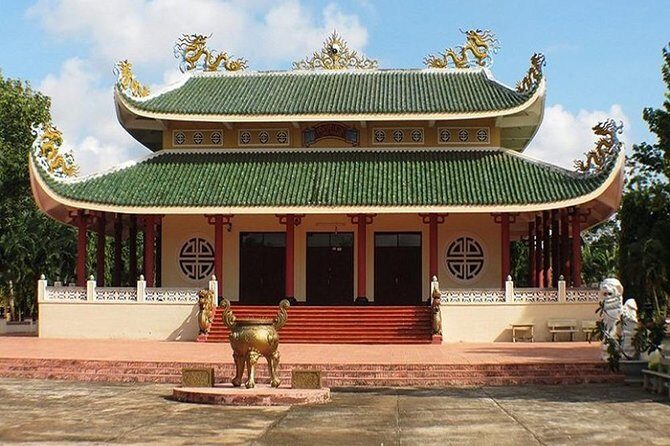
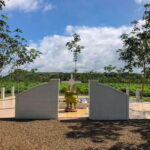
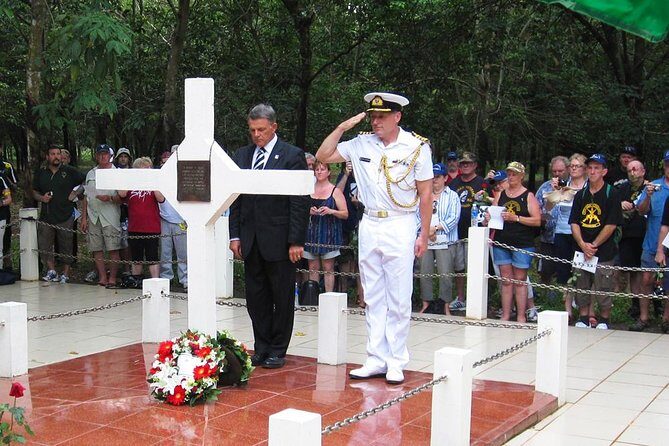
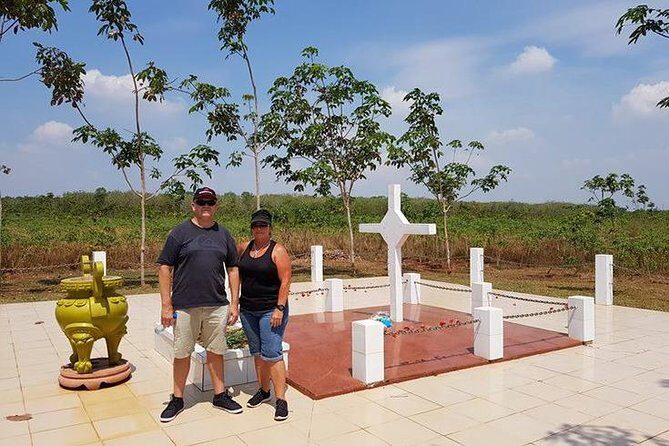
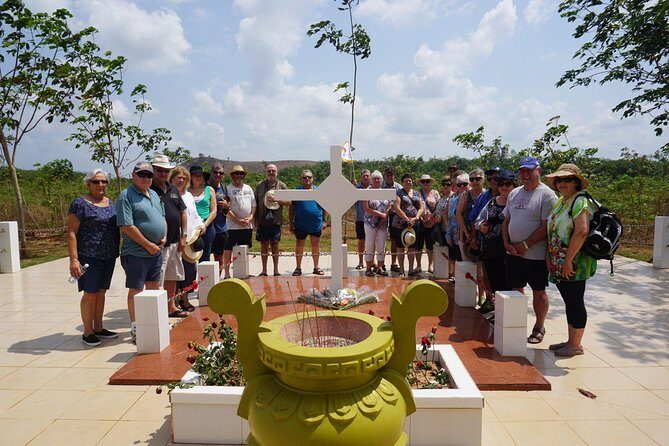
Long Tan Cross is the moment most people came for, and it’s worth treating it as more than a photo stop. The memorial you’ll visit was raised by Australians in August 1969 to remember the great Battle of Long Tan, fought in 1966 between Australians and the Viet Cong.
Walking up to a memorial like this changes how you read the landscape around it. From the cross area, your guide helps you connect the terrain to the battle—where key movement would have mattered and how the surroundings likely shaped decisions. This is where having a guide who can speak with war experience (not just textbook knowledge) really counts.
I especially like when guides slow the visit down. If your guide offers wartime photos and compares them to what you’re looking at now, take the time to look carefully. The contrast makes the story feel less abstract and more real.
Also, don’t be surprised if you’re offered small rituals. One detail from the experience described here: the guide had the forethought to pick up flowers so your group could lay them at Long Tan Cross. Even if you only do it briefly, that gesture can help you focus instead of rushing through.
Horseshoe Battlefield Base: The Chaotic Part You Can Feel
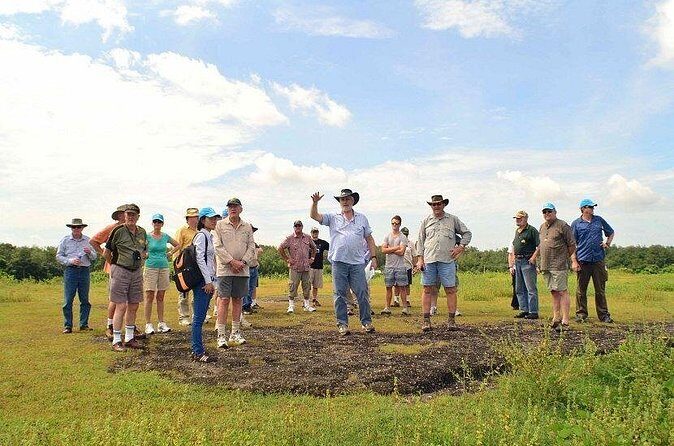
After Long Tan, the day shifts to the Horseshoe battlefield base. This stop is about understanding confusion and control—what it means when fighting happens in close quarters and the ground isn’t neutral.
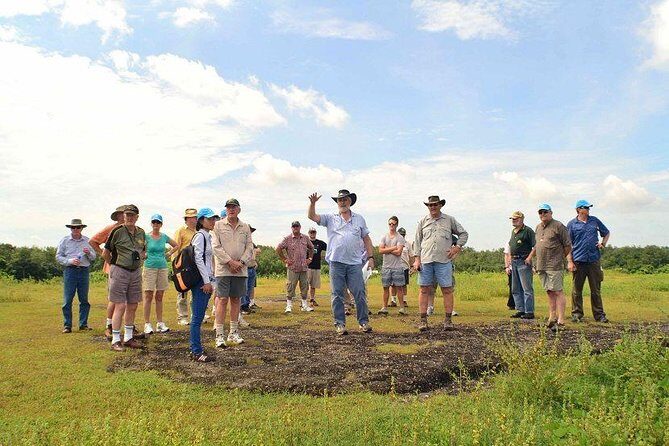
Here’s what I think is most useful for you: don’t just look for a battlefield as a single point. Instead, look at lines of movement and how the environment could funnel people, change visibility, and affect timing. Your guide’s job is to point out those invisible factors, and the war veteran angle can help it stick.
The experience I’m drawing on emphasizes how up close the “chaotic times” feel when you can stand near the landmarks tied to the fight. That’s not about drama. It’s about scale and proximity. You’re not reading about positions far away—you’re seeing the physical context that shaped the events.
And one practical win: people appreciate that the day avoids time-wasting souvenir shop detours. On a battlefield tour, your best value is your attention, so a guide who keeps you moving between key places is a big plus.
You can also read our reviews of more private tours in Ho Chi Minh City





Nui Dat (SAS Hills): Seeing Strategy in the Terrain
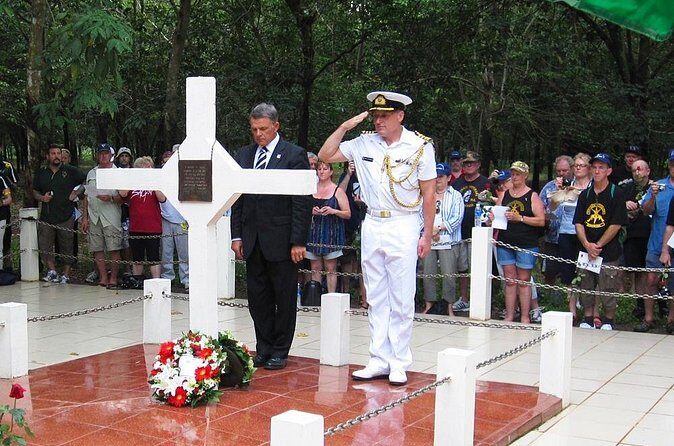
Nui Dat is often paired with SAS Hills, and that pairing is important because it helps you understand the bigger picture. This is the area that ties into base activity and the way forces tried to gain advantage in the wider battle zone.
When you’re on the ground, it’s easy to forget that strategy is built on everyday constraints: travel routes, cover, visibility, and how fast information can spread. Your guide’s explanations help you translate the land into decision-making.
If you’re the type who likes maps, ask for the guide’s quick mental model as you walk. The best guides give you a simple way to follow the story without drowning you in details. Even if you don’t get every fact, you’ll leave with a clearer sense of what each location contributed to the overall campaign.
Also, keep an eye on pacing. The tour is designed to cover multiple major sites in one day, so you might not get long stays at every single point. That’s normal here, and it’s part of why the guide’s explanation matters as much as the scenery.
Long Phuoc Tunnels: How Underground Life Changed Everything
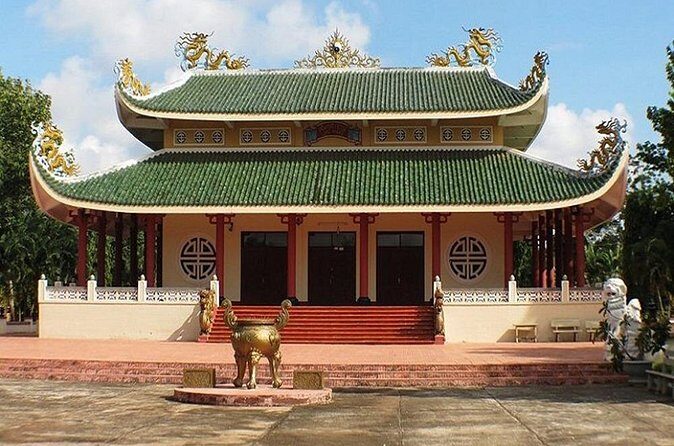
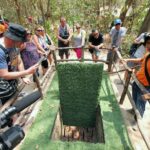
Then comes the pivot from surface fighting to what happened underground. Long Phuoc Tunnels were used by the Viet Cong, and visiting them helps you understand that wars are also about logistics: getting people where they need to go, protecting them, and sustaining movement when the surface is unsafe.
You’ll get a glimpse of the tunnel system that feels primitive and functional at the same time. It’s easy to romanticize underground spaces in movies, but battlefield tunnels are about survival and speed, not comfort. Your guide helps put those tunnels into a war context, so the stop doesn’t become a generic “walk-through.”
This is a good time to slow down and listen to any advice your guide gives. If the tunnels involve narrow areas and darker passages (which is typical for this type of site), go at your own pace. Wear comfortable shoes for uneven ground outside, and expect the experience to be more about comprehension than sightseeing.
Once you’ve seen Long Phuoc after Nui Dat and Horseshoe, the day clicks. You’re seeing two different ways of controlling a conflict: what you do above ground and what you do when you have to disappear.
Lunch and Timing: Getting the Most From an 8-Hour Day
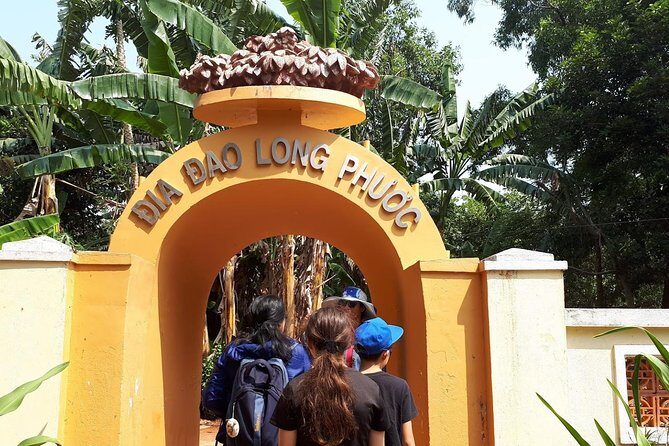
The tour includes lunch at a local Vietnamese restaurant. That matters more than you’d think on a day like this, because you’re going to be using your brain constantly. A real sit-down lunch helps you recharge so you can keep paying attention afterward.
The schedule is built around an early start—pickup and meeting happen around 7:45am from the address at 112 Trần Hưng Đạo, Phường Phạm Ngũ Lão, Quận 1. You’ll return to the same meeting point at the end of the activity. That makes planning easier because you’re not guessing where you’ll be dropped.
You’re looking at about 8 hours total, including driving and landmark time. If you’re planning anything later that night, keep it simple. This isn’t the kind of outing that ends with you wanting to sprint across the city.
Weather also matters. The experience requires good weather, and if it’s canceled for poor conditions, you’ll be offered a different date or a full refund. So if you’re booking close to your travel window, it’s smart to build in a little flexibility.
War Veteran Guidance: Why This Tour Feels Different
Most battlefield tours give you history. This one is designed to give you understanding, and the biggest reason is the guide is a war veteran. That doesn’t mean you’ll get a dramatic monologue. It usually means the guide knows what questions to ask and what details to emphasize.
One standout detail from the experience described here: the guide used photos from the war era and compared them to current views so you could visualize what you were looking at. That kind of “then vs now” comparison is one of the fastest ways to make a battlefield feel understandable rather than confusing.
You also benefit from the private setup. You can ask about what you’re seeing, how things likely worked, and what features were important. And because only your group participates, you won’t feel rushed by other travelers.
Price and Value: Is $135 Fair for What You Get?
At $135 per person, you’re paying for a private day with transportation, an English-speaking guide, and lunch included. The price also covers the major stops across Long Tan, Horseshoe, Nui Dat (SAS Hills), and Long Phuoc Tunnels, plus the orphanage visit.
Is it good value? For me, yes—especially if you want more than a drive-by. The battlefield side of this tour is information-heavy, and that’s exactly where a private guide earns their keep. The included lunch helps too, because food budgeting doesn’t become a distraction.
Where cost can swing is your pickup location. The tour includes pickup/drop-off for centrally located District 1 hotels, but extra surcharges may apply if you need pickup outside District 1. If you’re staying outside the center, factor that in early so the real price doesn’t surprise you.
If you’re a solo traveler, private tours can feel pricey. But if you’re traveling with someone and you value context, the day can feel like a balanced education plus a moving human visit rather than a rushed bus tour.
Should You Book This Private Long Tan and Nui Dat Tour?
Book it if you want a Vietnam War day trip that prioritizes meaningful locations, not souvenir stops, and you like learning with a guide who can connect terrain to events. This is a strong fit for history lovers, and it’s also a good choice if you’re traveling with someone who wants depth without getting lost in academic detail.
Skip it or reconsider if you dislike long drives or you’re looking for a purely sightseeing outing. This tour asks you to pay attention. It also includes time at a memorial and sites tied to conflict, so it’s best when you’re in the headspace for reflection.
If you do book, come prepared for comfortable walking shoes, expect variable light and heat outside, and bring a calm attitude. This isn’t about checking boxes. It’s about seeing how a battlefield and its memorials can teach you something still relevant today.
FAQ
What does the tour include?
You get an A/C car or van for pickup, transfers, and sightseeing, an English-speaking tour guide, and lunch at a local Vietnamese restaurant. Admission tickets are indicated as free for the experience.
How long is the private tour?
The duration is about 8 hours.
Is pickup included?
Pickup is offered for centrally located hotels in District 1, and drop-off returns you to the meeting point. Pickup outside District 1 may require an extra surcharge.
What time does the tour start?
Start time is 7:45am, with the meeting point at 112 Trần Hưng Đạo, Phường Phạm Ngũ Lão, Quận 1, Ho Chi Minh City.
Do I need to bring any identification details for booking?
Yes. The tour requires the passport name, number, expiry, and country for all participants at the time of booking.
Is vegetarian lunch available?
Yes, a vegetarian option is available if you advise in advance at booking.
What should I know about children?
Children under 3 must be accompanied by an adult. Child rate is free only when sharing with 2 paying adults; otherwise the adult rate may apply, and a surcharge may apply for bookings with 2 or more children.