REVIEW · HO CHI MINH CITY
Saigon Morning Excursion by Scooter
Book on Viator →Operated by Vietnam Street Food Tour · Bookable on Viator
Saigon feels like a movie on a scooter. This morning excursion is built for seeing the parts of Ho Chi Minh City that don’t show up on most quick itineraries, using motorbikes as your local transport. You’ll get a guided route through working neighborhoods, temple stops, markets, and river life—most of it outside District 1’s usual bubble.
I especially like the District 3–to–District 10 route, because it mixes stories and everyday scenes: the Thich Quang Duc protest history, a wet market, and the city’s biggest flower market. Another highlight I like is the pacing with real breaks: a coffee stop (with a chance to see Vietnamese coffee made), plus lunch, plus fresh coconut at the floating market.
One thing to consider: you’ll be on the back of a bike for about four hours, so if you get uncomfortable in traffic or on uneven road surfaces, this may not be your favorite style of sightseeing (even with helmets and rain gear provided).
In This Review
- Key things to know before you go
- Riding Saigon like a local: how the scooter format works
- 8:00 AM pickup and the route start in District 3
- Wet market and the District 10 flower market: seeing trade up close
- Vietnamese coffee stop: tea, jam, and how the drink gets made
- Thien Hau temple in District 5: Chinese materials, 1760 roots
- Passing ornamental fish street and Medicine Street
- District 5 and 8 bridge views: stilt houses vs. high buildings
- Lunch and “second Singapore” vibes: District 4 street food energy
- Binh Tay market and traditional medicine/lantern stops
- Floating market coconut stop: talking with people who live on boats
- The overall value: why $26 can work (if you like this style)
- Who this tour suits best
- Should you book the Saigon morning scooter excursion?
- FAQ
- What time does the Saigon Morning Excursion start?
- Is hotel pickup included?
- How long is the tour?
- What’s included in the price?
- Do I get a helmet and rain gear?
- What are the rules for kids and weight?
- Can I cancel and get a full refund?
Key things to know before you go
- Thich Quang Duc memorial stop: you’ll hear the 1963 protest context tied to the famous self-immolation story.
- Wet market to flower market flow: you go from daily commerce to a big District 10 flower supply hub.
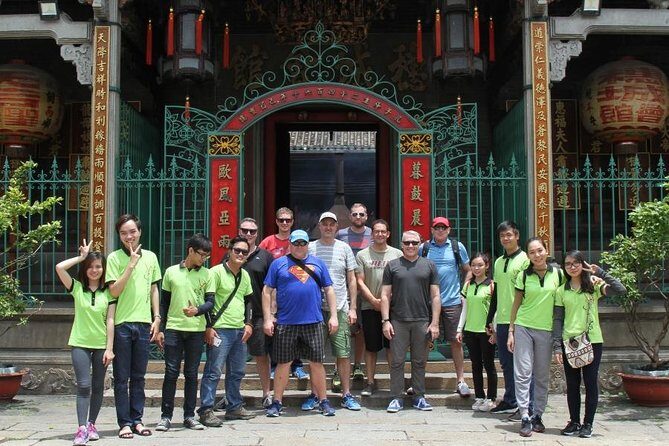
- Temple and Chinatown heritage: the Thien Hau temple is credited to Chinese builders, including materials imported by boat.
- River contrast views: you’ll cross areas that show stilt-house river living against taller urban buildings.
- Floating market coconut time: you’ll try fresh coconut and talk with people who live on boats year-round.
- Guide-led clarity: recent feedback highlights strong communication from named guides including Ryan and Jack, with helpers Lilly and Tu Tu.
Riding Saigon like a local: how the scooter format works
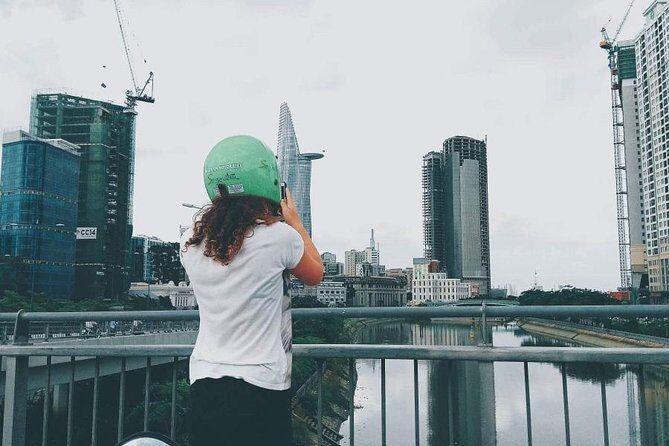
This is not a sit-and-watch tour. It’s a hands-on way to get around, and that matters in Saigon. Motorbike travel lets you slip into narrow lanes, pause where locals actually move through the day, and get quick visual context that’s hard to catch from a car window.
The experience is set up for comfort and safety. You’ll ride with an open-faced helmet, and you’ll also be given a rain coat if needed. That’s important here because weather can change fast, and you don’t want your tour to turn into an exercise in getting soaked and rushed.
Because it’s built around neighborhoods beyond District 1, the route also changes the feel of your morning. You’ll go from landmark story stops to markets and eating alleys where daily life is the main event.
You can also read our reviews of more tours and experiences in Ho Chi Minh City


8:00 AM pickup and the route start in District 3
Your morning starts at 8:00 AM, with pickup at your hotel or your specified meeting place. The tour is private, so it’s just your group, not a shared free-for-all. That also means your guide can set the rhythm—slower in crowded market segments, smoother when you’re just transiting.
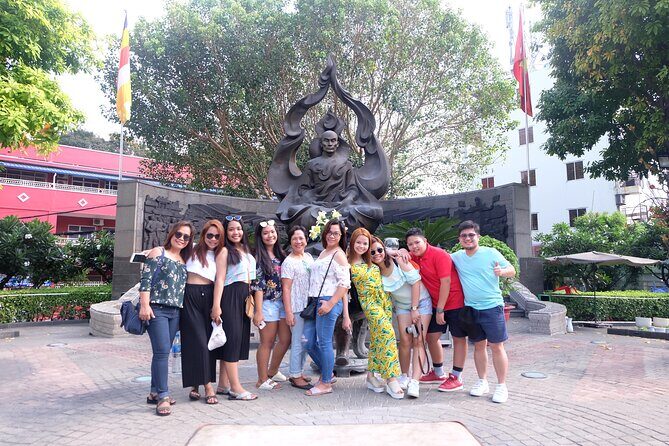
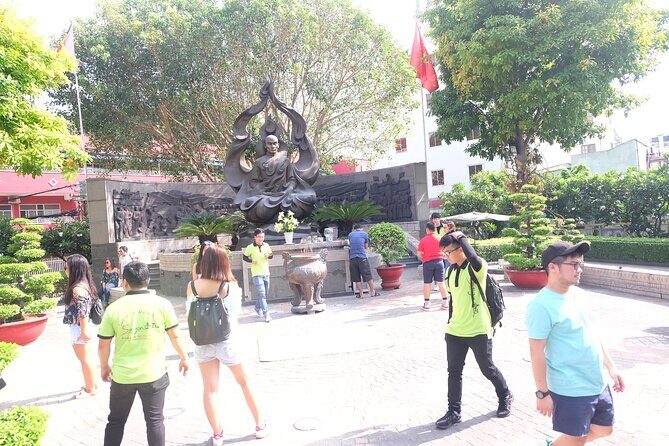
The first big stop zone is District 3, where you’ll learn the story connected to the Thich Quang Duc memorial area. The tour specifically points to the mystery story behind the protest of 1963, when Thich Quang Duc burned himself to oppose the persecution of Buddhism. This is the kind of stop that gives you a lens for the rest of the city—Saigon isn’t only about food and traffic; it’s also about how communities survived political pressure.
From there, you’ll work your way into older apartment areas, including the Nguyen Thien Thuat area. The highlight list also references the Ghost apartment, which you’ll encounter as part of the local backstreets. These stops are less about a single photo and more about seeing how people actually live around older structures.
Wet market and the District 10 flower market: seeing trade up close
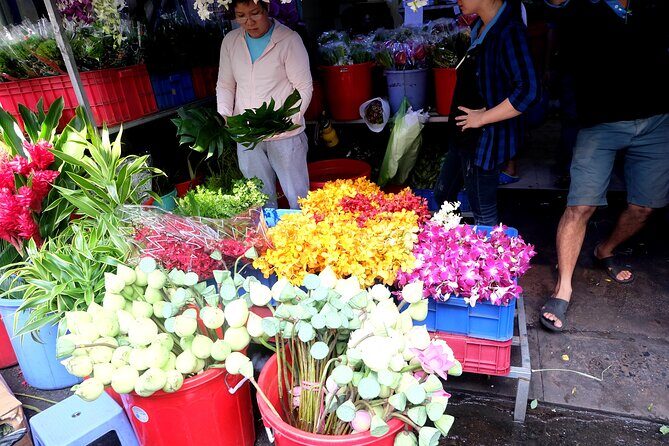
After the story stops, you move into the real engine of daily city life: markets. First, there’s a local wet market stop. Wet markets in Saigon are usually where you understand what the city consumes, how sellers present goods, and how fast everything happens. Even if you’re not buying, it’s a lesson in pace.
Then the tour heads to the biggest flower market in District 10. This is the jump that most visitors miss—one moment you’re watching everyday trade, and the next you’re looking at flowers at a scale that supplies for the whole city. The tour notes that many flowers come from Sa Dec in the Mekong Delta, which makes the market feel connected to faraway farming areas, not just local street stalls.
Practical tip: don’t rush this part. Flower markets can be visually overwhelming in a good way, and it’s more fun when you take a few minutes to watch how workers move around the product and how buyers scan quality.
Vietnamese coffee stop: tea, jam, and how the drink gets made
Your schedule includes a coffee stop in the day plan. The tour gives you a chance to either see how Vietnamese coffee is made or to enjoy tea with jam—depending on what you prefer and what’s available at that moment.
This is one of the smartest parts of the morning, because it resets your senses. After helmets, traffic sounds, and market sights, a warm drink and a quick explanation gives you something to anchor the morning in.
Also, you’re not just getting caffeine. The included plan lists one eating stop and two kinds of drink, which helps keep your morning from becoming a series of quick photo stops with no comfort built in.
Thien Hau temple in District 5: Chinese materials, 1760 roots
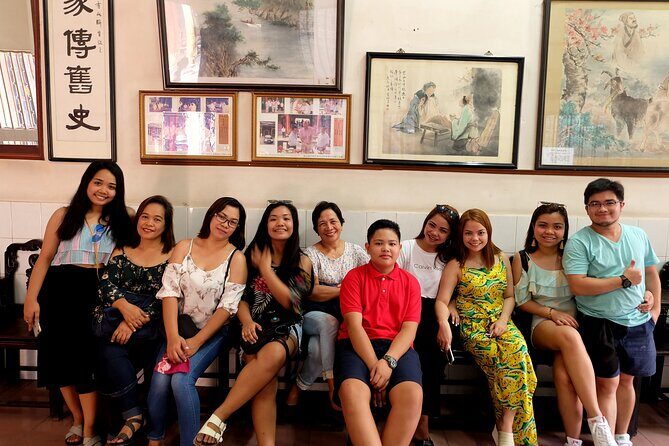
Next up is the Thien Hau temple, also known as the Lady of Sea temple. The tour frames it as being built by Chinese people, around 1760, with materials imported from China by boat.
Why this matters: in Ho Chi Minh City, religious sites often connect the dots between trade, migration, and community protection. Thien Hau is tied to seafaring and coastal traditions, and seeing it after you’ve already visited markets helps you connect the role of commerce to the role of belief.
The route timing here is also useful. You’re traveling from one neighborhood character to another, and a temple stop breaks up the sensory load without turning the tour into a museum detour.
You can also read our reviews of more tours and experiences in Ho Chi Minh City




Passing ornamental fish street and Medicine Street
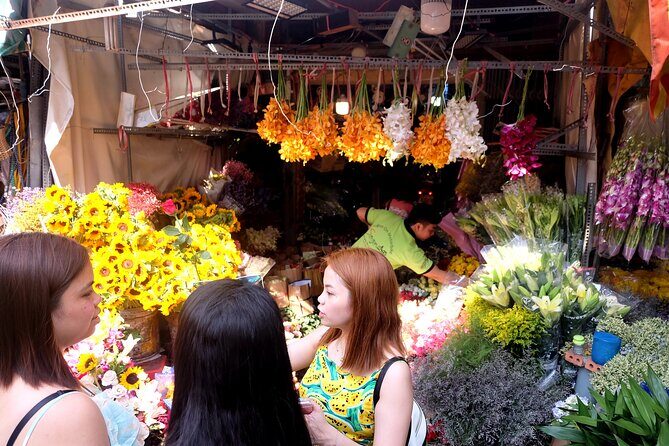
On the way between districts, you’ll drive past ornamental fish street and Medicine Street. Even though you’re not necessarily stopping to shop, these pass-by moments are part of the value of a scooter tour: you get the street names and the specializations that form local identities.
You’ll be able to look at storefronts, street layouts, and how goods are displayed. It’s a quick peek into how Saigon’s economy segments itself street by street.
District 5 and 8 bridge views: stilt houses vs. high buildings
The tour includes a drive over the bridge connecting District 5 and District 8. The plan specifically calls out contrast views: stilt houses along the riverside versus taller buildings.
This is one of those “you can read it, but you have to see it” scenes. Saigon is a city of layers. On one side, you’re seeing housing shaped by water and daily river life. On the other, you’re seeing the modern skyline pressures that come with growth.
If you like travel photography, this is a good time to slow down with your phone and take a few careful frames—just remember you’ll be moving, so don’t rely on perfect stillness.
Lunch and “second Singapore” vibes: District 4 street food energy
After lunch, the itinerary shifts again. The plan describes driving to a local riverside coffee shop to enjoy Vietnamese lunch in a cool atmosphere, then continuing into more riverside neighborhood scenes.
The tour also mentions a place described as the “second Singapore,” once the poorest district in Saigon, along with District 4 references as the smallest district and famous for street food.
This is where the scooter style really pays off. You’ll travel through eating alleys on the “island” surrounded by the Saigon River—home to immigrants from multiple regions of Vietnam. That kind of micro-urban story is hard to get from a vehicle-only route.
Practical note: street-food districts can be busy, and your guide’s job is to keep your group moving at a safe speed. If you’re sensitive to strong smells or crowds, tell your guide what you prefer at the start.
Binh Tay market and traditional medicine/lantern stops
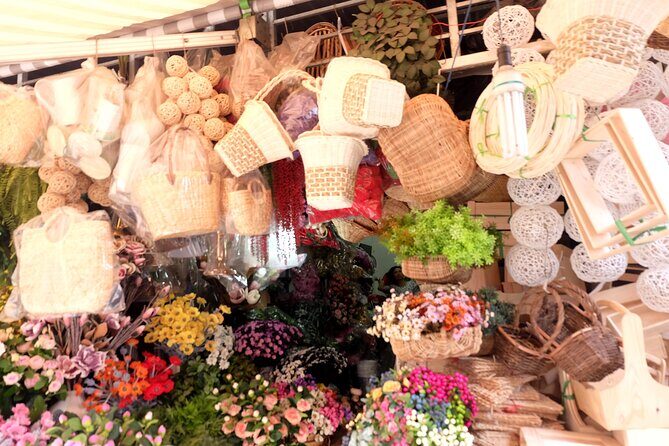
The highlight list includes the Binh Tay market described as the biggest wholesale market, along with Cambodian, Chinese traditional medicine, and Lantern market stops.
These are great stops for people who like the “how does a city feed itself and trade with itself” angle. Wholesale markets are usually less polished and more intense than retail scenes, which means you get the real workflow: bulk handling, quick packaging, and specialized goods moving to where they’re needed next.
If you’re shopping, go with a simple mindset: look for small items, watch prices, and avoid buying too much at once. If you’re not shopping, you’ll still benefit from the context your guide provides—what the products are for, and why they appear in certain lanes.
Floating market coconut stop: talking with people who live on boats
After lunch, the tour heads to the floating market for fresh coconut. The plan includes a specific idea: you’ll not only taste coconut, you’ll also have a chat with locals who live on boats year-round.
That matters. A floating market stop can sometimes turn into a quick “look and leave” moment. Here, the structure hints at a more human connection—an explanation of how those communities live, and how boats bring goods in from the Mekong Delta.
The plan also notes plenty of boats from the Mekong Delta dock for selling products. That connects the river to the city’s daily needs. Instead of thinking of the Mekong as a distant place, you see it as a supply line.
The overall value: why $26 can work (if you like this style)
At $26 per person for about four hours, you’re paying for several things that add up fast on your own: a guide, a private motorbike transport plan, included drinks and a meal, and safety gear.
The “value” part isn’t just the price. It’s the mix:
- story stops that give you context (Thich Quang Duc, older district areas)
- markets that show everyday trade (wet market, flower market, wholesale market)
- food and drink breaks built into the itinerary (coffee stop, Vietnamese lunch)
- a signature river moment (floating market coconut)
If you prefer only major landmarks, a scooter tour like this can feel too much like real life. But if you want Saigon’s texture—alley scenes, market energy, temple heritage—this is a practical way to get it without burning a full day.
Who this tour suits best
This works especially well if you:
- want more than District 1 sightseeing
- enjoy markets, street scenes, and neighborhood stories
- like Vietnamese coffee culture and street-food energy
- are comfortable riding a motorbike for several hours
It may be less ideal if you:
- dislike scooters or have motion discomfort
- want a slower, walking-only pace
- need a quiet, low-stimulation experience
Should you book the Saigon morning scooter excursion?
I’d book it if your goal is understanding the city you’re in, not just ticking off sights. The route design keeps giving you something new—stories, markets, temples, and the river—with comfort built in through helmets, rain gear, and included breaks.
I’d think twice if you’re extremely sensitive to traffic noise or prefer fixed, museum-style stops. This is a morning of moving and looking, and it rewards the curious and flexible.
If you do book, choose this tour for the morning slot and bring the mindset of a neighborhood explorer. You’ll get more than photos—you’ll get the city’s rhythm.
FAQ
What time does the Saigon Morning Excursion start?
It starts at 8:00 AM.
Is hotel pickup included?
Yes. Pickup is offered at your hotel or at a specified place.
How long is the tour?
The duration is about 4 hours.
What’s included in the price?
The price includes 1 meal and 2 drinks, 4 hours on a motorbike with an open-faced helmet and rain coat if needed, one eating stop and 2 kinds of drink, accident insurance, a friendly English speaking tour guide, and private transportation.
Do I get a helmet and rain gear?
Yes. You’ll ride with a high quality open-faced helmet and you’ll receive a rain coat if needed.
What are the rules for kids and weight?
Children under 5 must be followed by their parent during the tour. If you weigh over 130 kg, you need to contact the operator before booking.
Can I cancel and get a full refund?
Yes, you can cancel for a full refund if you cancel at least 24 hours in advance of the experience start time.
![[Free E-sim] Evening Walking Tour in Saigon - The free e-sim perk: practical help for your first hours in Saigon](https://a.thesaigonguide.com/wp-content/uploads/free-e-sim-evening-walking-tour-in-saigon.jpg)