REVIEW · HO CHI MINH CITY
Saigoncholon
Book on Viator →Operated by Saigoncholon · Bookable on Viator
Cholon in Ho Chi Minh City hits different. I like how this tour turns a familiar neighborhood into a lived-in story, guided by Minh, a local from Cholon Chinatown. You’ll visit classic market spots and temples, but the focus stays human: trade, daily faith, and the Chinese-Vietnamese community proud enough to show you what locals do, not what brochures prefer.
Two things I really like: the small group (max 4) means you get time for questions, and the visit style is practical—markets you can actually shop in, plus a food stop that’s meant to be eaten on the street. One drawback to consider is reliability: with a no-show reported in at least one case, you’ll want clear confirmation and calm backup plans if the guide is late.
In This Review
- Key highlights you’ll feel fast
- Why Cholon feels personal when Minh guides
- Price and what you truly get for $29.75
- Getting started: Ben Thanh meeting point and small-group pacing
- Binh Tay Market: where the trading feels real
- Soai Kinh Lam fabric and silk market: what sellers want you to notice
- Ba Thien Hau Temple: comparing local devotion with tourist expectations
- Nghia An Temple: the quiet, local-feeling stop with a surprise element
- Chợ Thủ Đô food stop: eat street food with confidence
- How the tour balances history, trade, and everyday life
- What to bring and how to plan your morning
- Who should book this Saigon Cholon tour
- Reliability note: small group means you should confirm
- Should you book Saigoncholon with Minh?
- FAQ
- FAQ
- Where does the tour start and end?
- How long is the Saigon Cholon discovery tour?
- What’s included in the price?
- What are the main stops you’ll visit?
- Is admission required for the stops?
- Is pickup offered?
- Is the tour good for people with food allergies?
- How many travelers are on the tour at most?
- What happens if the weather is bad?
Key highlights you’ll feel fast
- Max 4 travelers, with Minh tailoring your pace based on what you care about
- Binh Tay Market for the day-to-day rhythm of Chinese-Chinese-Vietnamese commerce
- Soai Kinh Lam fabric and silk market to see how trading works between locals and the wider world
- Two temple styles: a more typical tourist contrast (Ba Thien Hau) plus a quieter local experience (Nghia An)
- Chợ Thủ Đô street-food stop for safe, simple eating like locals do
- Value package: pickup/AC ride, bottled water, coffee or tea, and breakfast noodles included
Why Cholon feels personal when Minh guides
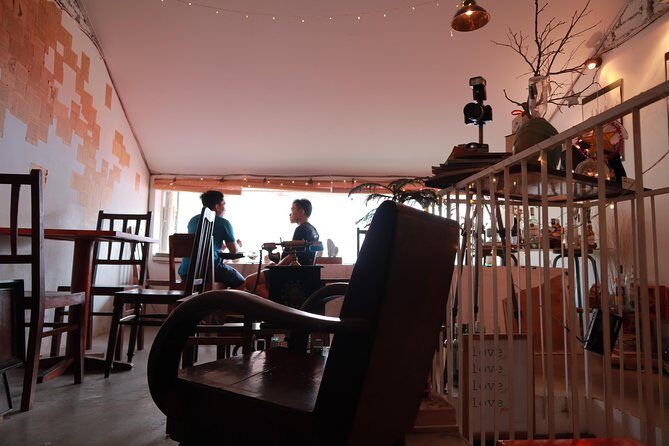
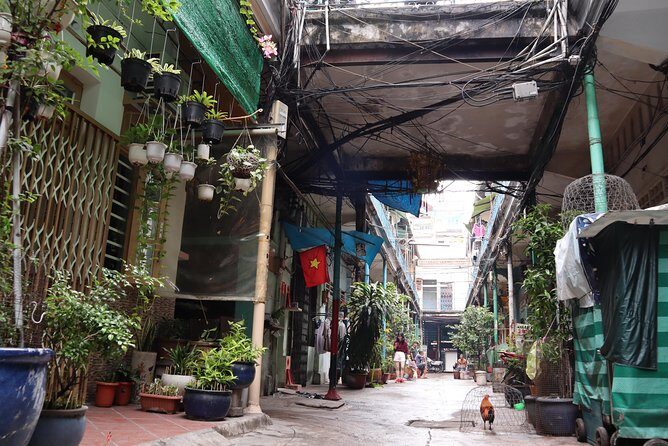
Cholon is the Chinatown of Ho Chi Minh City, and it’s not just a theme. It’s a place with families, shops, and routines that keep going whether tourists show up or not. Minh comes from this area—he describes it as tied to childhood, growth, and career—so the tour doesn’t read like a script.
That personal connection matters because you’ll notice the difference in tone. When someone grew up there, they tend to explain the “why” behind everyday scenes: why certain goods get attention, why temples sit where they do, and how people talk about luck and blessings. You also get the community angle—Chinese-Vietnamese pride isn’t presented as a slogan. It’s shown through local businesses and the feel of the markets.
You can also read our reviews of more tours and experiences in Ho Chi Minh City.


Price and what you truly get for $29.75
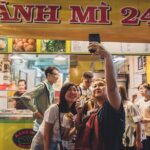
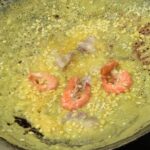
At $29.75 per person for about 3–4 hours, this is priced like a practical half-day experience, not a fancy museum tour. The reason it feels good value is the package includes more than just walking: you get an air-conditioned vehicle, bottled water (1 per person), plus coffee or tea and breakfast noodles served in a Chinese-style alley setting.
Here’s what that means for you in real life. You’re not spending your morning buying multiple add-ons just to keep moving. You still have to cover extra foods, snacks, and additional water if you want more than what’s included, but the essentials are handled. For a short tour, that’s a big deal.
Also, entry is listed as free for the stops, so you’re not paying a chain of small ticket fees. Small-group pacing and included meals usually cost more in other neighborhoods, especially when you factor in the AC ride.
Getting started: Ben Thanh meeting point and small-group pacing
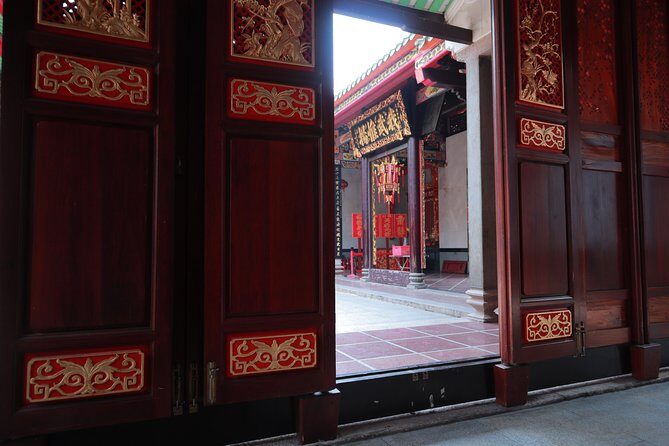
The tour starts and ends back at Ben Thanh Market in District 1. That’s convenient because you can link it to your other plans in central Saigon without trying to figure out a remote pickup point.
The vehicle part is especially helpful. Cholon is busy, traffic can be slow, and weather in the city can change fast. The AC ride takes the edge off, and you can spend more of your energy on the markets and temples instead of waiting in heat.
And yes, max 4 travelers changes the feel. You’re not just a camera floating behind a group. You can ask questions, get clarification, and adjust your pace—particularly useful if you’re more interested in food or more interested in temples.
Binh Tay Market: where the trading feels real
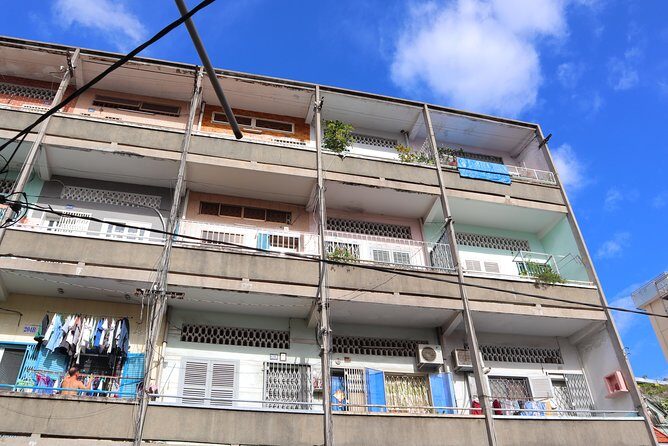
Binh Tay Market is treated as the symbol of Chinatown, and that makes sense. It’s the kind of place where shopping isn’t a separate activity—it’s the point. You’ll get around 30 minutes there, and you’ll have time to browse snacks and see how local trade works in motion.
What I think you’ll enjoy most here is the tone of the place. Instead of being guided through a few staged photos, you’re shown the real flow: people buying quickly, sellers explaining what they’re known for, and everyday customers mixing “grocery” and “snack” in one stop.
Practical advice: go in with your stomach ready, but don’t feel forced to eat everything. If something smells amazing, grab a small portion or share with your group. That way you can still enjoy the later food stop without being too full.
One small consideration: markets like this can be crowded and loud. If you prefer calm sightseeing, bring patience and expect that this is a working neighborhood, not a quiet indoor exhibit.
Soai Kinh Lam fabric and silk market: what sellers want you to notice
Next is Soai Kinh Lam, described as the biggest fabric and silk market. This isn’t only about fabrics. It’s about how trading happens between locals and the wider world—what gets shown, how prices and preferences are discussed, and how shoppers compare materials.
The stop is about 30 minutes, and that’s a good length. Fabric markets can eat time fast because there’s always one more color, one more texture, one more roll to inspect. In a short tour, you’re better off knowing what to look for. Ask questions about types of material and how people choose what to buy.
If you’re shopping, remember your practical constraints. You might find great deals, but fabric adds weight and takes up space. Consider what you’ll actually use it for once you’re home. If you’re not buying, you’ll still get value from watching how people negotiate and decide.
Admission is listed as free for this stop, so you’re paying for the guidance and timing—not an entry fee. That’s a helpful way to think about it.



Ba Thien Hau Temple: comparing local devotion with tourist expectations
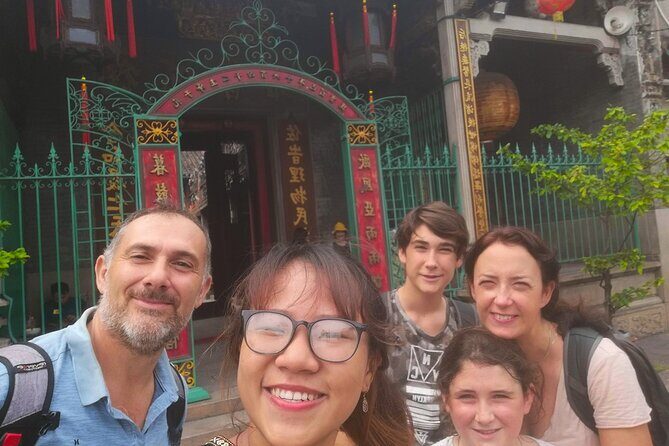
Then the tour shifts from commerce to faith at Ba Thien Hau Temple, with about 30 minutes here. This part is framed as a contrast: you’ll see what a more local temple experience looks like compared with the more touristy versions people sometimes expect.
The value is in your eyes, not a ticket booth. Temples teach you how a neighborhood believes, prays, and organizes sacred space. You don’t need to know every detail to sense what’s going on—offerings, respectful behavior, and the rhythm of worship.
Practical tip: dress modestly and keep your pace respectful. If you’re unsure where to stand or how close to get, follow the guide’s positioning and the flow of locals. In a place like this, your best move is simple: watch first, then act.
Also, this stop being free means you’re getting a meaningful cultural moment without turning it into a shopping trip.
Nghia An Temple: the quiet, local-feeling stop with a surprise element
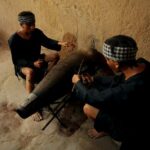
The tour’s most “only in Cholon” feeling moment is Nghia An Temple. It’s longer—about 1 hour—and the description focuses on something intimate: you’ll experience the touch on God’s figure, plus the praying culture meant to wish for luck and blessings.
There’s also a specific note: a hidden place will be shown after the visit. That’s worth keeping in mind because it changes how you approach the first part. Don’t rush just to get photos. Let the guide lead the sequence, because you’ll miss what’s meant to be revealed later.
What you’re likely to enjoy here is the human scale. This isn’t about grand spectacle. It’s about how devotion works in daily life—small rituals, a sense of community, and a quiet request for good fortune. Even if you’re not religious, the culture around prayer can be easier to understand once you’re standing in it.
Potential consideration: because this is a local temple experience and includes a “touch on God’s figure” element, be prepared for close, respectful contact and follow the guide’s instructions carefully. If you’re uncomfortable with that kind of ritual, you may want to mention it at the start so Minh can adjust.
Chợ Thủ Đô food stop: eat street food with confidence
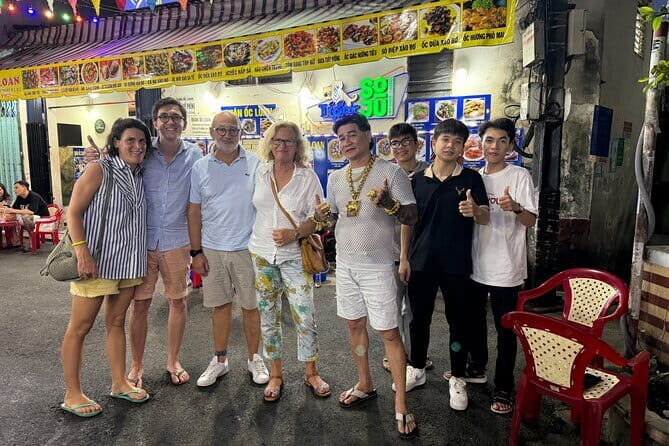
By the time you reach Khu ăn uống chợ Thủ Đô, you’re ready for the payoff. This is about a 30-minute local market and food trading area, with an emphasis on street food that’s described as safe and meant to be enjoyed directly.
This stop matters because it completes the day’s theme. Markets show how people sell. Temples show how people ask for luck and blessings. Food shows how people live—simple, repeated choices that keep families healthy and neighborhoods running.
A smart way to handle this stop: sample, don’t feast. Since extra foods and snacks aren’t included, you’ll control your spending by choosing a few items you truly want. If you’ve already had snacks at Binh Tay, keep portions small here.
Also, if you have food allergy, you’re asked to inform the tour beforehand. That’s a practical detail you should treat seriously, because street-food decisions can get complicated fast when you’re hungry and everything smells good.
How the tour balances history, trade, and everyday life
This experience is more than a checklist of famous places. It’s built around a simple idea: Cholon is where Chinese-Vietnamese identity shows up in real behavior—markets, fabric dealing, temple ritual, and everyday eating. Minh’s framing of pride, community, and local businesses makes the tour feel less like sightseeing and more like understanding a neighborhood.
The itinerary also keeps things moving without overloading you. Short stops (like 30 minutes) work well because you can see a lot without being stuck waiting. The one longer stop (Nghia An at about an hour) gives you time where it counts—when the experience is meant to slow down.
What to bring and how to plan your morning
Since the tour includes breakfast noodles, you’ll get a head start and don’t need to scramble for food before meeting. Still, it’s smart to bring your own small comfort items:
- A light layer, because you’ll move between street heat and AC vehicles
- Cash for any extra snacks or drinks you want beyond what’s included
- Comfortable shoes for market walks and temple areas
Weather also matters. The experience notes that it requires good weather, and if canceled due to poor weather, you’ll be offered a different date or a full refund. If you’re scheduling this during rainy season, build flexibility into your day.
Who should book this Saigon Cholon tour
This fits best if you want:
- A short, focused half-day in Ho Chi Minh City Chinatown
- A guide with local roots and the confidence to explain daily life
- A mix of markets and temples, with a real food stop
It’s also a good pick if you’re traveling with limited time. Three to four hours is enough to see the key areas without turning your whole day into logistics.
You might skip it if you hate market crowds or if you strongly prefer quiet, seated sightseeing. This tour is street-level by design.
Reliability note: small group means you should confirm
One warning comes from the kind of situation that can happen anywhere: if a guide doesn’t show up, you can end up waiting with no explanation. Since this is a small group experience and the start time is tied to pickup from Ben Thanh, I’d do two simple things:
- Message ahead to confirm timing
- Have a backup plan for what you’ll do if the ride is delayed
This isn’t meant to scare you off. It’s just the practical way to protect your day.
Should you book Saigoncholon with Minh?
If you want a half-day that gives you more than photos—markets you can understand, temples that show local devotion, and street food you can eat without guessing—this is a strong choice. The included breakfast noodles, coffee or tea, bottled water, and AC ride make the price feel fair, and the max 4 group size helps you get real answers.
Book it if you’re curious about Cholon Chinatown and you like practical, local-guided experiences. I’d especially recommend it to food lovers who also want cultural context, and to travelers who like small groups over big buses.
FAQ
FAQ
Where does the tour start and end?
The tour starts at Ben Thanh Market in District 1, Ho Chi Minh City, and it ends back at the same meeting point.
How long is the Saigon Cholon discovery tour?
It runs for about 3 to 4 hours.
What’s included in the price?
The tour includes coffee and/or tea, breakfast (Chinese-style noodles served in an alley), bottled water (1 per person), and an air-conditioned vehicle.
What are the main stops you’ll visit?
You’ll visit Binh Tay Market, Soai Kinh Lam fabric market, Ba Thien Hau Temple, Nghia An Temple, and Khu ăn uống chợ Thủ Đô.
Is admission required for the stops?
Admission is listed as free for each of the stops.
Is pickup offered?
Yes, pickup is offered.
Is the tour good for people with food allergies?
If you have a food allergy, you should inform the tour prior to the experience.
How many travelers are on the tour at most?
The tour has a maximum of 4 travelers.
What happens if the weather is bad?
This experience requires good weather. If it’s canceled due to poor weather, you’ll be offered a different date or a full refund.